

HFB | Site
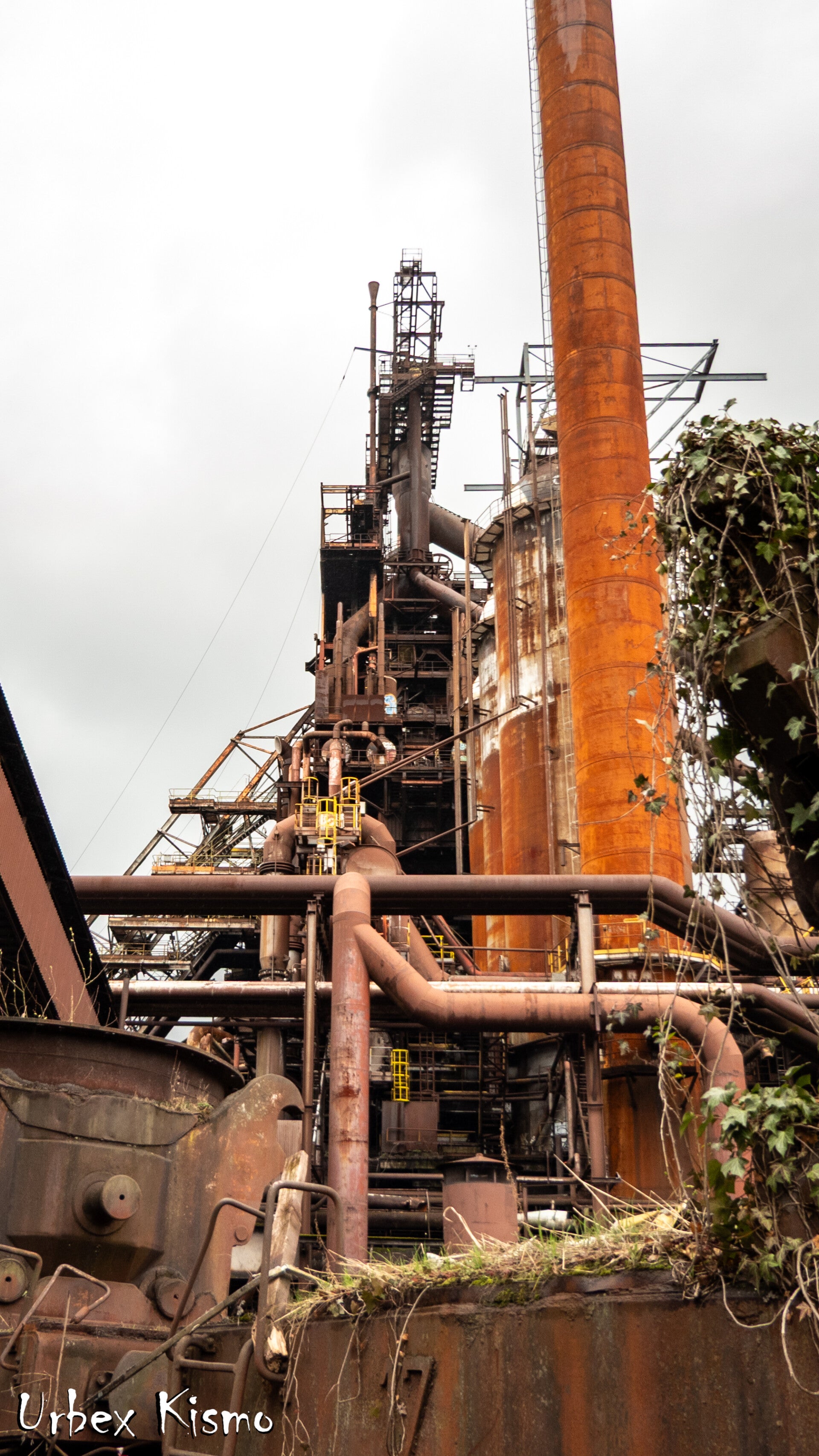
From the outside, the scale of the blast furnace complex becomes immediately clear. Rail tracks, warning signs, and heavy structures define the area, all built to support continuous industrial flow. The railway crossing sign in front of the blast furnace reflects how integrated transport was in daily operations. Trains constantly moved raw materials, slag, and fuel across the site, making this network essential to keep production running.
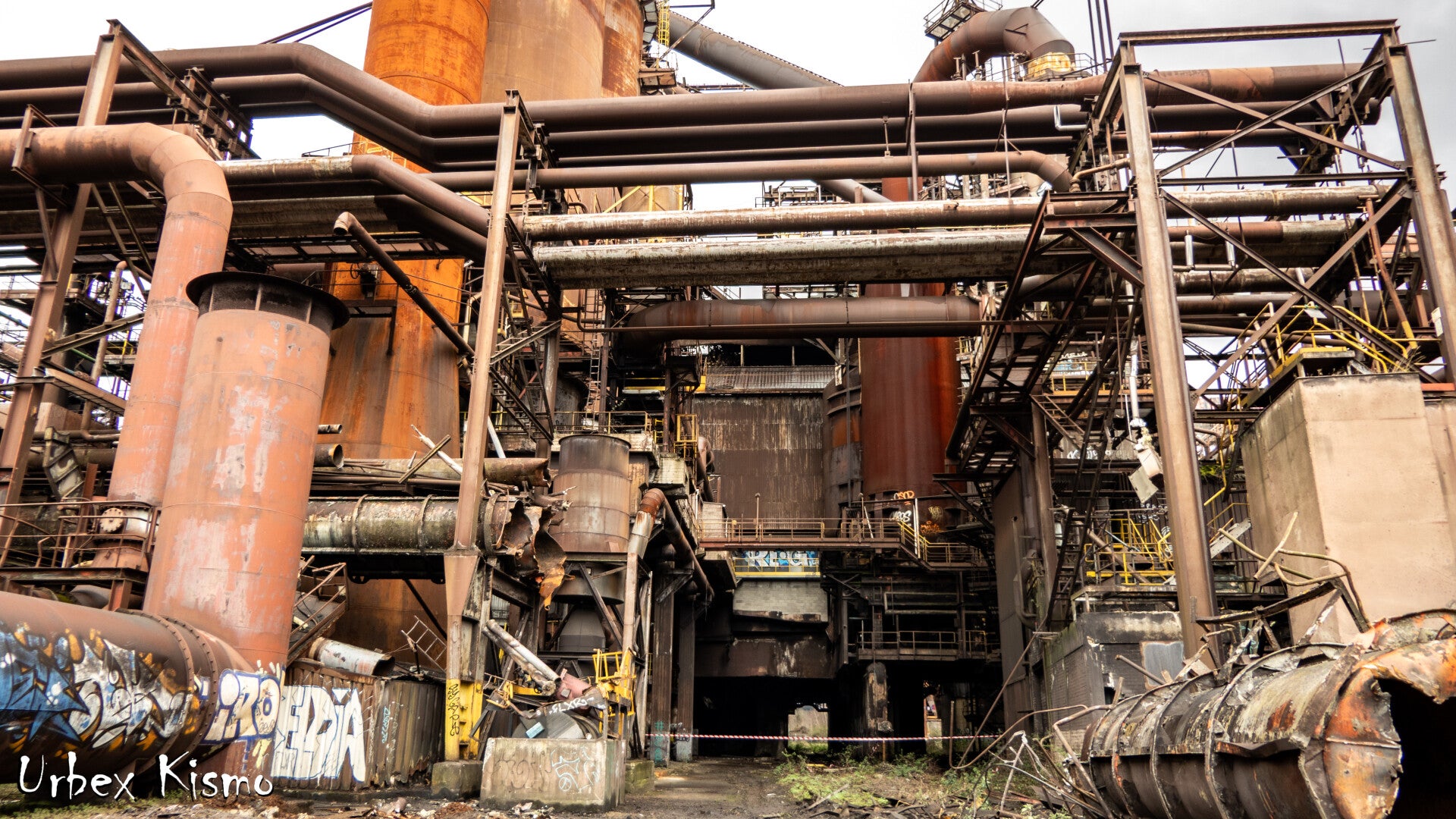
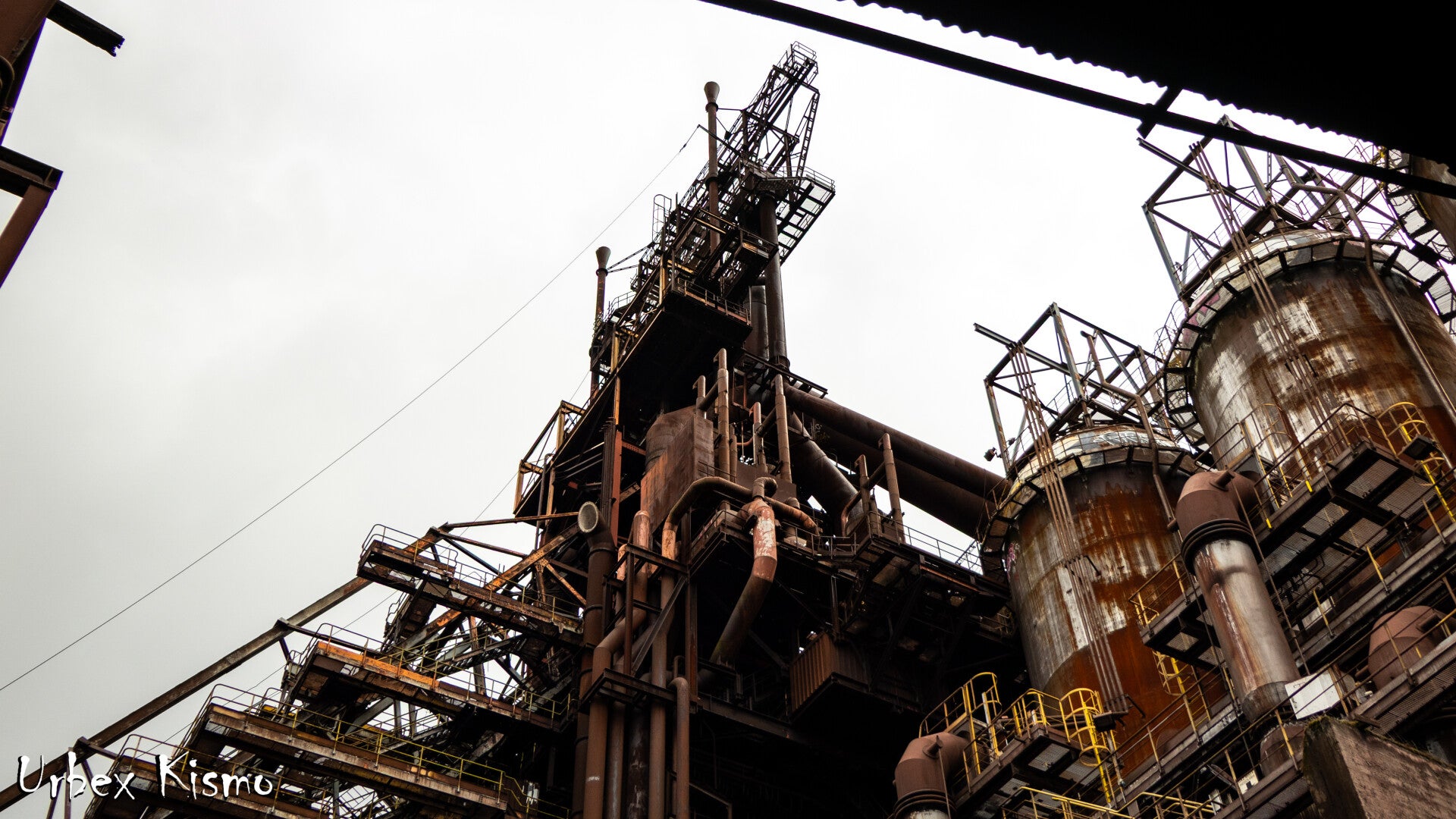
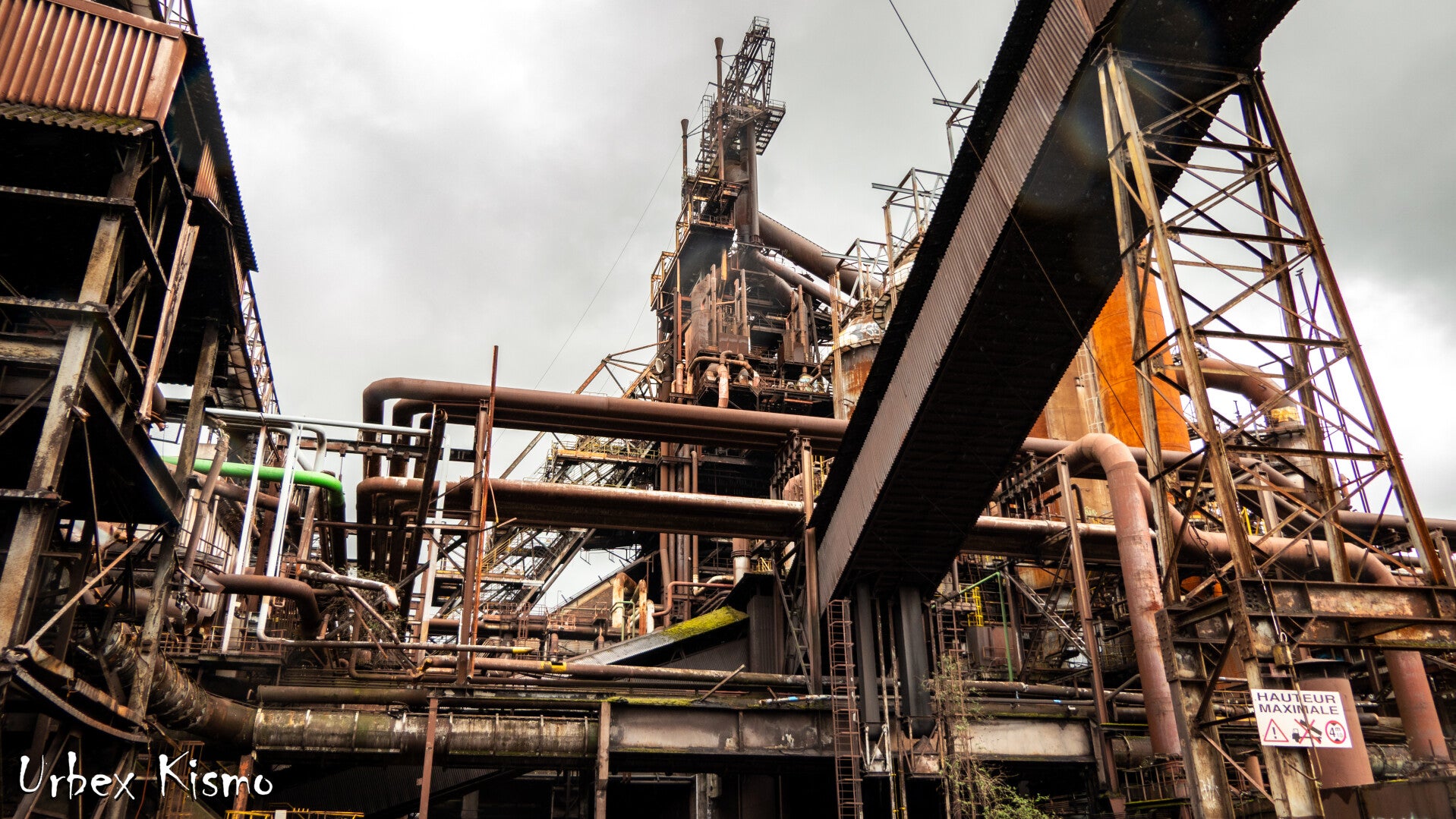
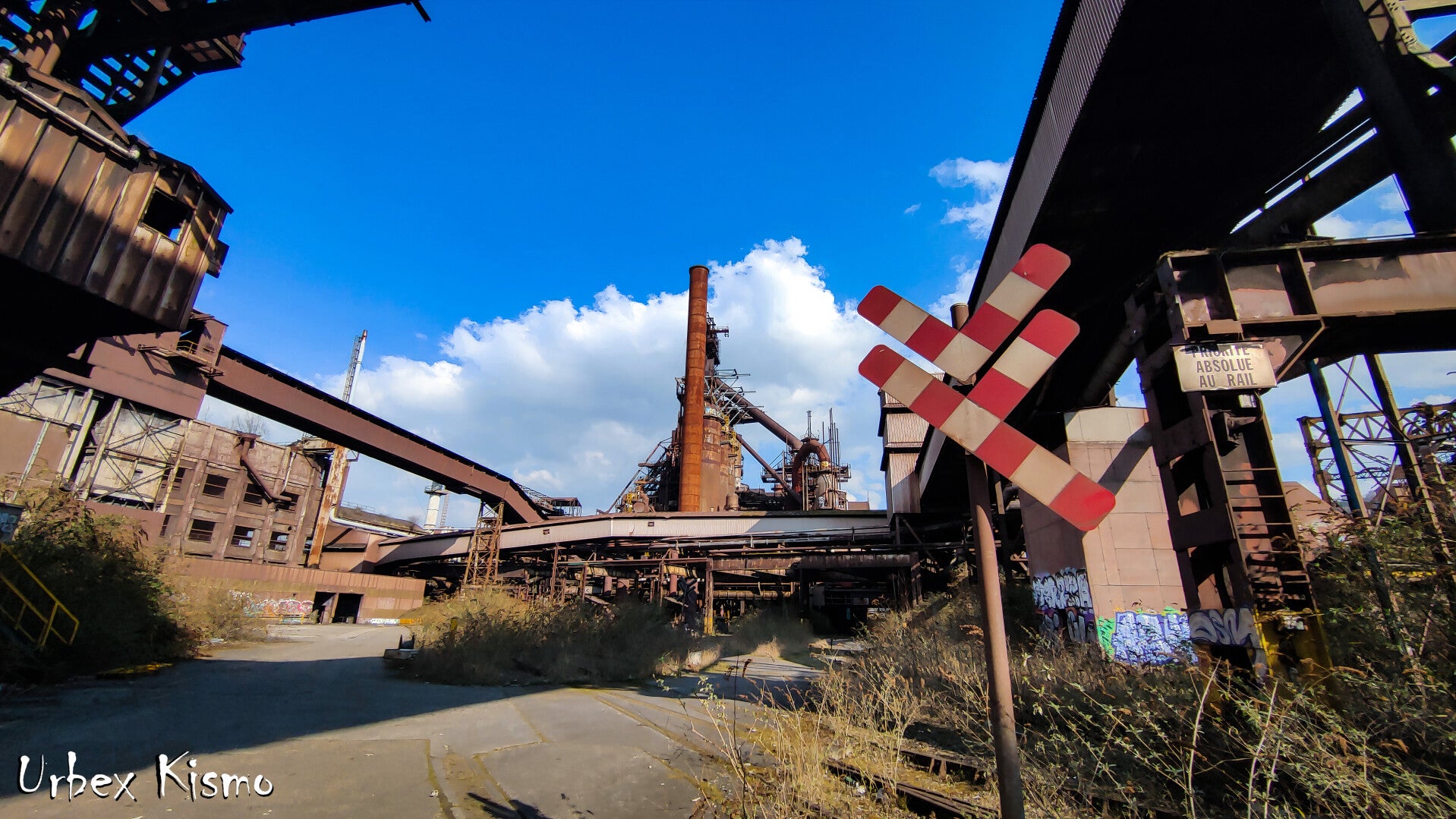
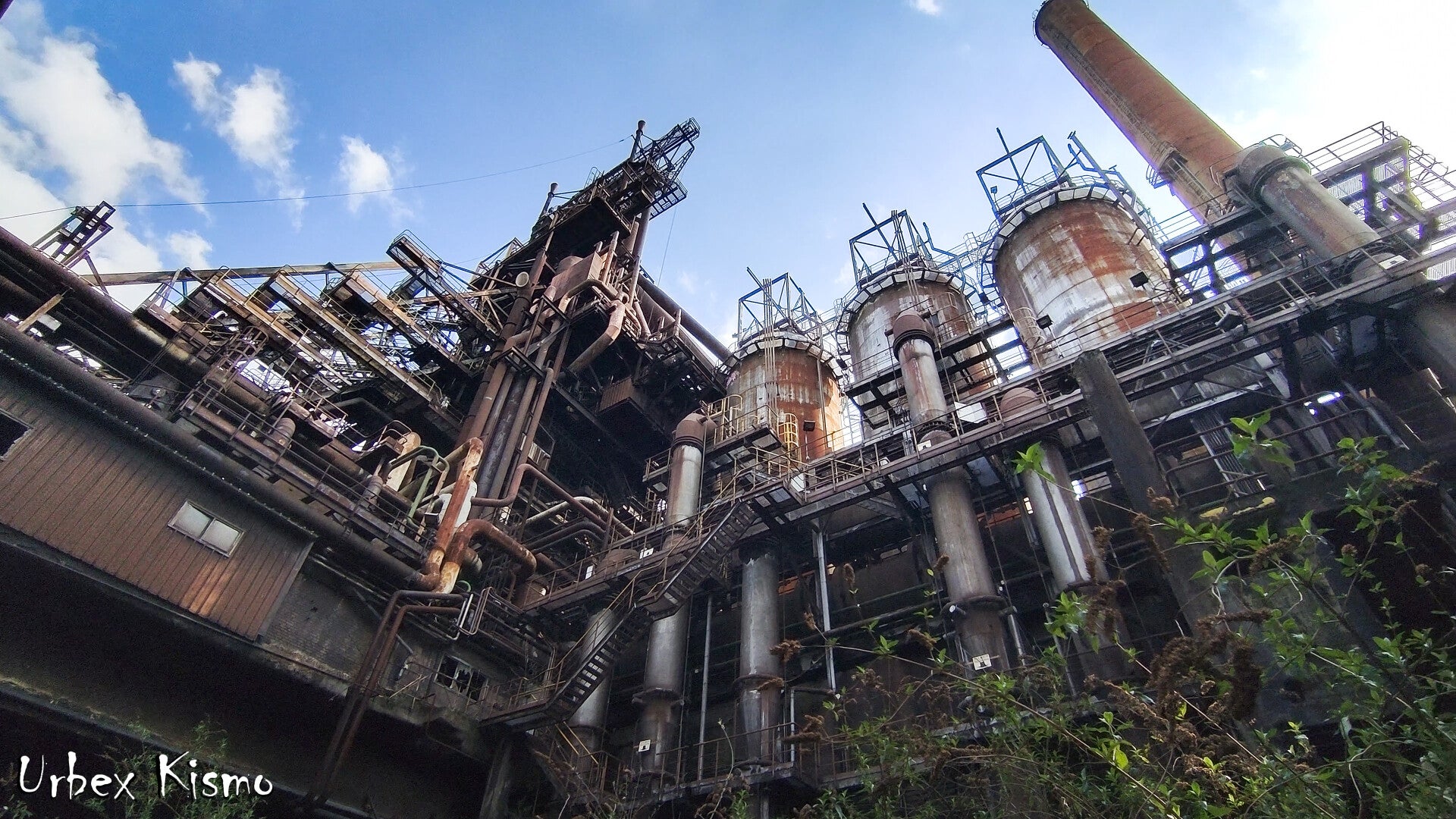
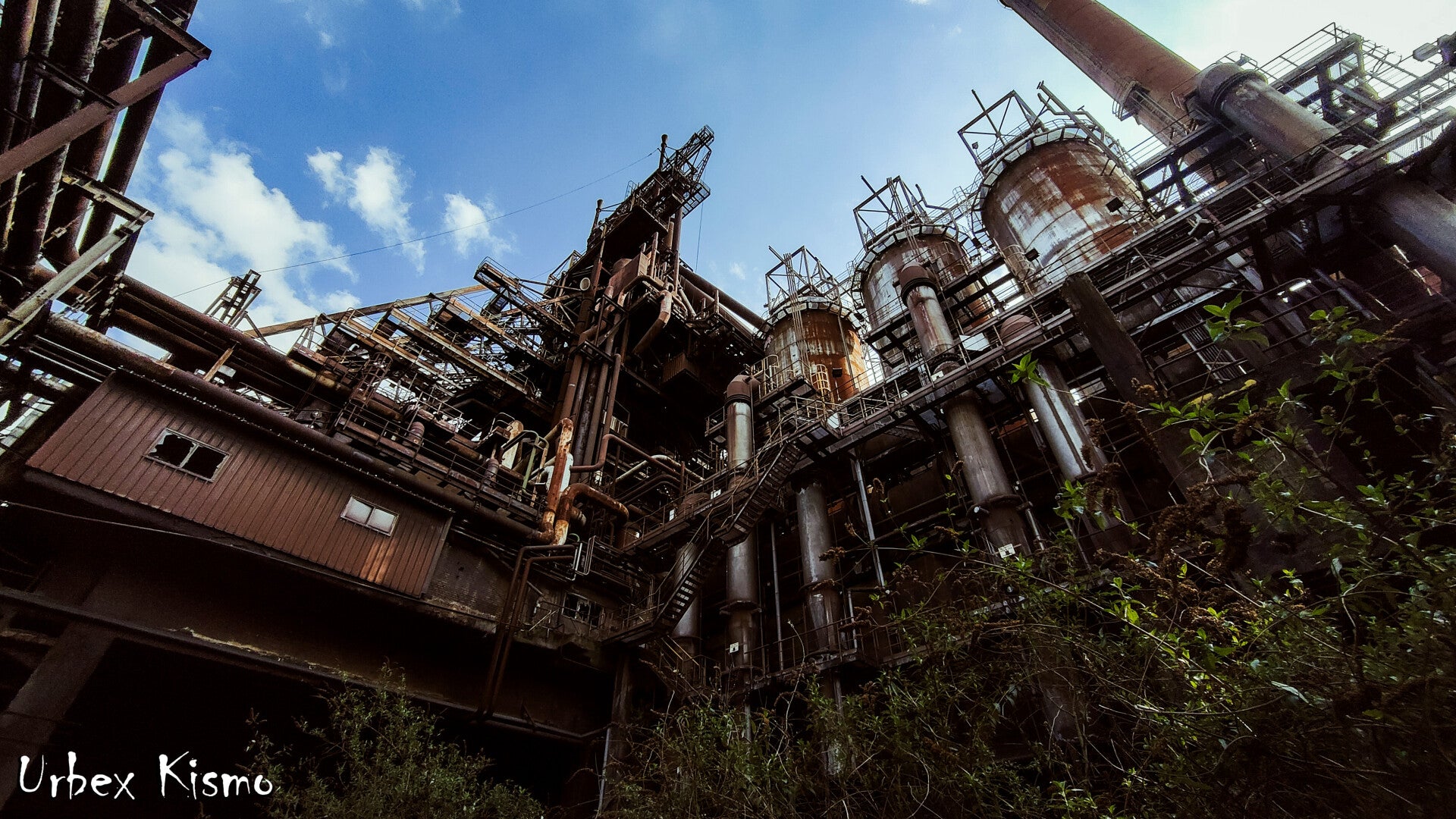
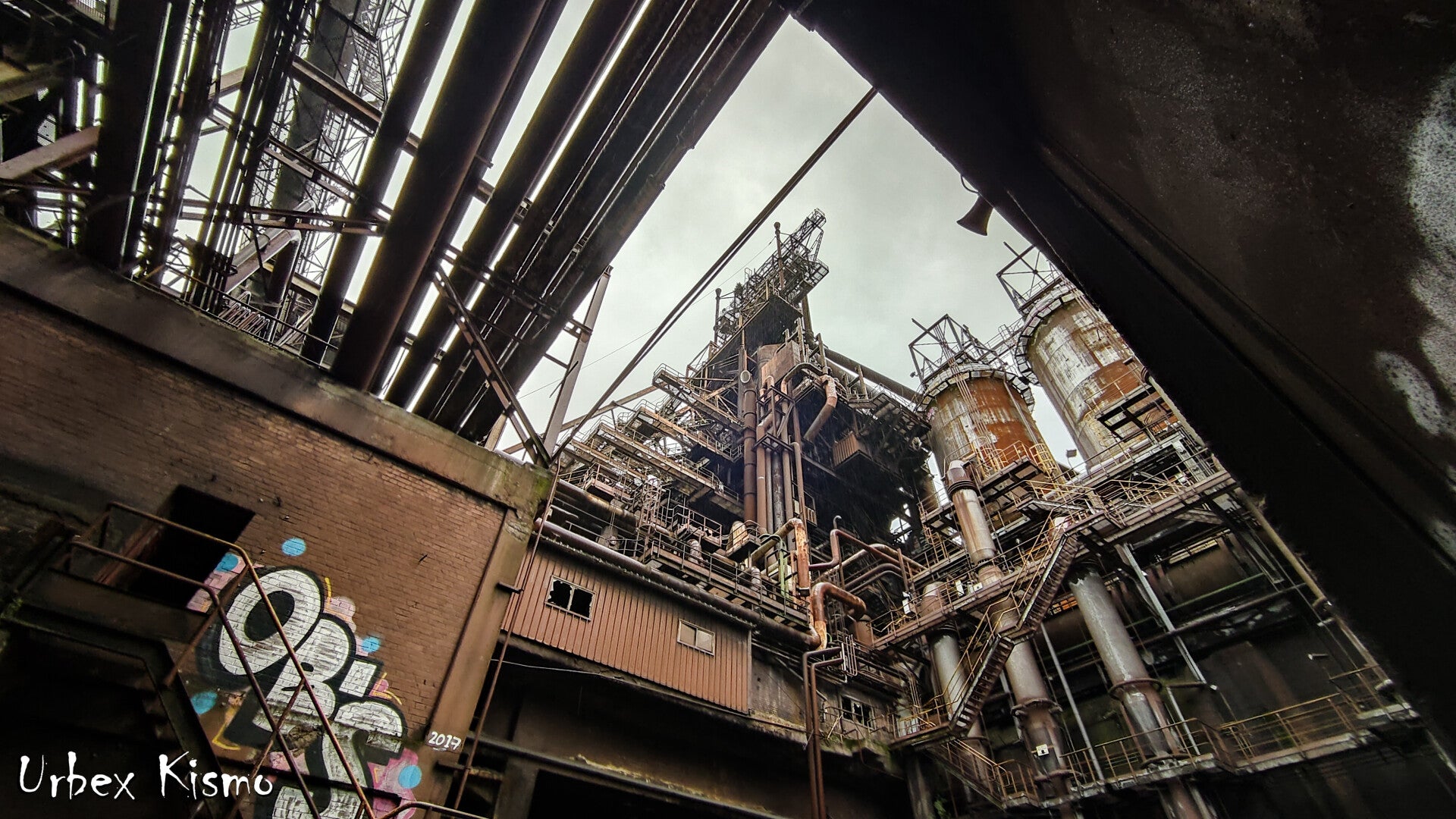
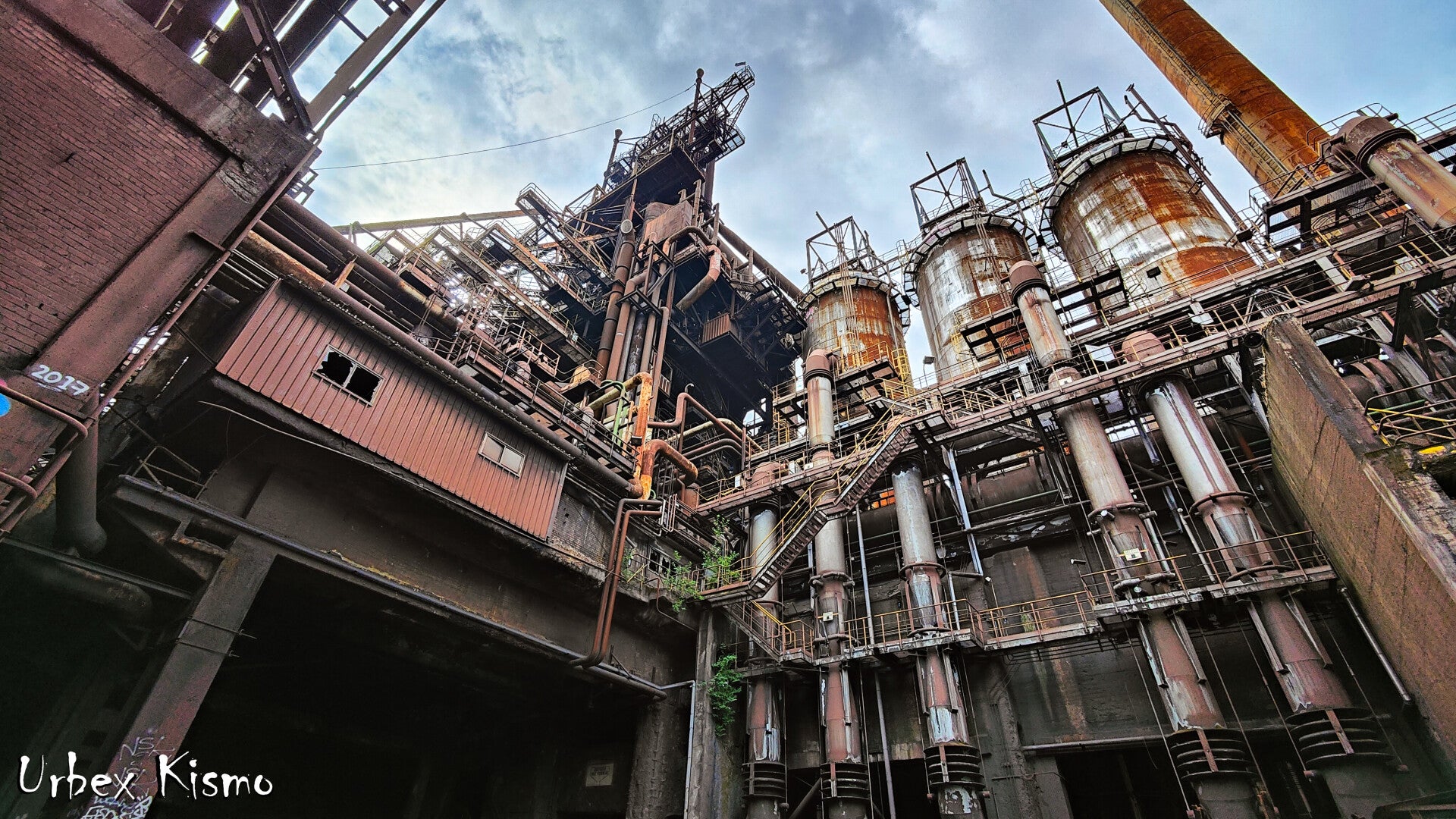
First view of the industrial landscape...
Hot Metal Cars
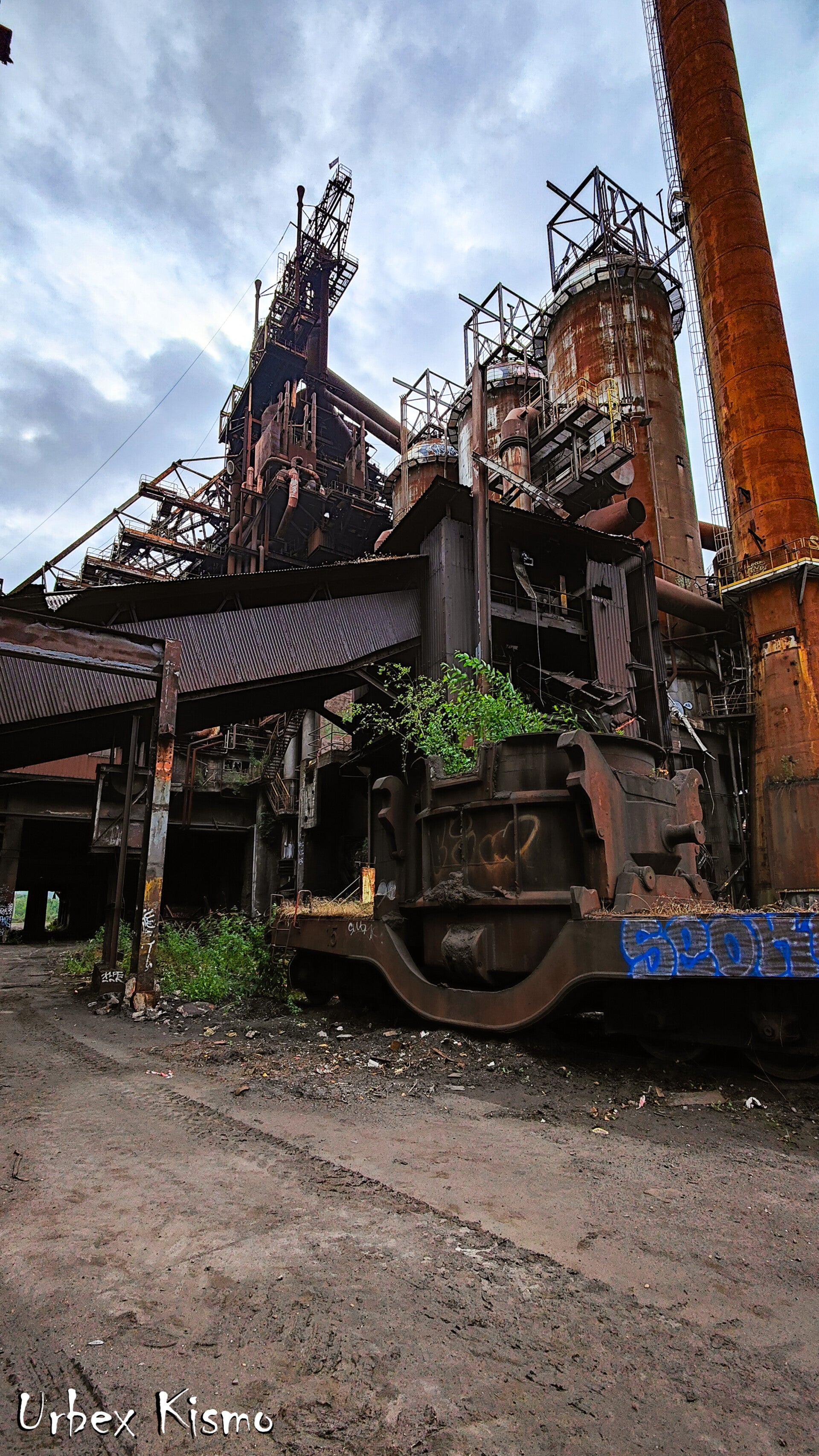
These rail wagons were not slag pots, but hot metal cars used to transport molten iron between different production sites. Units numbered 13–17 operated between the blast furnace sites in Ougrée and Seraing, connecting the Cockerill facilities with the Thomas and LD steel plants. Larger units, such as 20 and 22, were later used at Espérance to move hot metal from Blast Furnaces 5 and 6 toward the mixer station near the railway in Seraing. From there, the molten iron was transferred into torpedo ladles and transported onward to Chertal for further steel production.
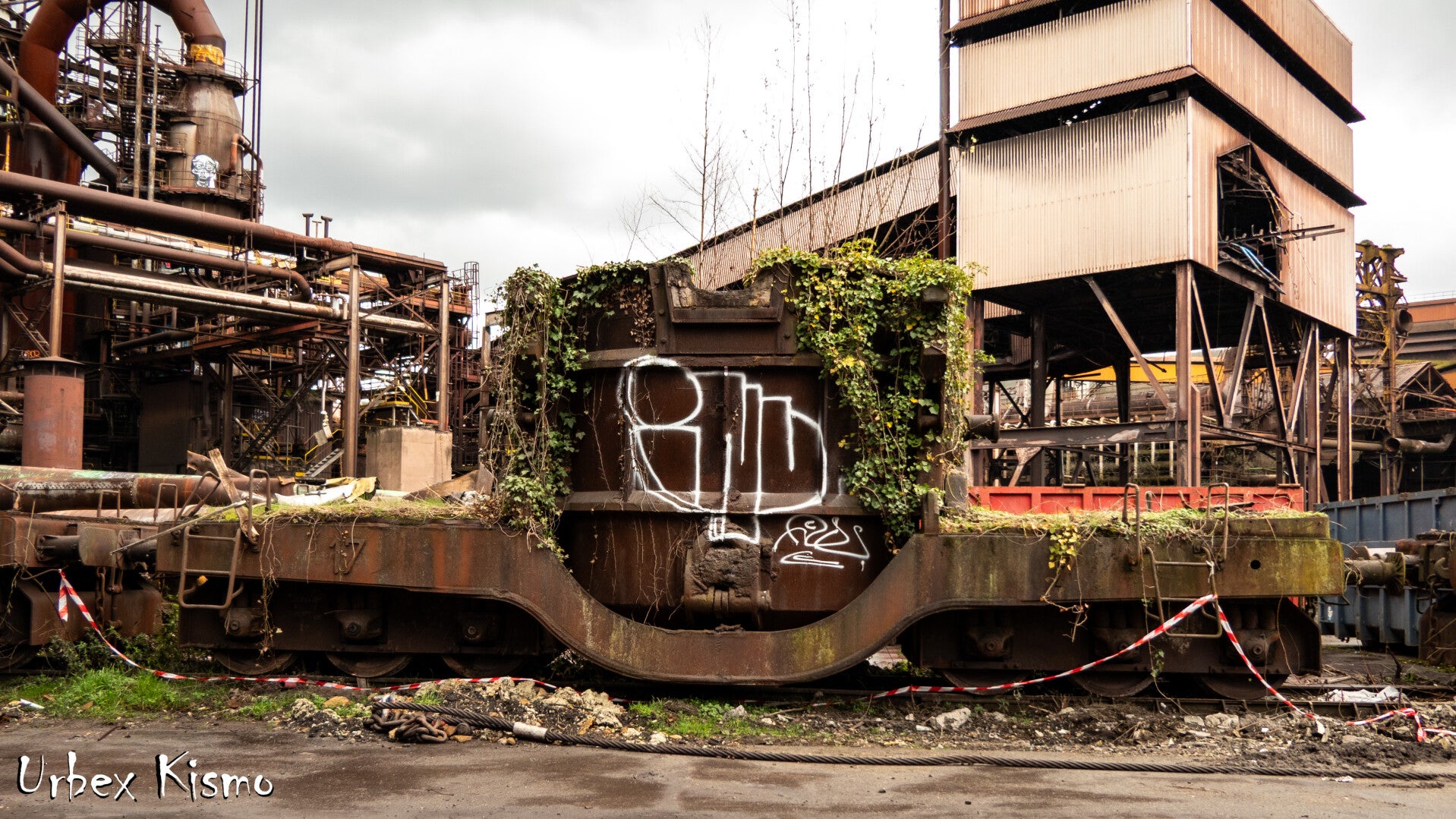
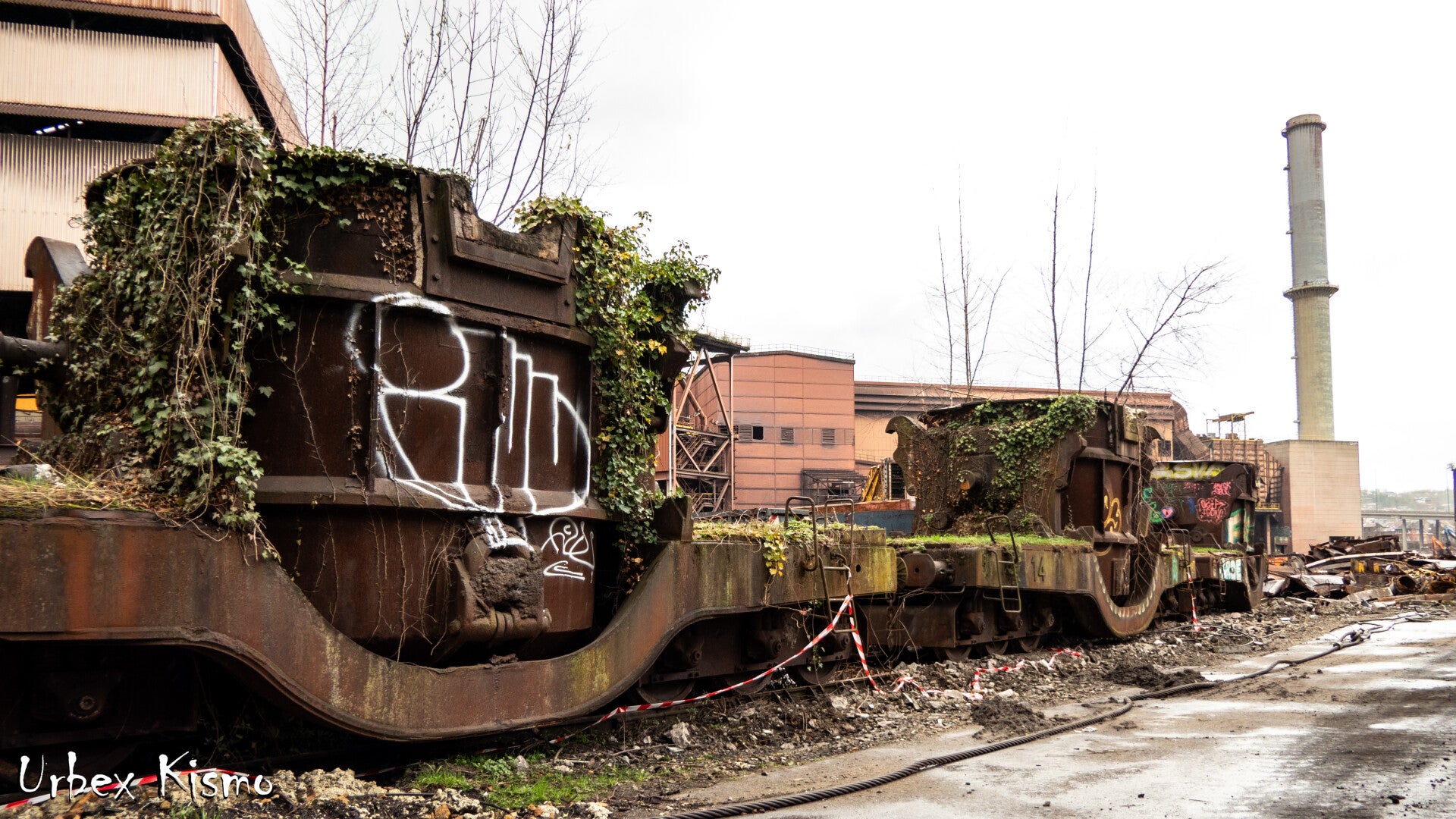
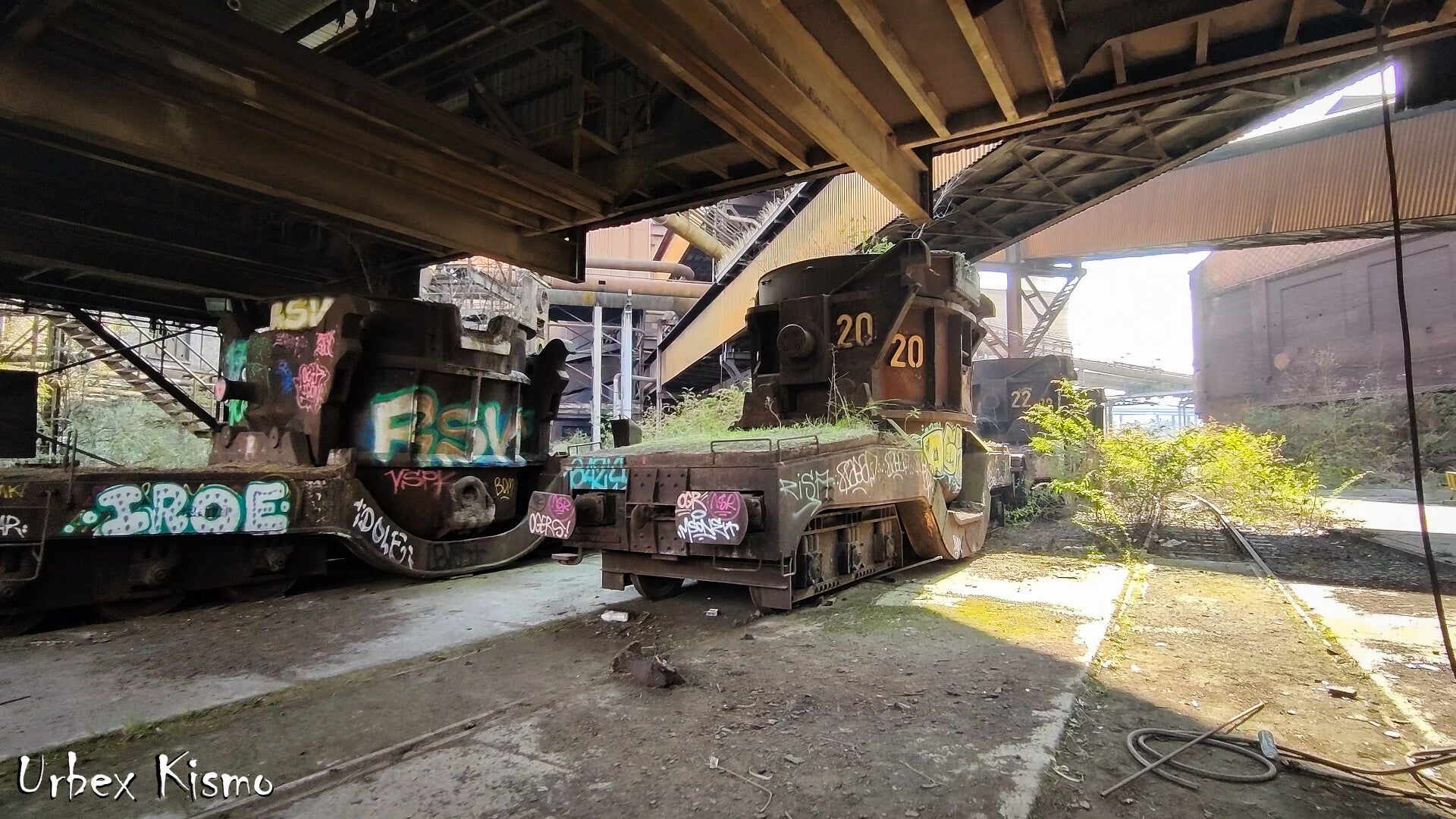
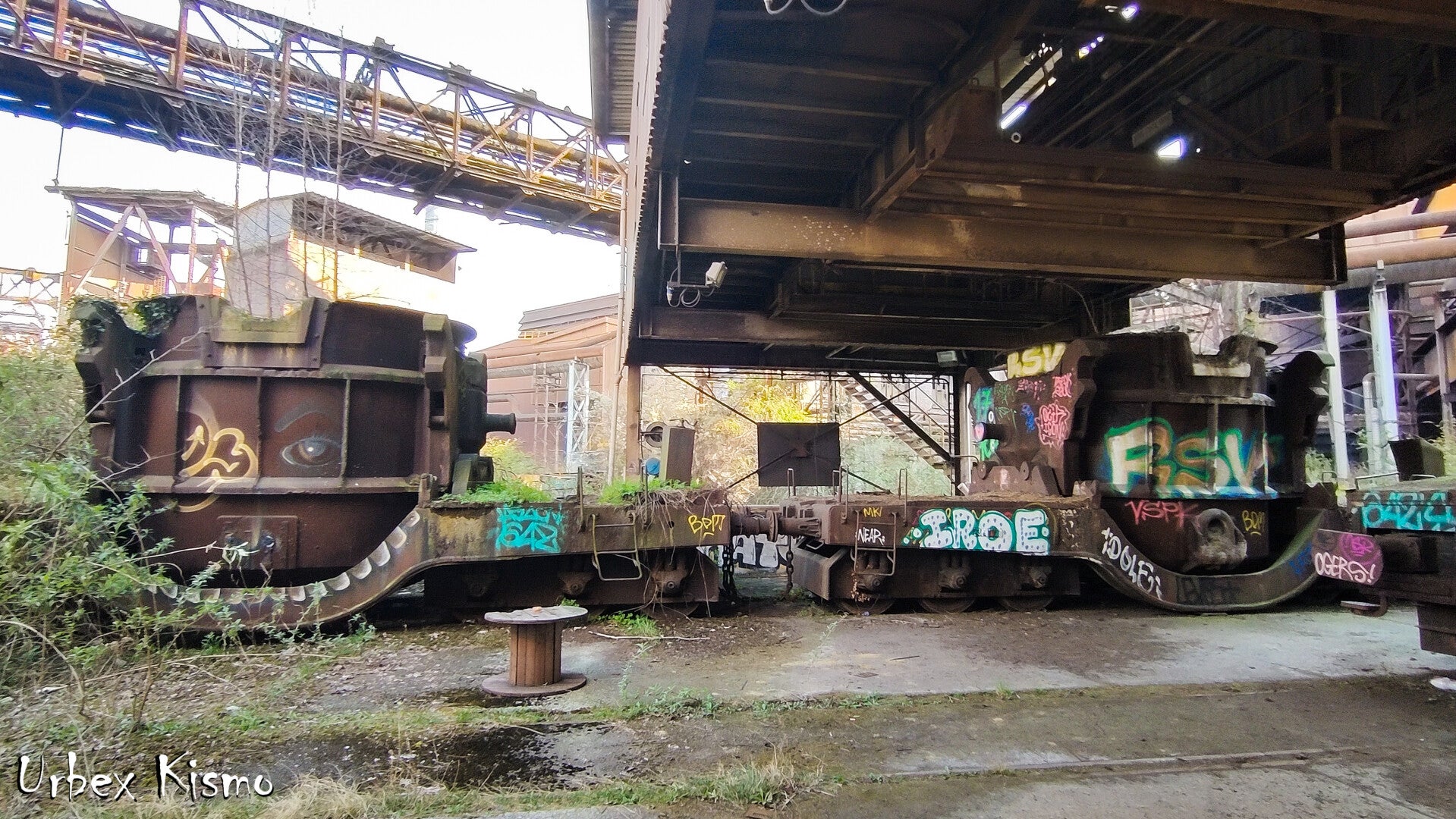
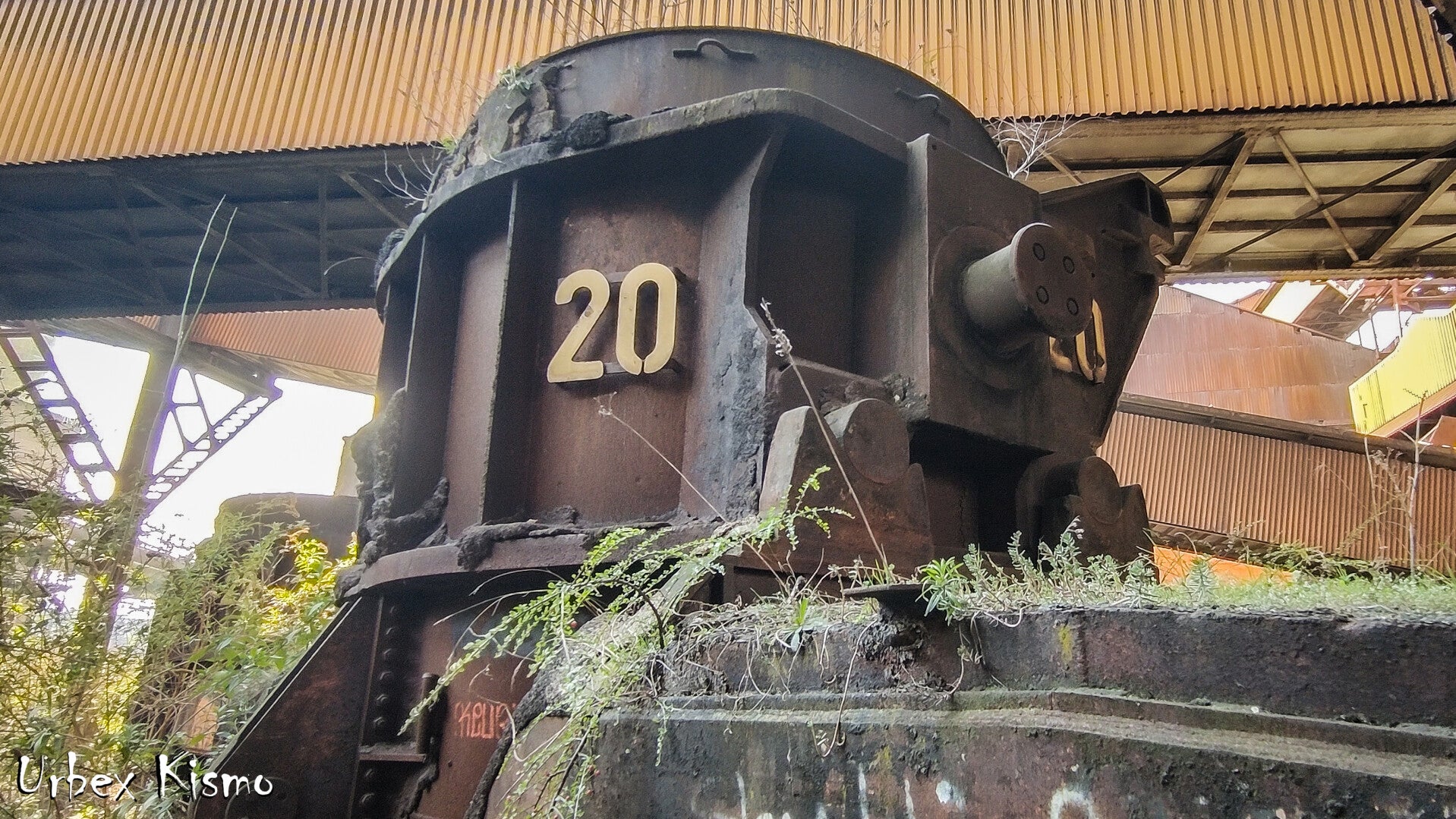
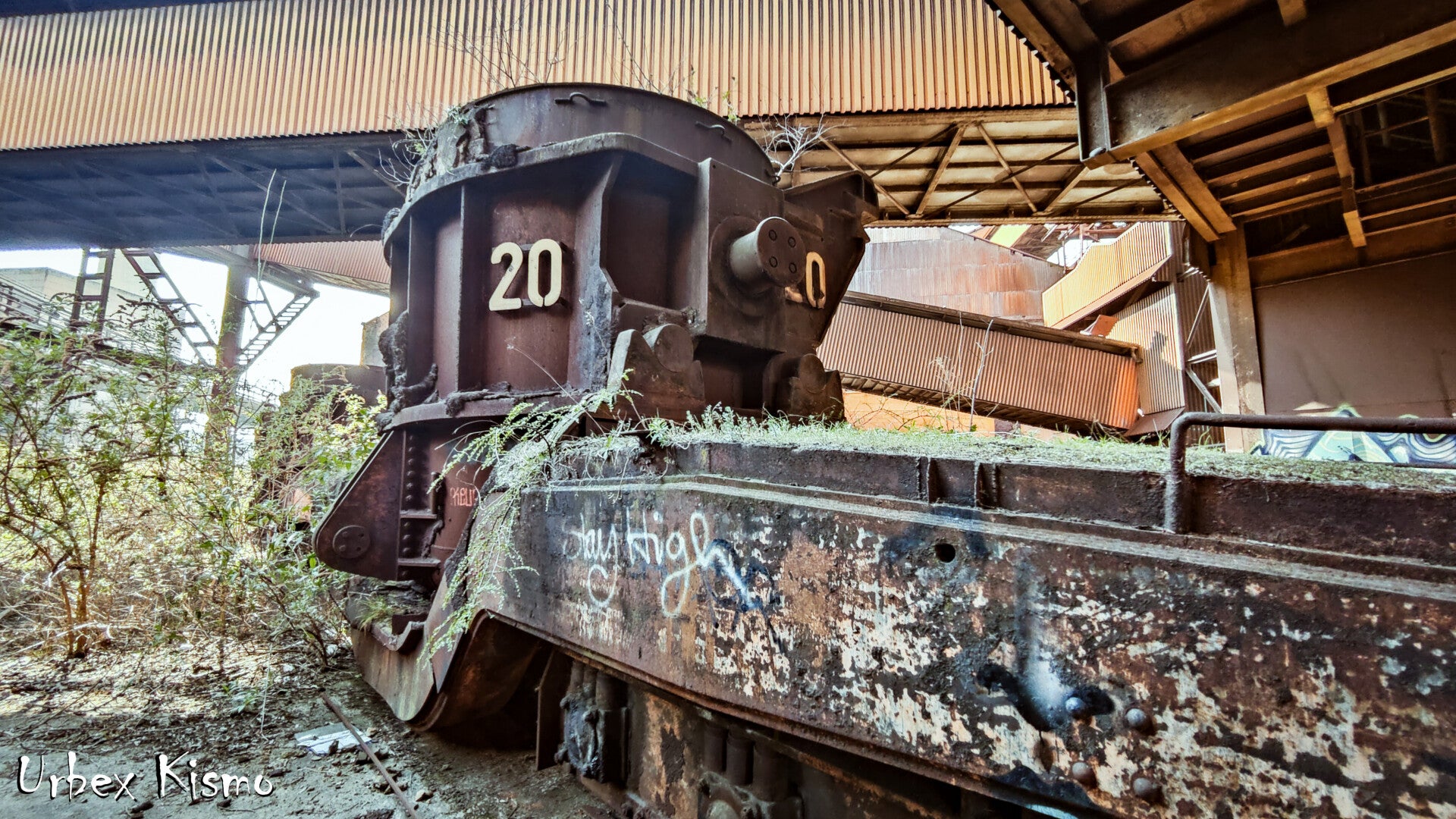
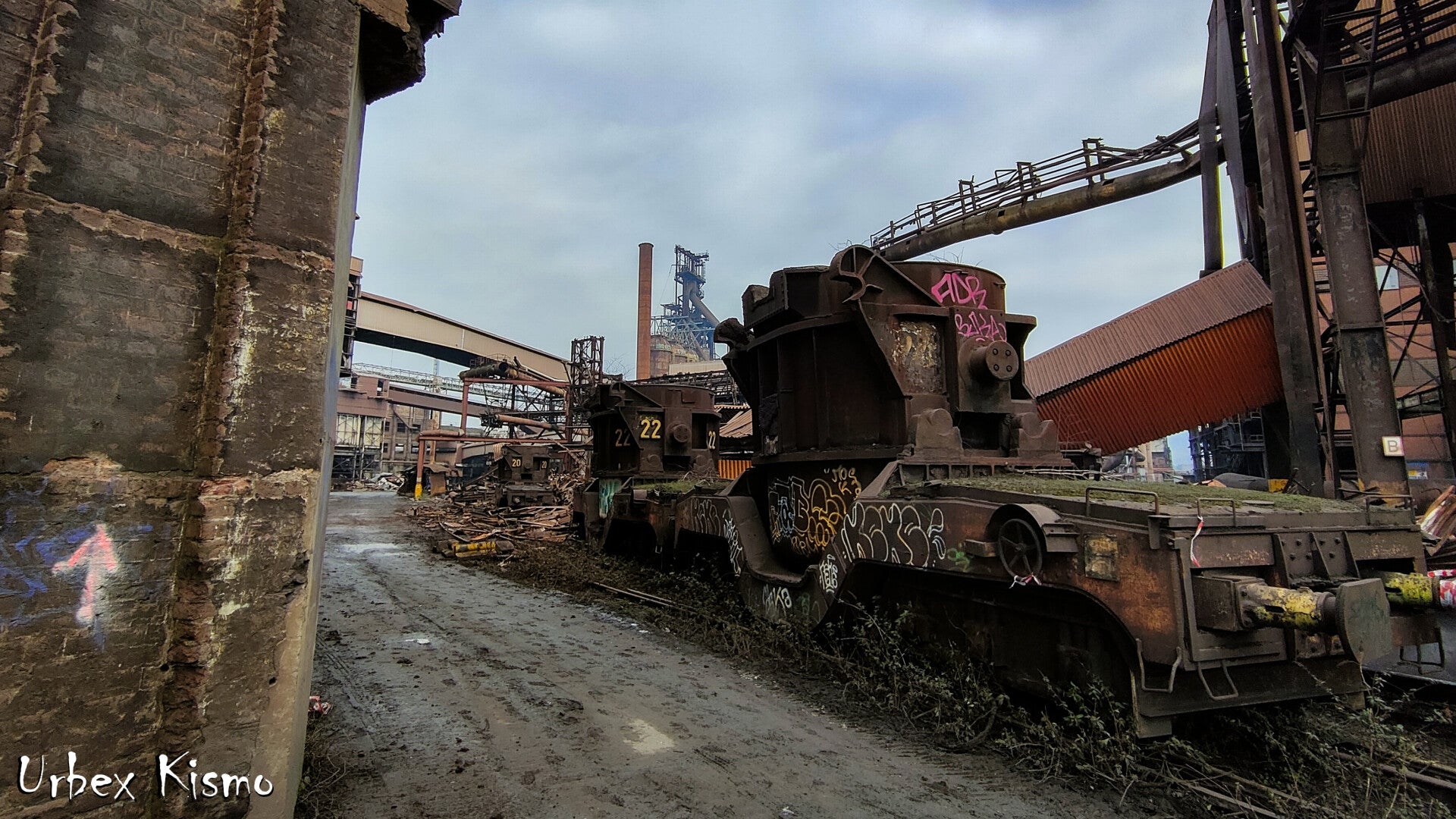
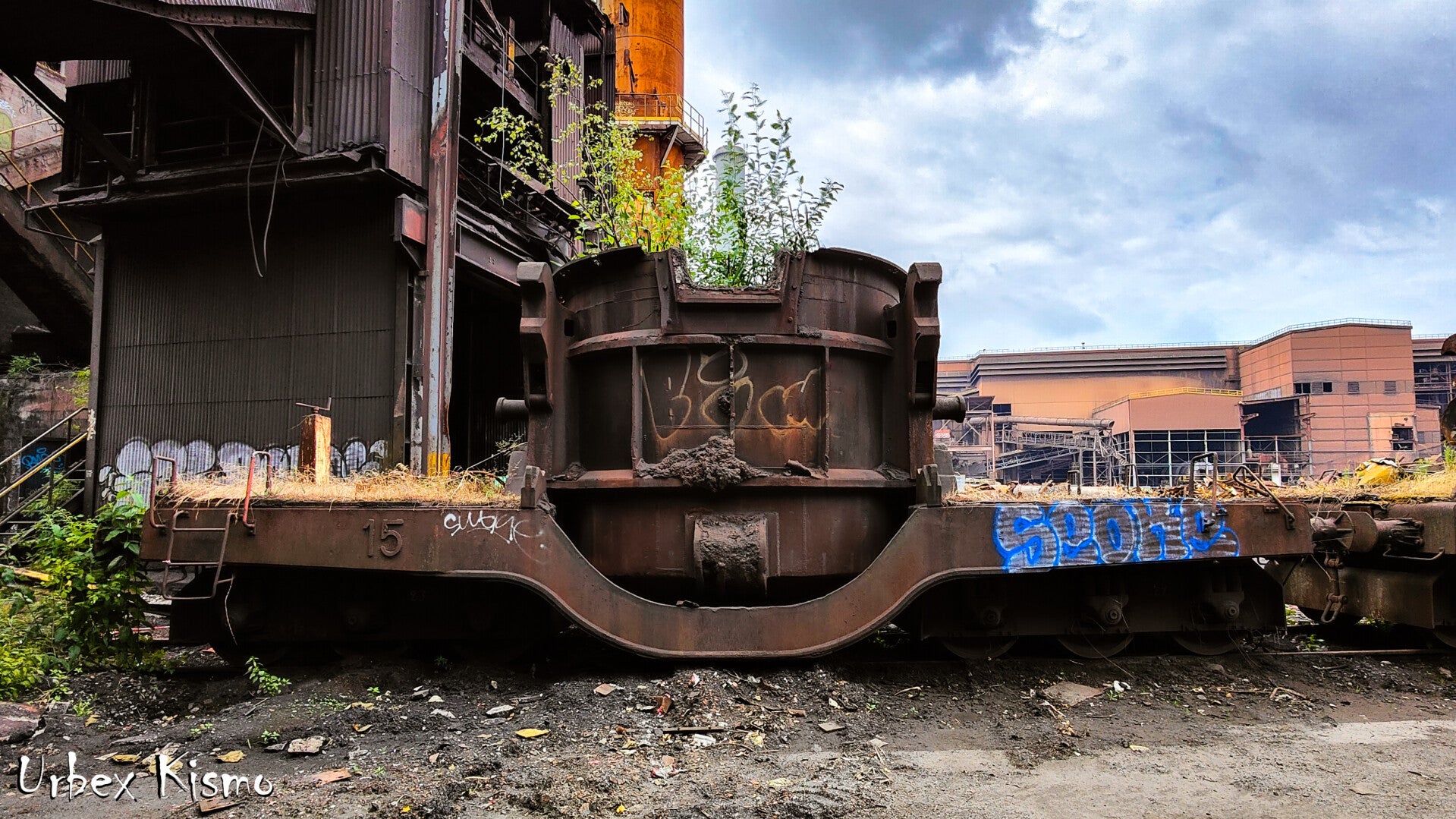
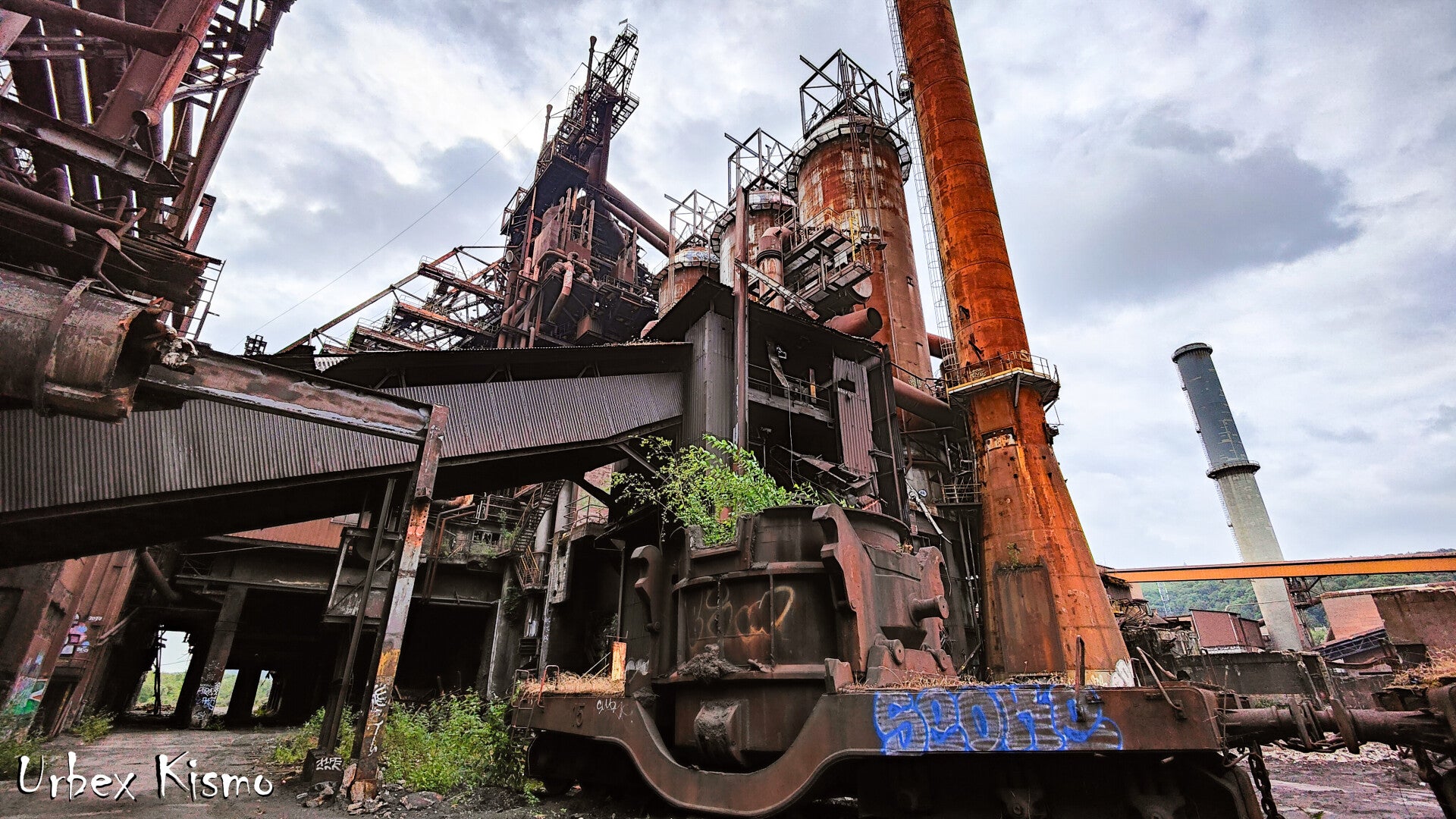
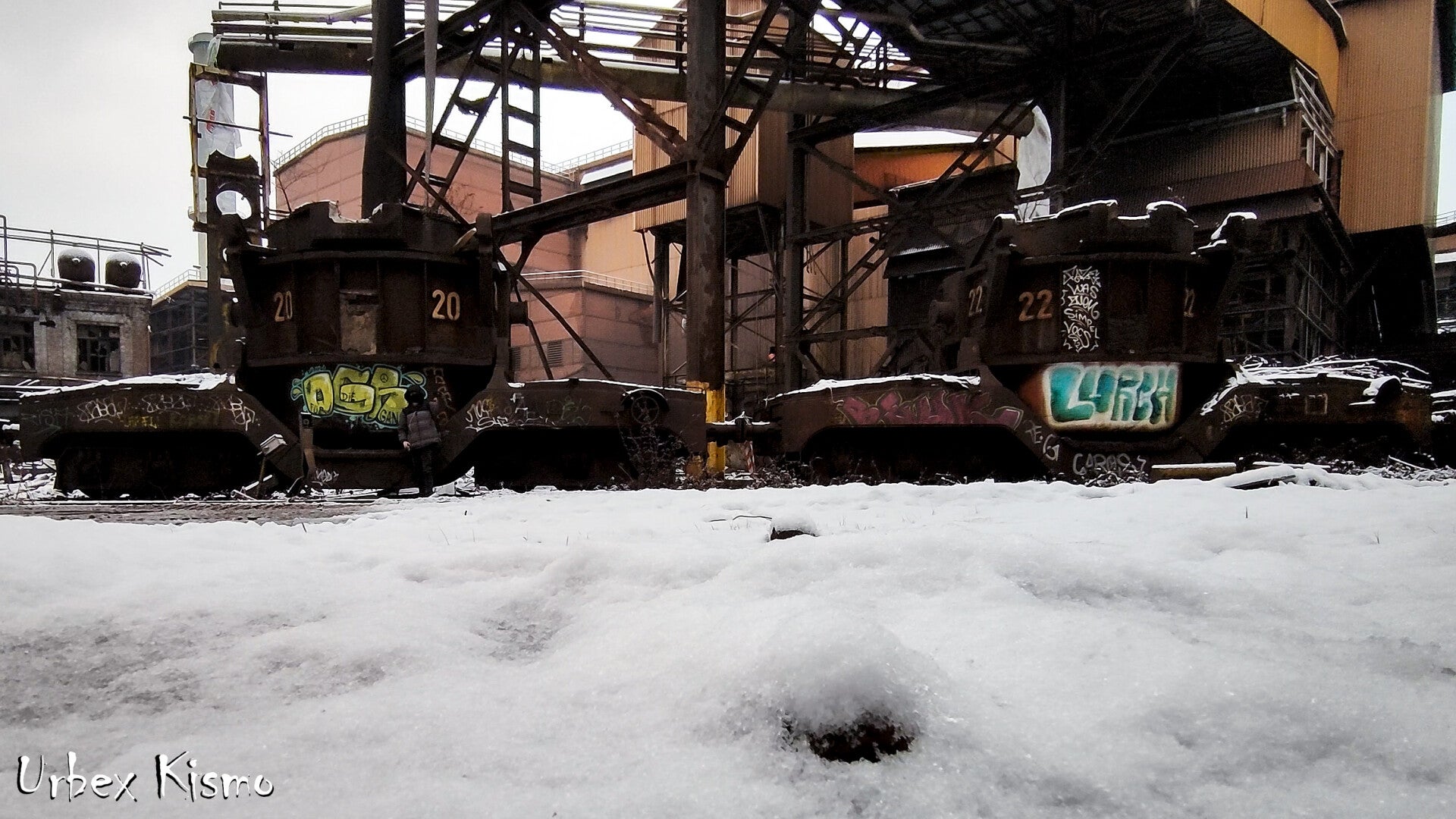
Transporting molten iron between steel plants
Ore Halls
These large halls were originally built to support blast furnaces 3 and 4. Over the years, their function changed multiple times, ranging from power generation and machine halls to large-scale storage. In the final years, they were mainly used for storage and sorting processes. Coke was screened and sorted here by size before being transported to the blast furnace, ensuring a consistent and efficient combustion process.
More pictures from this specific place are in the black & white series due to the low quality pictures.
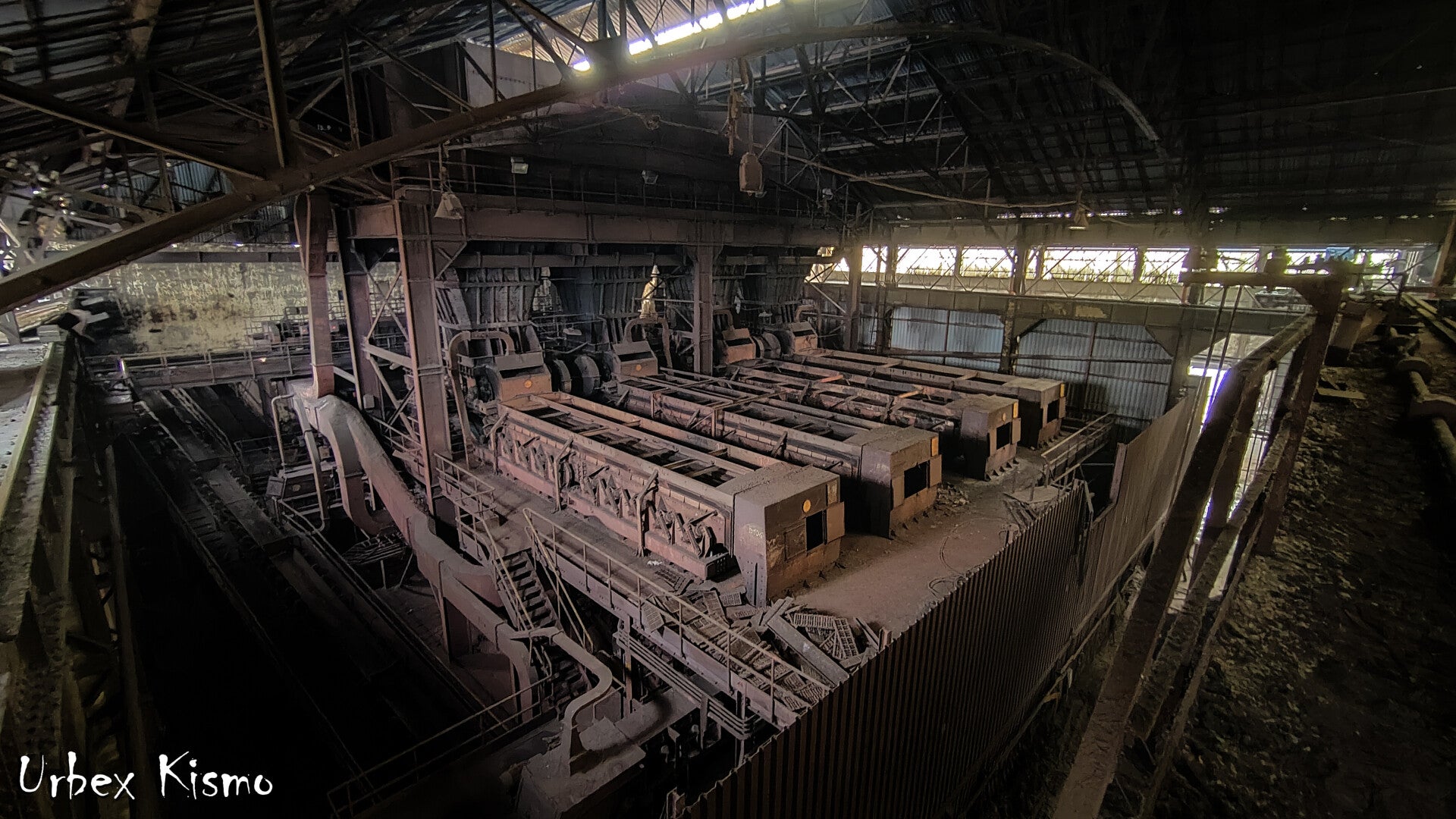
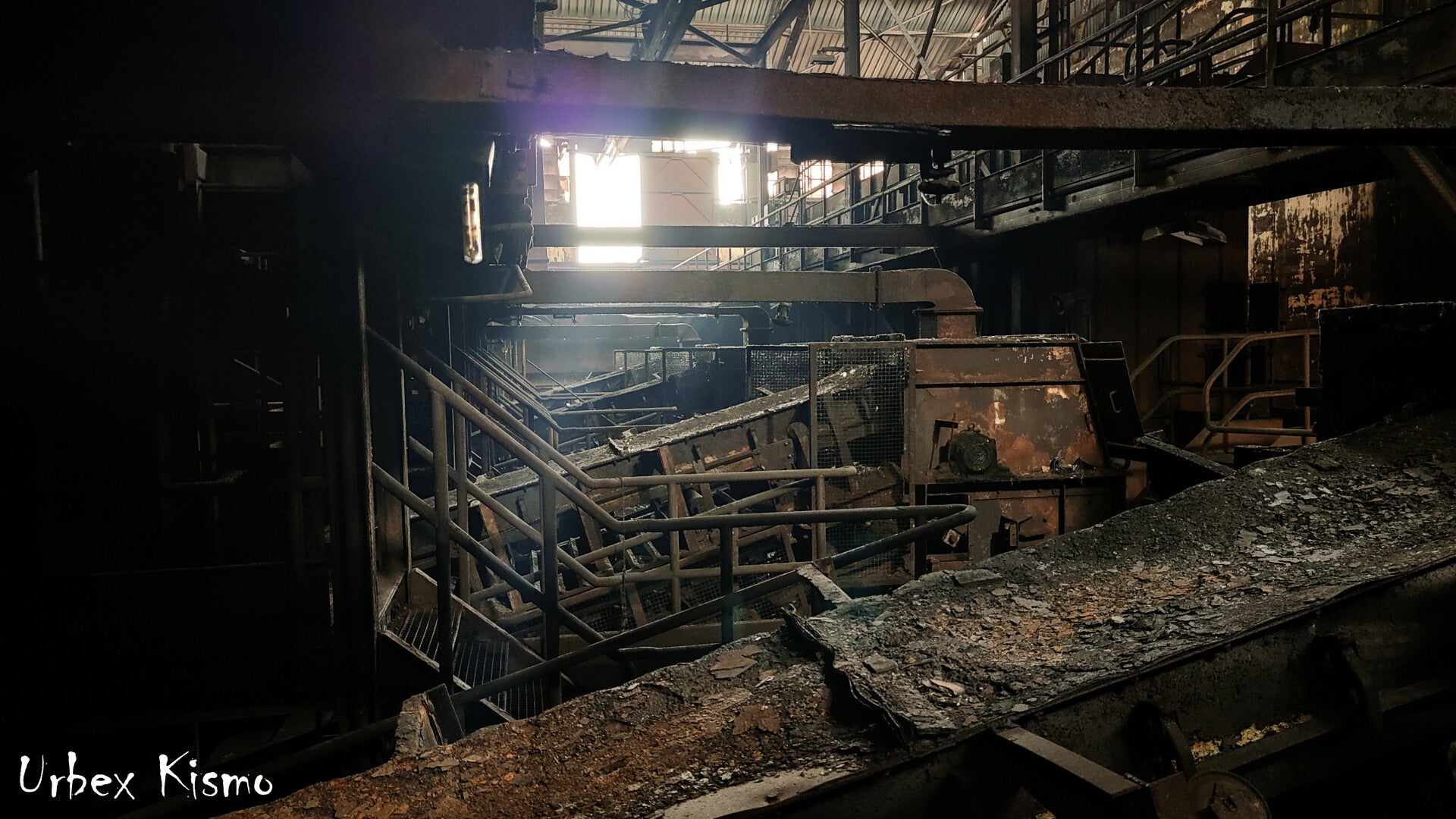
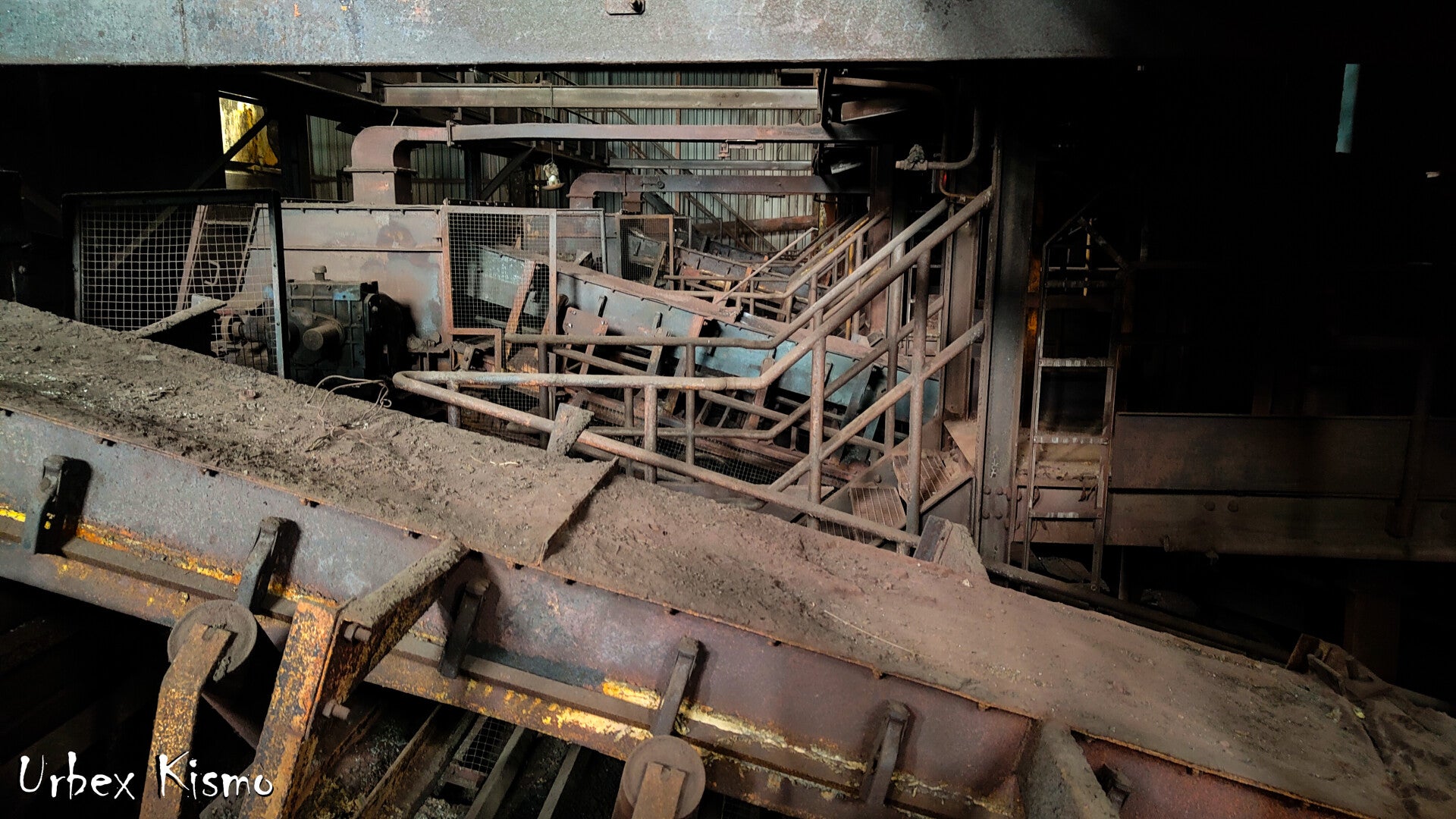
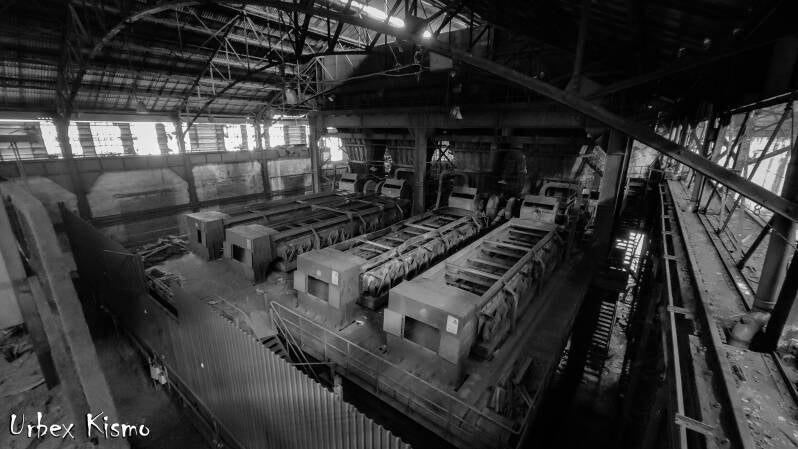
From product to storage and sorting!


Create Your Own Website With JouwWeb