

The Roof & A First Glimpse Inside
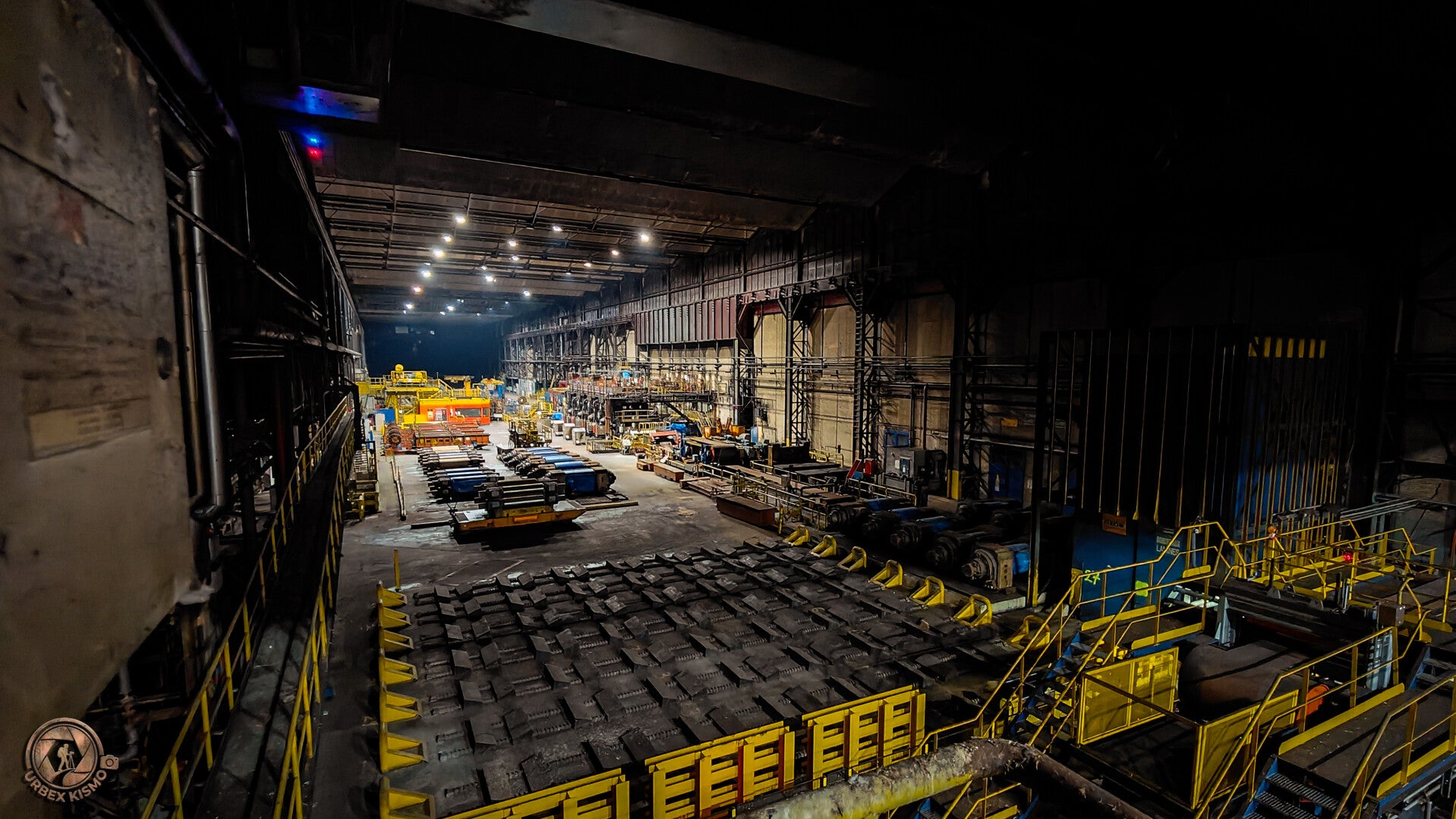
Unlike many abandoned industrial sites, this complex was not completely deserted. Parts of the facility were still supplied with electricity and small activities were still taking place around the buildings. Security was also noticeably present both inside and around the site, making exploration far more challenging than usual. Our route inside started from the roof, where we eventually reached one of the large overhead cranes running through the main production hall. From this elevated position, we got our first glimpse of the enormous industrial interior below.
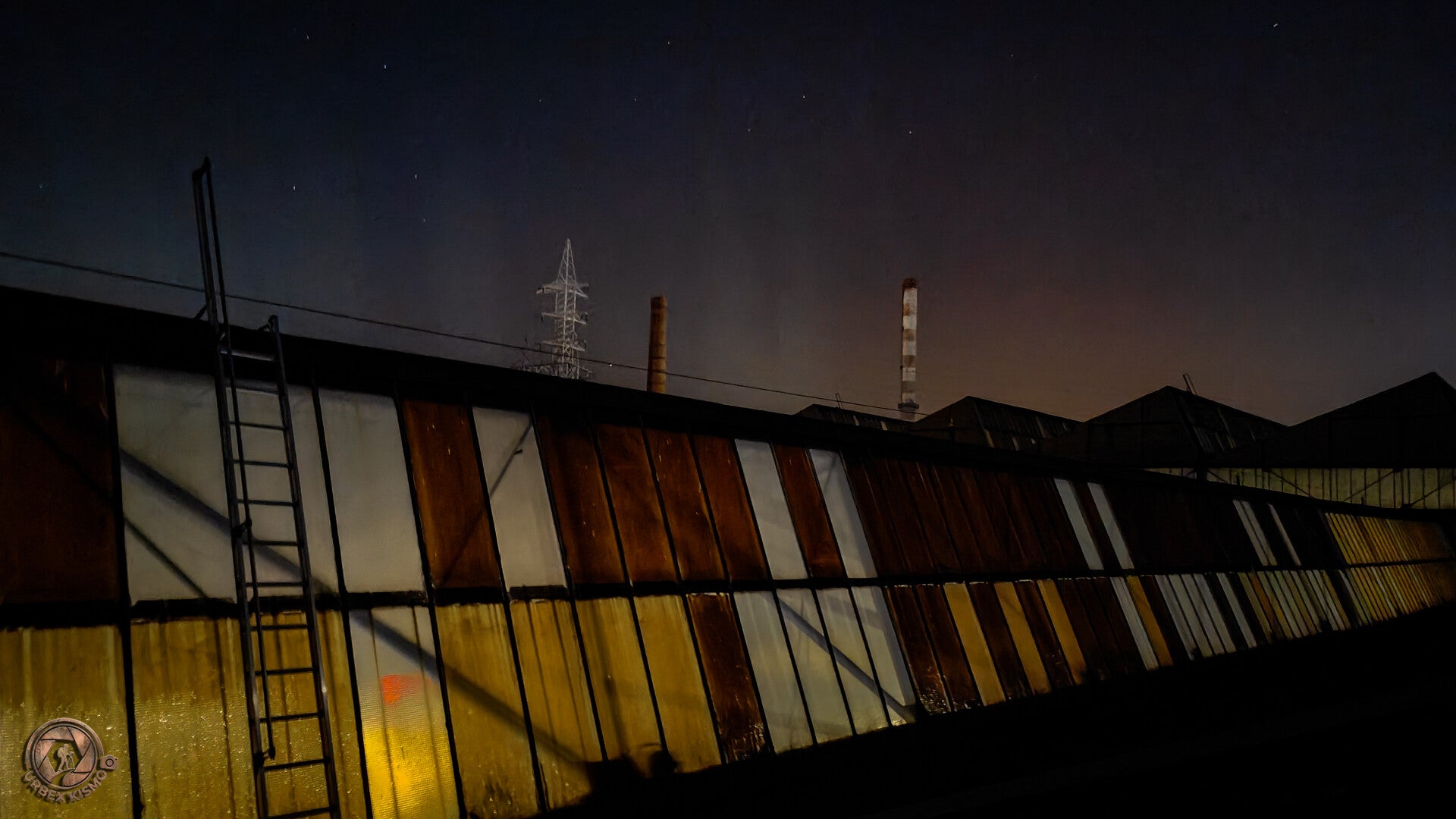
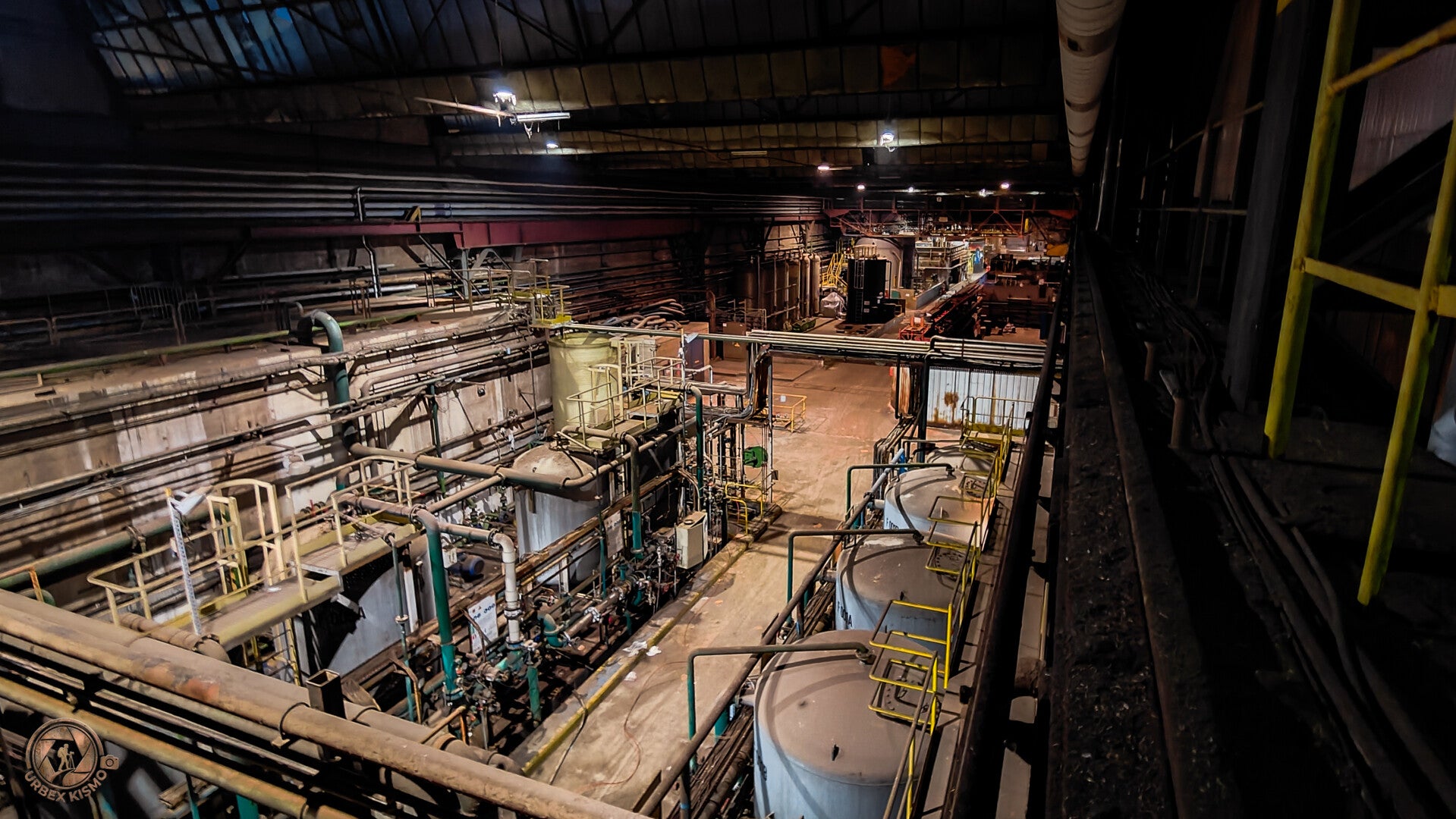
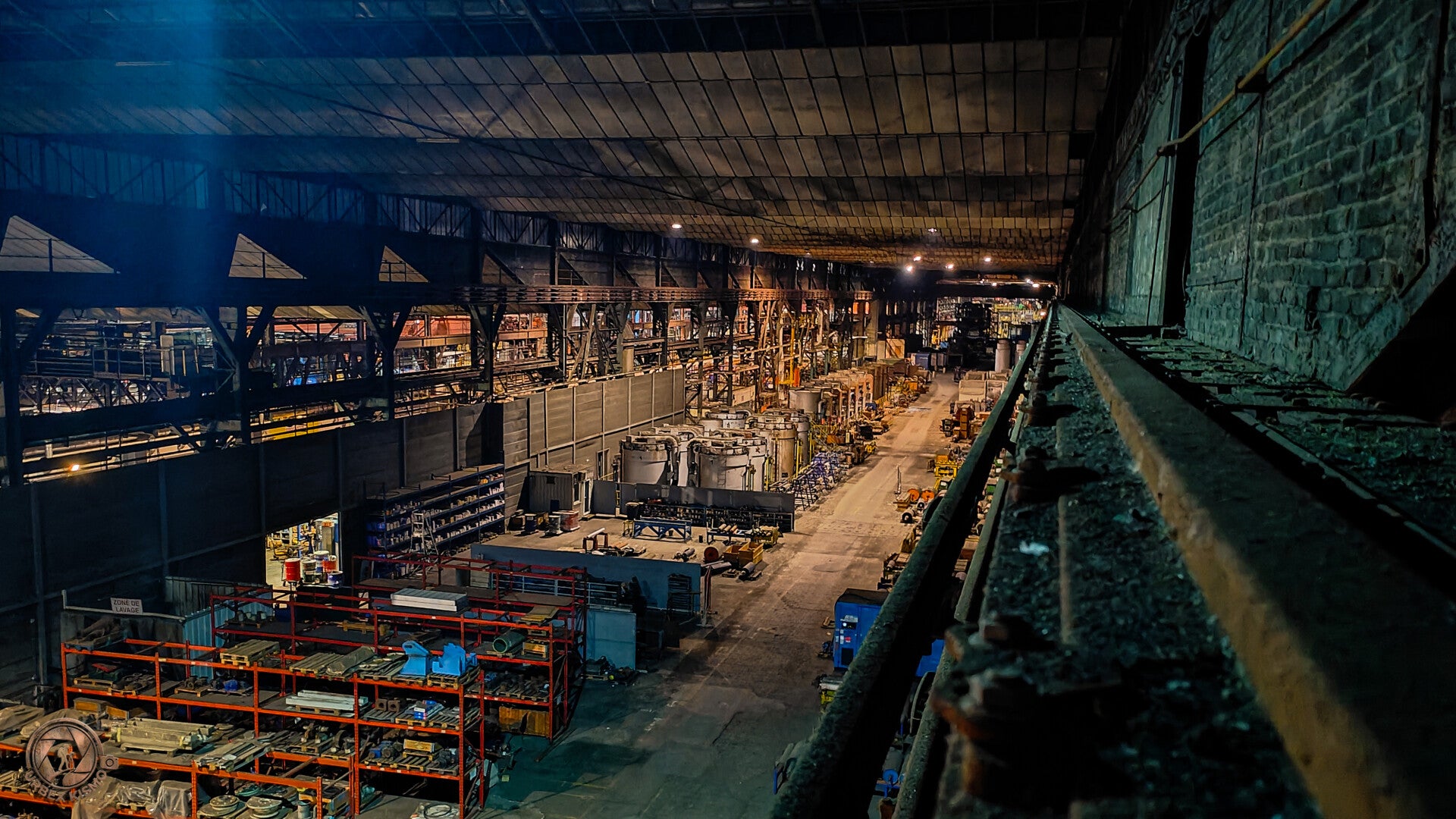
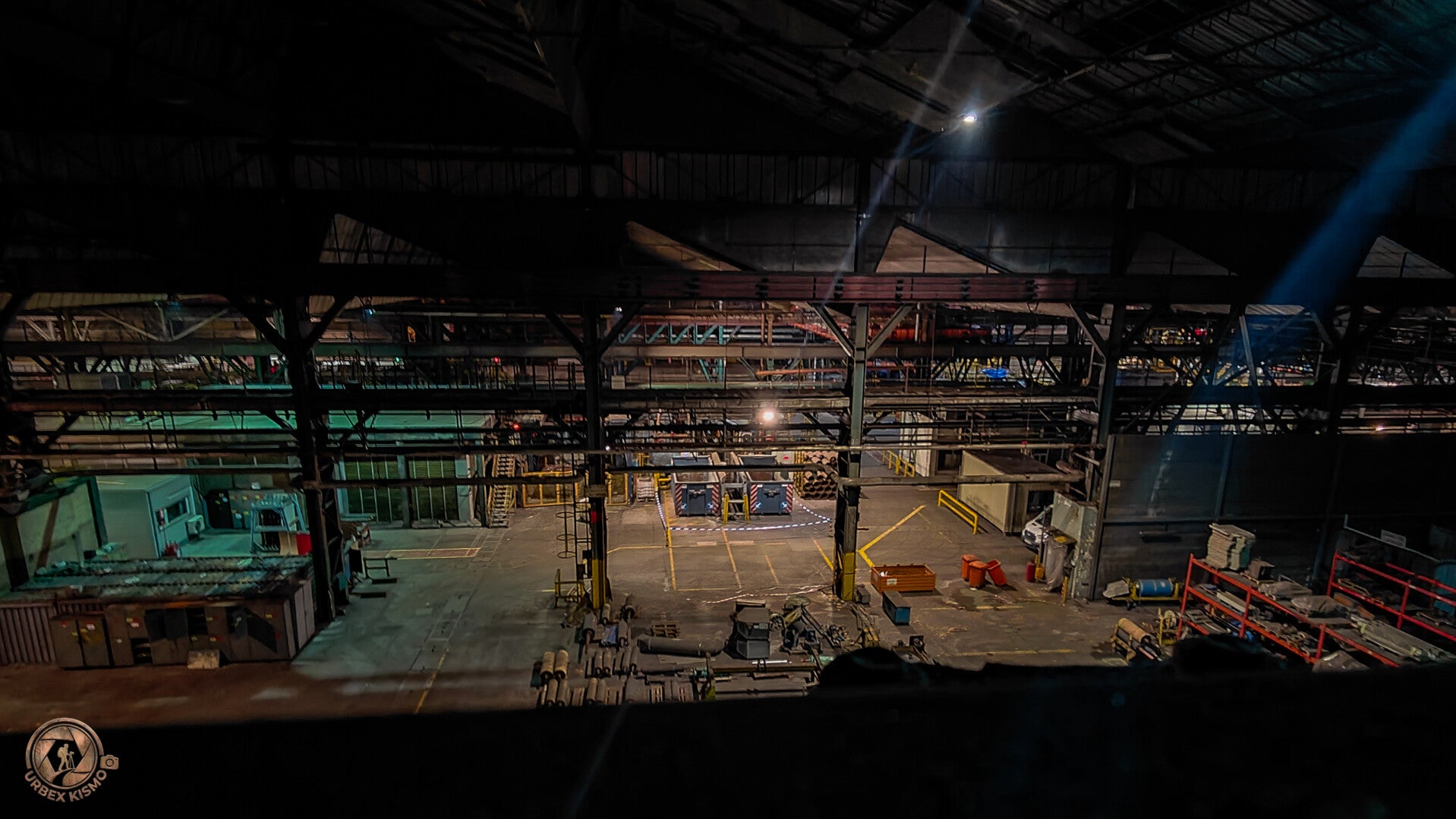
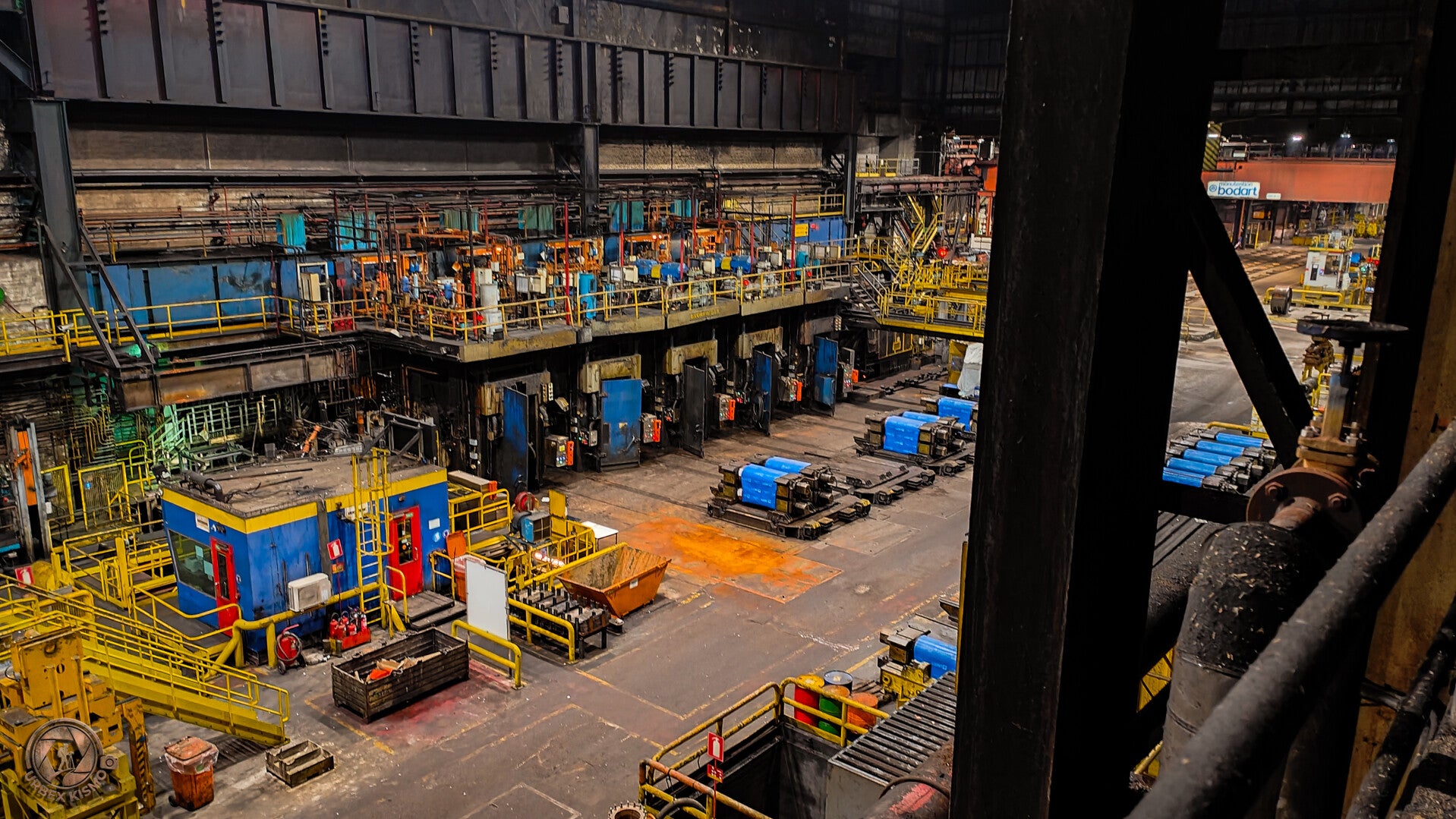
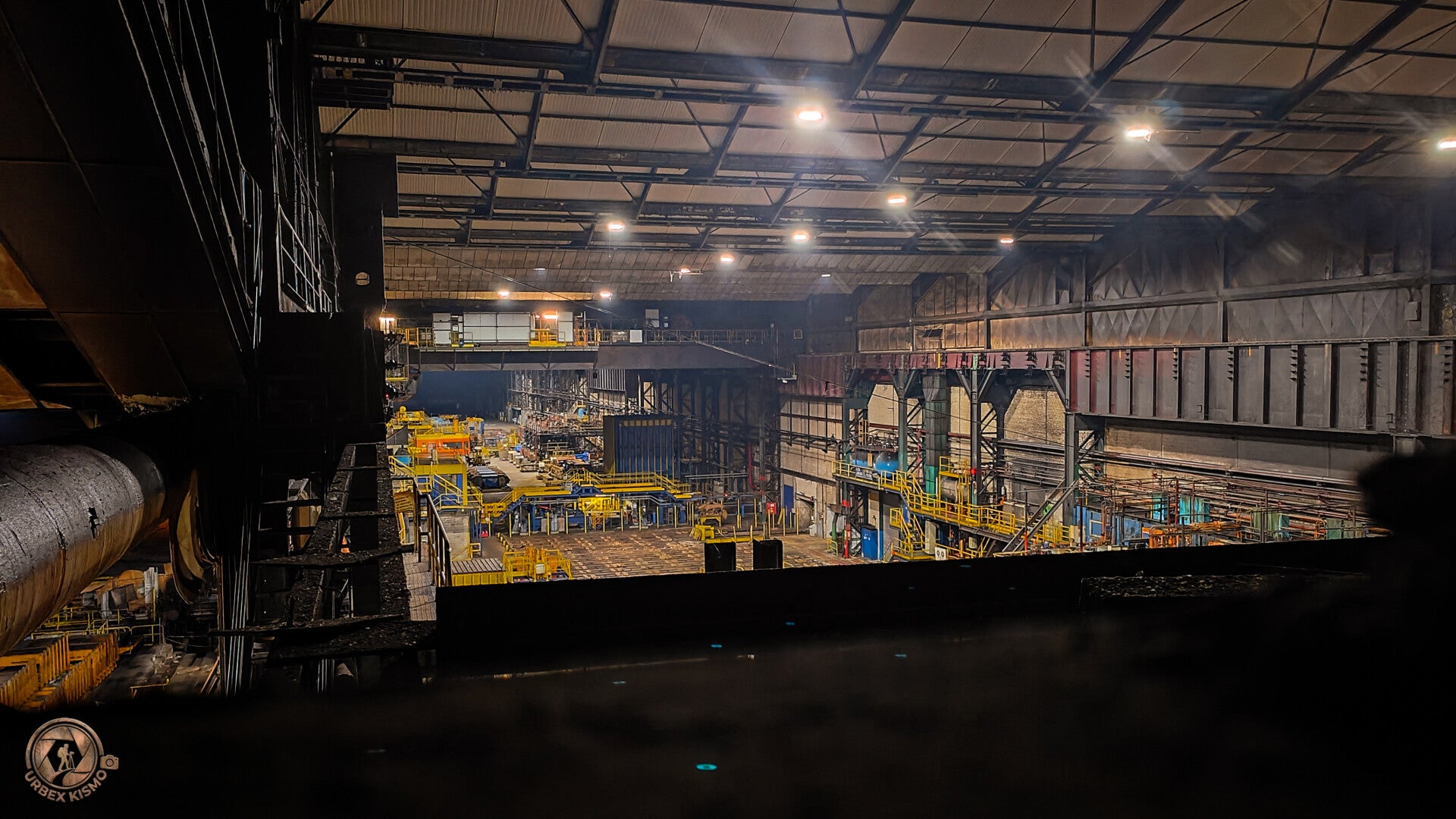
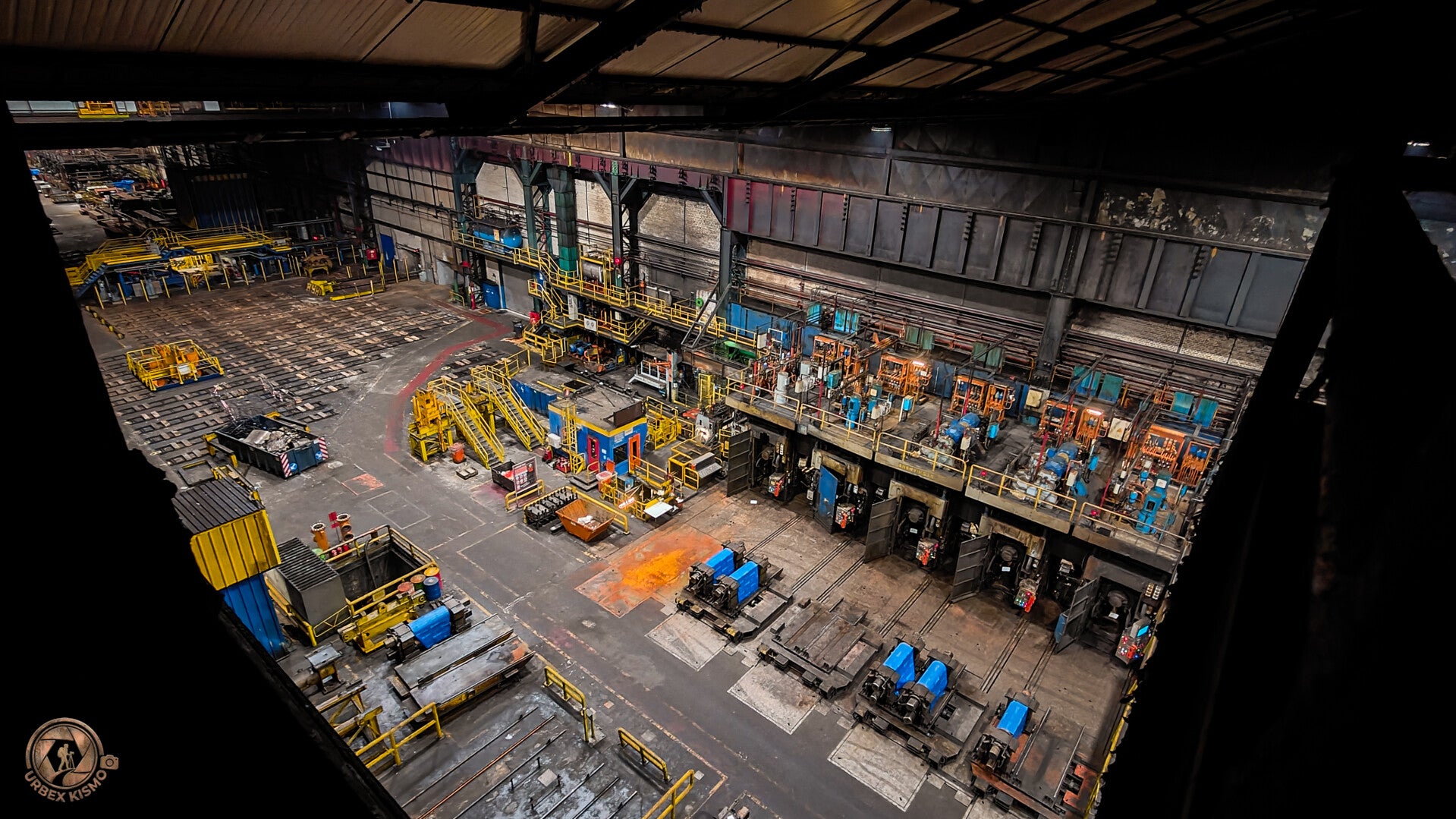
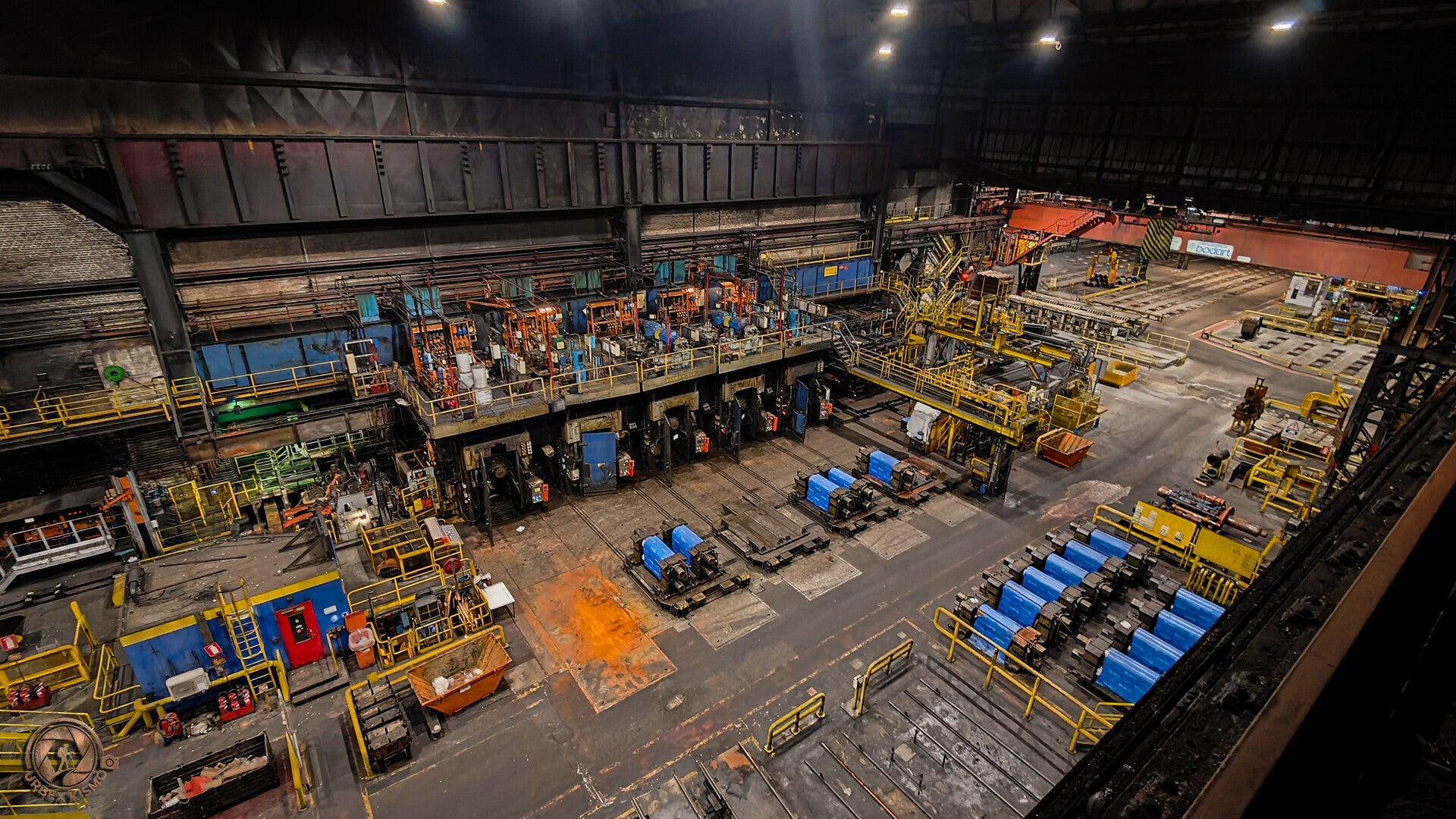
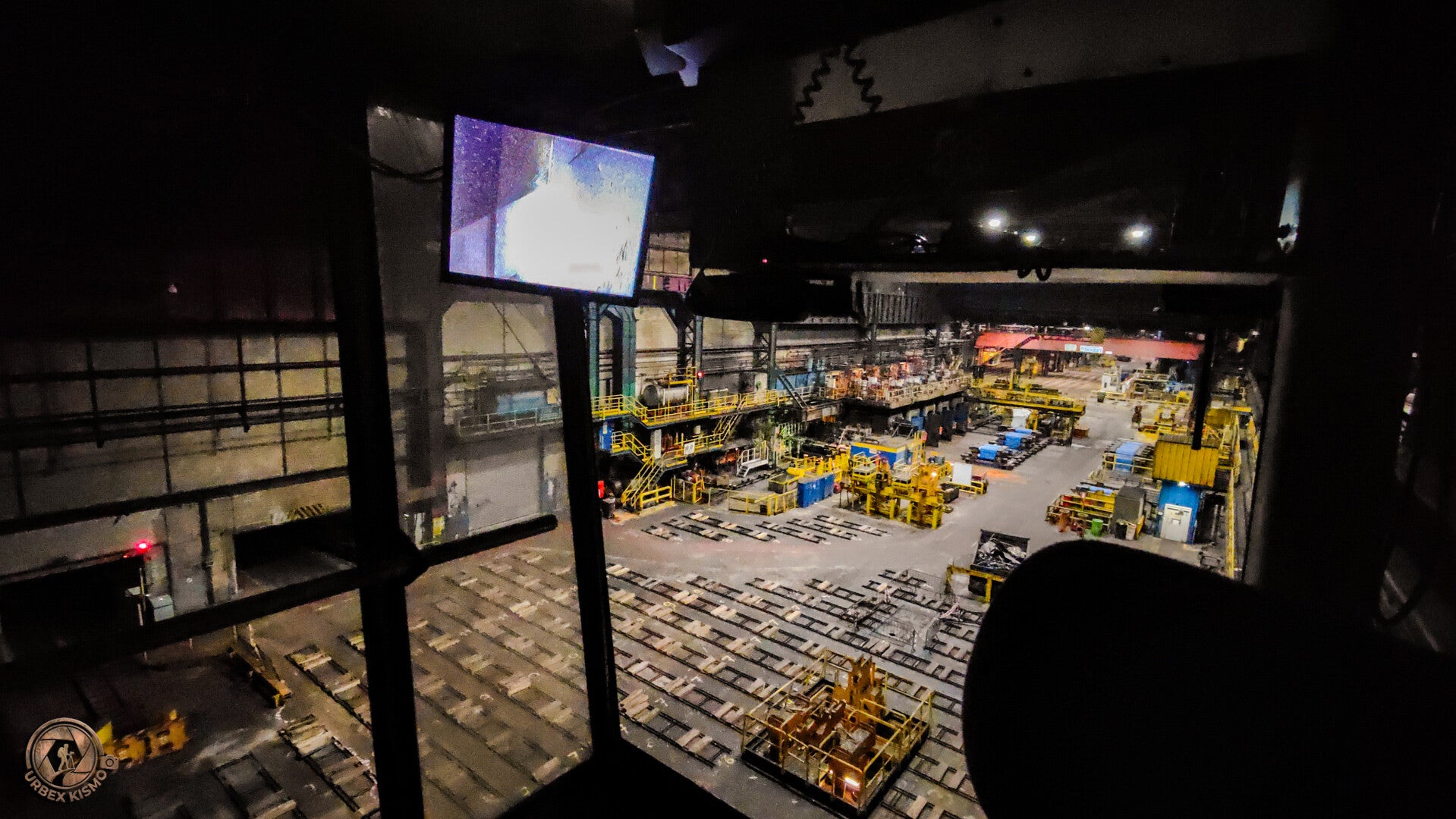
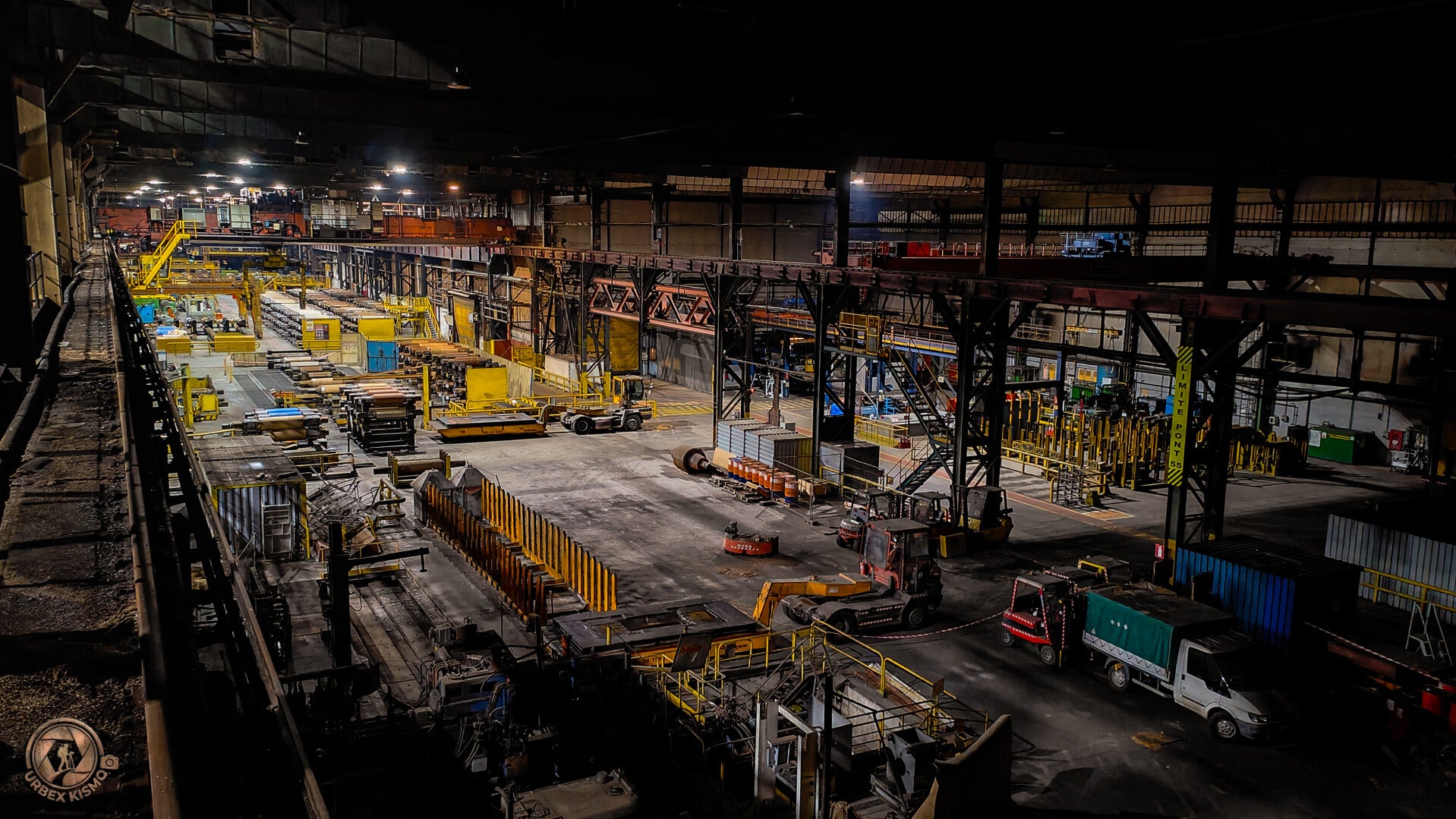
Entering from above
The Rolling Mill Control Post
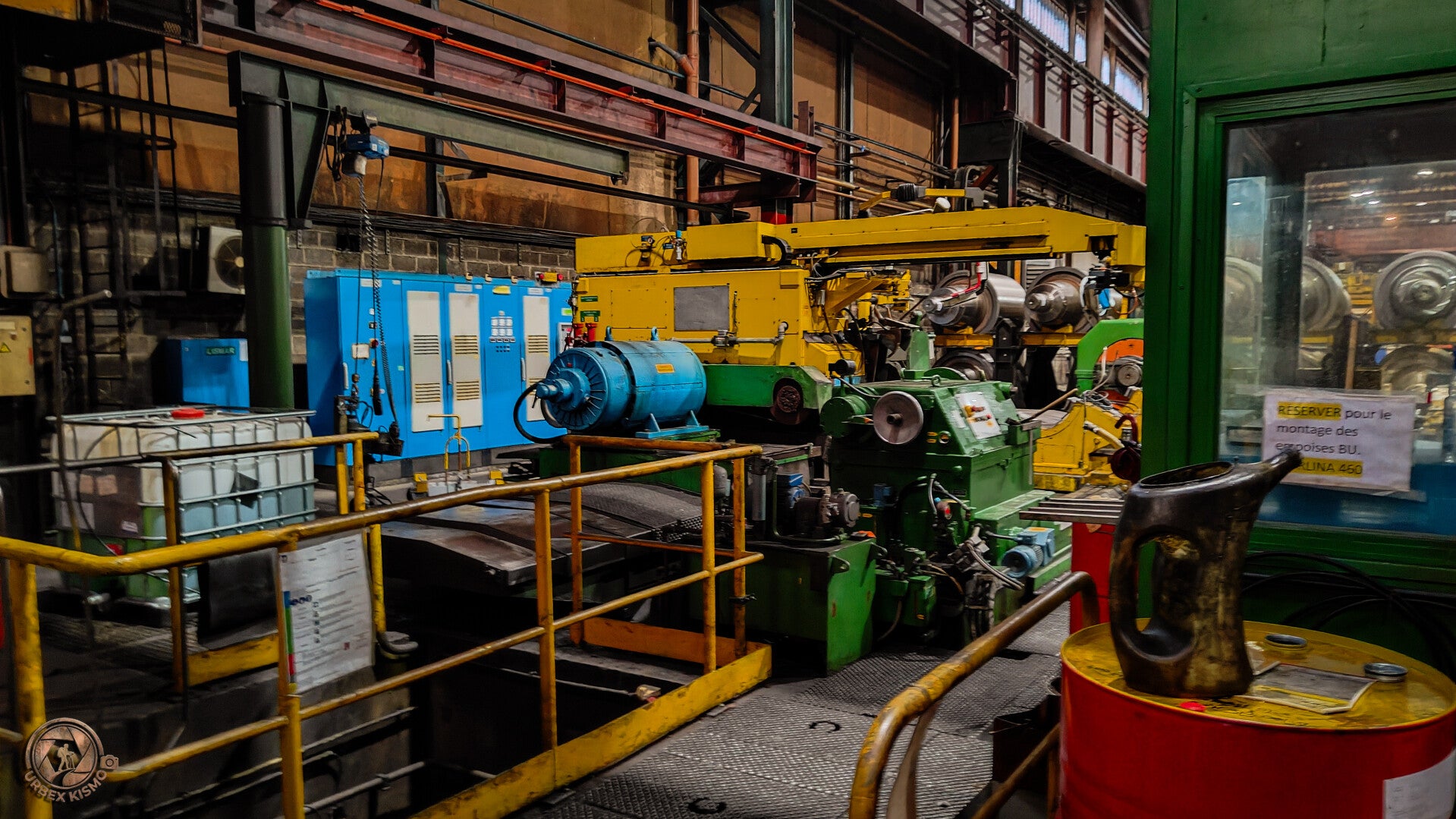
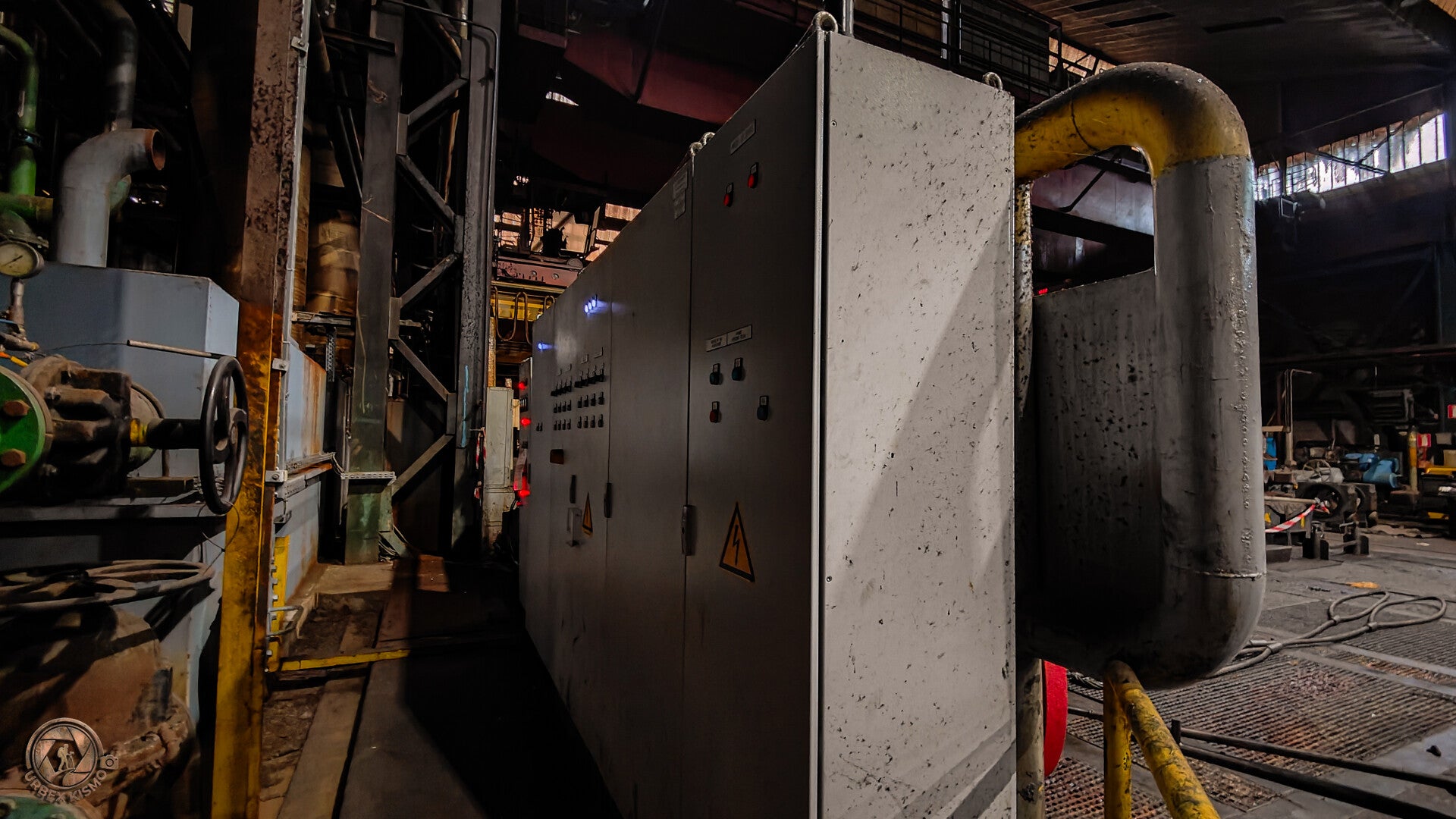
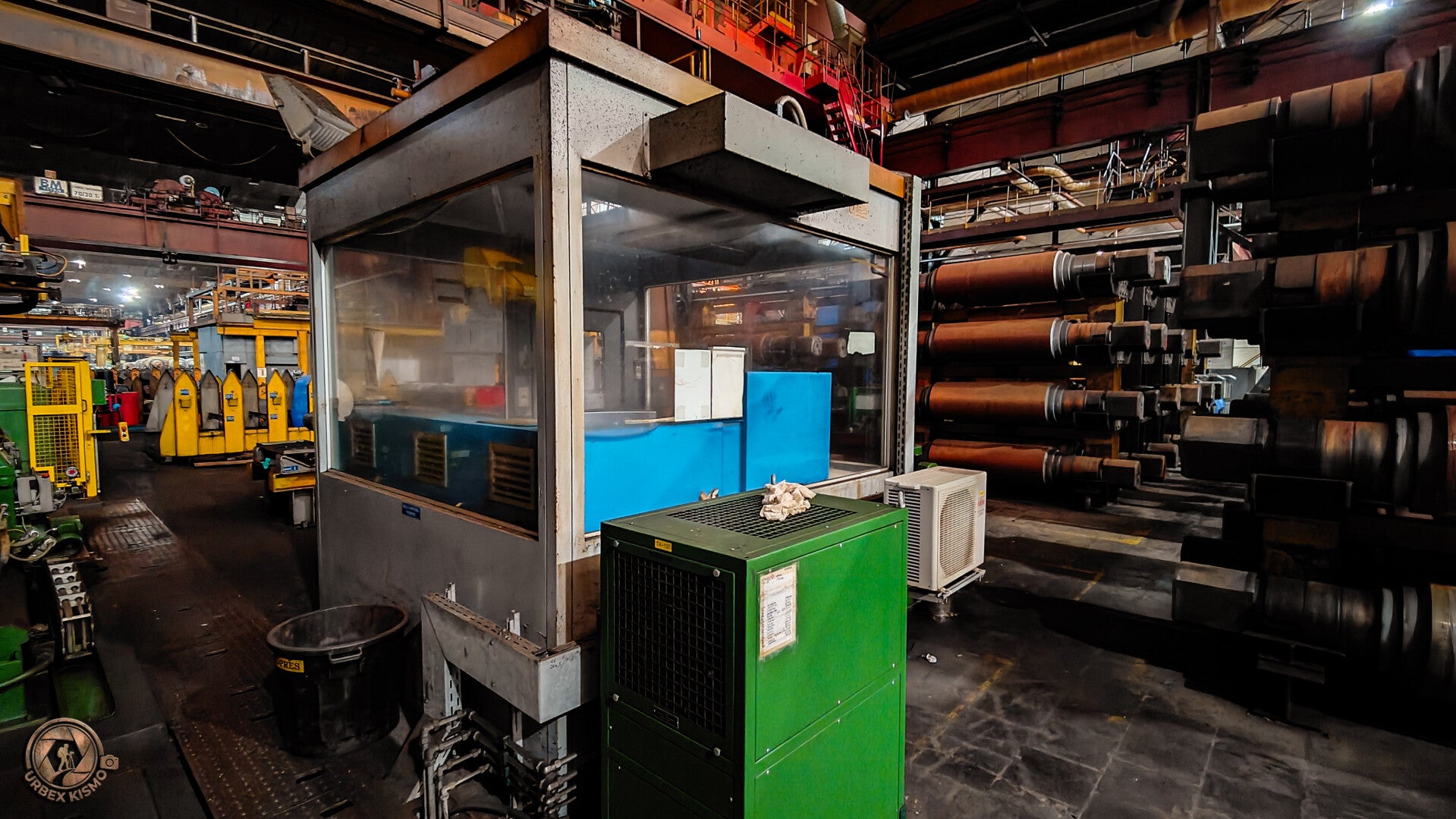
Inside the factory were several control rooms and operator stations connected to the rolling process. From these rooms, workers could monitor and adjust different parts of the production line, keeping an eye on things such as speed, pressure, temperature and the position of the steel strip. In a continuous rolling operation, even small changes could affect the final thickness and quality of the material. Although the machinery around these rooms had seen years of use, many of the original control areas still gave a clear impression of how much attention was once required to keep the production line running.
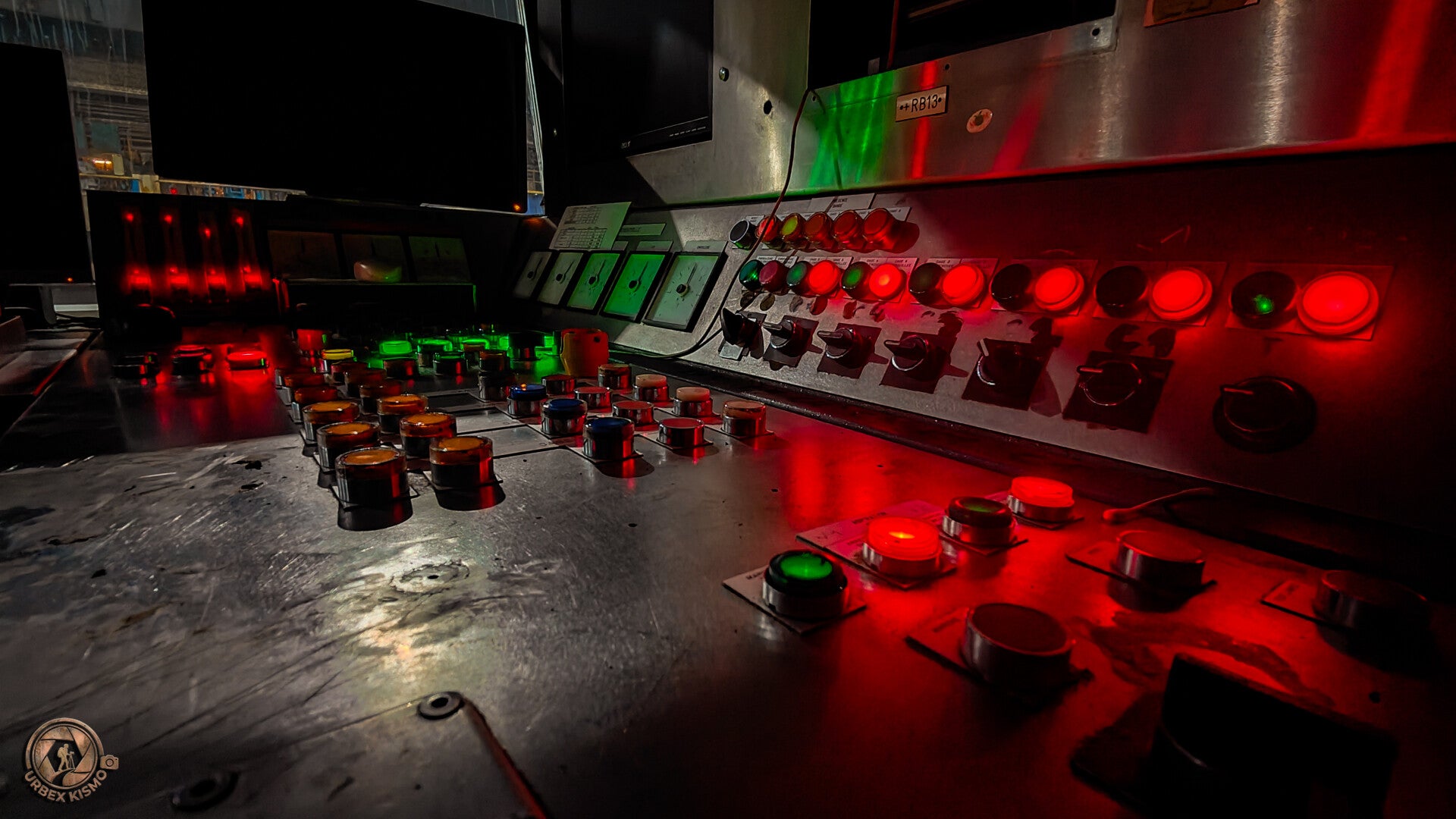
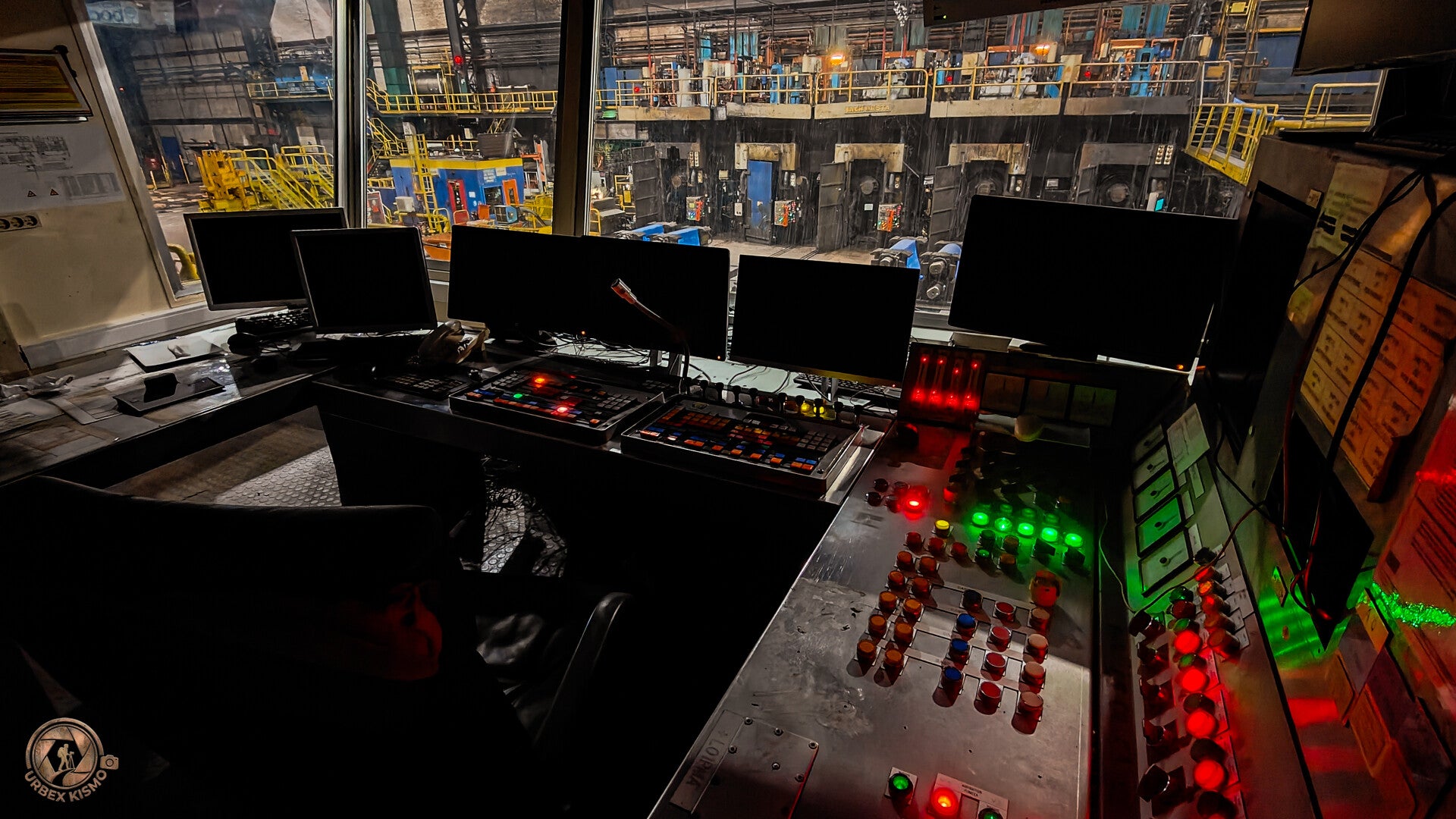
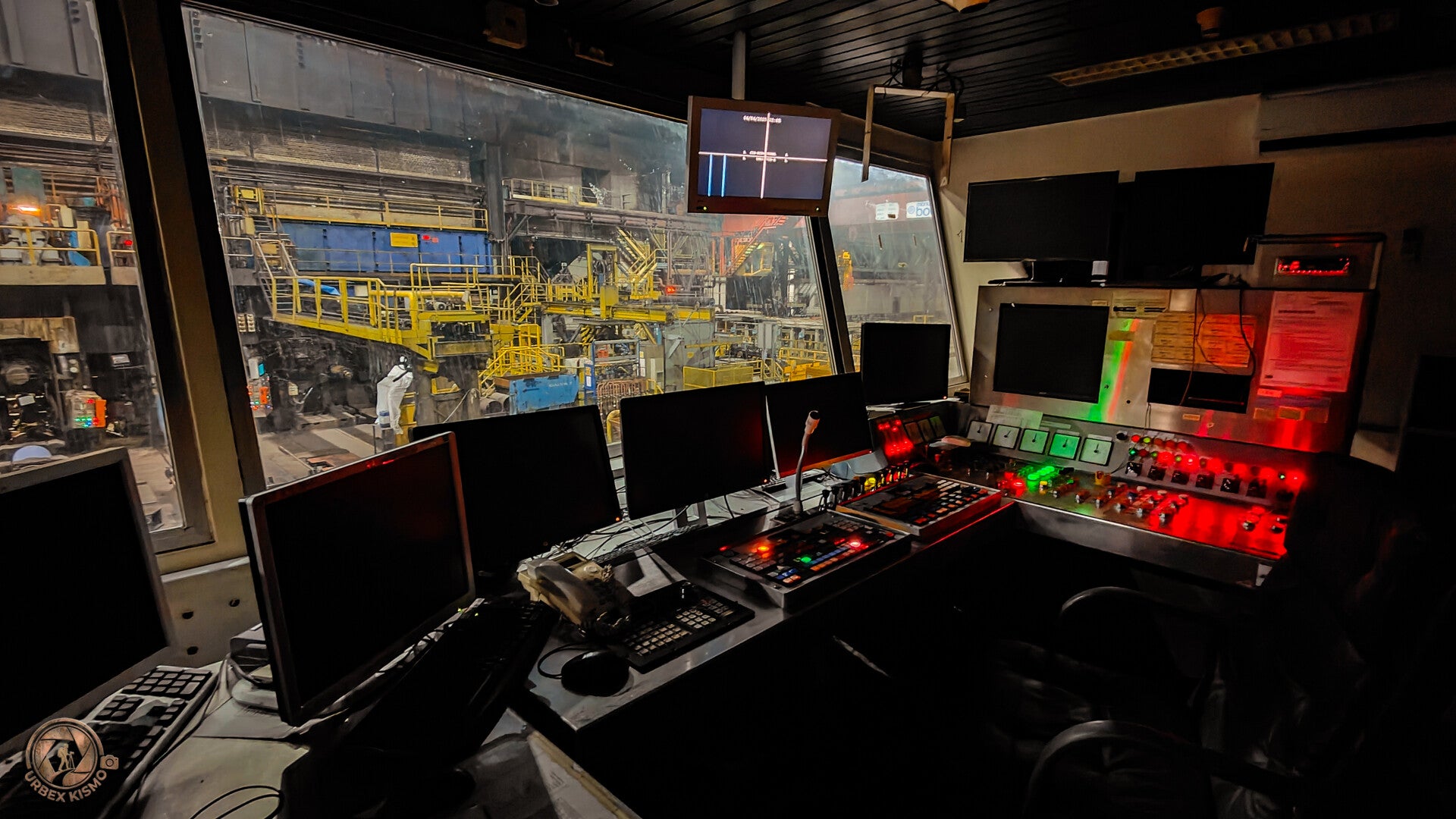
Where the production process was monitored
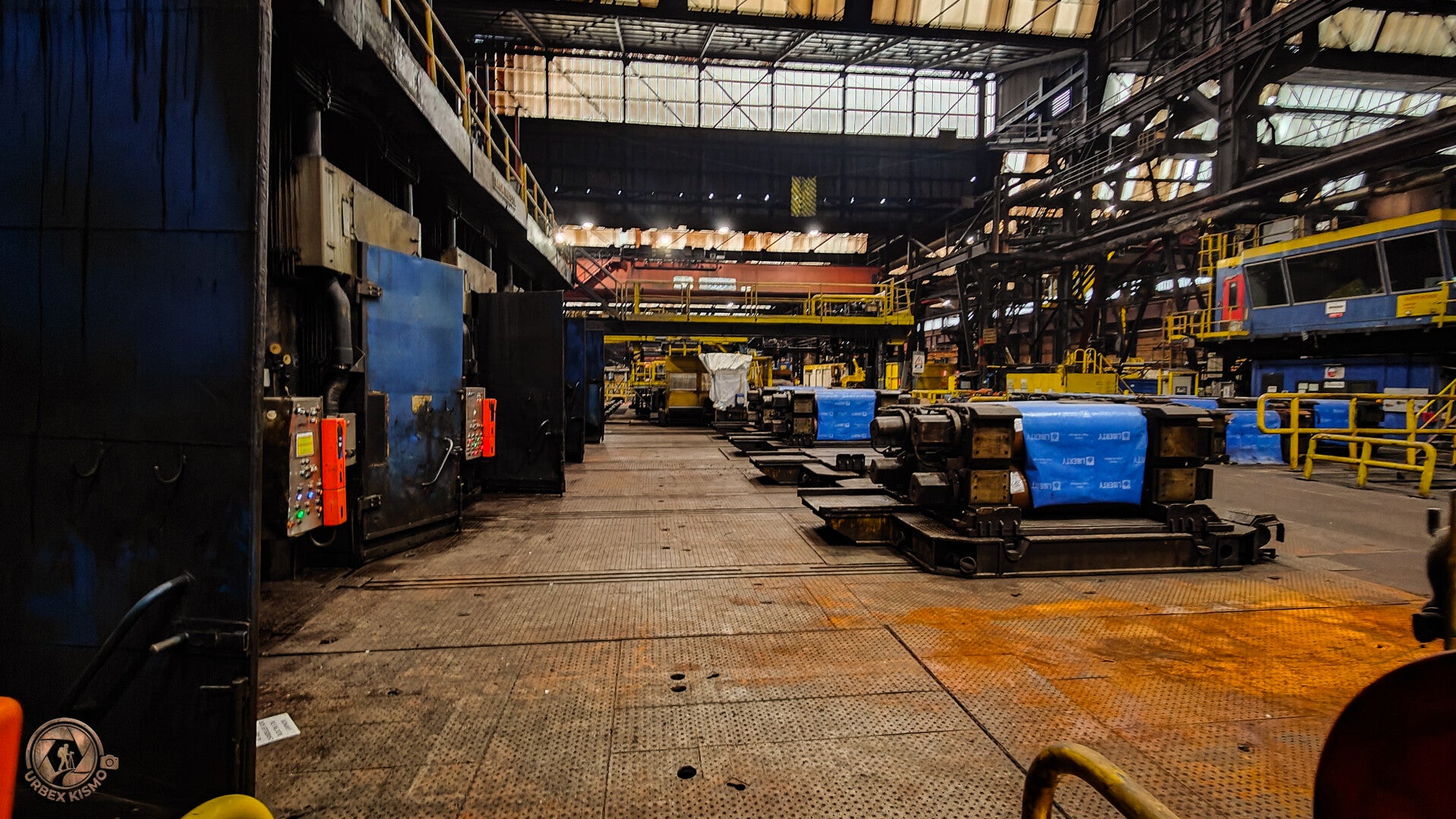
The Rolling Mill
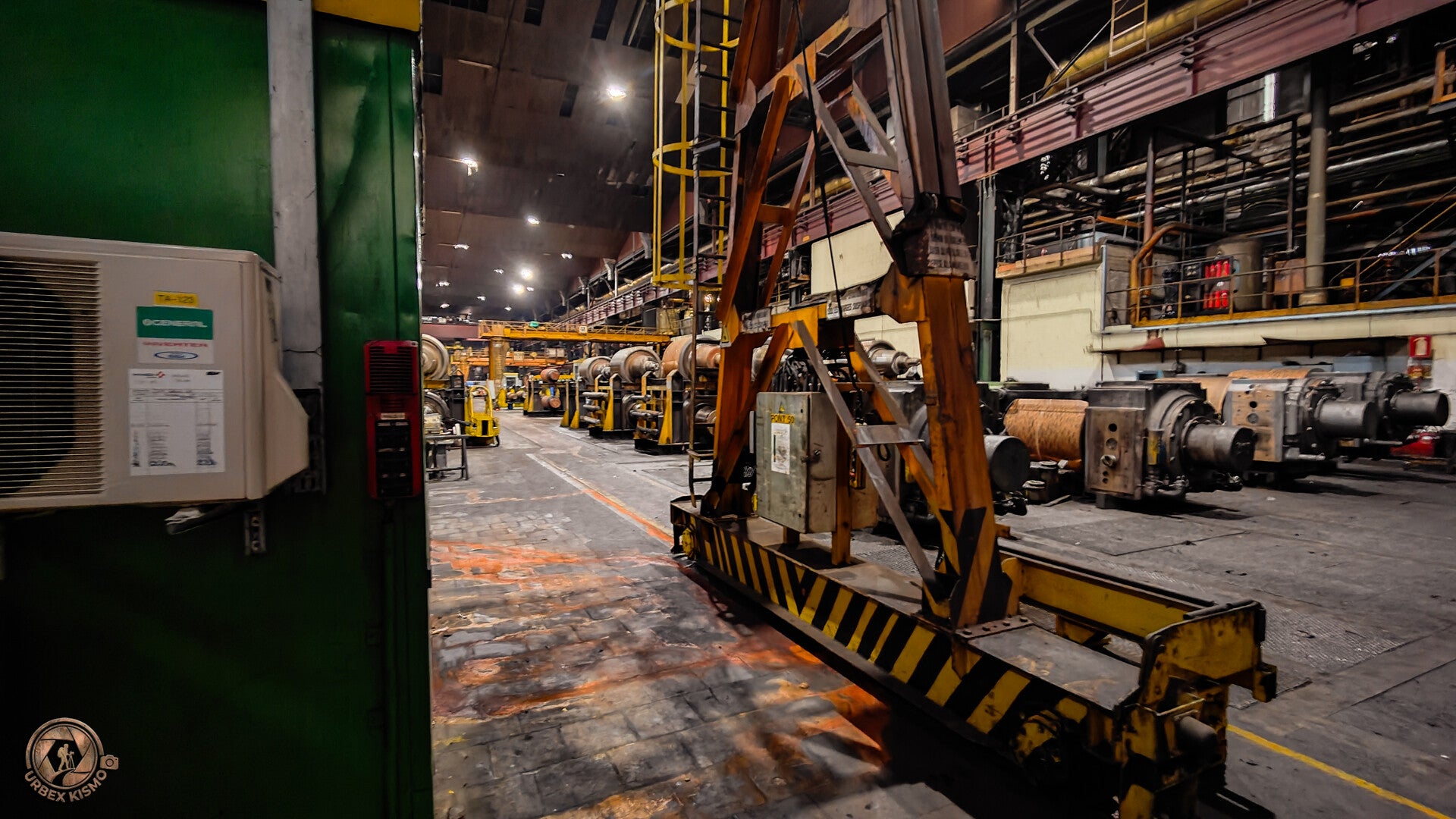
The heart of the factory was the rolling mill. Here, steel passed through a series of enormous rollers that gradually reduced its thickness while controlling its dimensions and surface quality. The facility specialised in very thin steel used for products such as packaging and metal containers, meaning the rolling process had to be extremely precise. The scale of the machinery becomes especially clear when standing next to the rollers themselves: these were not simply large machines, but complete industrial systems designed to process enormous quantities of steel continuously.
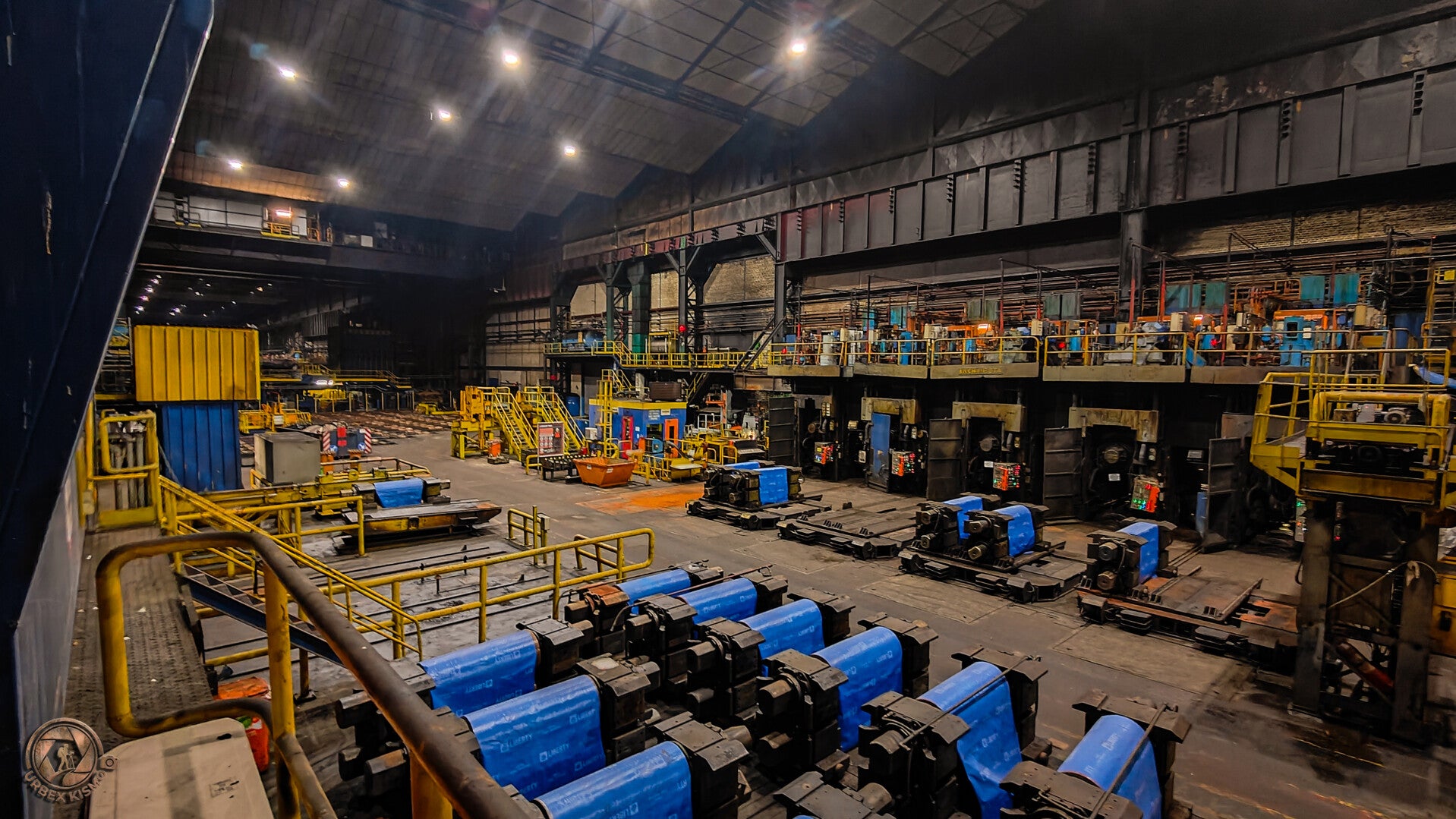
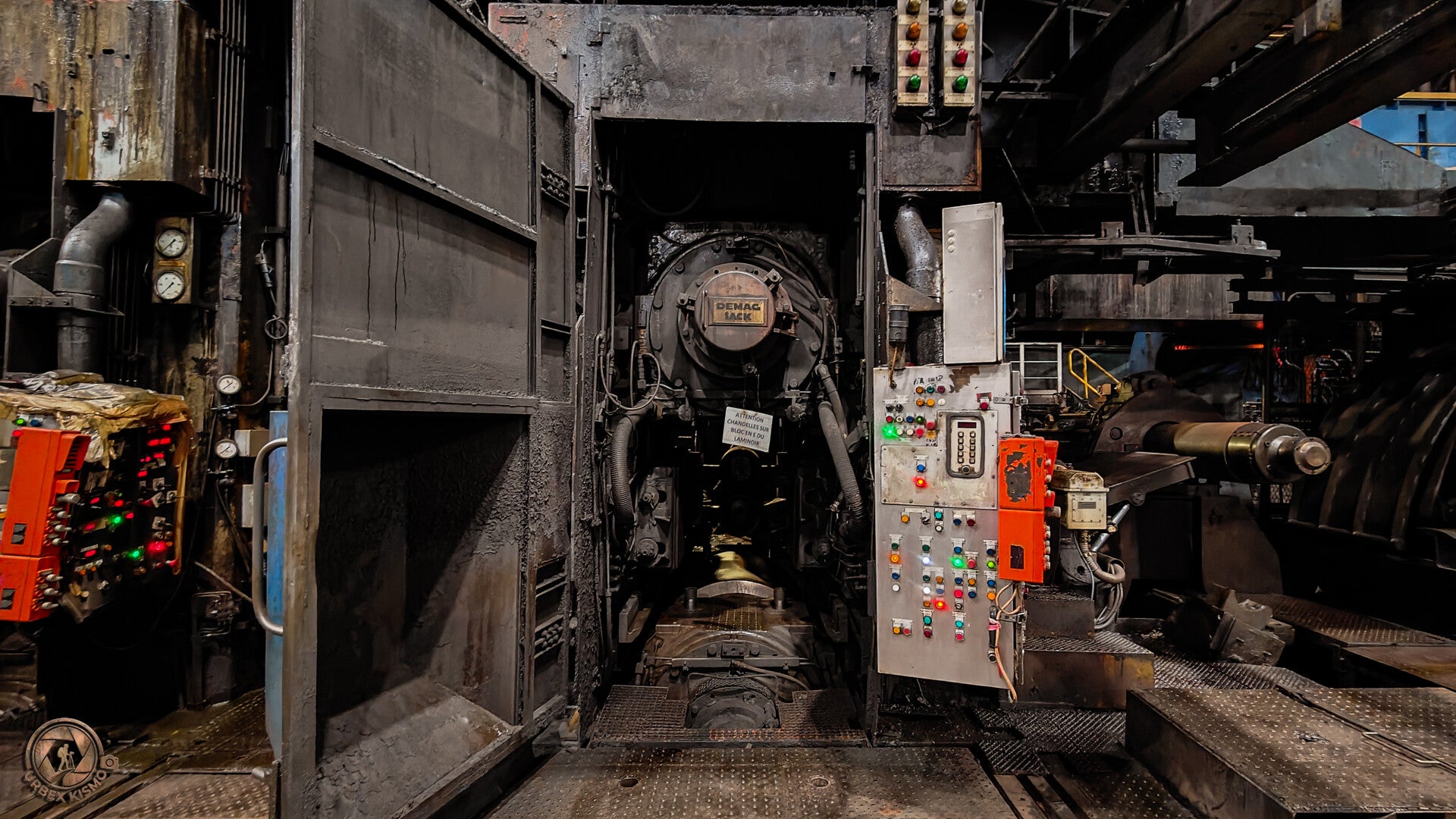
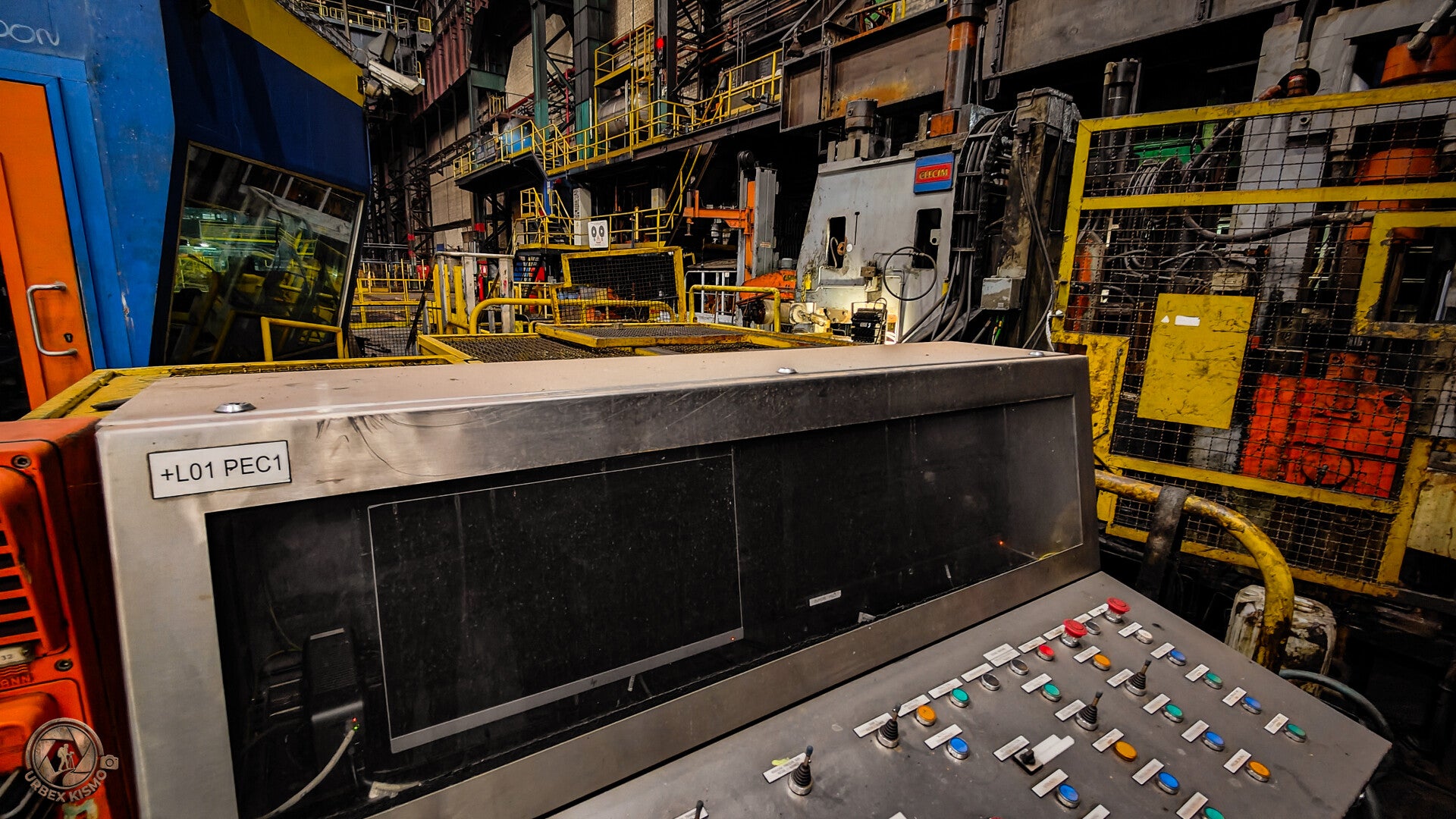
Turning steel into extremely thin sheets
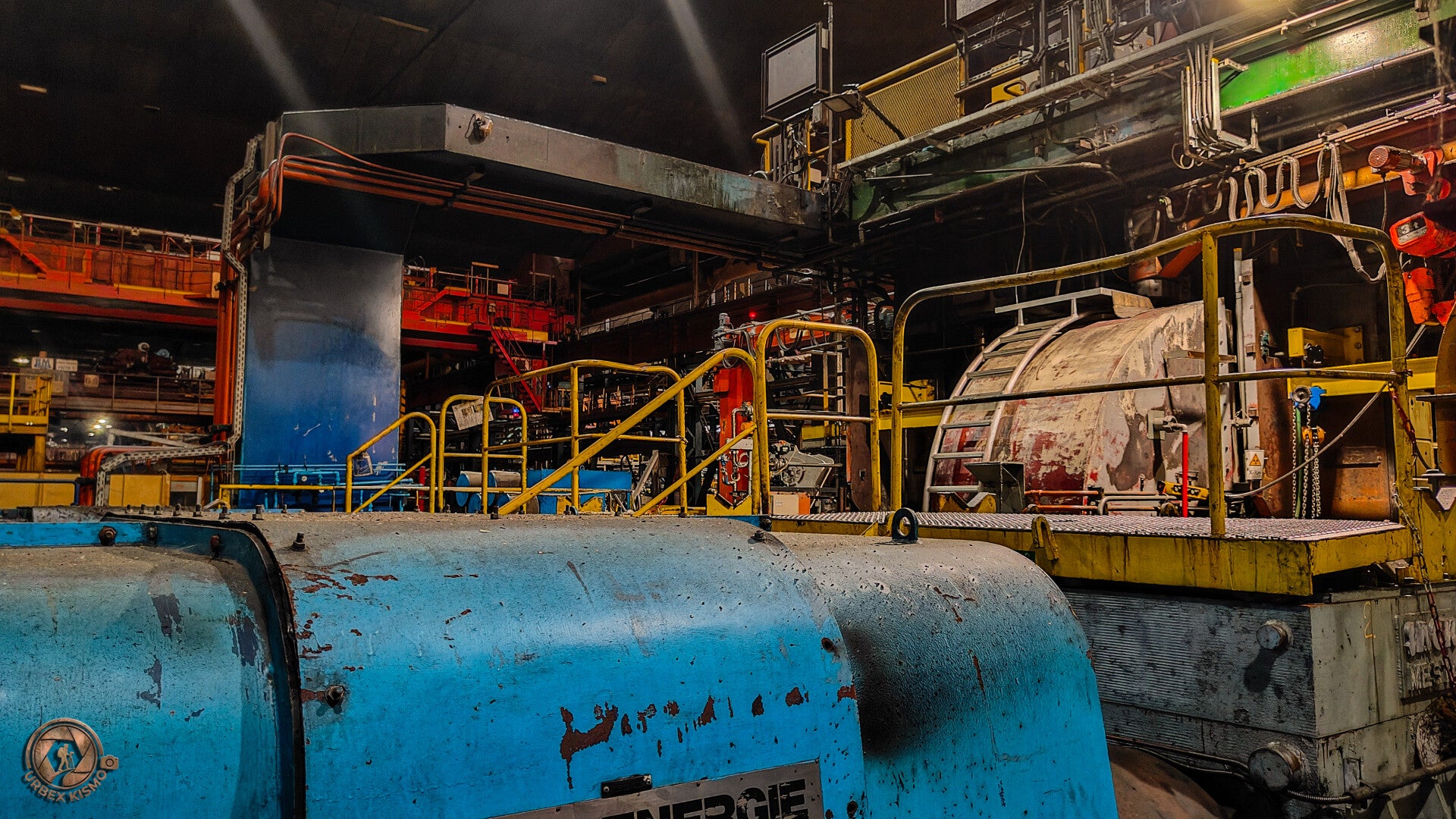
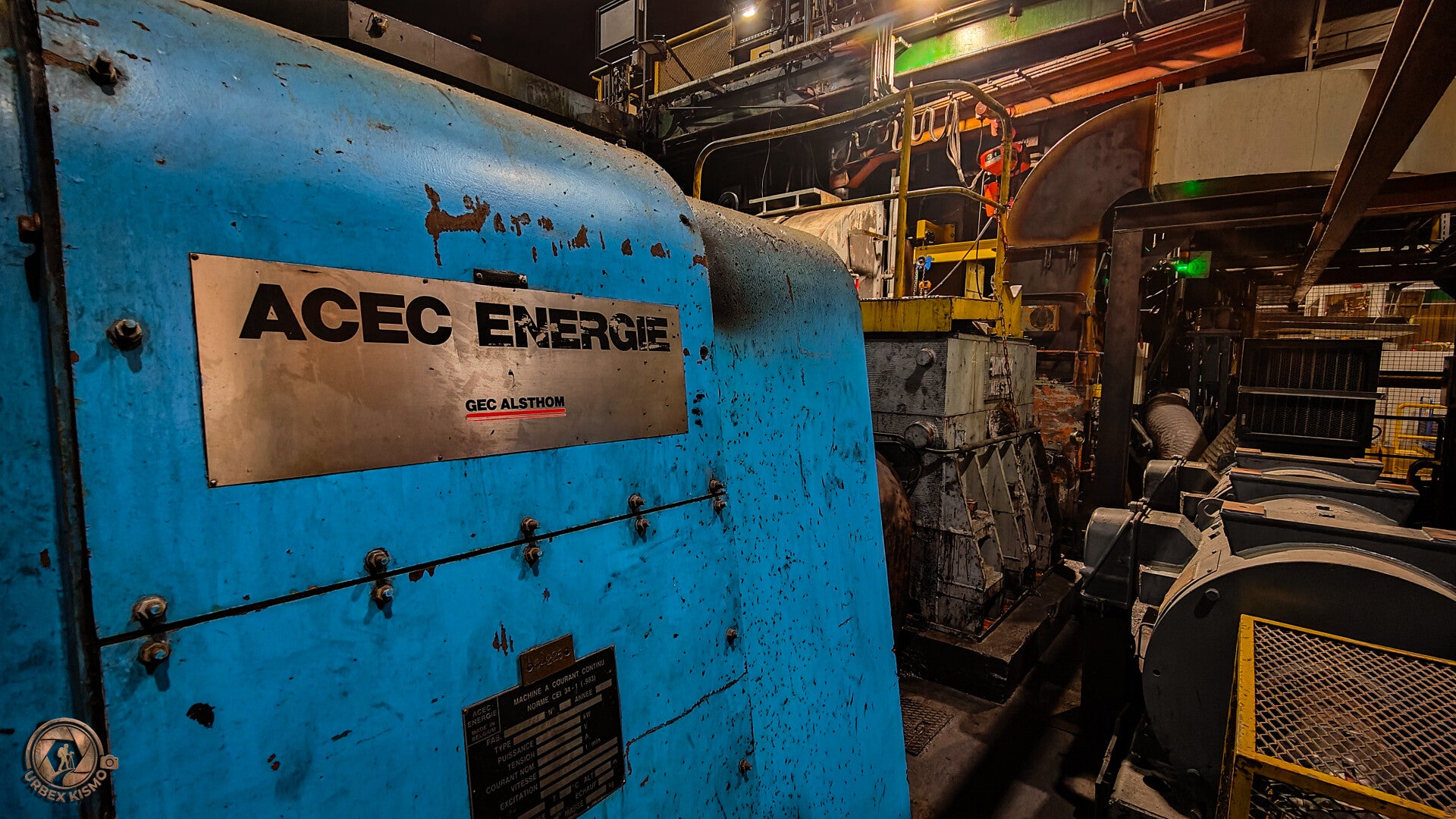
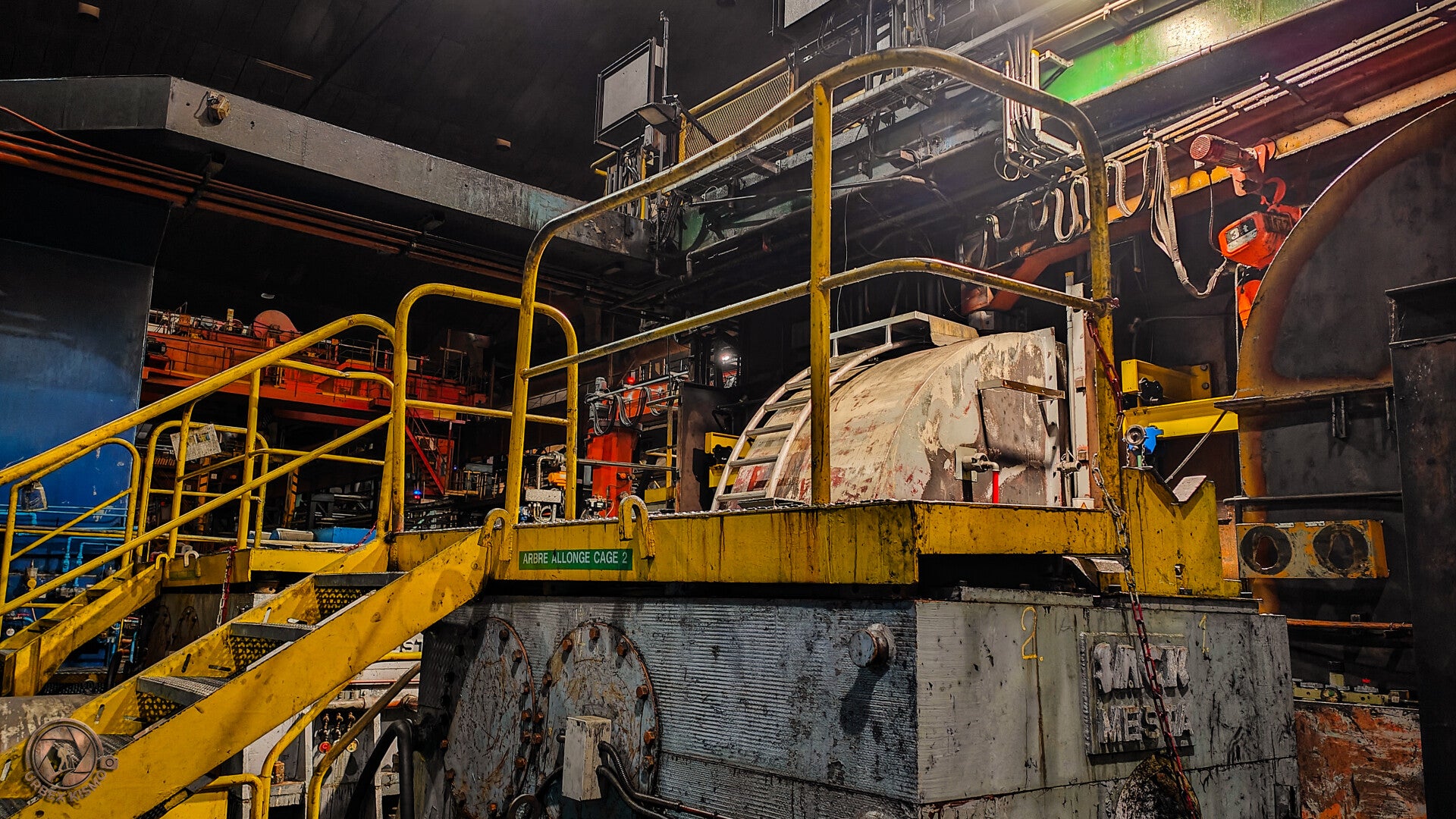
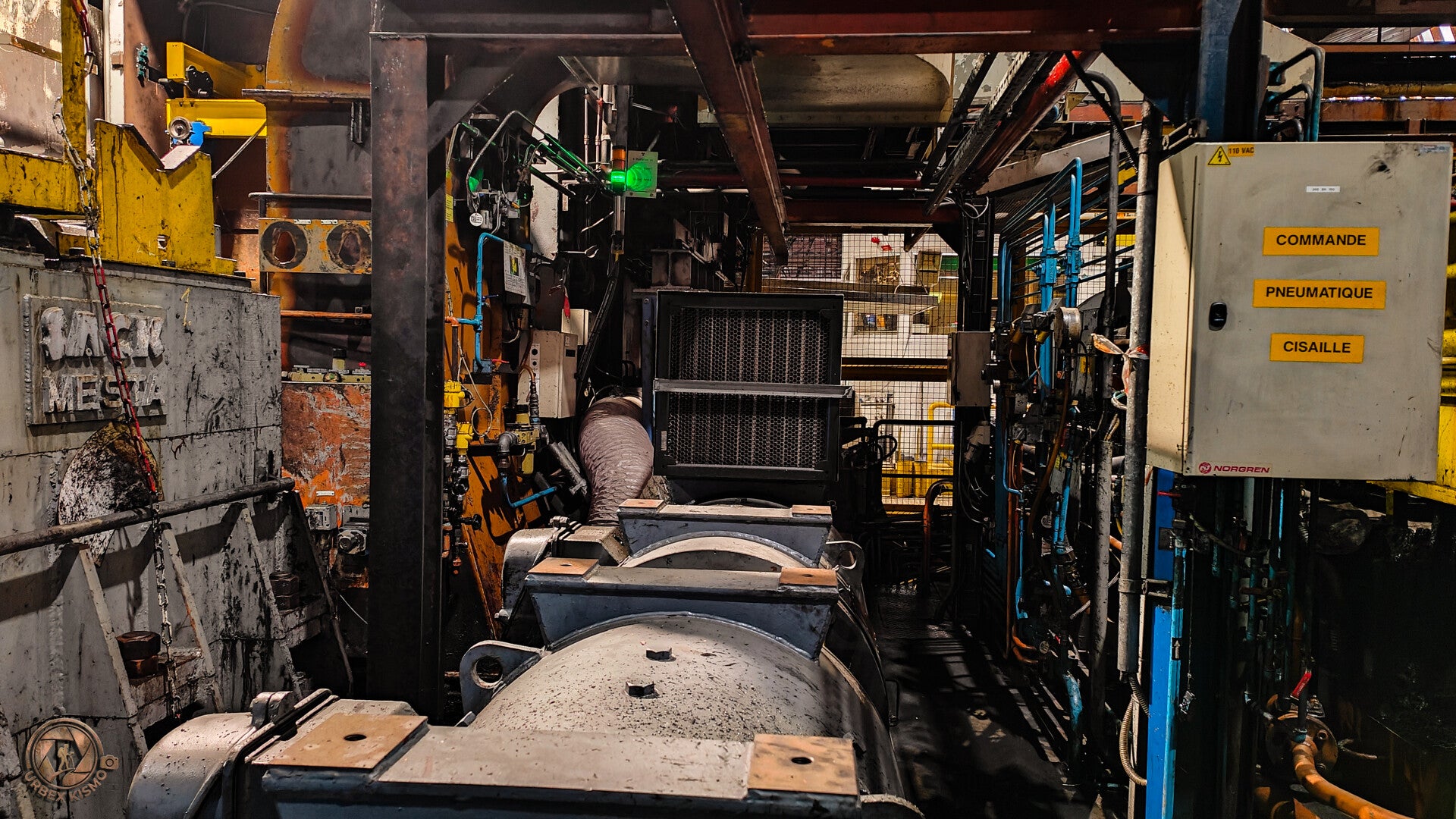
ACEC Motors
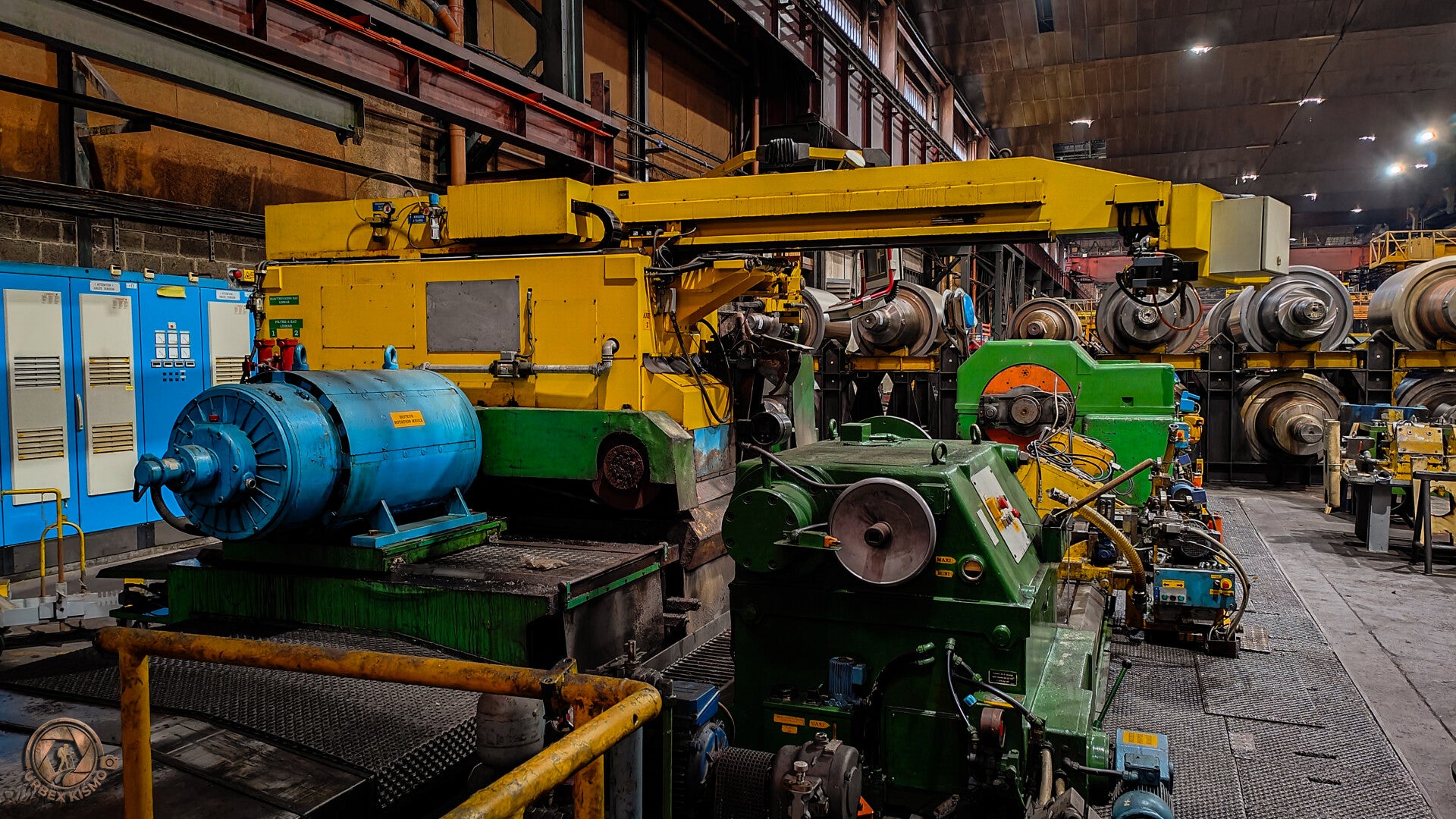
Scattered throughout the installation were large electric motors manufactured by ACEC, a Belgian company with a long history in electrical engineering and heavy industry. Motors of this scale were used to provide the enormous amounts of mechanical power required by industrial equipment such as rolling mills. Their job was to convert electrical energy into controlled rotational movement, allowing the rollers and other machinery to operate under heavy loads. Even when disconnected from production, these motors give a good impression of the engineering that once powered the factory.
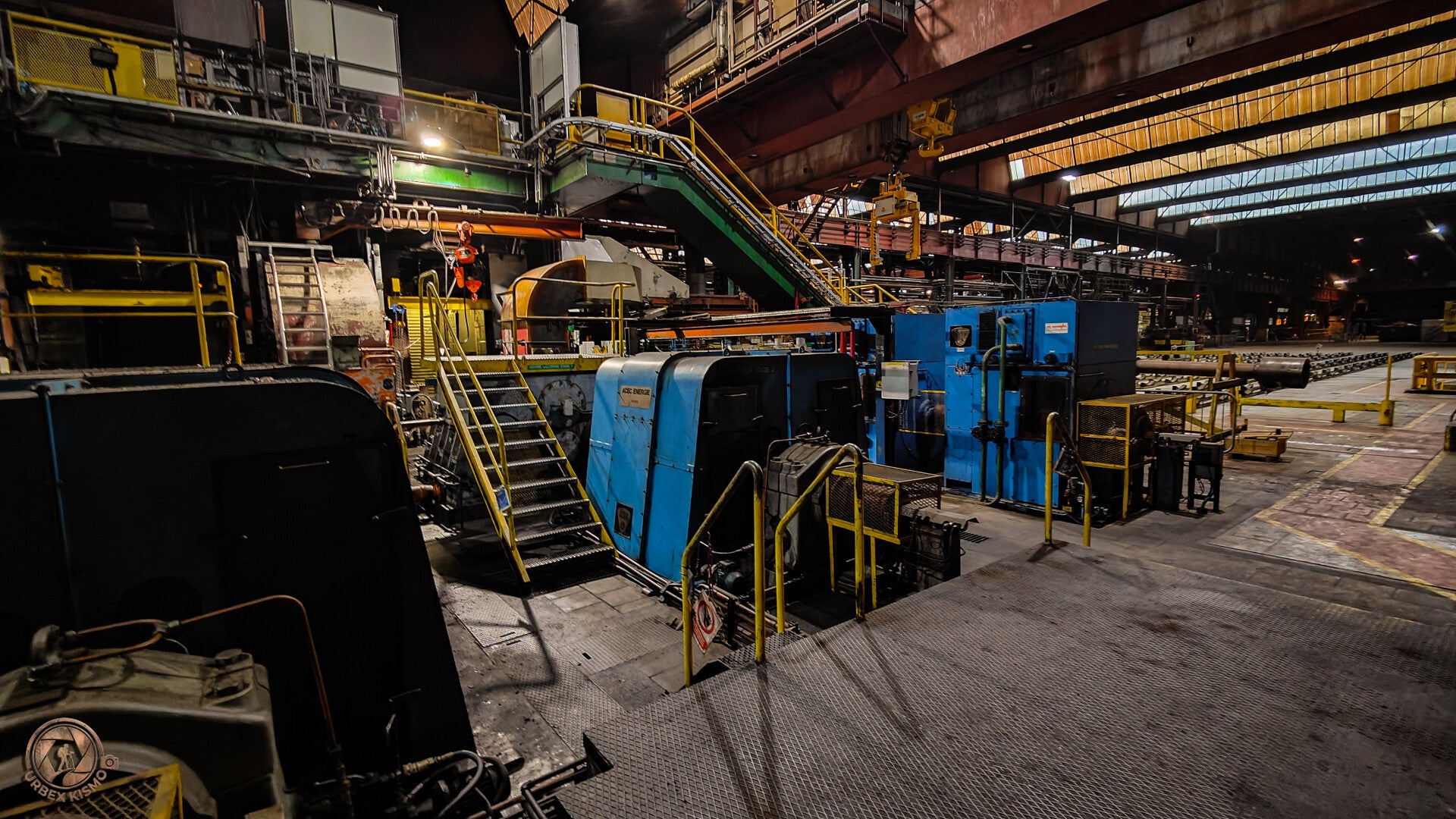
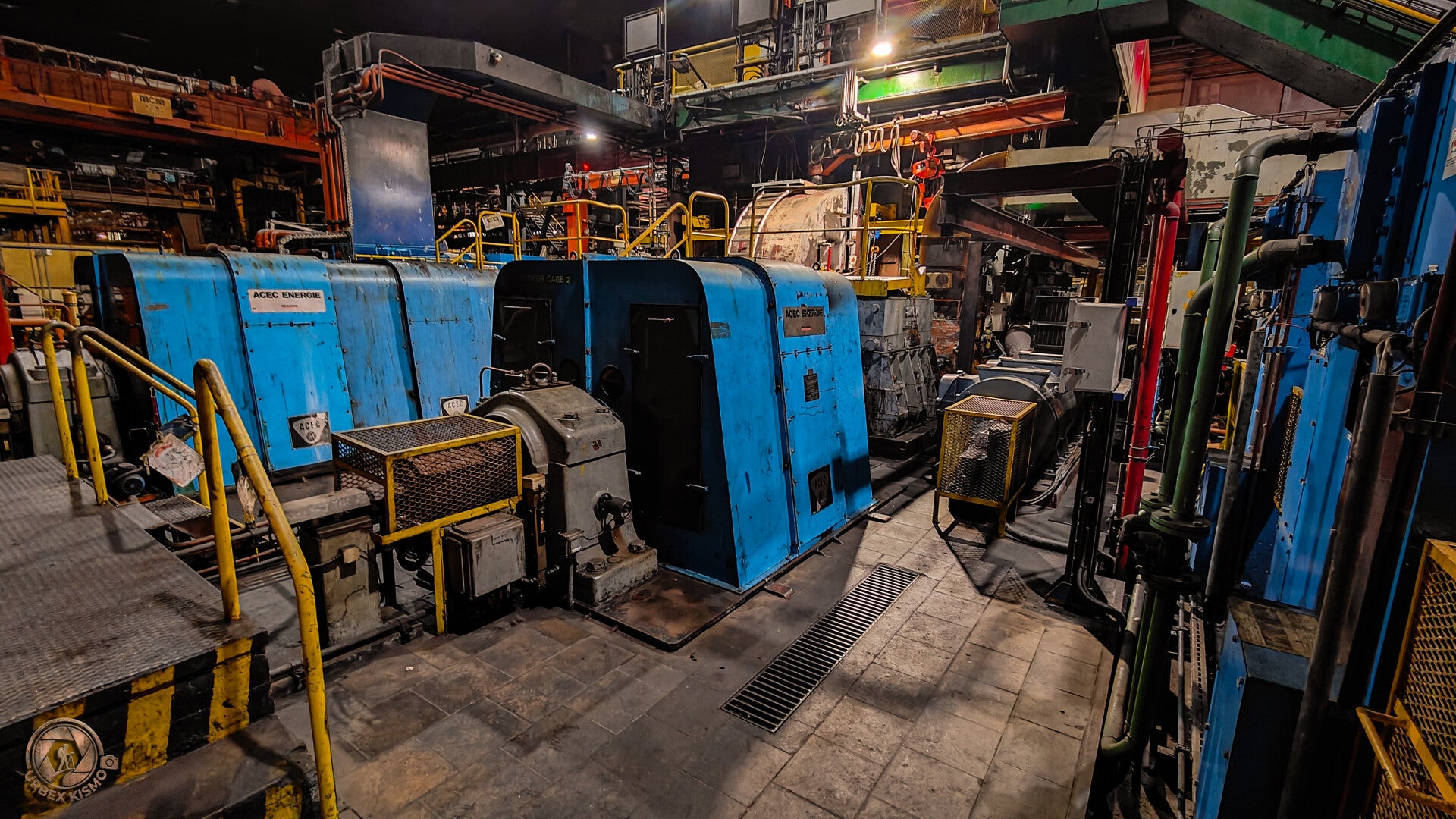
The power behind the machinery
Spare Rolling Mill Rolls
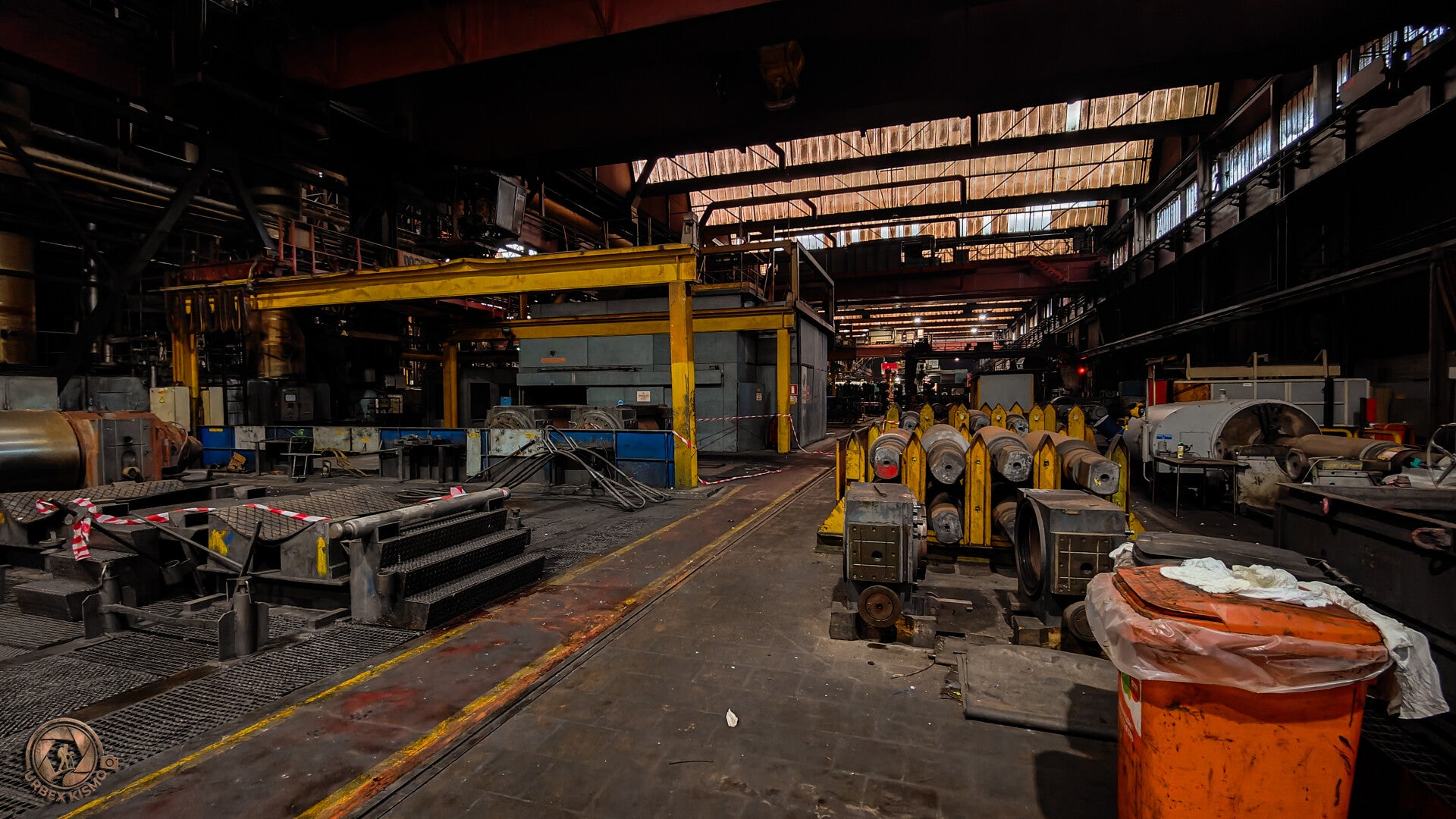
Not every roller stored inside the factory was installed in the production line. Large numbers of spare rolls were kept on dedicated storage racks, ready to replace worn or damaged components when maintenance was required. Rolling mill rolls operate under extreme pressure and constant contact with steel, meaning their surfaces gradually wear and need to be replaced or refurbished. Seeing entire racks filled with these massive cylindrical components gives an idea of how much maintenance and preparation was necessary to keep a continuous steel production line operating.
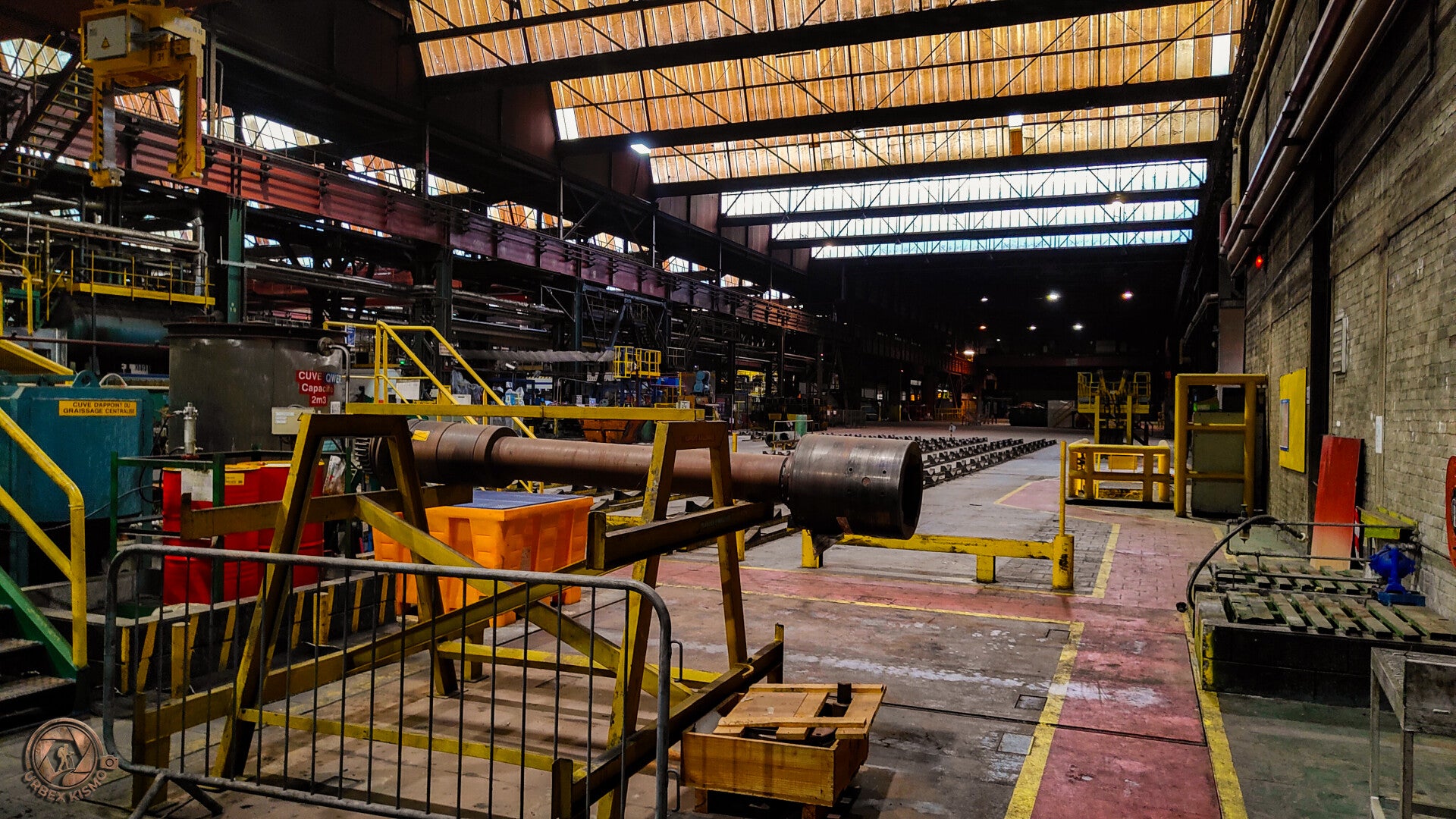
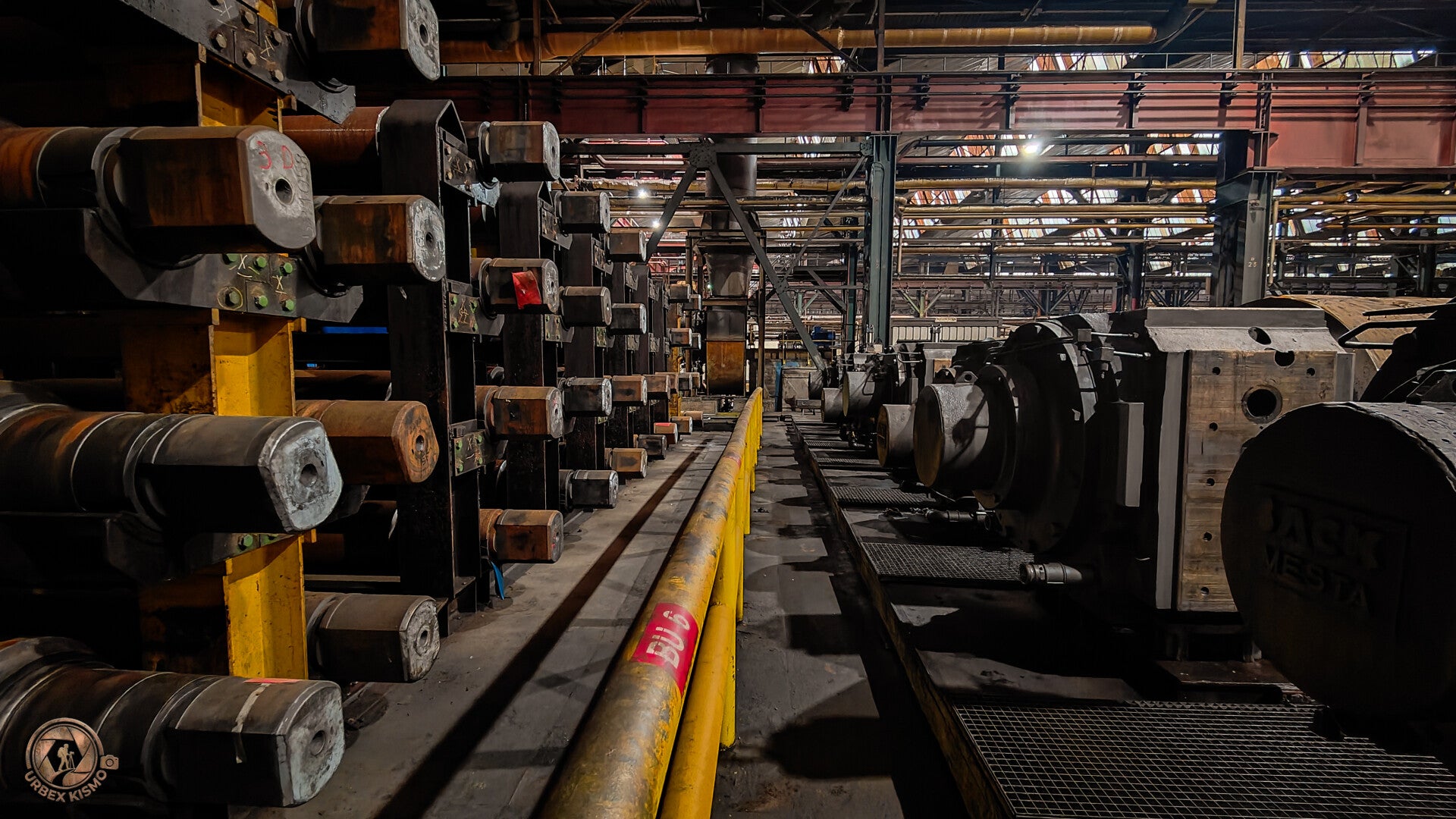
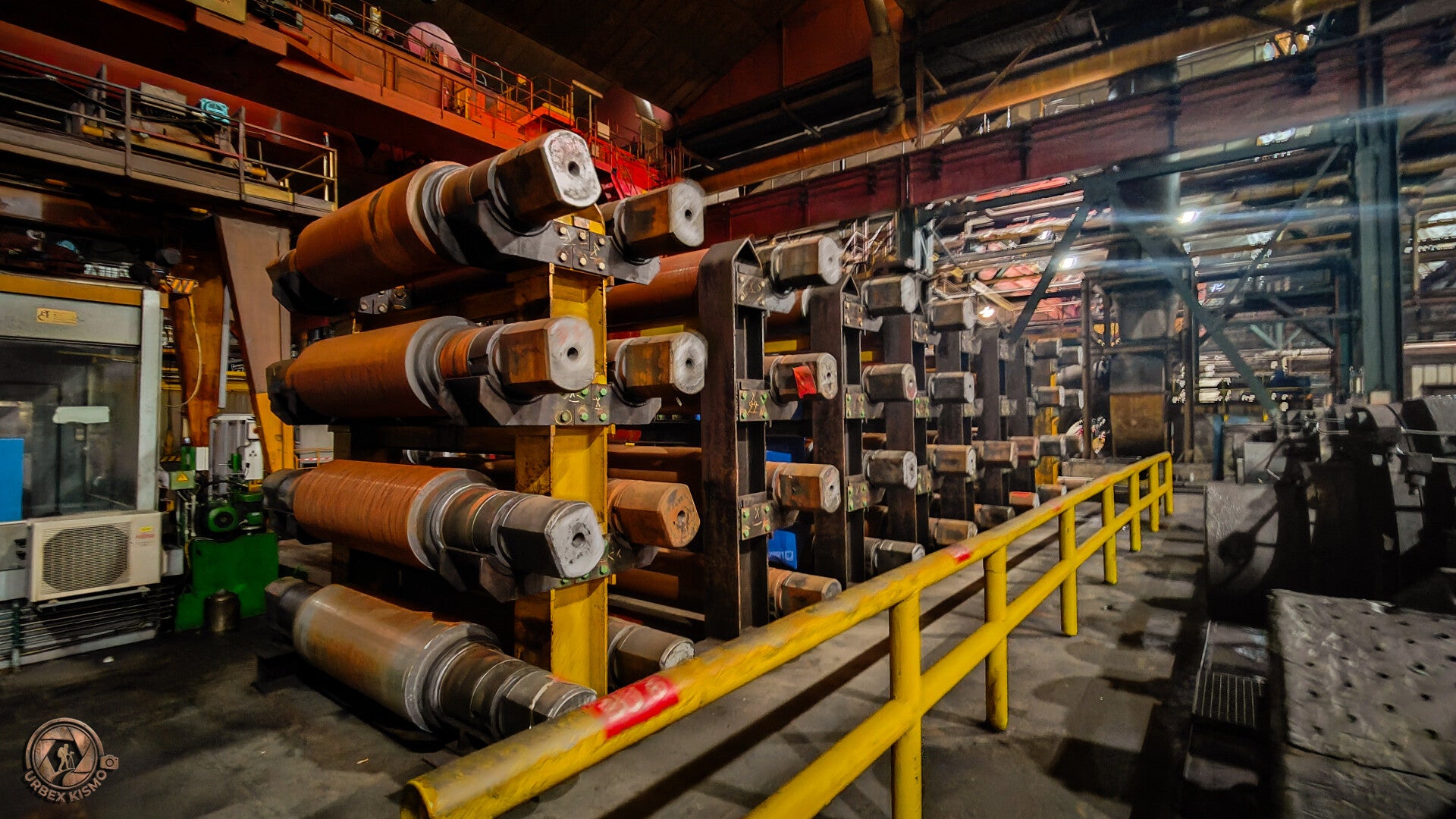
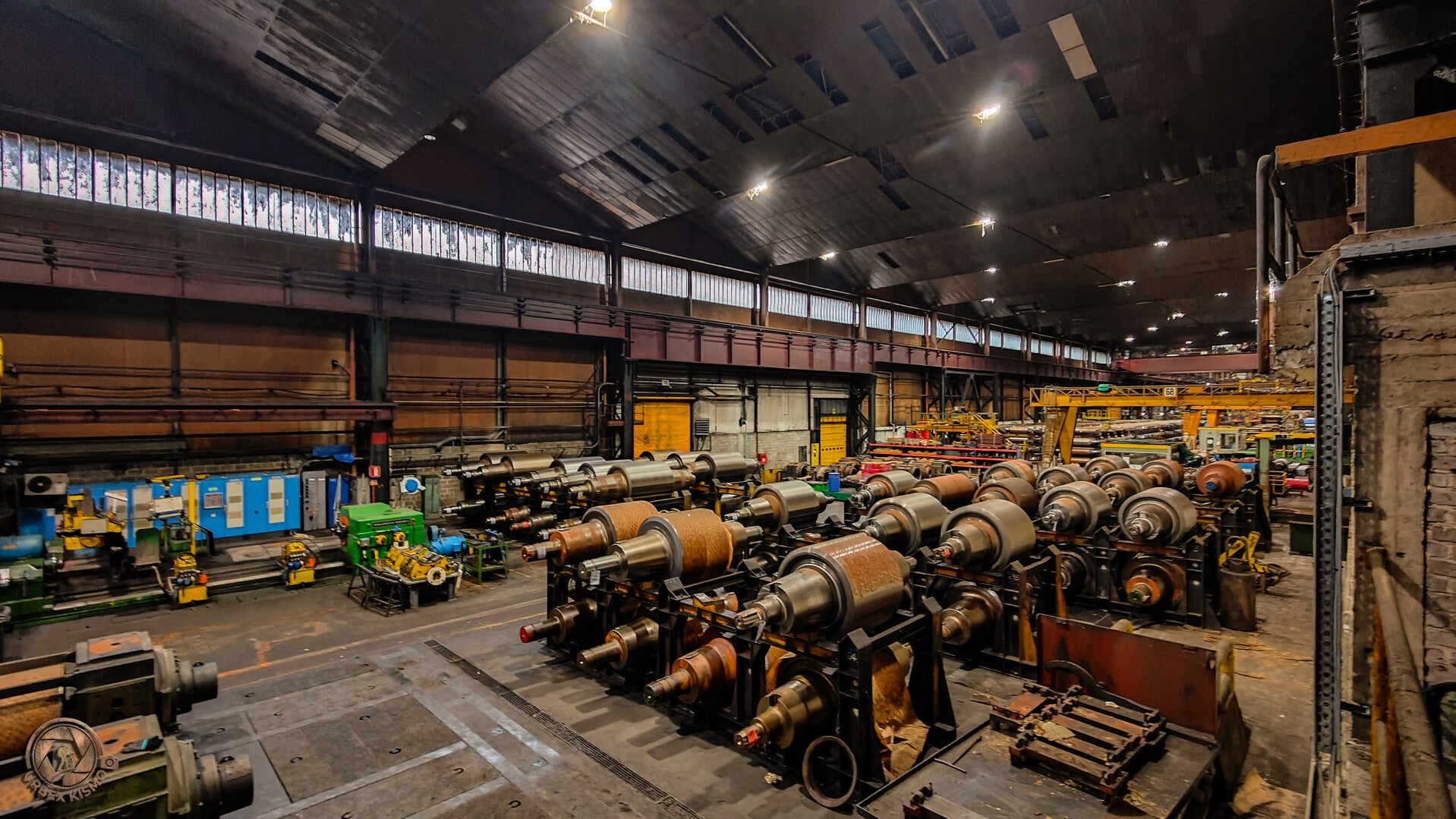
Rows of replacements waiting for their turn
Machinery & Industrial Equipment
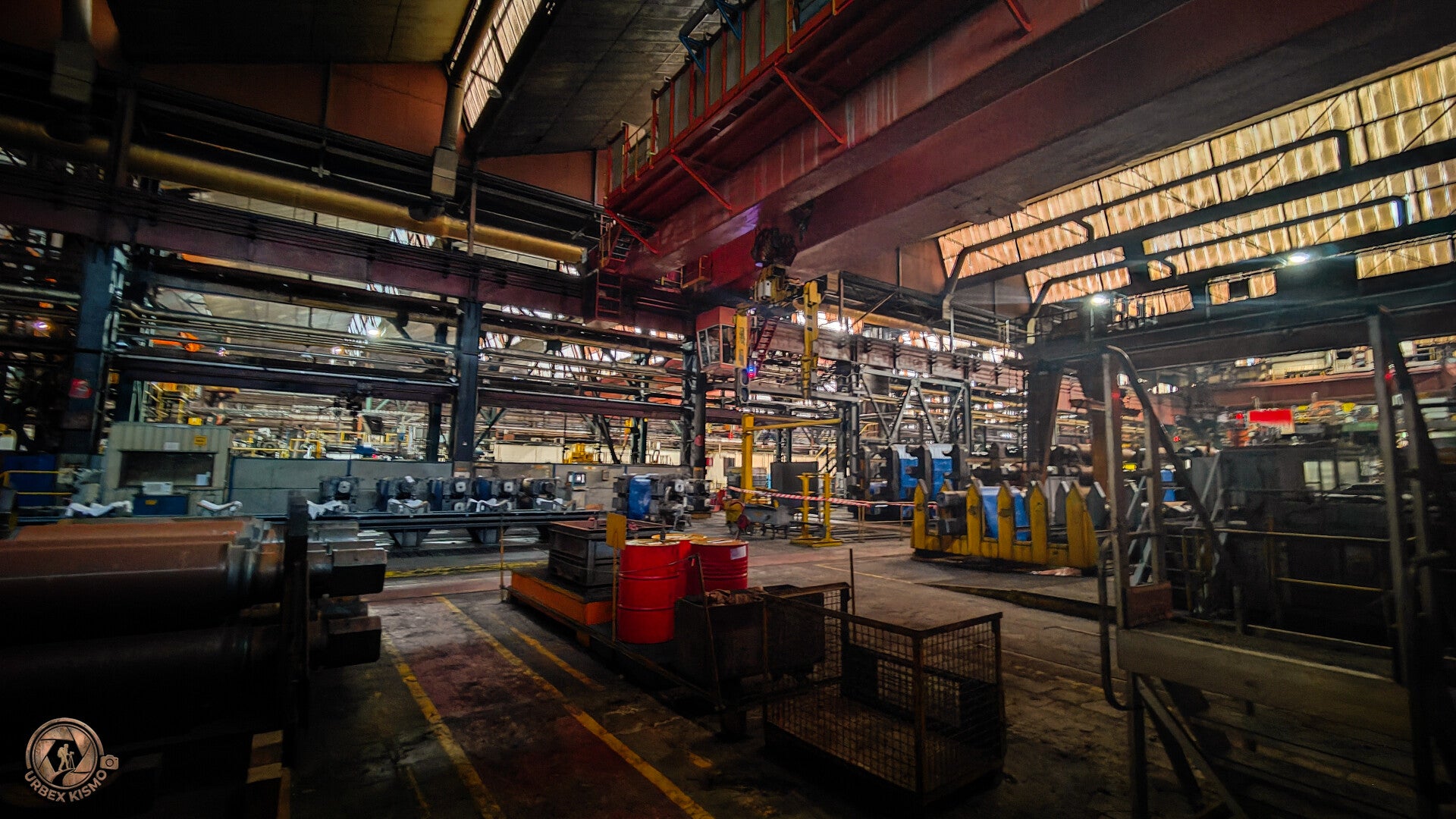
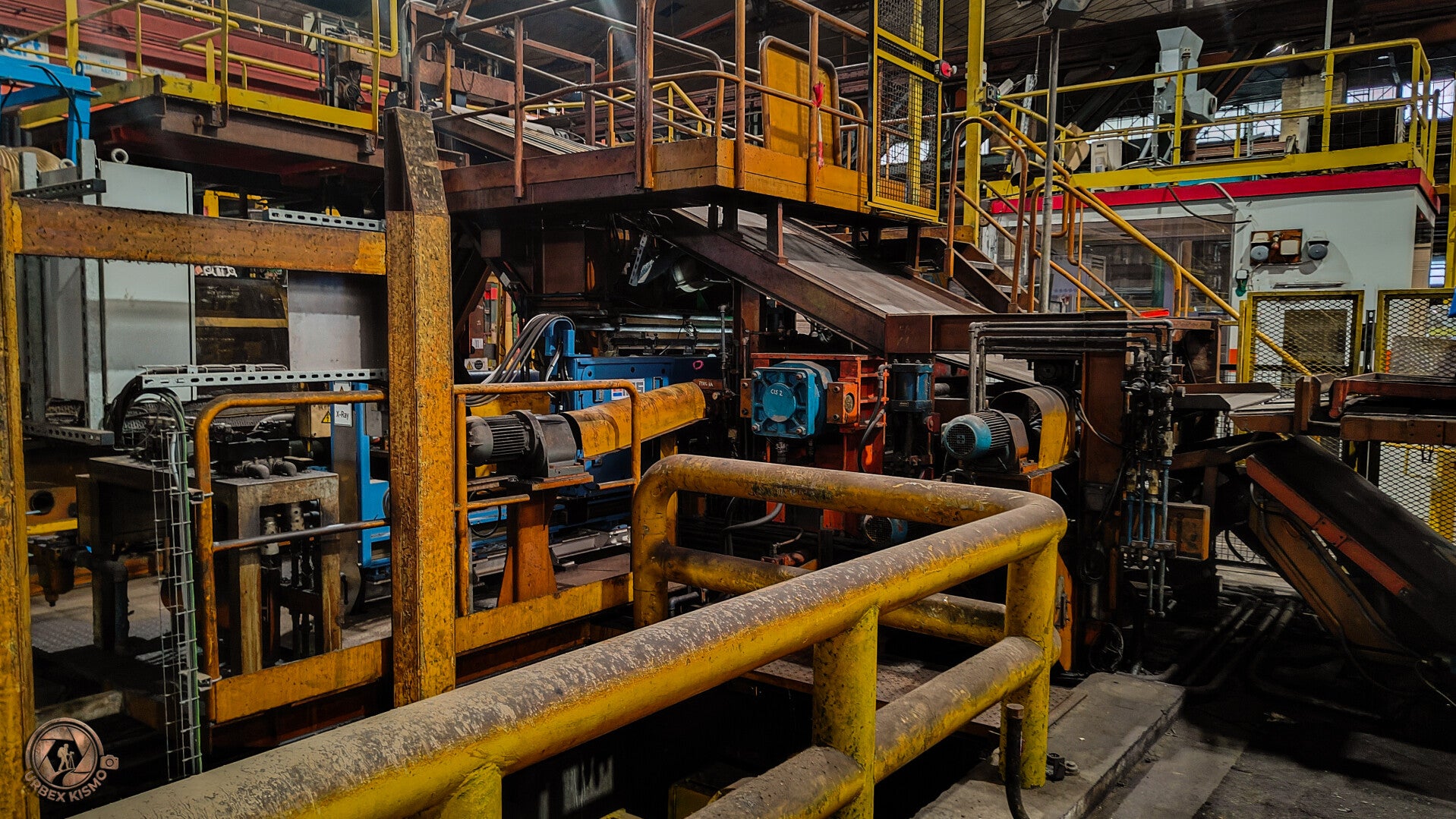
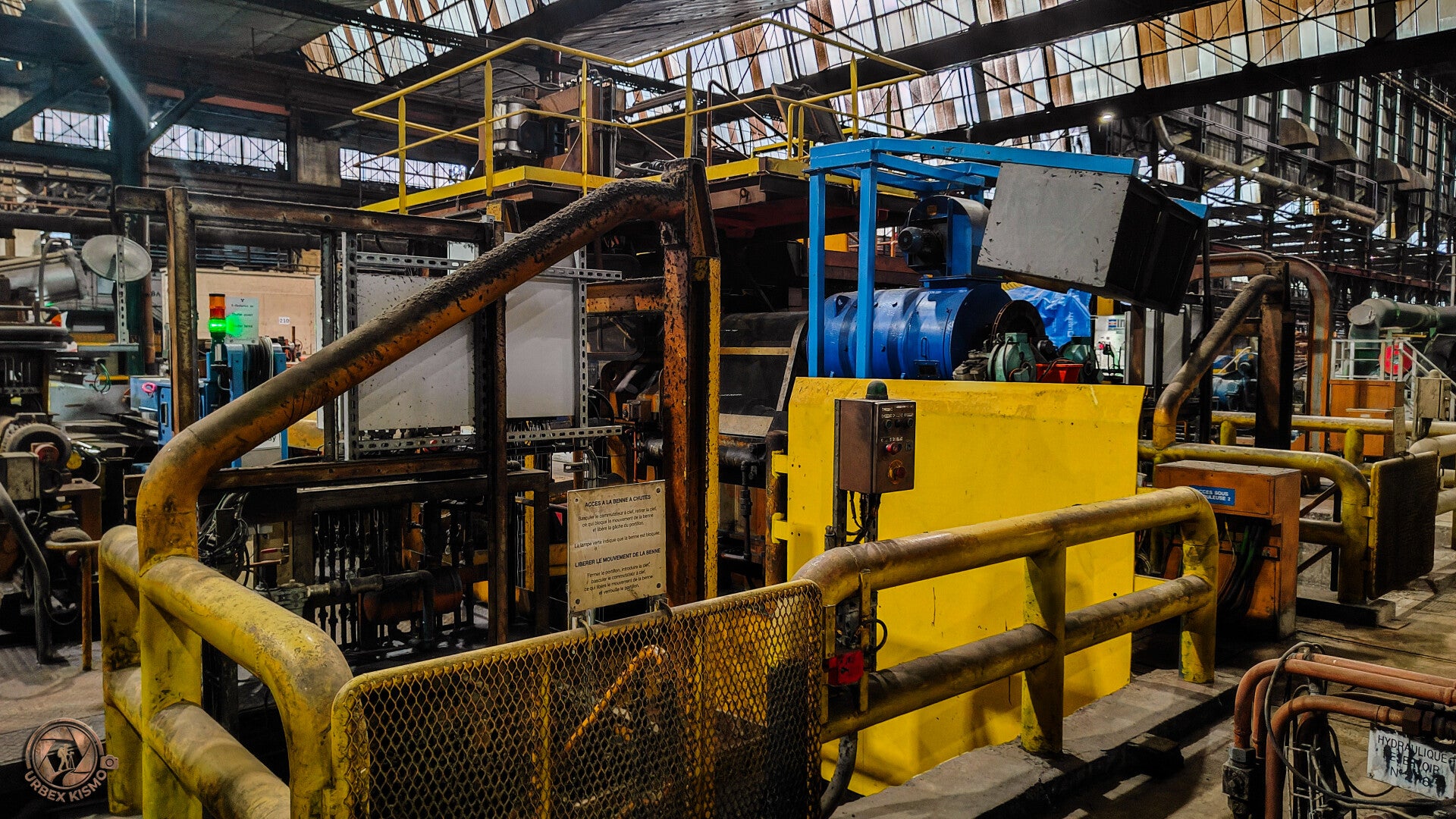
Some areas of the factory were filled with equipment whose exact function was difficult to identify without the original technical documentation. Pumps, motors, pipes, control components and other mechanical installations were spread throughout the production areas, often forming part of larger systems connected to the rolling mill. In a factory of this scale, many of these components were not standalone machines but supporting equipment responsible for cooling, lubrication, hydraulics, power distribution or material handling. Together they formed the infrastructure that allowed the main production machinery to operate.
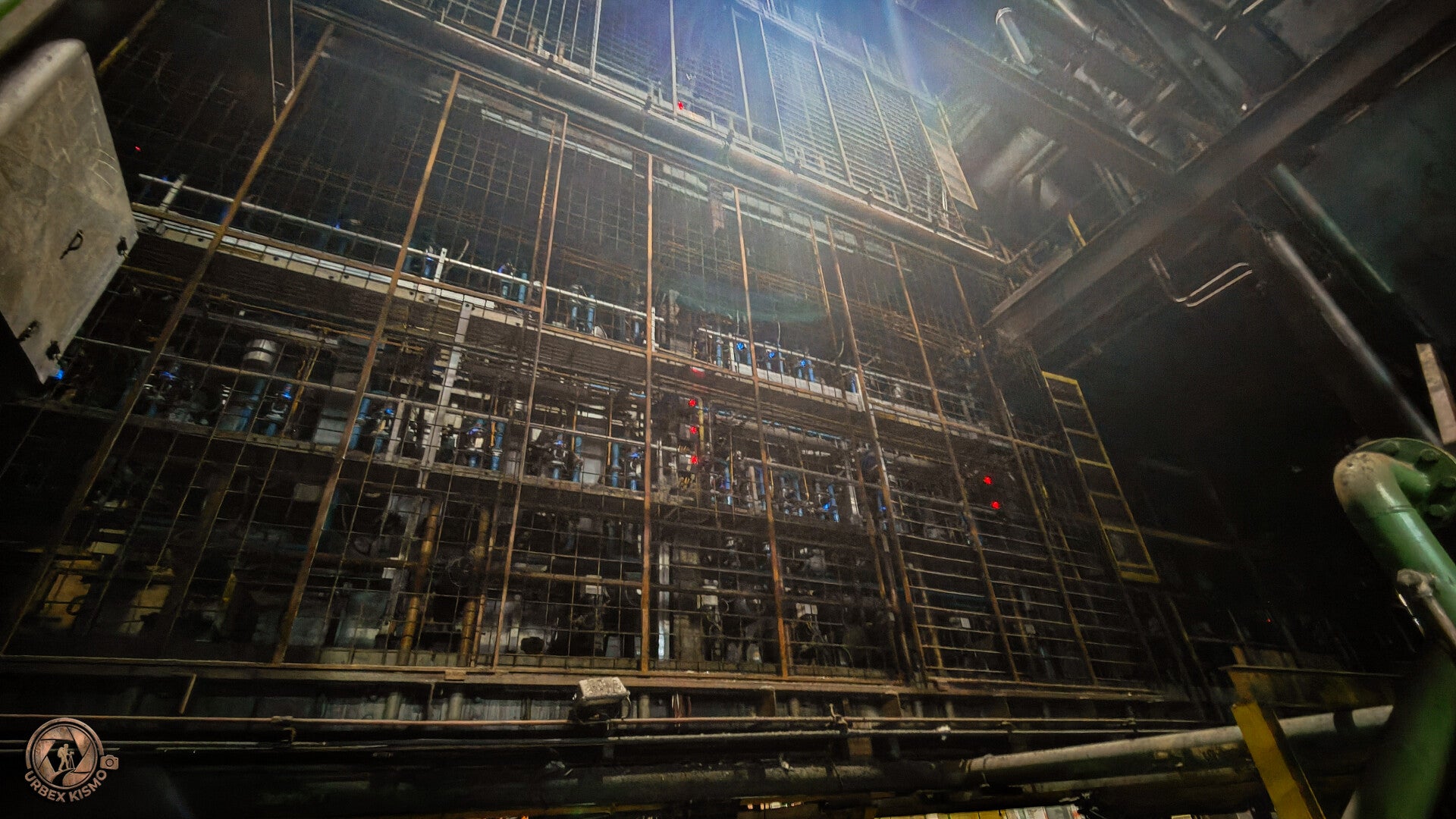
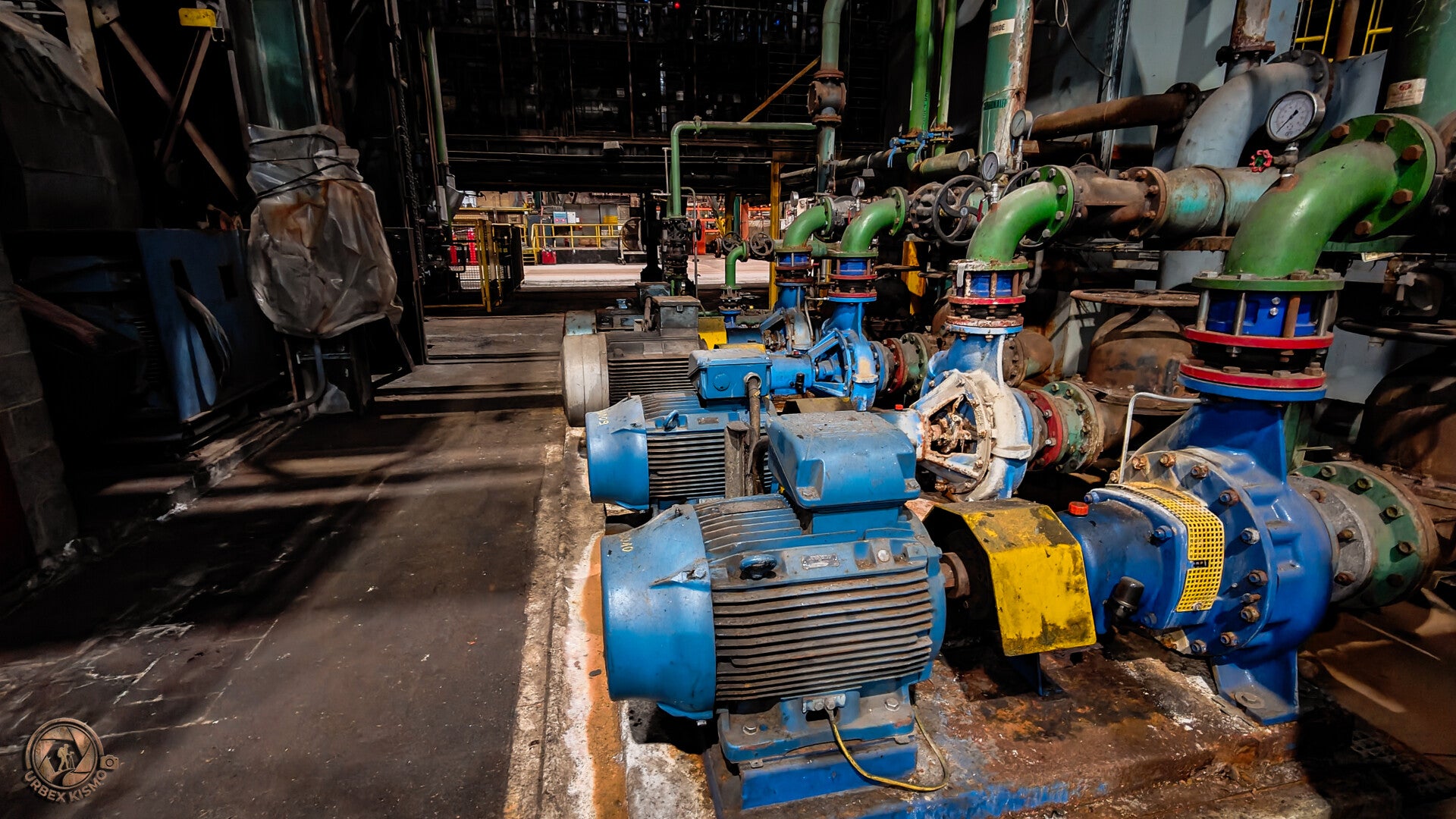
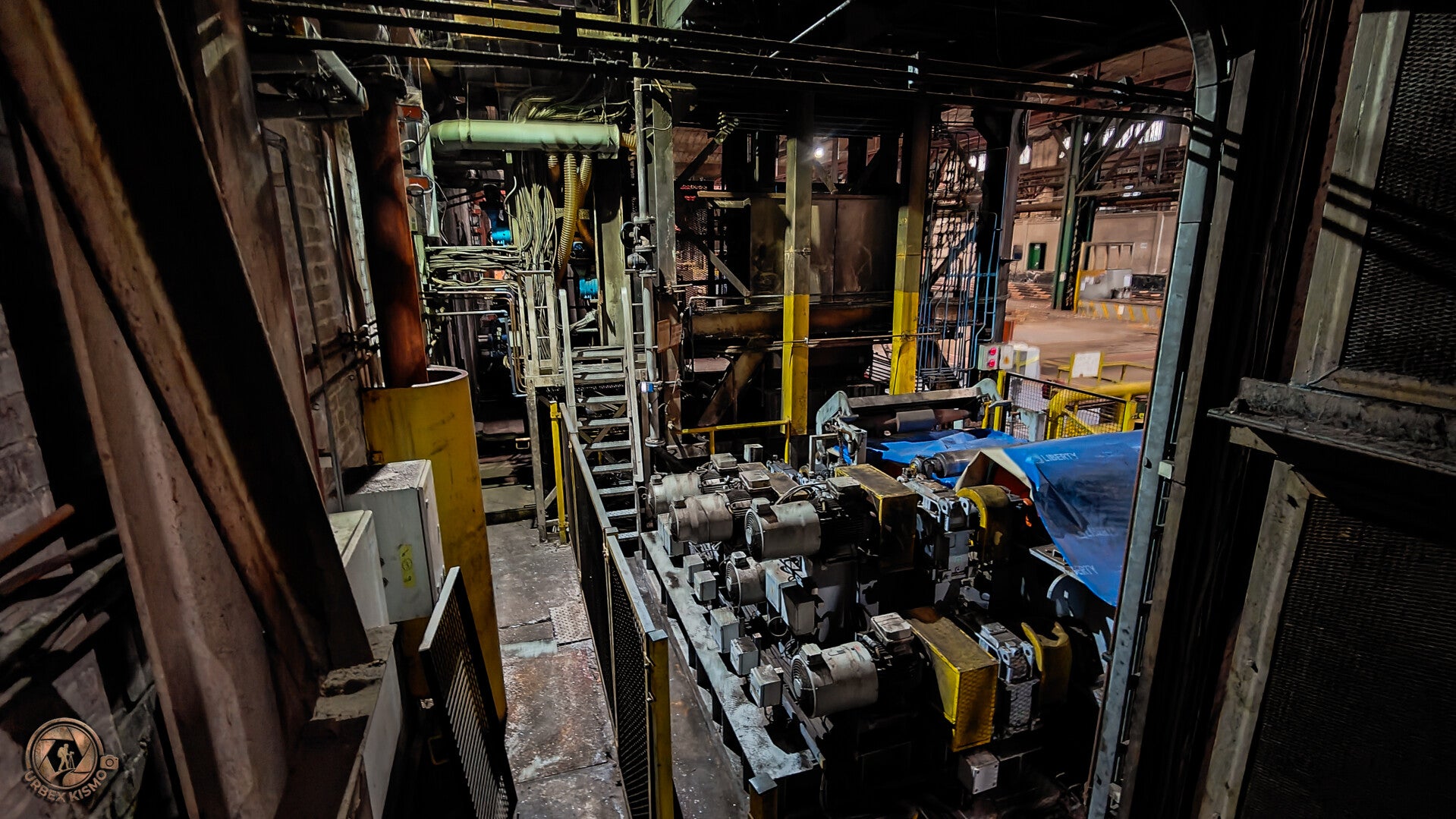
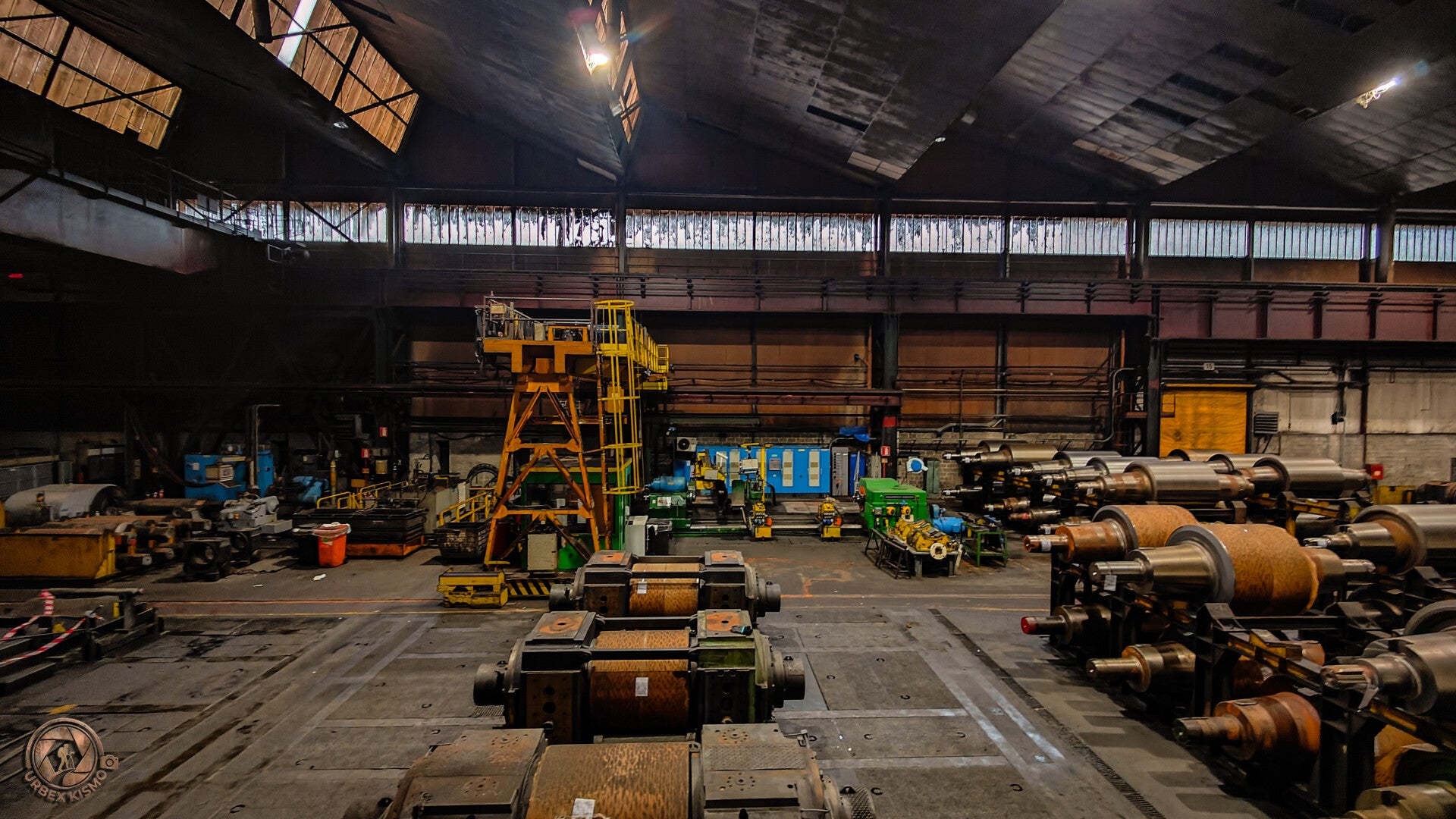
A maze of components around the production line
More Spare Rolls & Packaging Equipment
Further inside the complex were more storage racks filled with spare rolling mill rolls, alongside equipment associated with handling and packaging the finished material. After steel had passed through the production process, it still needed to be protected, handled and prepared for transport. Packaging systems were therefore an important part of the final stage of production. The combination of enormous spare rolls and packaging equipment shows how much of the factory was dedicated not only to manufacturing steel, but also to maintaining and handling the finished product.
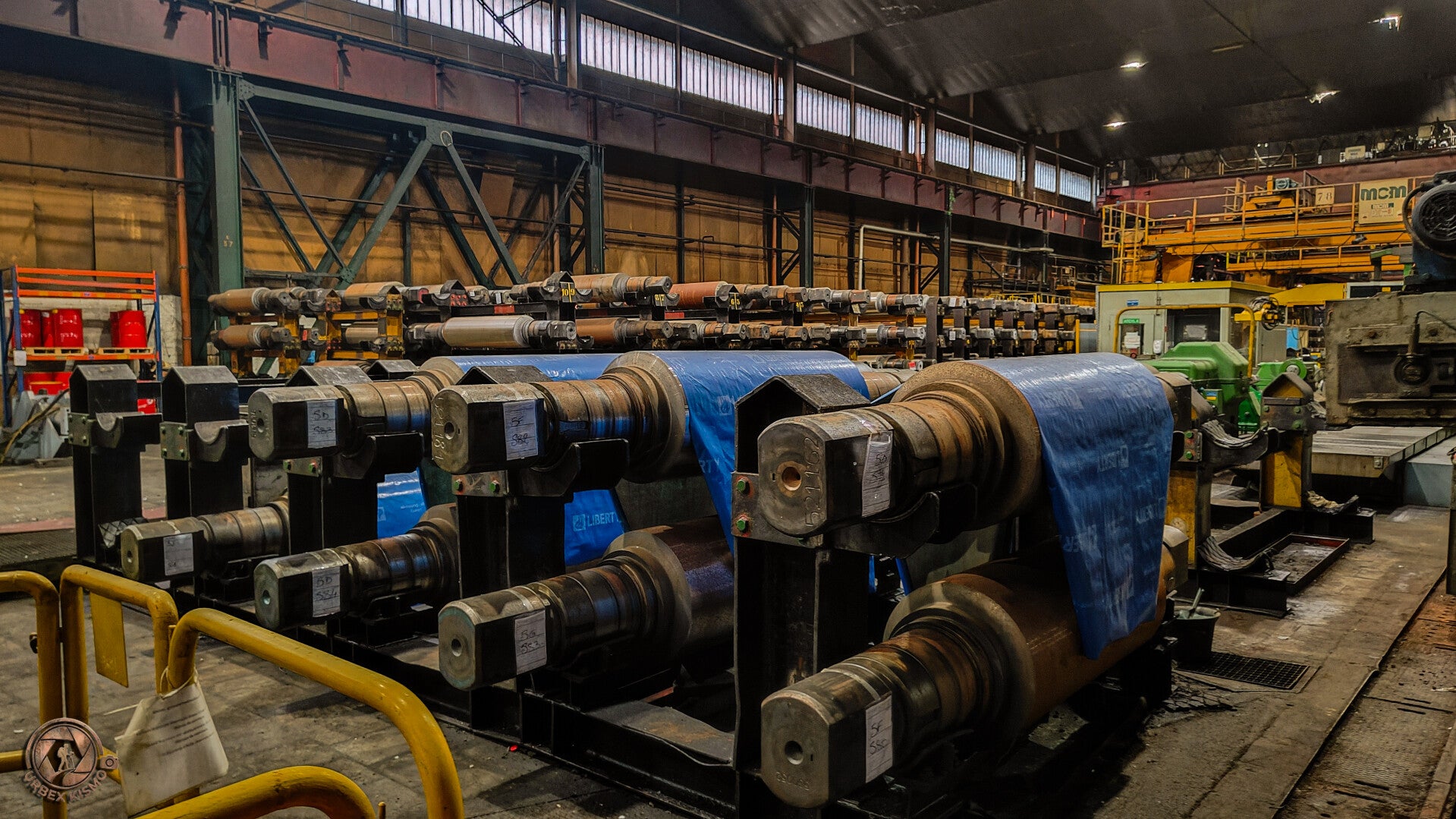
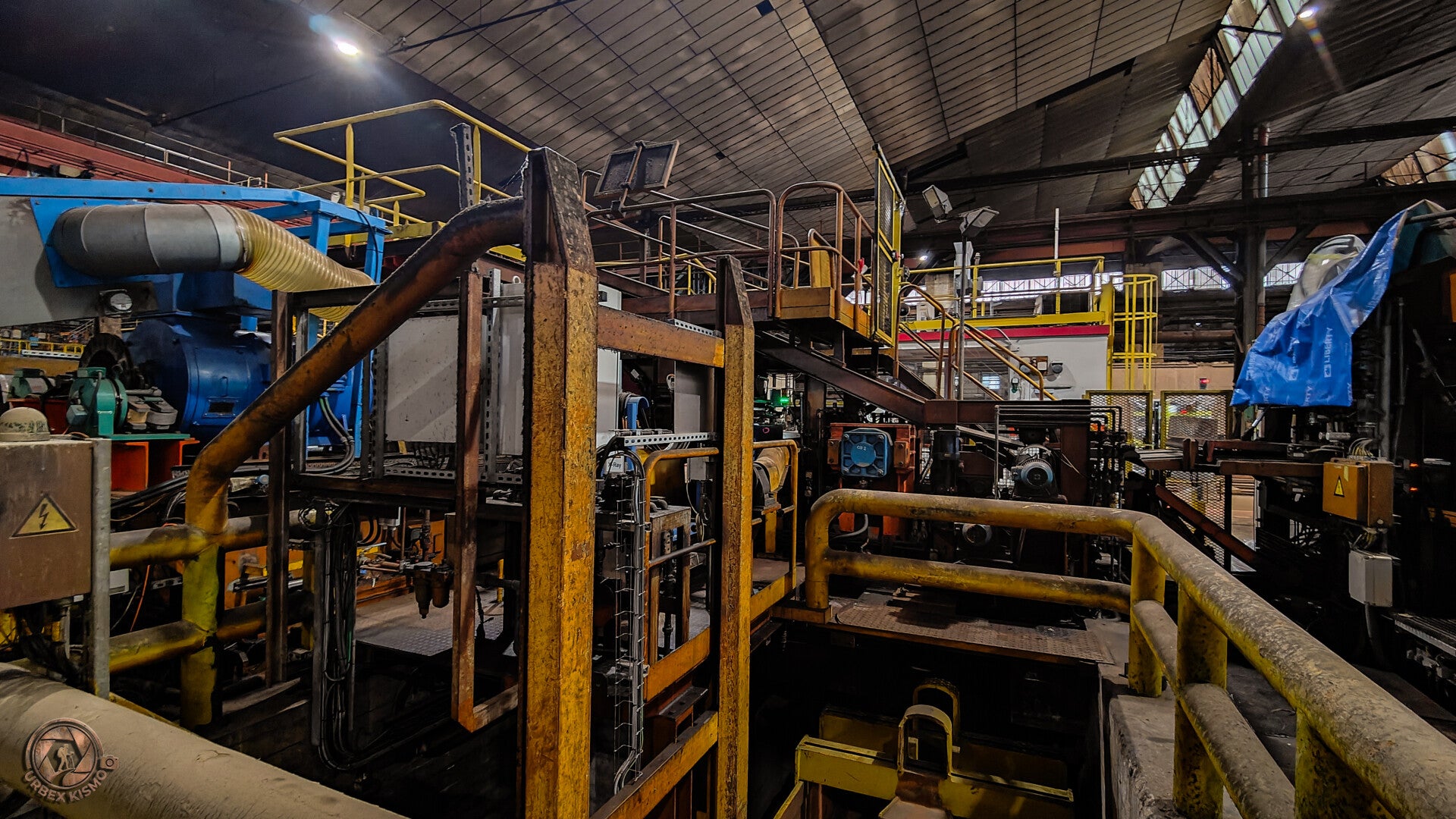
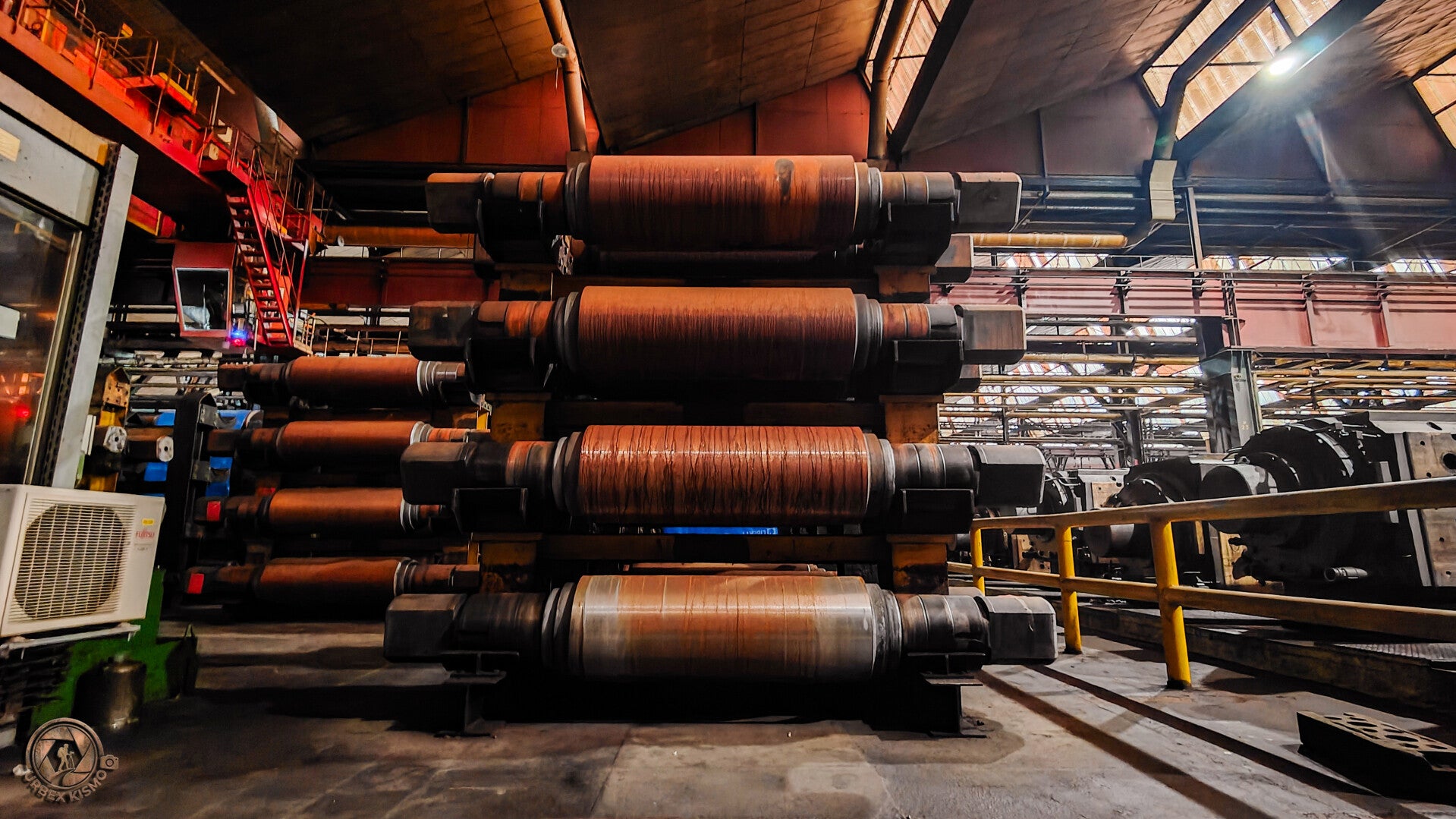
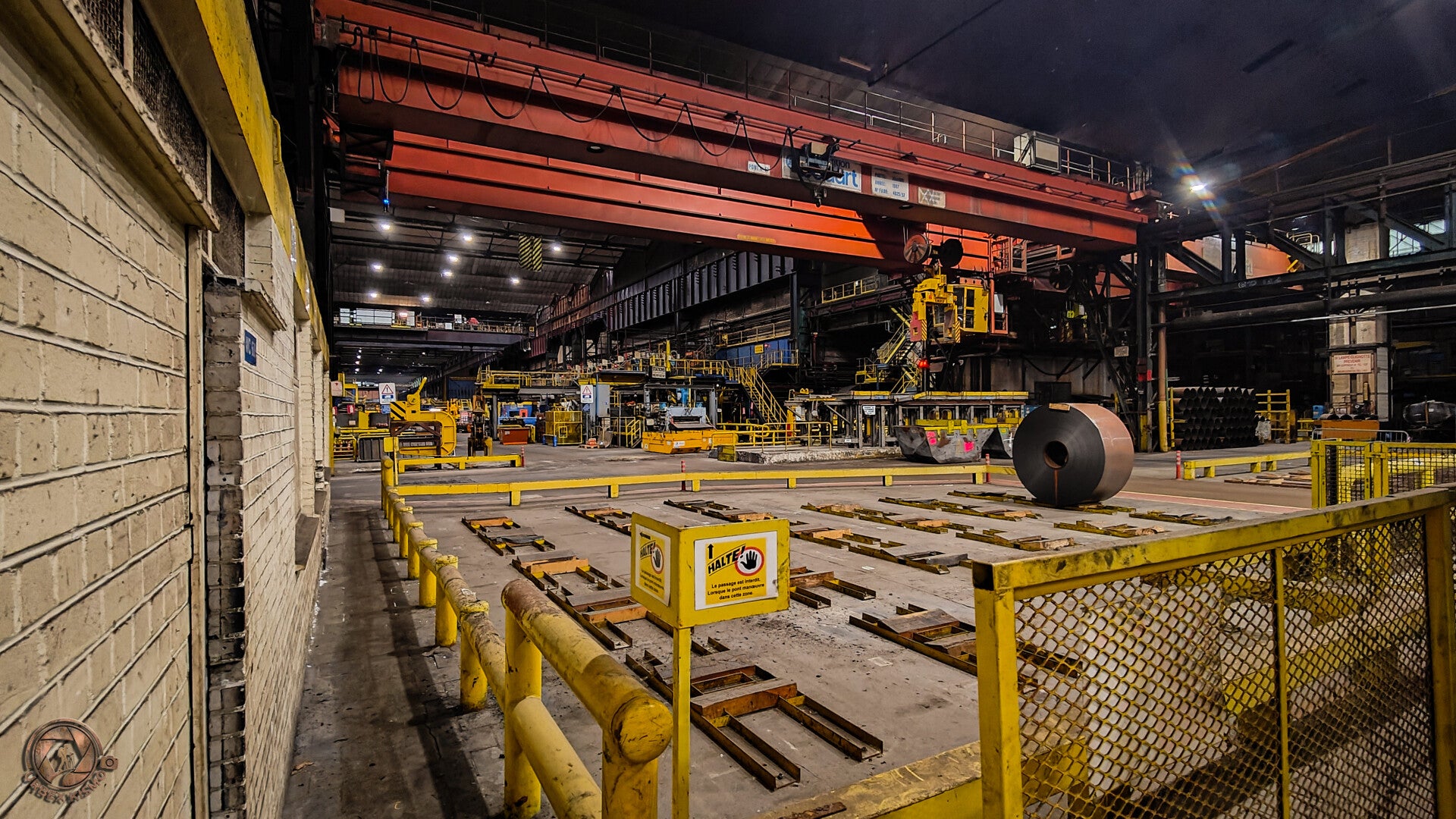
Keeping production and shipping moving
The Industrial Support System
The rolling mill itself was only one part of a much larger industrial system. Around the main production equipment were countless supporting installations that supplied electricity, compressed air, cooling, lubrication and other utilities required by the machinery. Some of the equipment left behind is difficult to identify today because it was designed specifically to support another machine or production stage. Walking through these areas reveals just how complex a modern steel-processing facility could become, with hundreds of individual components working together as one continuous production system. Sadly this factory is empty now and owned by another company with another goal incoming!
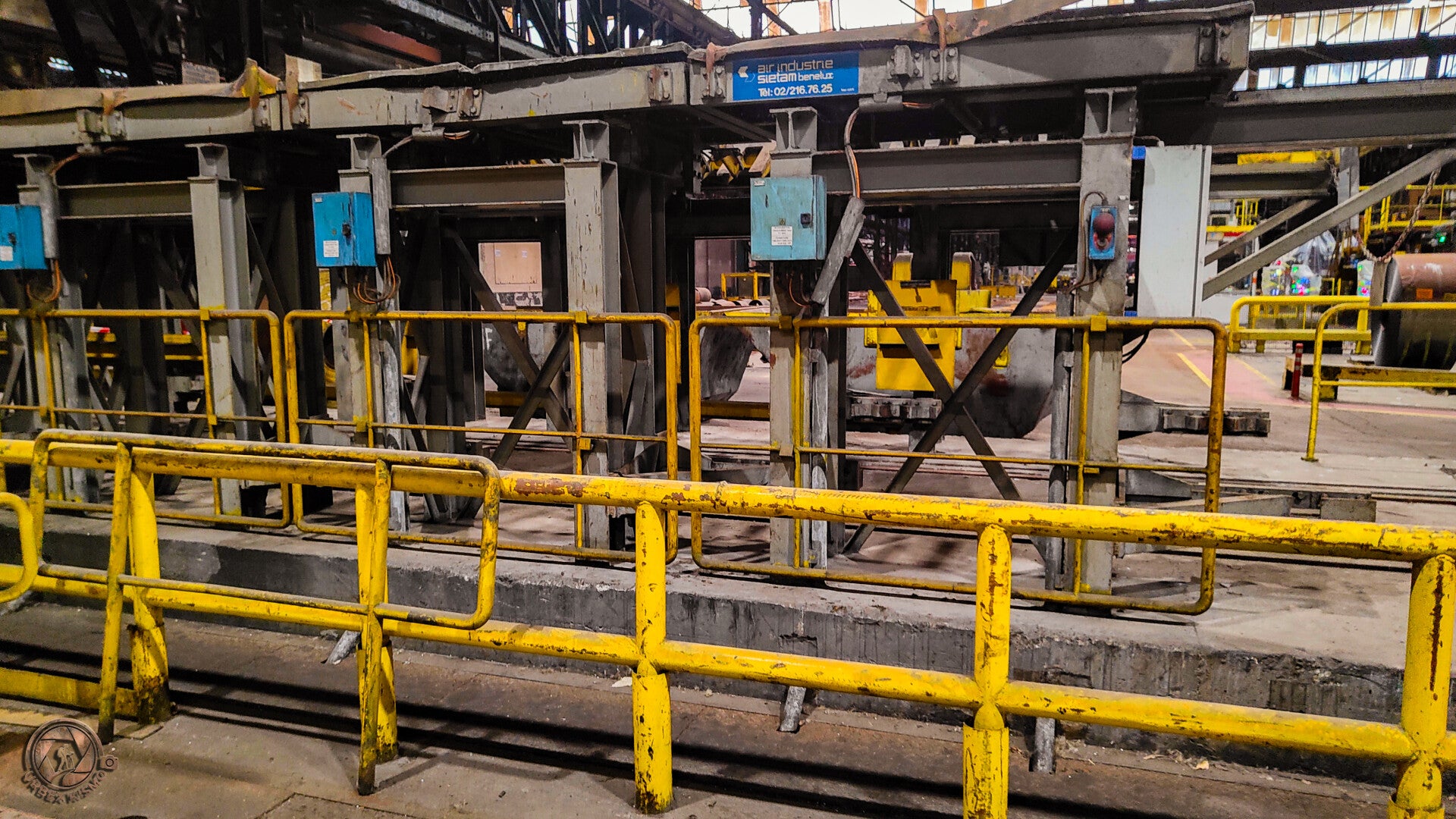
Everything needed beyond the main machines


Create Your Own Website With JouwWeb