

The Exterior
The exterior of Kraftwerk P reveals the impressive scale of this former power station. Its towering buildings and industrial structures reflect the importance of electricity generation during its operational years. From the outside, the complex already gives a sense of the enormous machinery, technical installations and industrial processes that once operated inside.
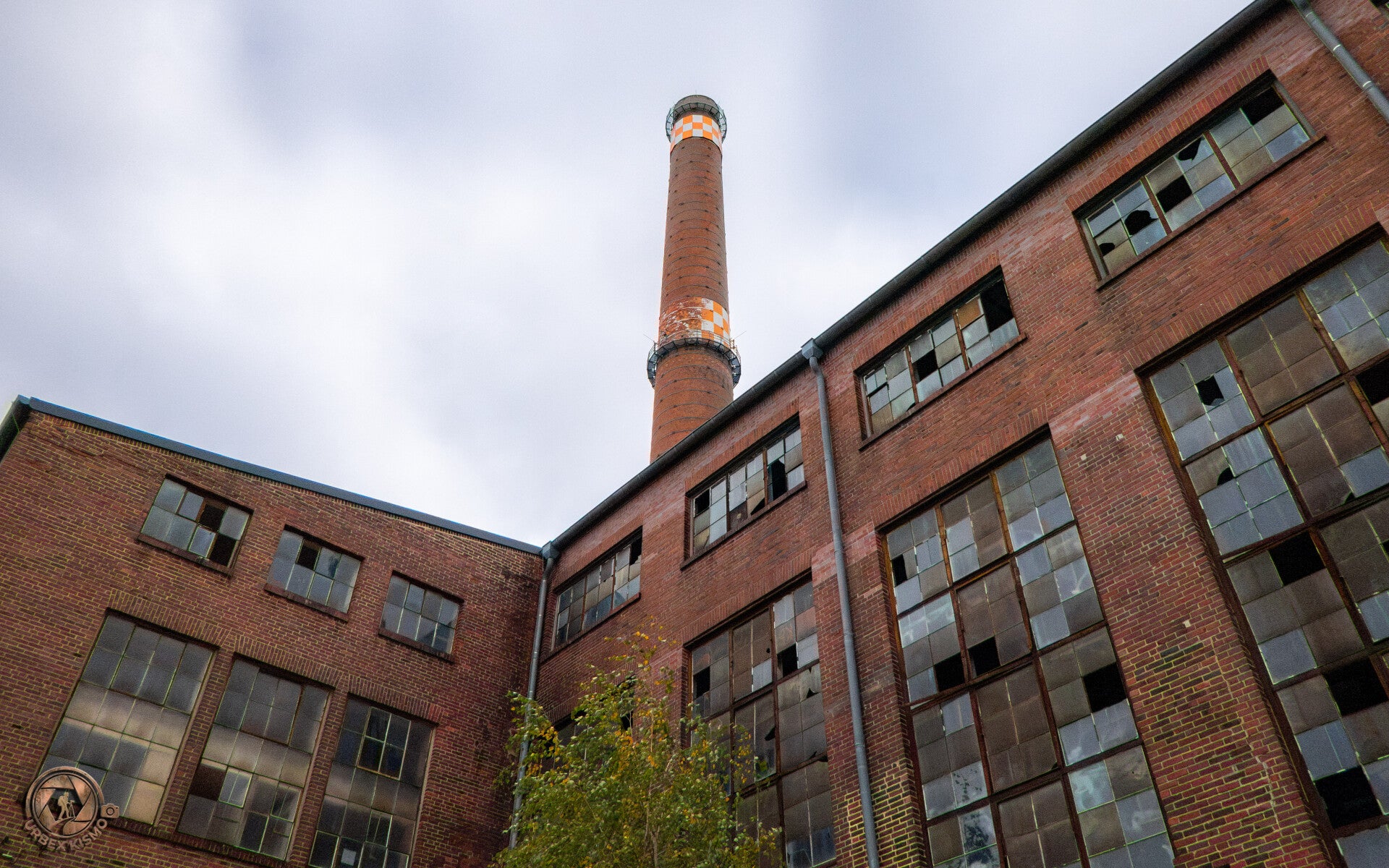
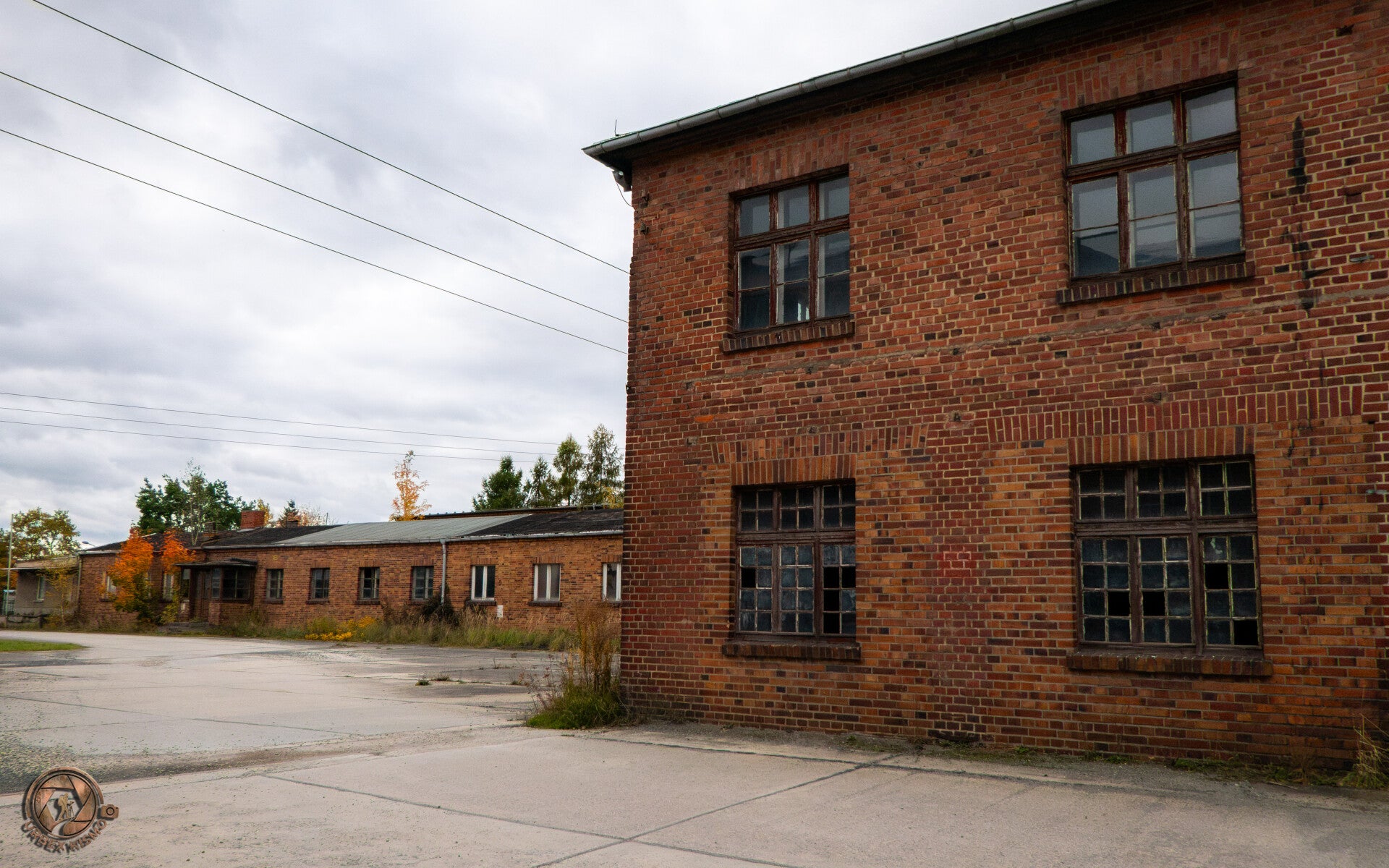
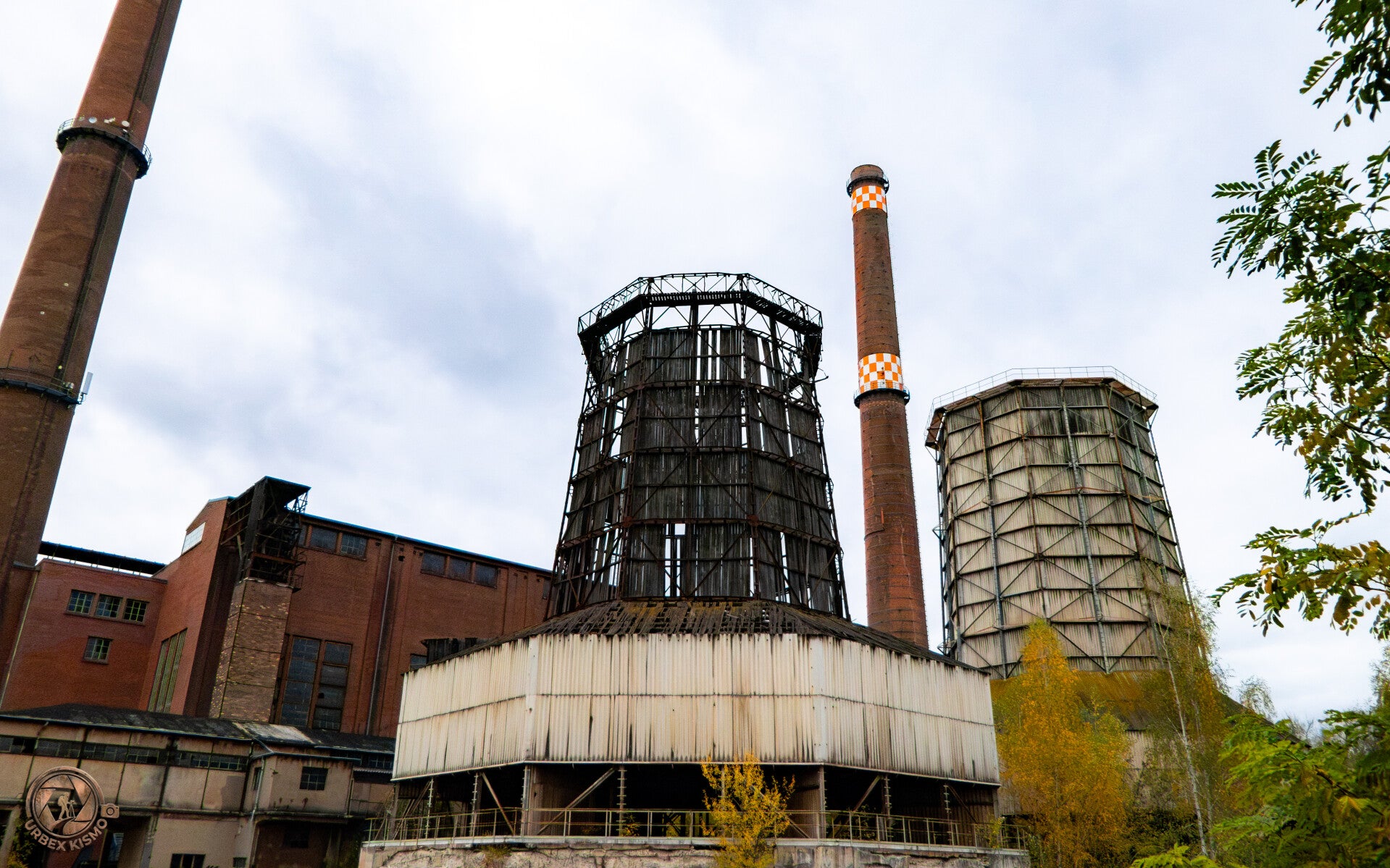
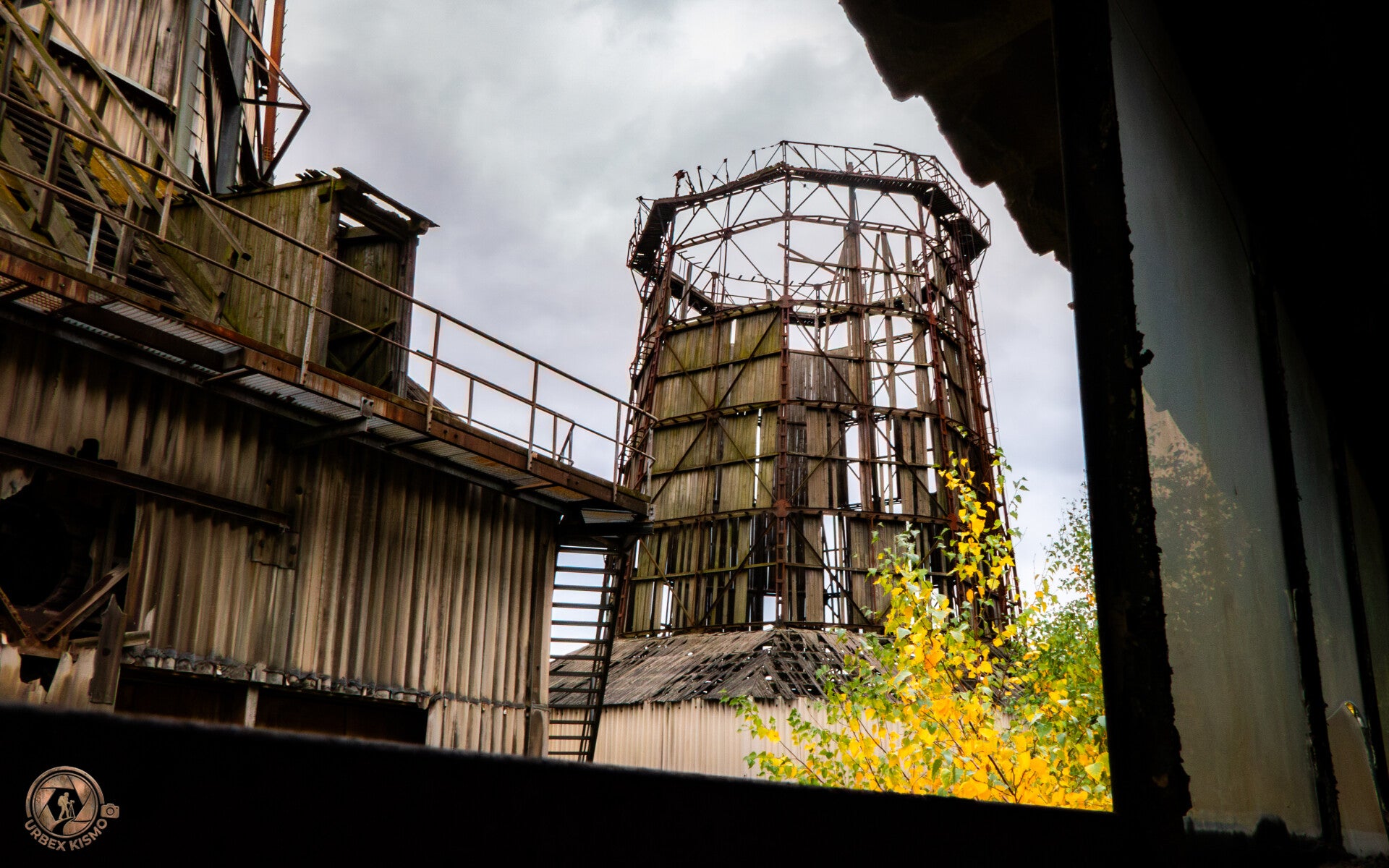
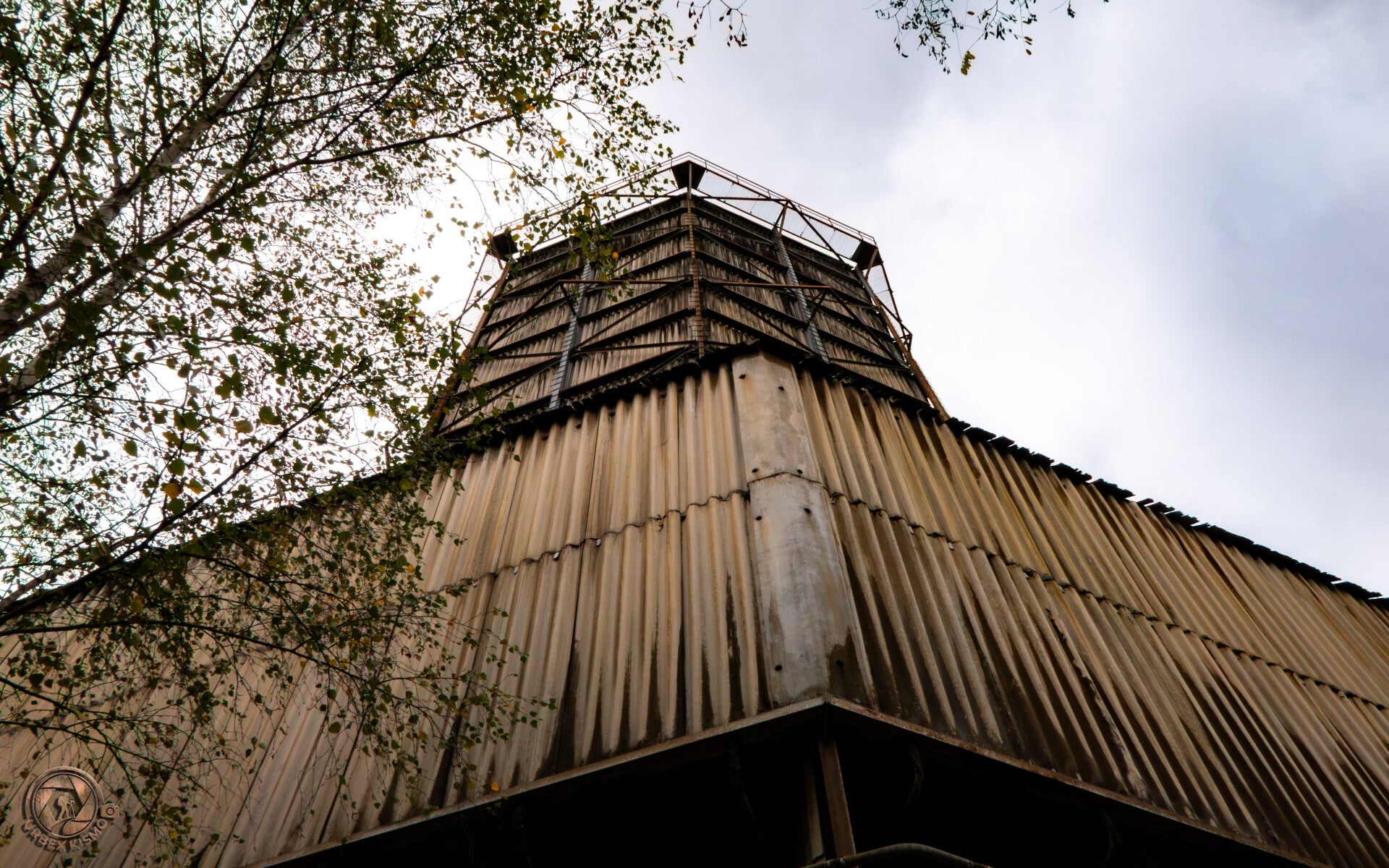
The industrial scale of Kraftwerk P
The Famous Control Room
This is one of the most recognisable rooms in Kraftwerk P, famous for its distinctive window overlooking the industrial surroundings. The control room was once an important workplace where operators monitored the power station and kept track of its various processes. From here, they could observe information from different systems and make adjustments to help maintain stable operations. Today, the remaining controls and the iconic window preserve the atmosphere of a room that once played a vital role in keeping the power station running.
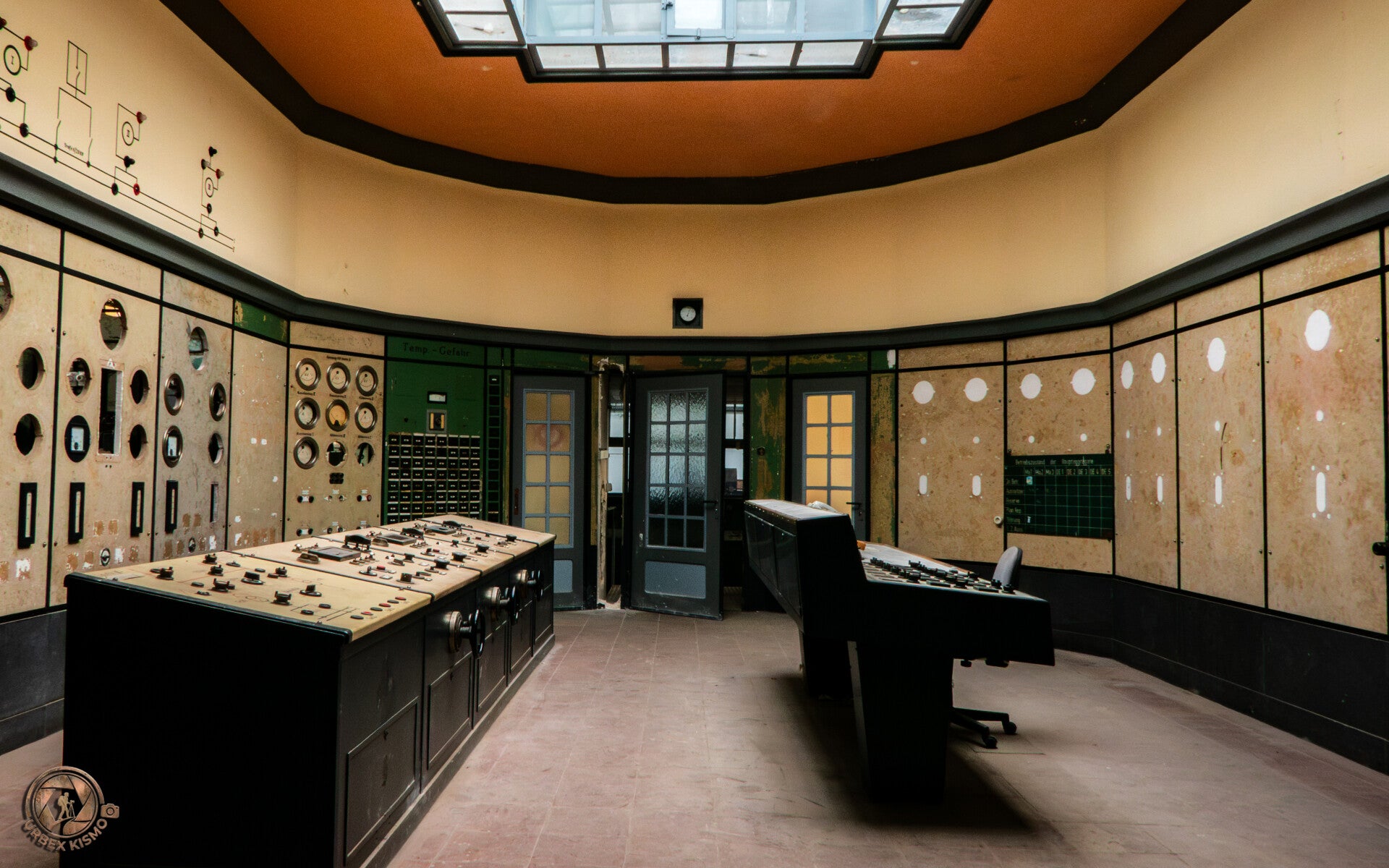
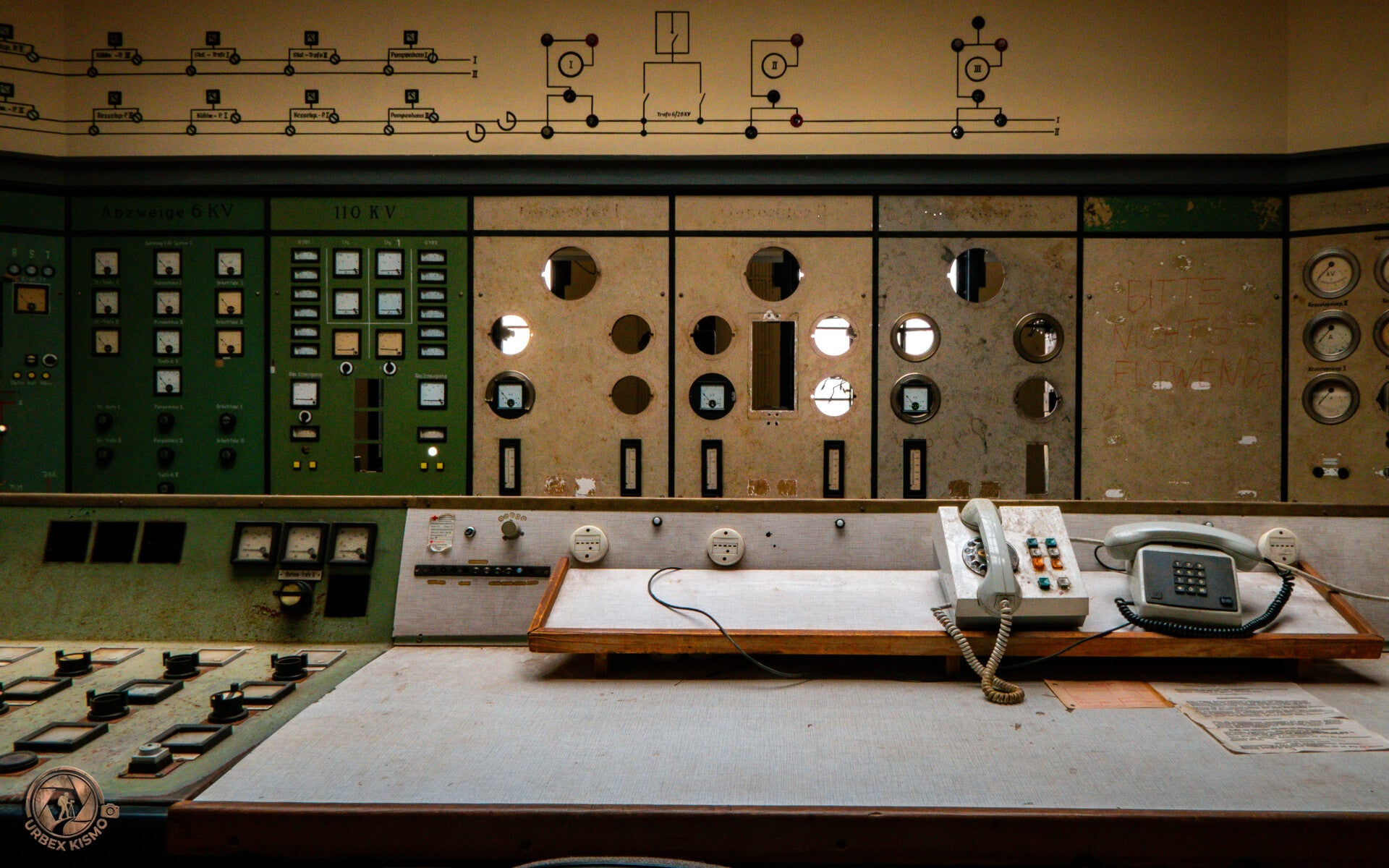
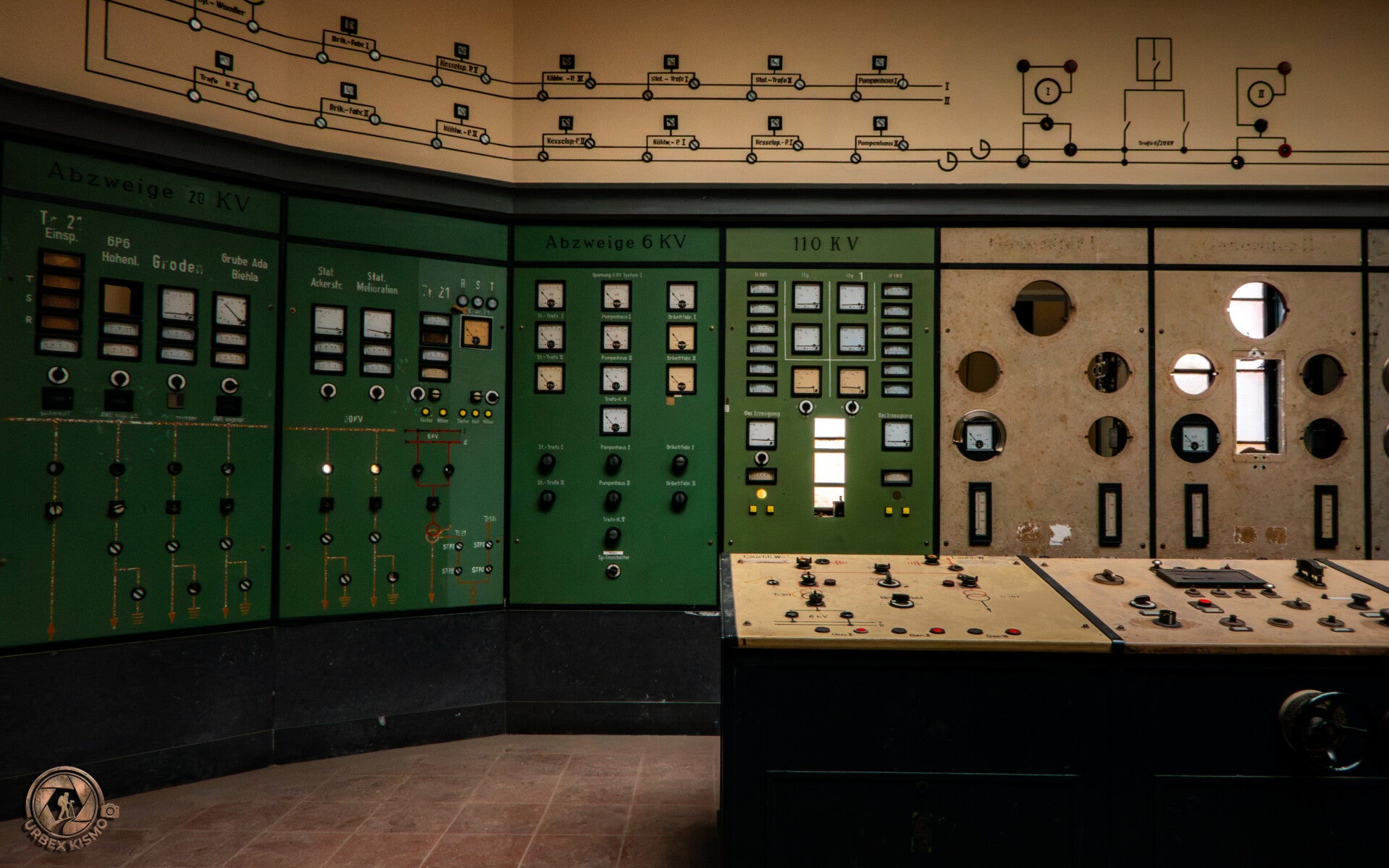
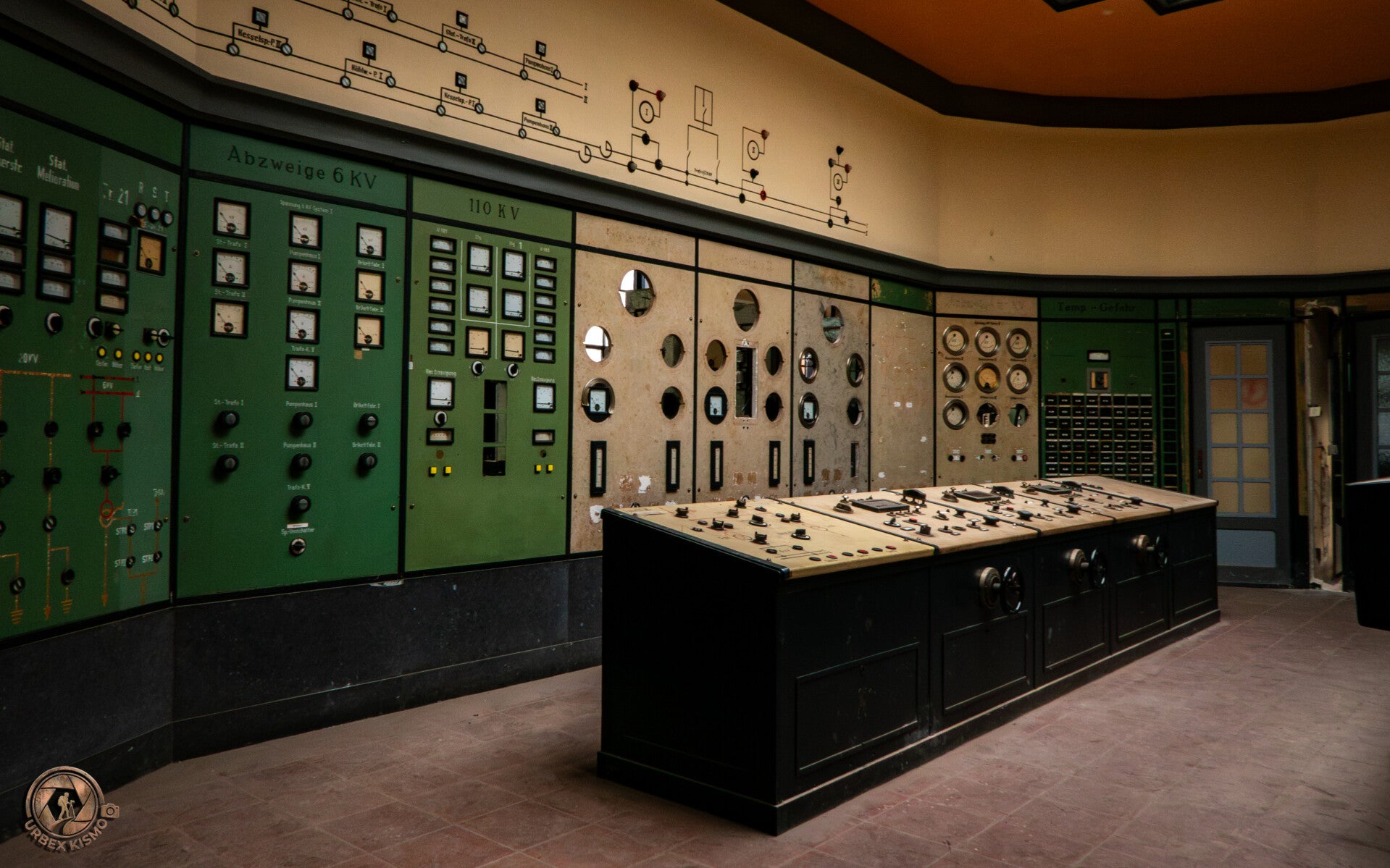
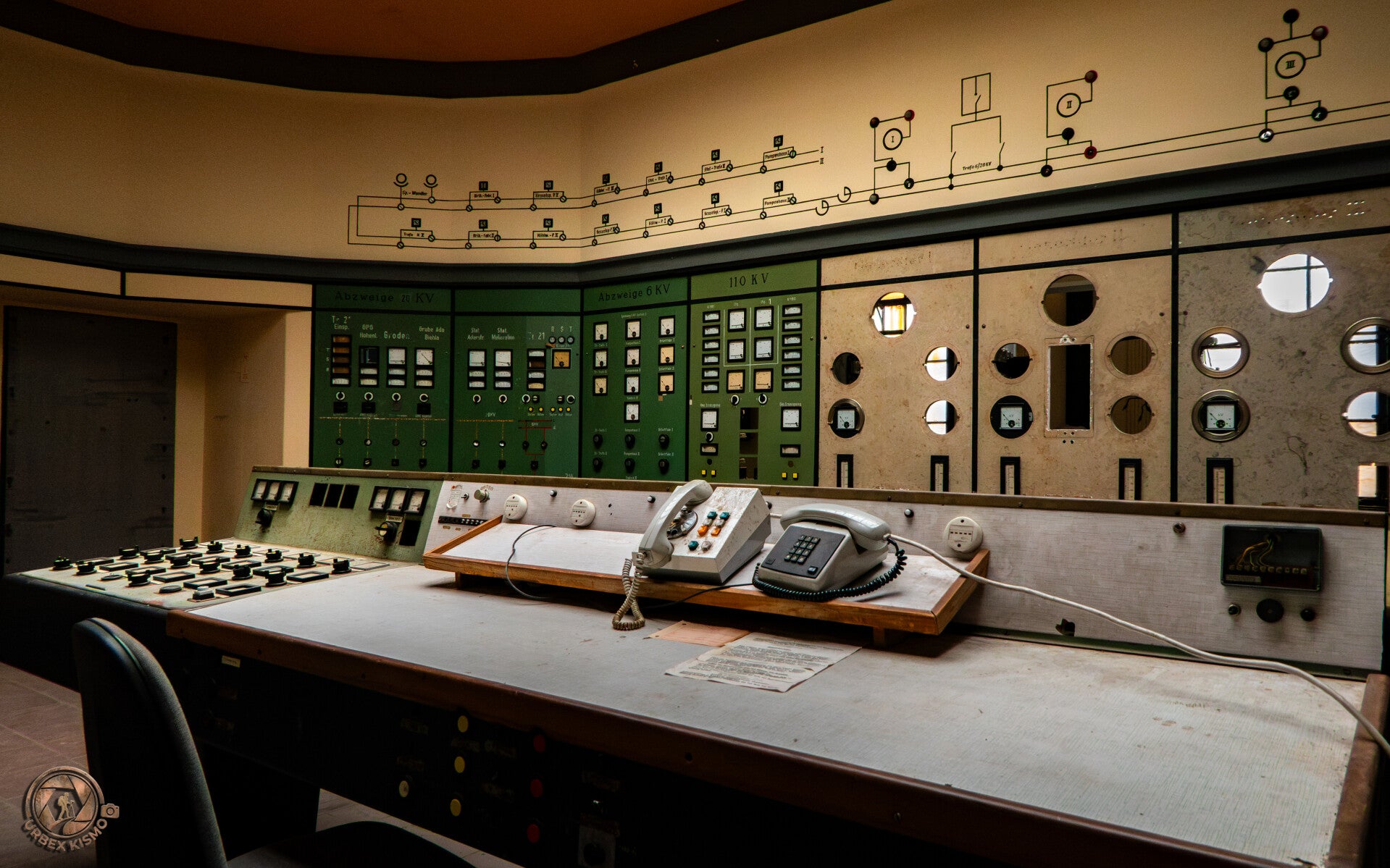
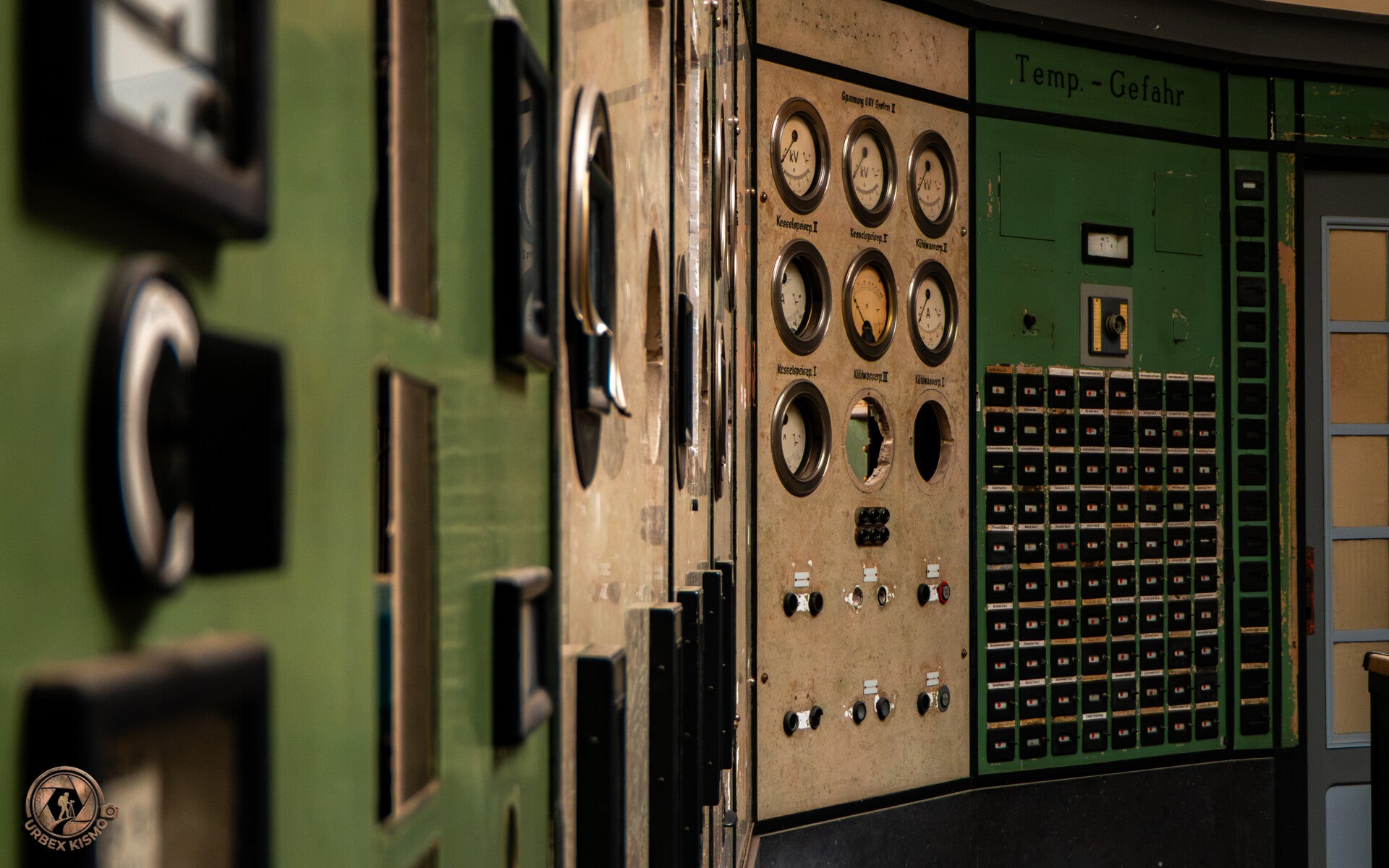
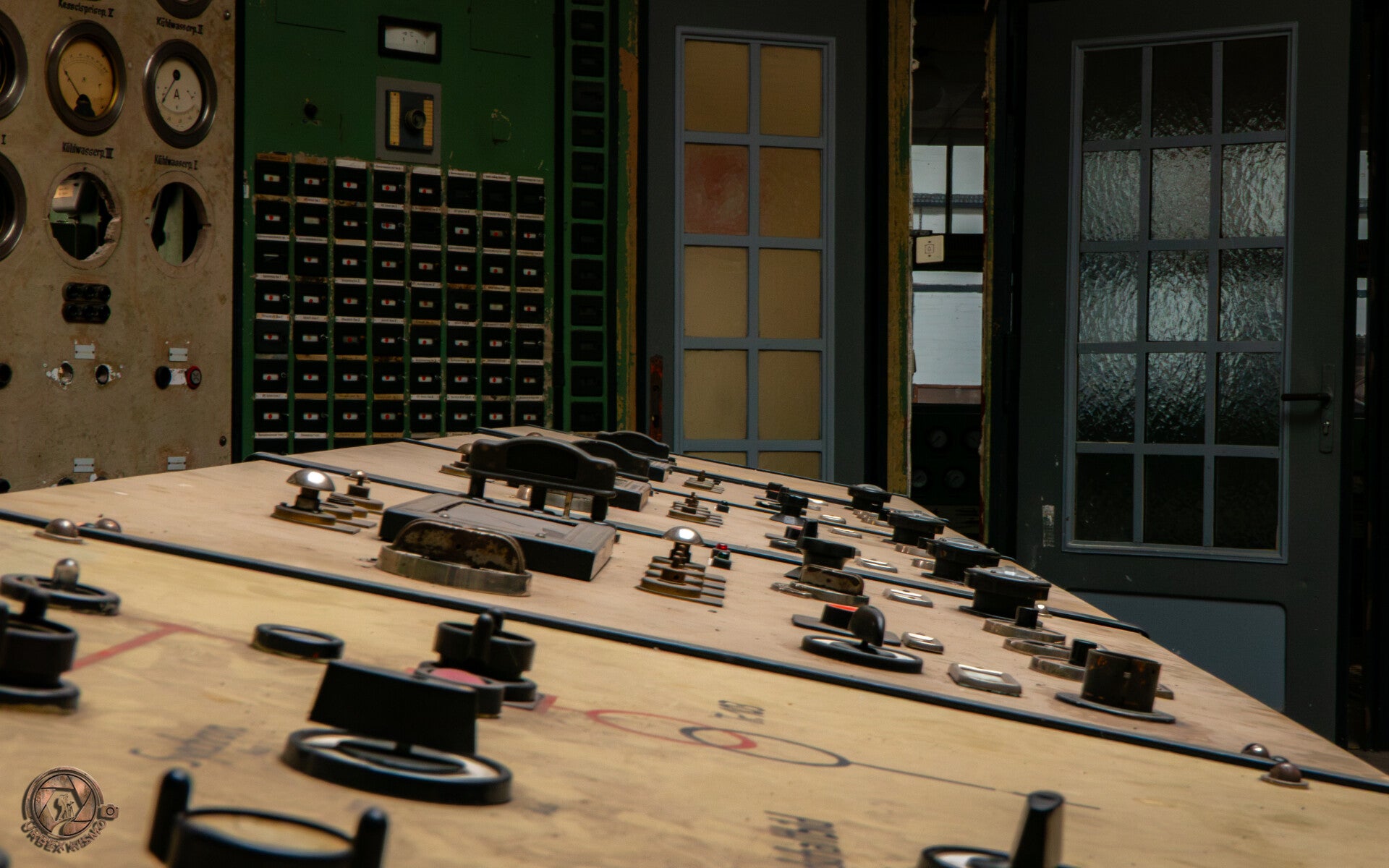
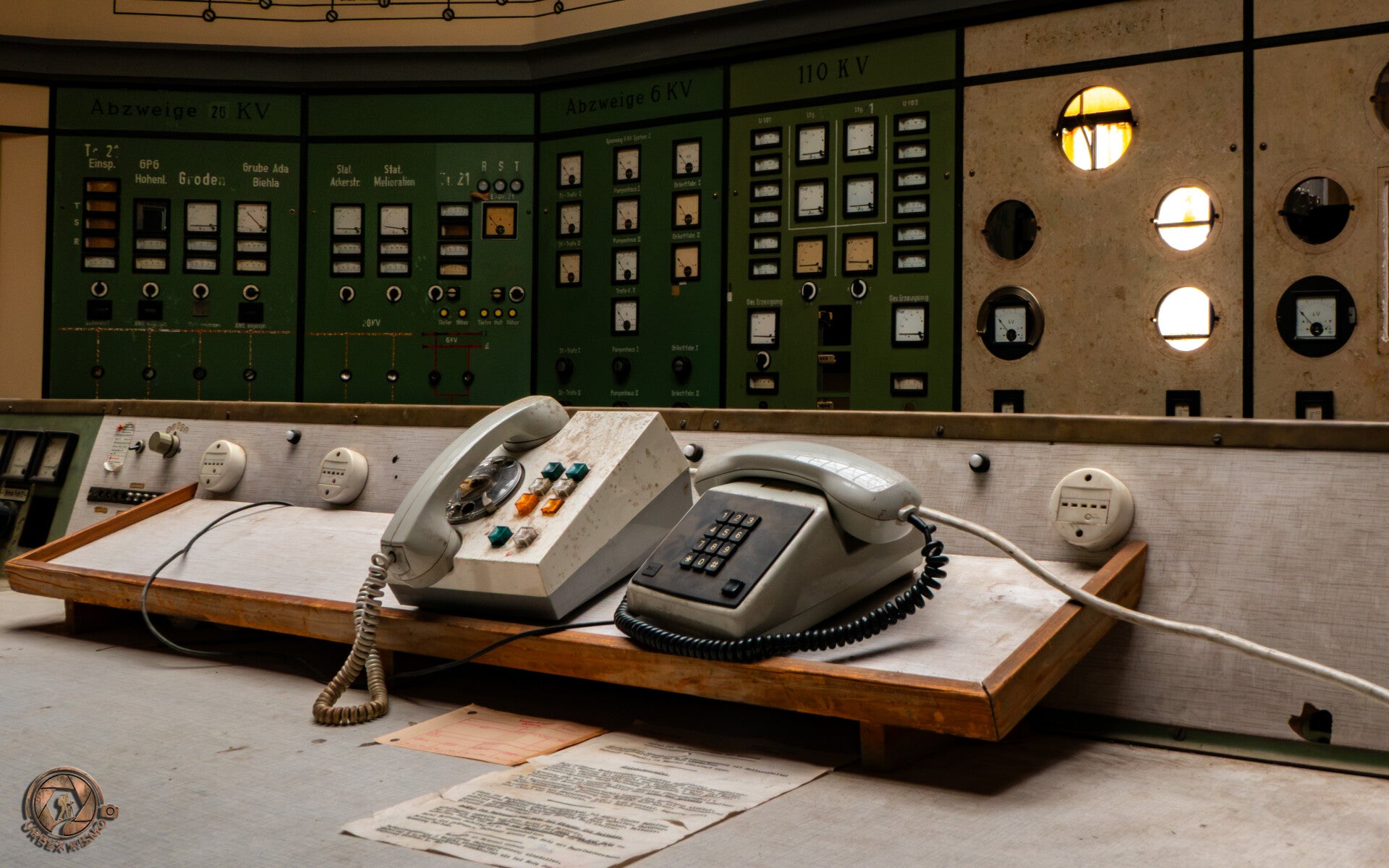
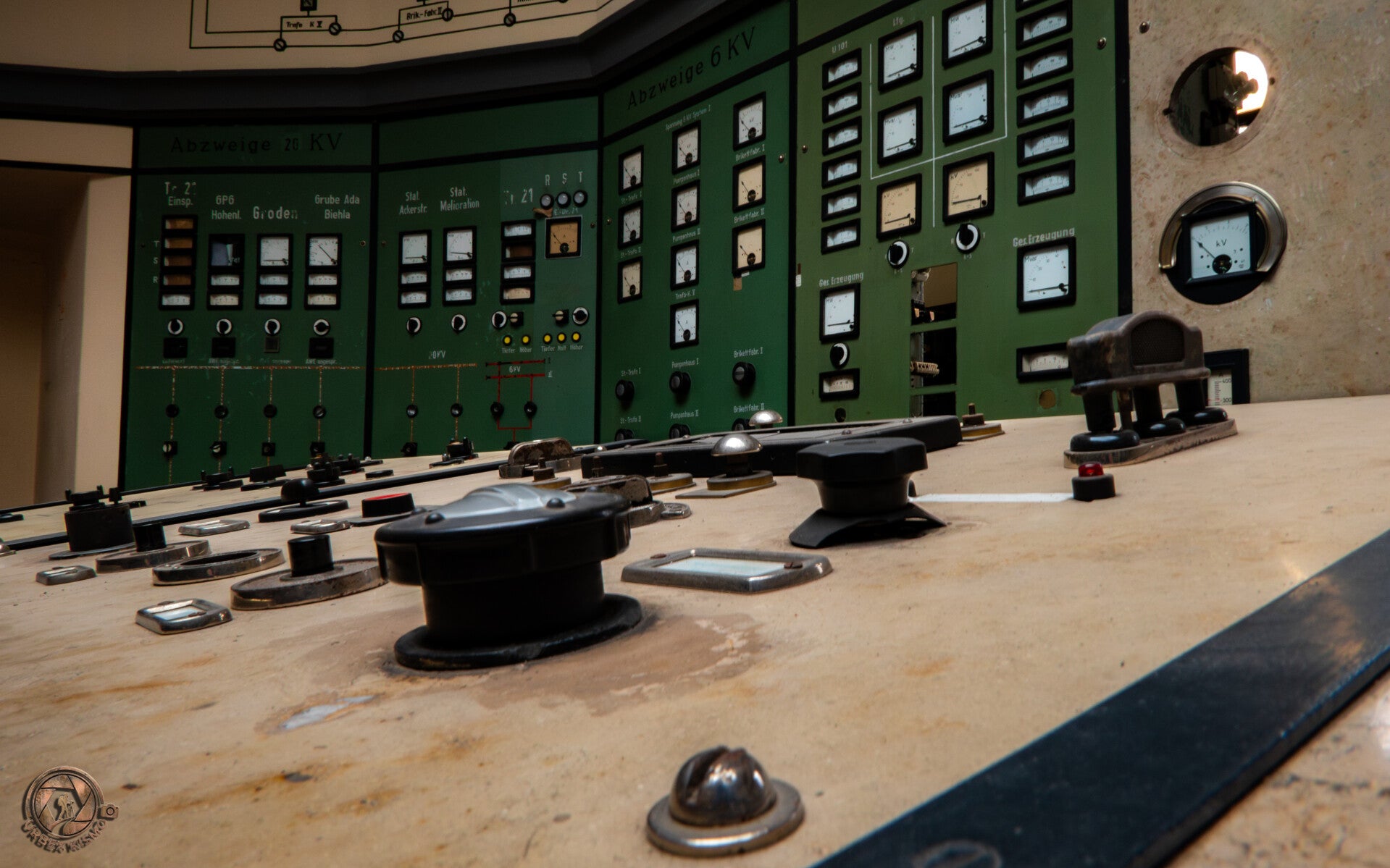
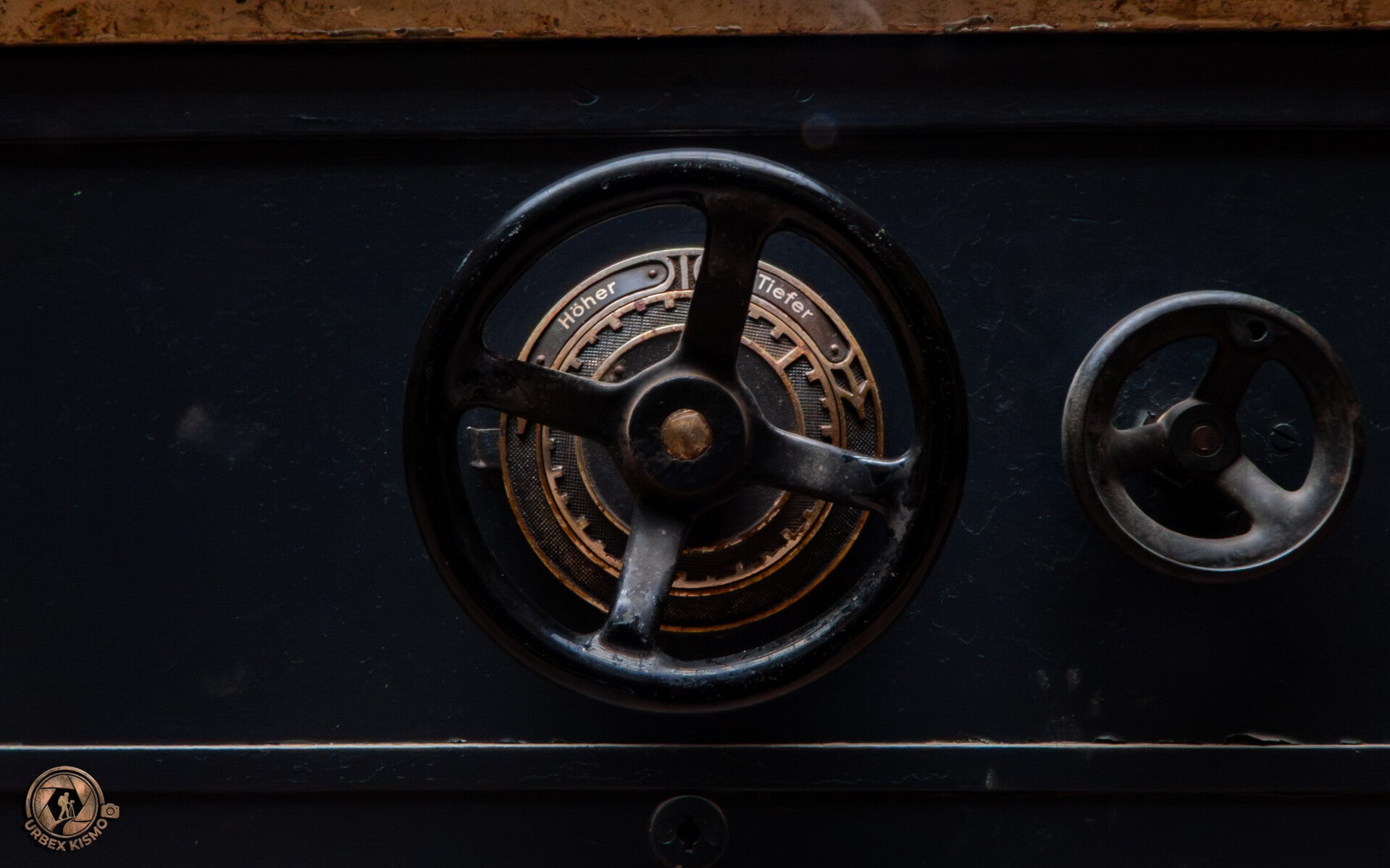
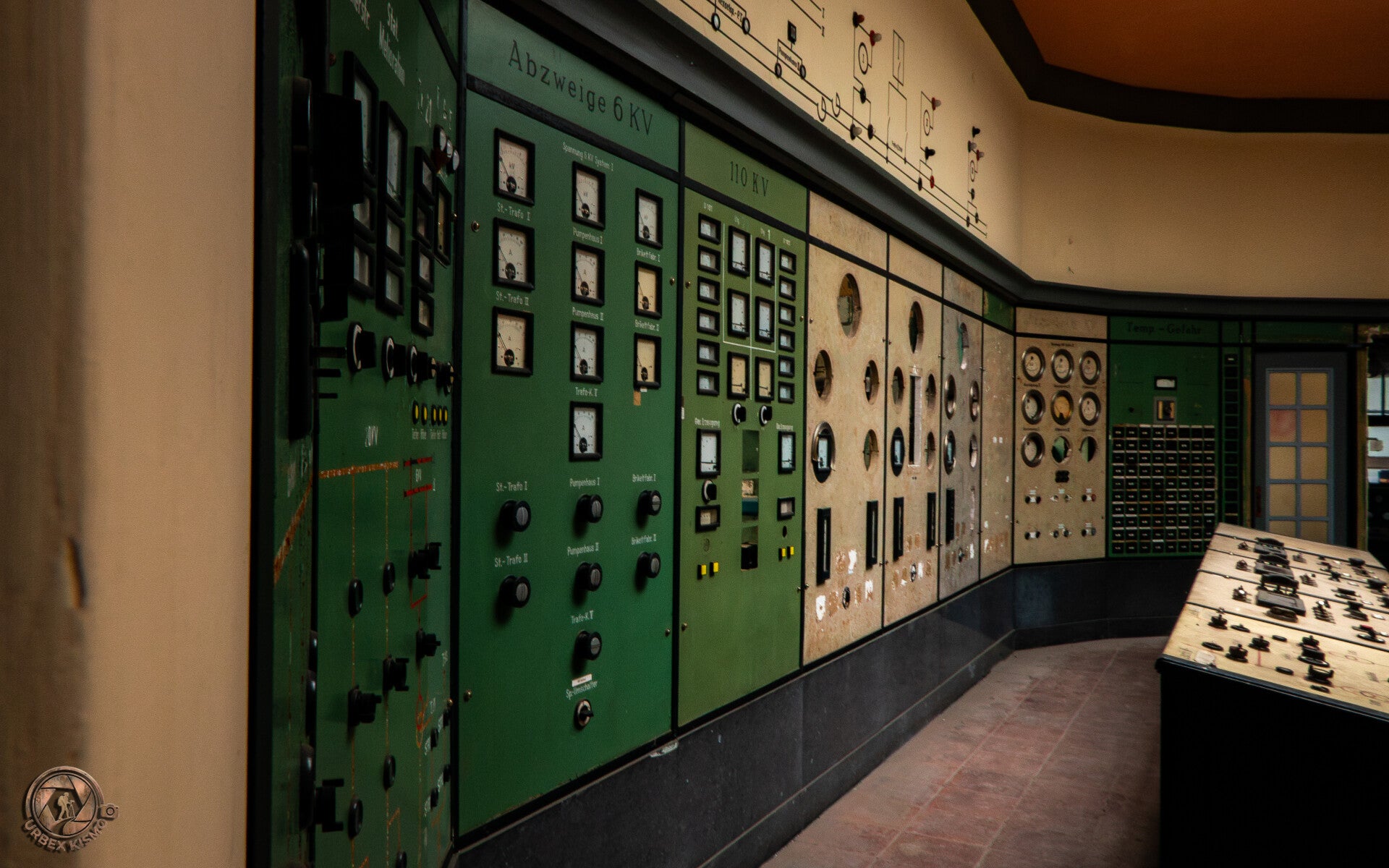
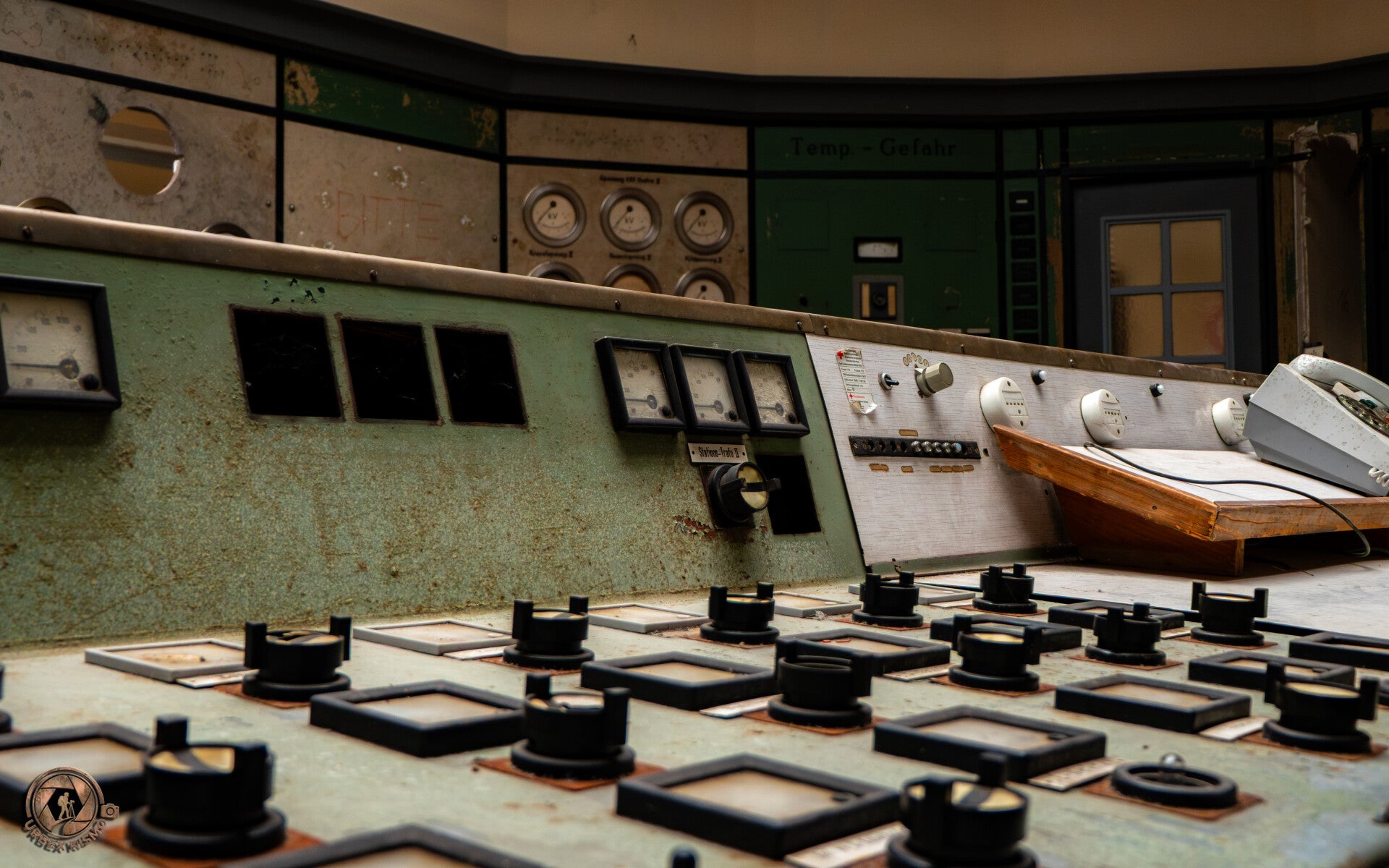
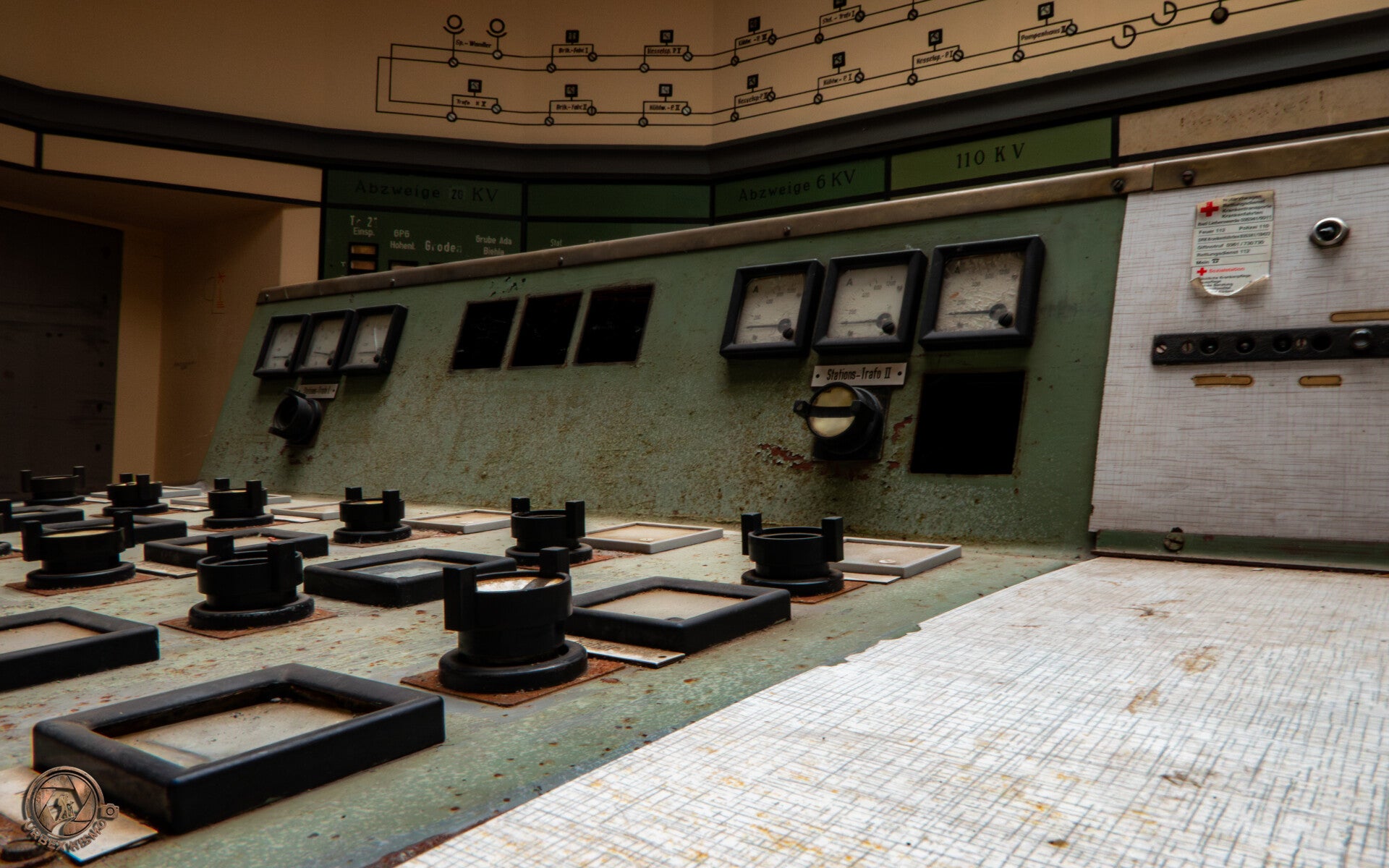
Recognisable windows and forgotten controls
The Turbine Control Room
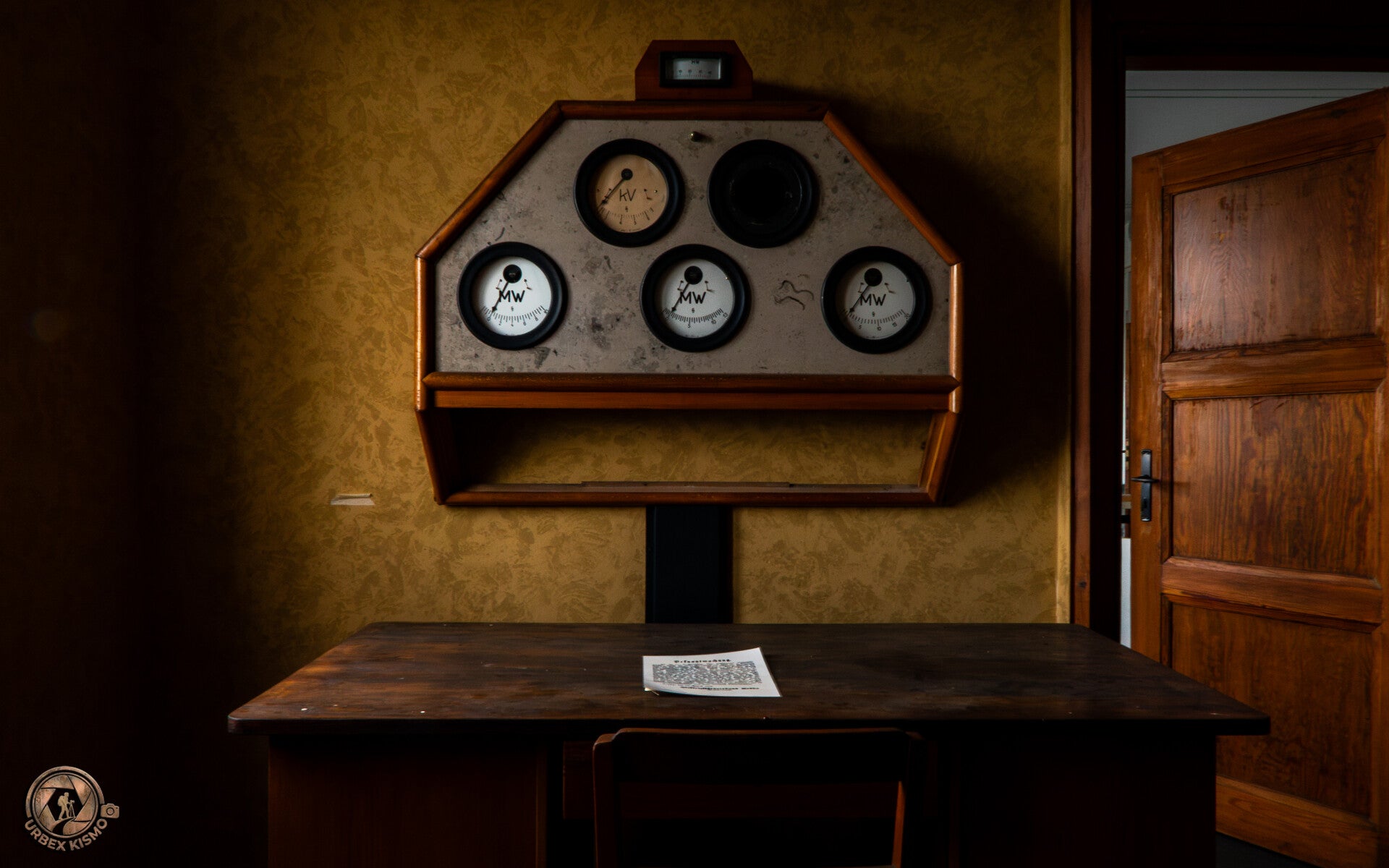
Located near the turbine hall, this control room was used to supervise the equipment responsible for generating electricity. Its instruments, switches and control panels helped operators monitor the machinery and keep the process running smoothly. The room provides a closer look at the technical side of the power station, where precision and constant monitoring were essential to its operation.
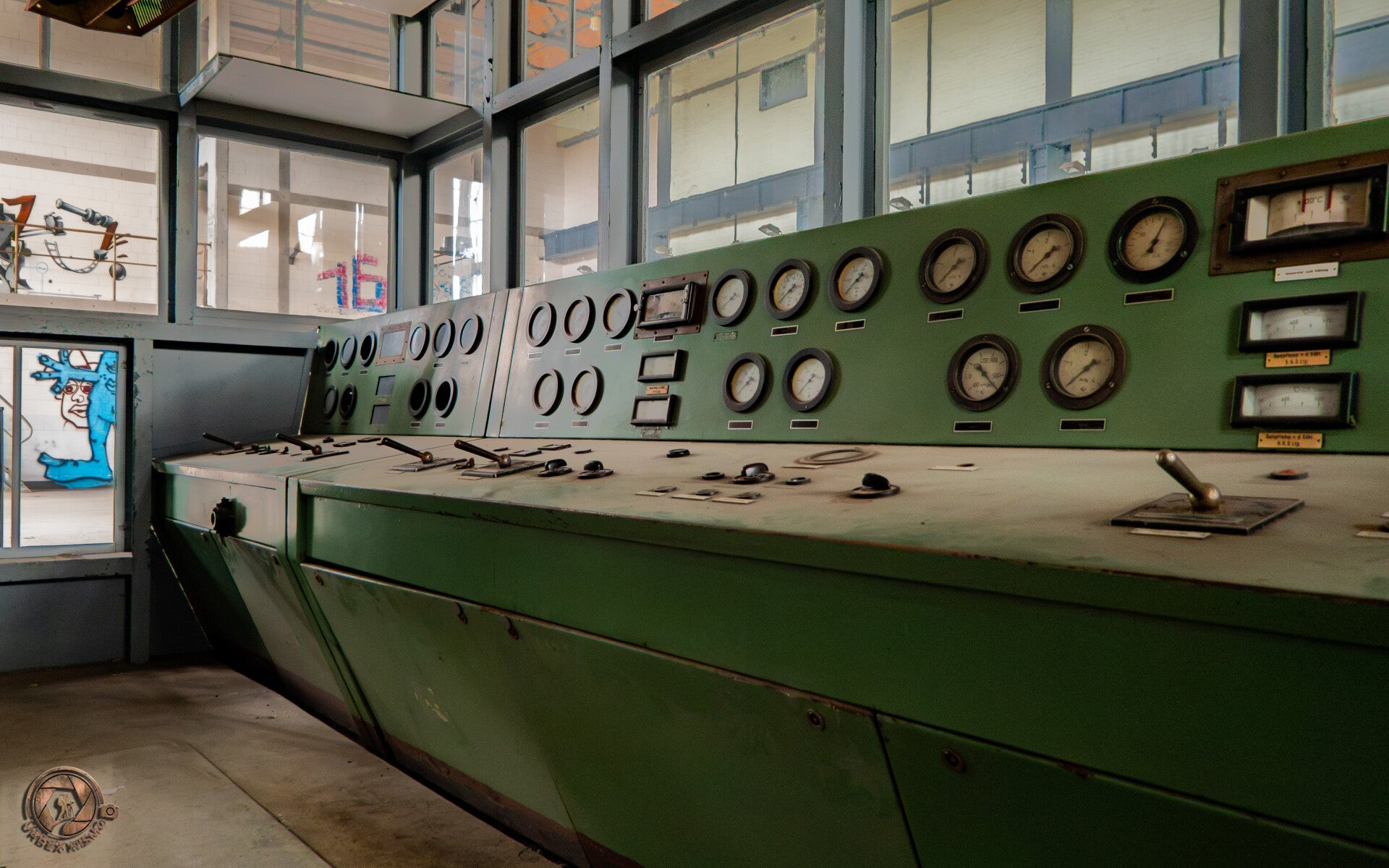
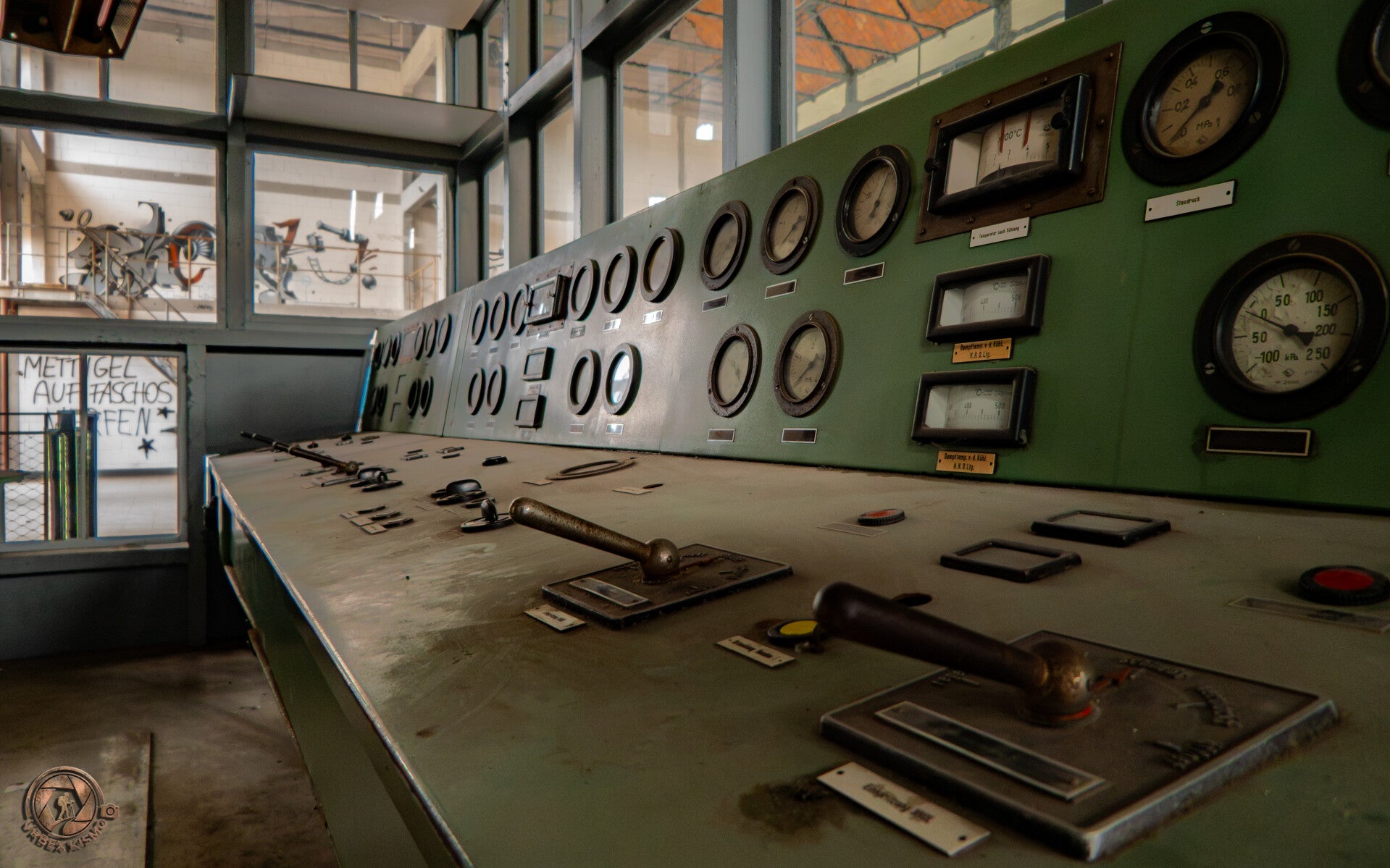
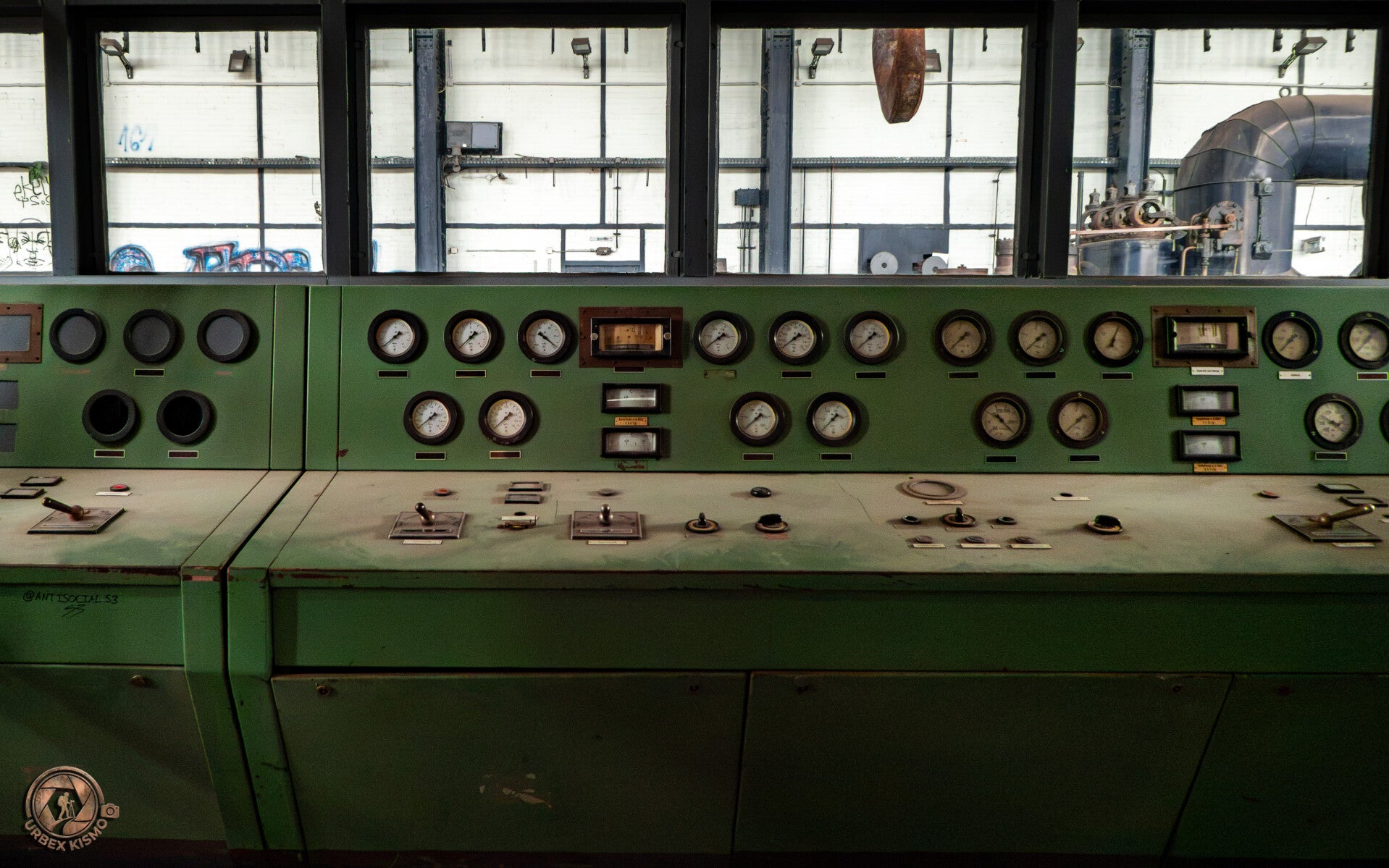
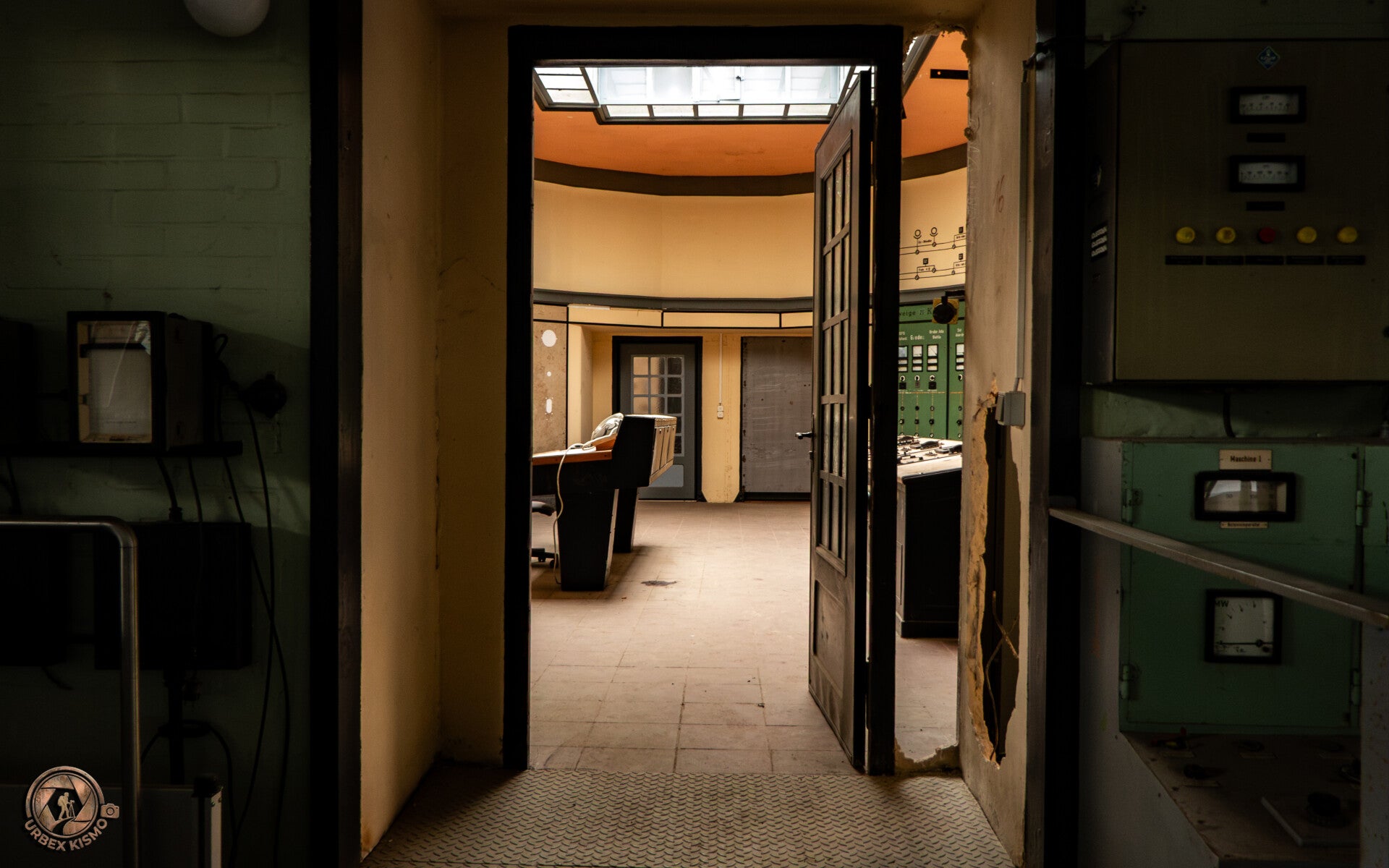
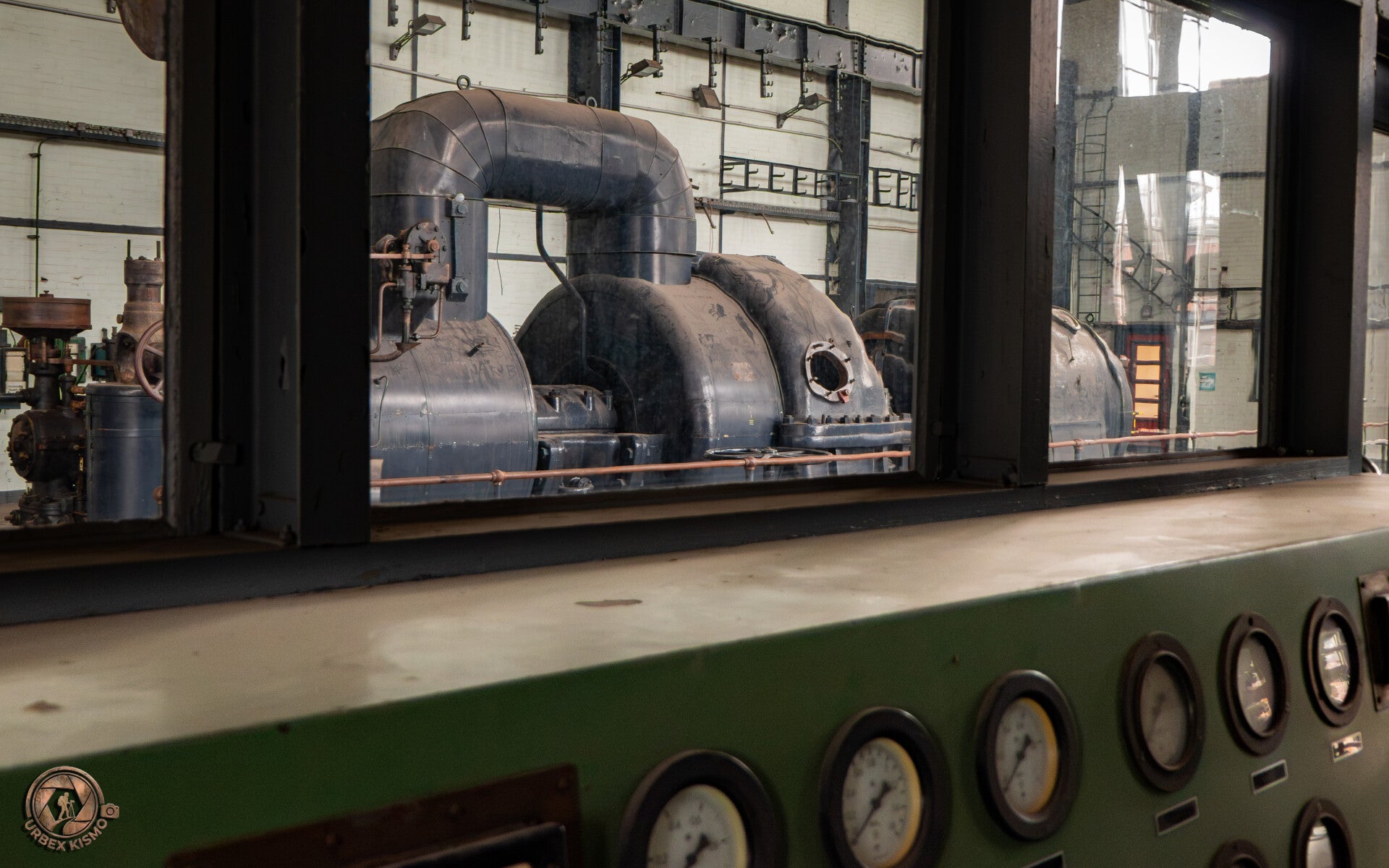
Monitoring the heart of the power station
The Turbine
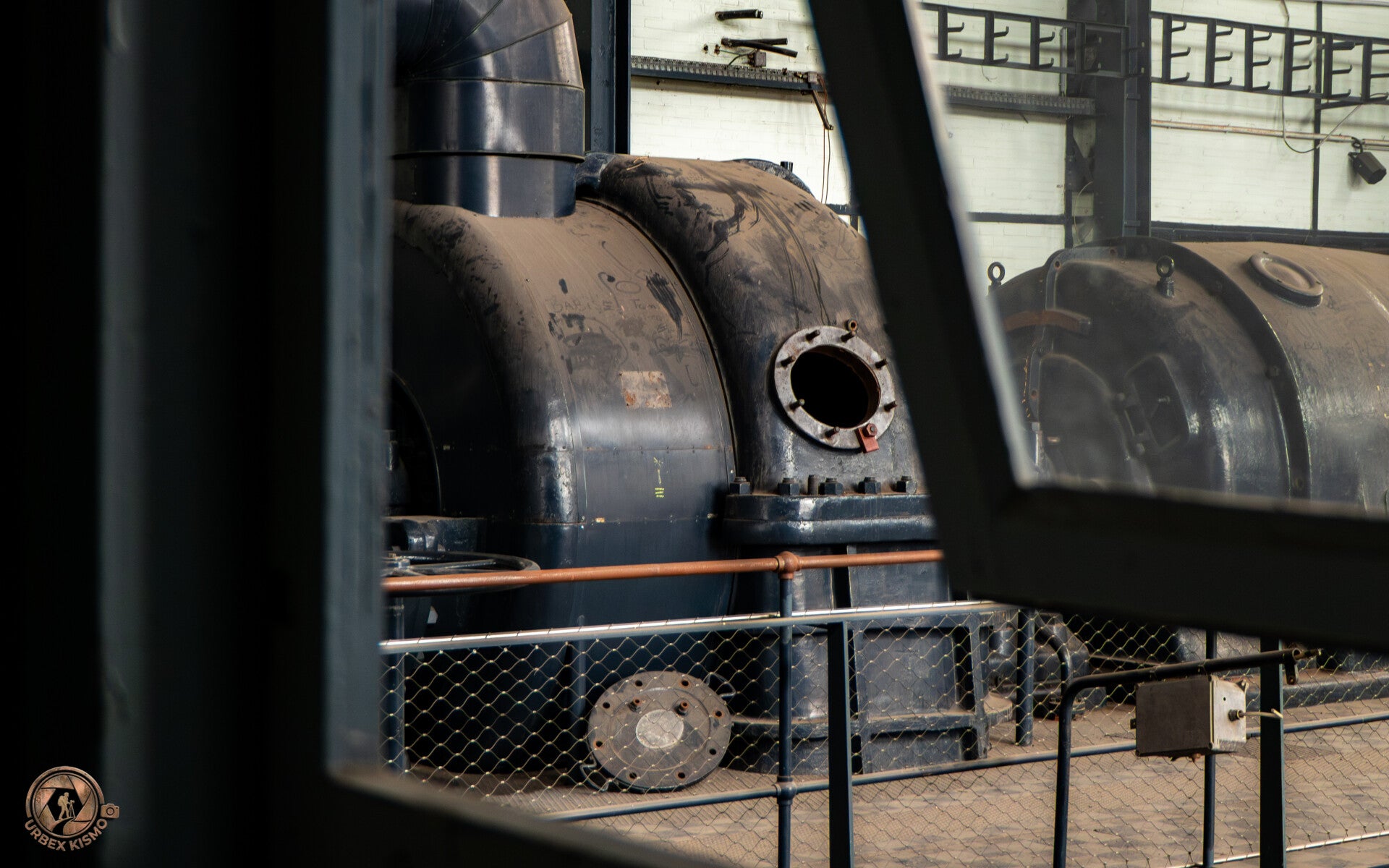
The turbine was one of the most important machines in Kraftwerk P. High-pressure steam produced by the boilers passed through the turbine, causing its rotor to spin at high speed. This rotational movement powered a generator, converting mechanical energy into electricity. The enormous machinery and intricate construction demonstrate the engineering required to transform heat into electrical power on an industrial scale.
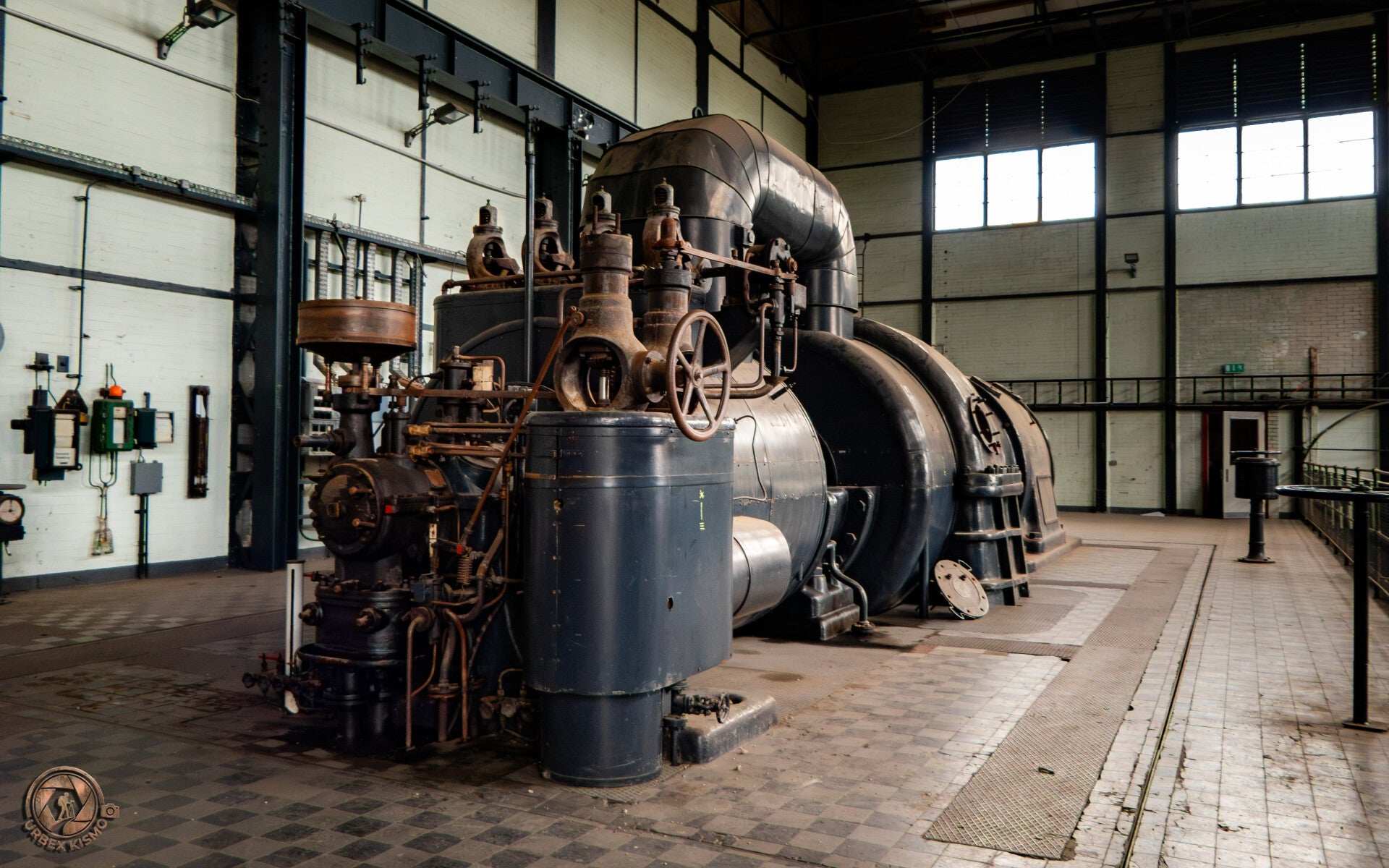
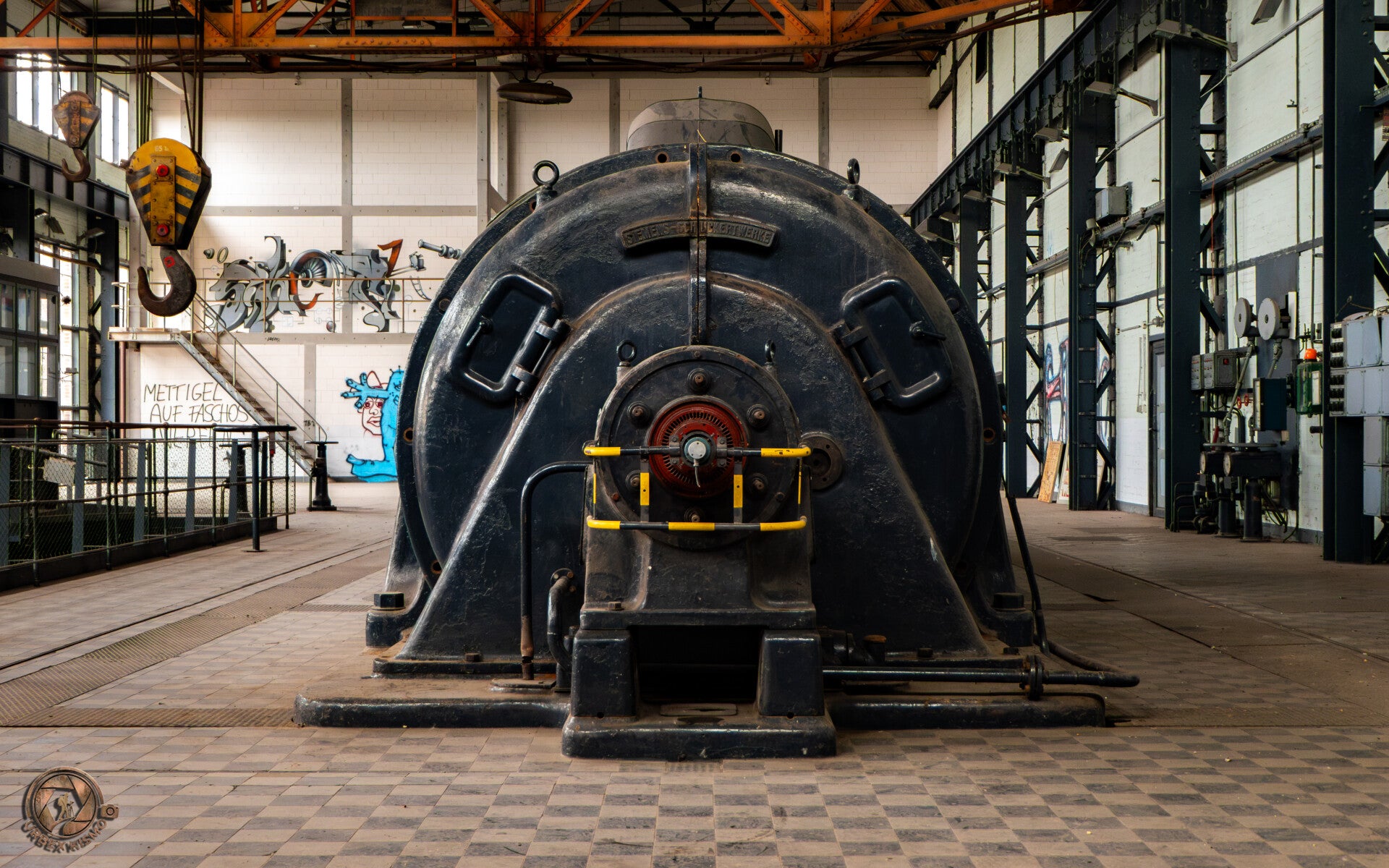
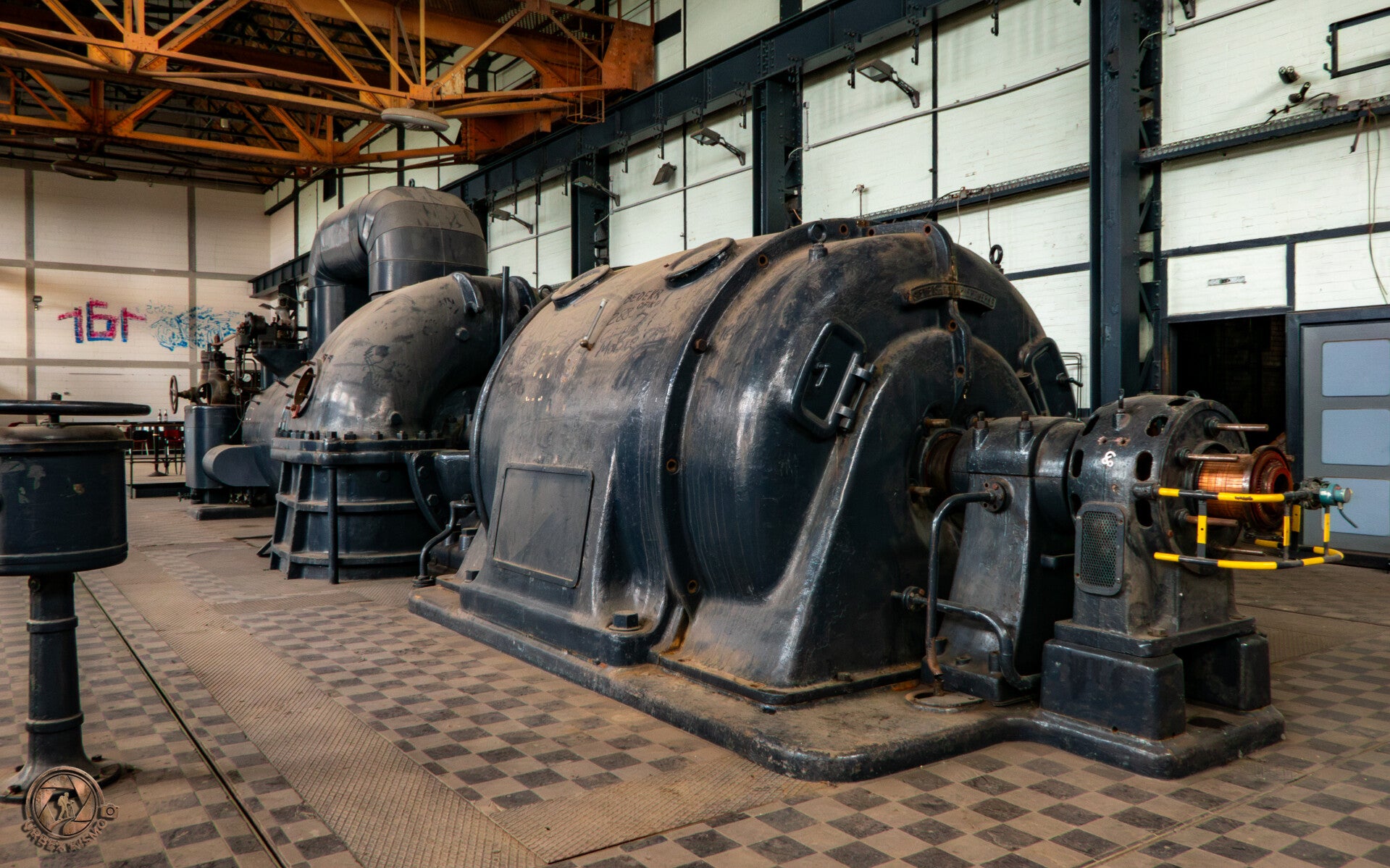
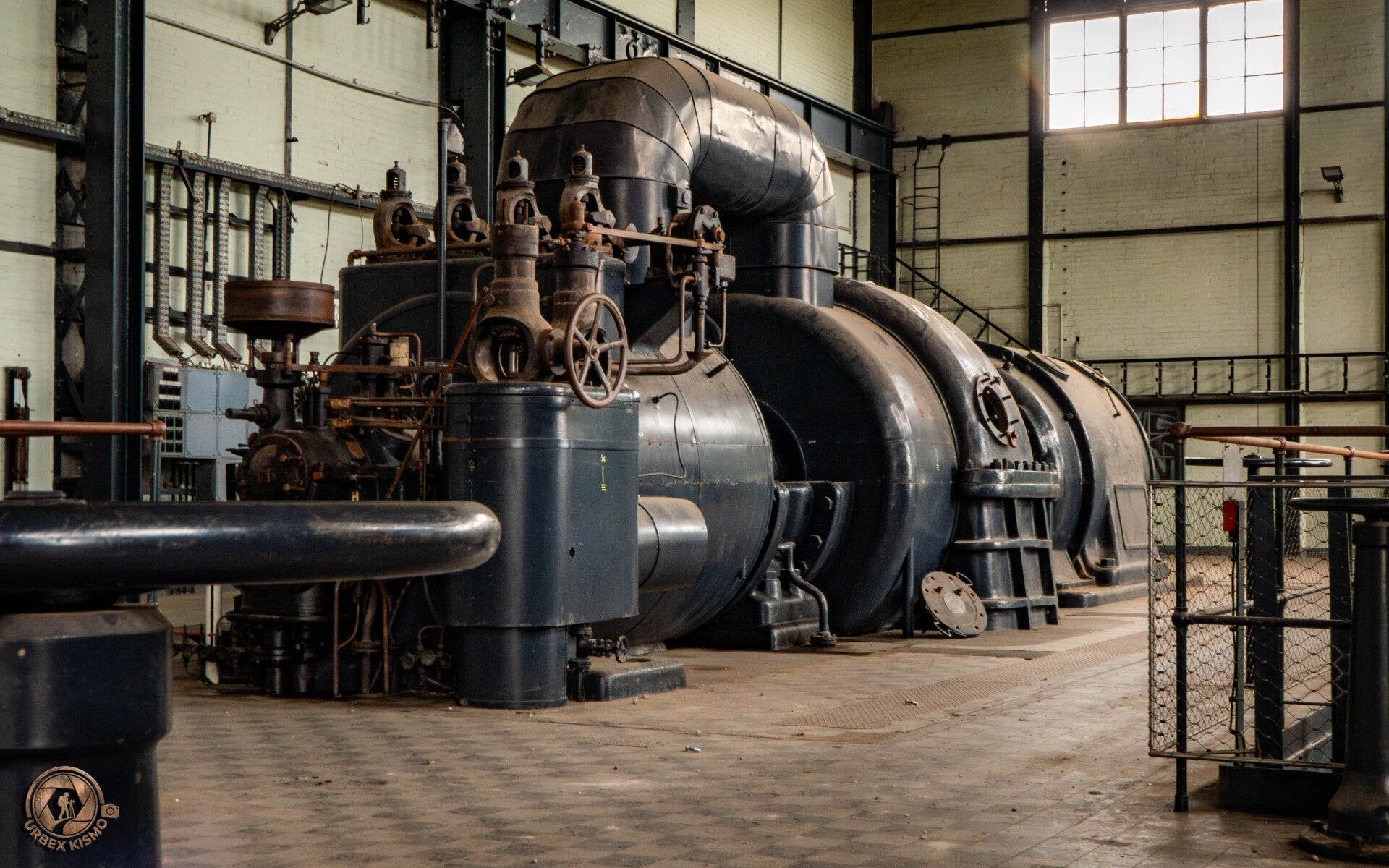
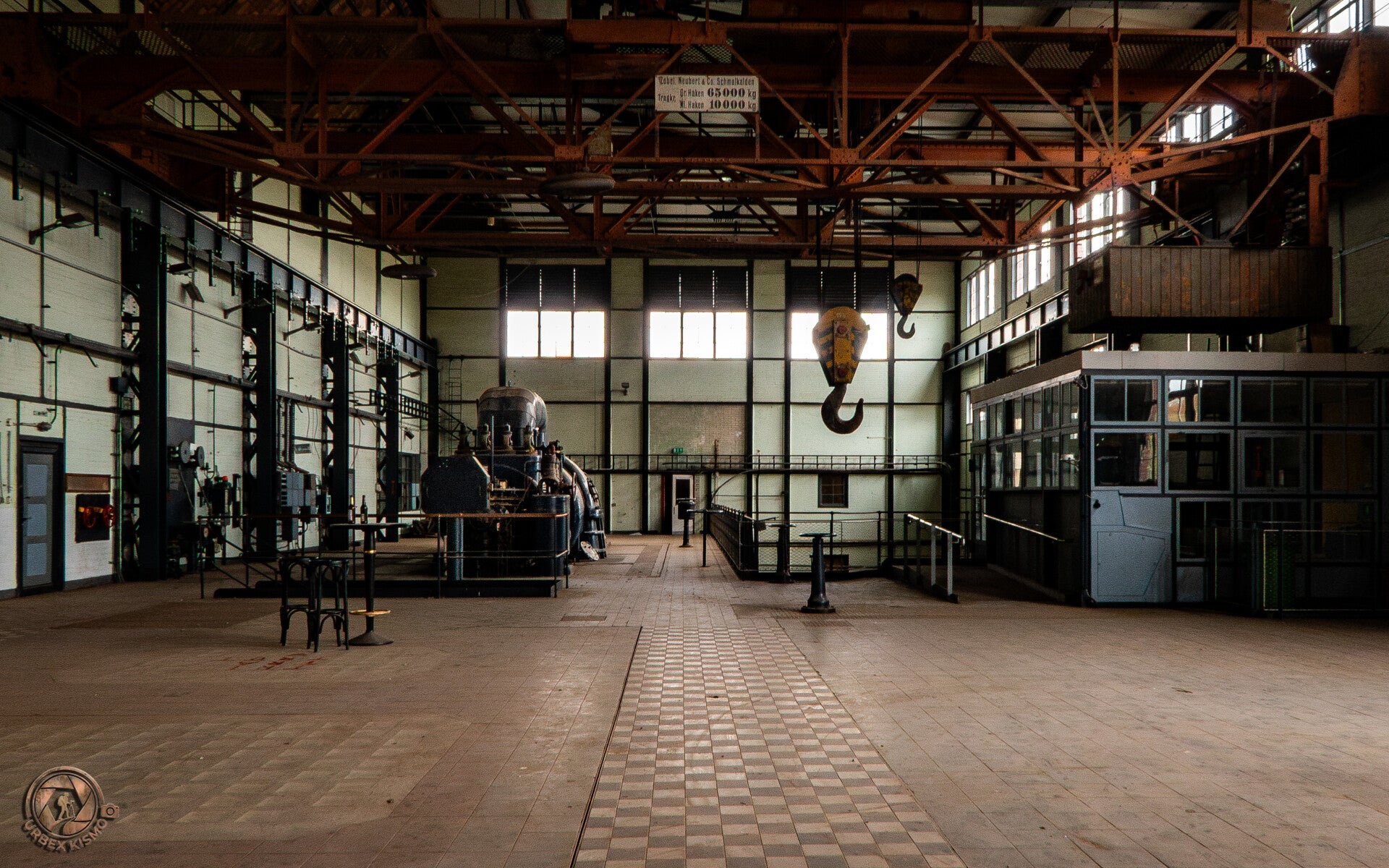
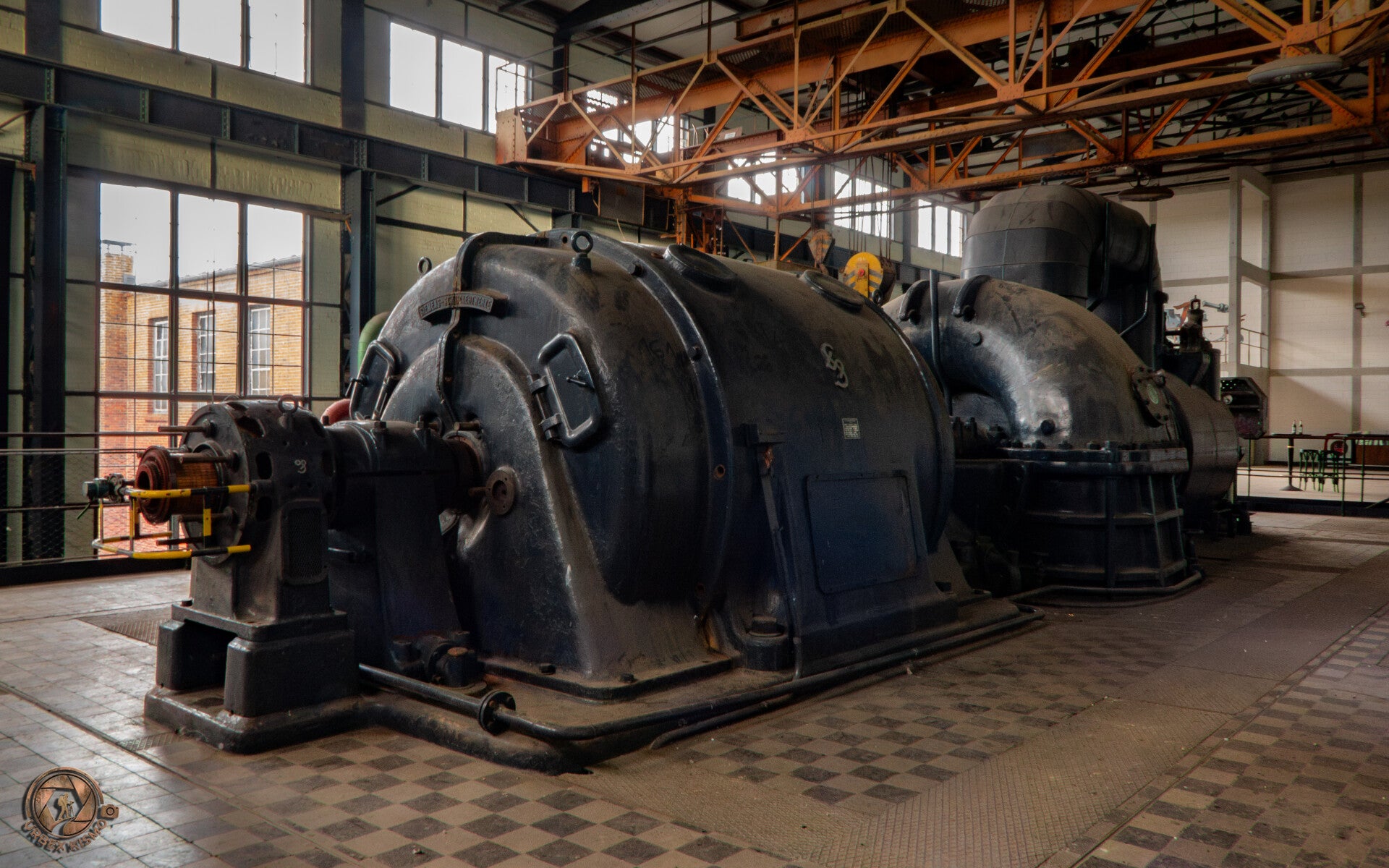
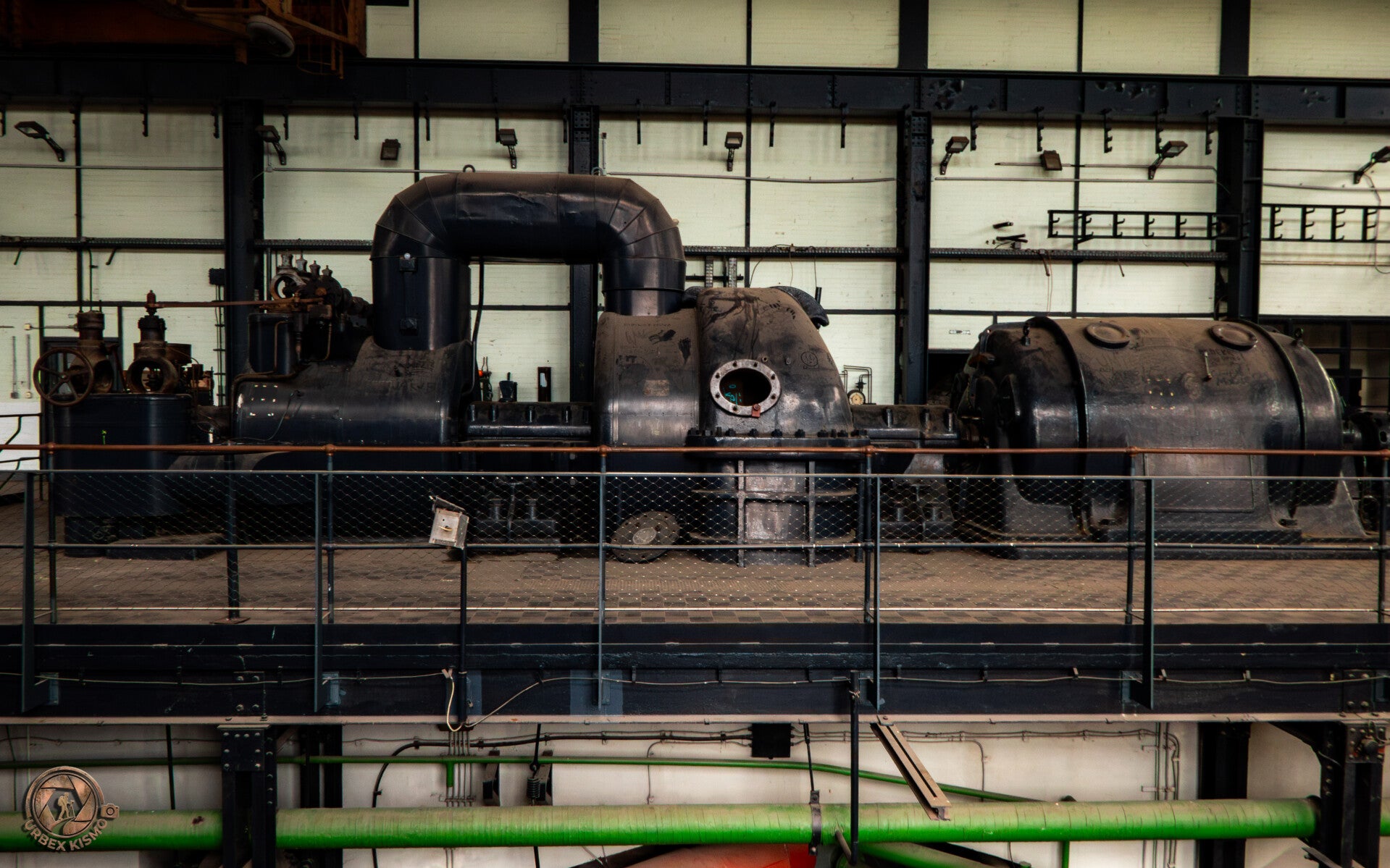
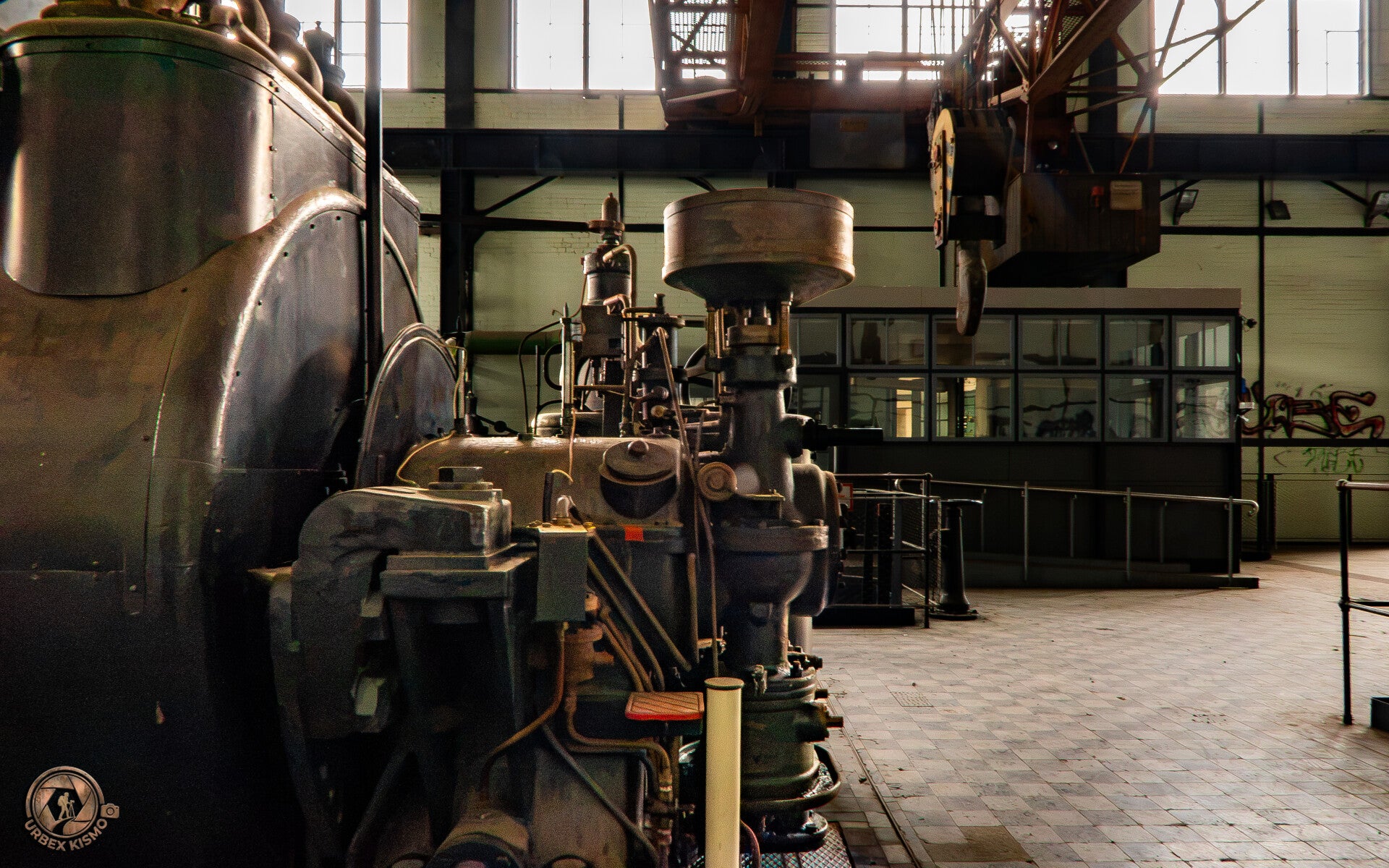
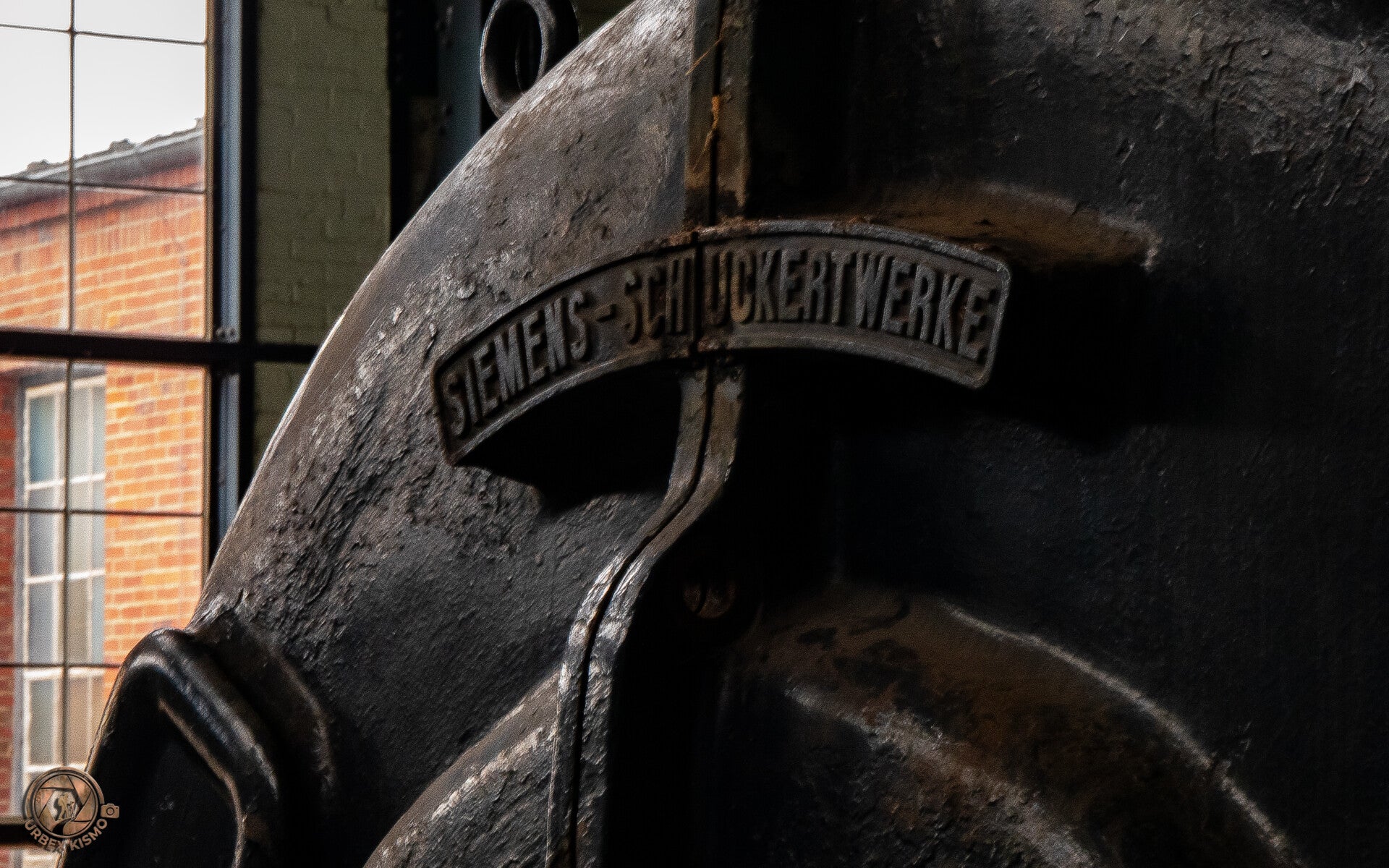
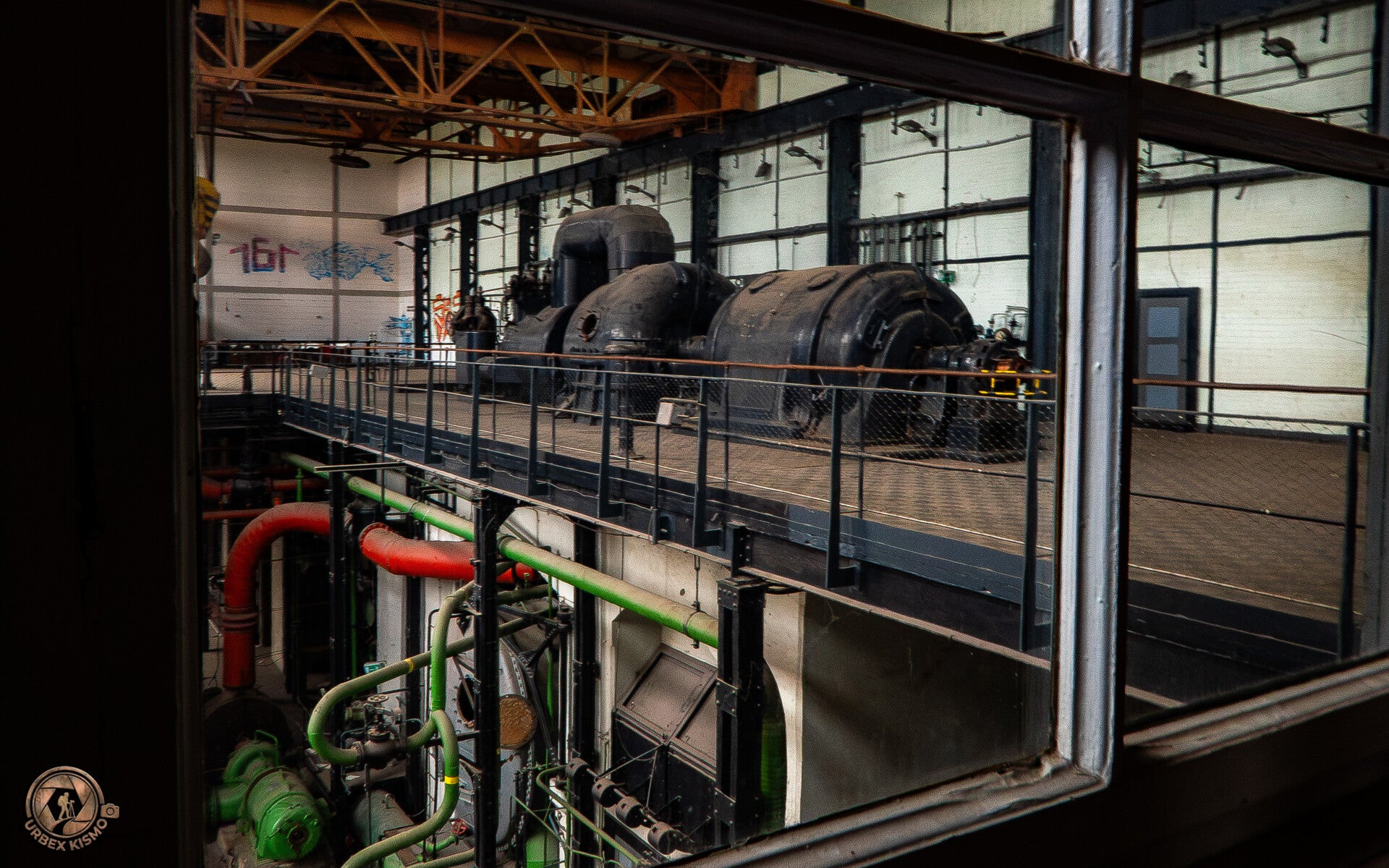
Where steam became electricity
The Boiler Beneath the Turbine
Beneath the turbine area stands a massive boiler installation, an essential part of the power-generation process. Water was heated to produce steam, which was then directed towards the turbine to drive the generator. The boiler and turbine worked together as part of a continuous system, with the steam carrying the energy needed to produce electricity. The sheer size of this installation reveals just how much equipment was required to keep the power station operating.
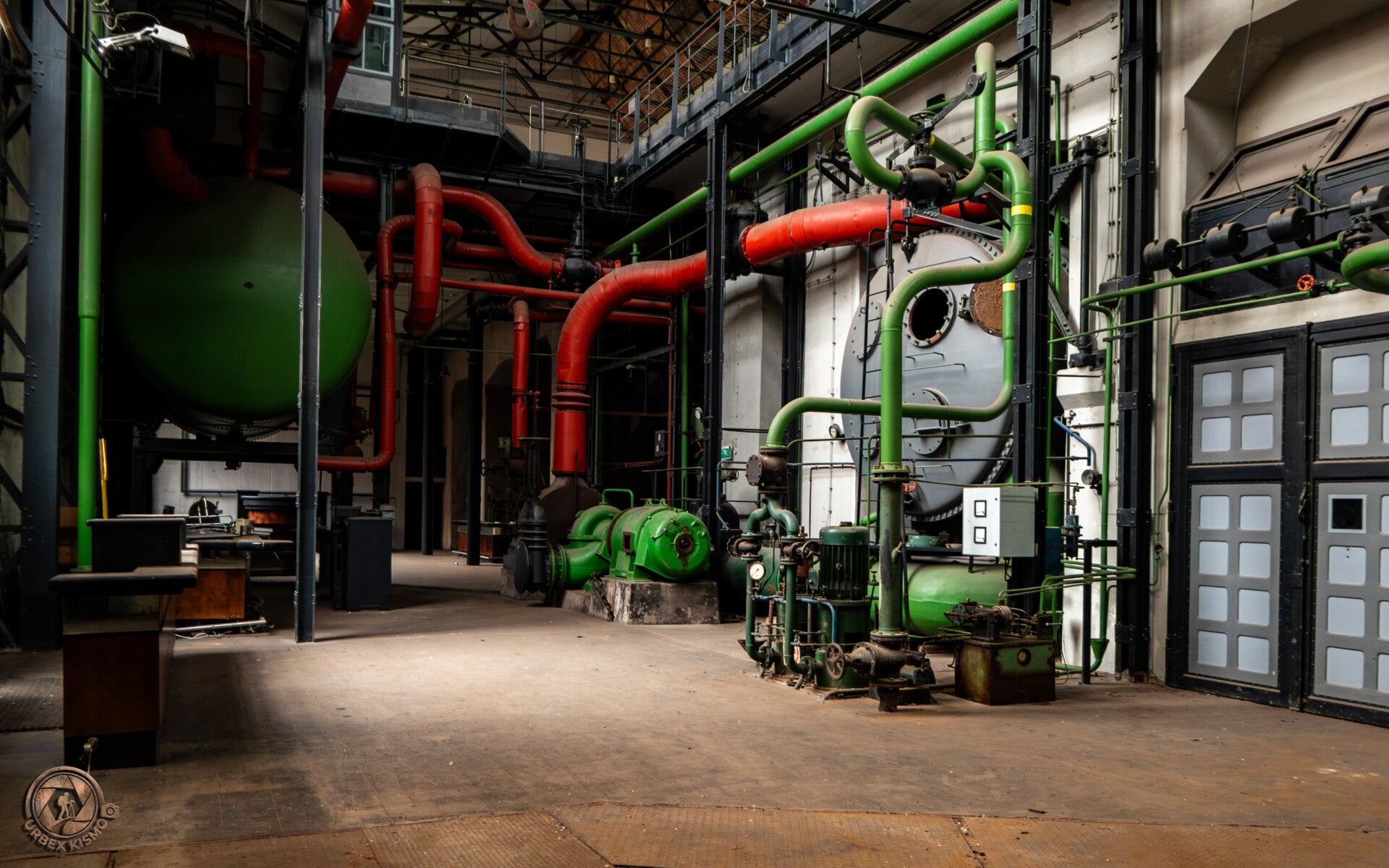
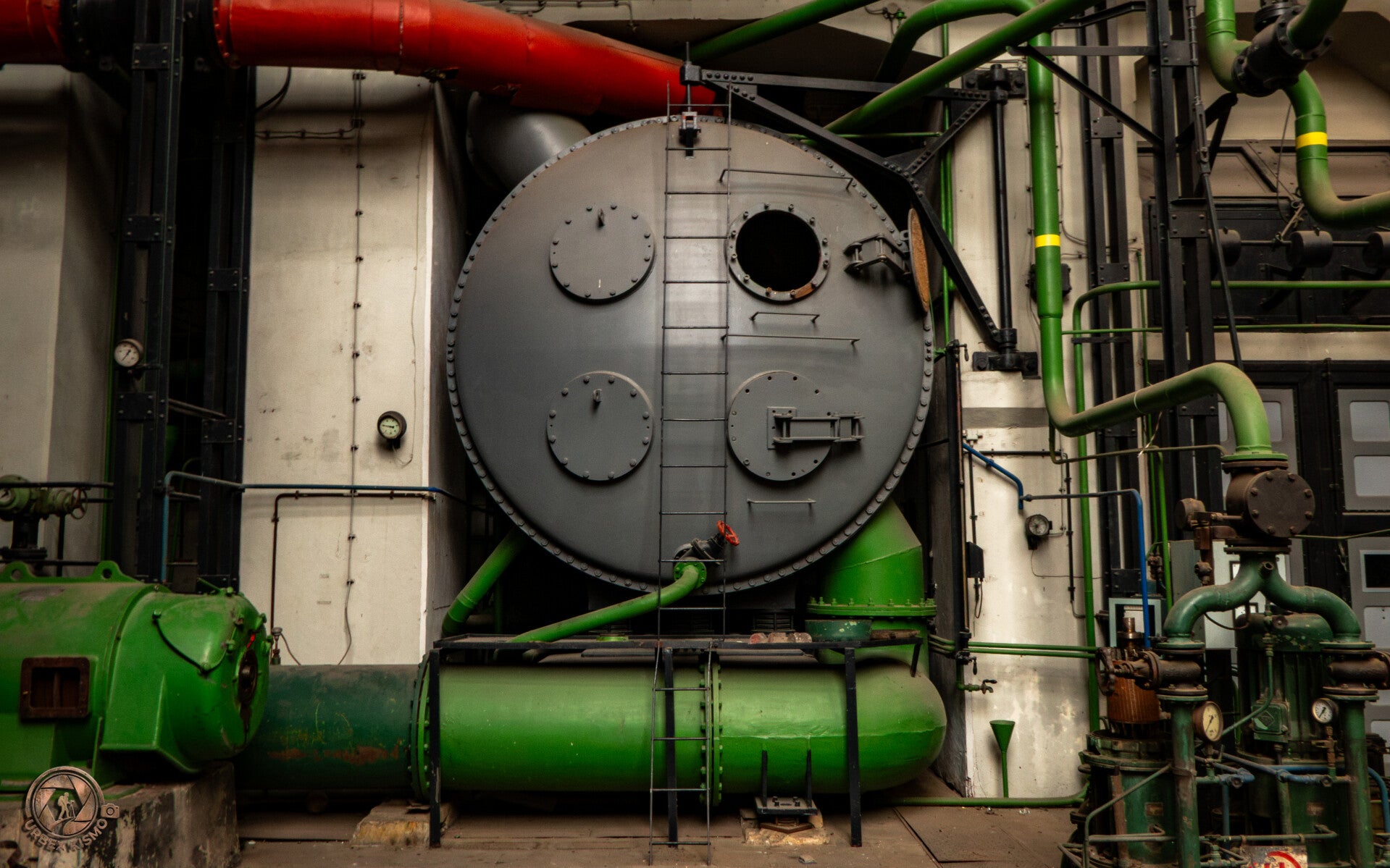
The source of the steam
The Boiler House & Its Famous Doors
The Kesselhaus, or boiler house, housed the large boilers that supplied steam to the turbines. Its towering interior, extensive pipework and distinctive boiler doors make it one of the most memorable areas of Kraftwerk P. These doors formed part of the enormous boiler structures that dominated the building. The nearby control room allowed operators to monitor important parts of the boiler process, connecting the human side of the operation with the immense machinery around them.
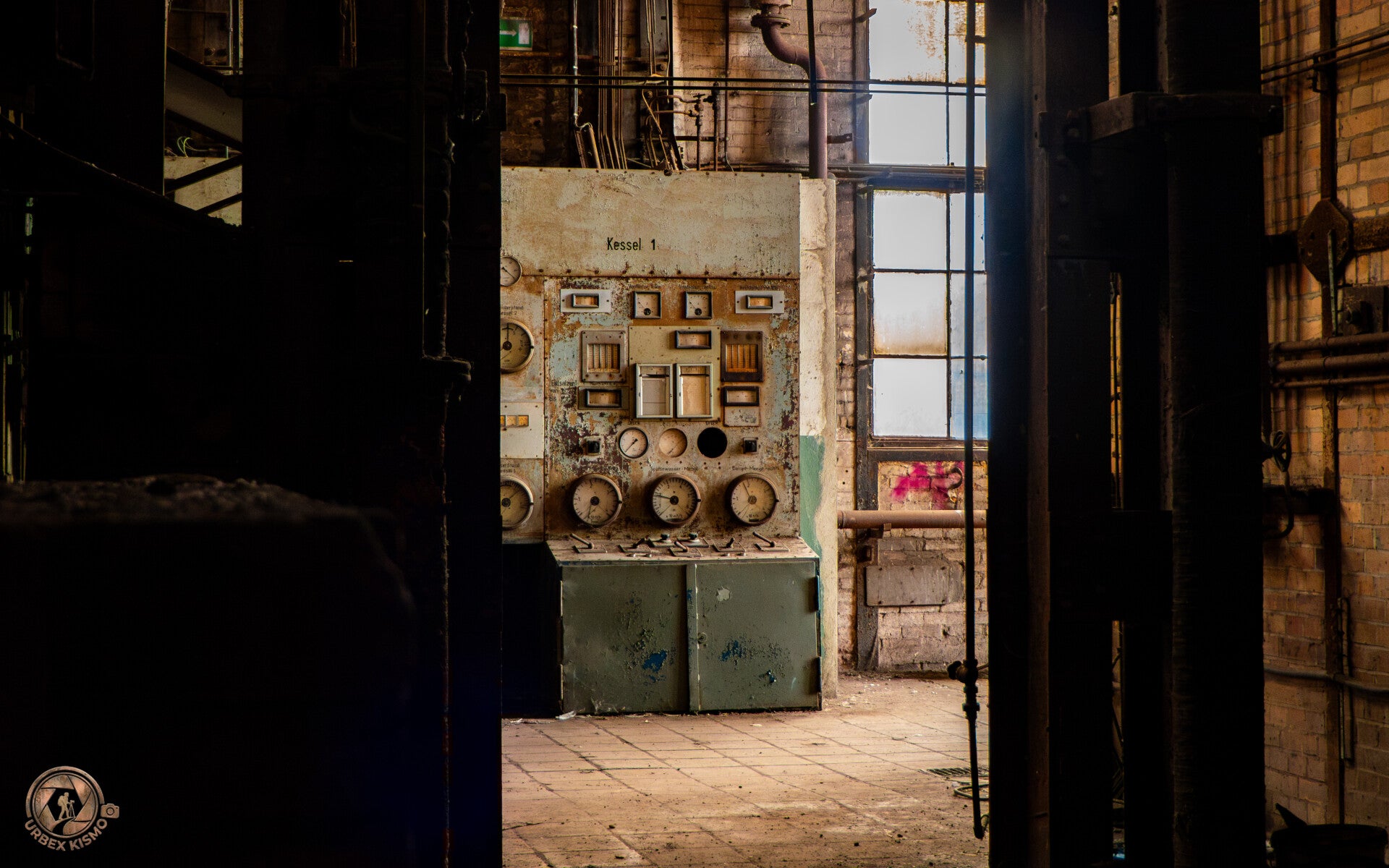
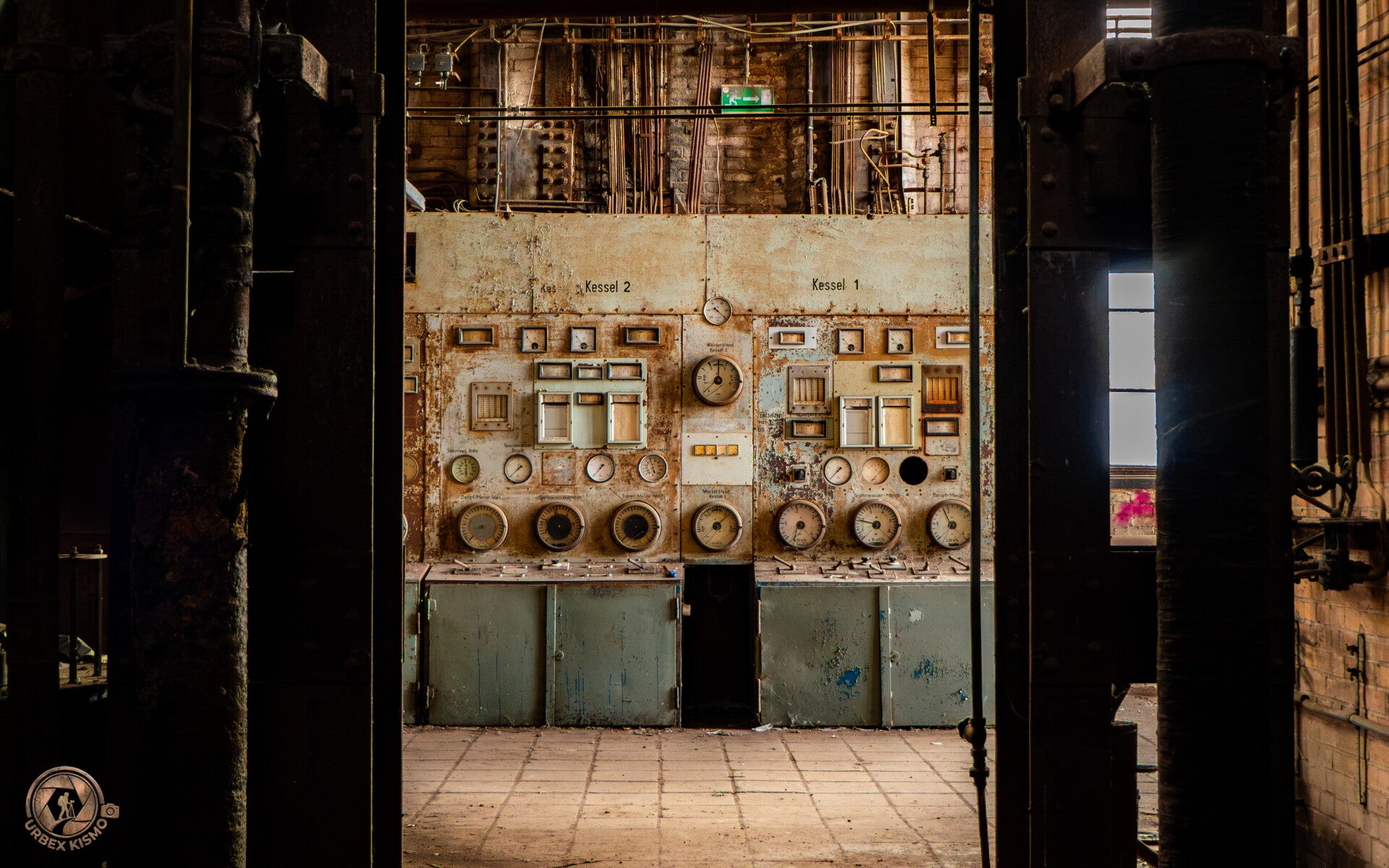
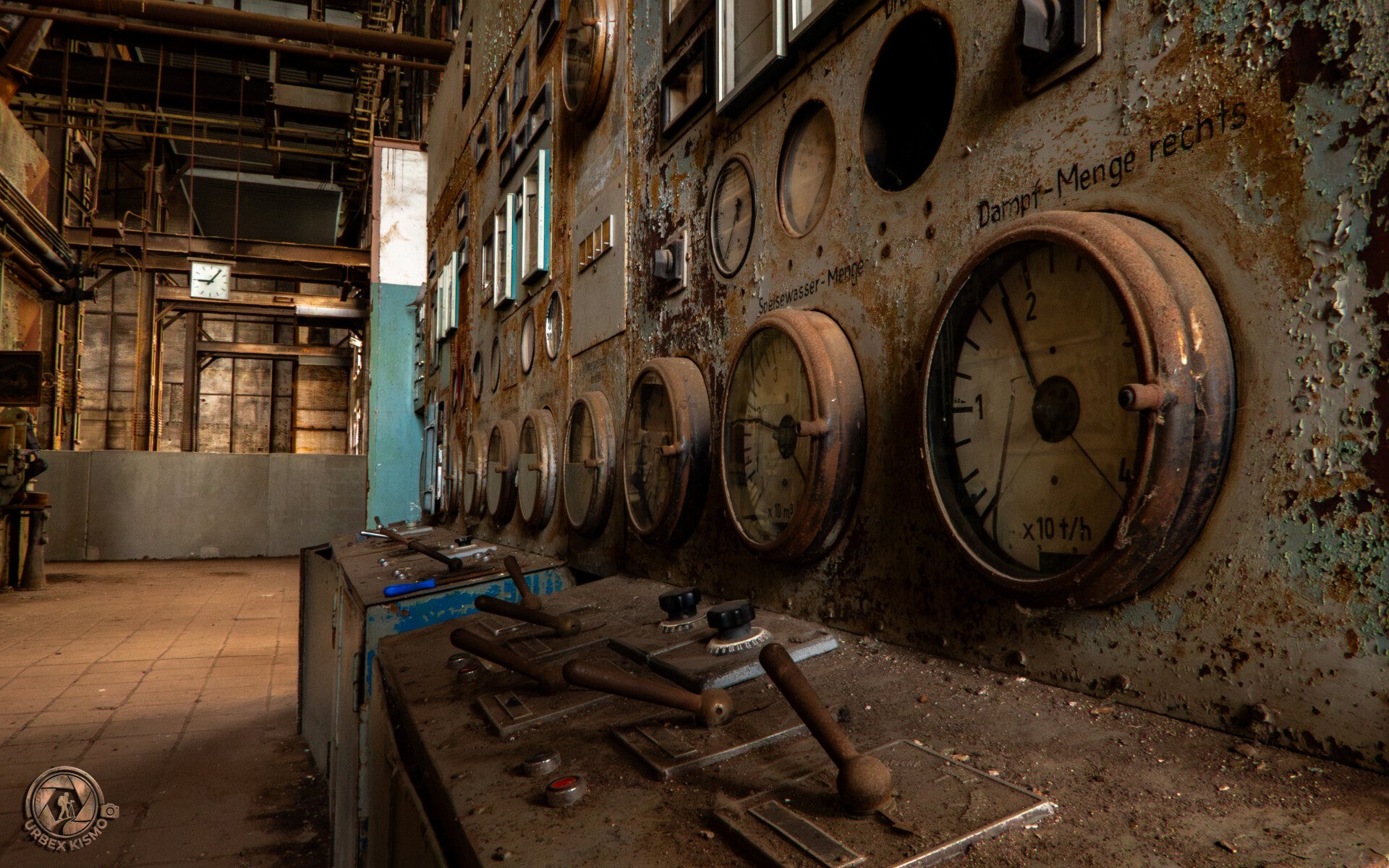
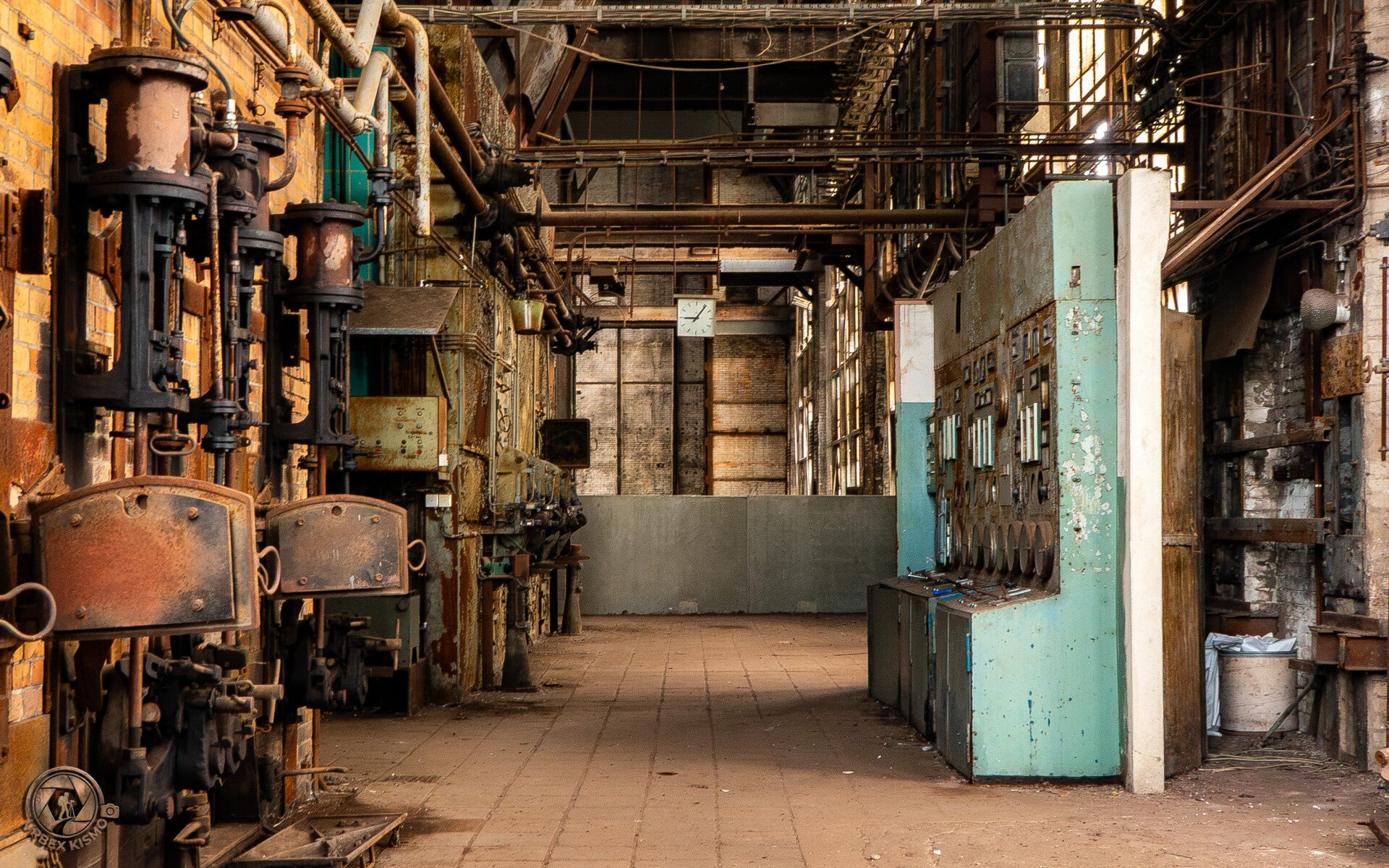
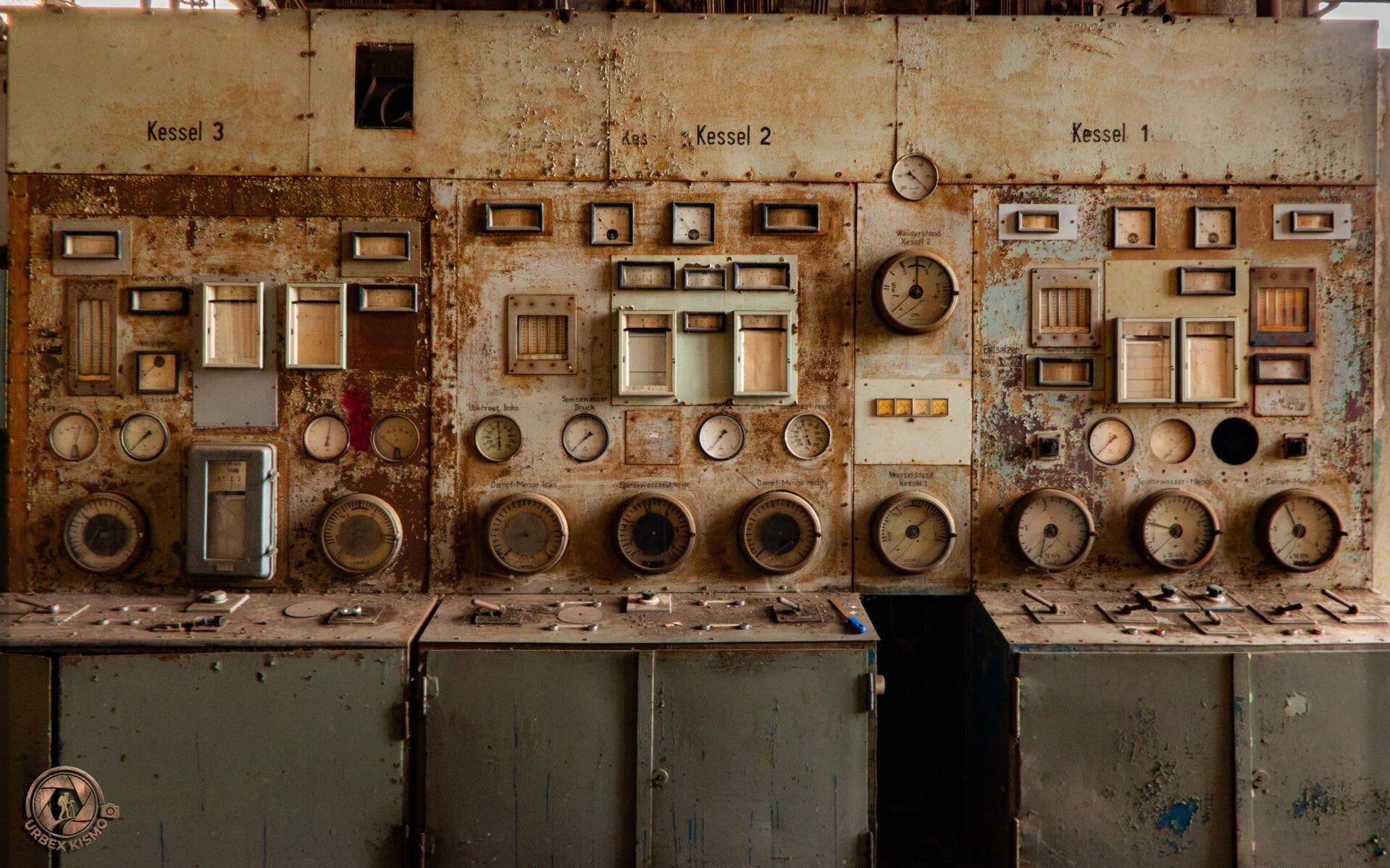
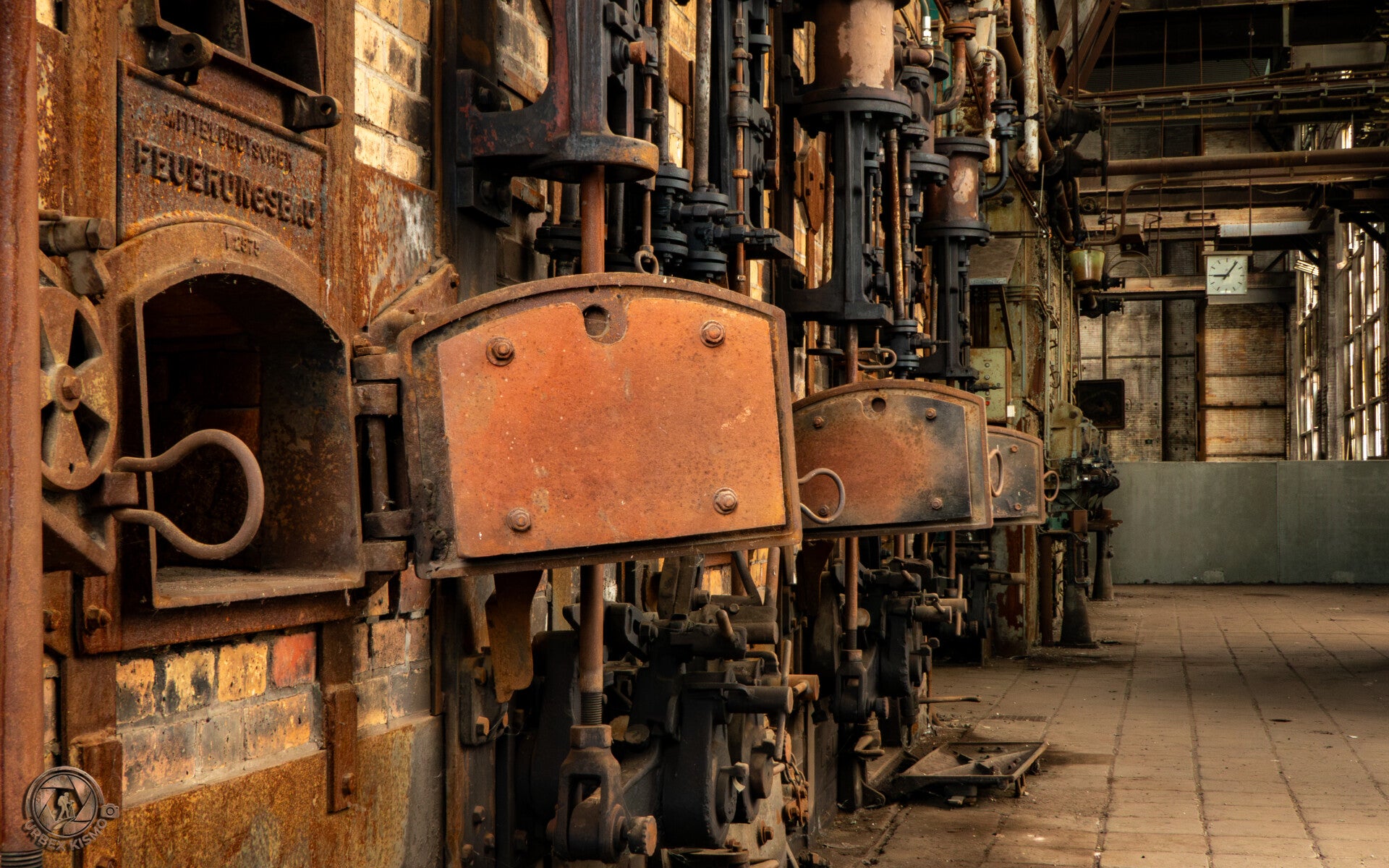
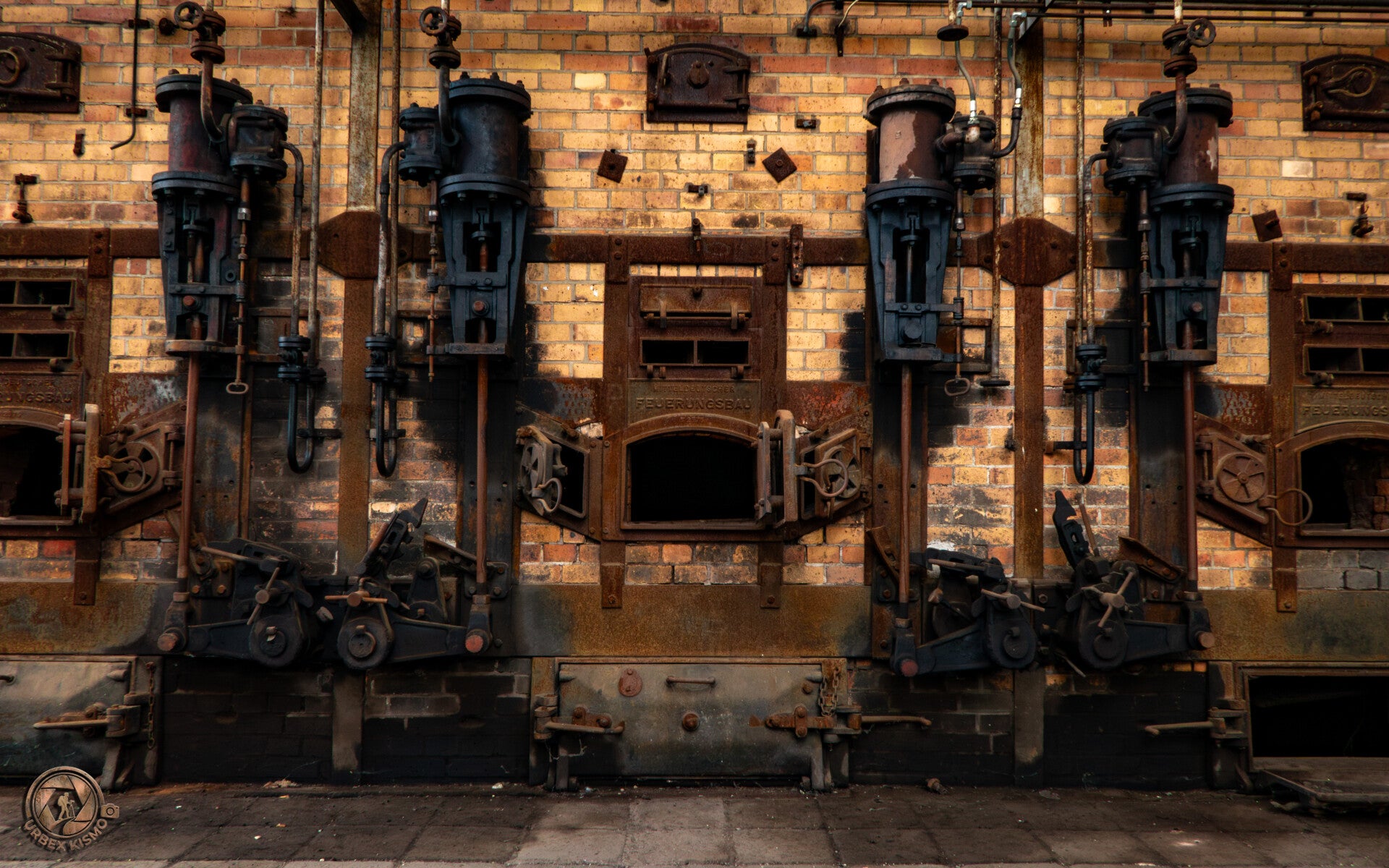
Inside the enormous Kesselhaus
Above the Boiler House
High above the boiler house, the scale and complexity of Kraftwerk P become even more apparent. Steel beams, elevated platforms, pipes and industrial structures form a maze of interconnected installations. These upper levels reveal details that are difficult to appreciate from the ground, showing how the building was designed around its enormous equipment. It is a unique perspective on the engineering and architecture that defined the power station.
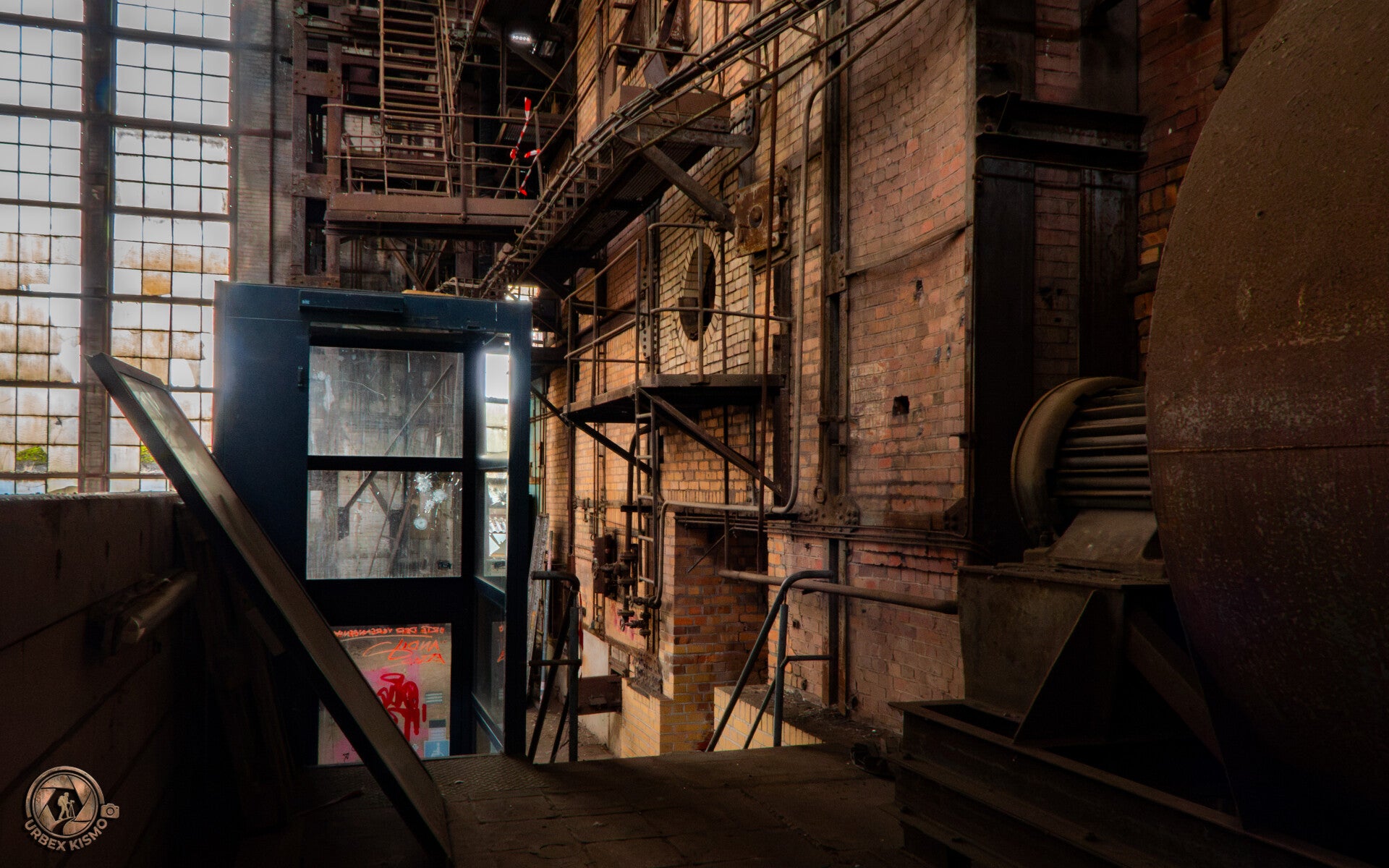
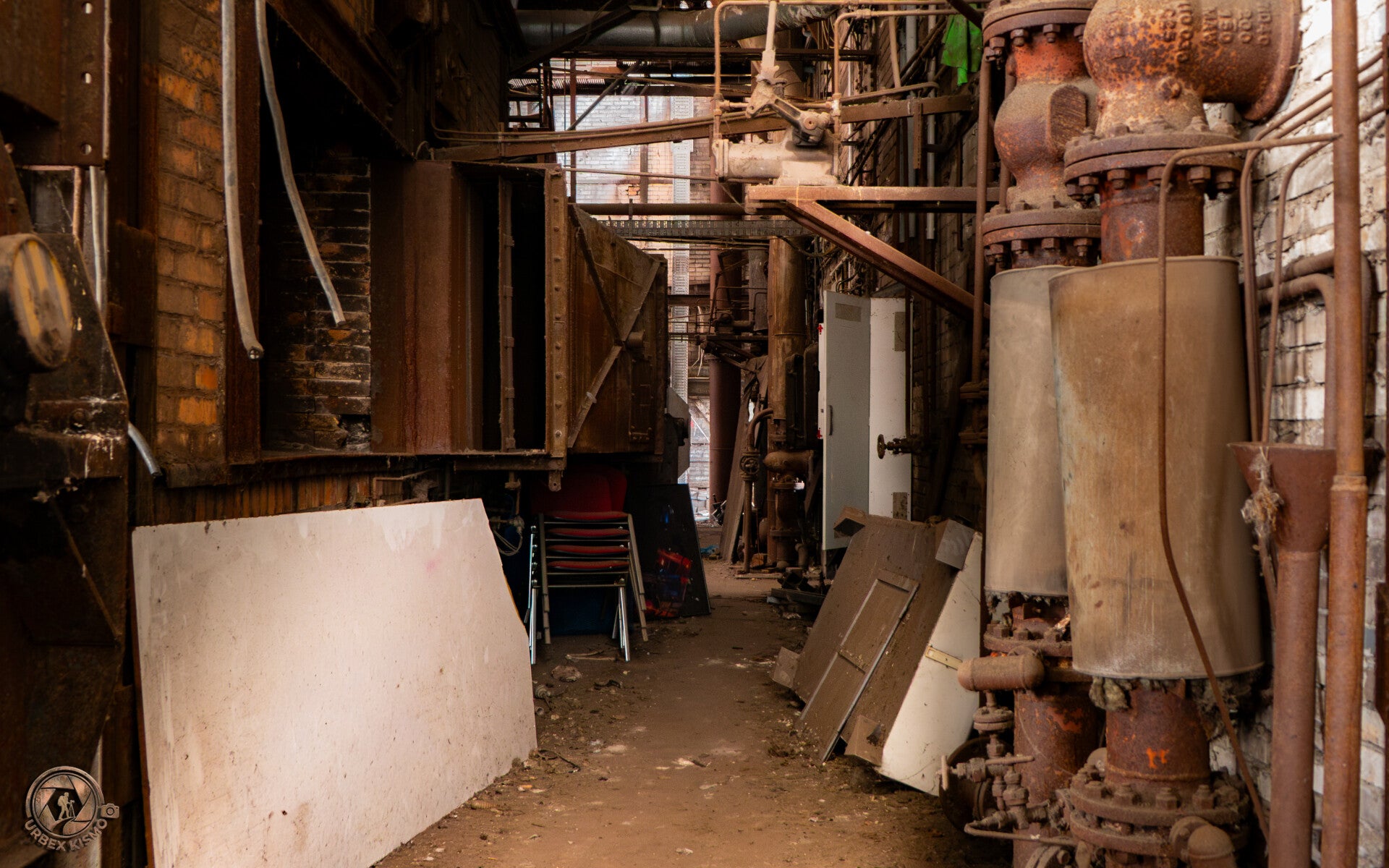
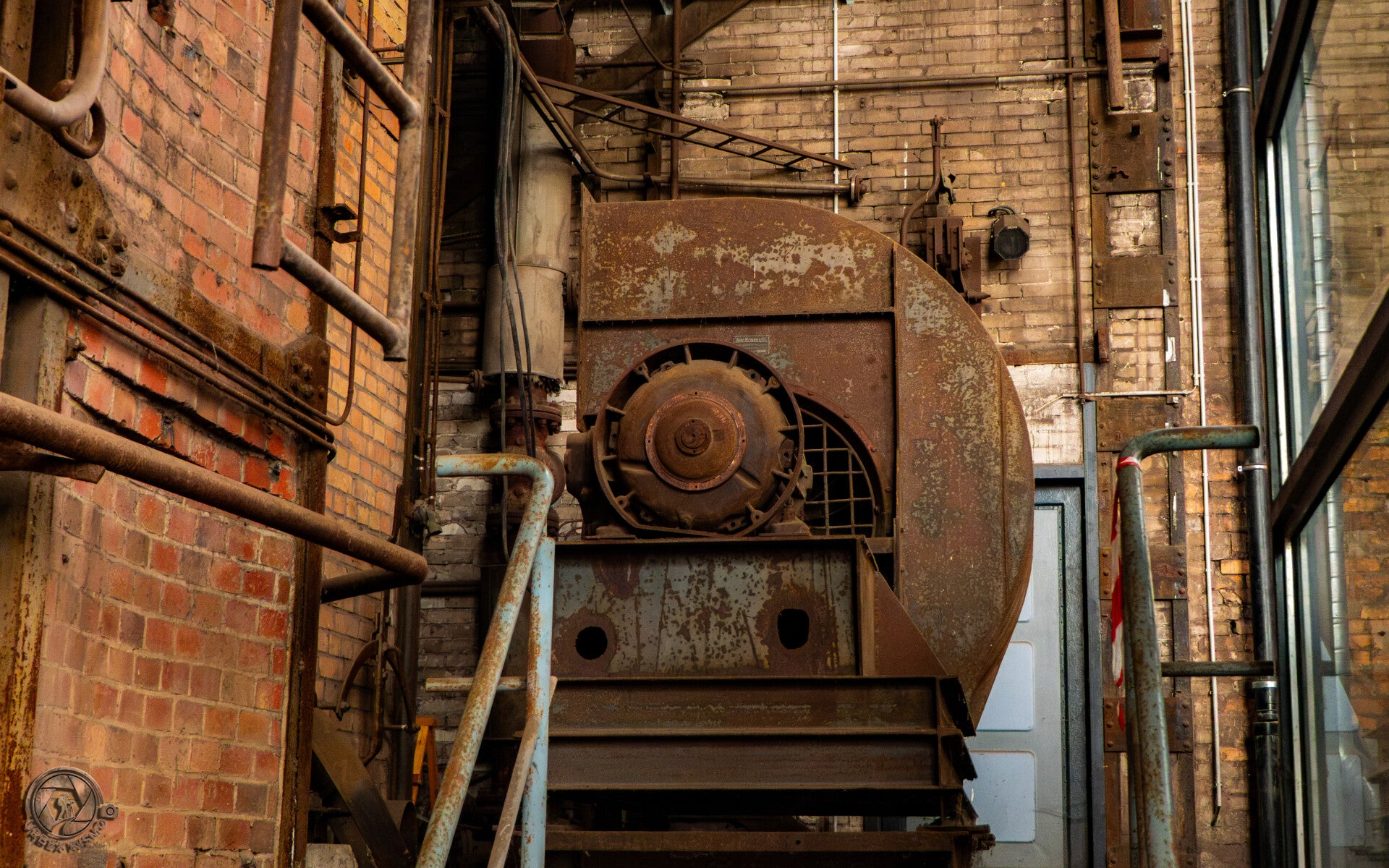
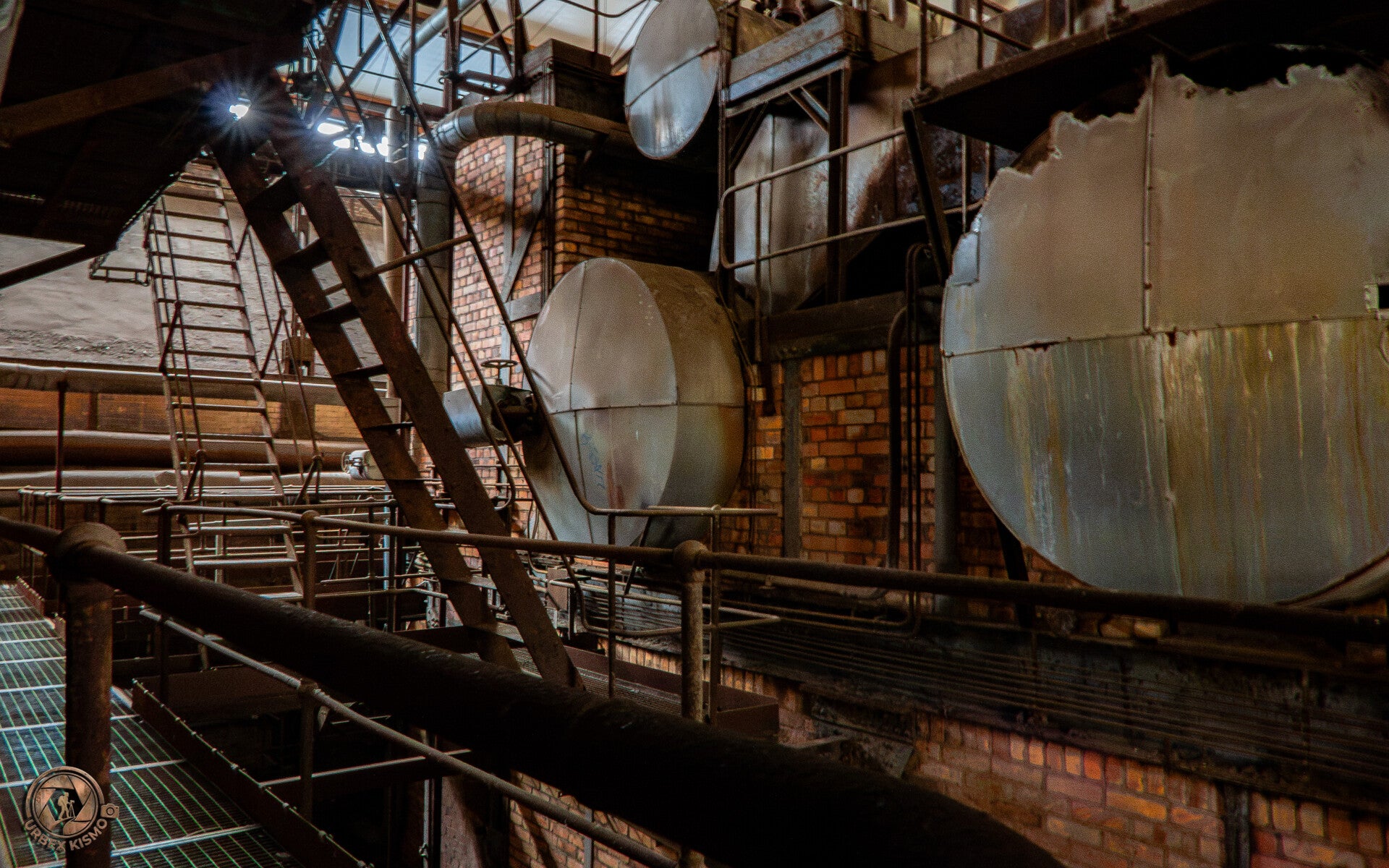
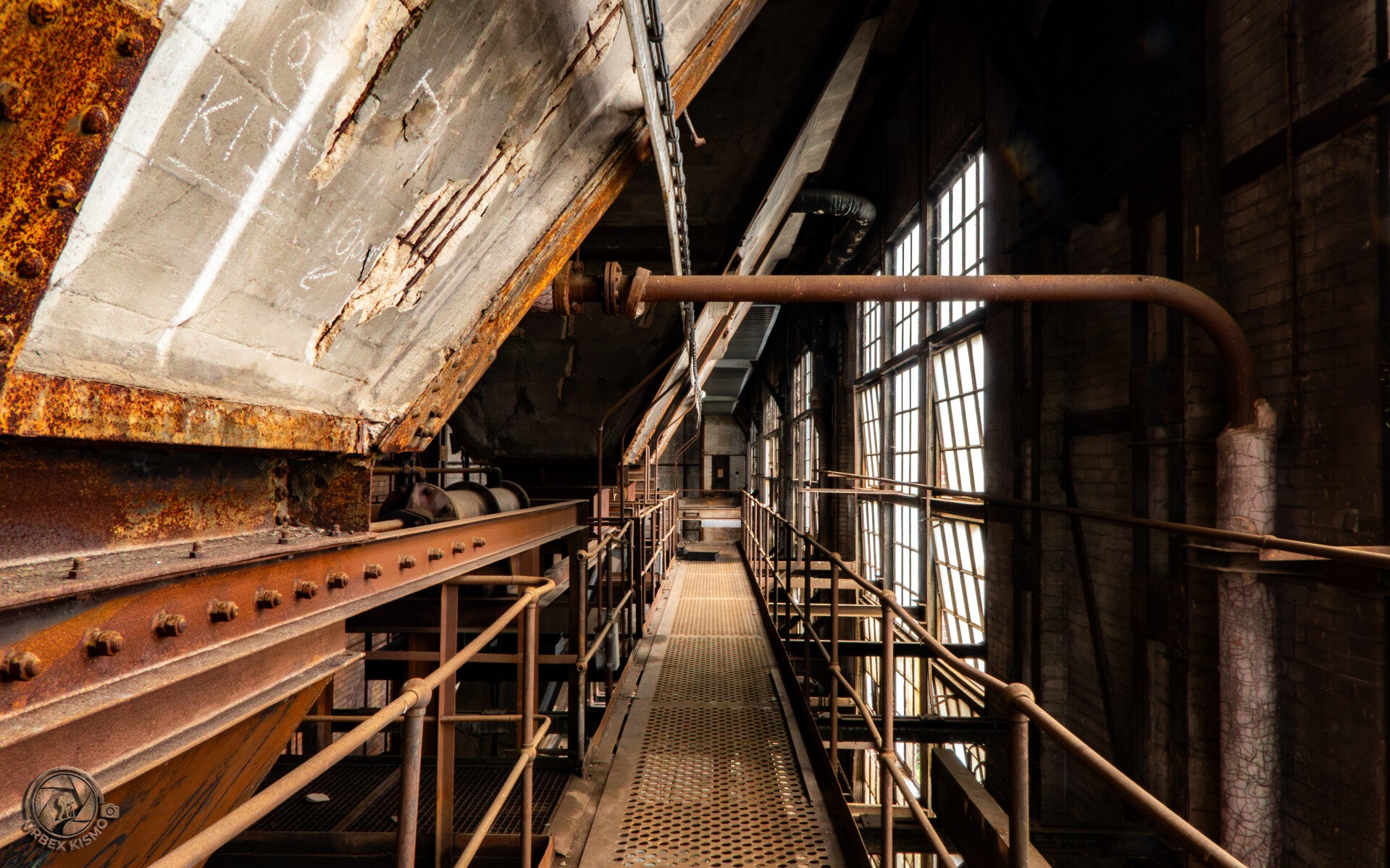
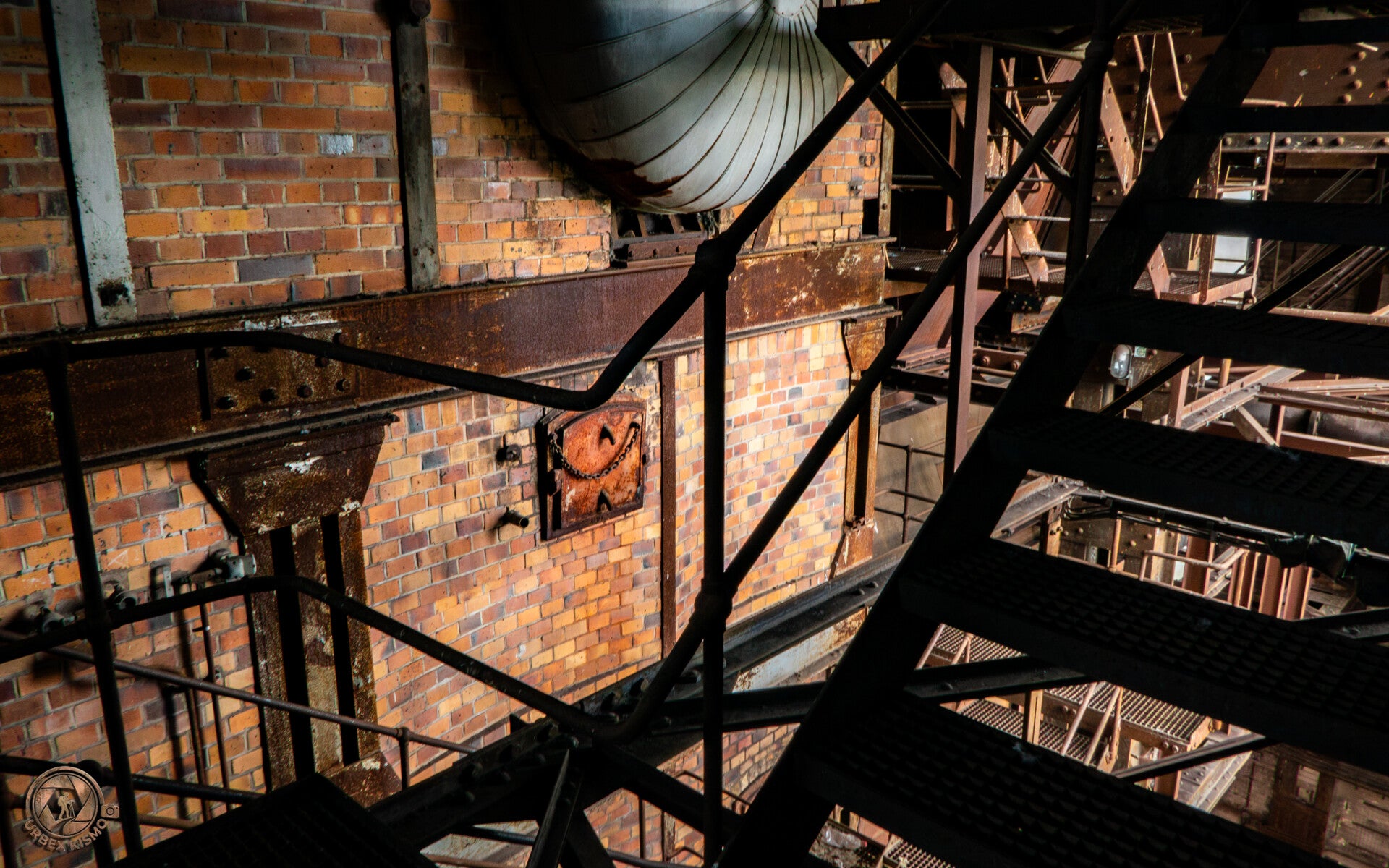
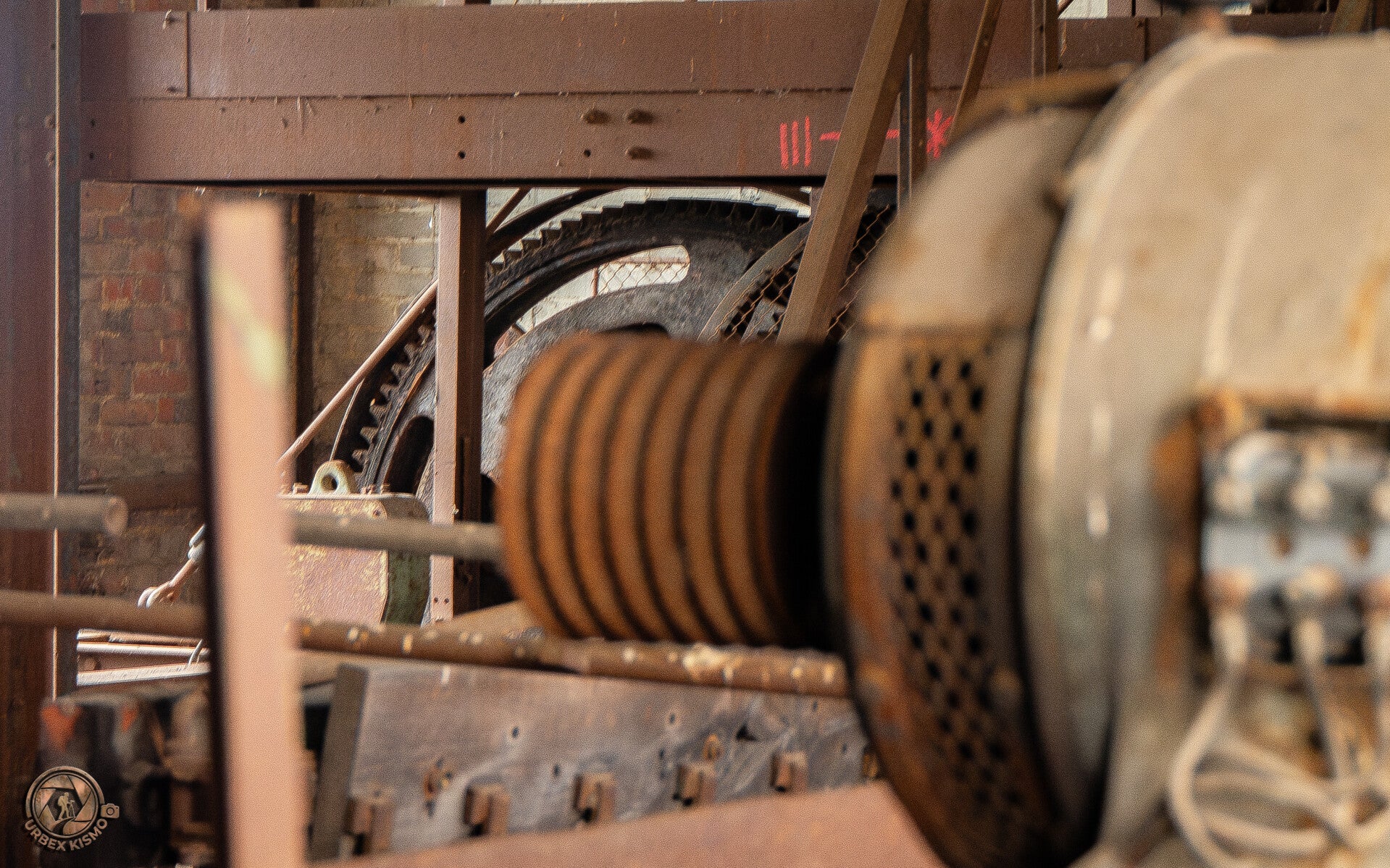
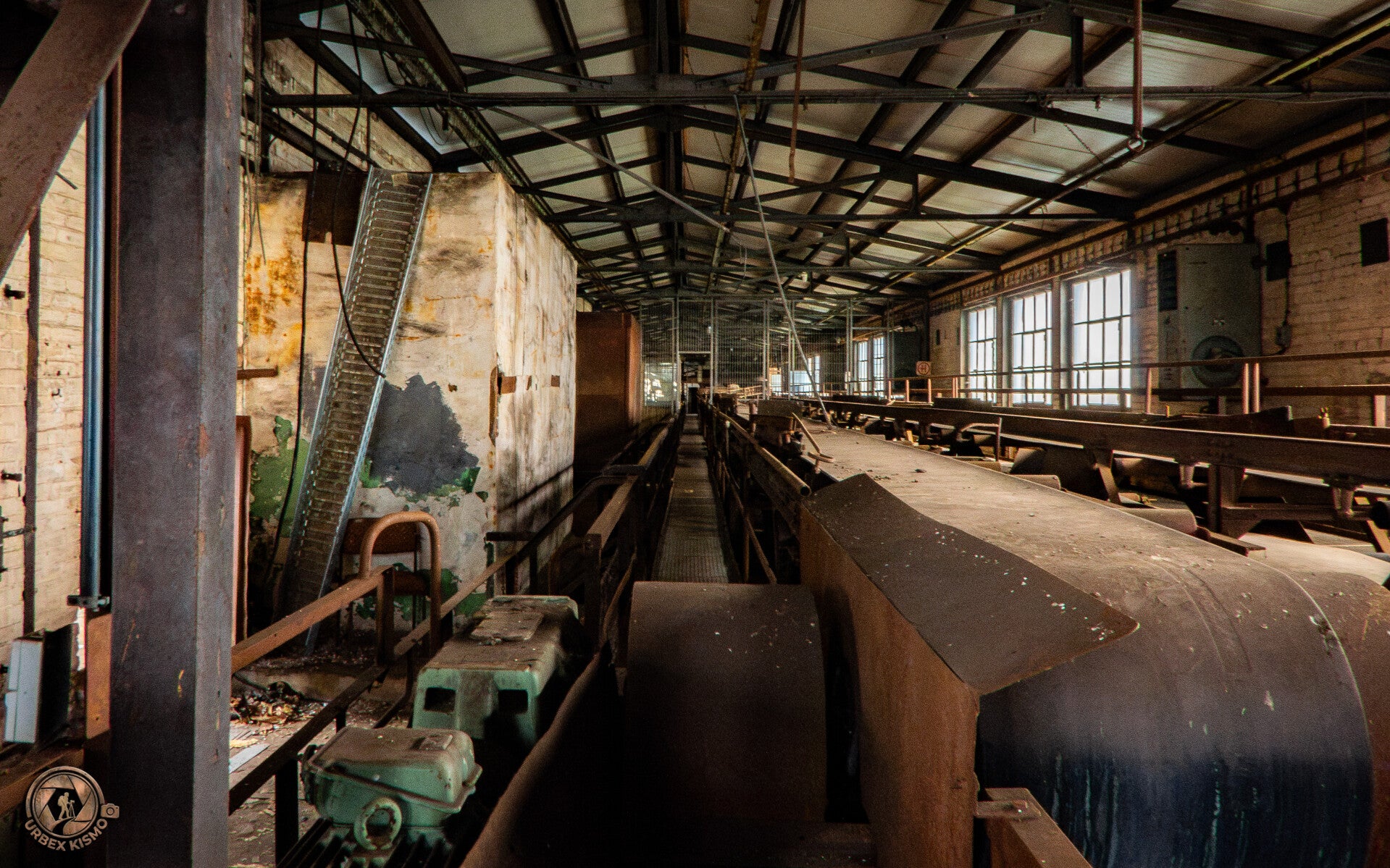
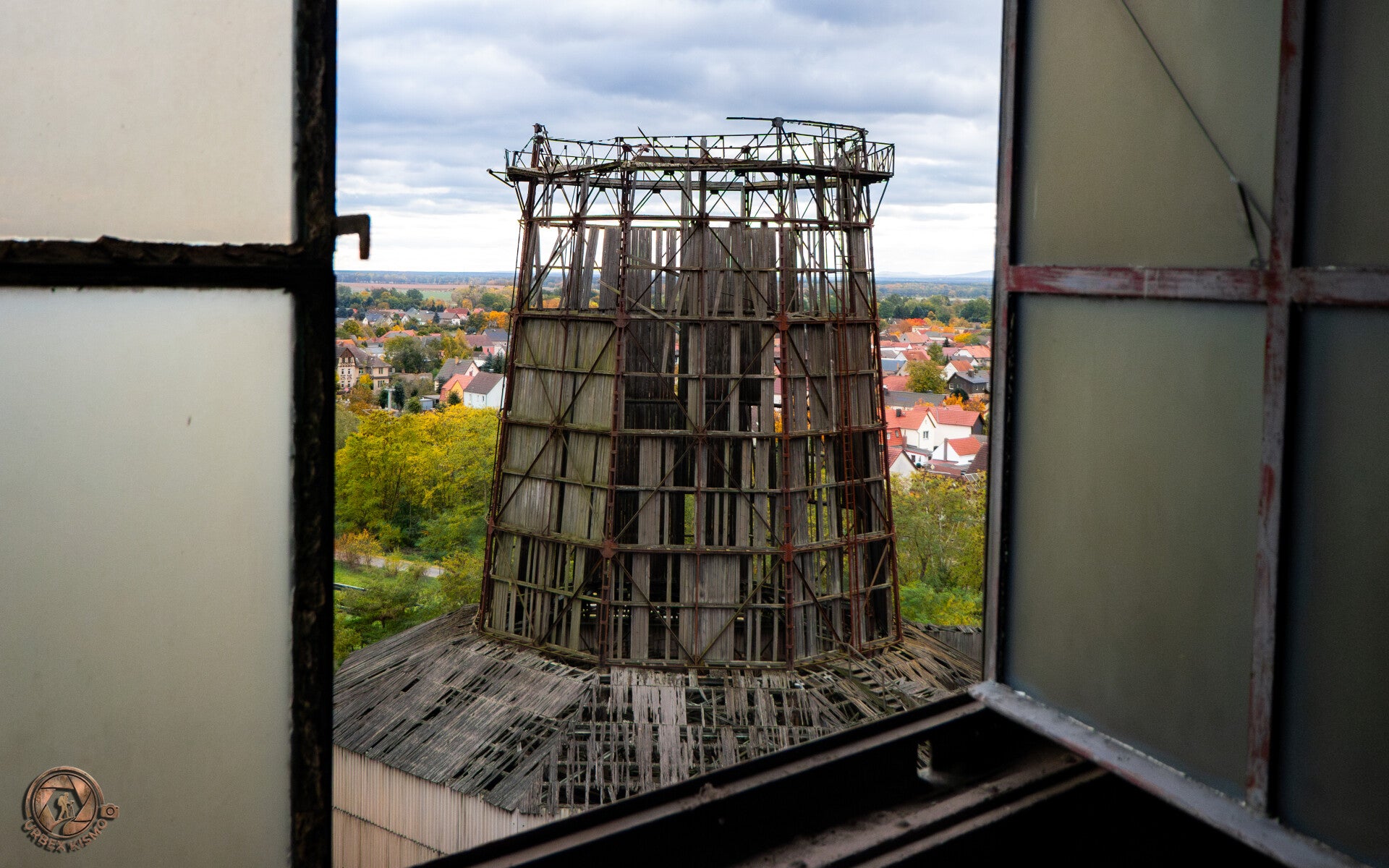
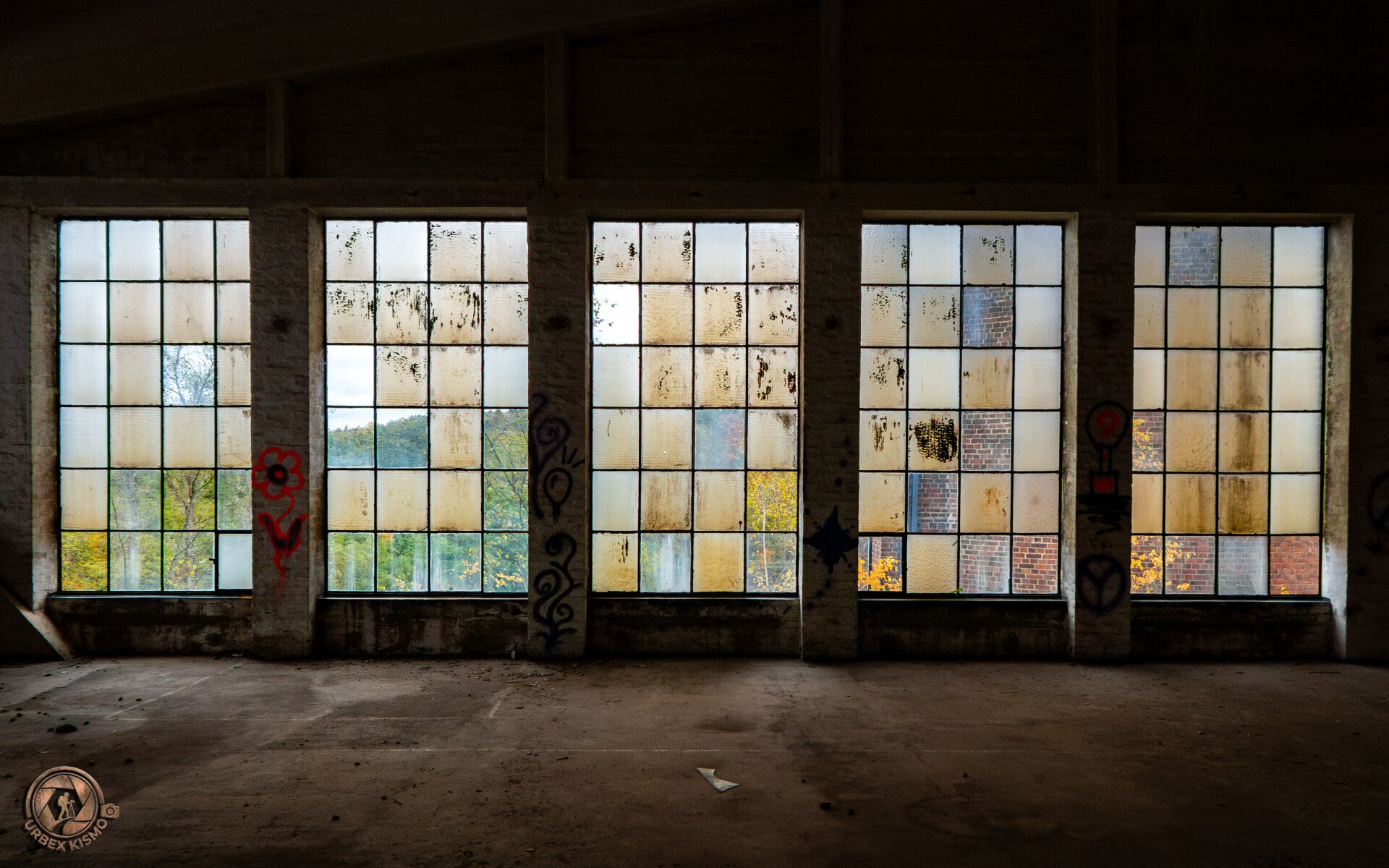

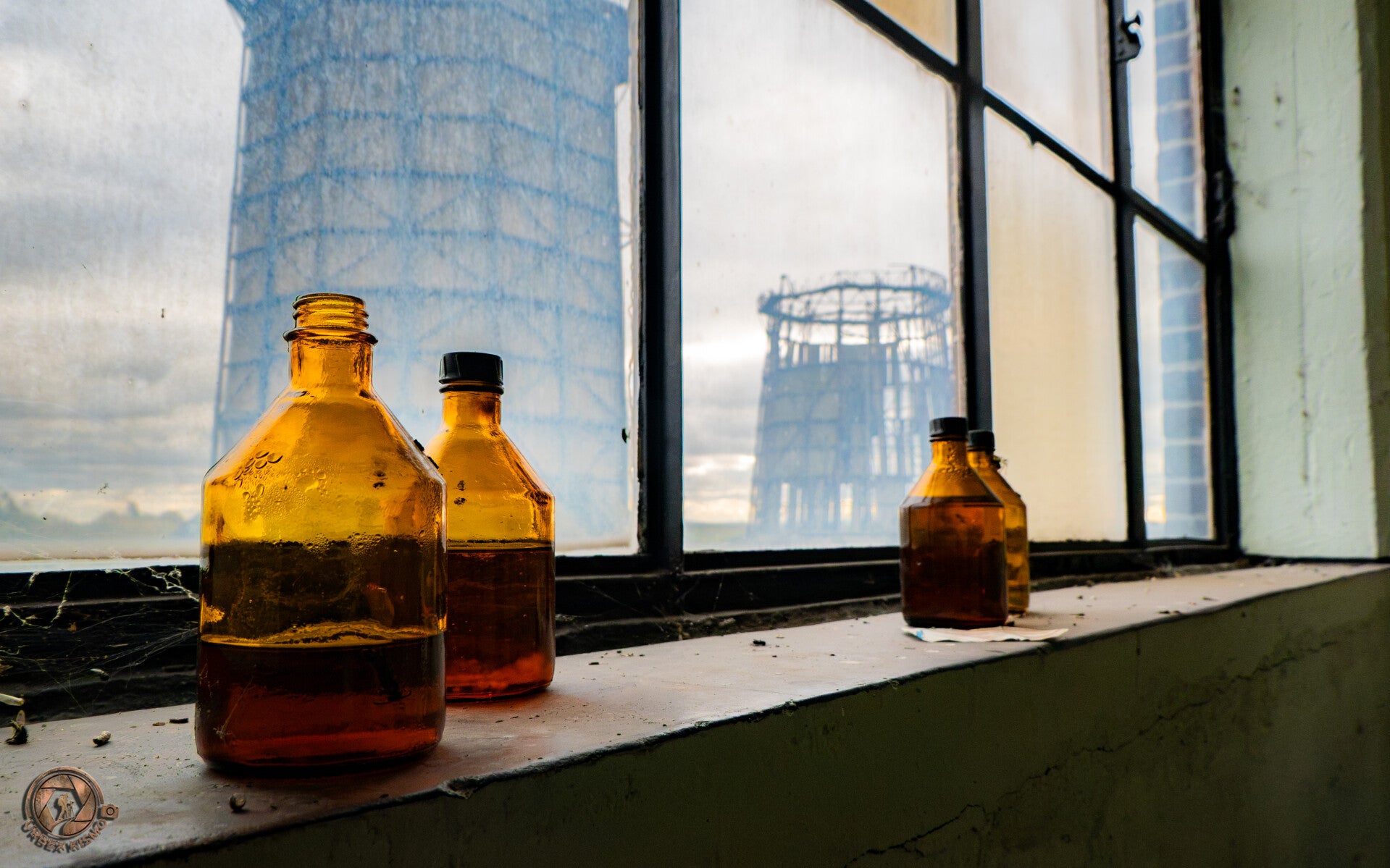
An elevated view of industrial engineering
The Train
Railways played an important role in many industrial facilities, transporting materials and goods needed to support daily operations. The train at Kraftwerk P adds another layer to the site's industrial atmosphere, standing as a reminder of the close connection between heavy industry and rail transport. Together with the surrounding buildings, it helps tell the story of a place once shaped by machinery, energy production and industrial activity.
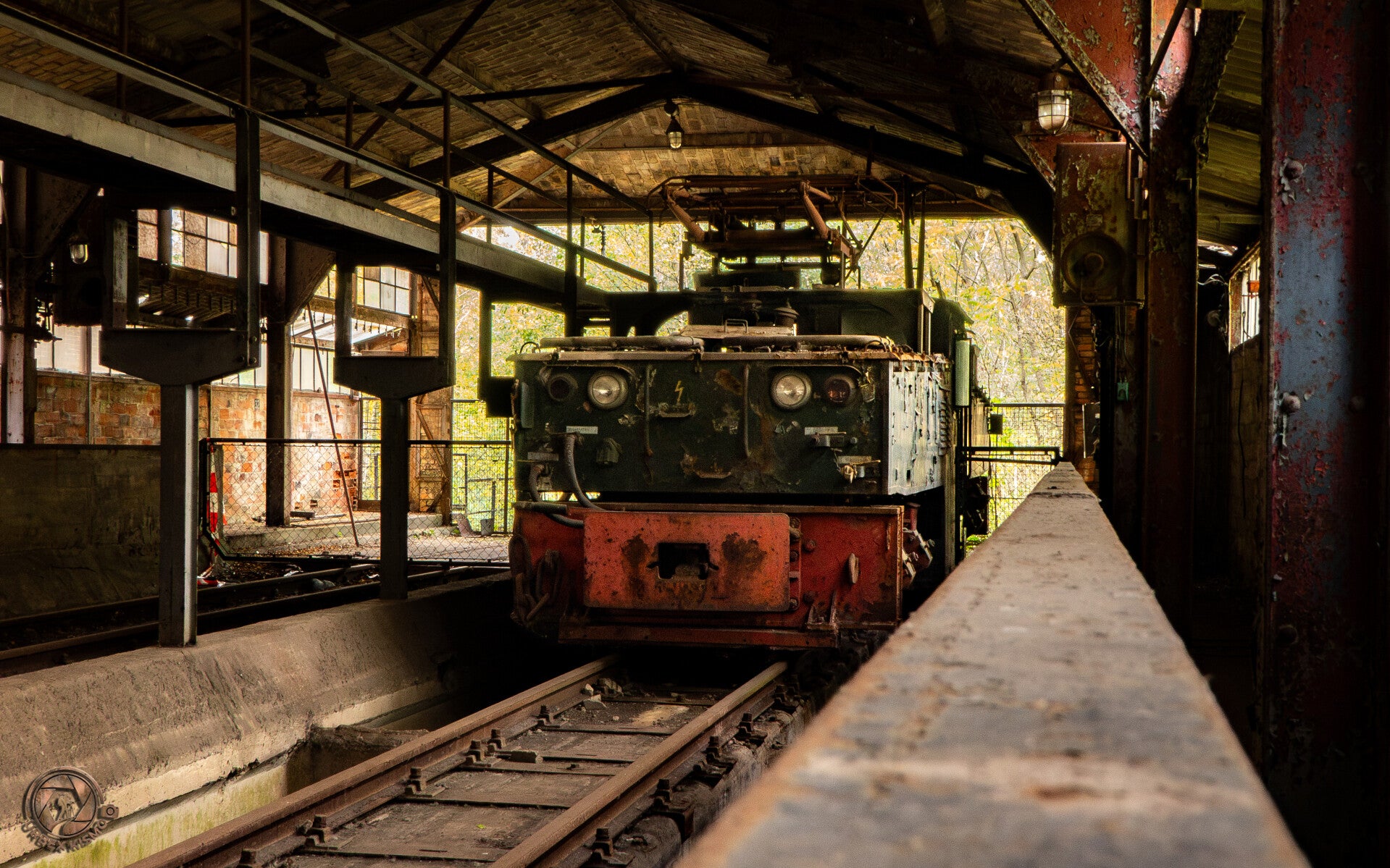
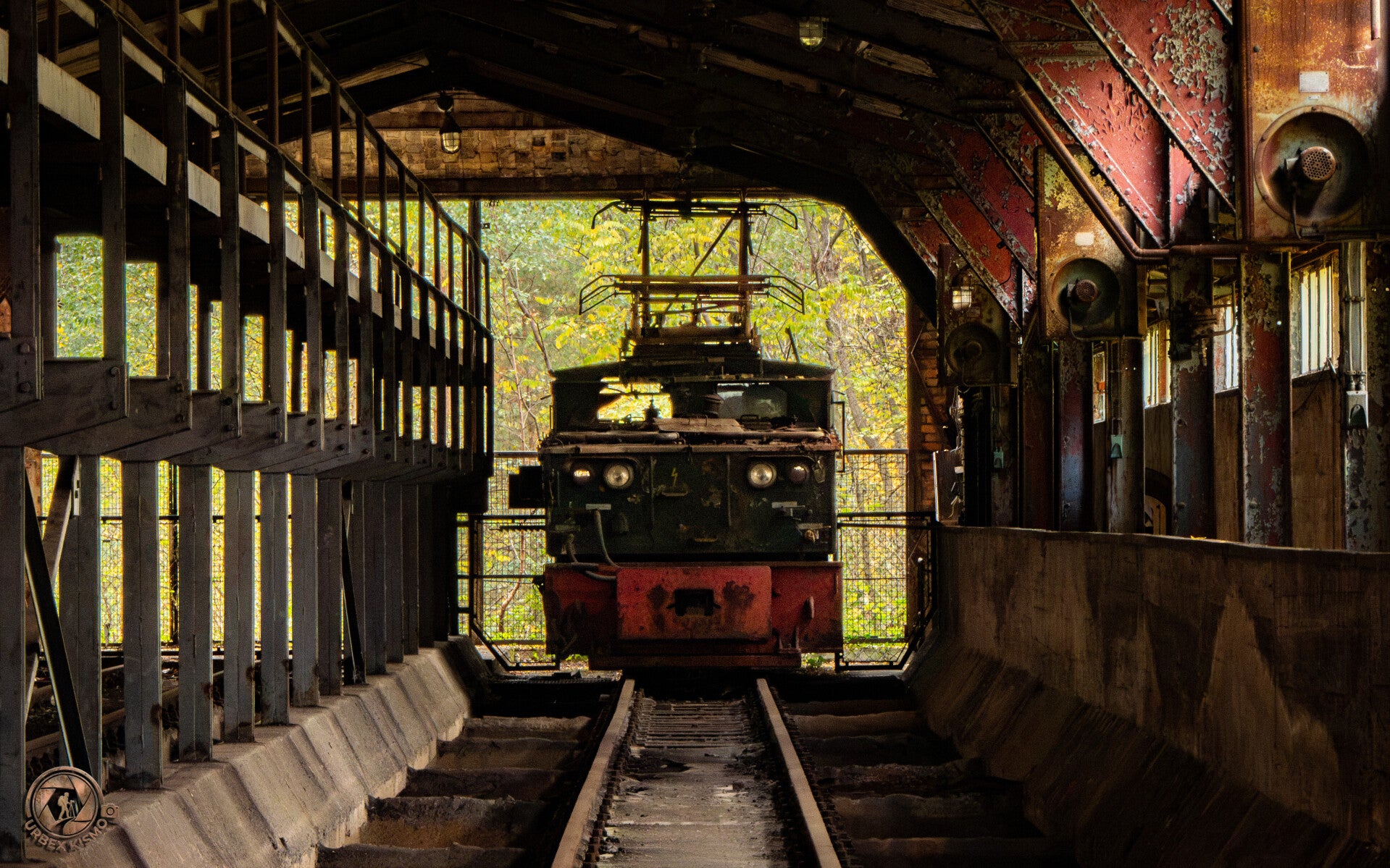
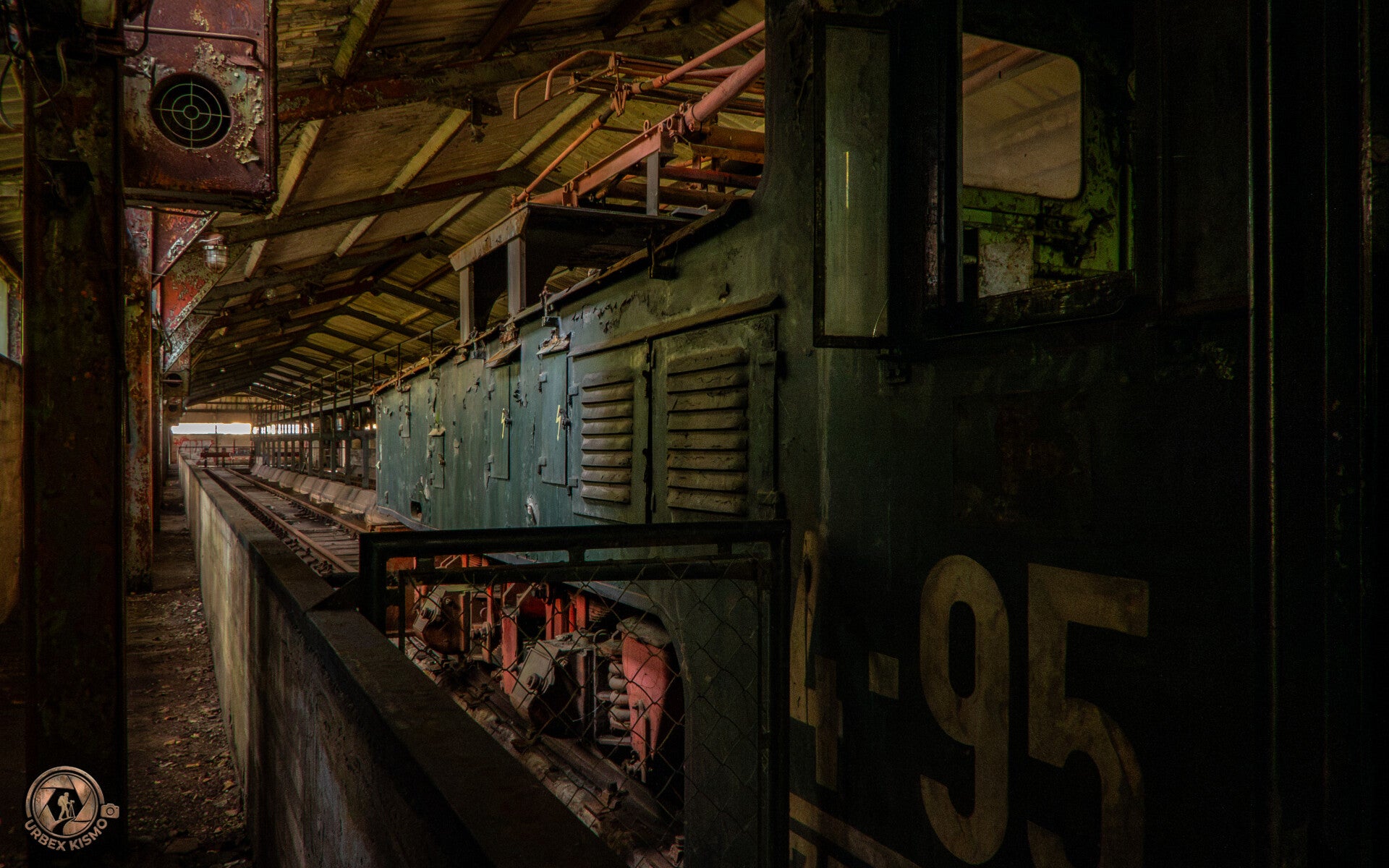
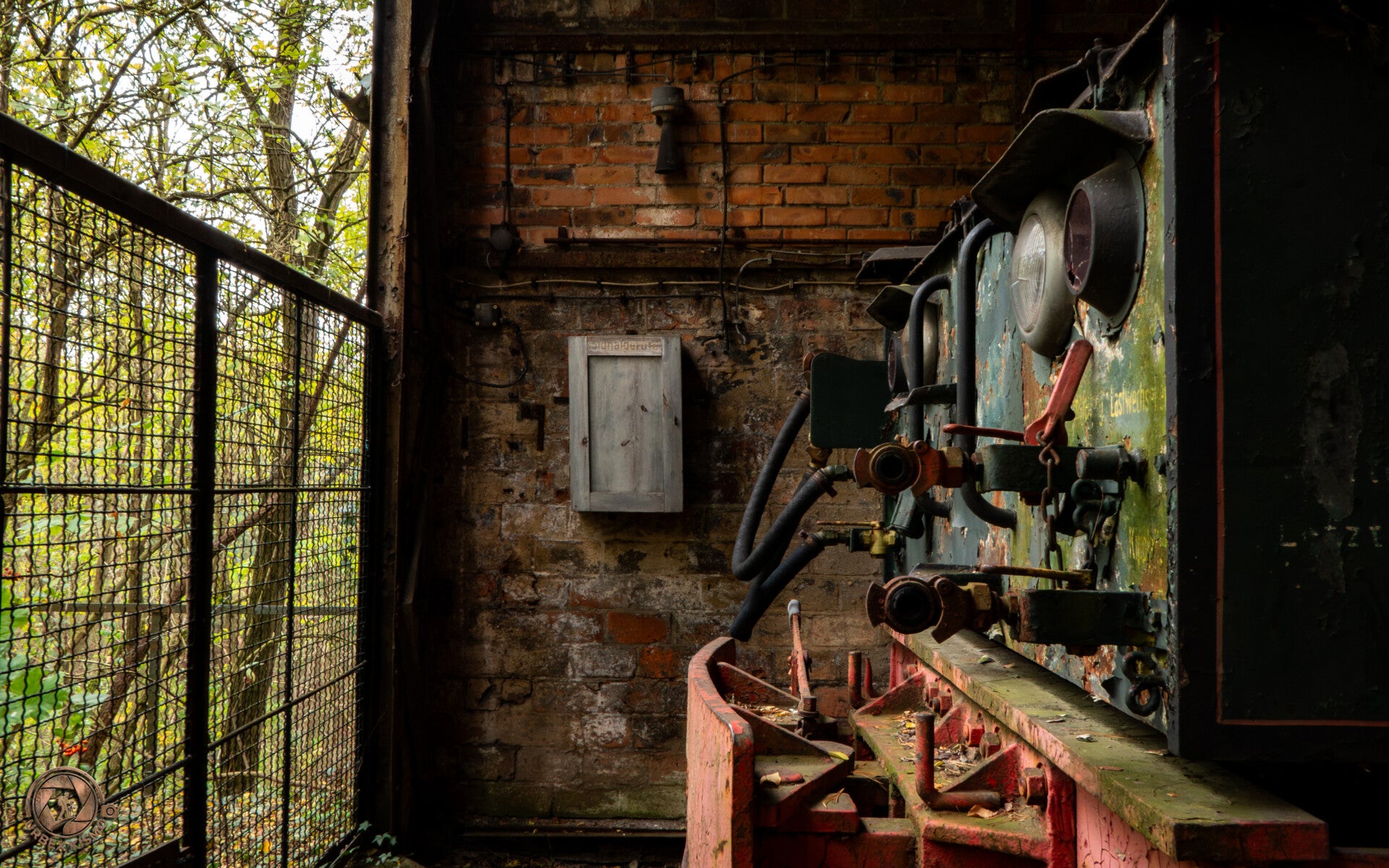
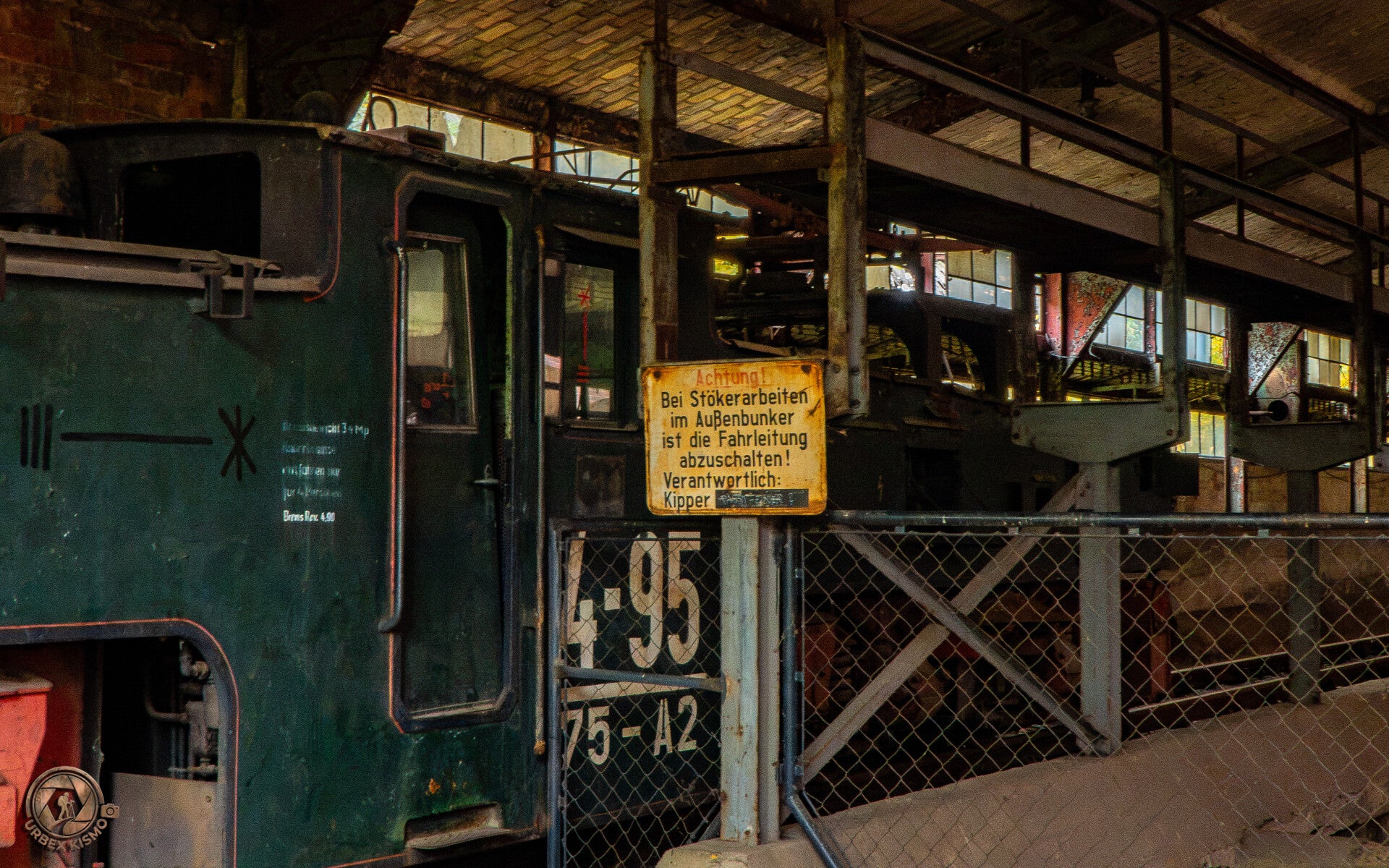
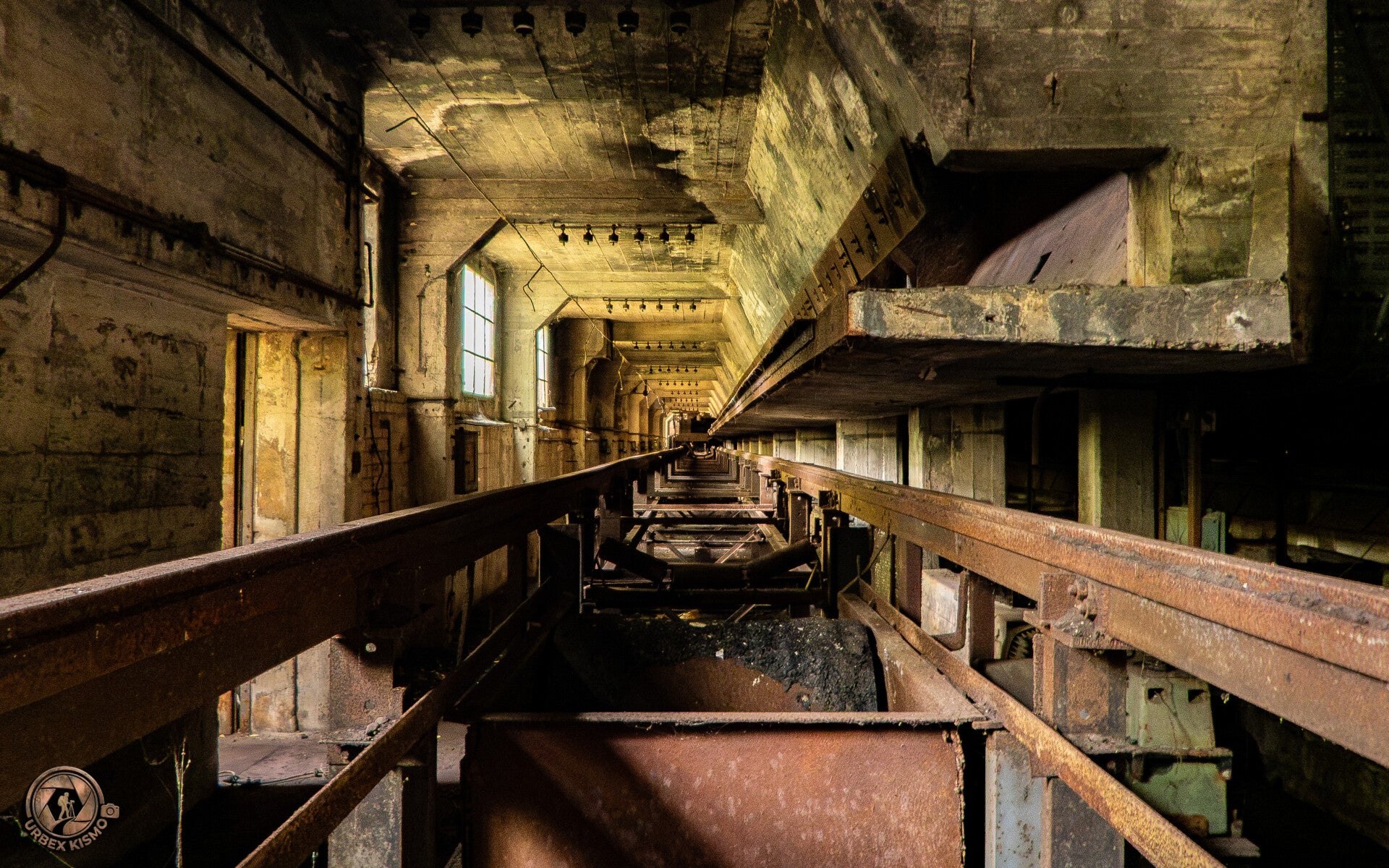
Railway remnants of the industrial past


Create Your Own Website With JouwWeb