

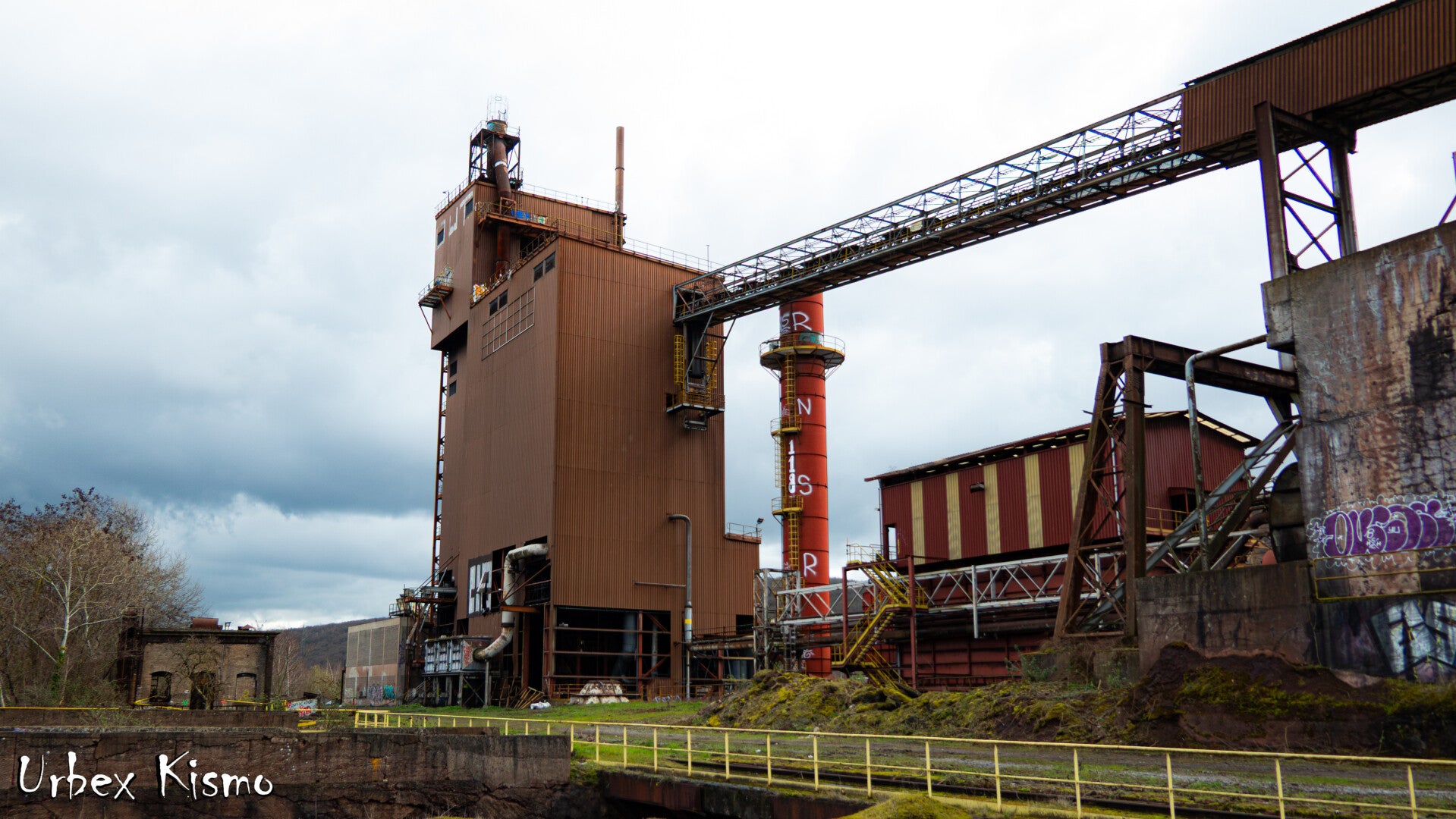
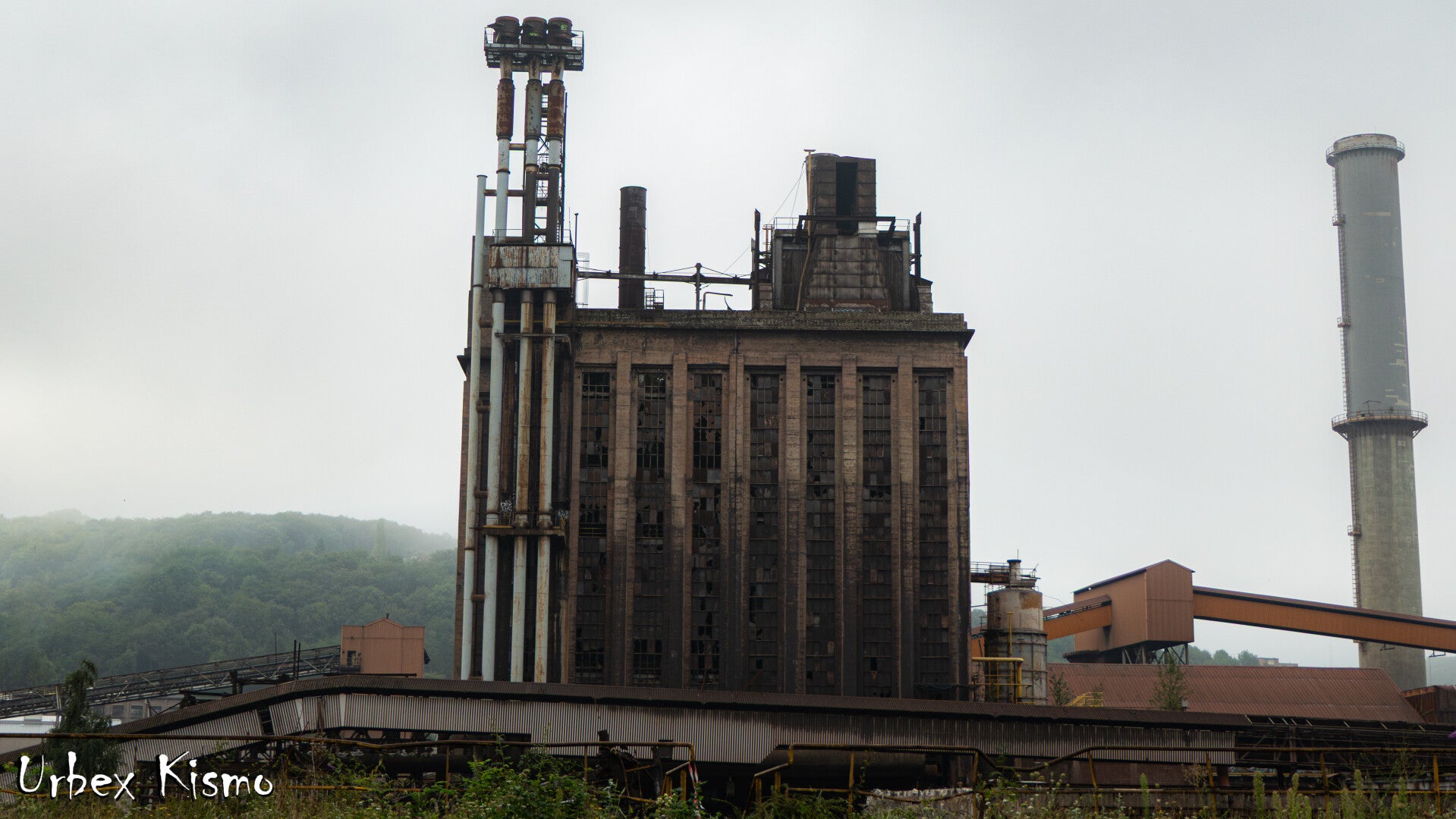
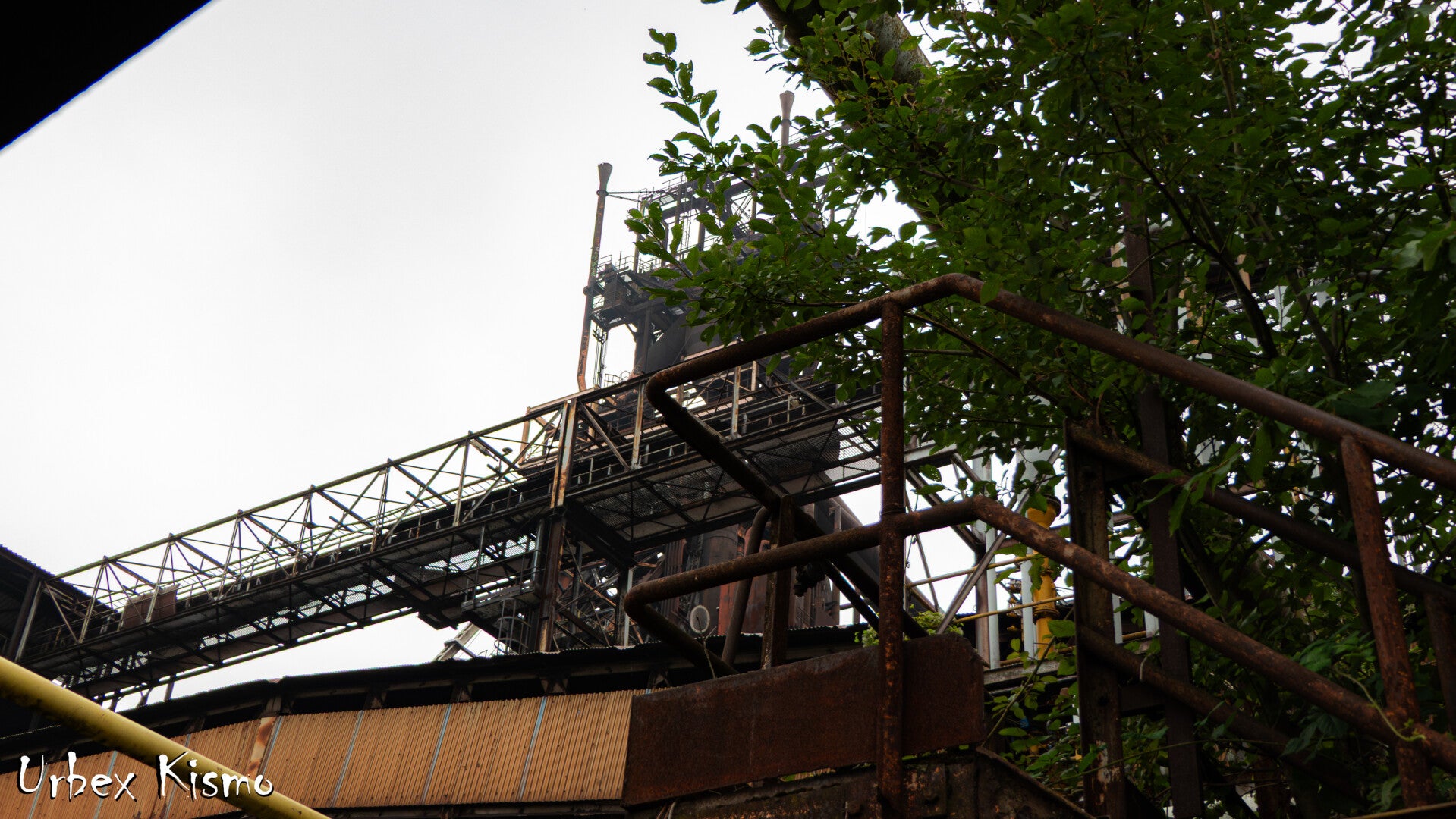
Lower Charging System
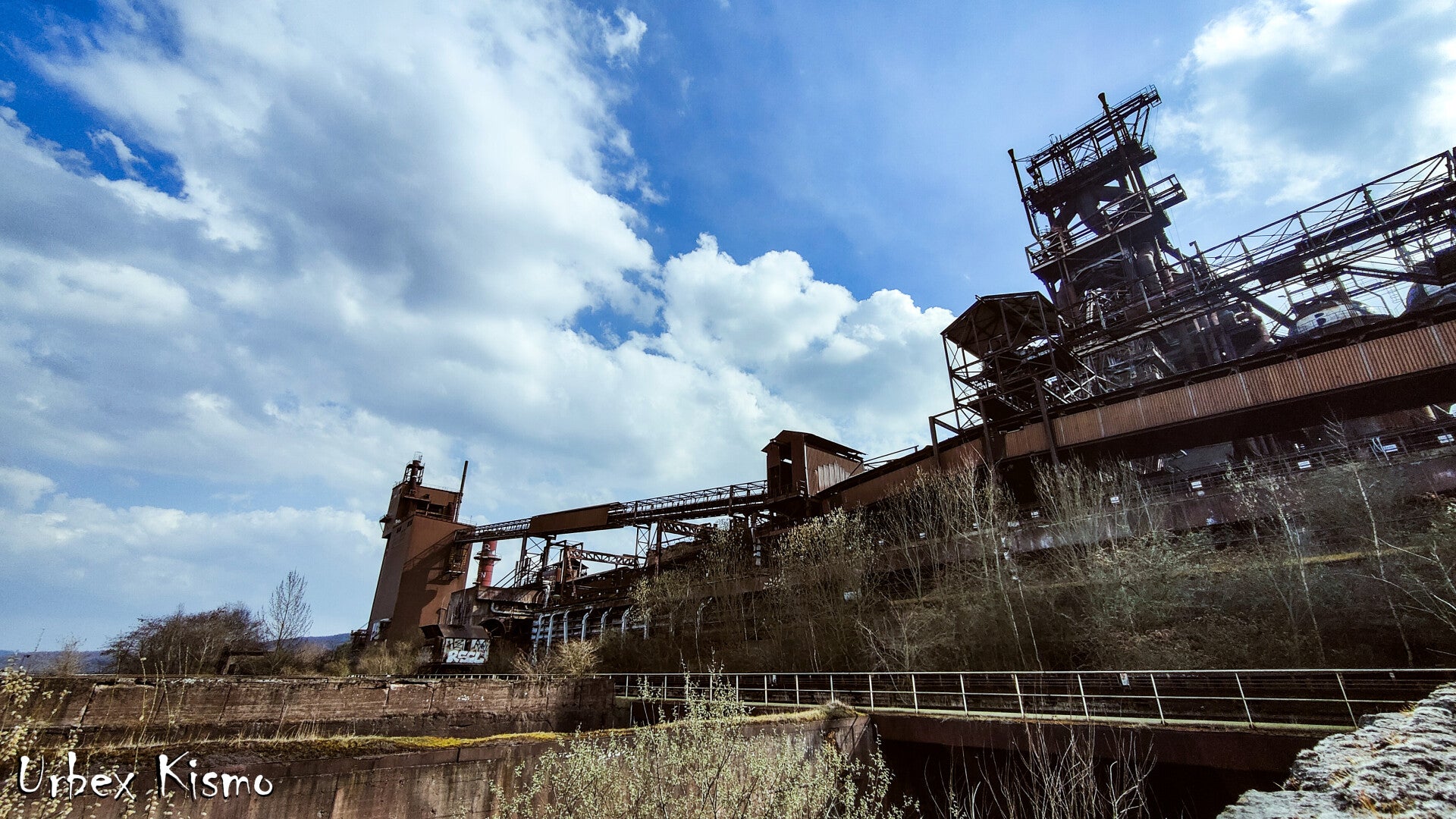
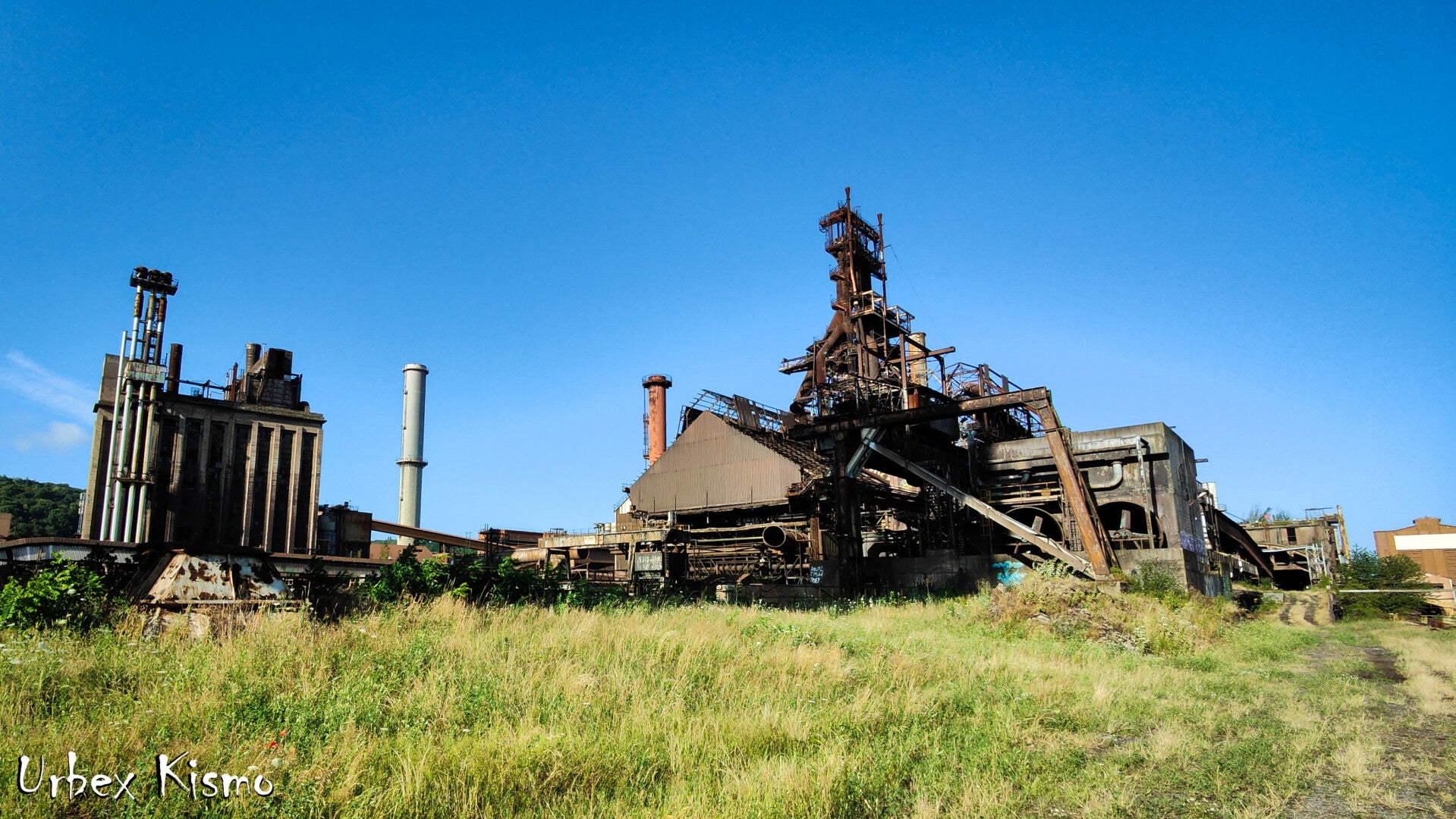
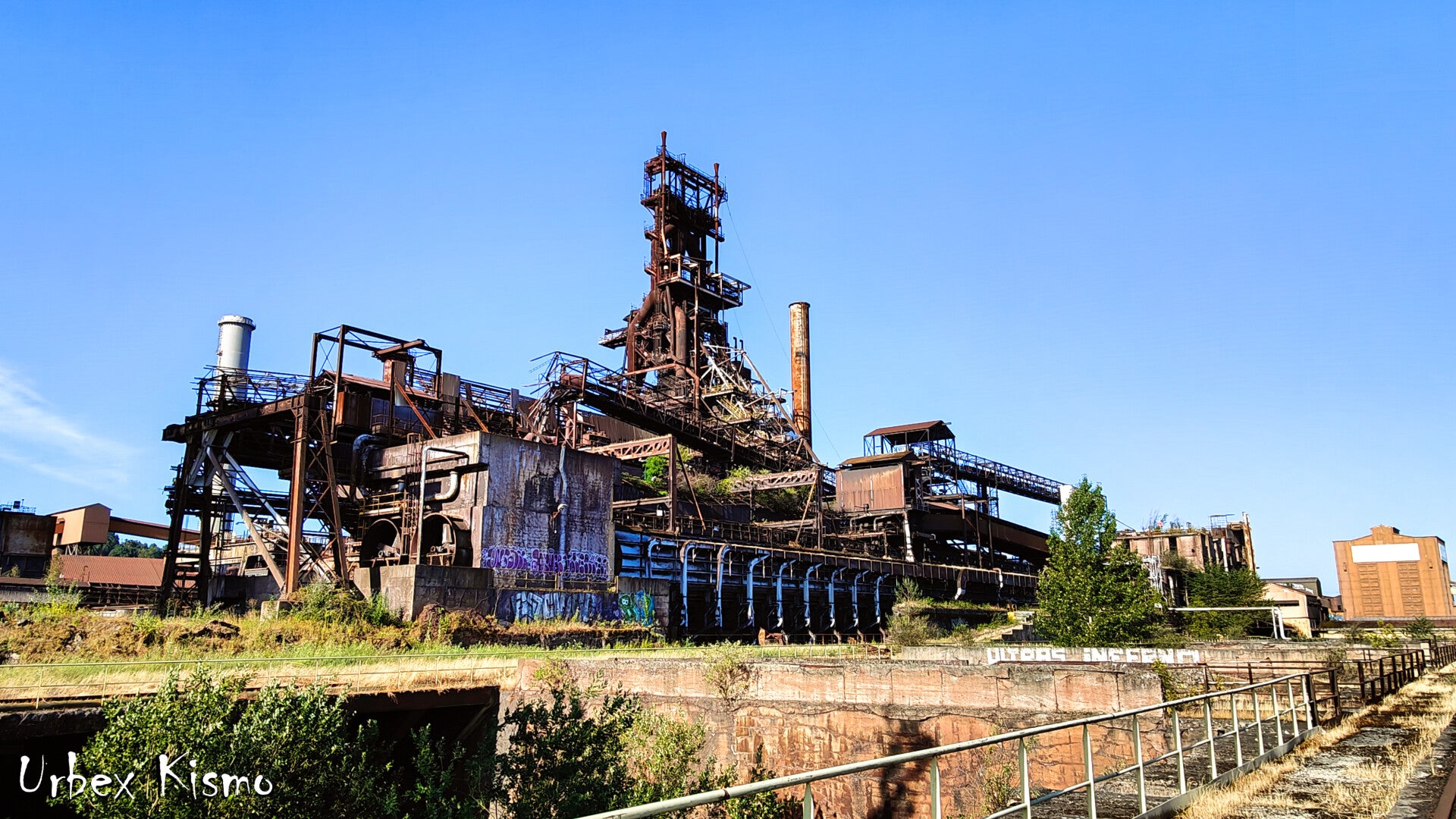
This lower section was part of the blast furnace charging system, responsible for receiving and preparing raw materials before they entered the furnace. Iron ore, coke, and limestone were transported through conveyors, hoppers, and feeders that carefully controlled the amount of material entering the system. The charging process had a direct impact on furnace efficiency, gas flow, and overall iron production.
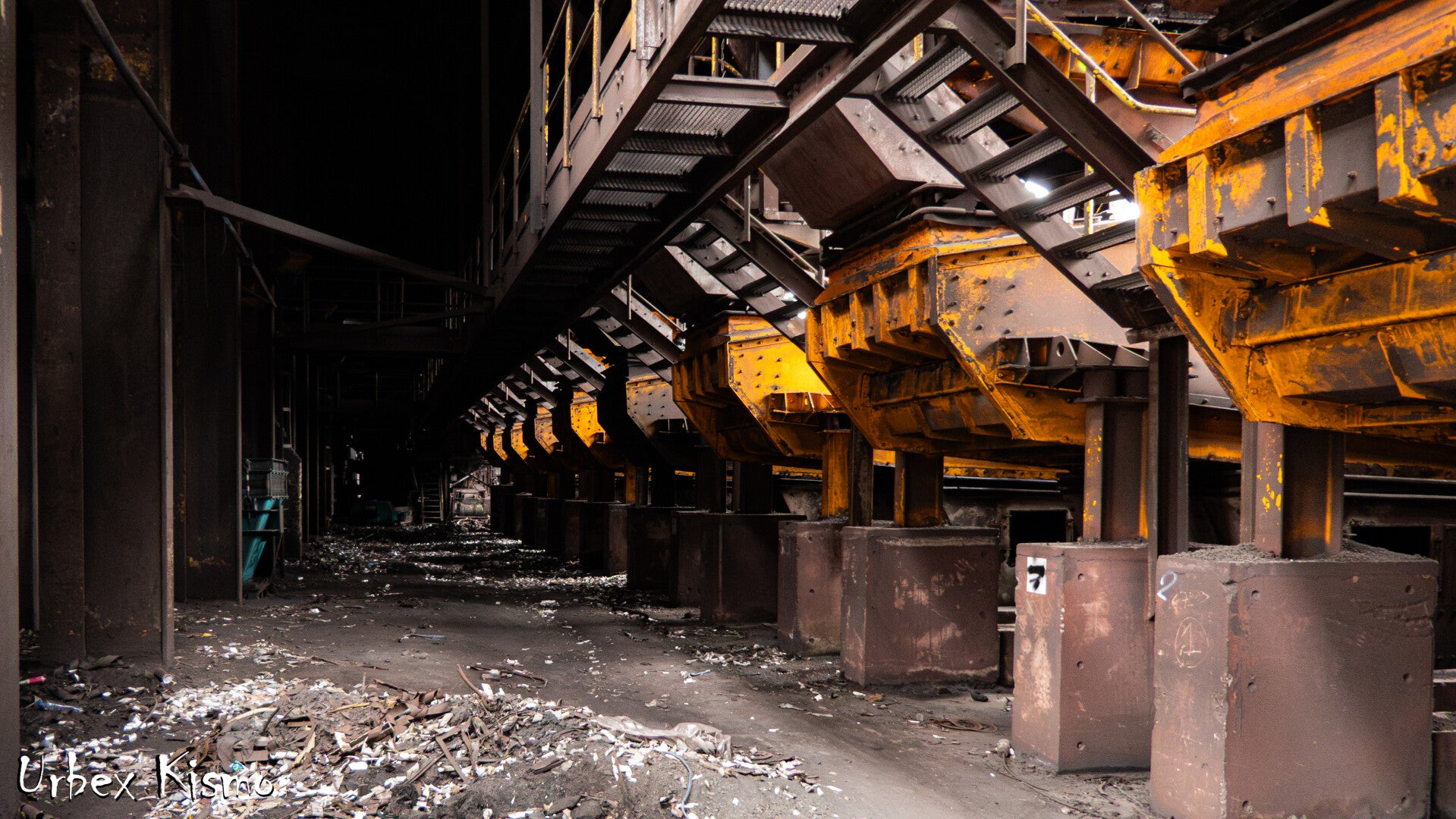
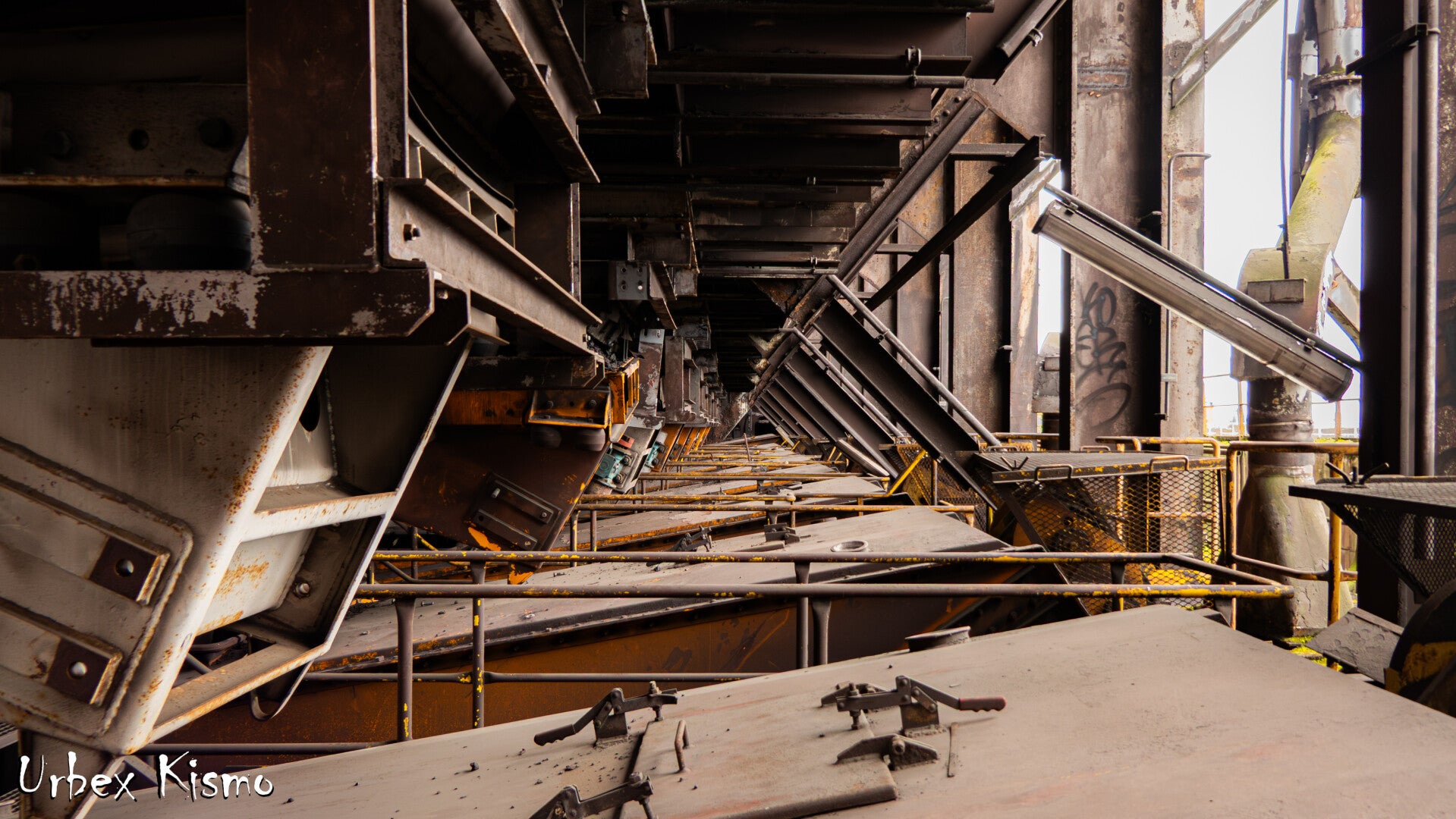
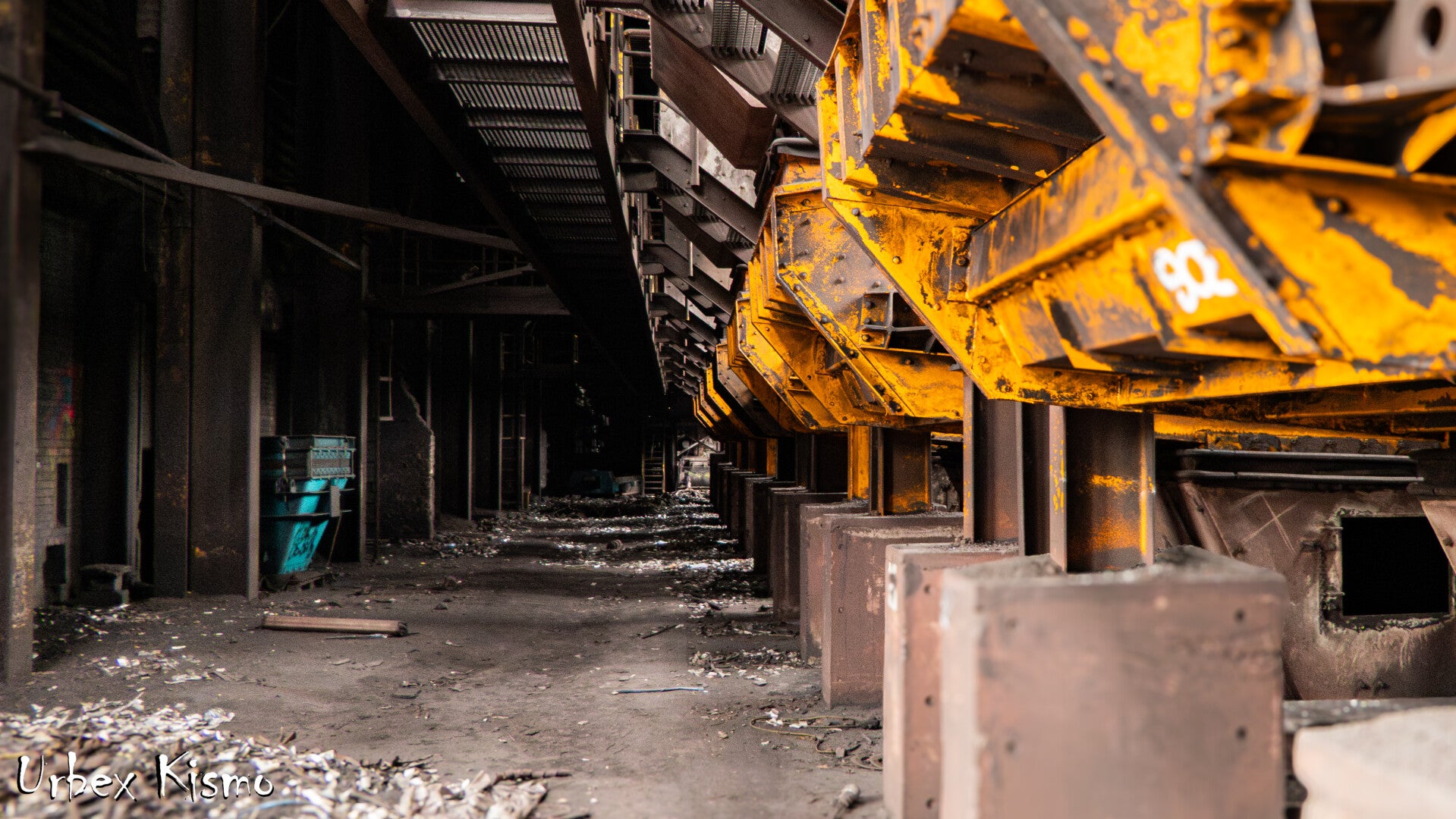
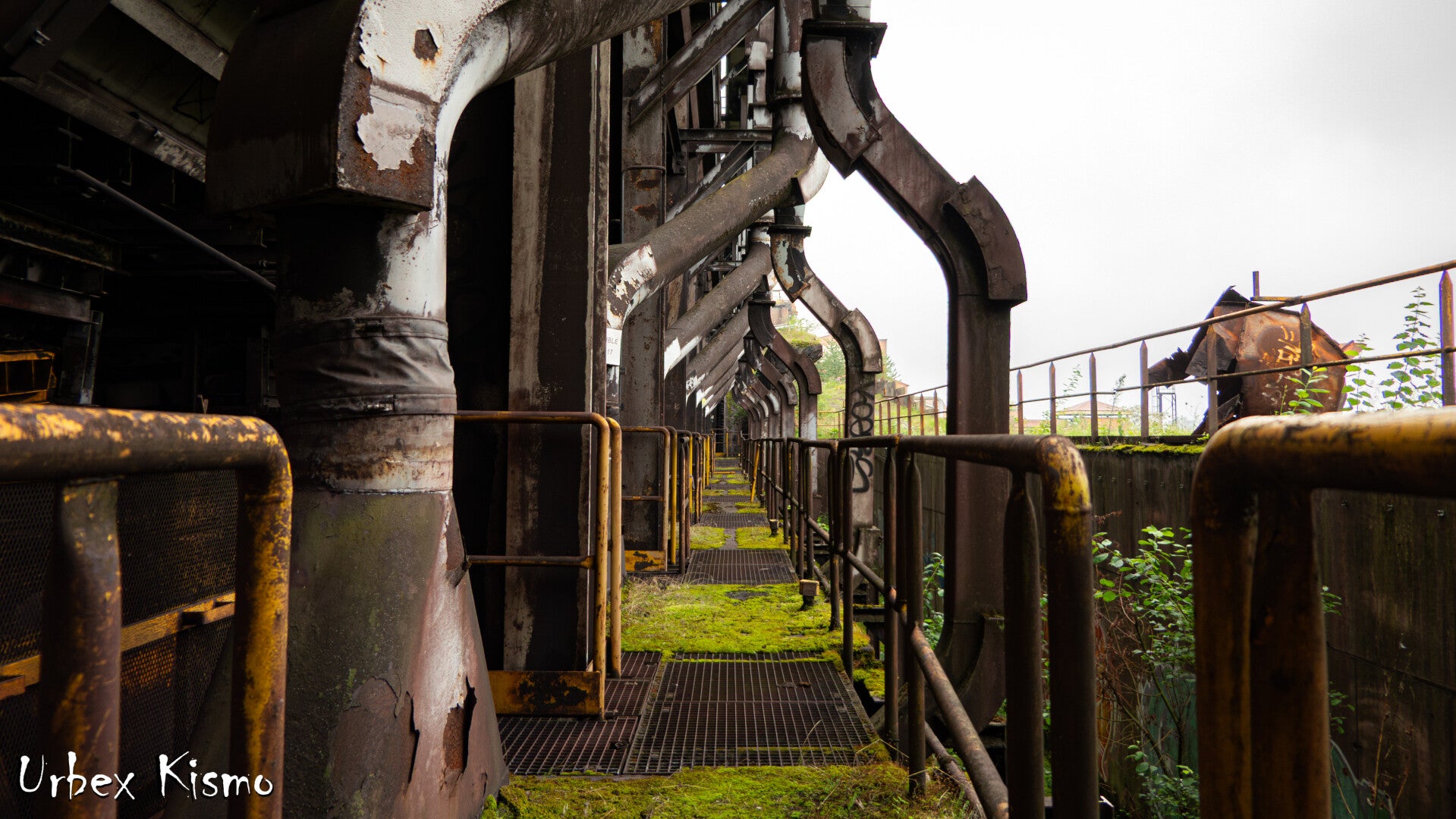
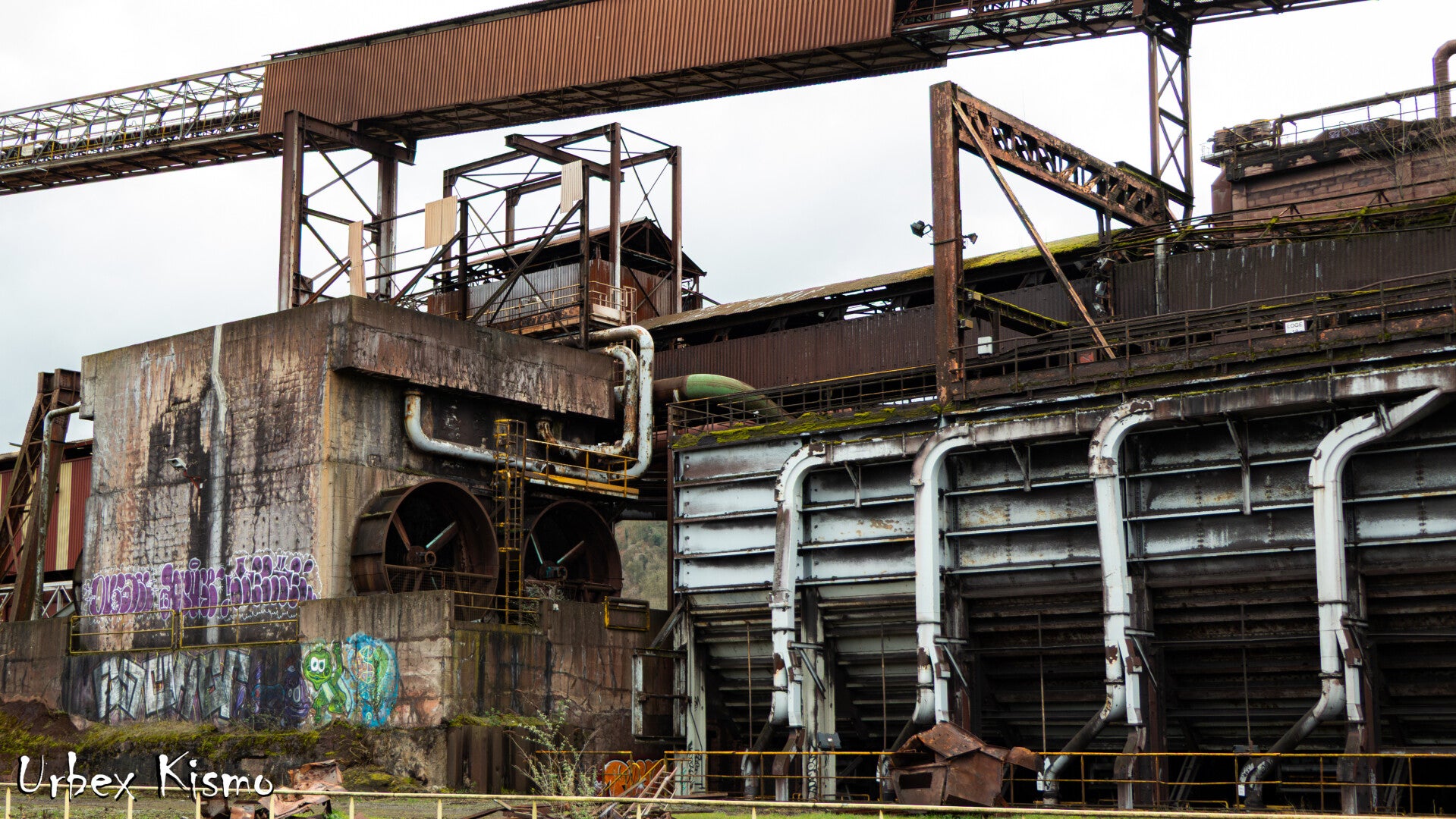
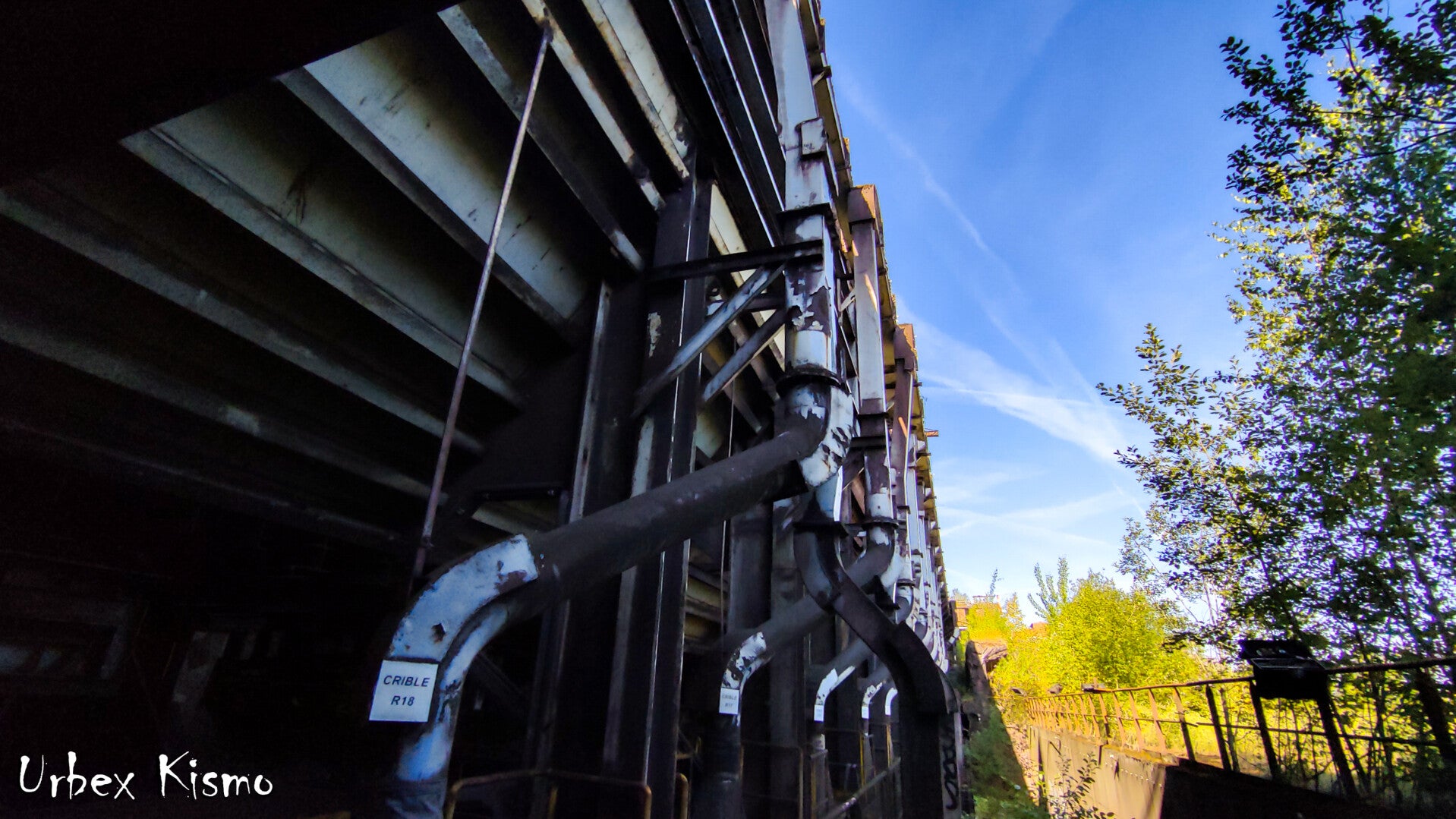
Where raw materials entered the process
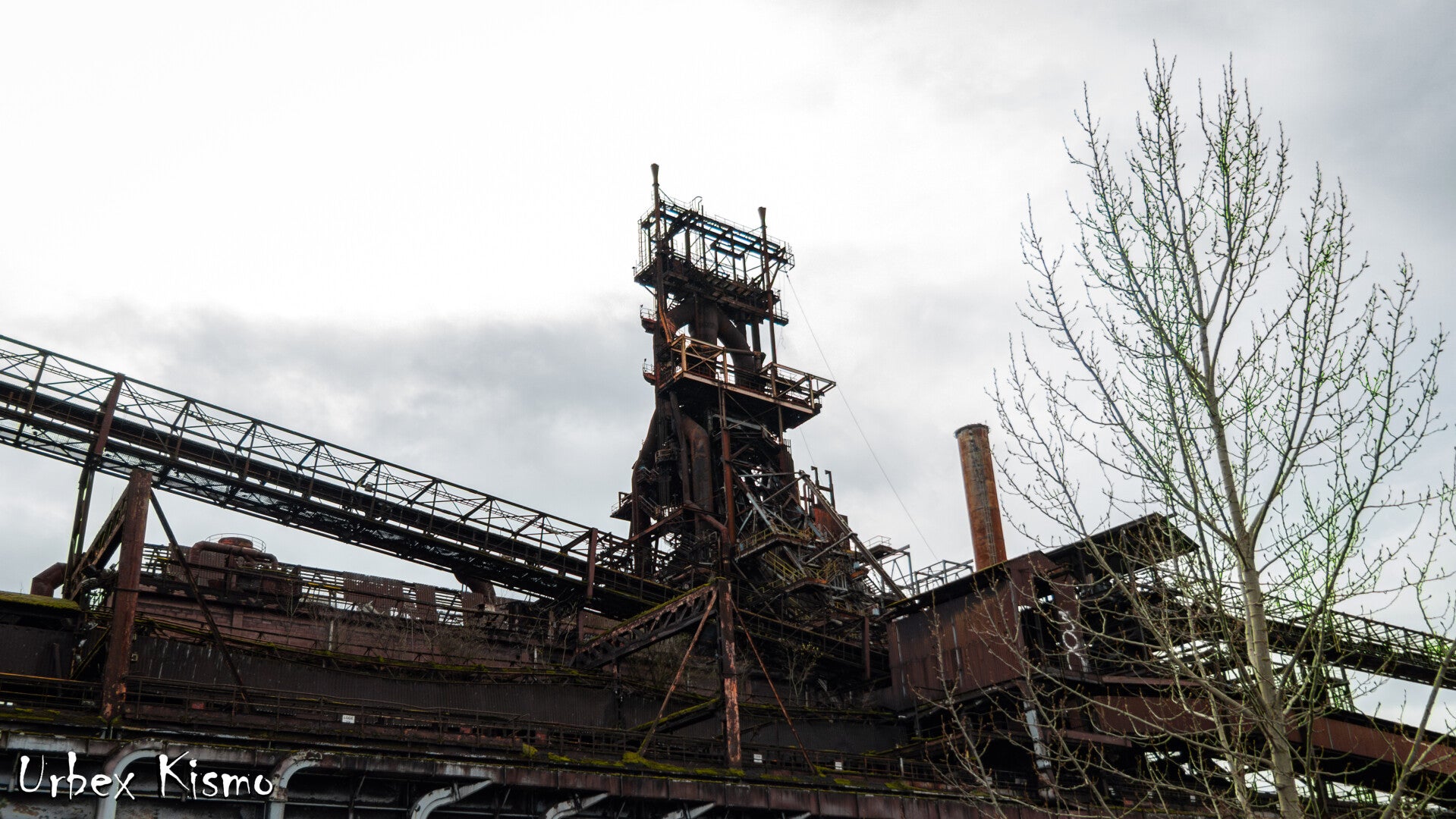
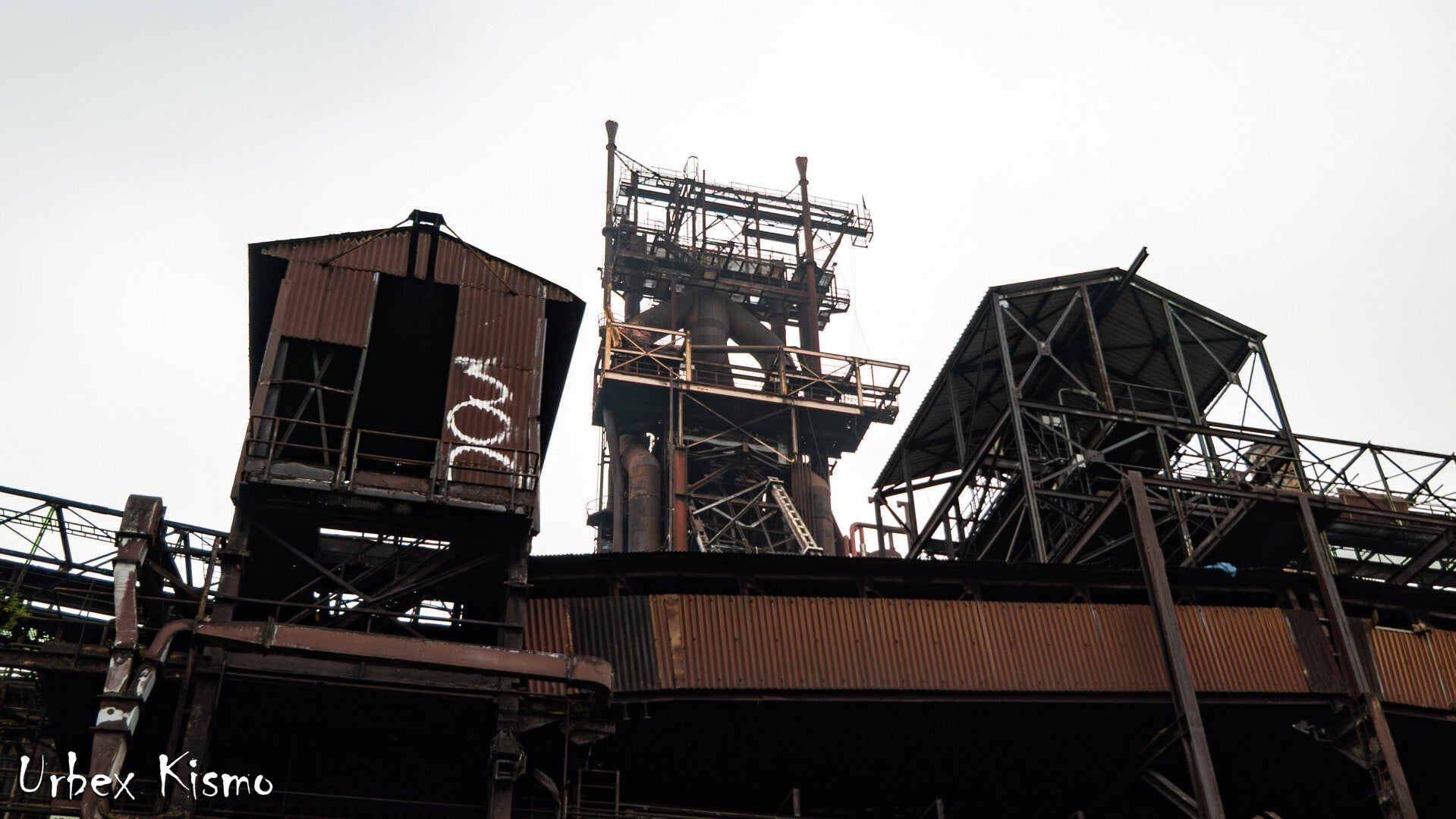
Upper Charging System
At the top of the charging system, materials were distributed into the blast furnace itself. Modern charging systems used controlled hoppers and rotating chutes to spread coke and ore evenly across the furnace top. This ensured stable gas movement and balanced chemical reactions inside the furnace. The upper structure also helped prevent valuable furnace gas from escaping during operation.
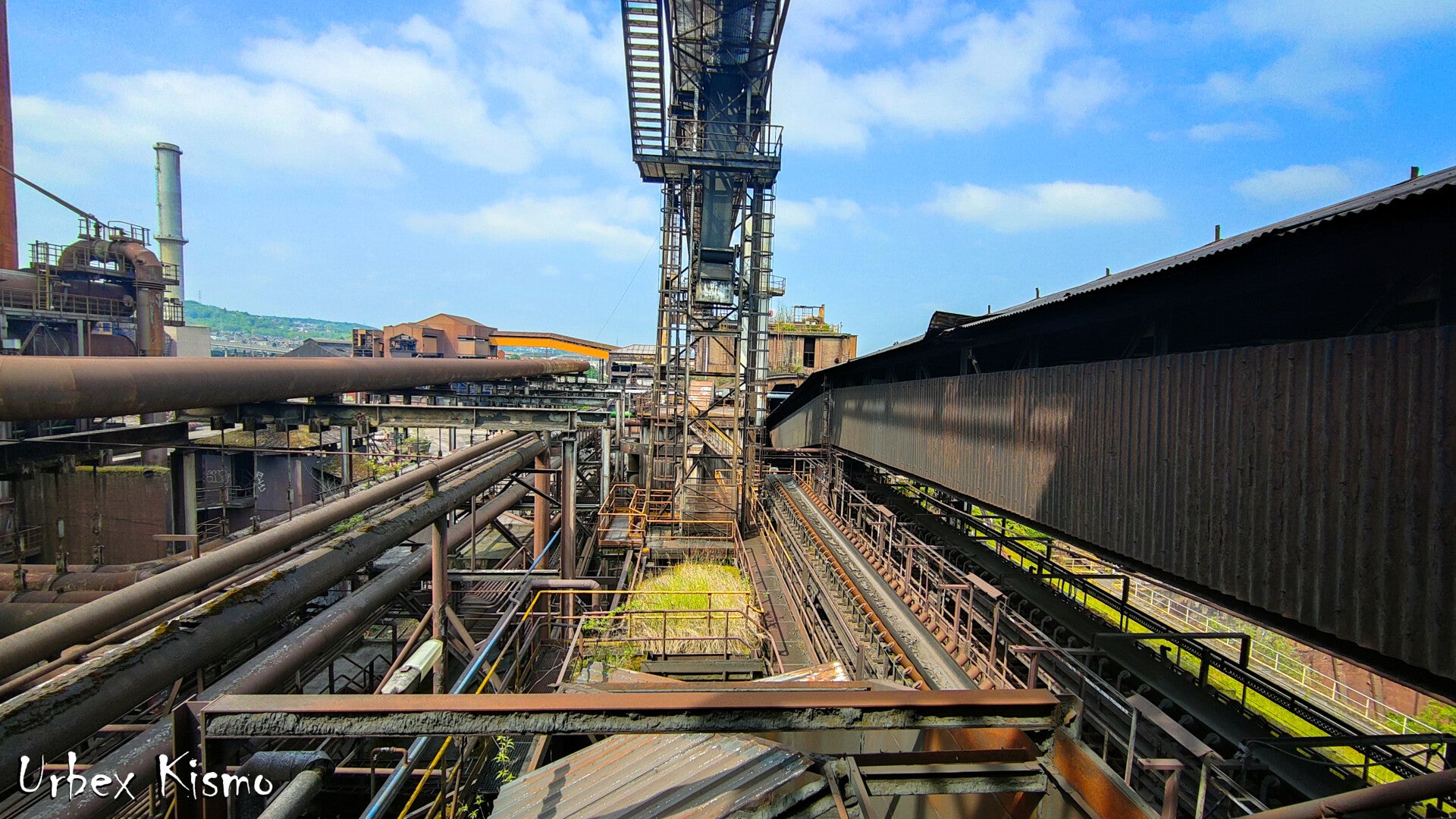
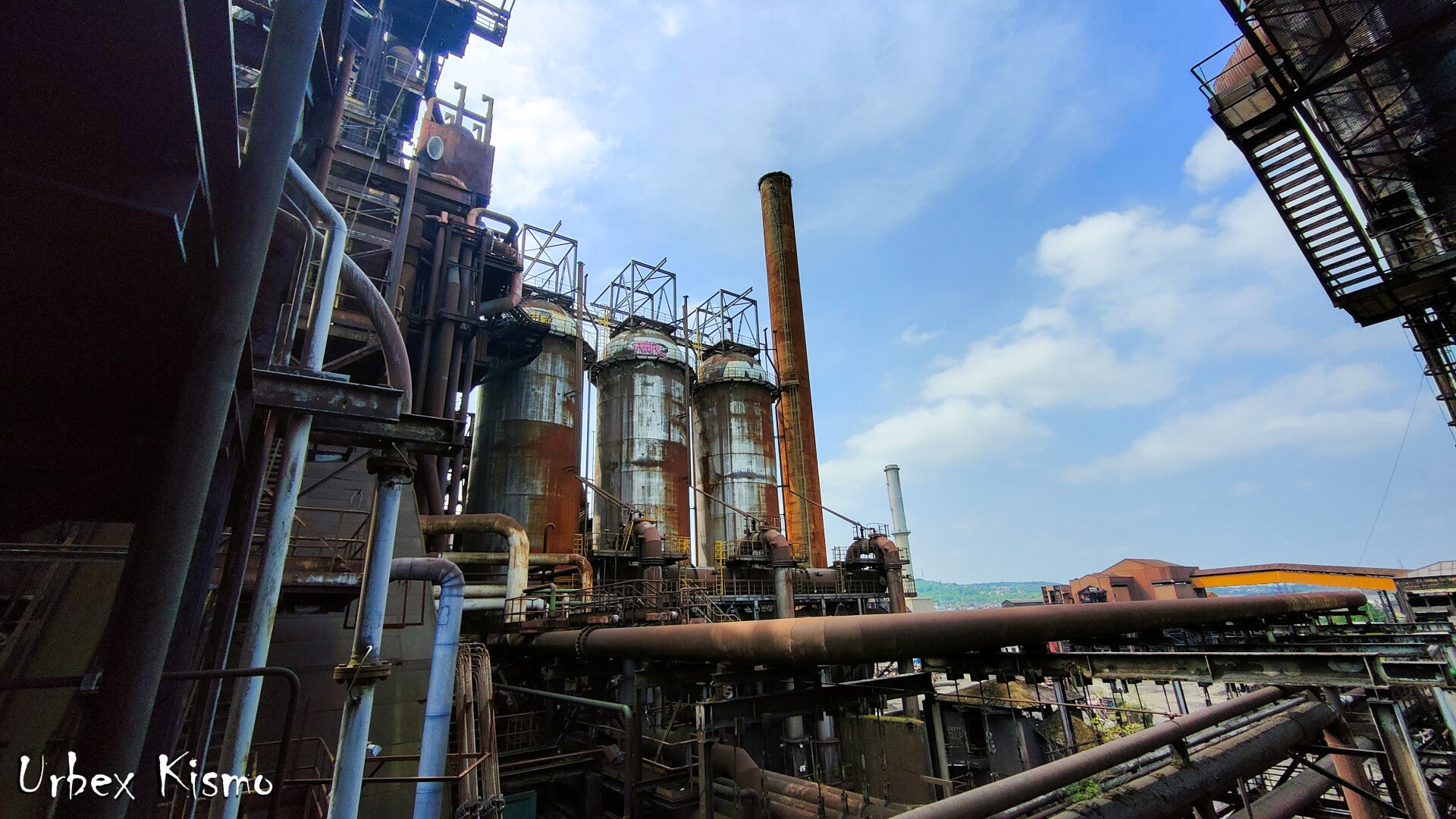
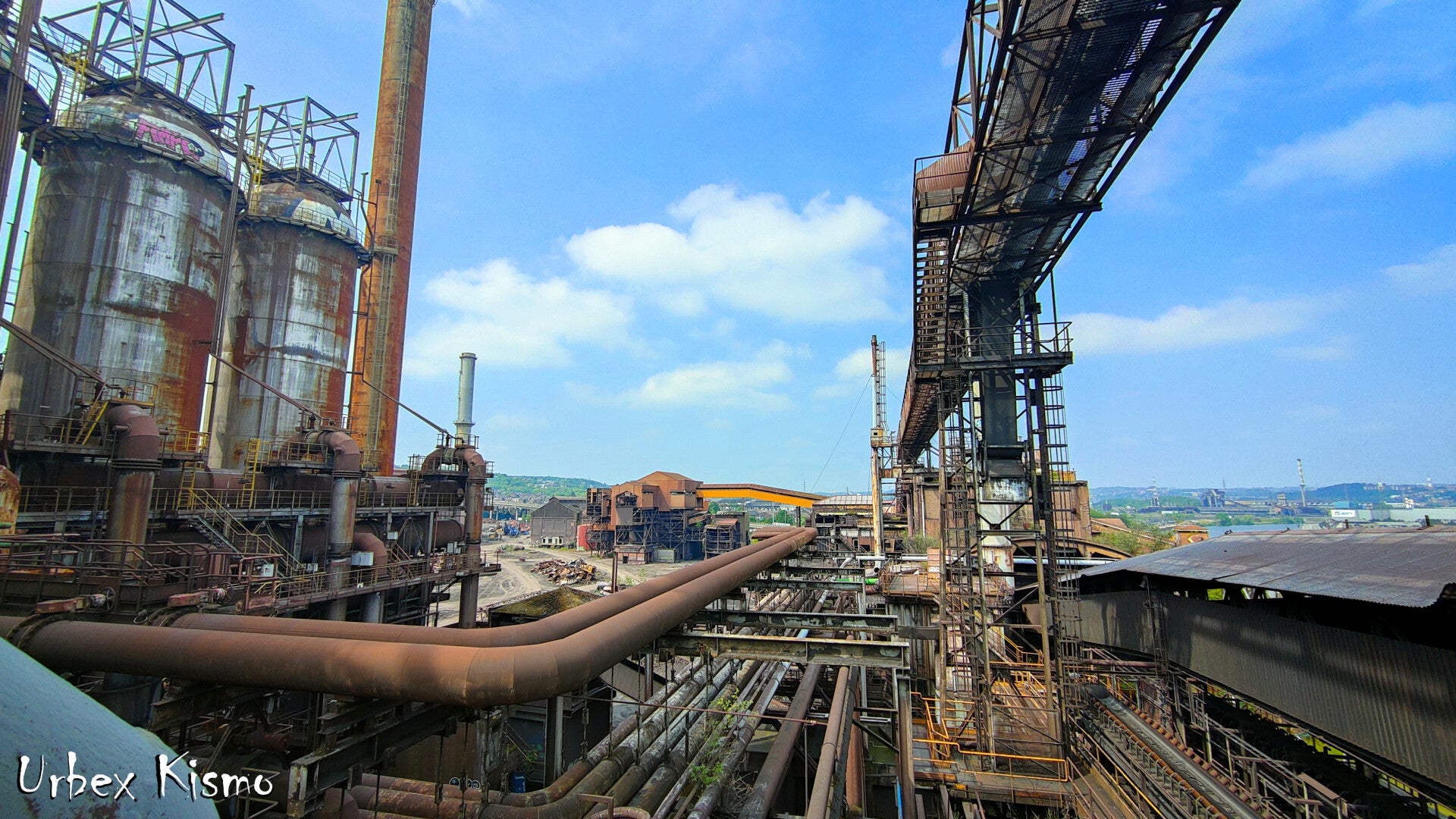
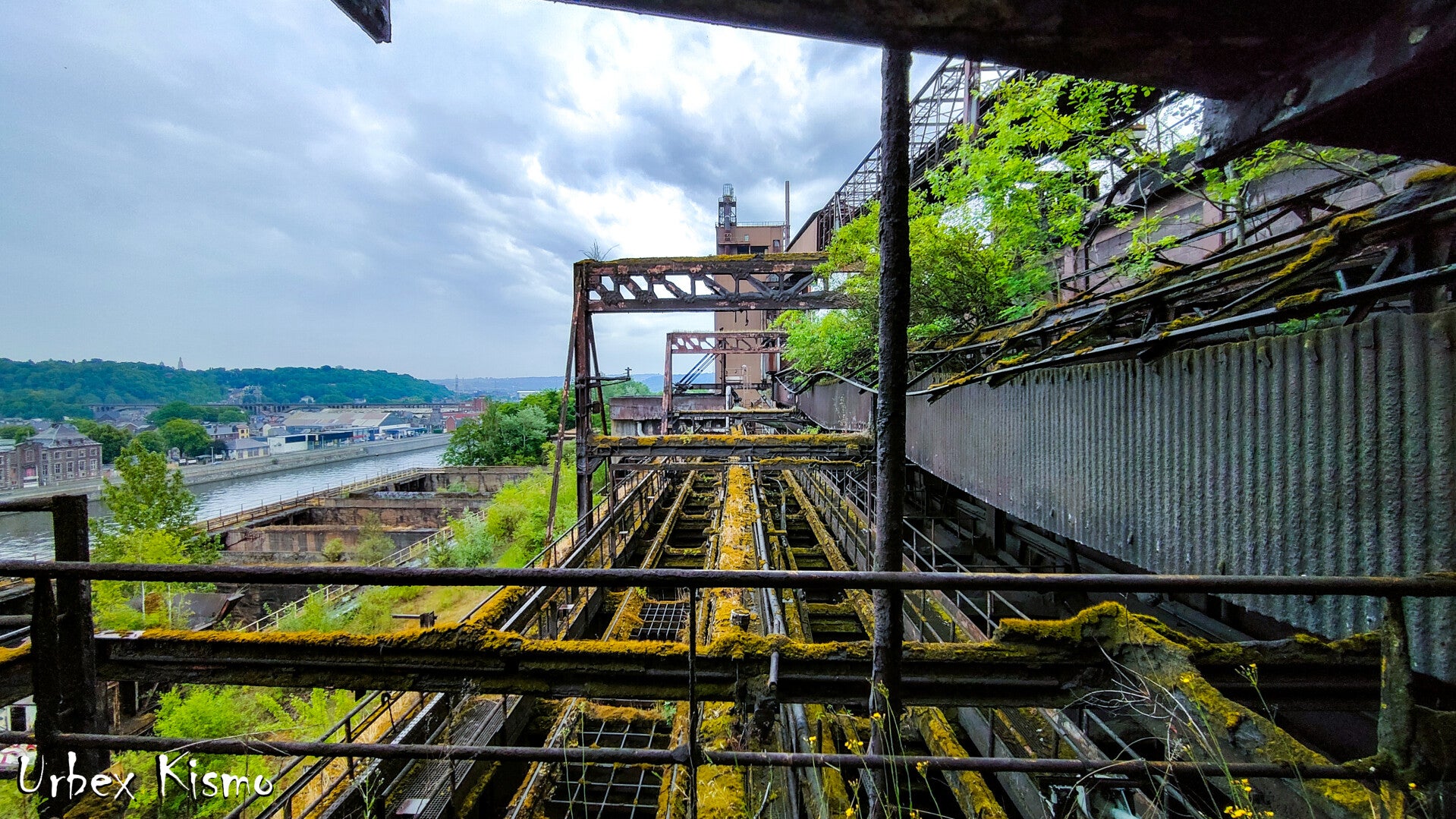
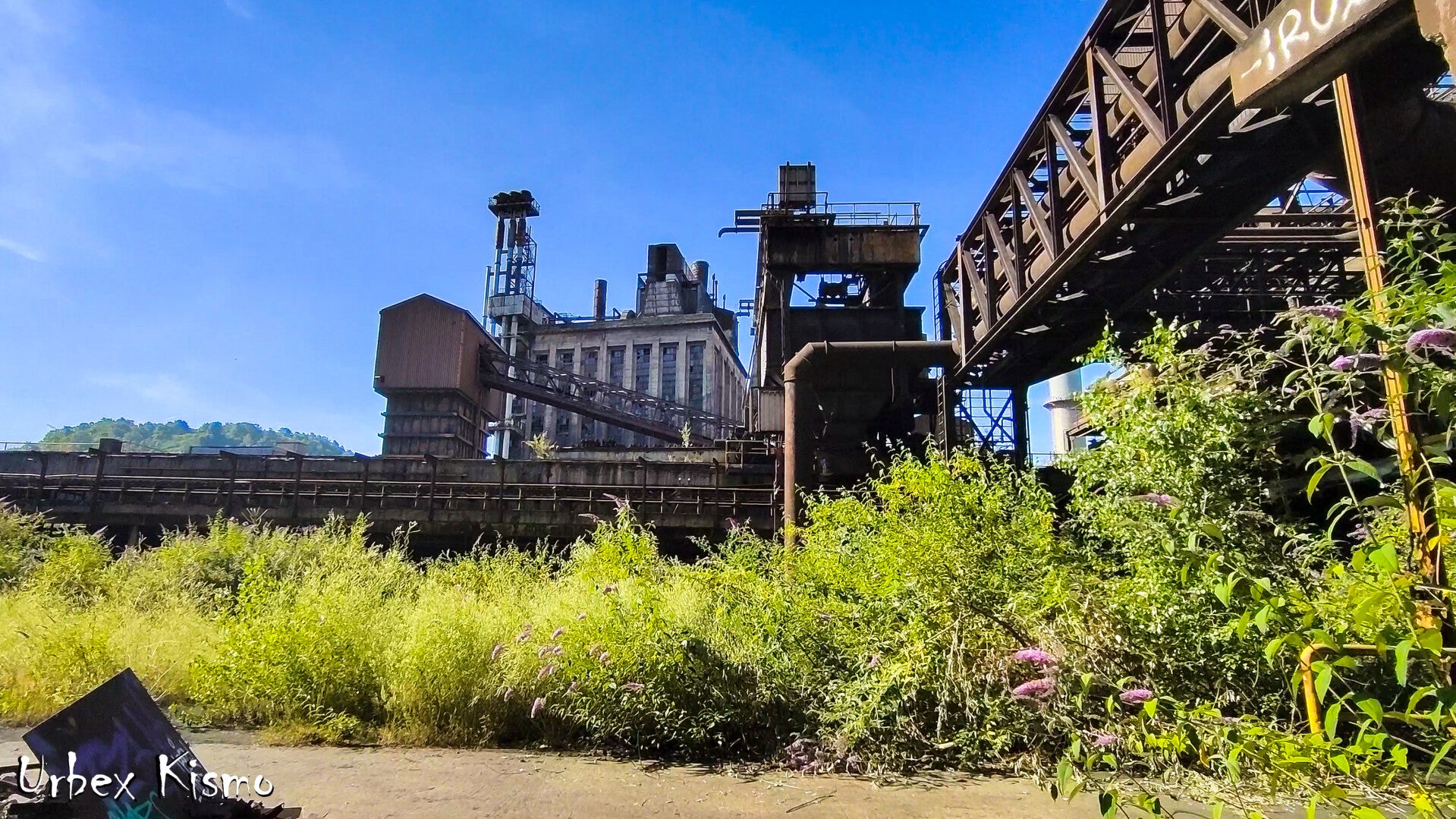
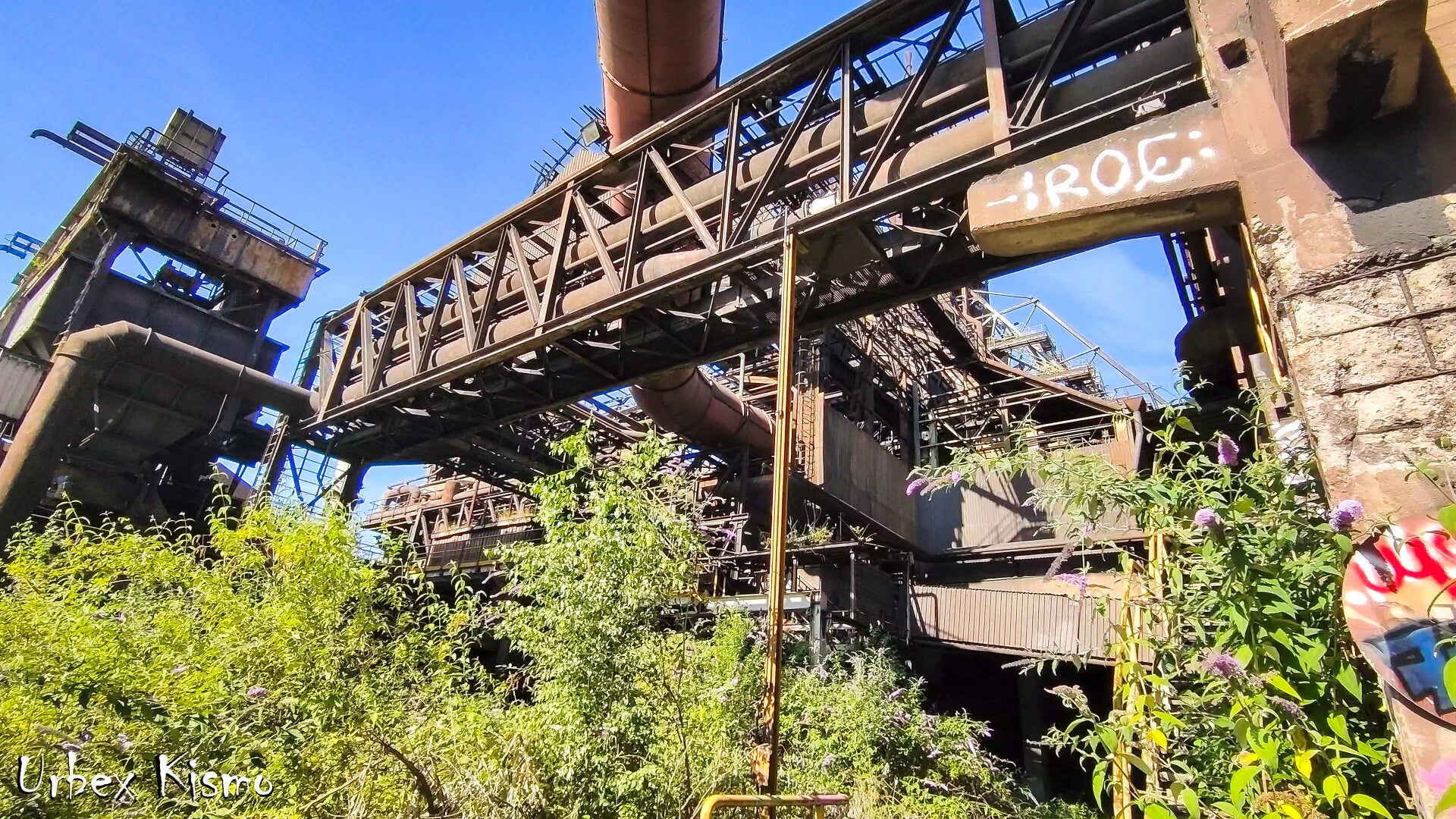
Supplying the blast furnace from above!
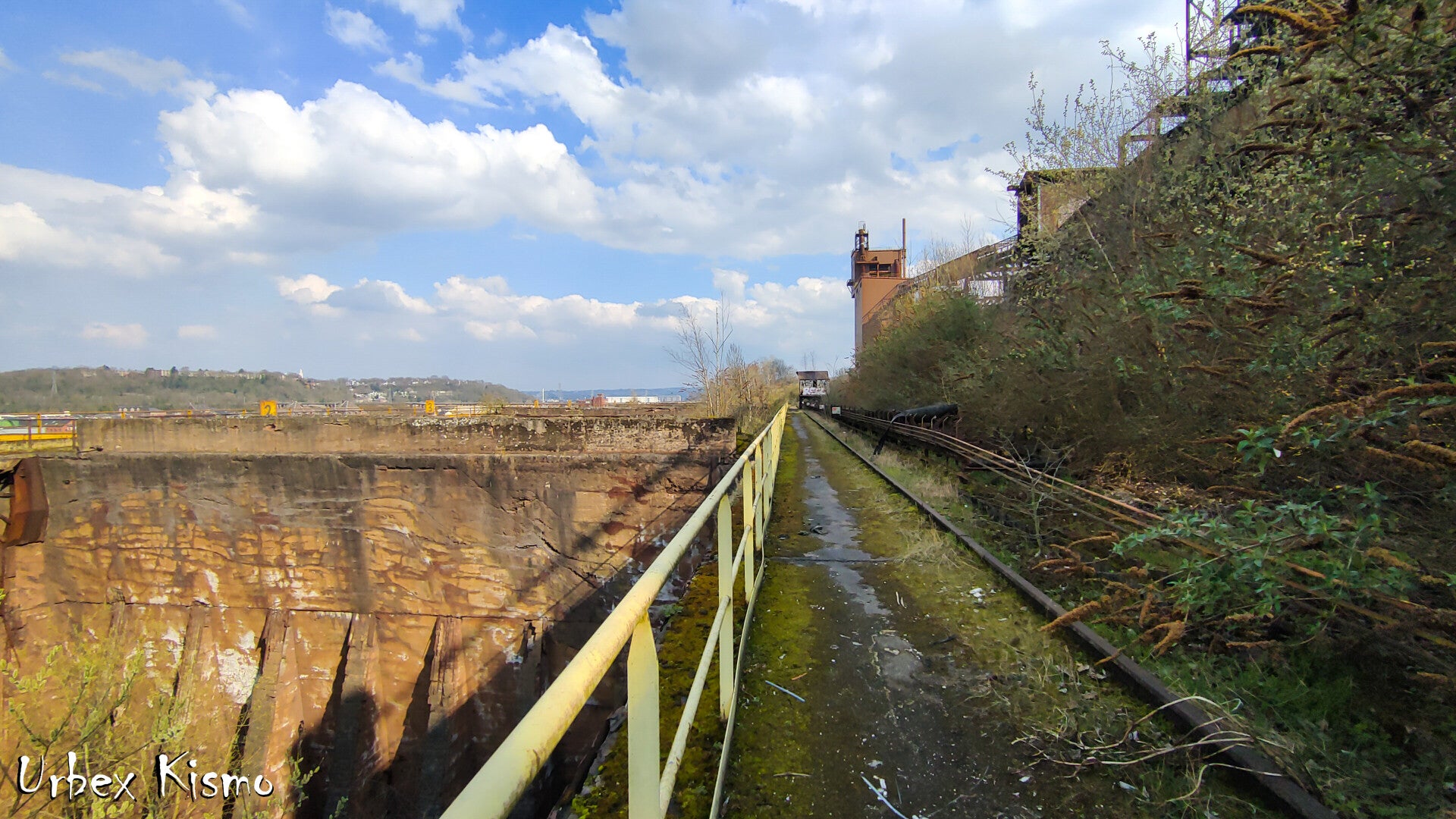
Concrete Storage Bunkers
These enormous concrete bunkers were originally used to store raw materials arriving from the Meuse river. Using cranes, materials such as ore and coke could be unloaded directly from barges into the storage bins before being transferred toward the blast furnace systems. By the later years of the site, this method had largely fallen out of use, replaced by newer transport and handling systems, leaving these massive structures abandoned as remnants of an older industrial era.
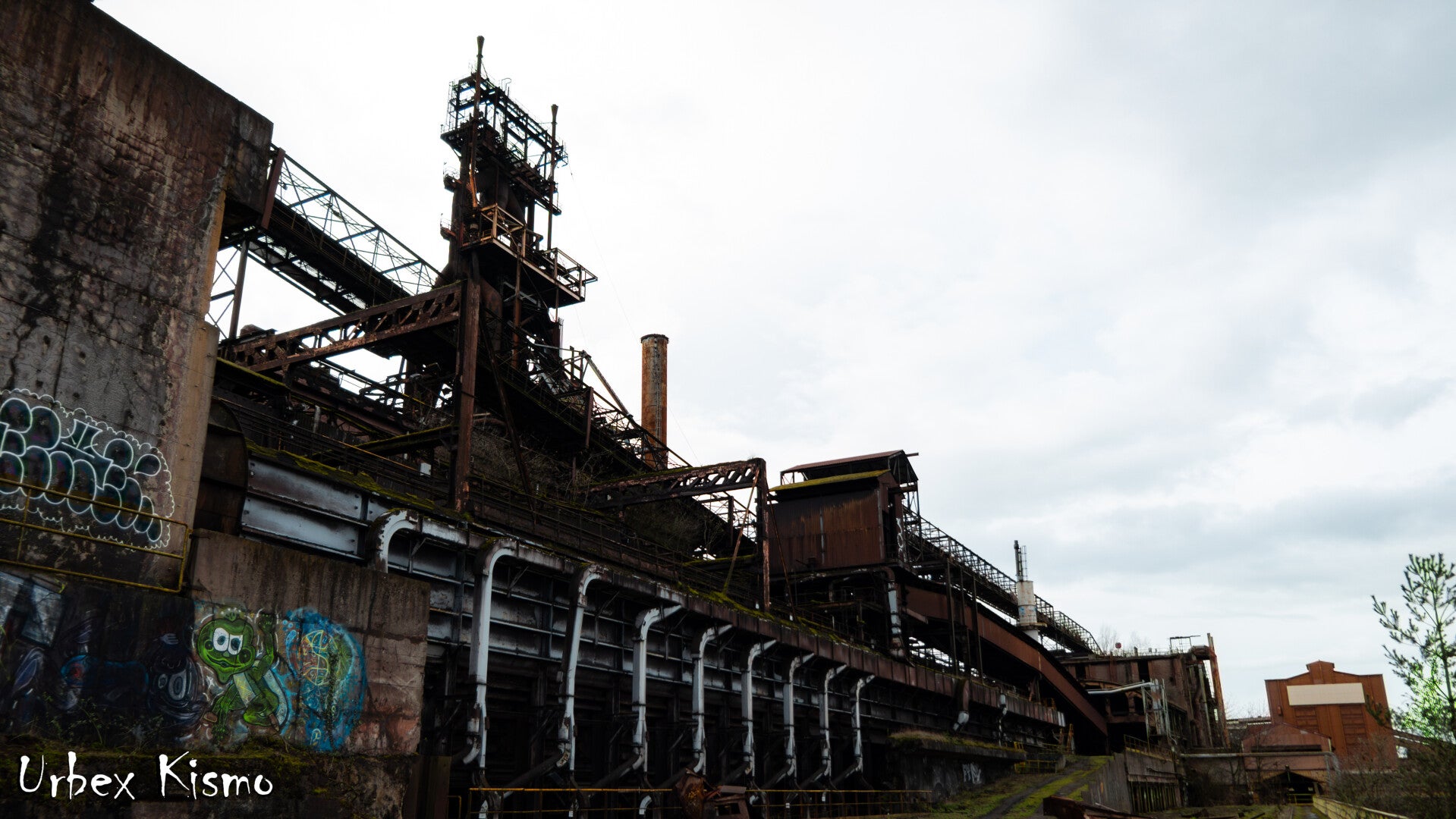
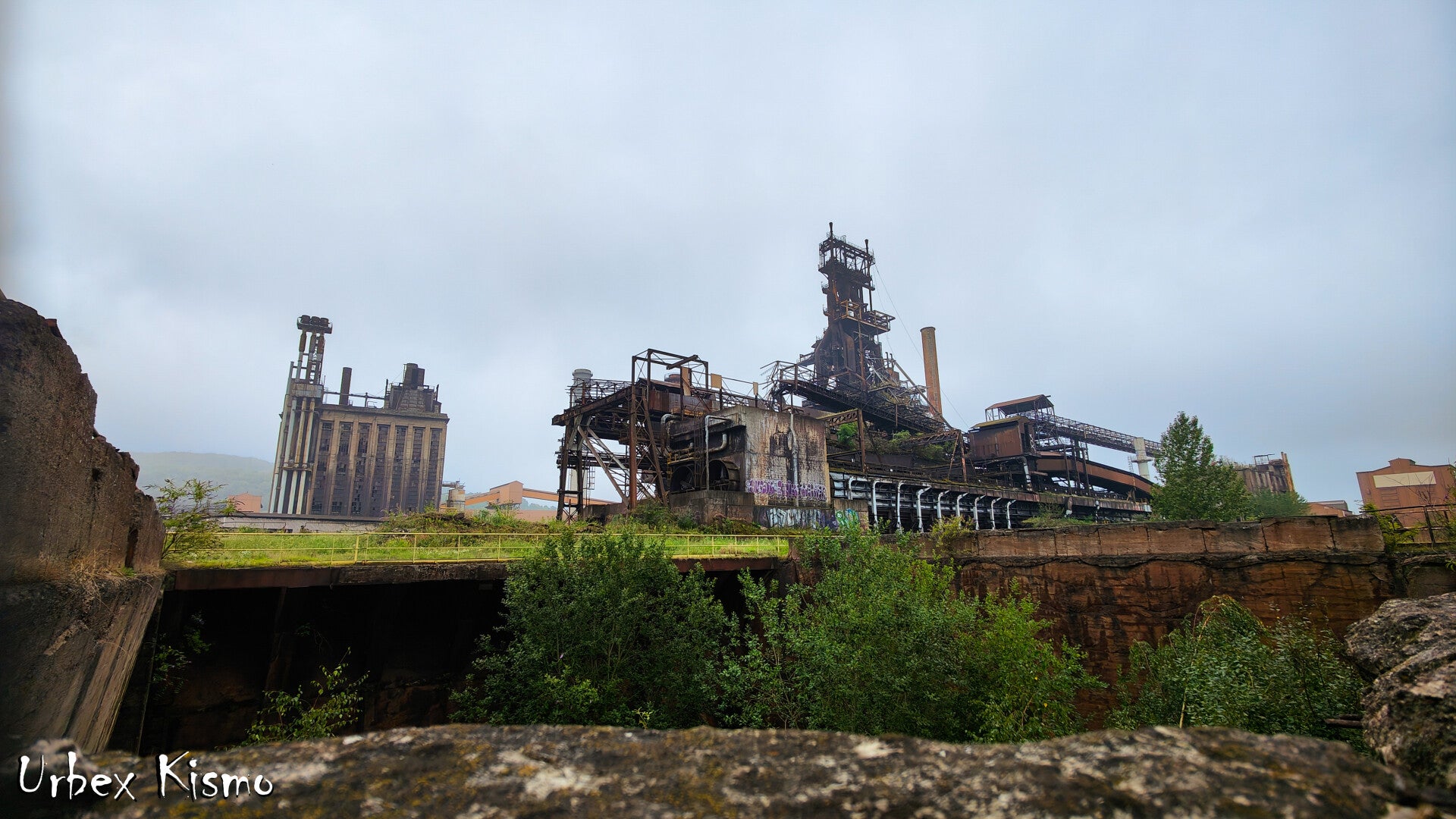
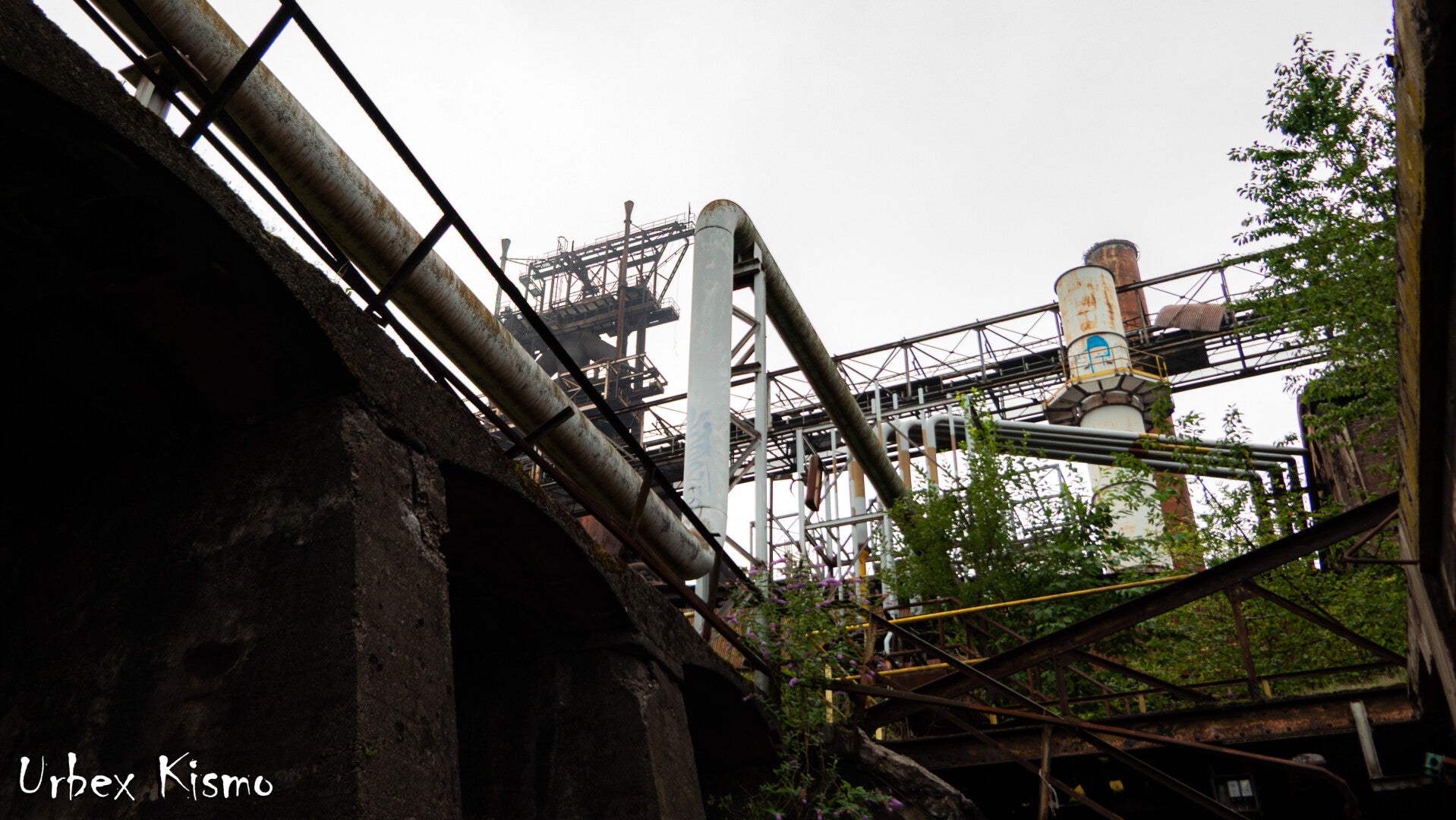
River fed material storage


Create Your Own Website With JouwWeb