

HFB | Control Room
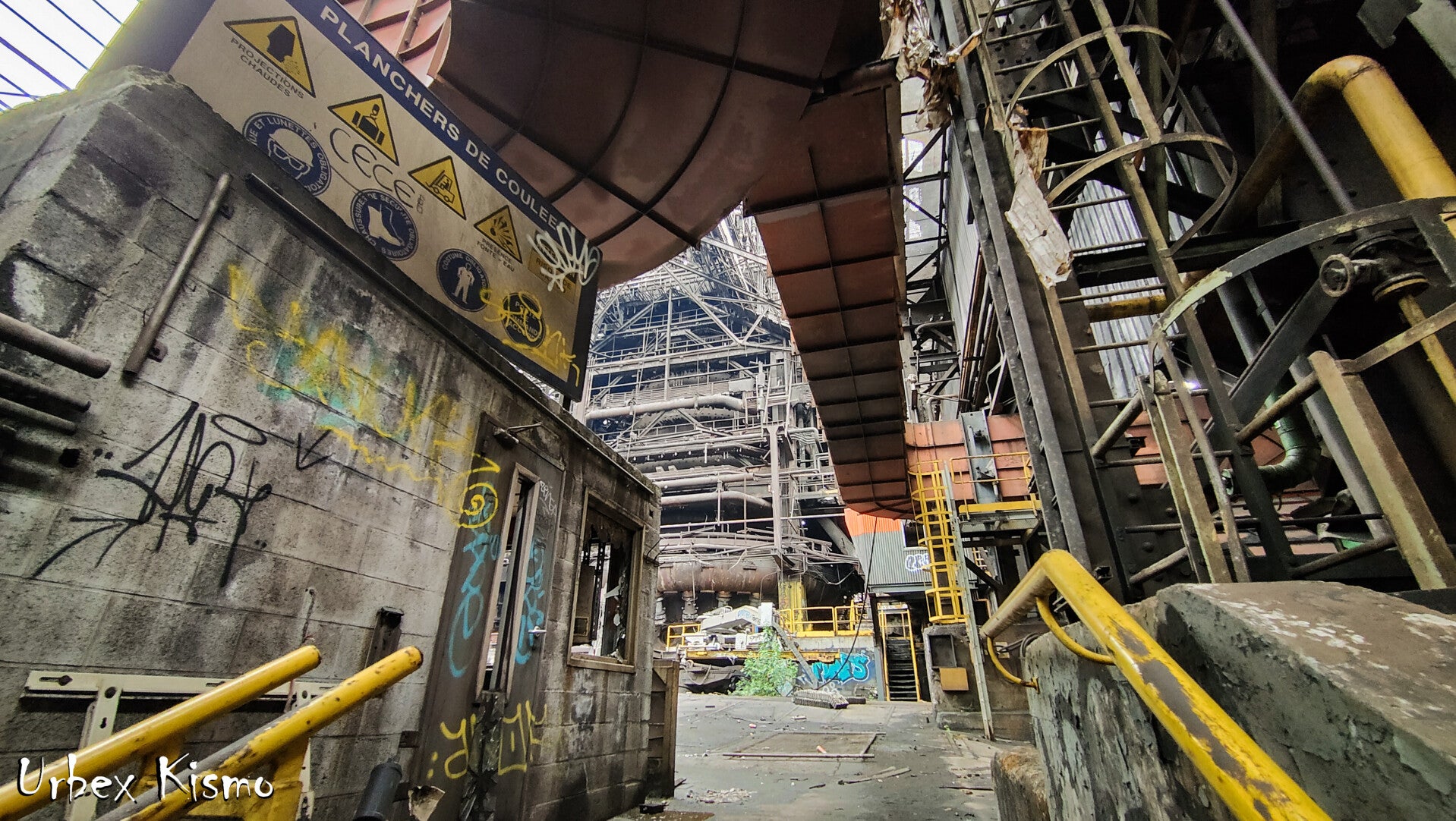
The walk toward the control room passed countless information boards, process diagrams, and warning signs. These were once used to guide operators and maintenance crews through one of the most complex systems within the blast furnace. Every section of the furnace, from charging and hot blast production to gas recovery and tapping operations, relied on data being collected and monitored around the clock. Modern blast furnaces can contain hundreds of sensors measuring temperature, pressure, gas composition, airflow, and material flow rates.
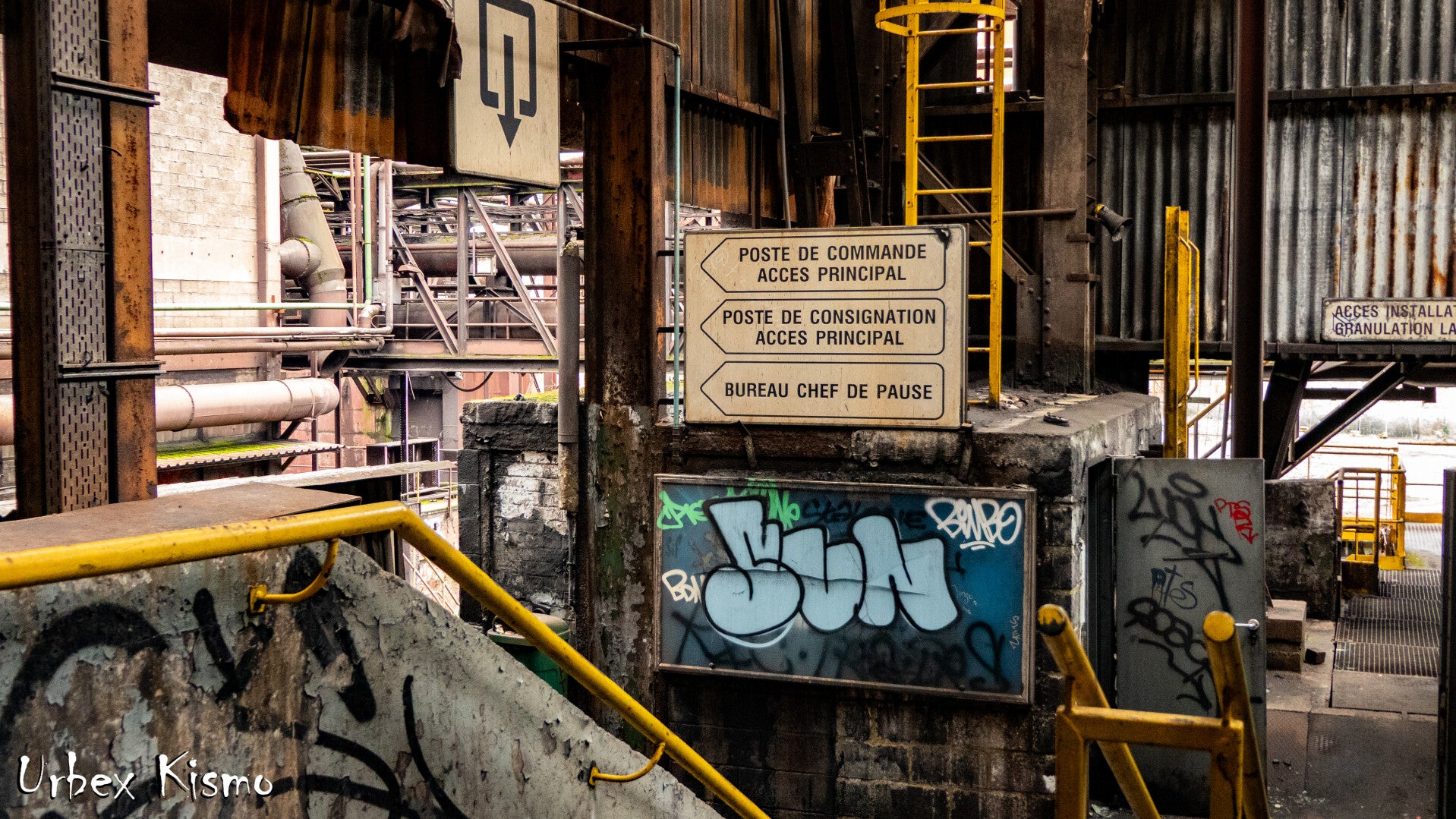
Following the operational nerve centre
The Control Room Through the Years
The control room served as the operational brain of the blast furnace. From here, operators monitored charging systems, hot blast stoves, gas pressure, airflow, furnace temperatures, and the quality of the hot metal being produced. Over the decades, the room evolved from large analogue panels and gauges to computerised monitoring systems and digital displays. Because a blast furnace operates continuously for years without shutting down, operators had to supervise the process 24 hours a day in rotating shifts.
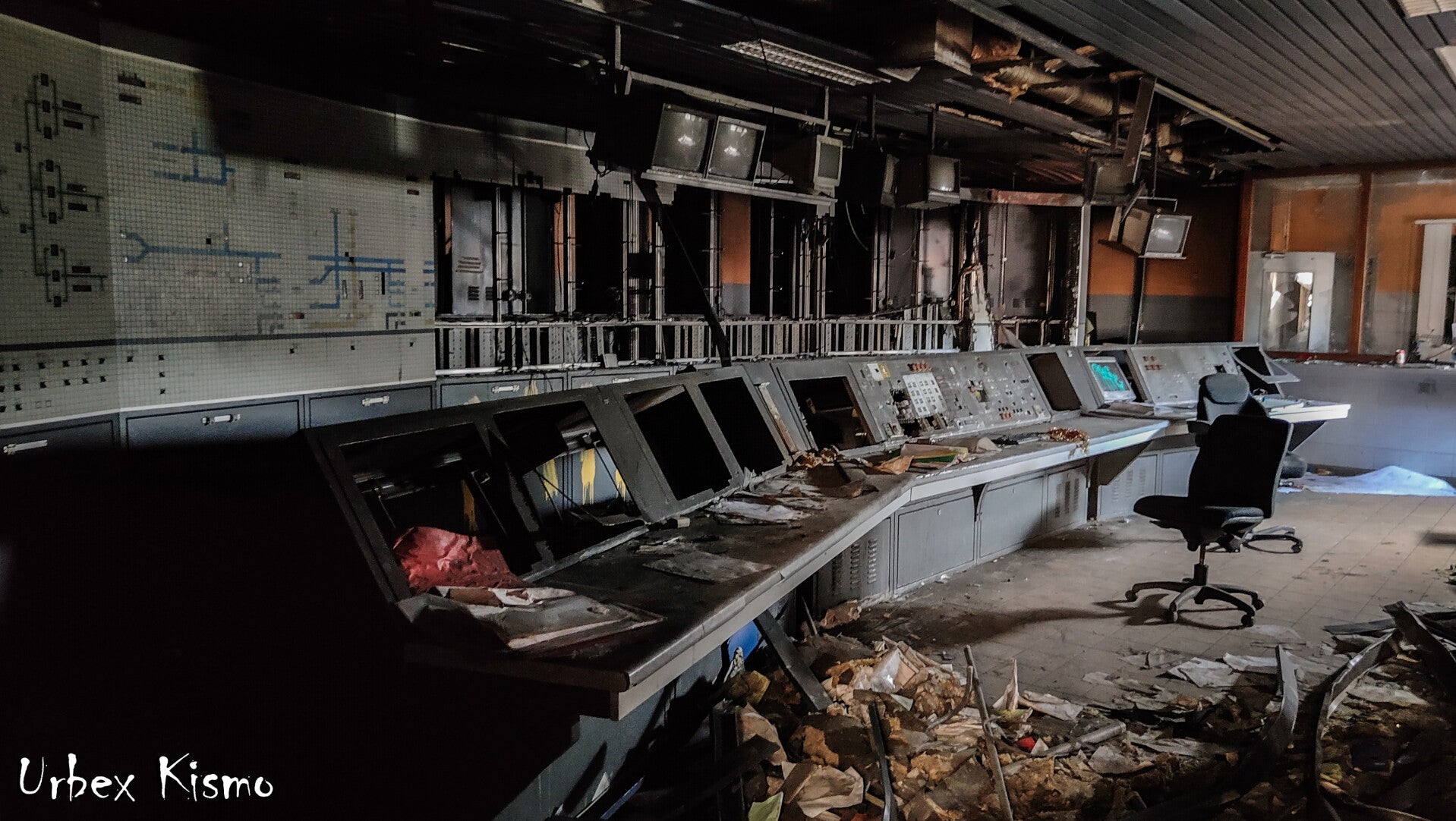
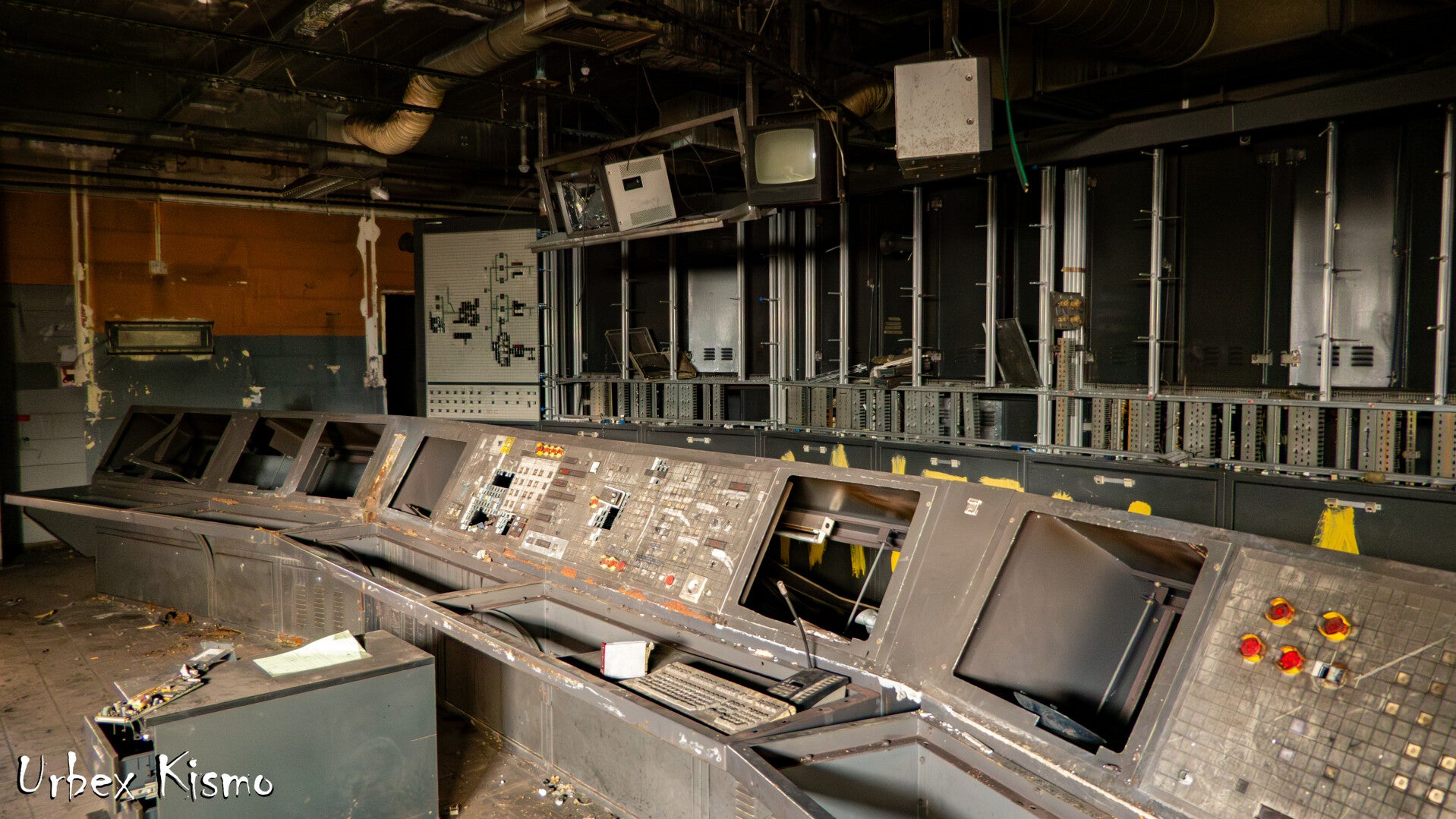
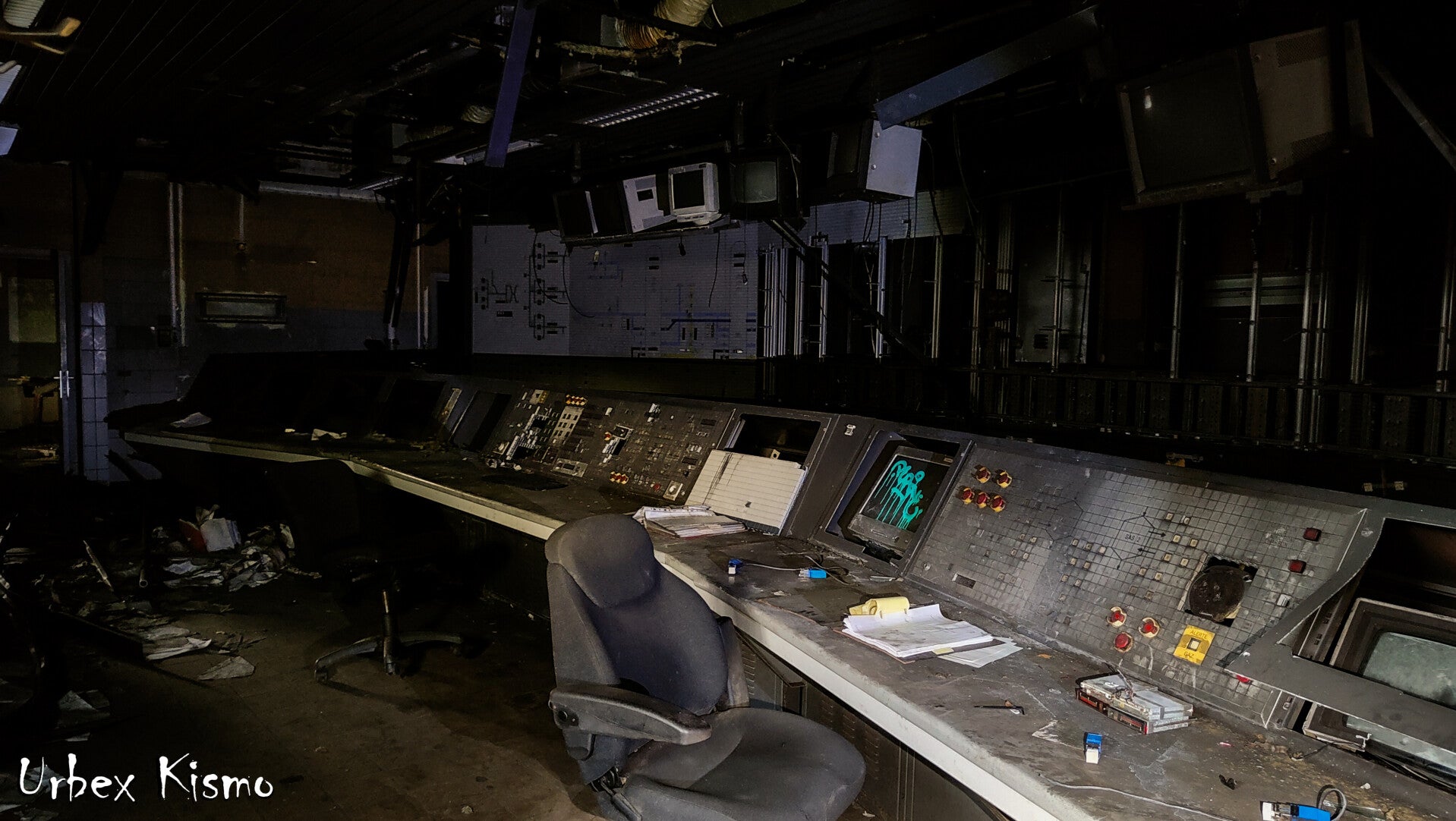
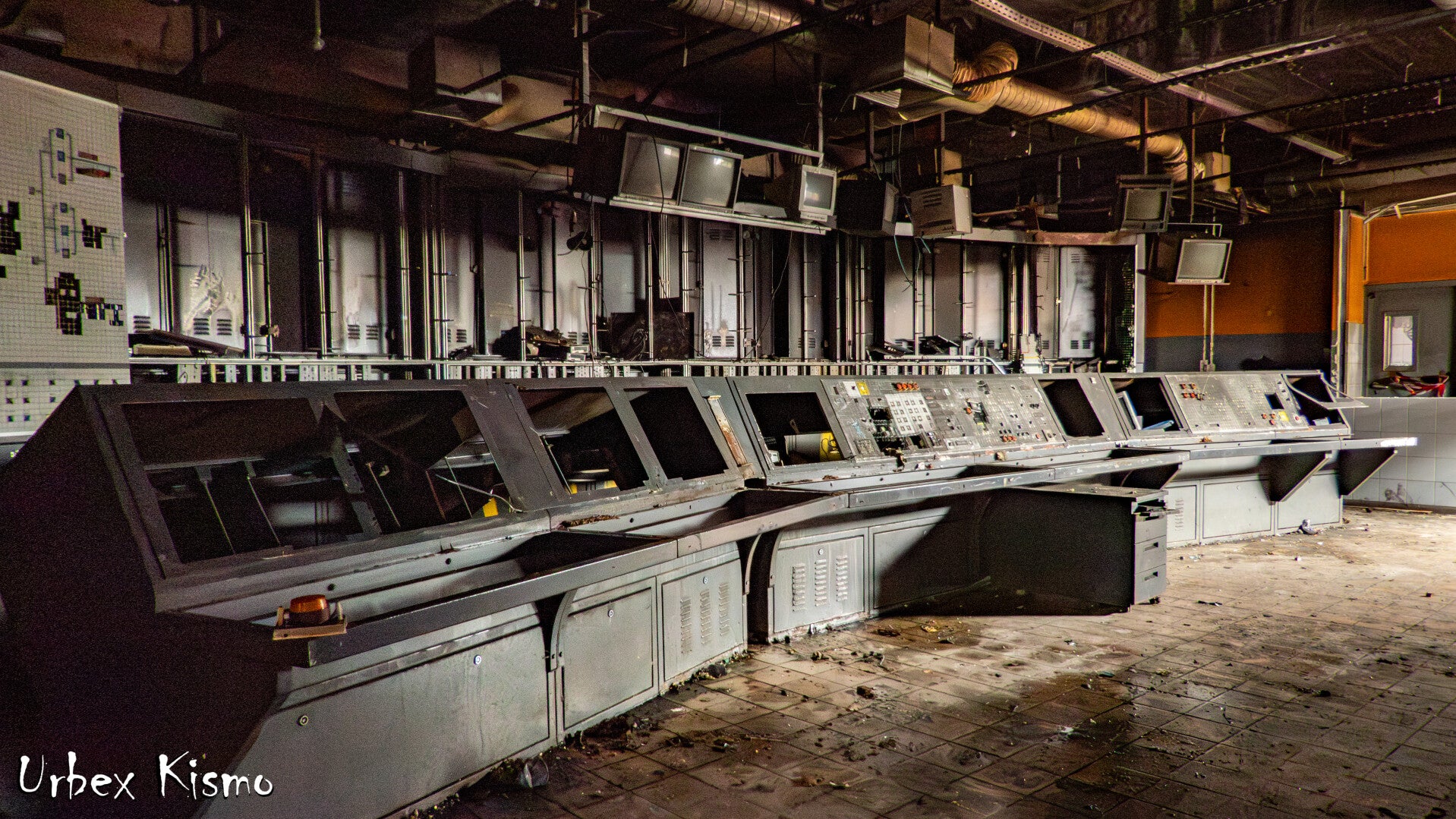
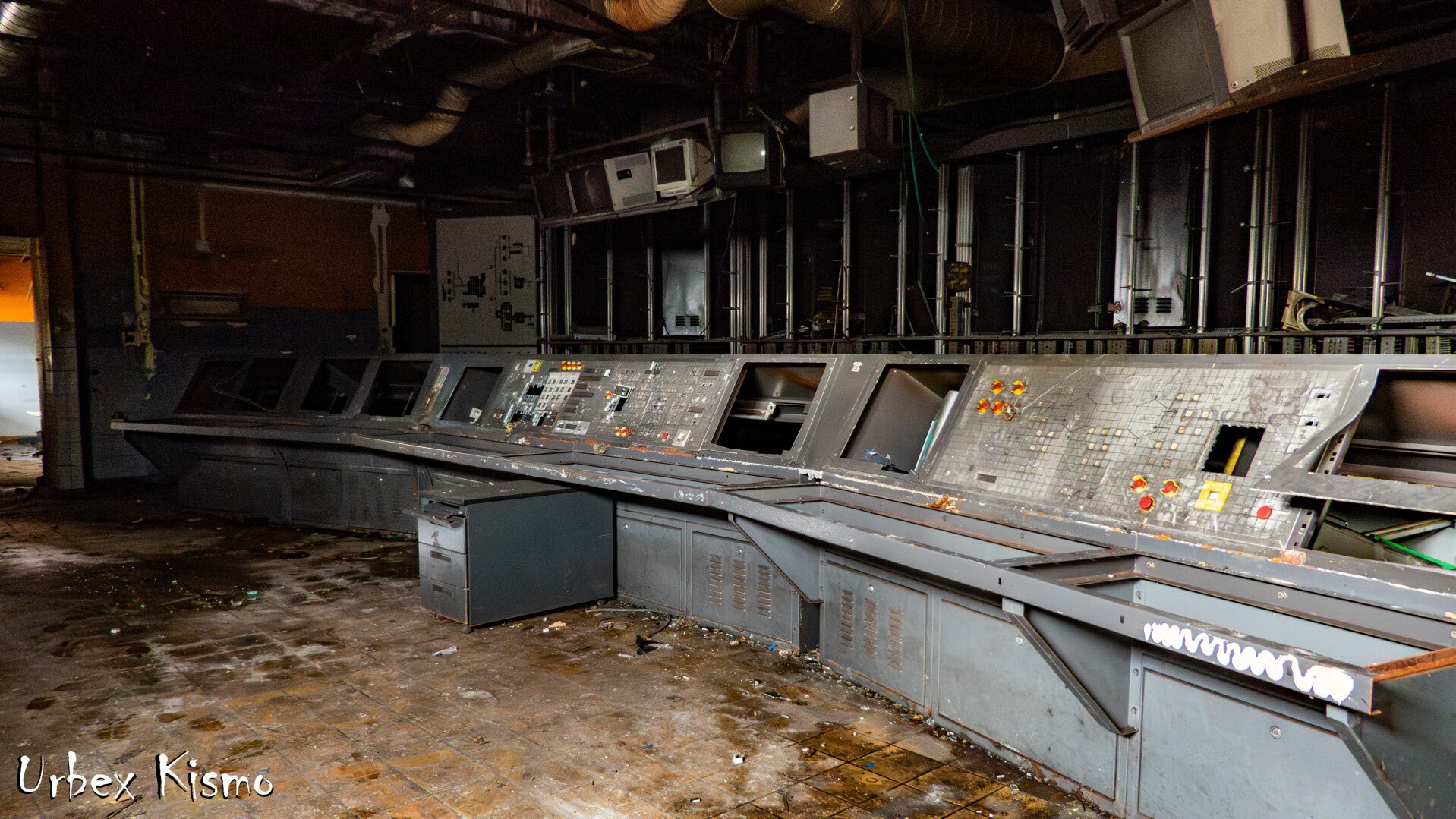
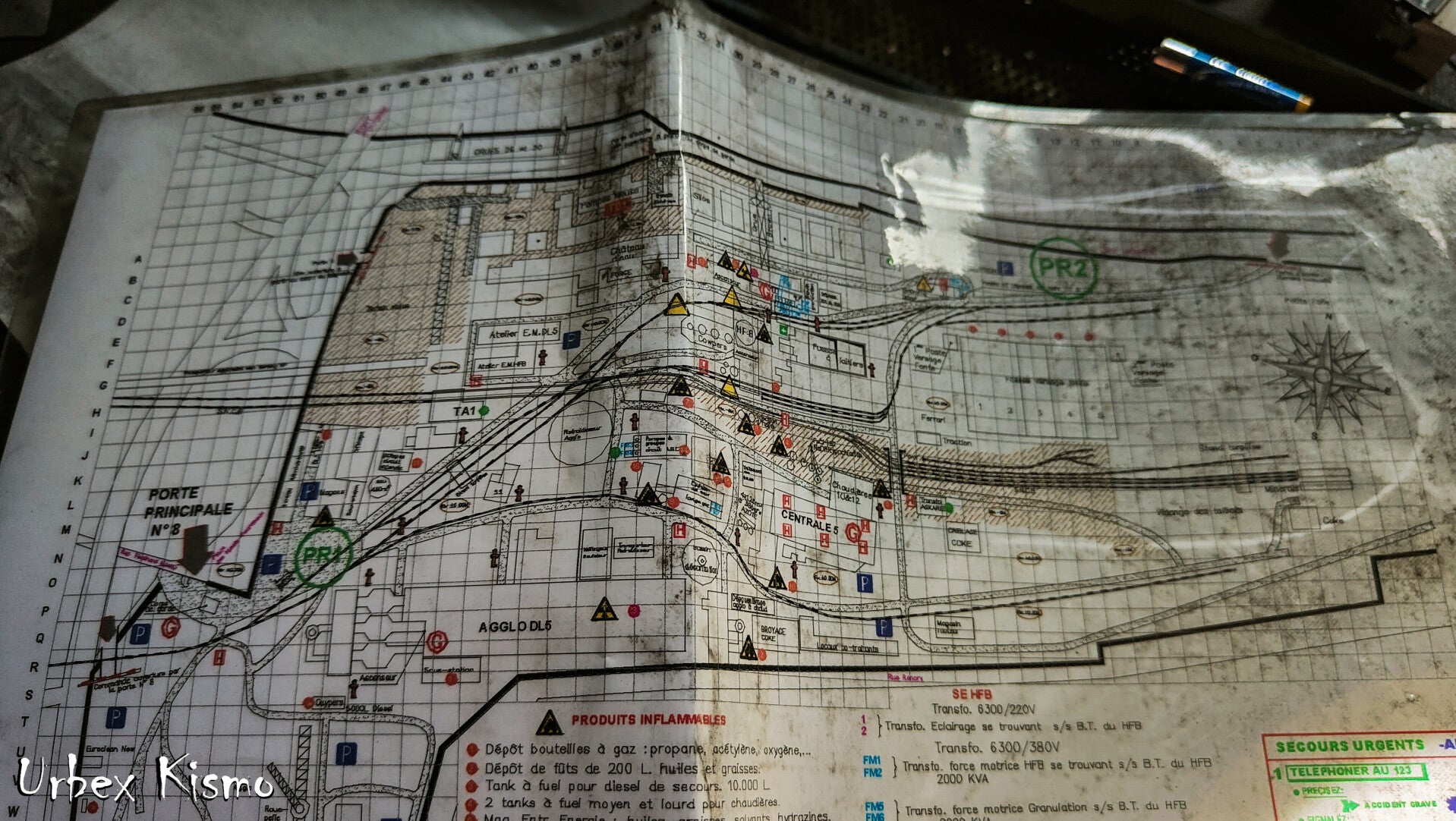
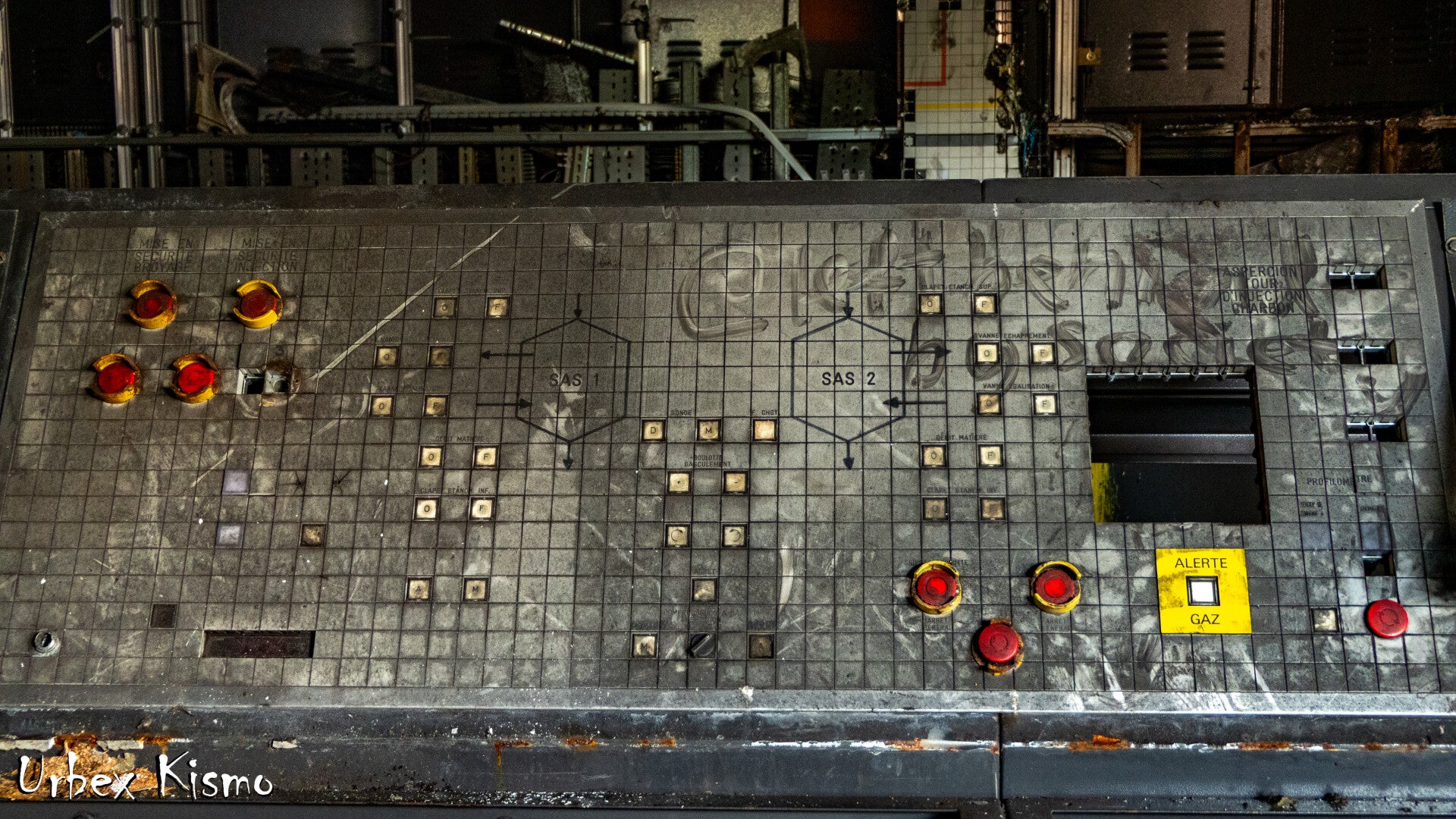
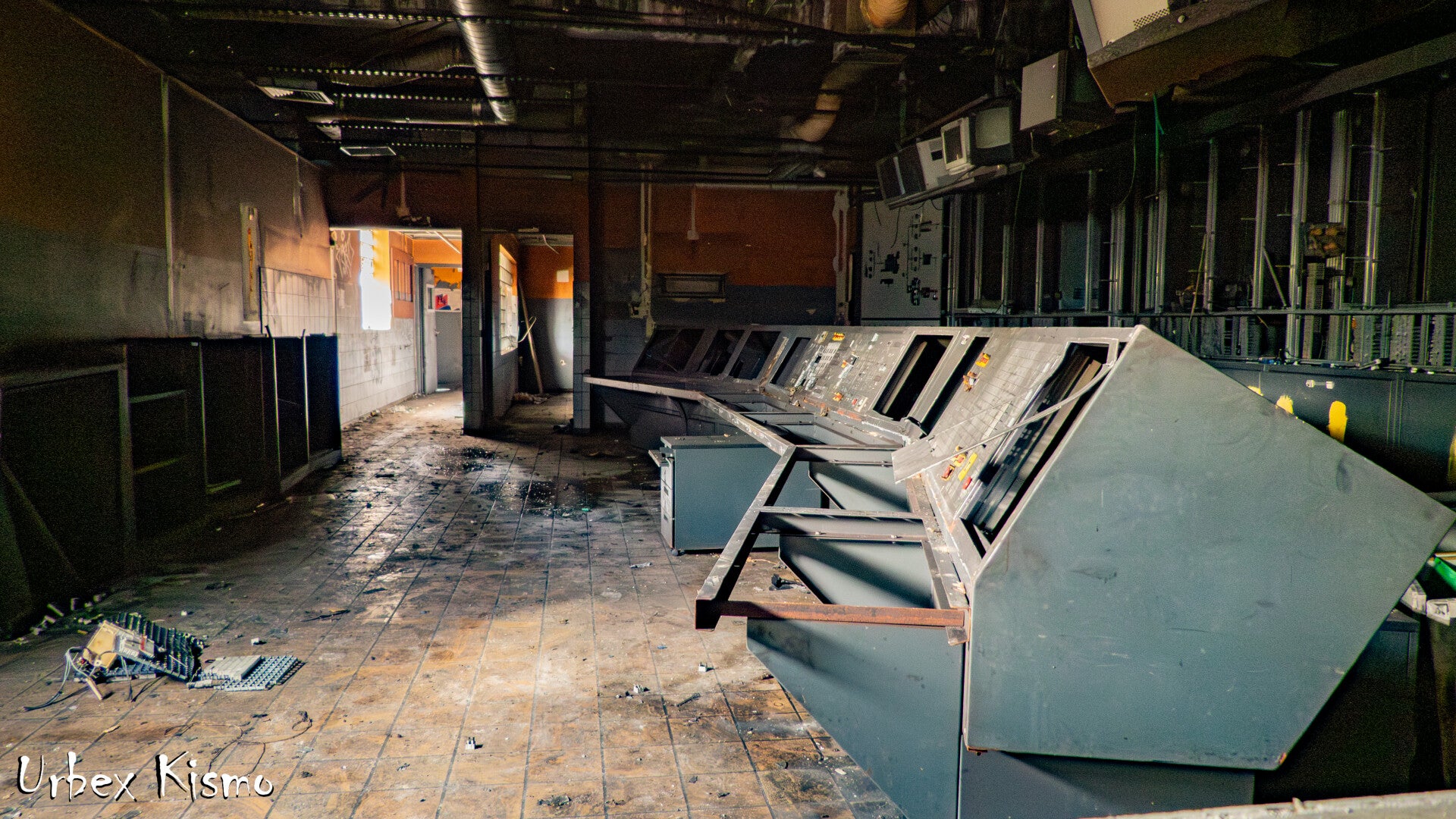
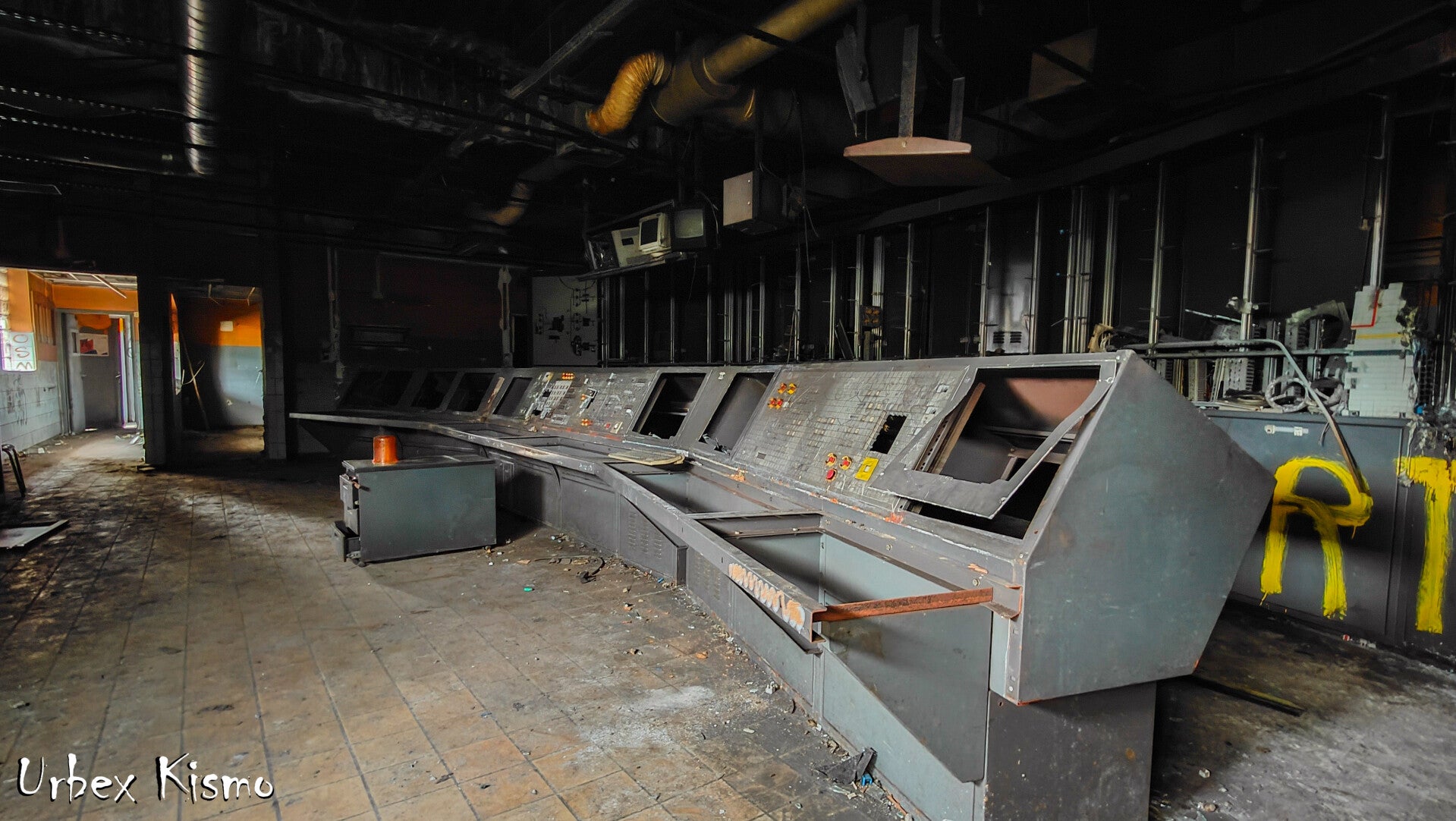
Decades of furnace monitoring
Another Route to the Control Room
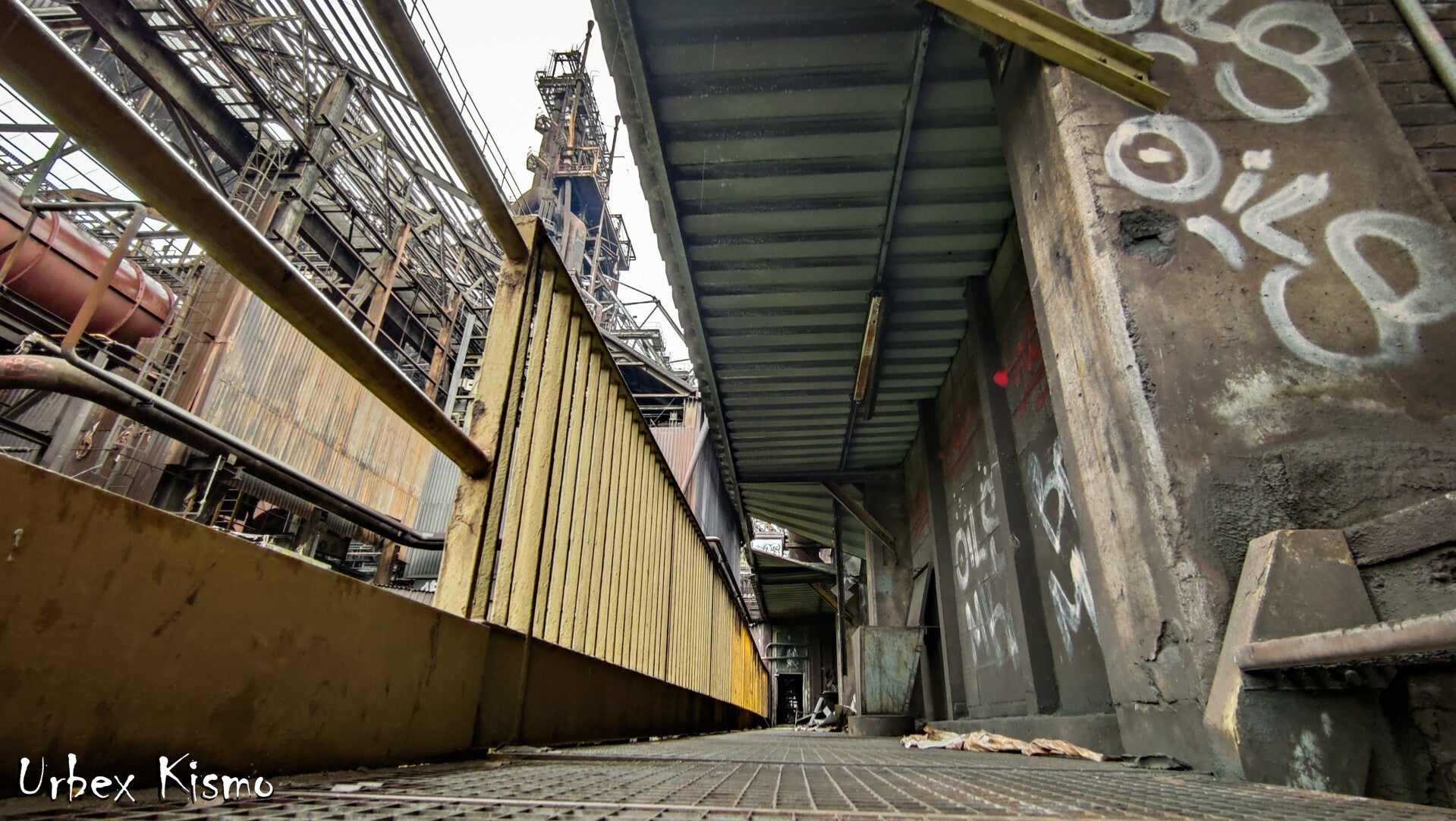
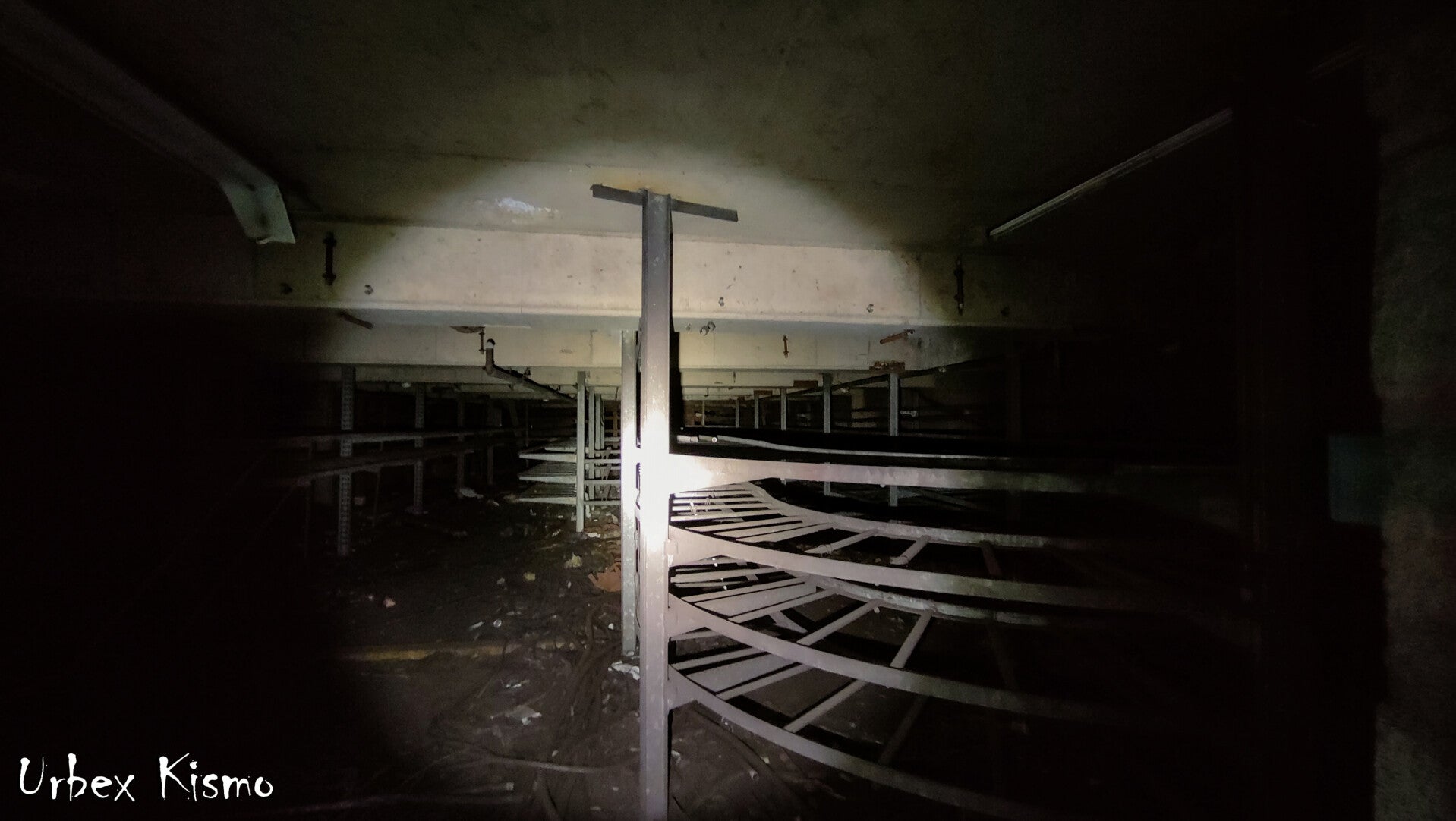
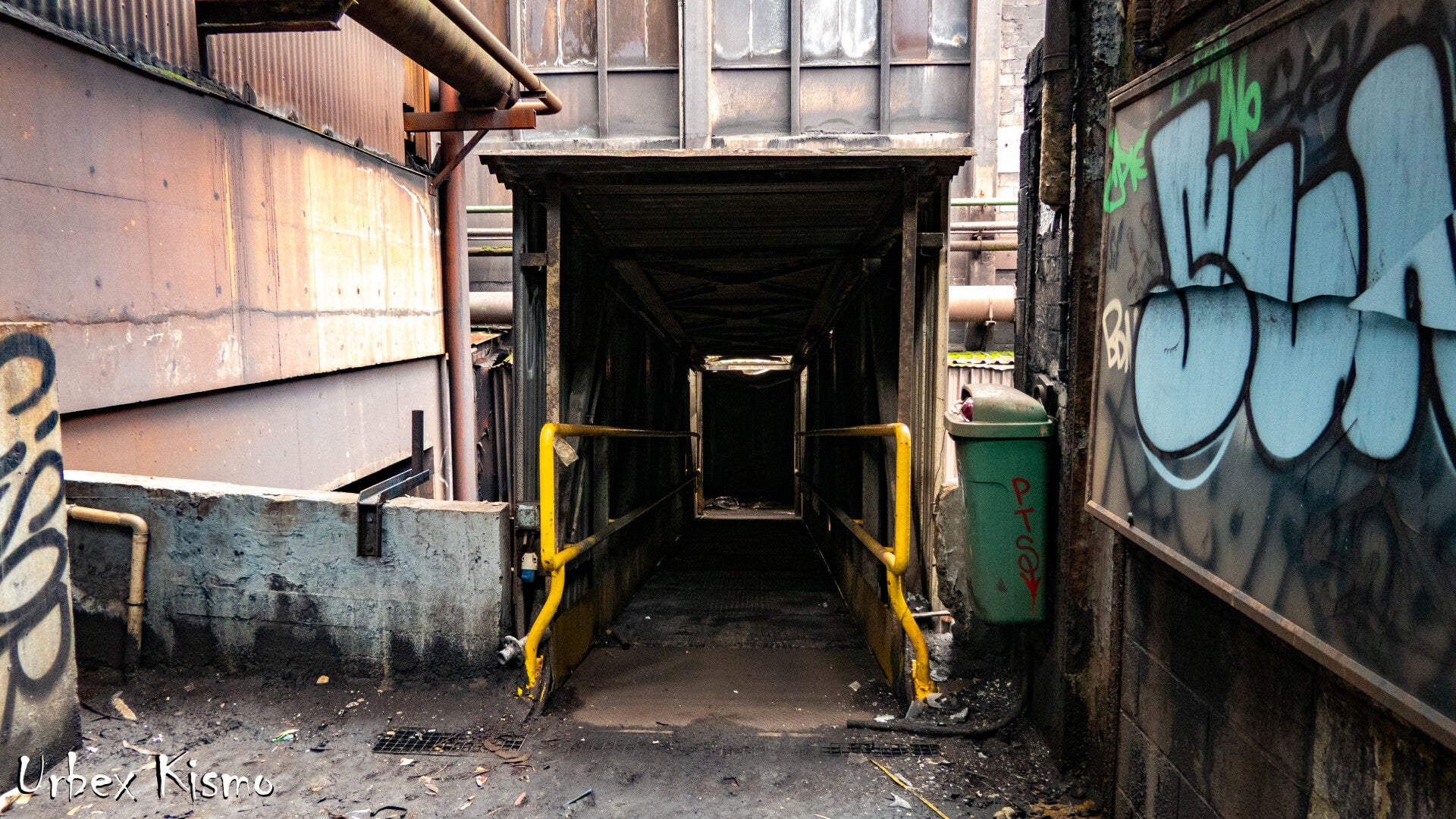
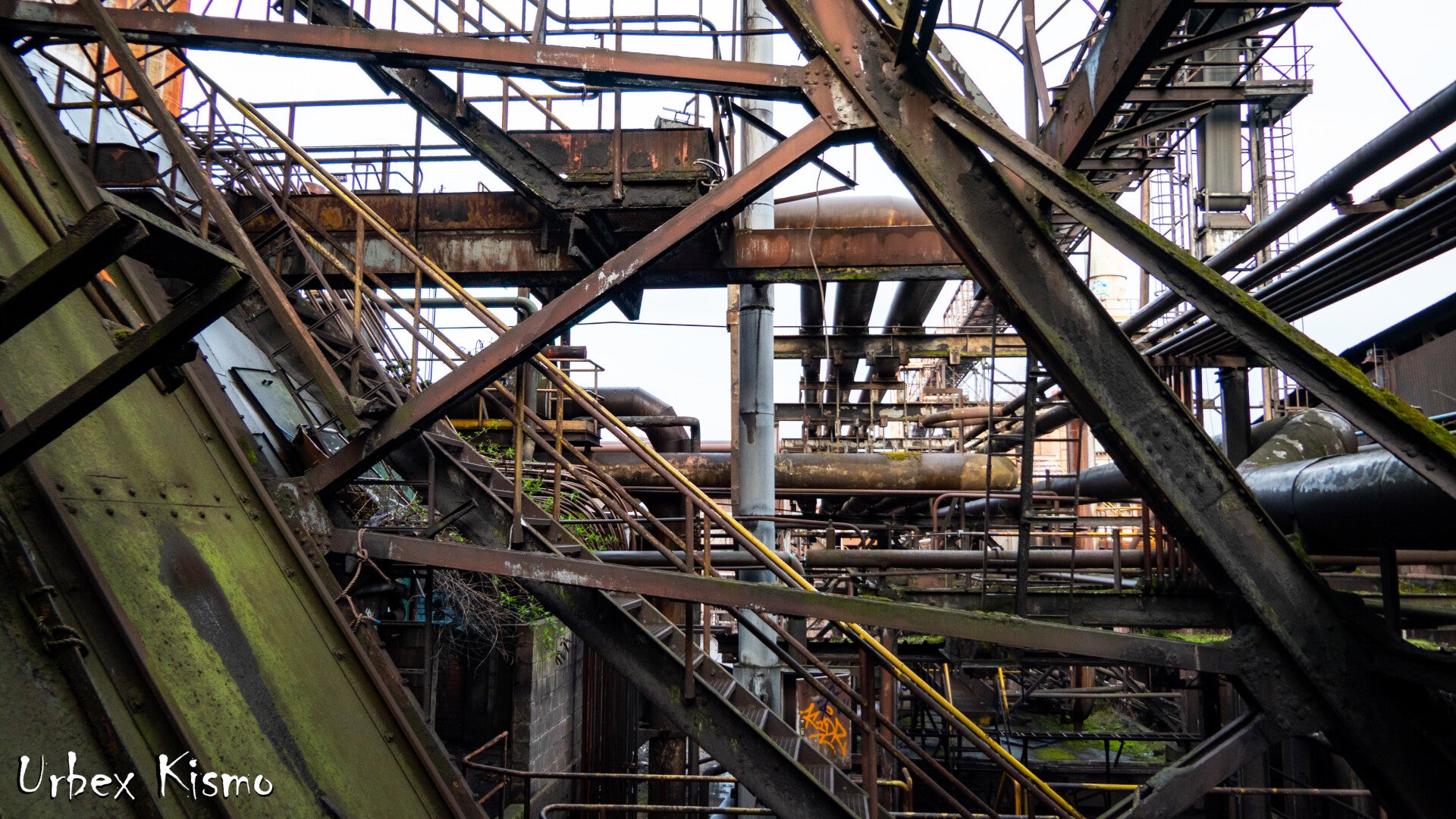
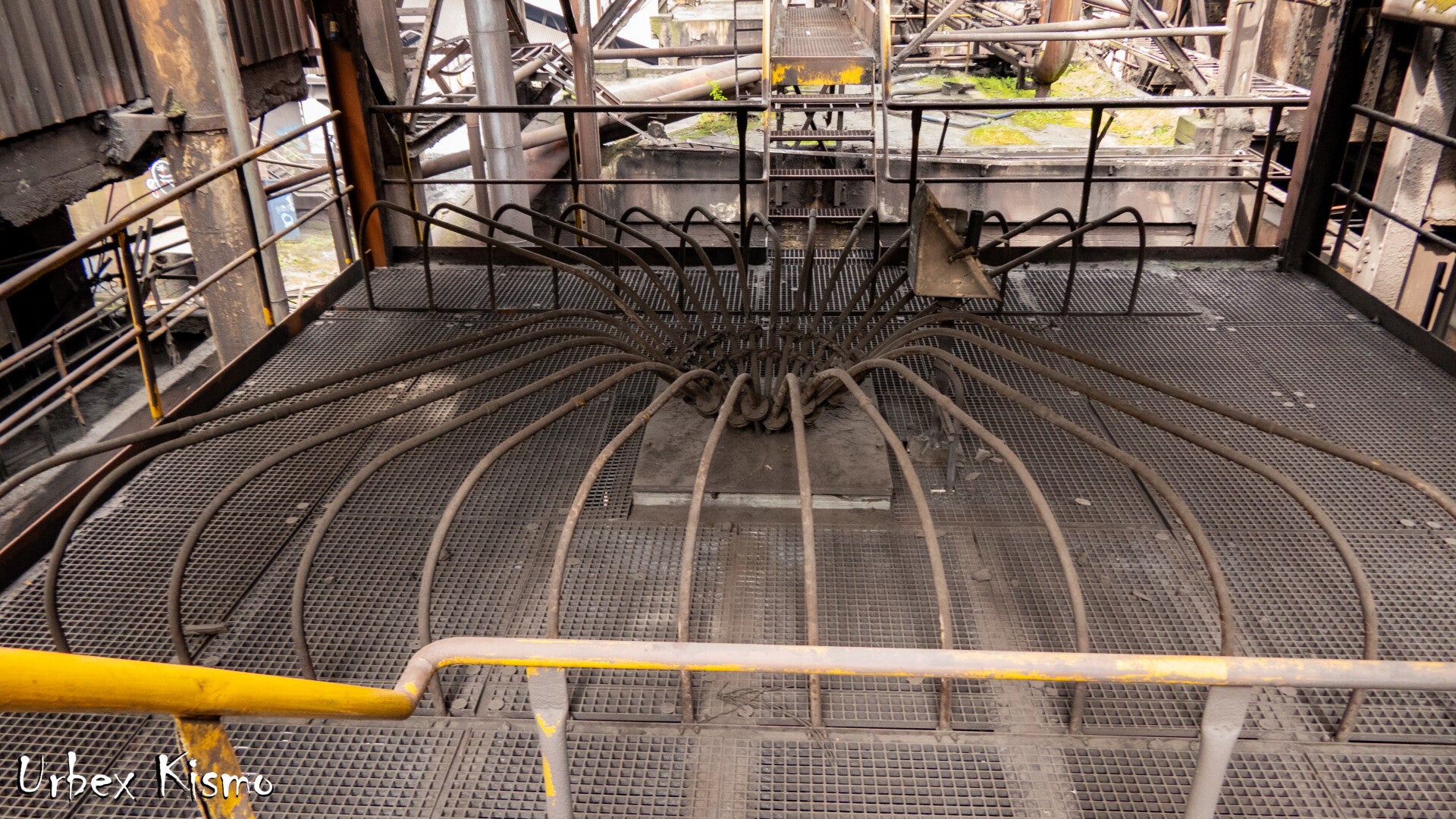
A second route led through a maze of platforms, staircases, and service corridors that connected the control room to the surrounding installations. These pathways allowed operators and technicians to quickly reach critical equipment when adjustments or inspections were required. The closer you got to the control room, the more obvious its importance became, as nearly every major system on the blast furnace eventually linked back to this central location.
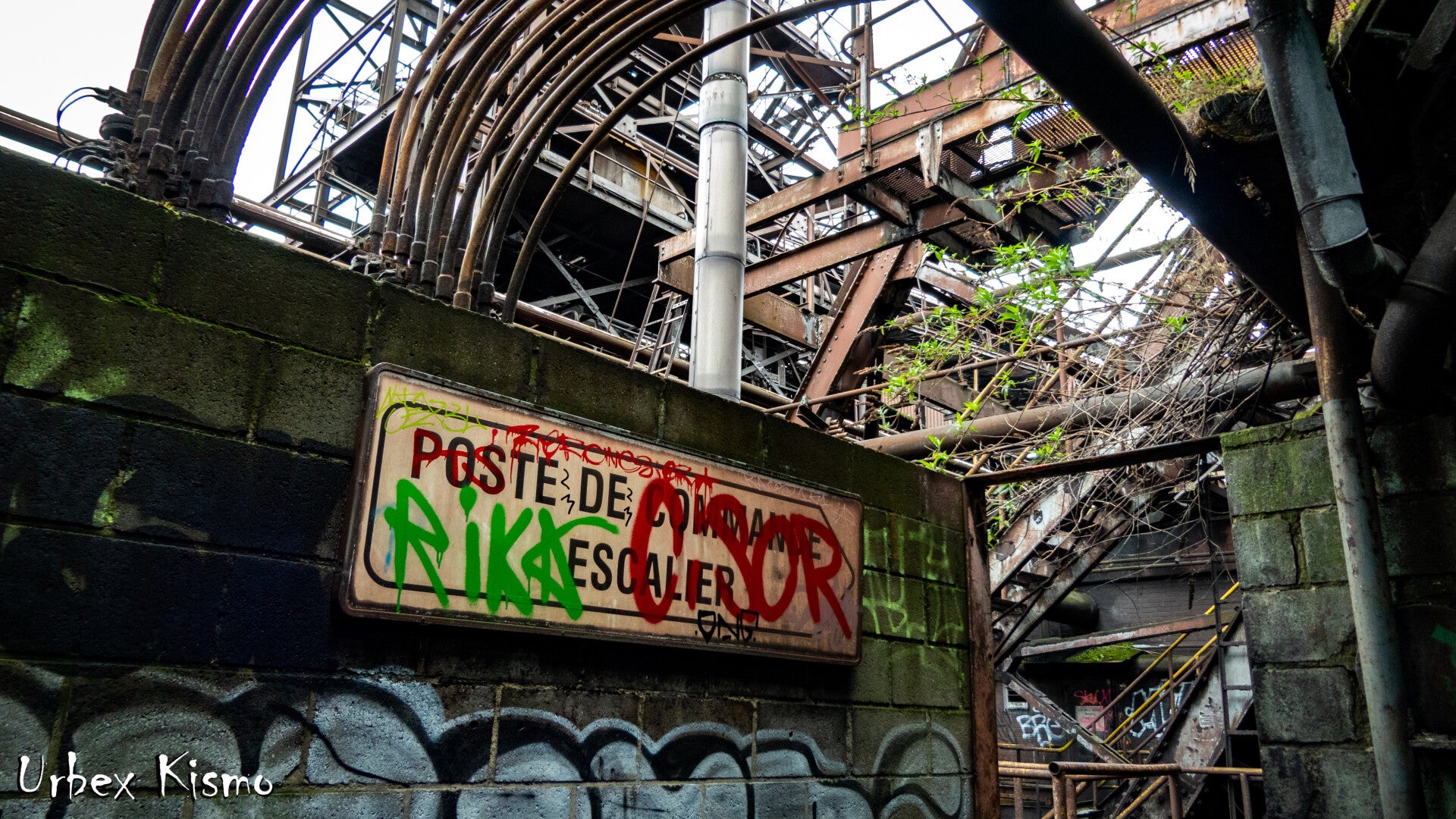
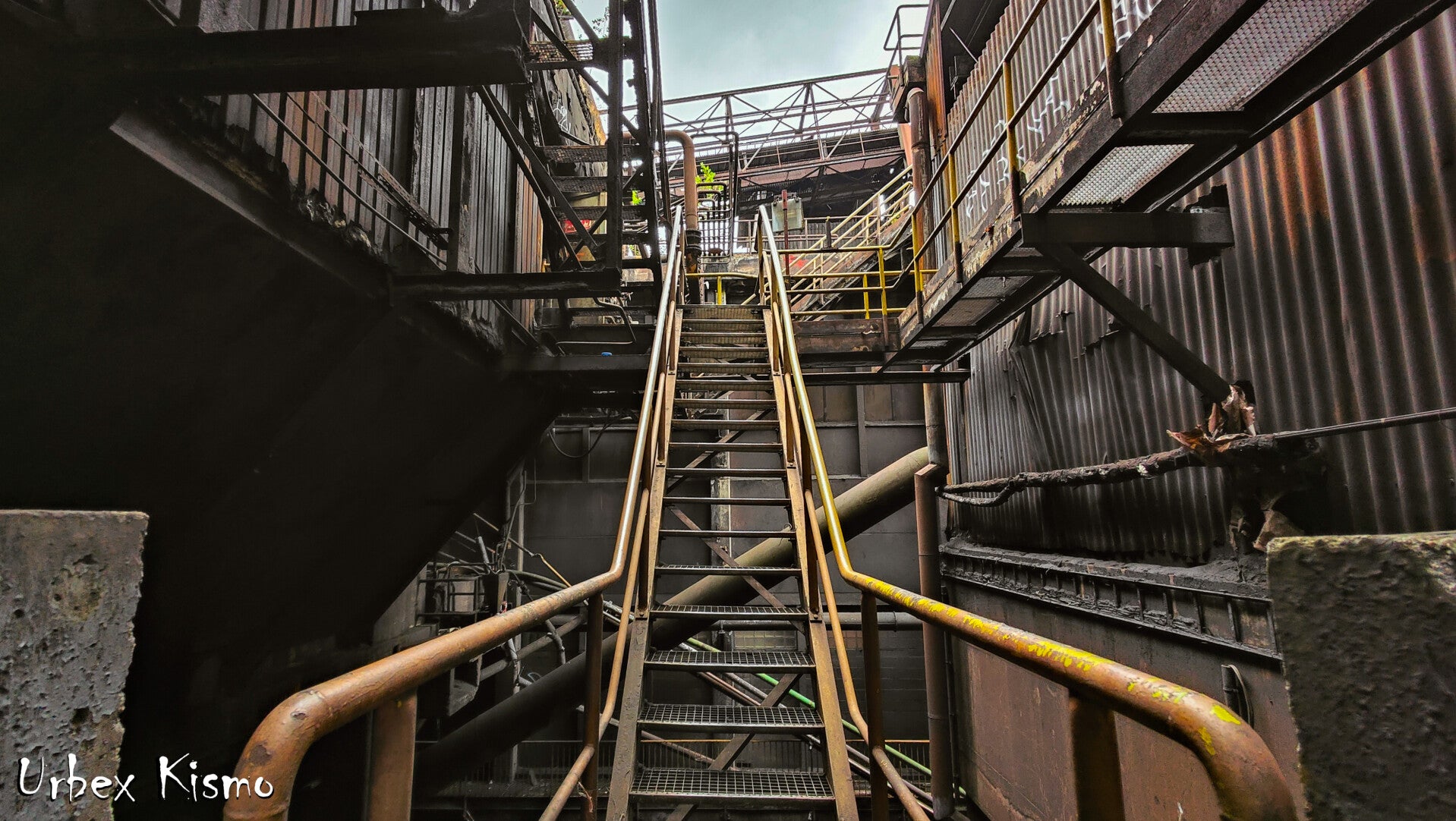
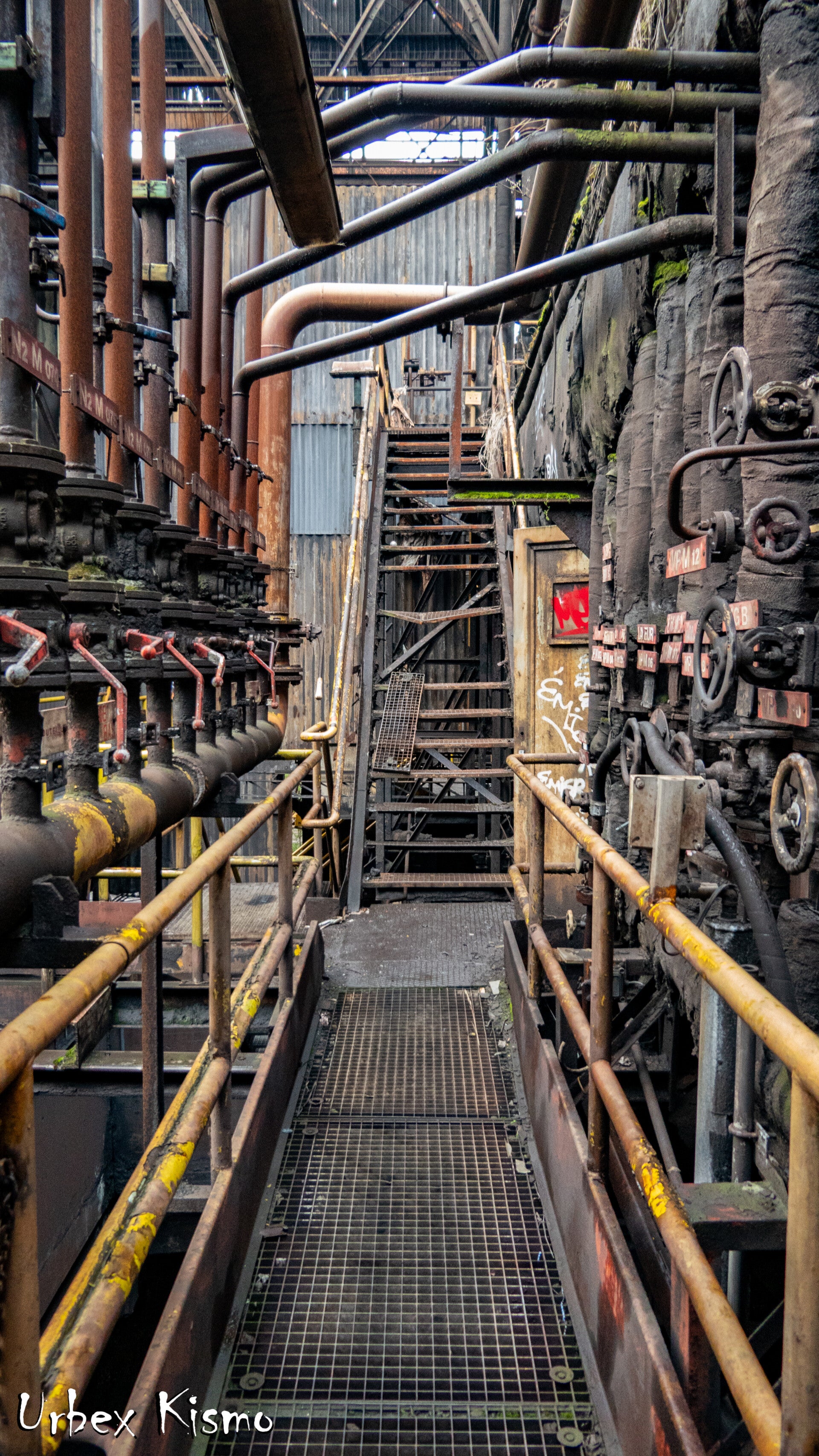
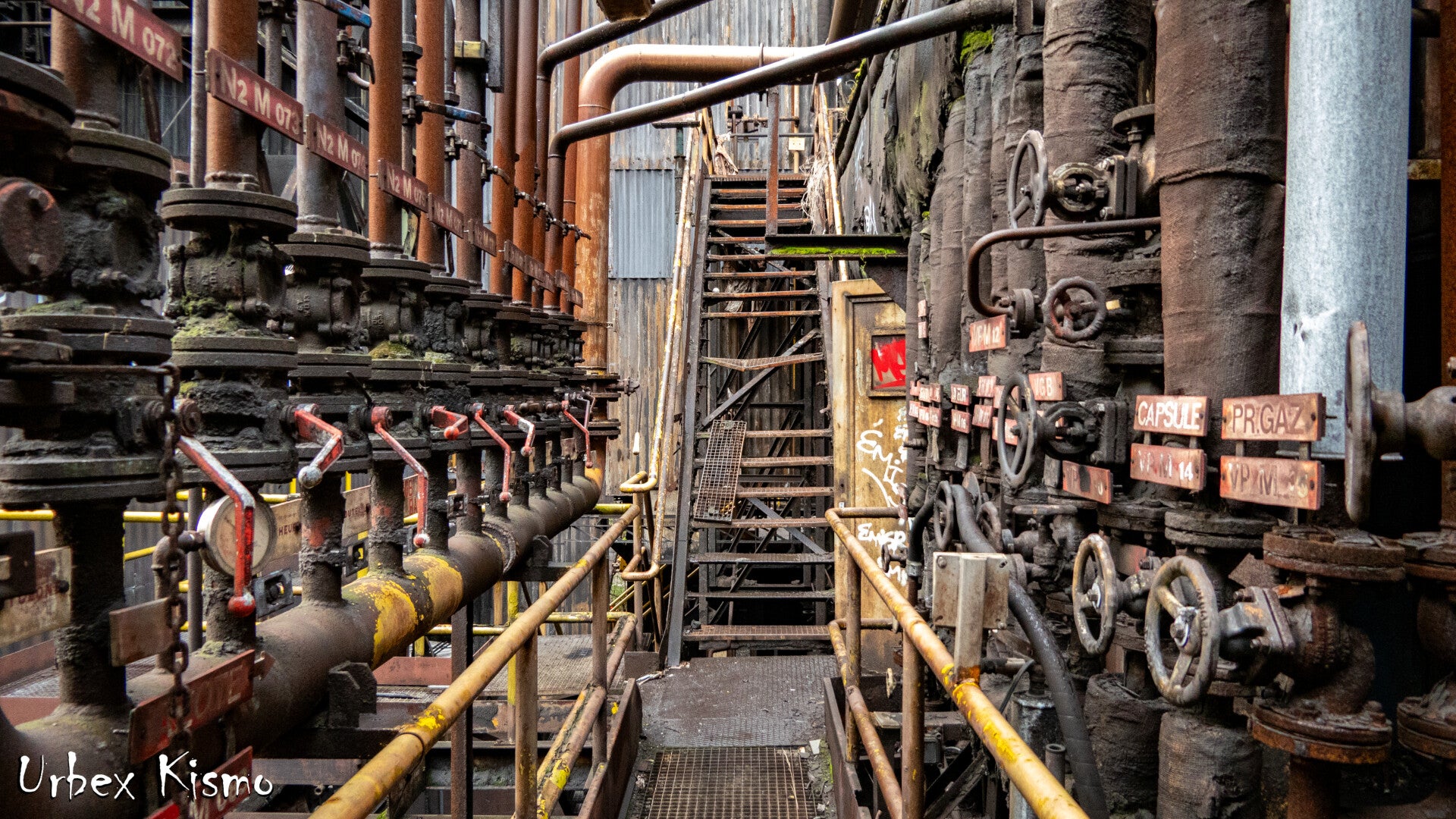
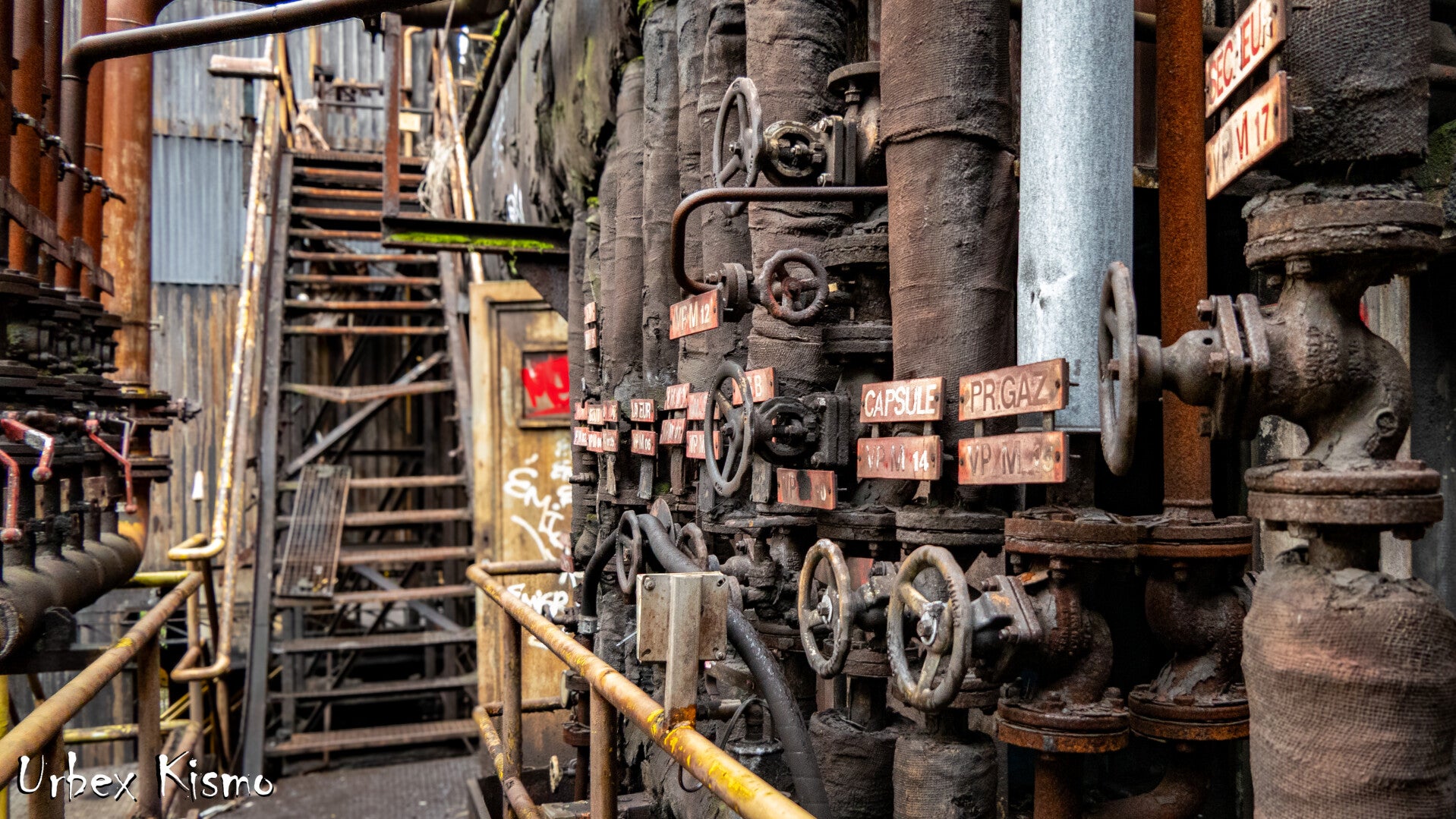
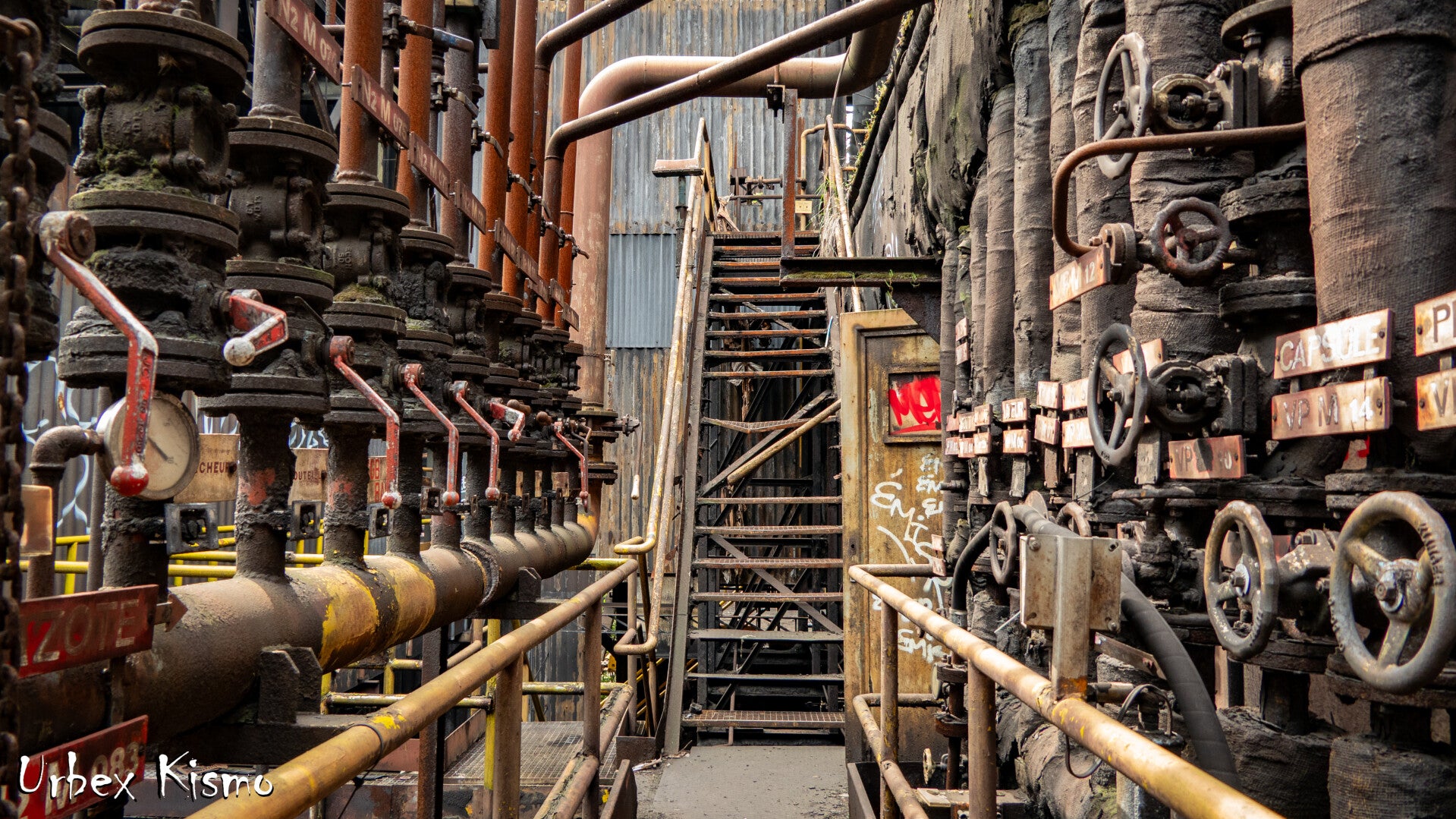
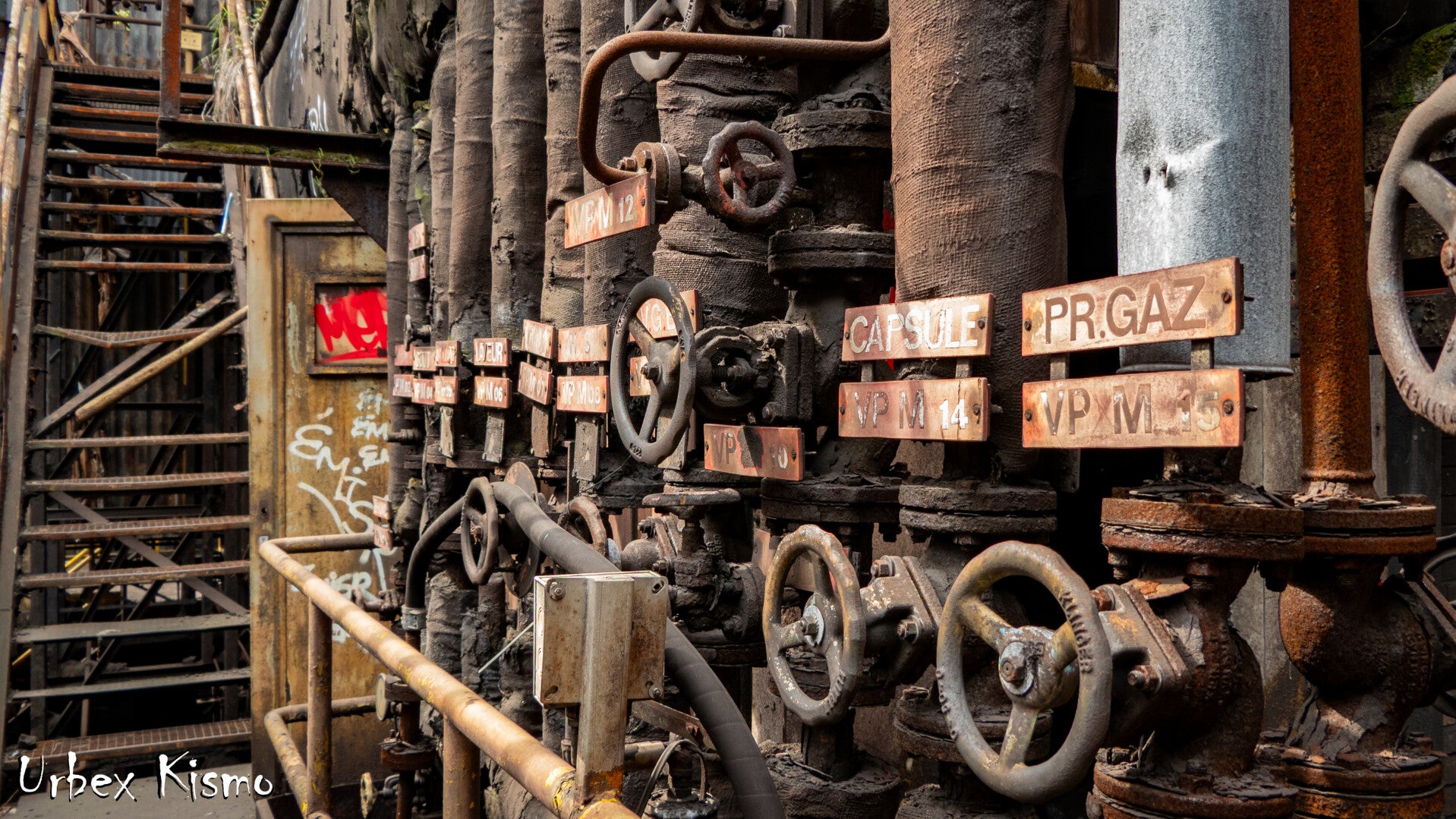
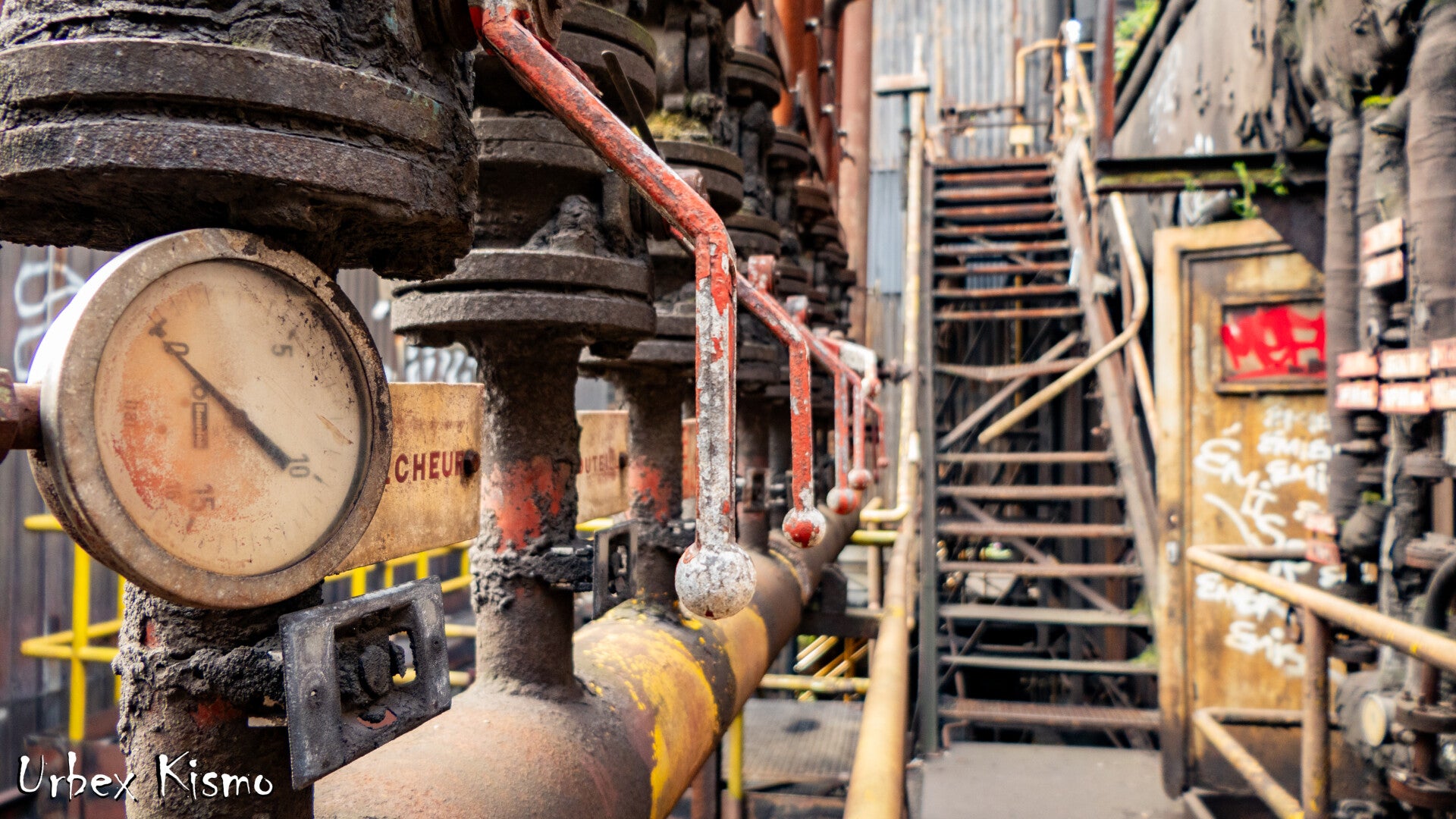
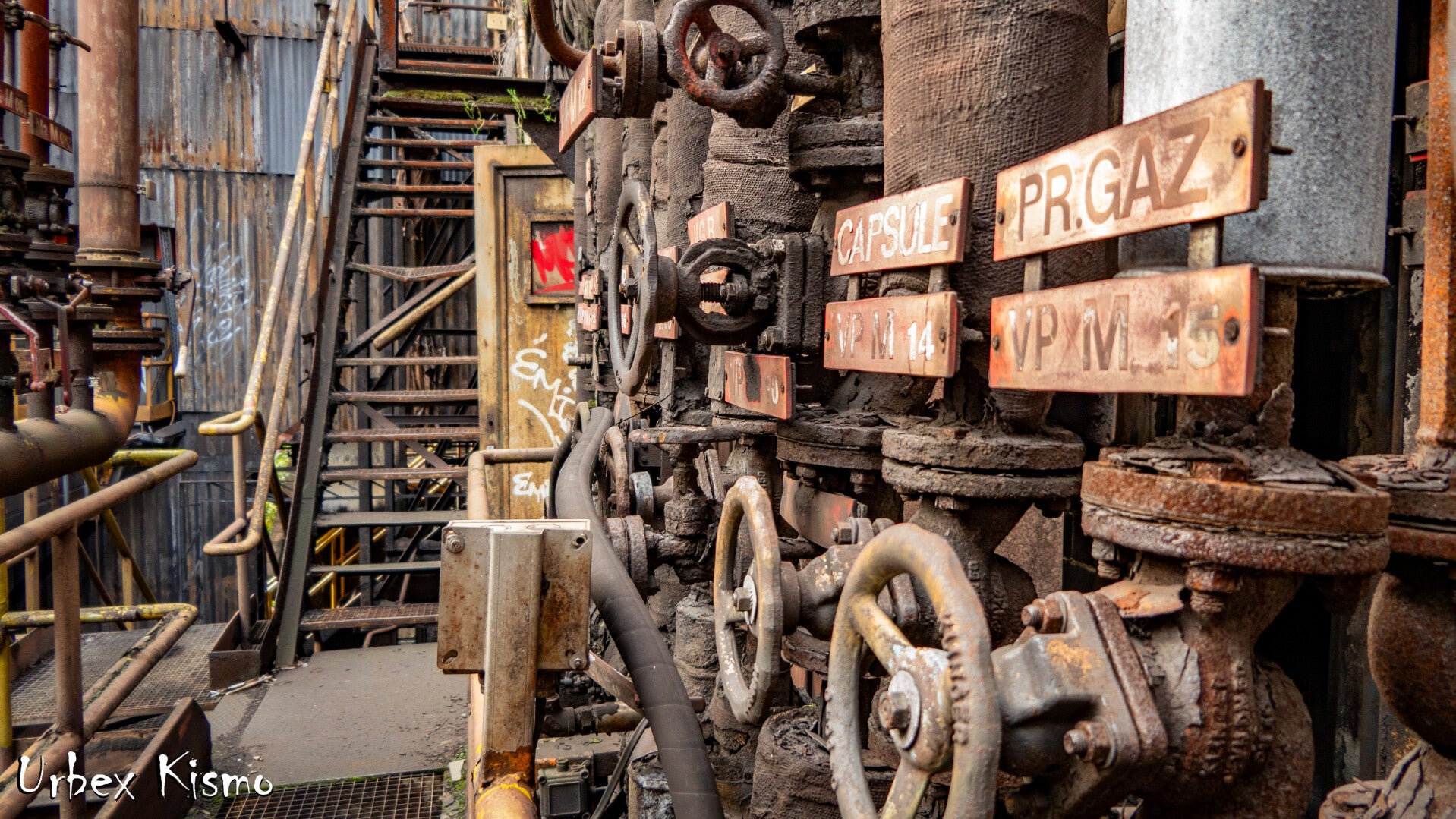
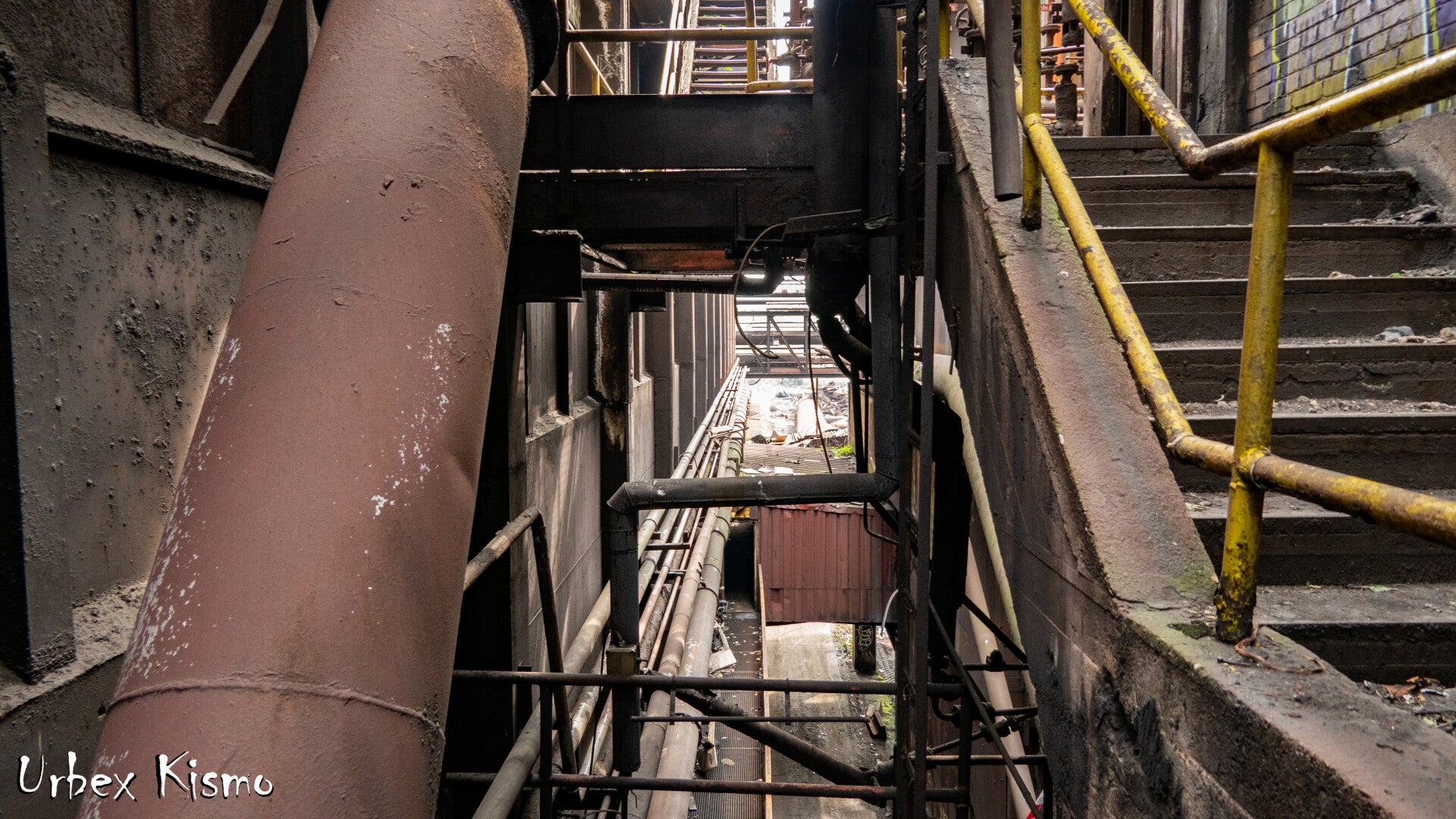
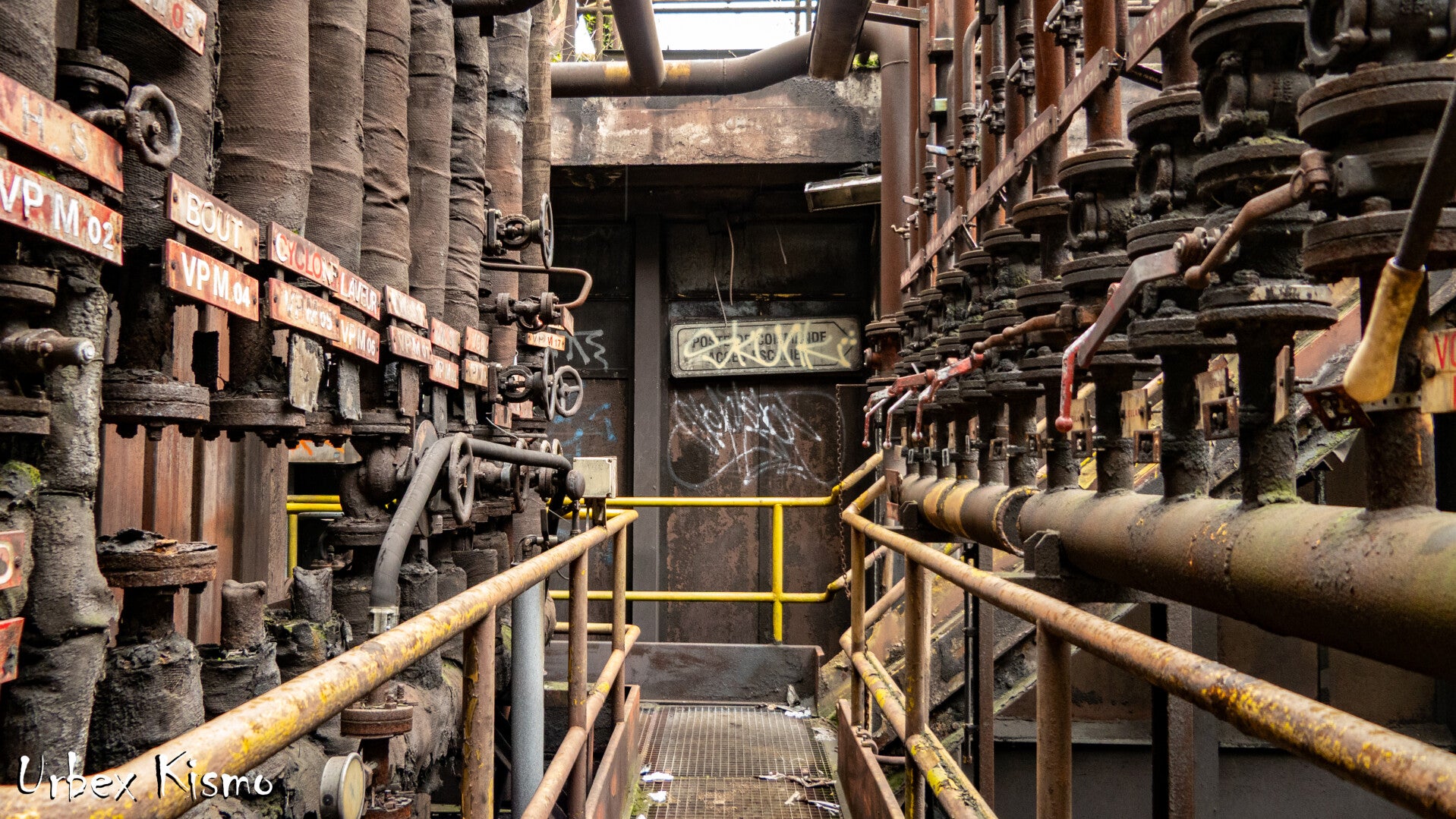
Industrial corridors and service access
Views Over the Blast Furnace Network
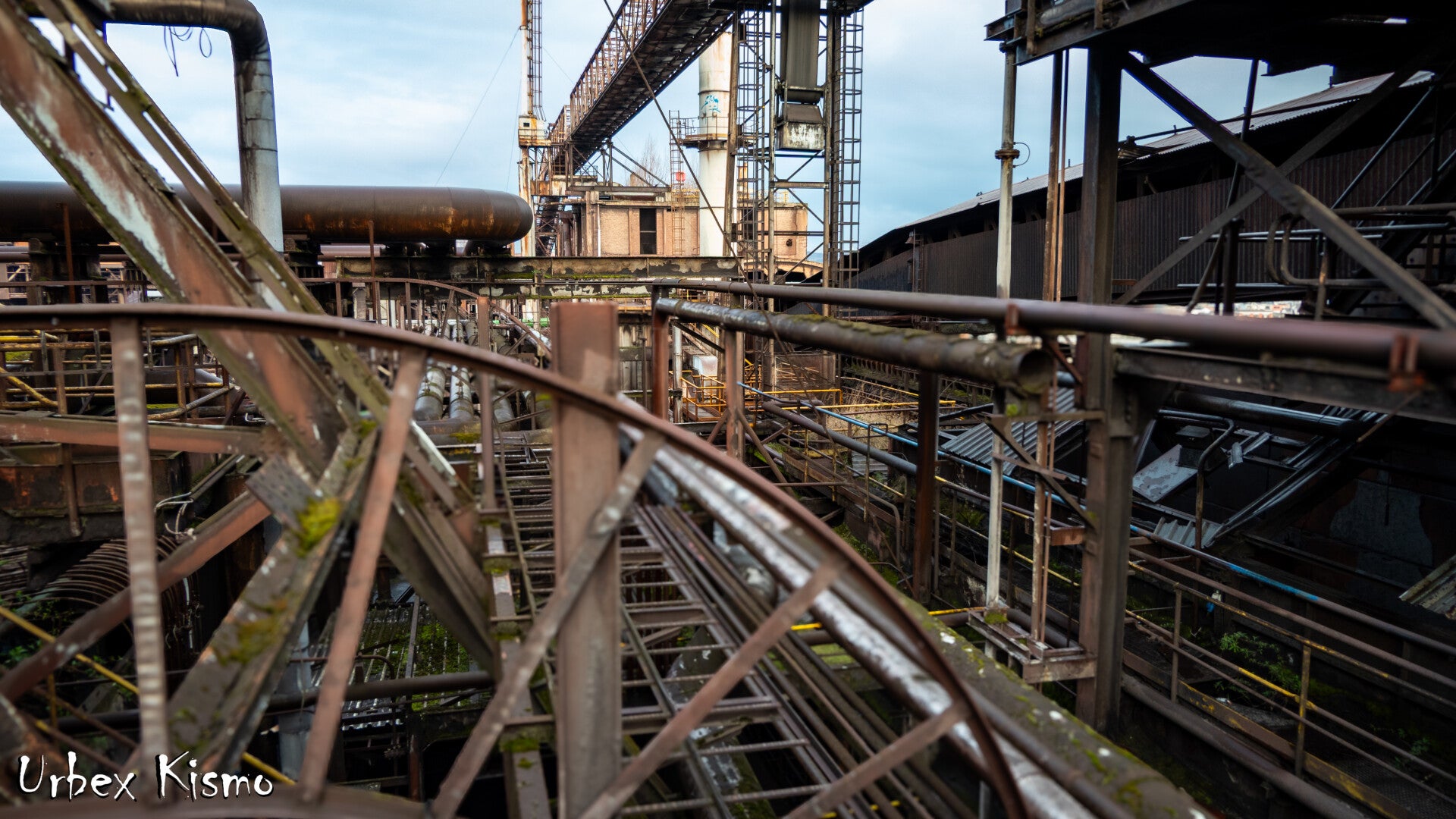
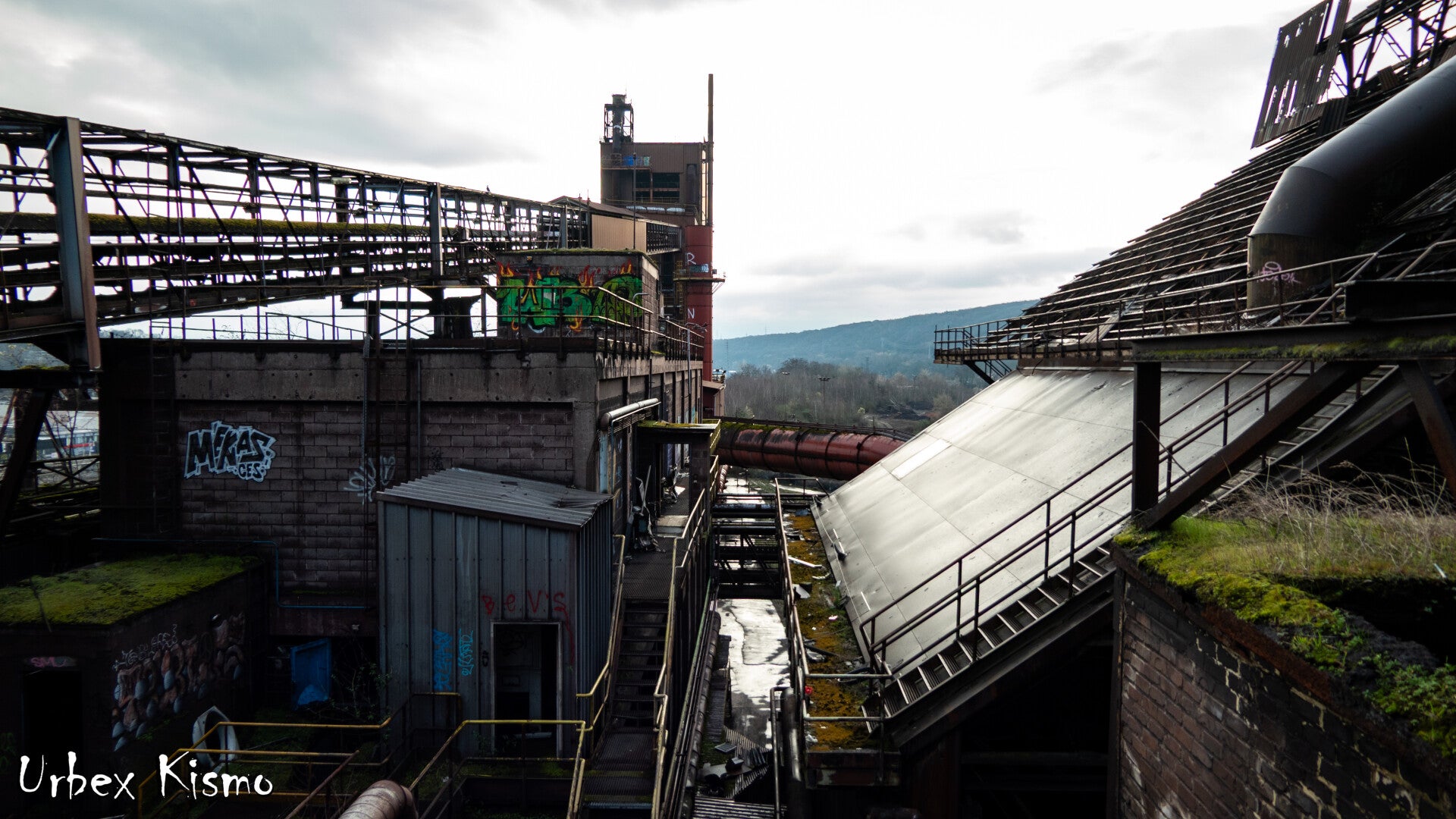
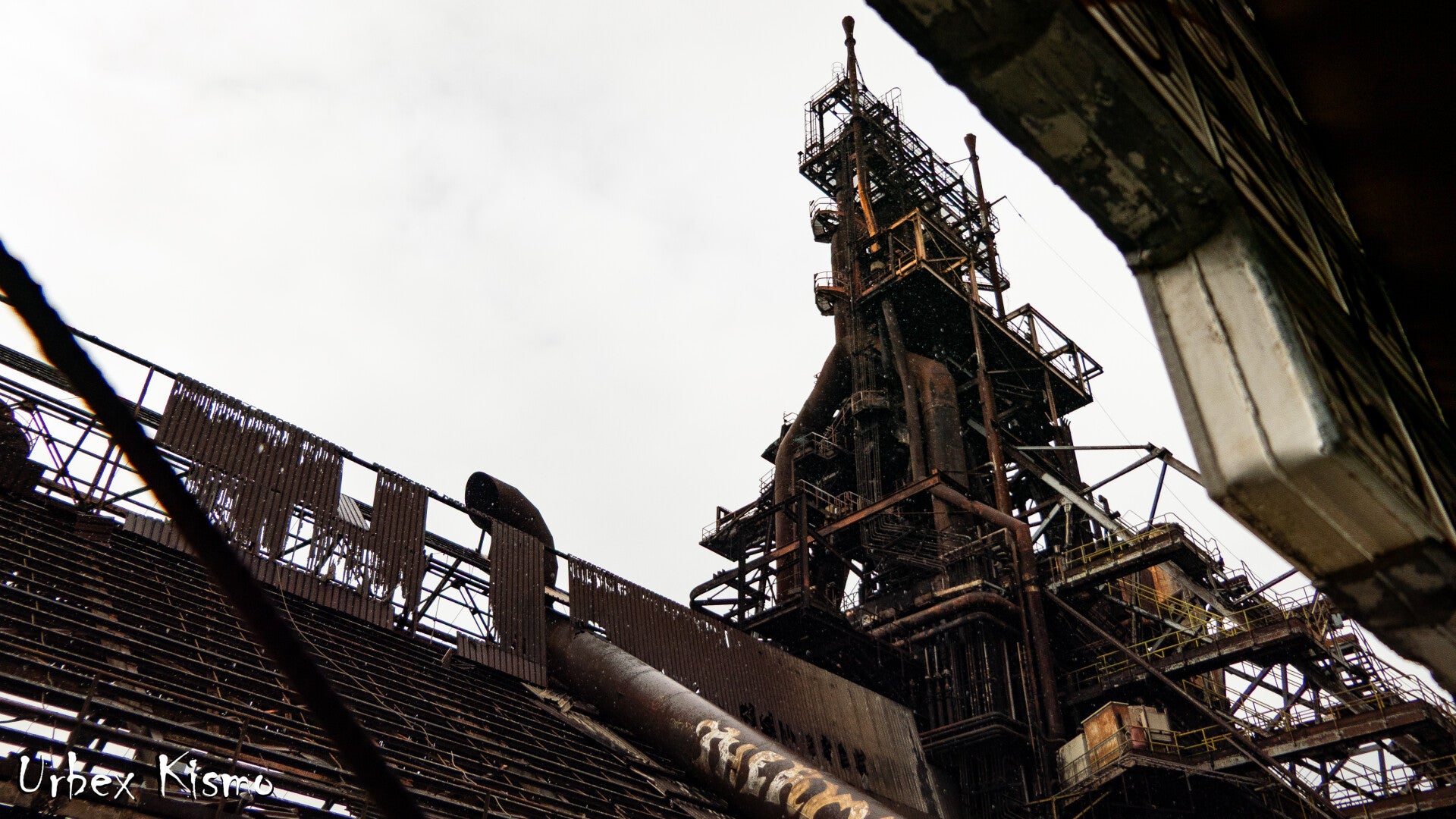
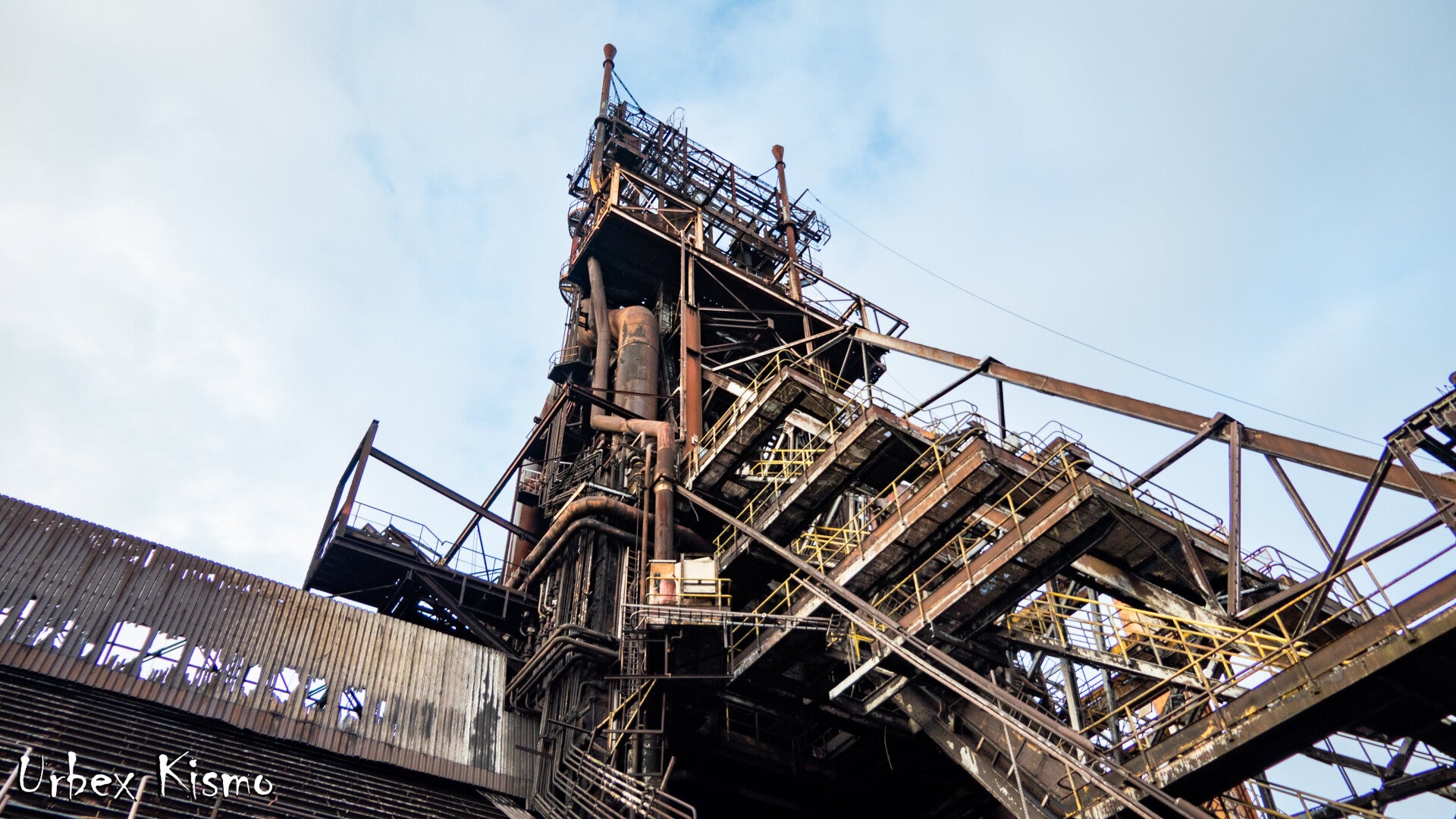
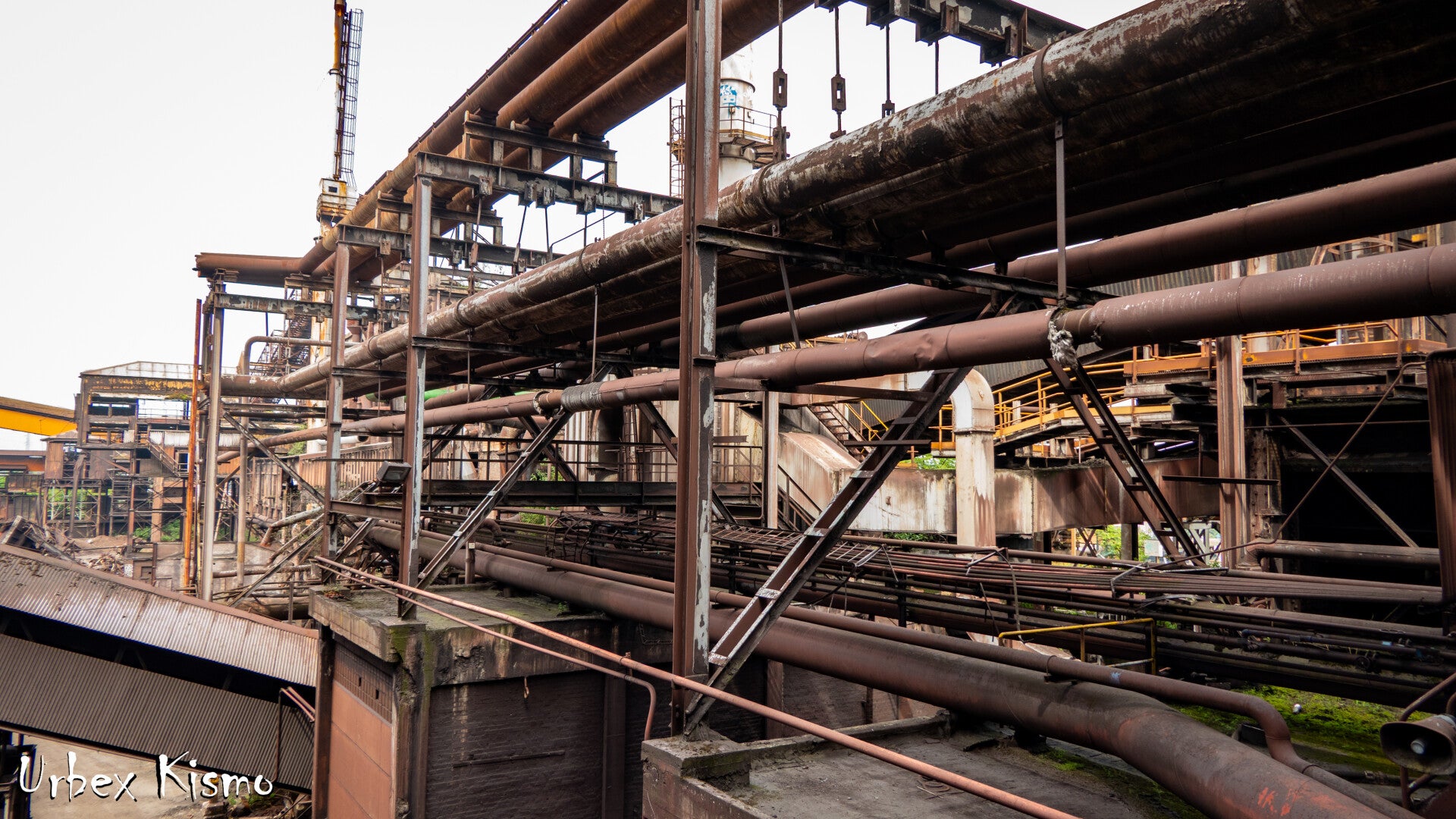
From these elevated walkways, you could overlook the blast furnace and the countless pipelines supporting its operation. Every pipe had a purpose: transporting hot air from the blowers, distributing furnace gas, supplying cooling water, delivering steam, or carrying fuel gases between different installations. The blast furnace itself depended on this vast network to maintain temperatures exceeding 2,000°C while continuously converting iron ore into molten iron. What appears to be a chaotic maze of steel and pipes was actually a carefully engineered system designed to keep the furnace running efficiently day and night.
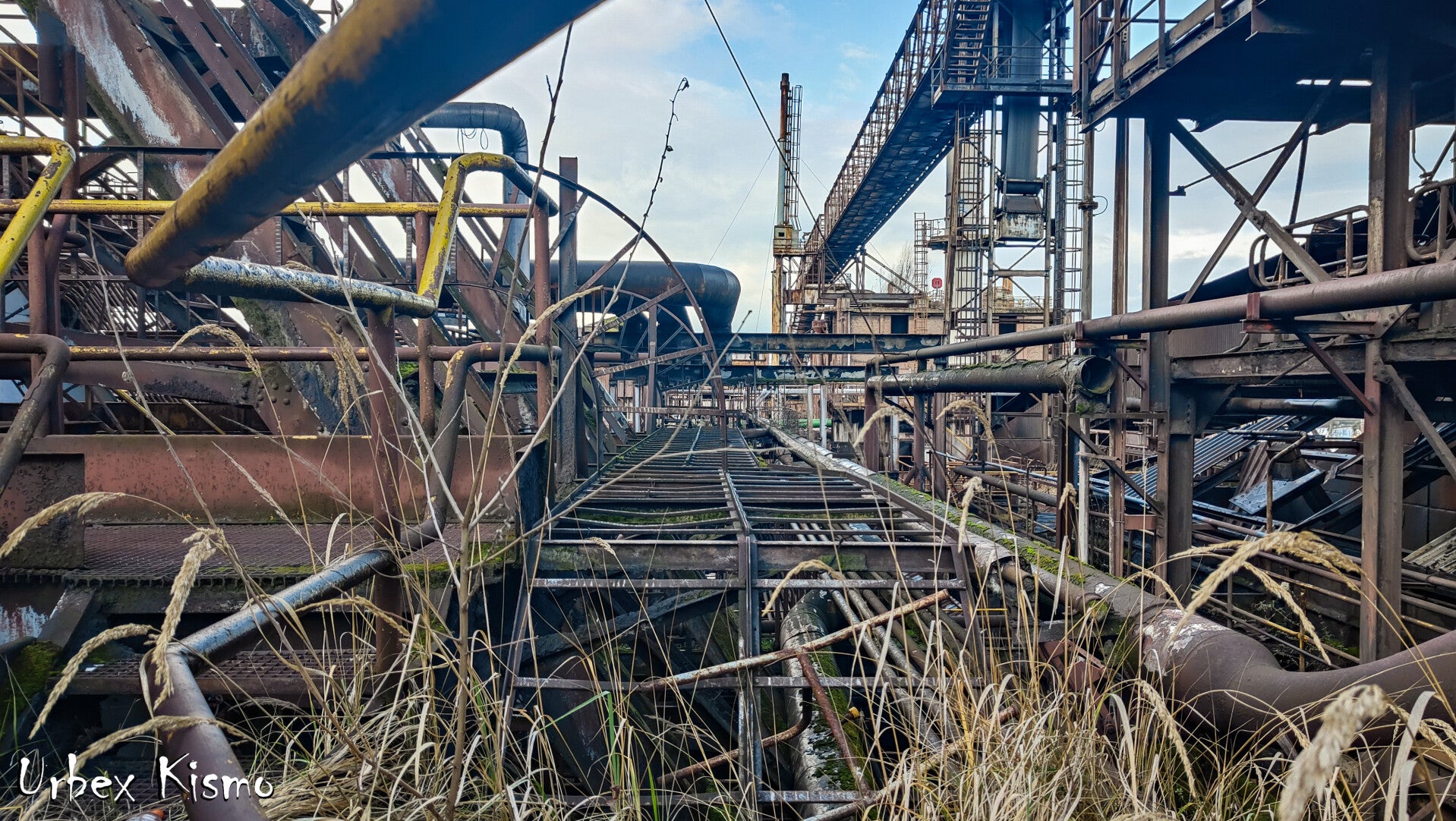
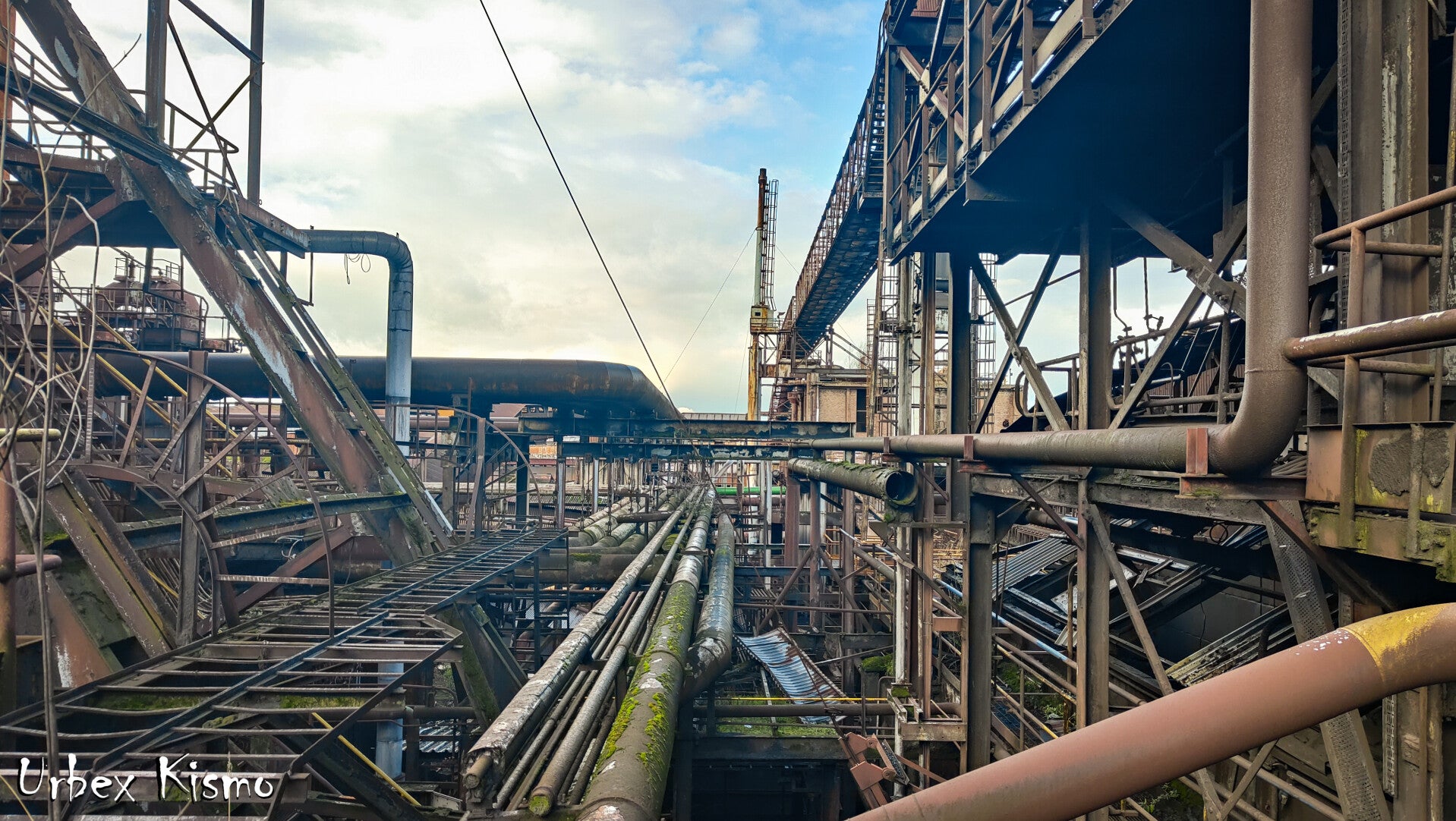
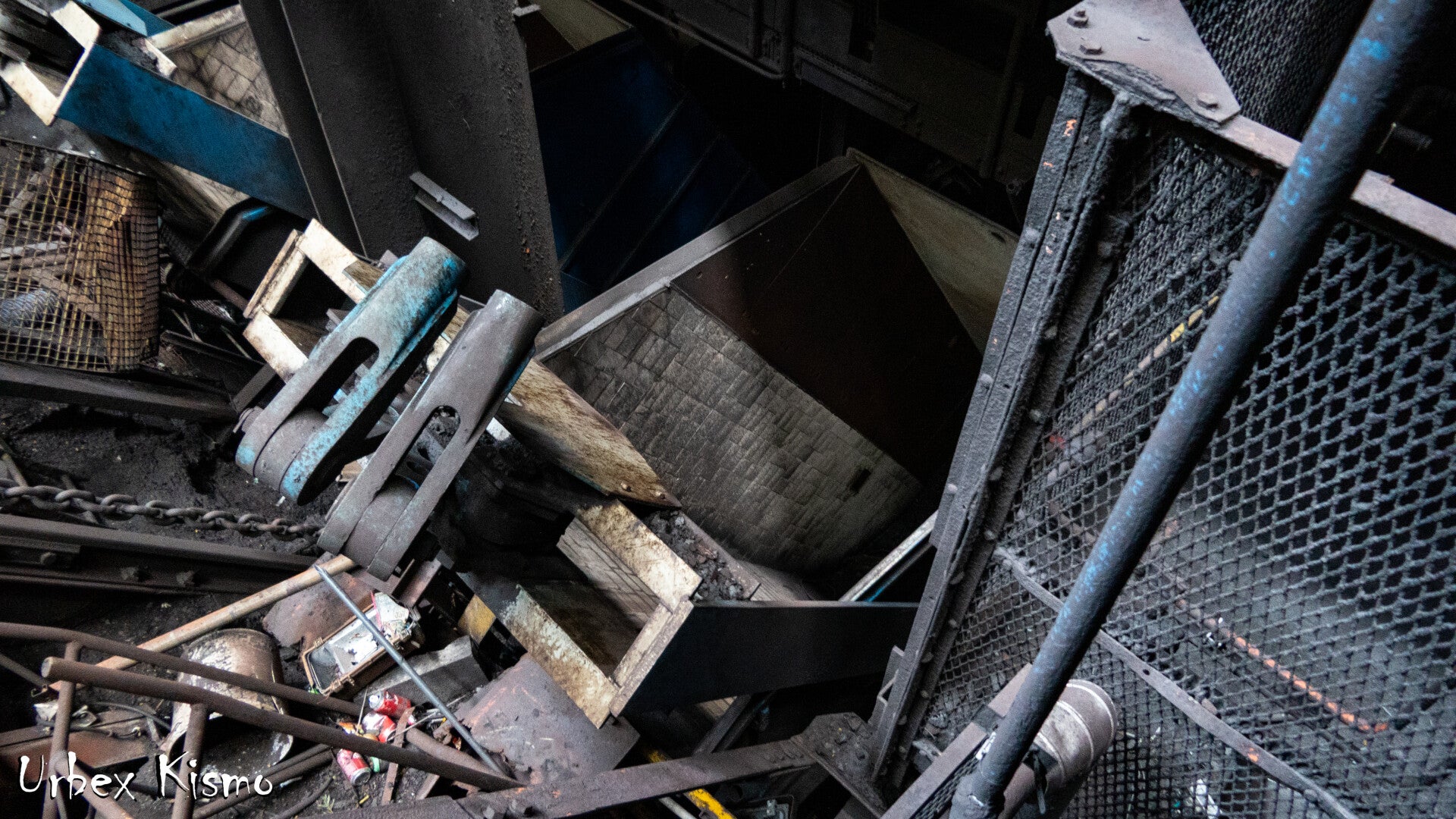
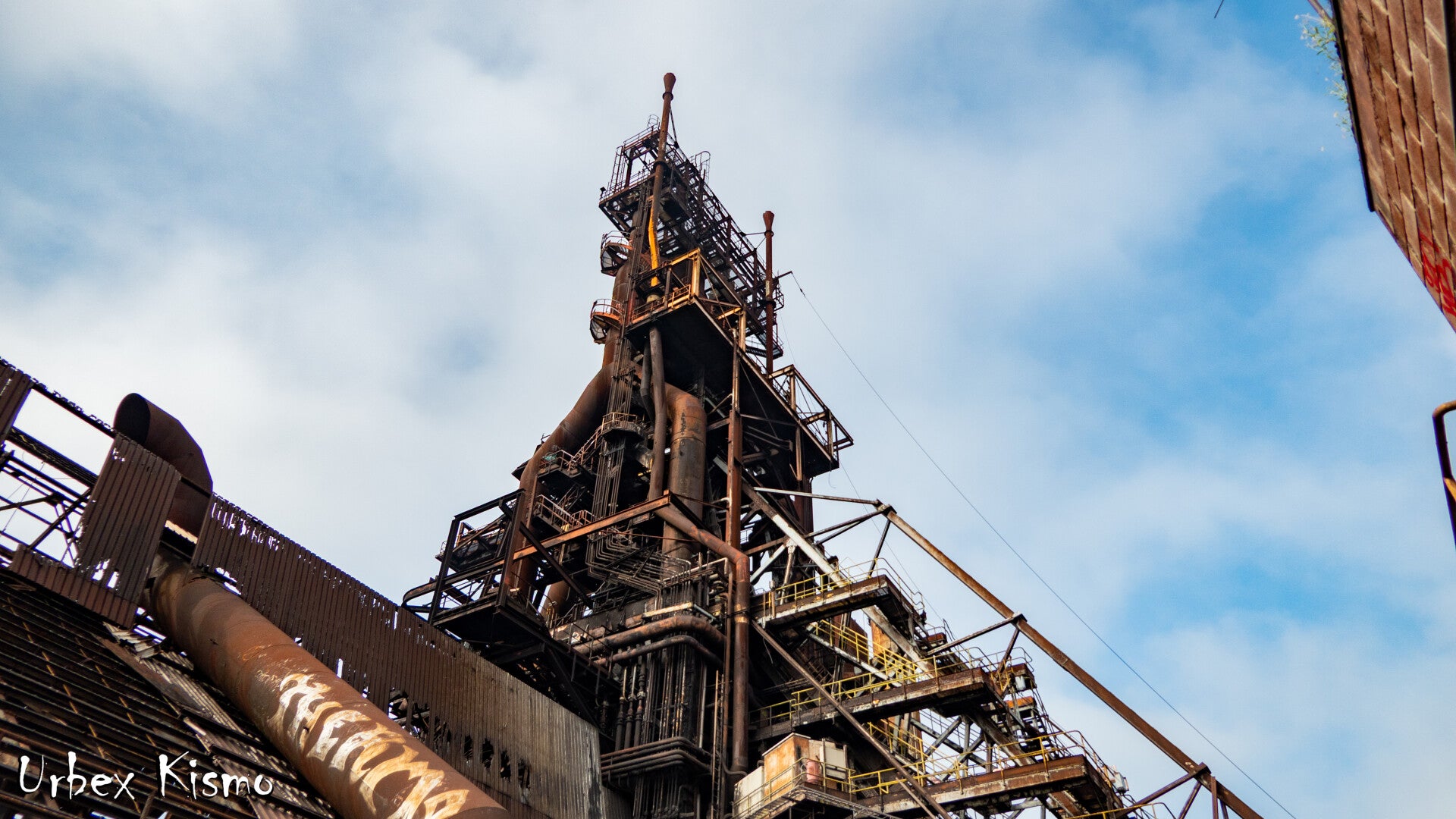
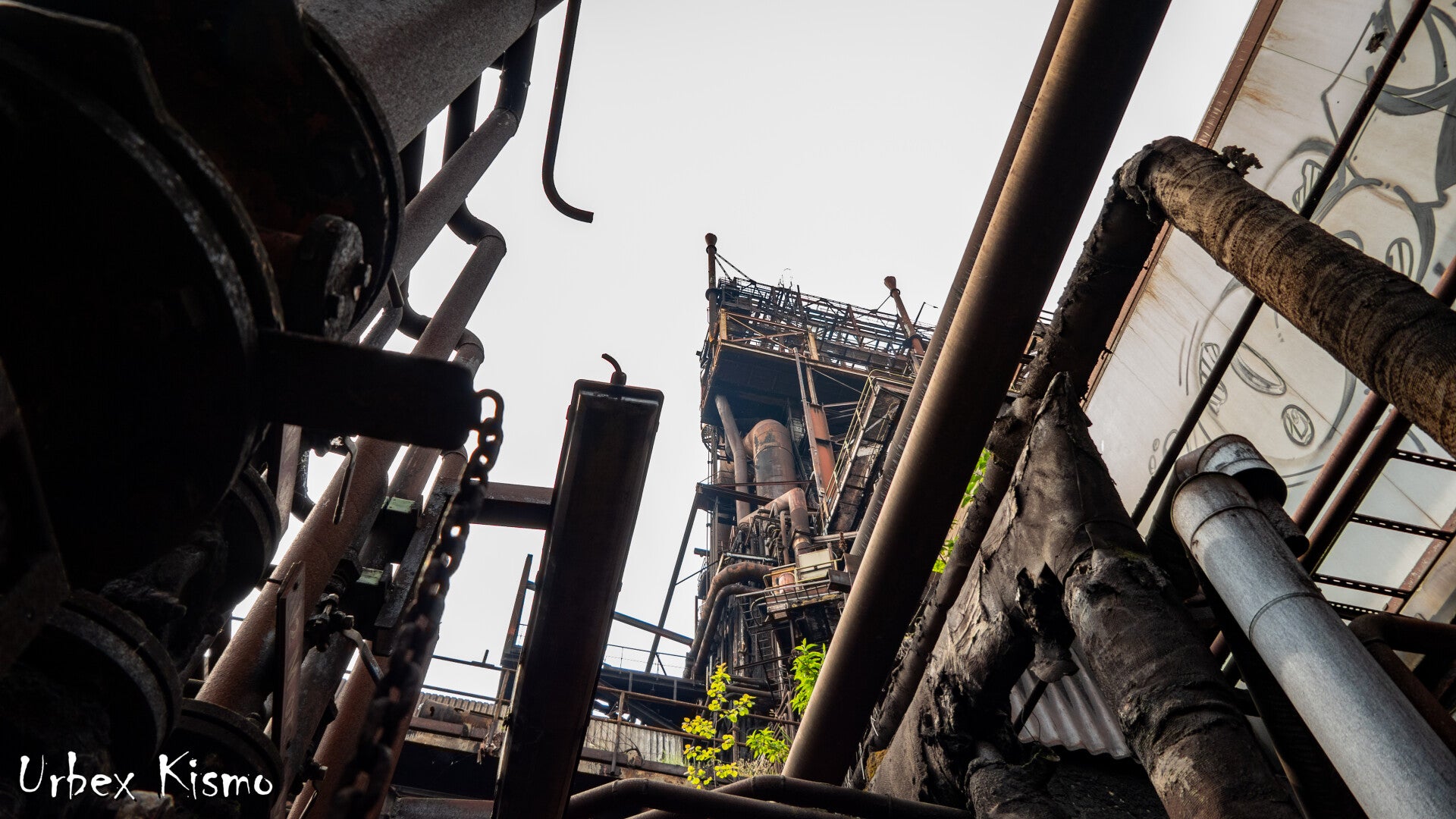
A landscape of pipes, gases, and hot air


Create Your Own Website With JouwWeb