

The Giants of Lorraine
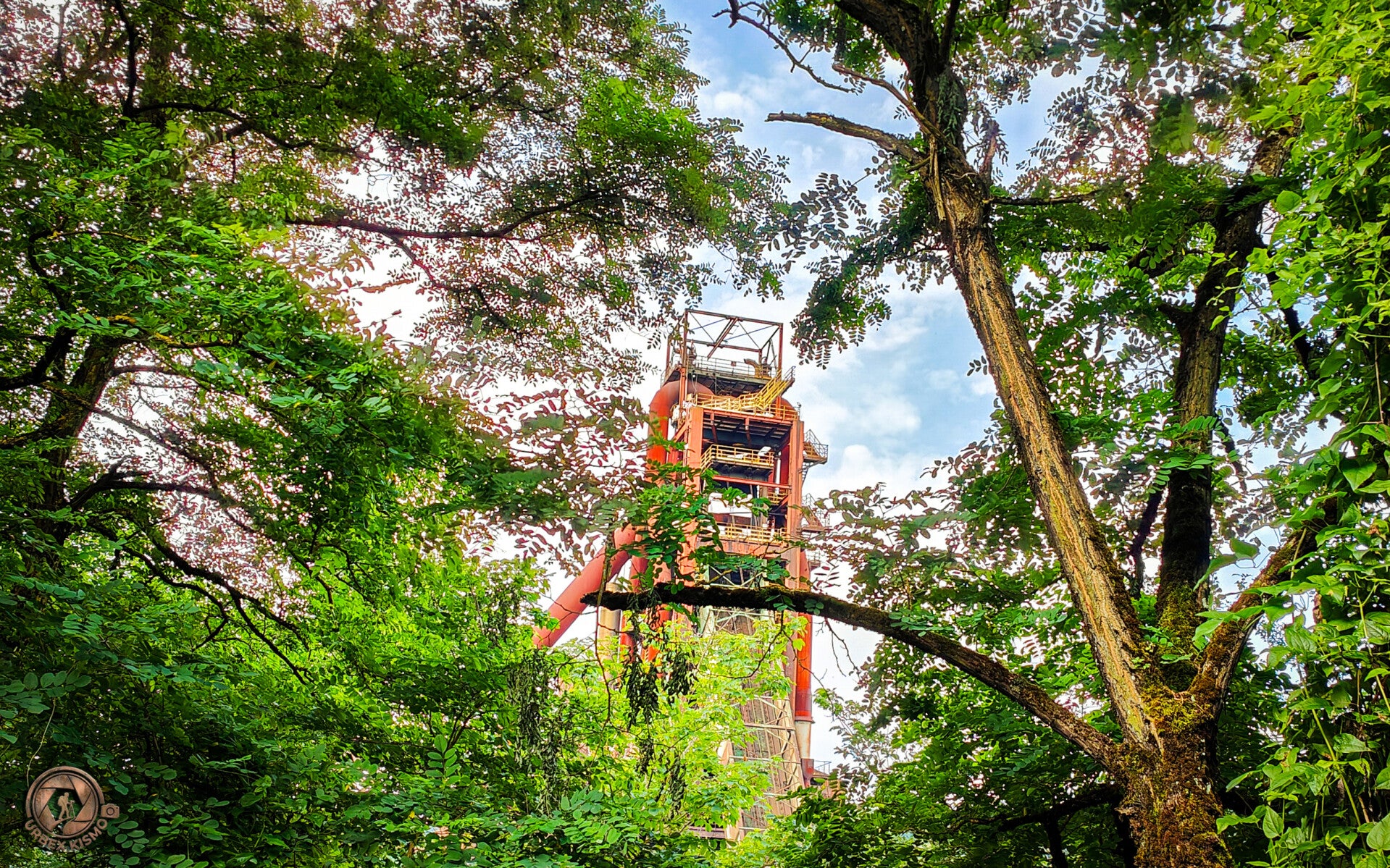
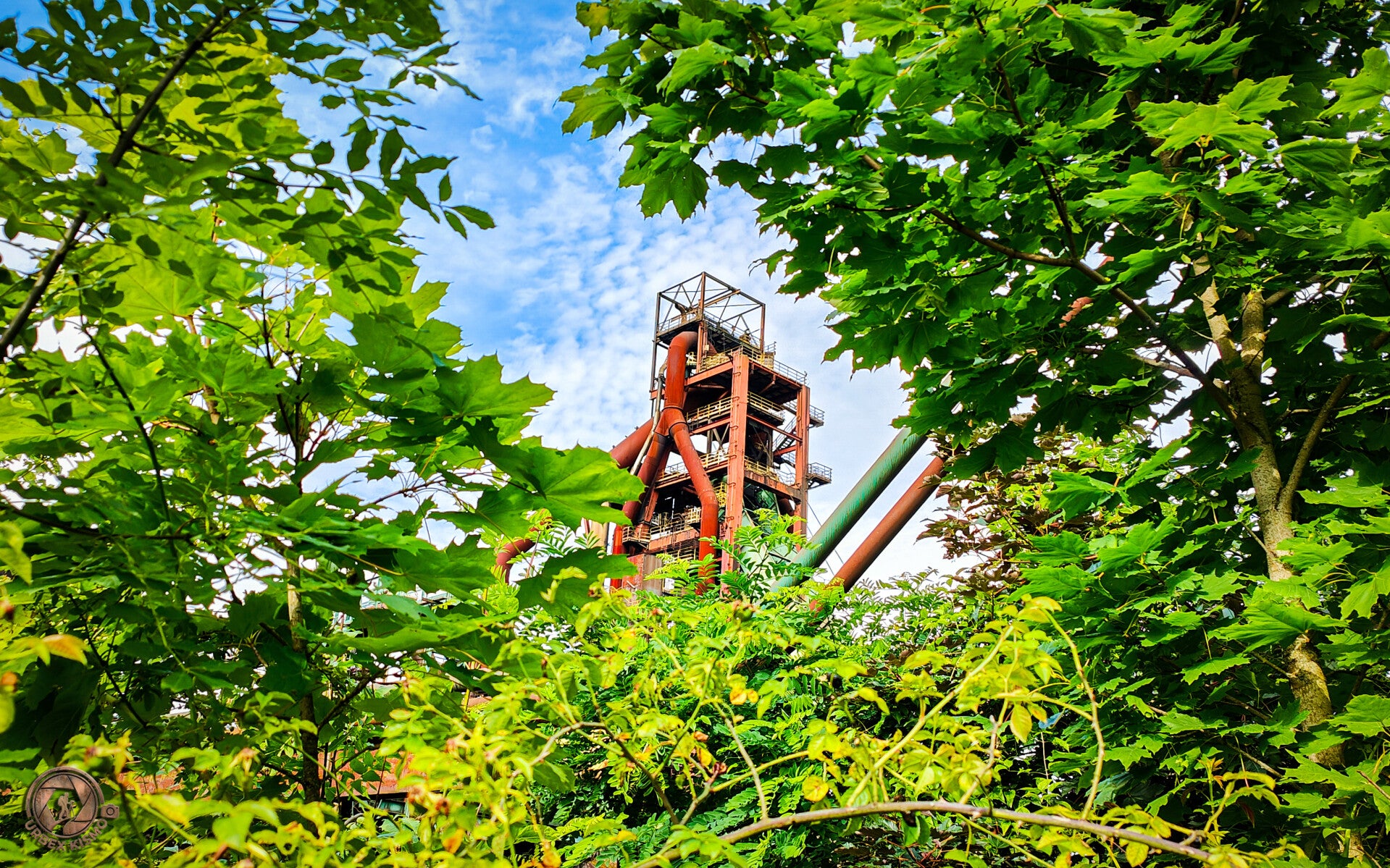
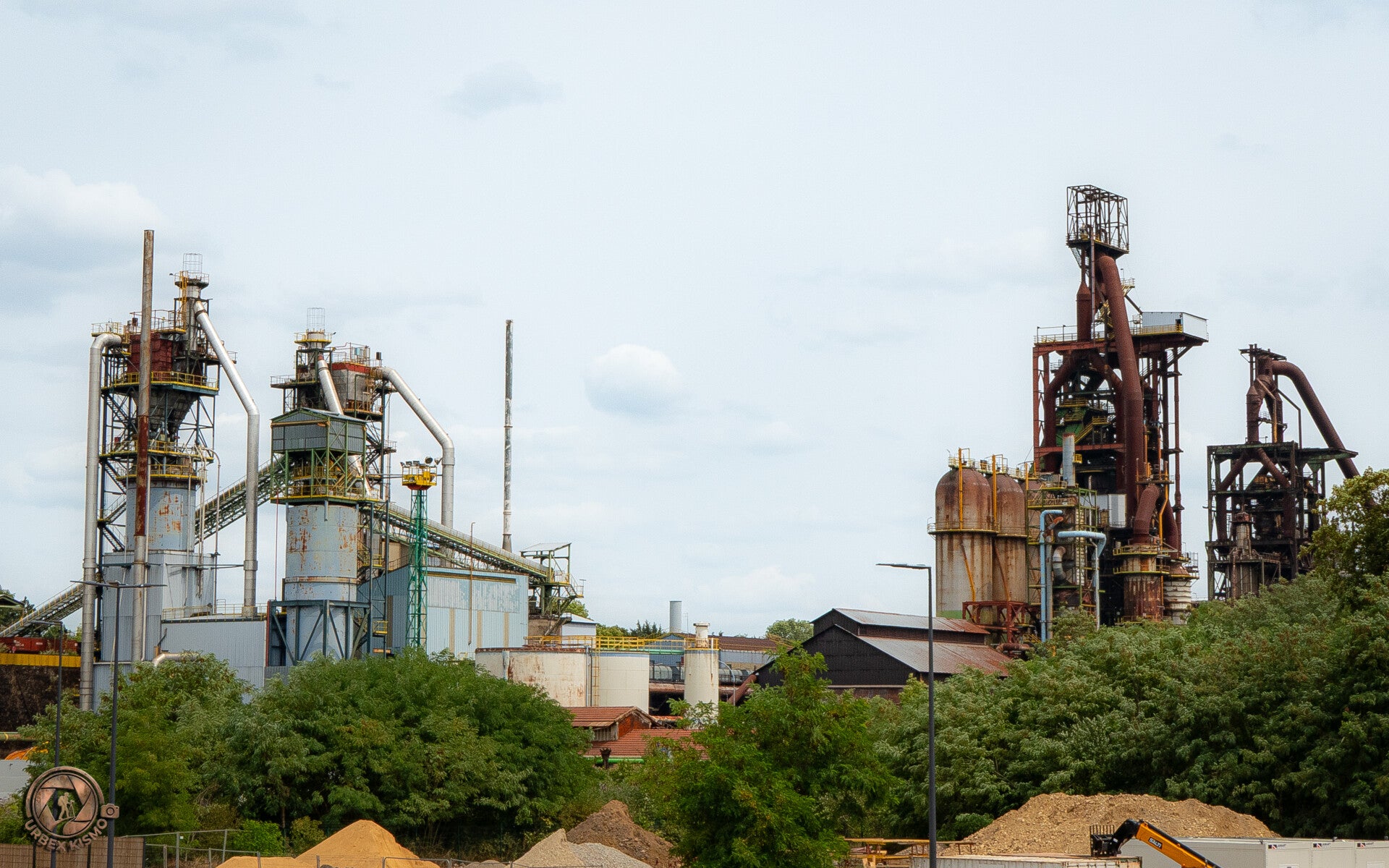
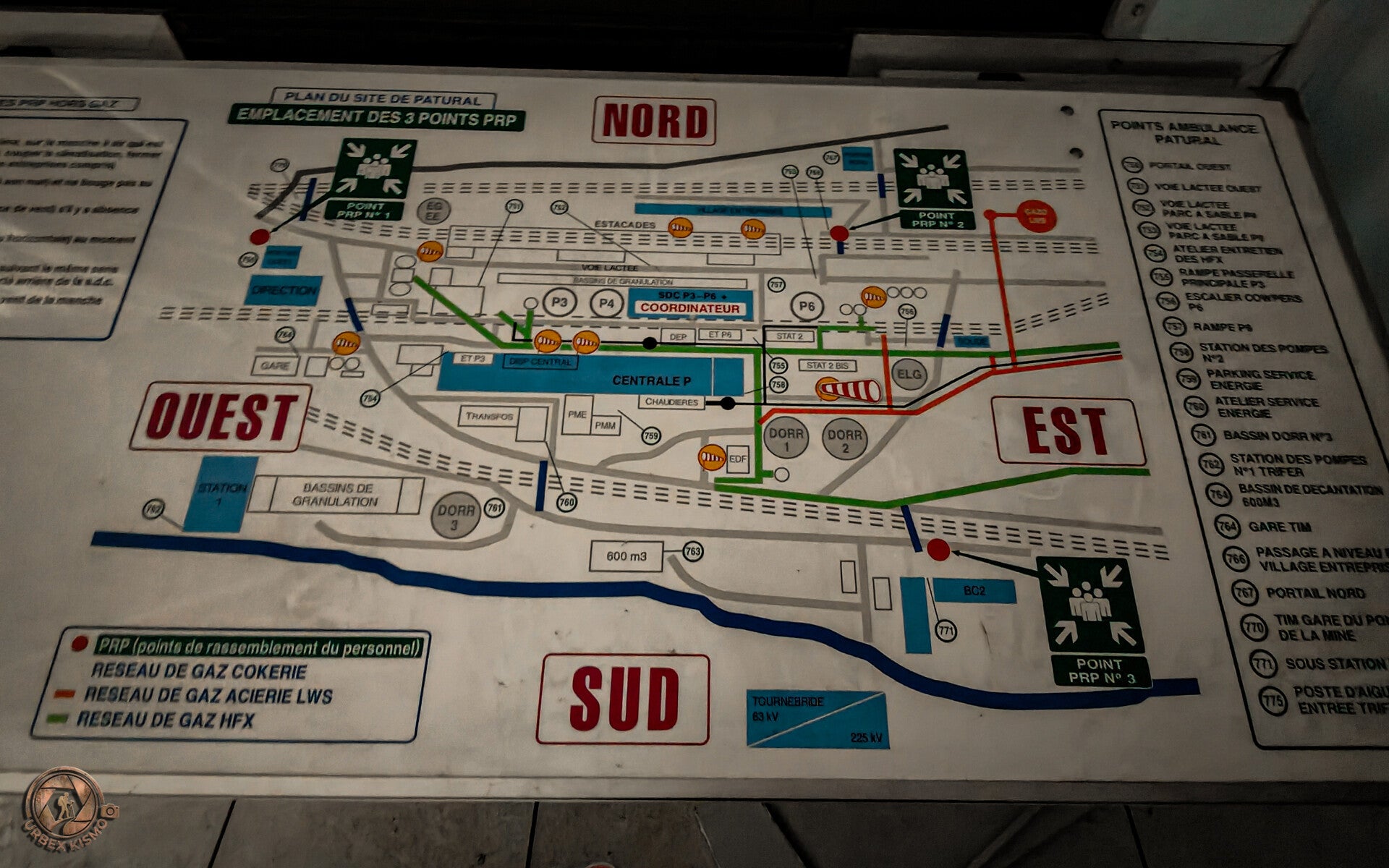
The blast furnaces of Florange were once a major part of France's steel industry. Six furnaces, numbered P1 to P6, operated here over the site's history. P3, P4 and P6 were extensively modernised during the 1970s, but P4 stopped operating in 1993, followed by P3 and P6 in November 2012. Their permanent closure was confirmed in 2018. I have visited this enormous industrial complex several times. Its towering furnaces and machinery are impressive, but the security is equally memorable. Security vehicles, drones, dogs and multiple guards patrol the grounds, sometimes entering the buildings and climbing the furnaces themselves. I was fortunate not to be caught, although I could hear security vehicles moving around the site during my visits.
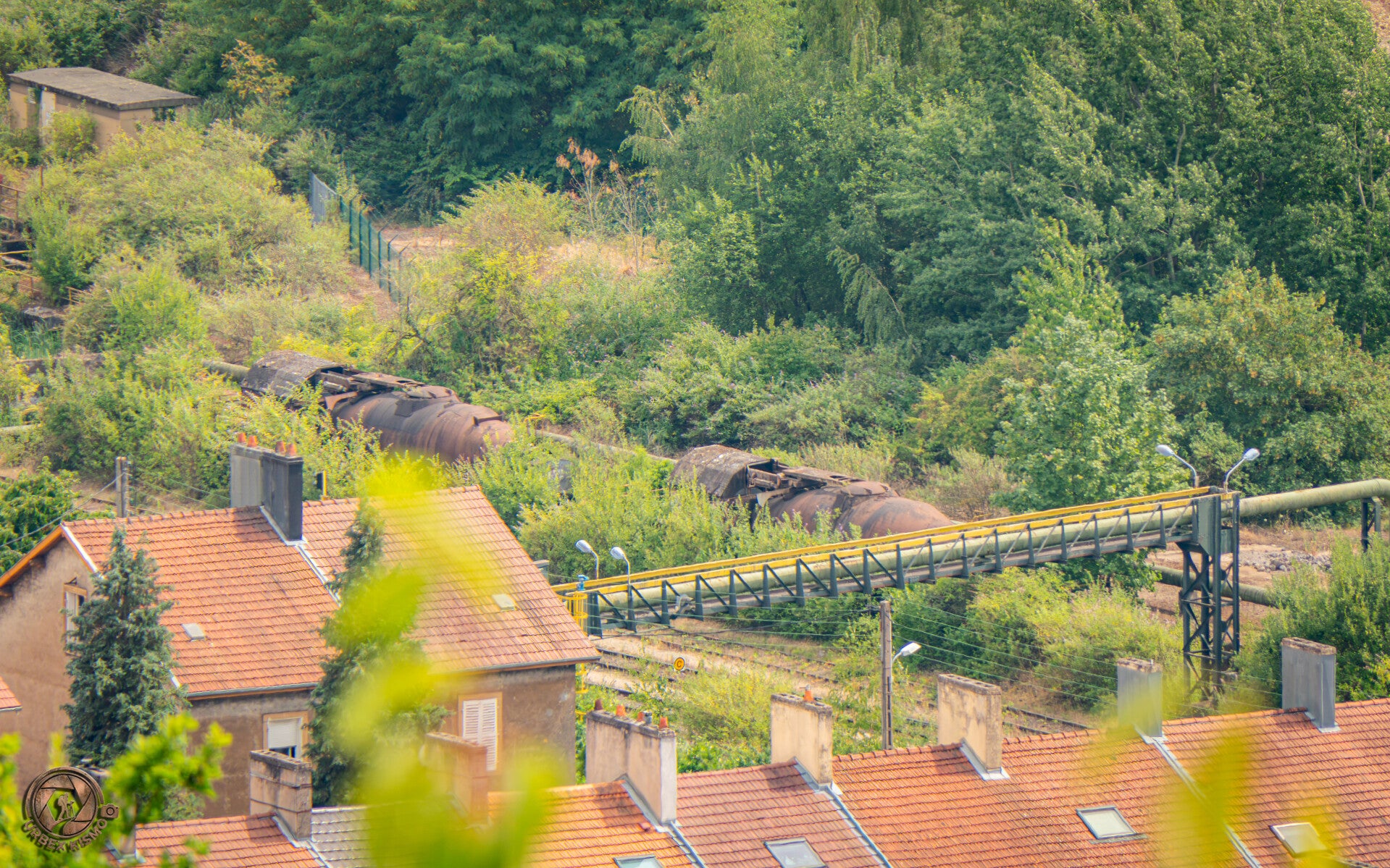
A century of ironmaking
The Stock House
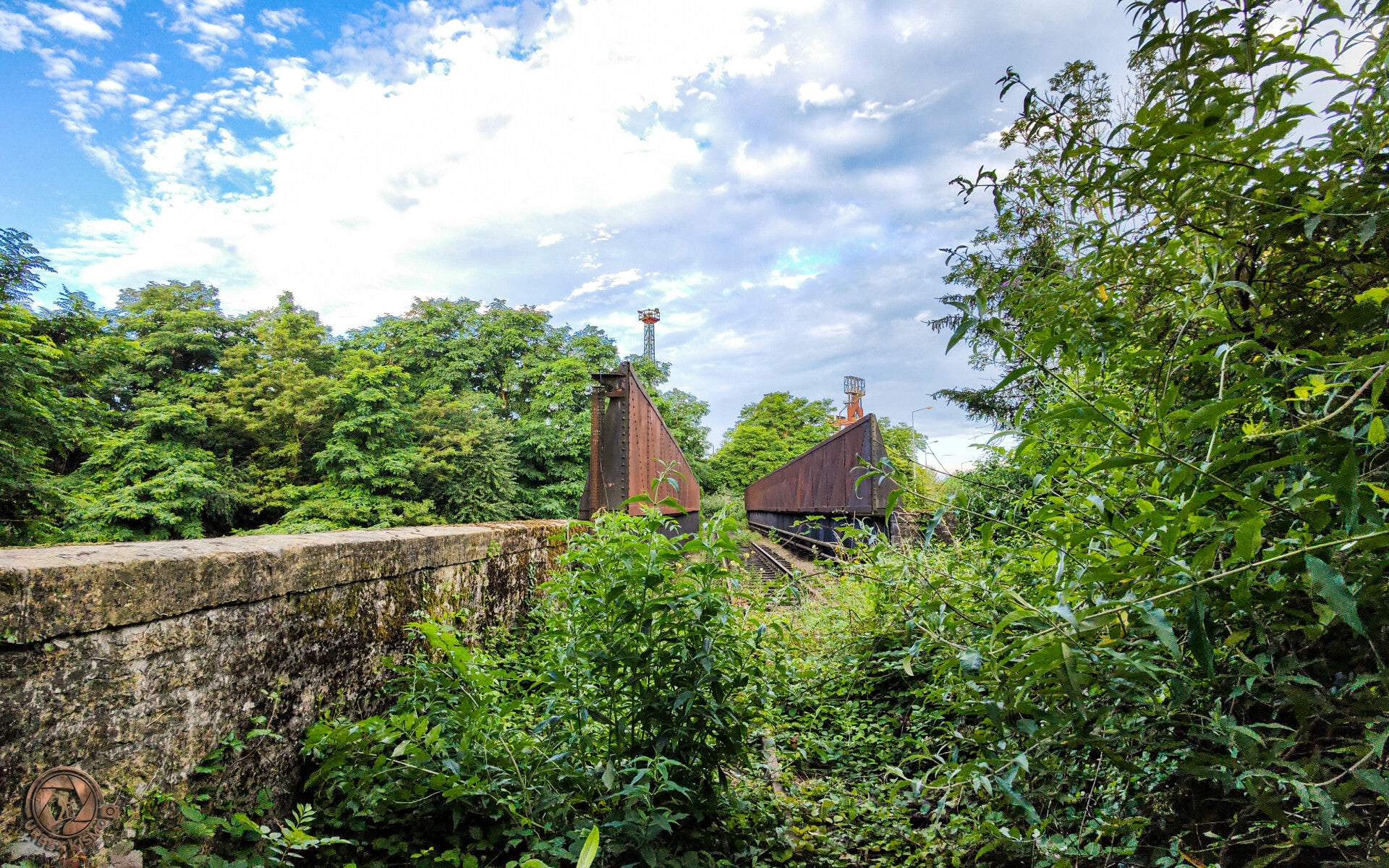
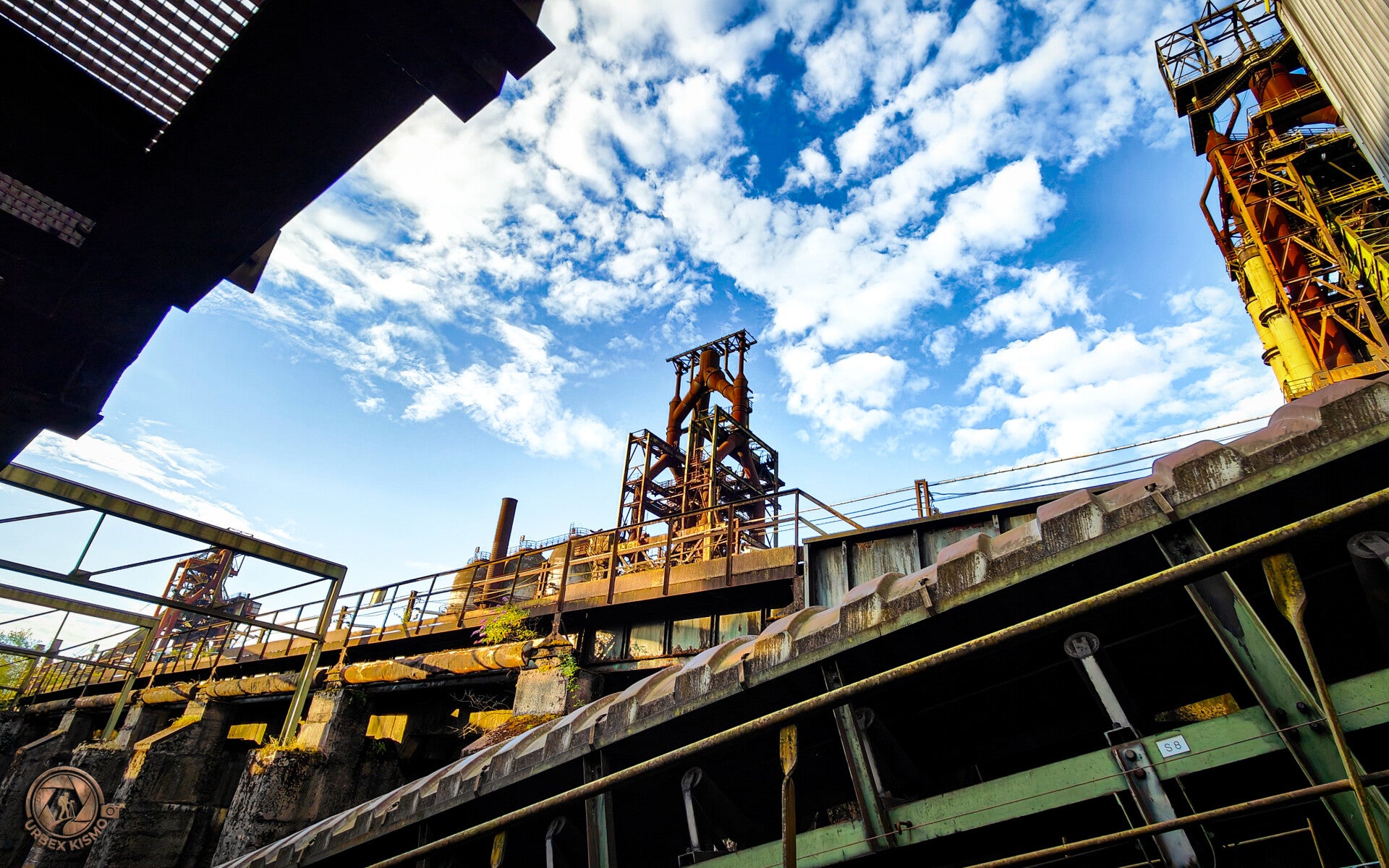
Trains delivered raw materials to the elevated stock house, where iron ore, coke and limestone were unloaded into storage bins. Chutes beneath the structure directed these materials towards the charging system. Carefully controlling their proportions was essential for maintaining stable temperatures and efficient iron production.
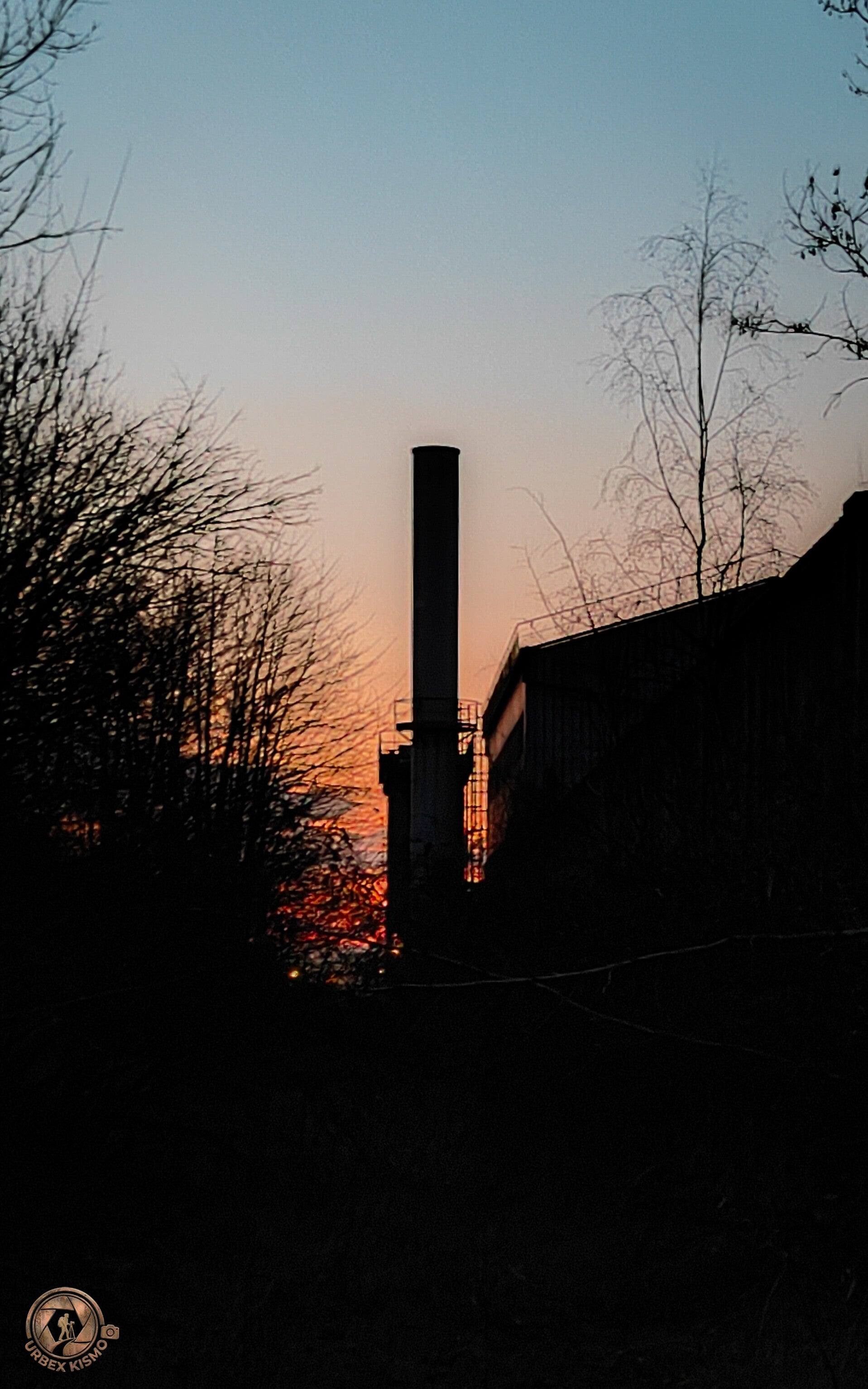
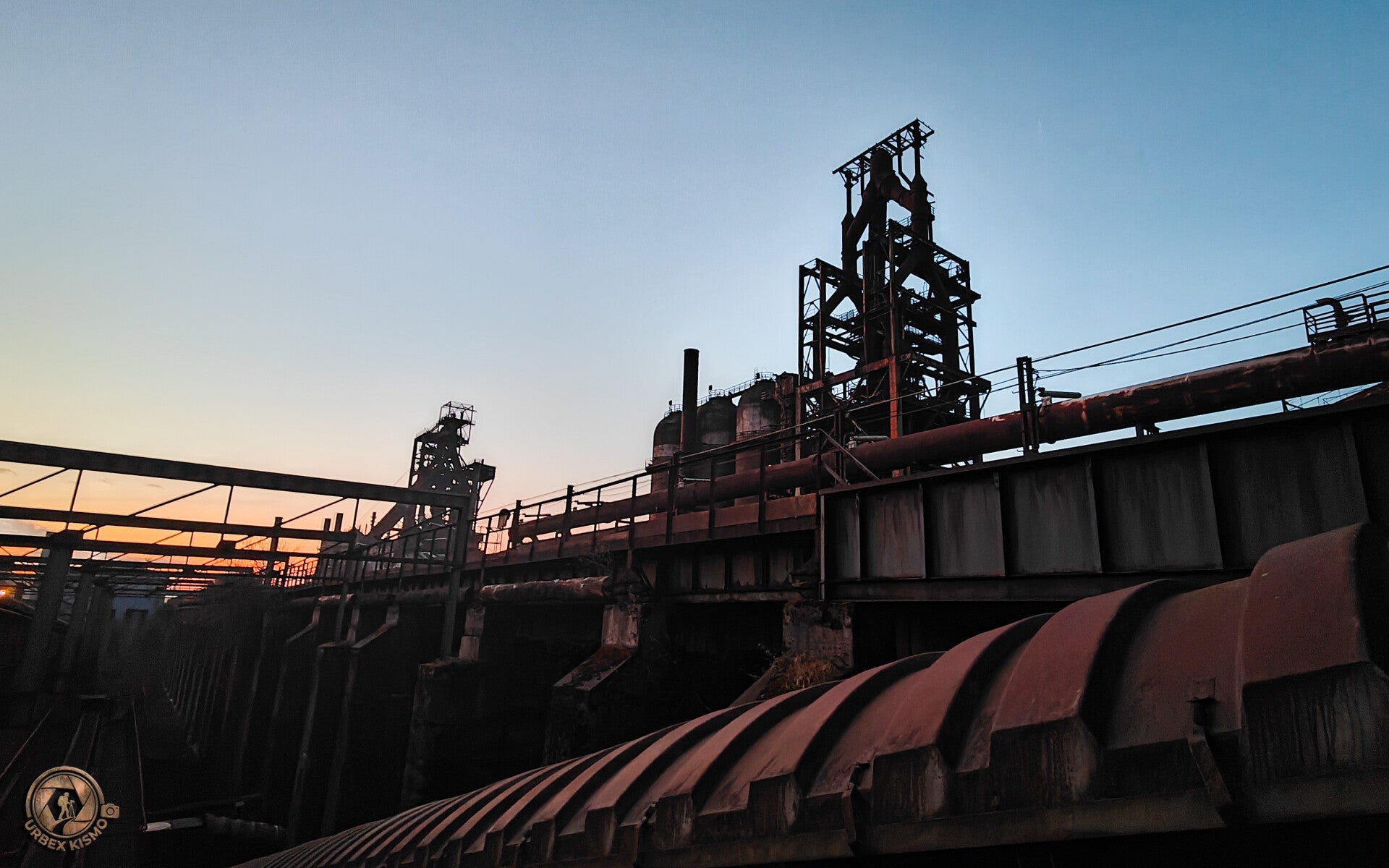
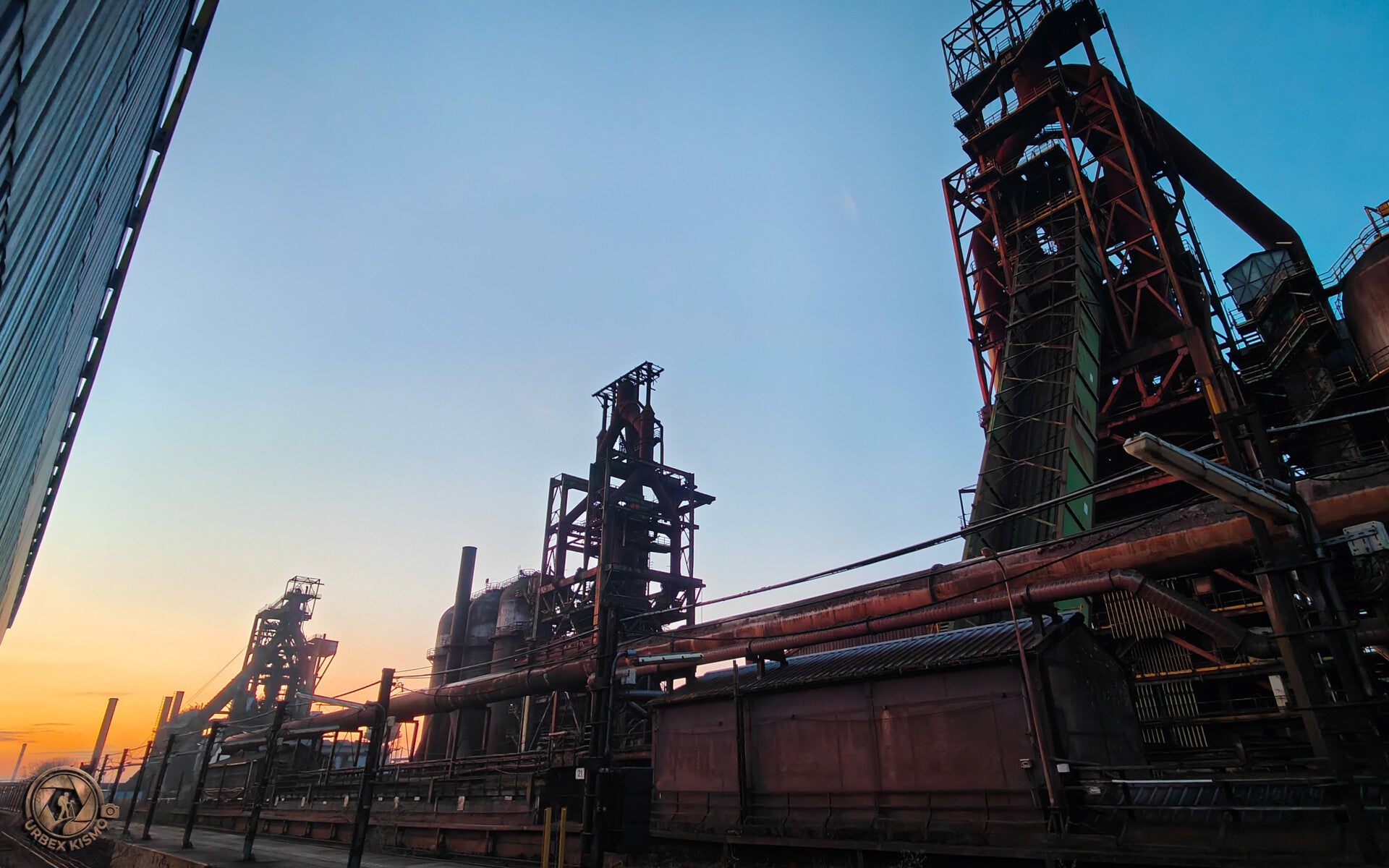
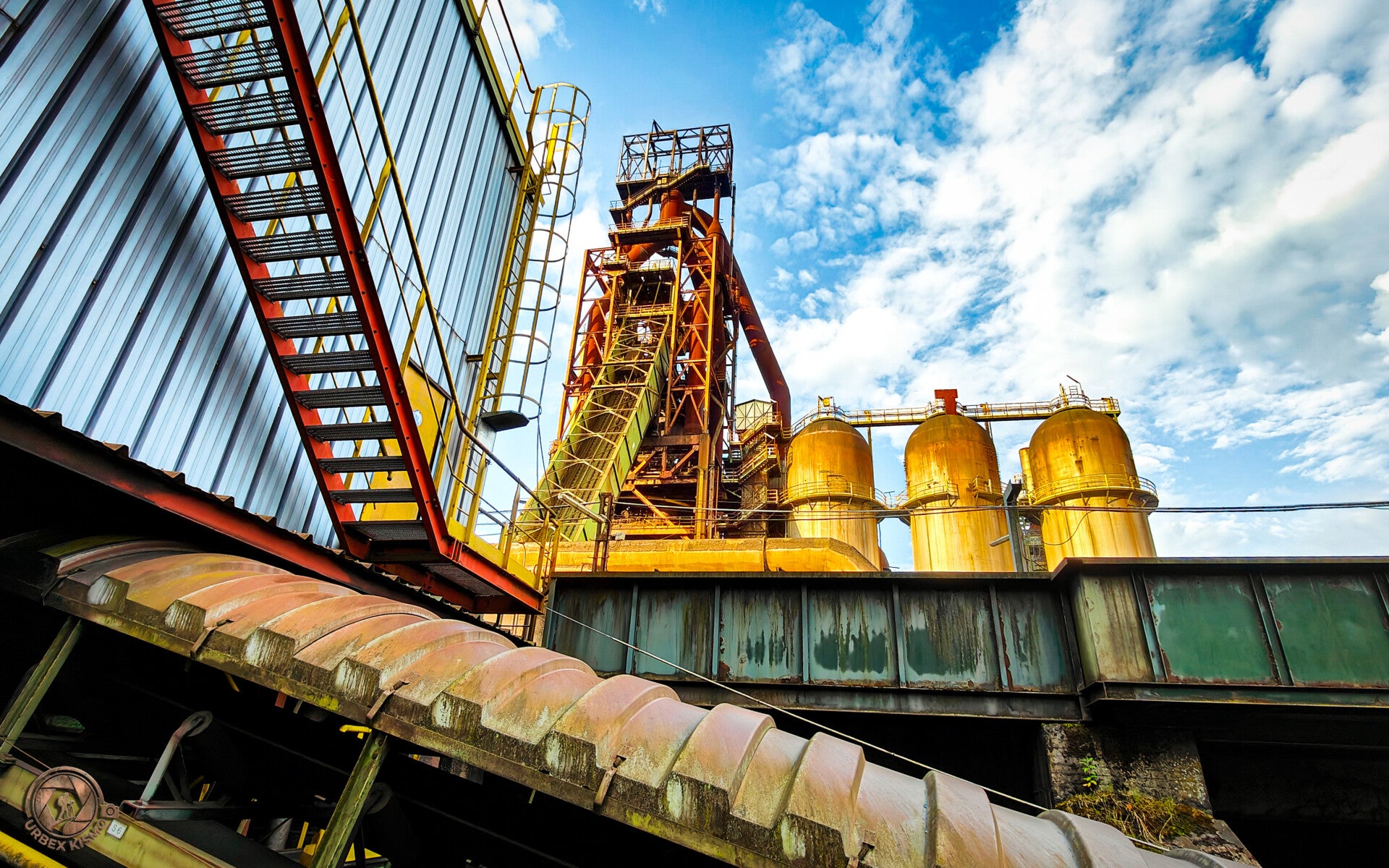
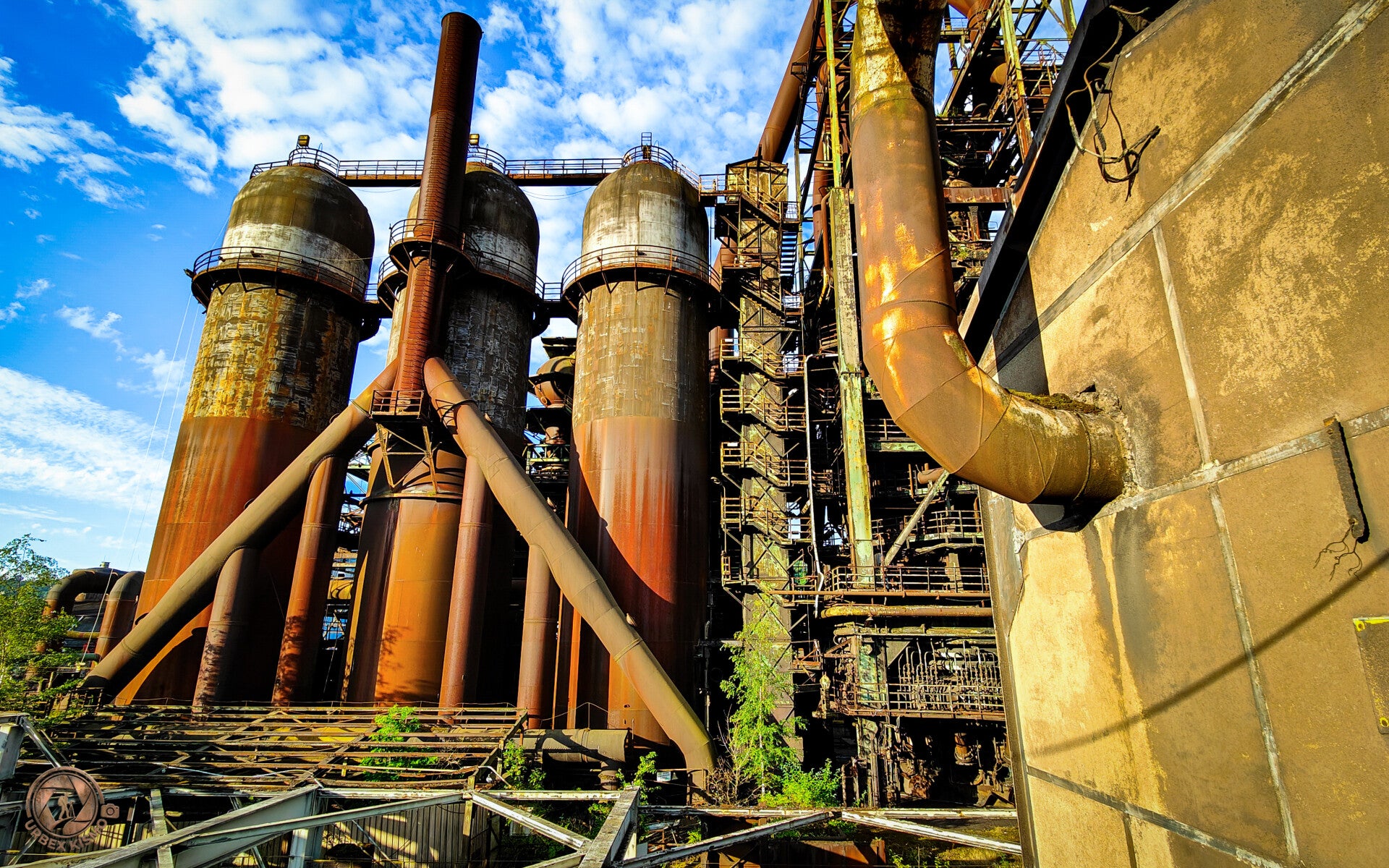
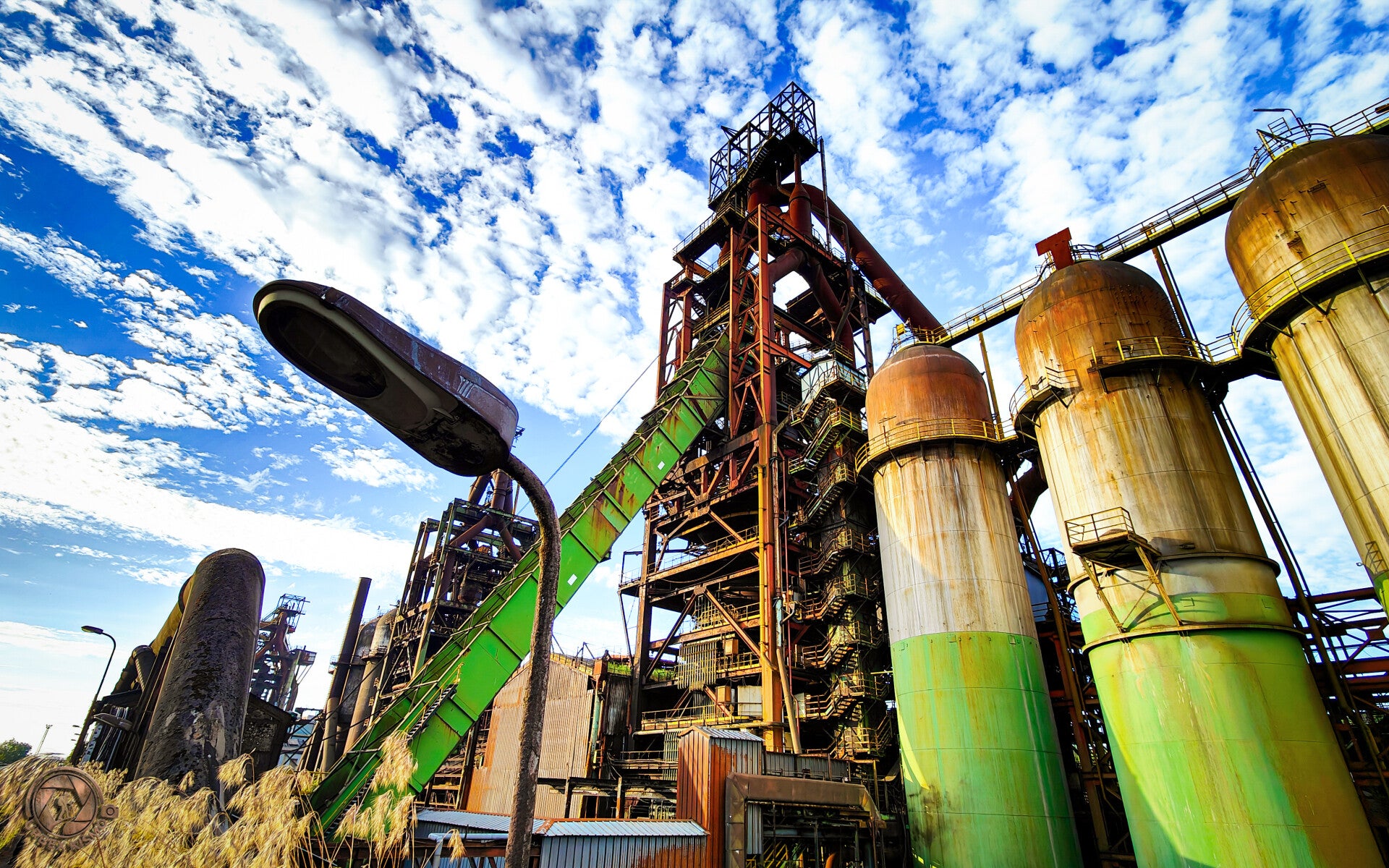
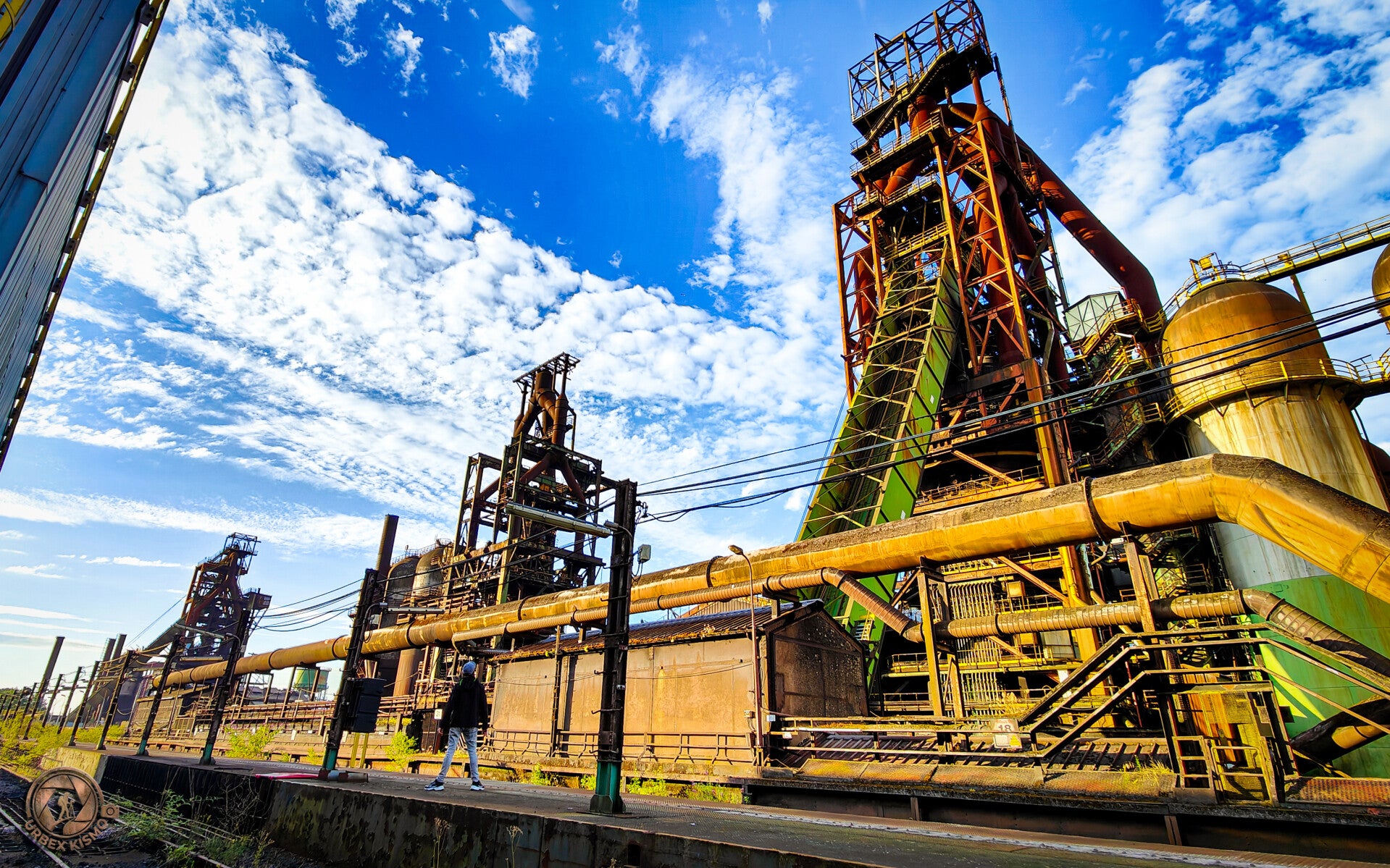
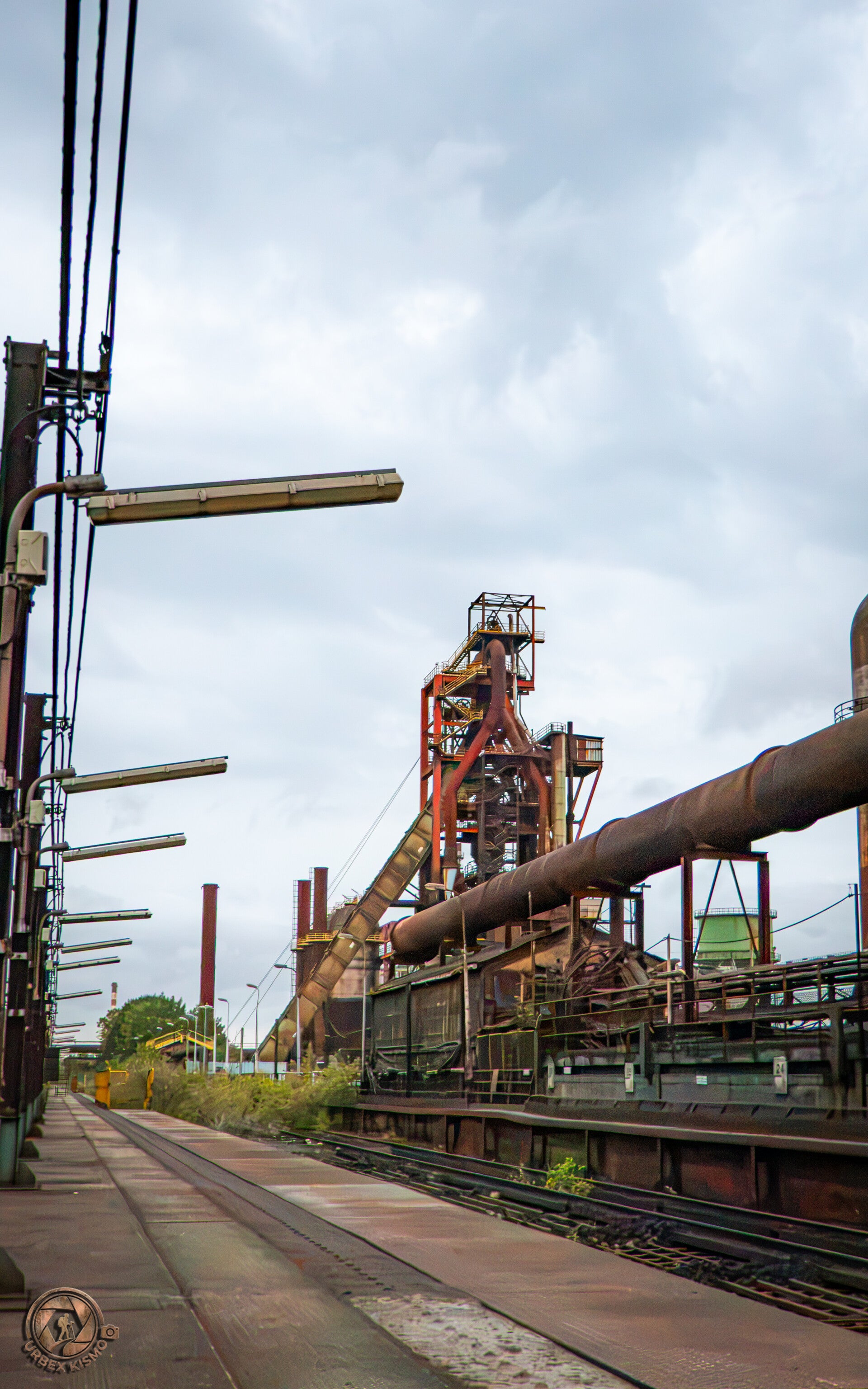
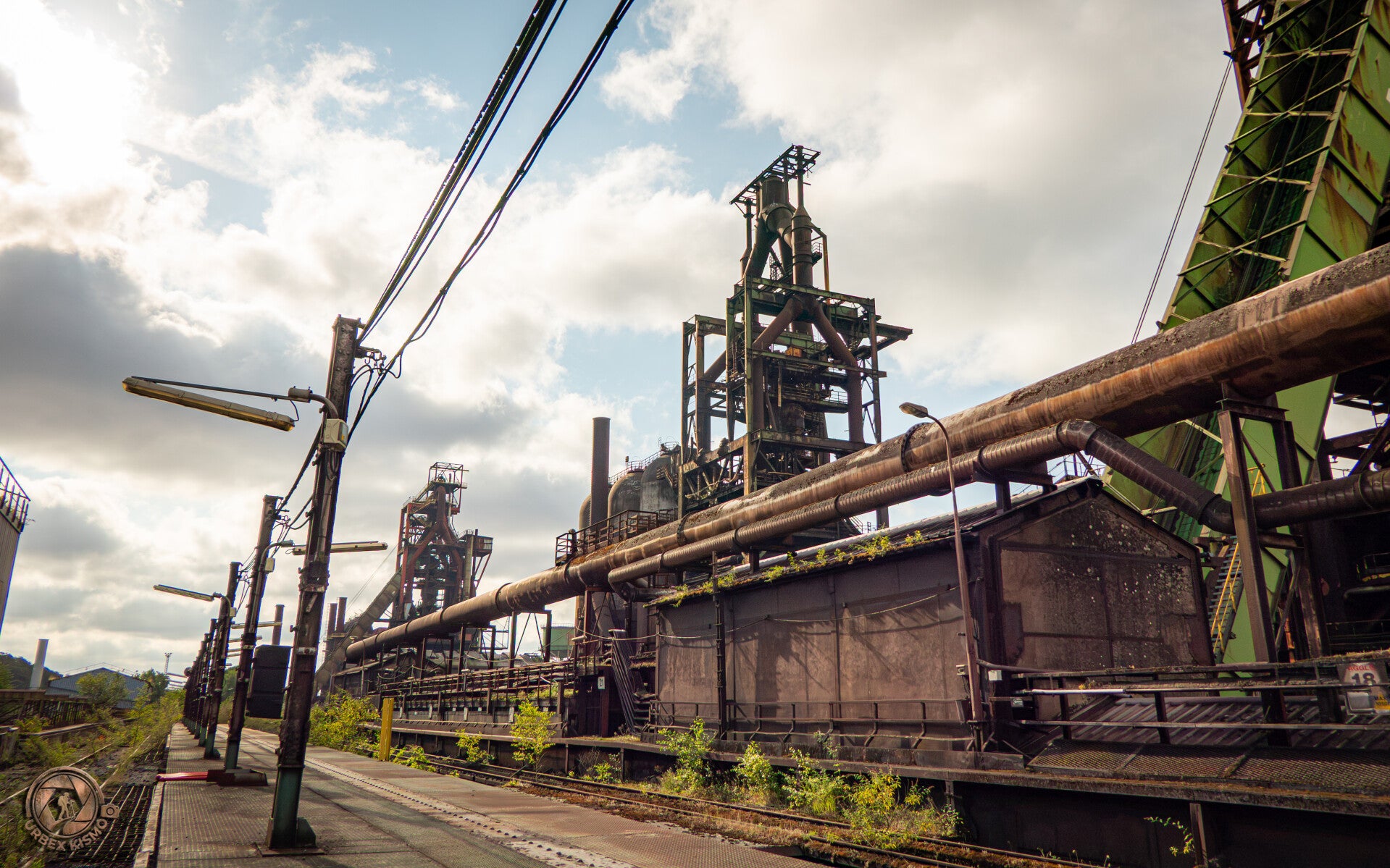
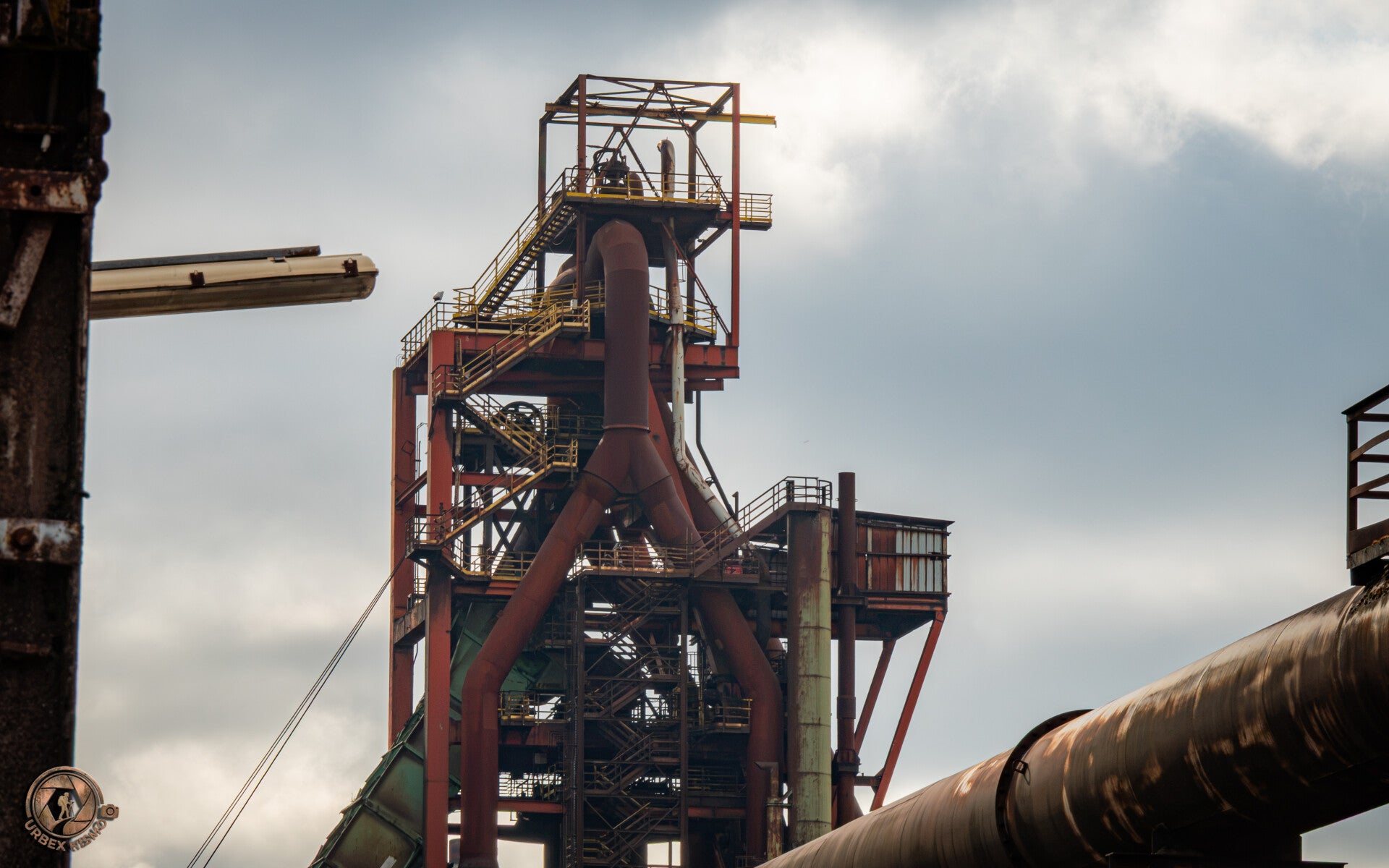
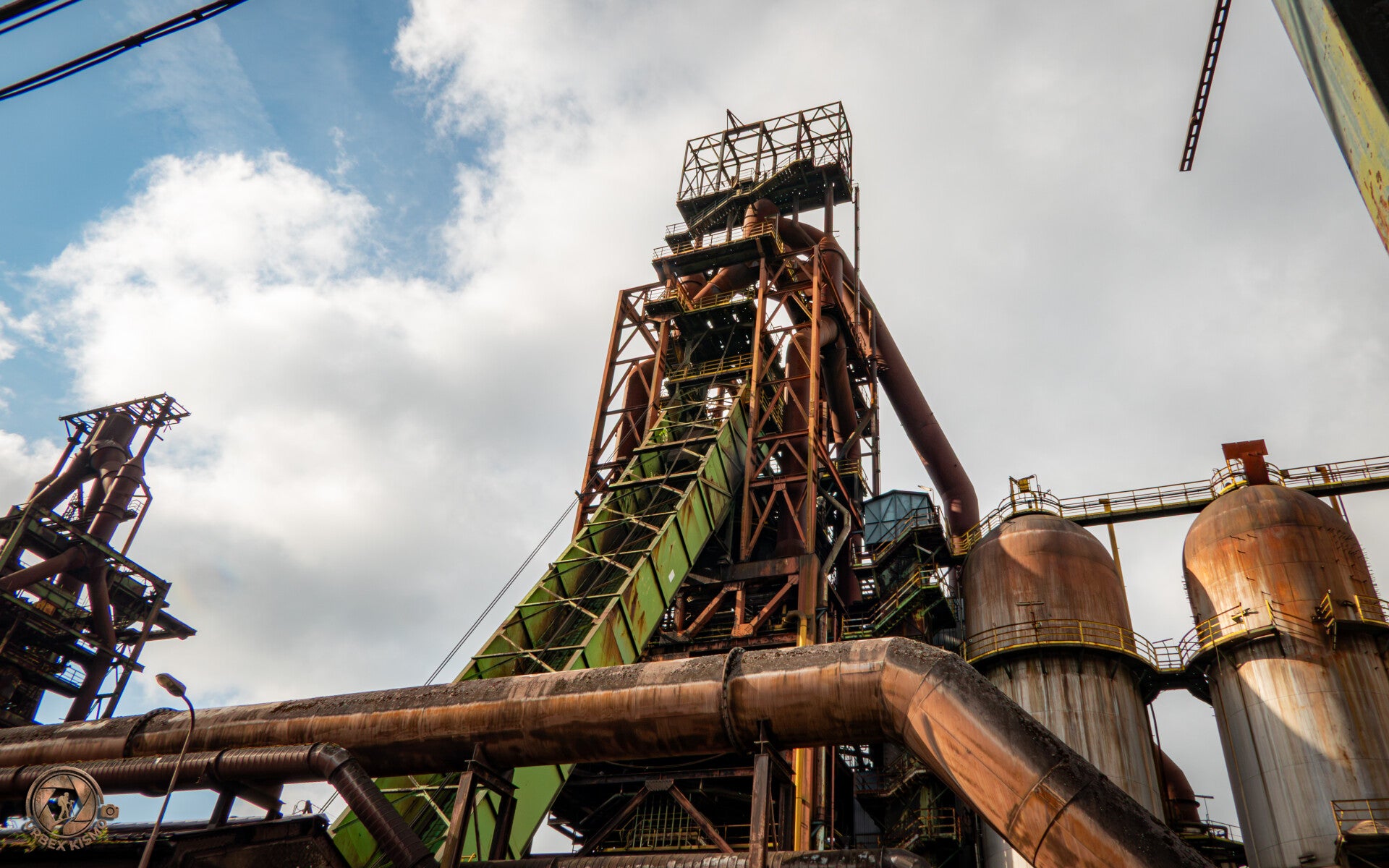
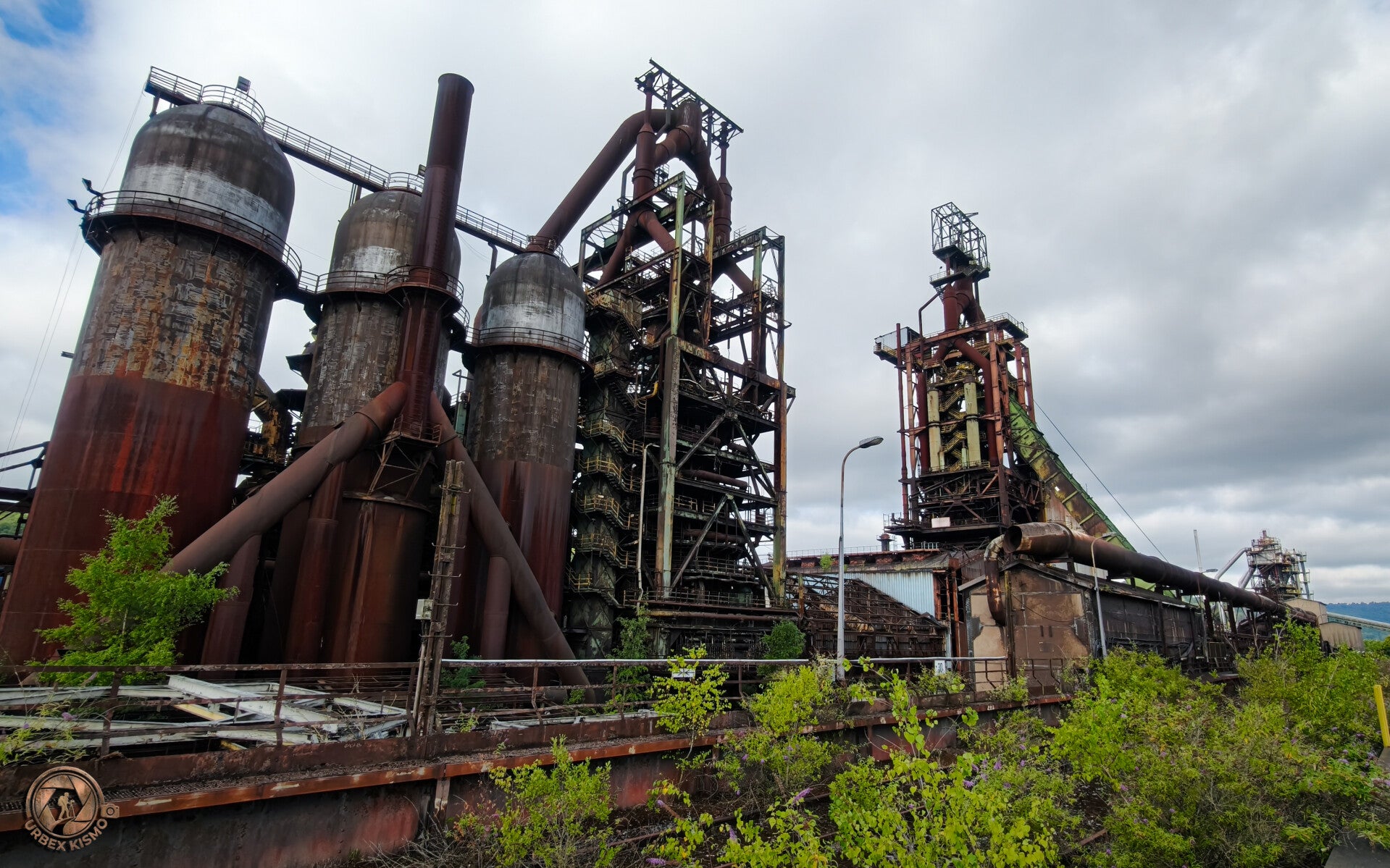
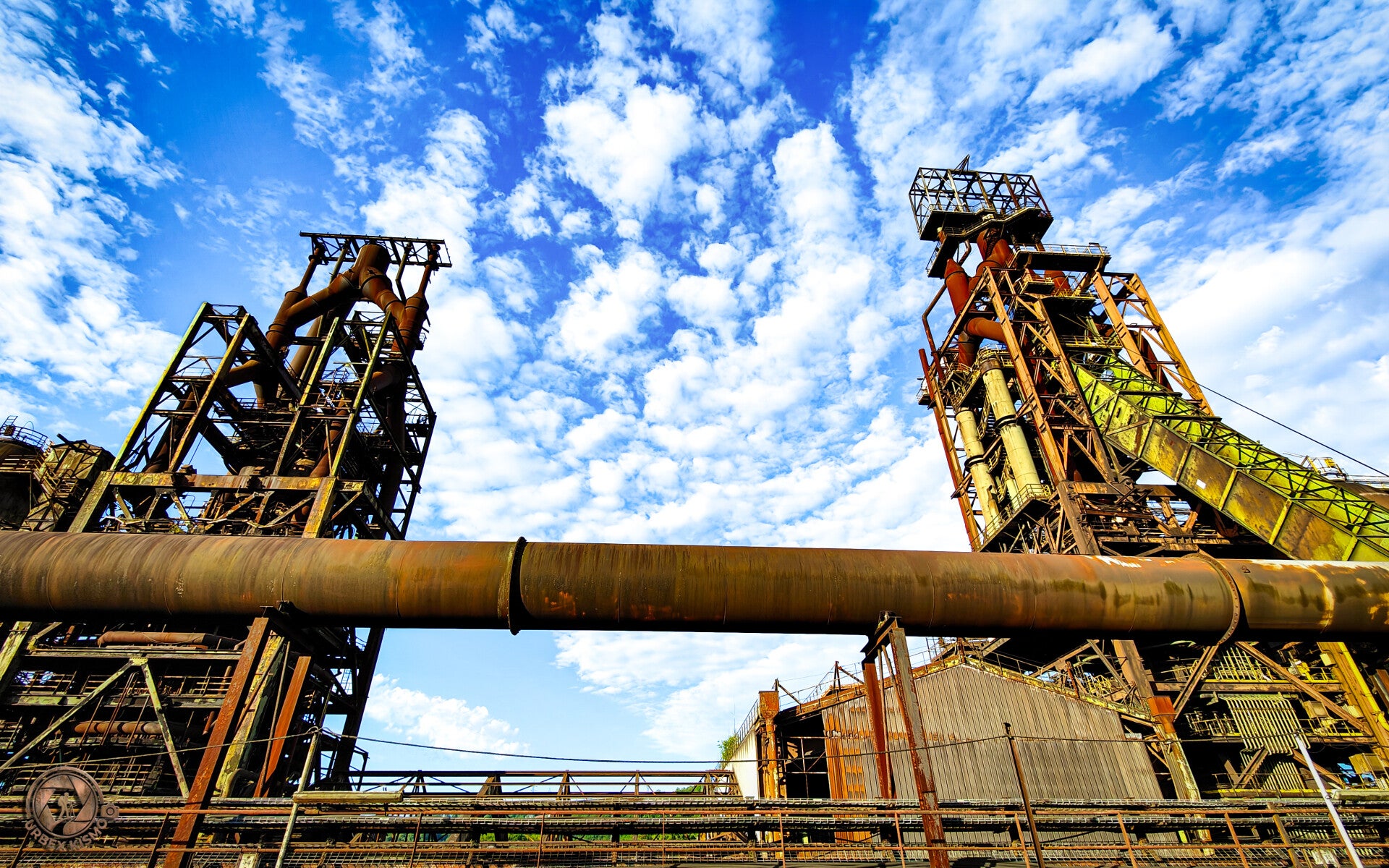
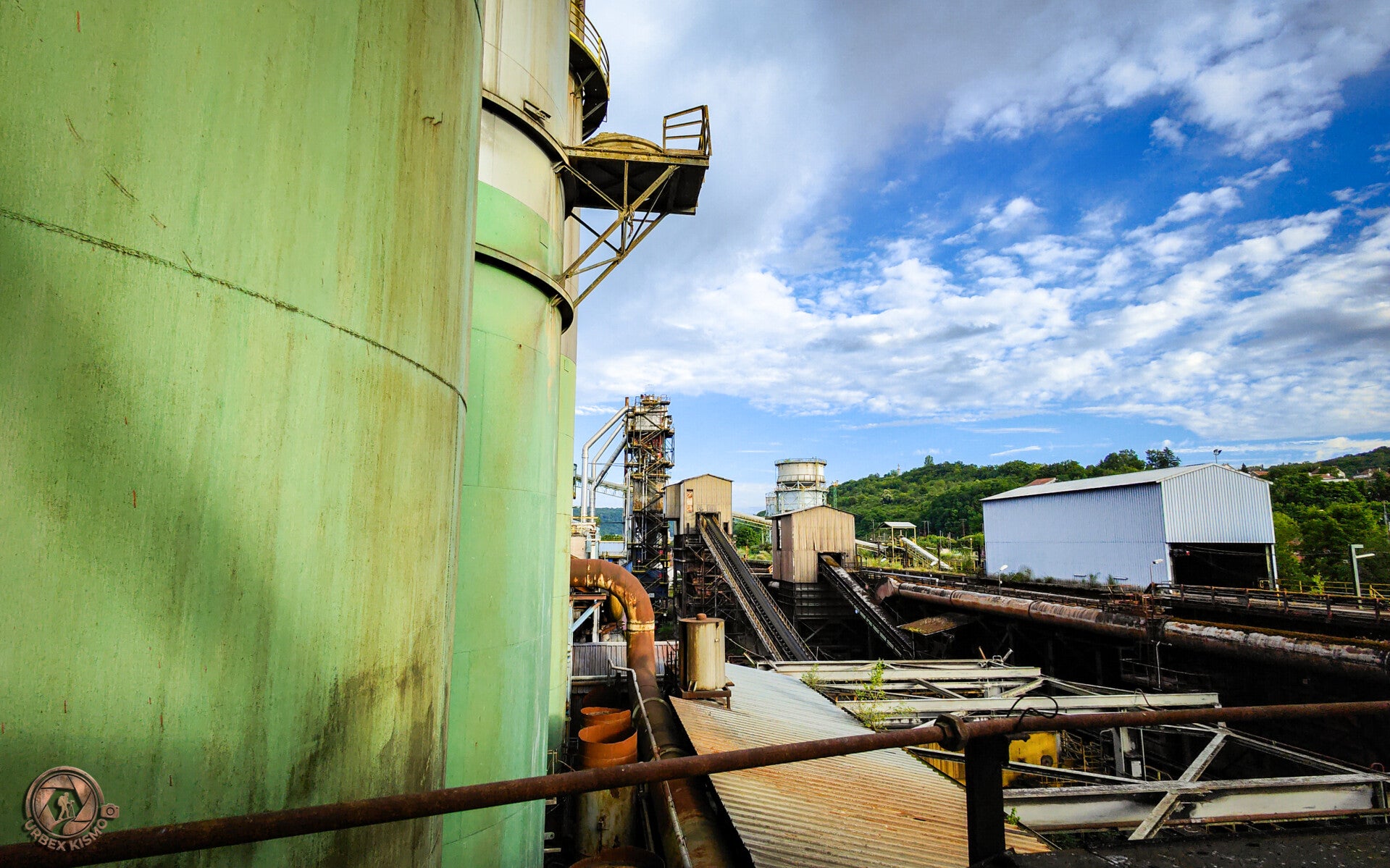
Where the raw materials entered the furnace
Hauts Fourneaux P3
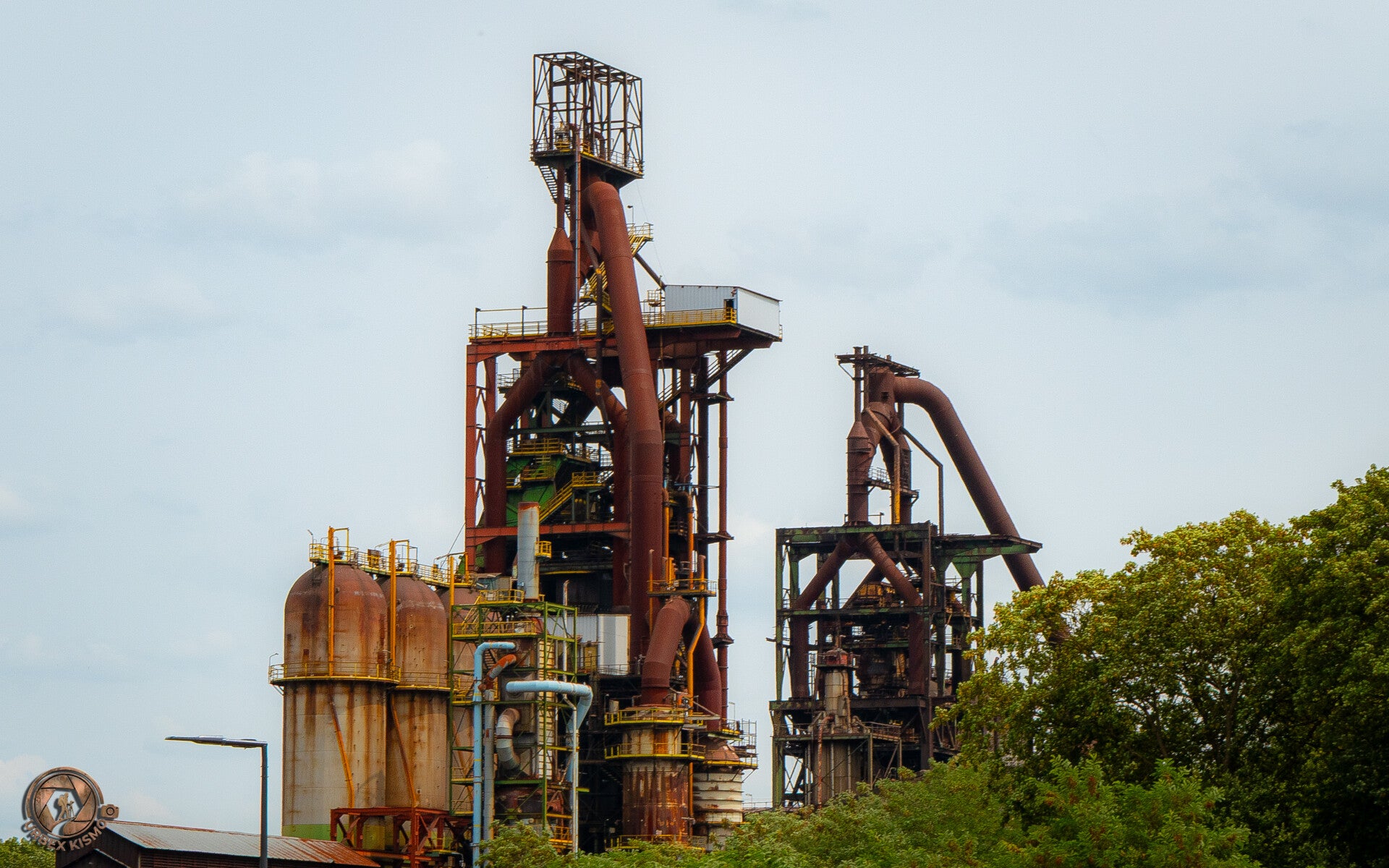
P3 was extensively rebuilt during the 1970s. Inside, iron-bearing materials and coke descended through the furnace while preheated air entered near the bottom. The resulting heat and chemical reactions separated iron from its ore, producing molten pig iron that collected in the hearth.
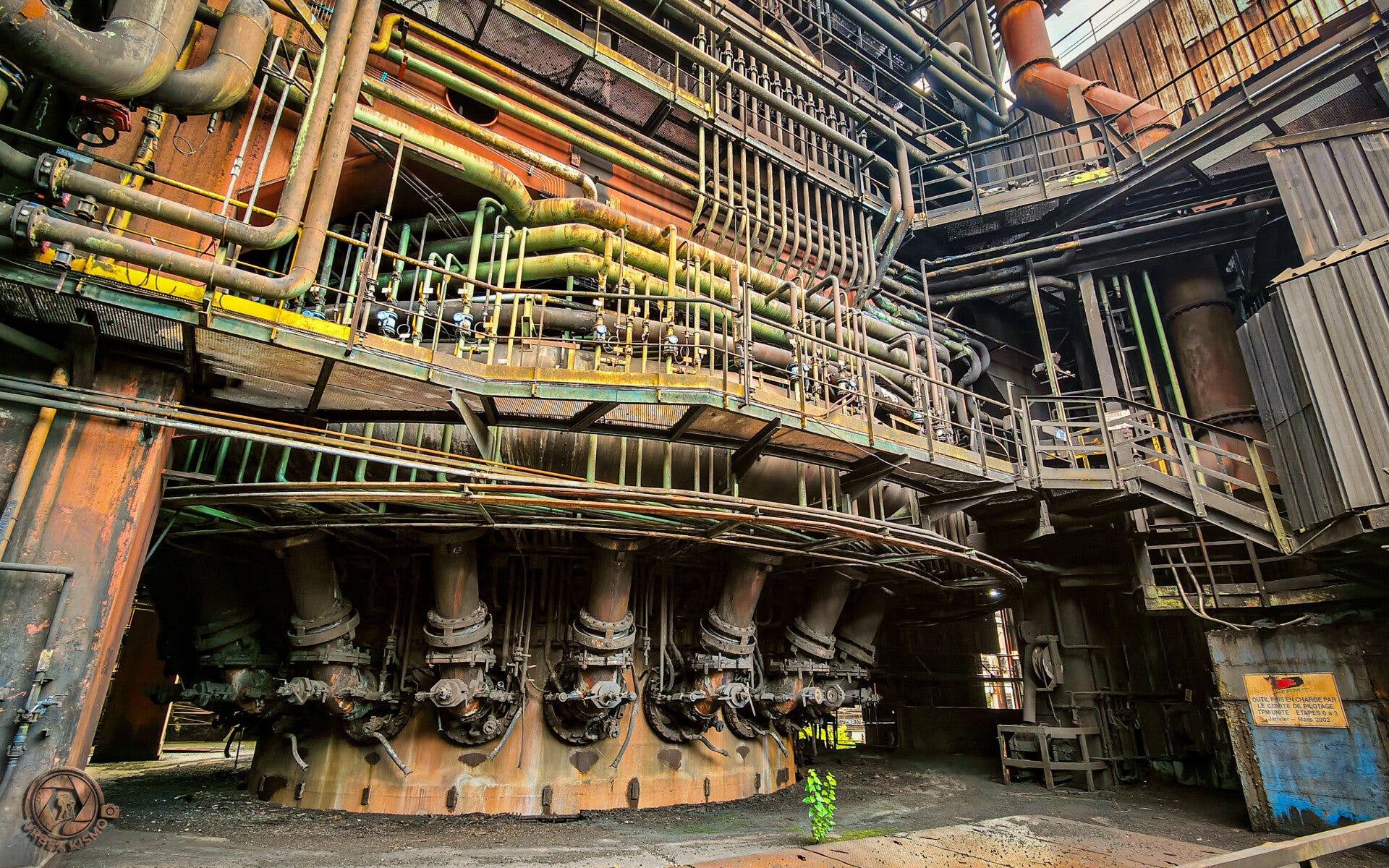
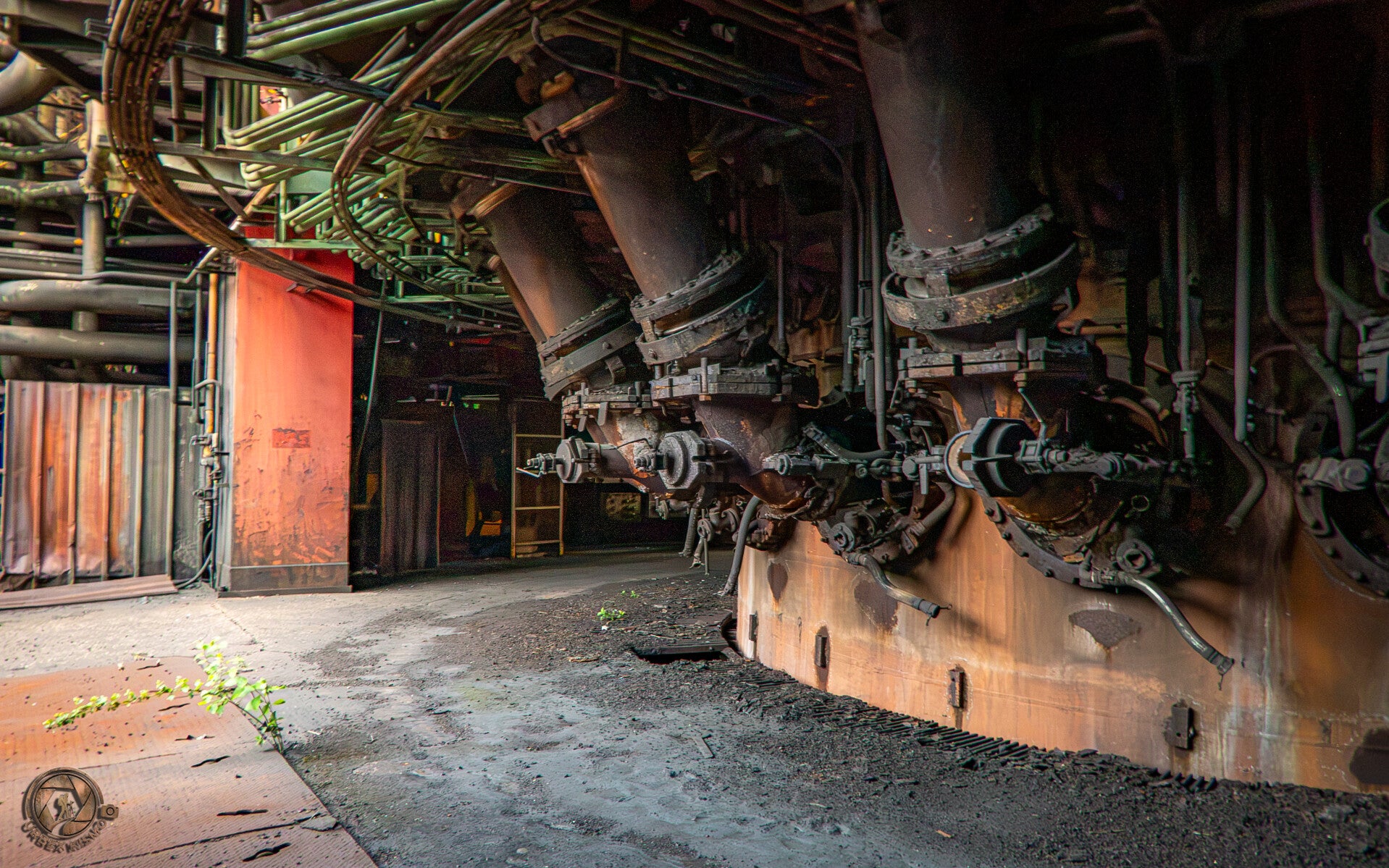
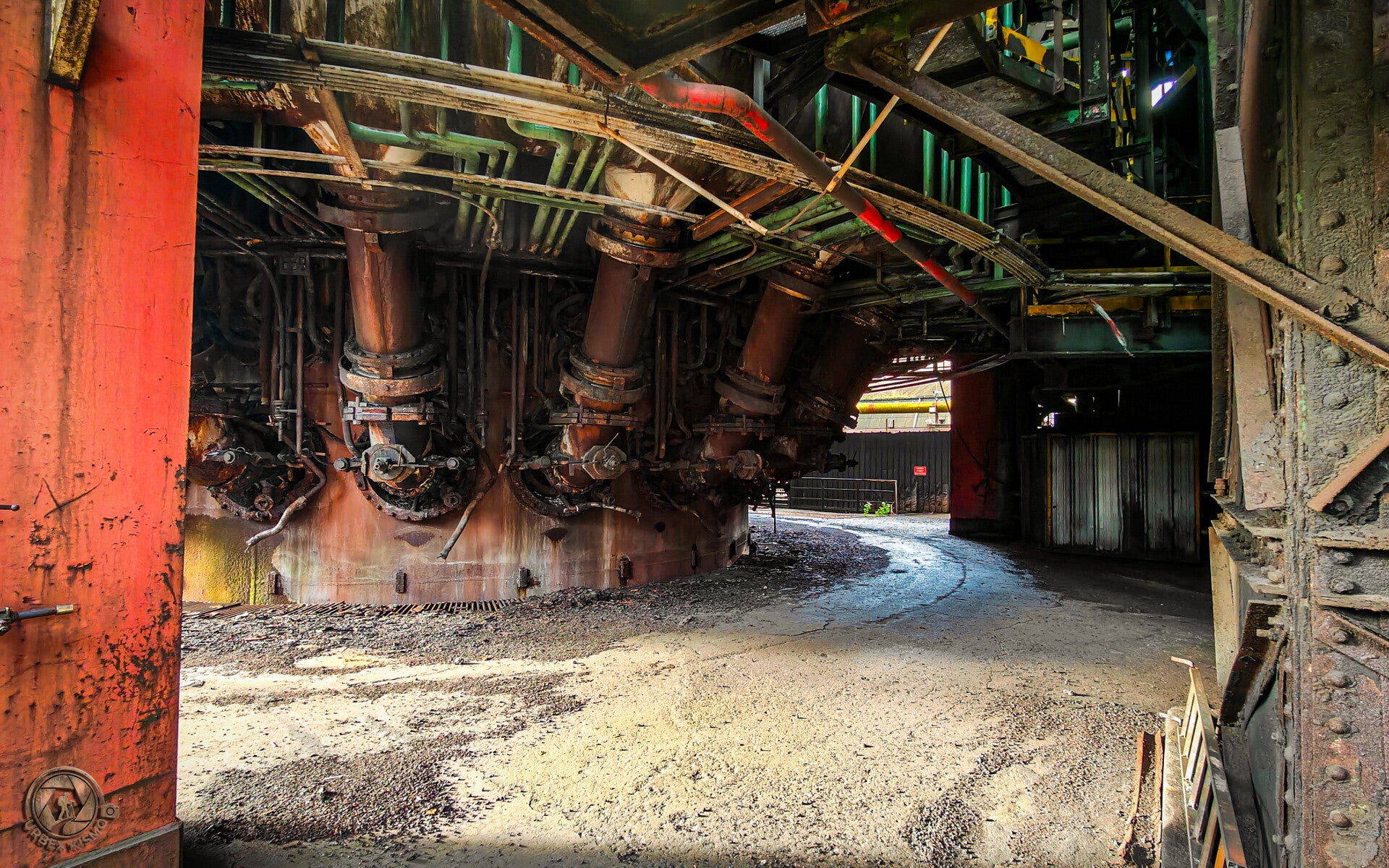
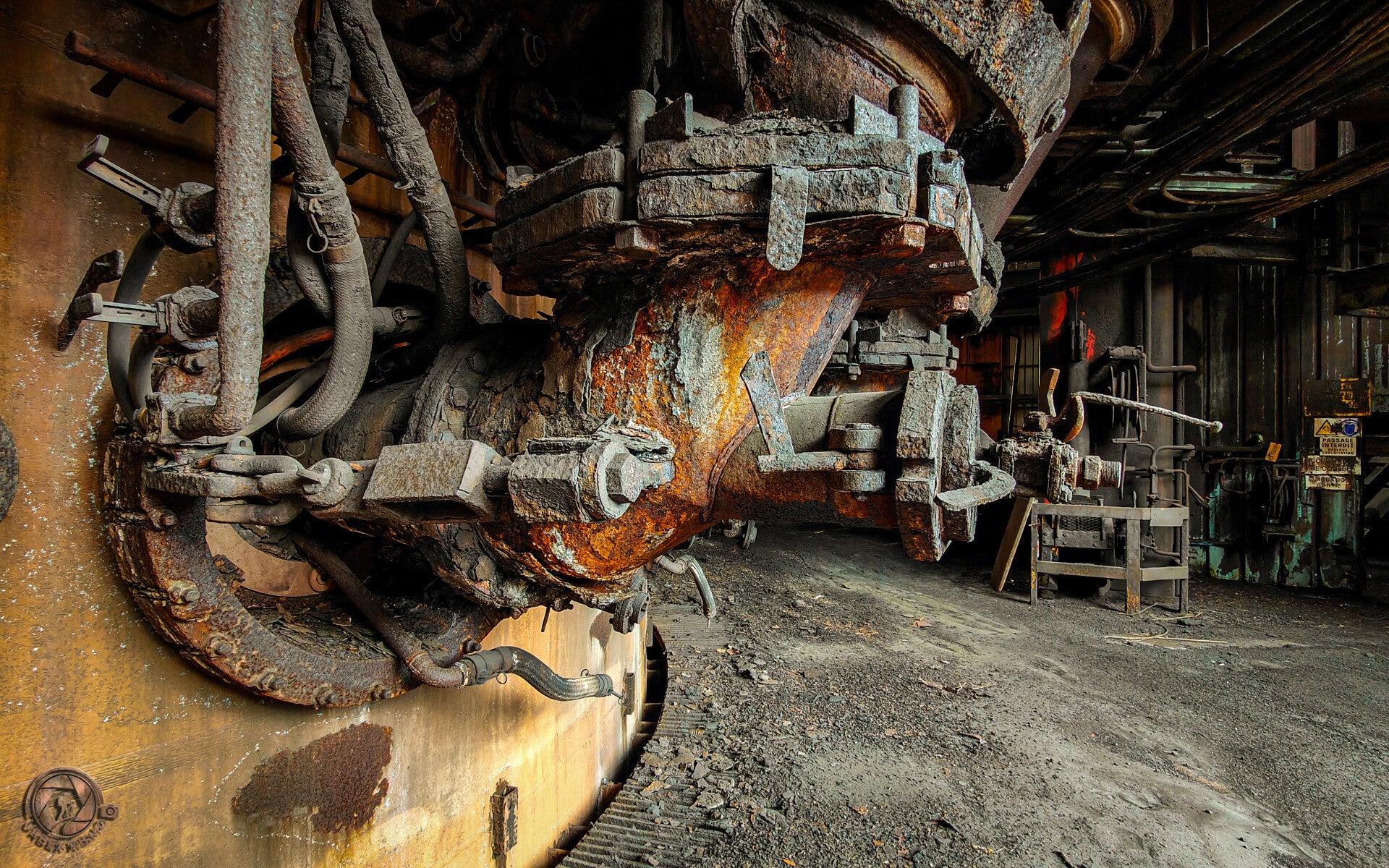
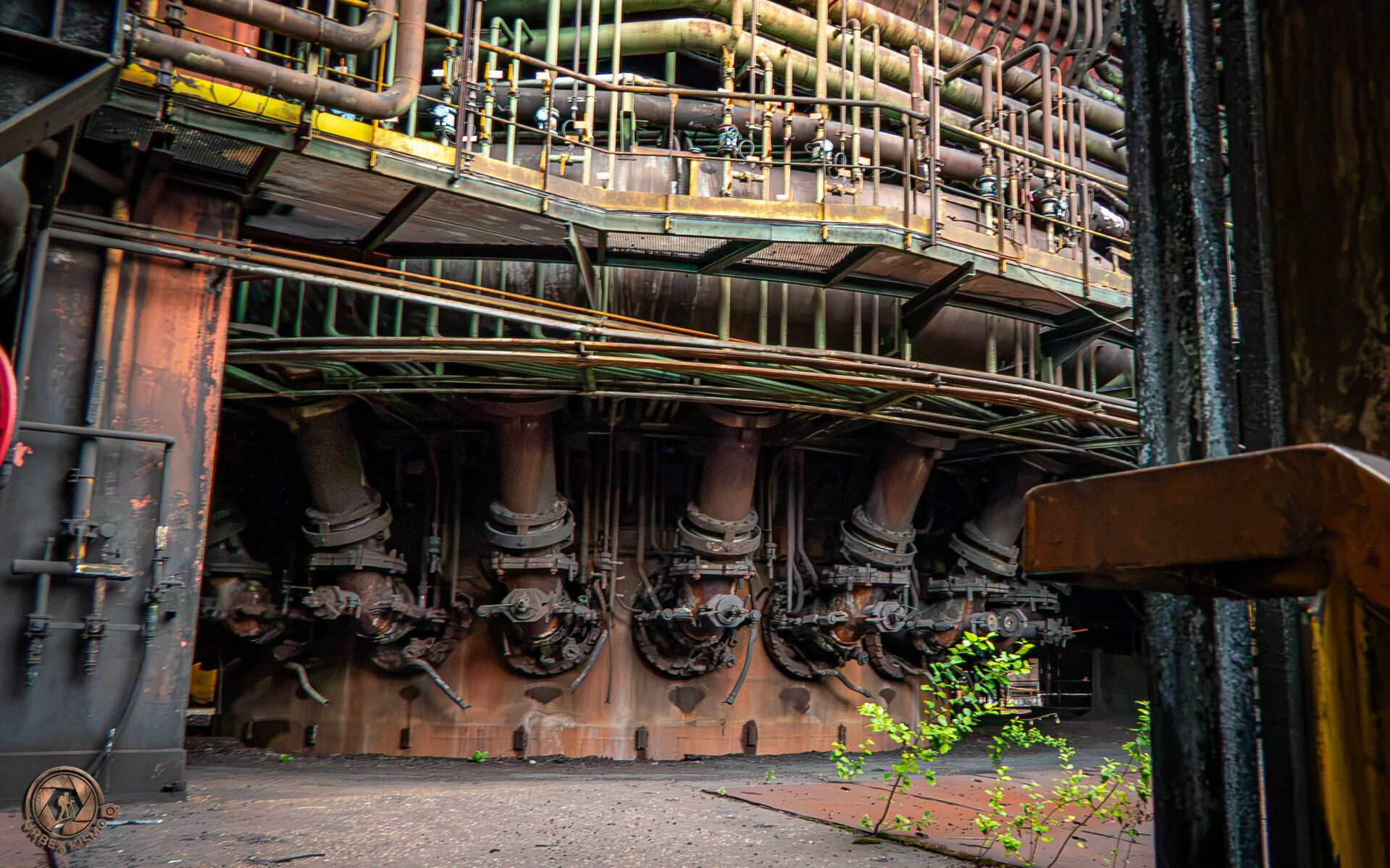
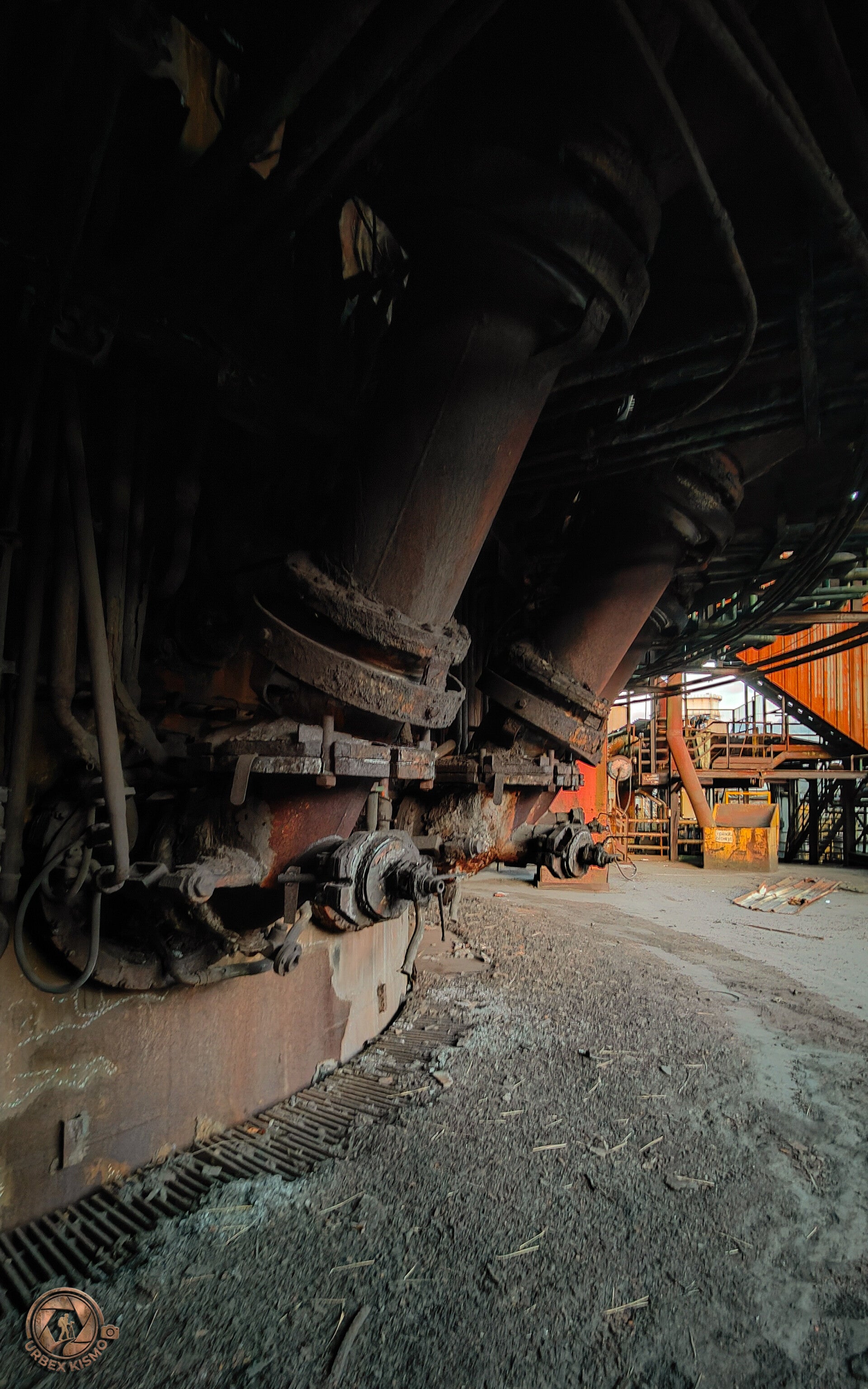
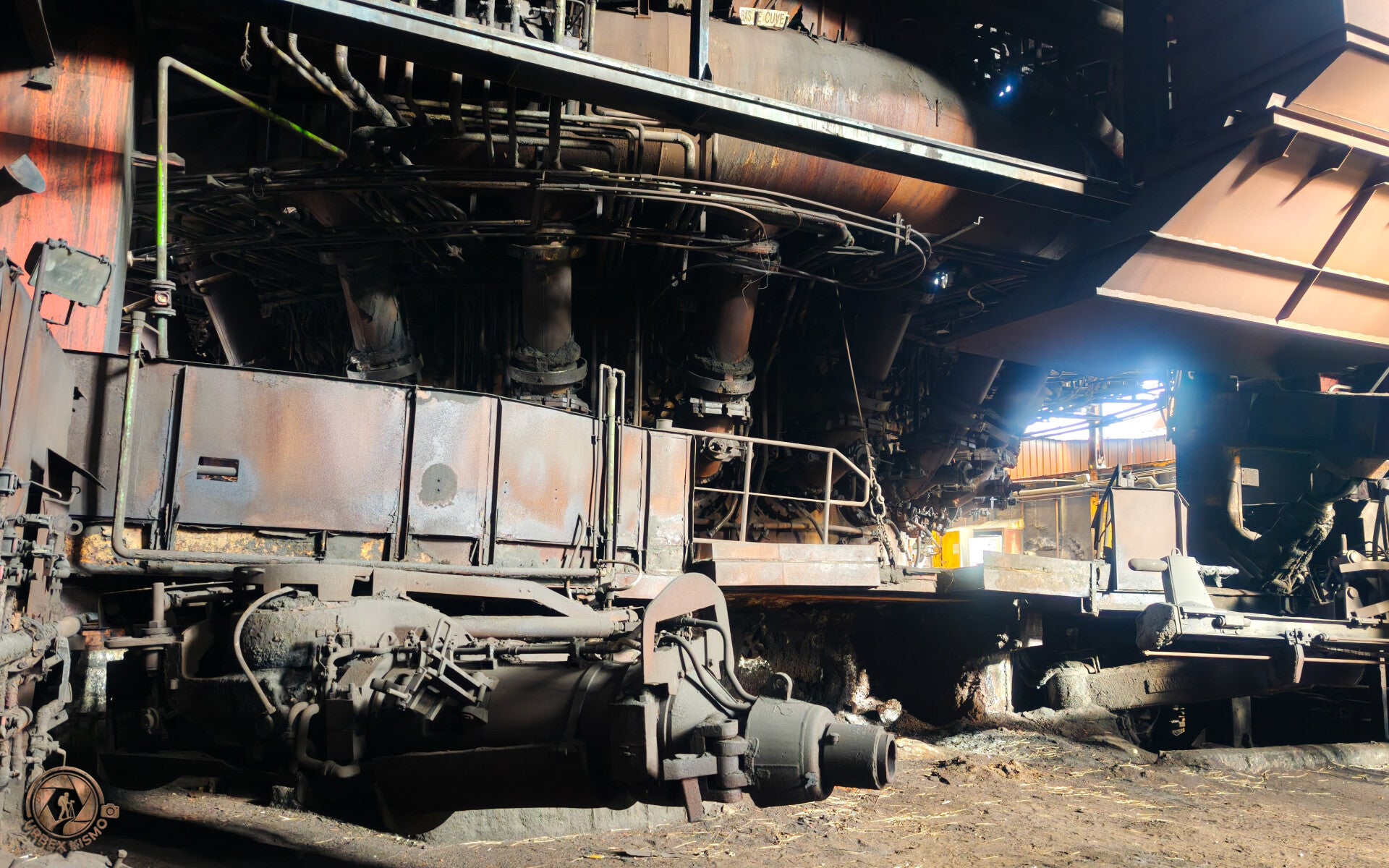
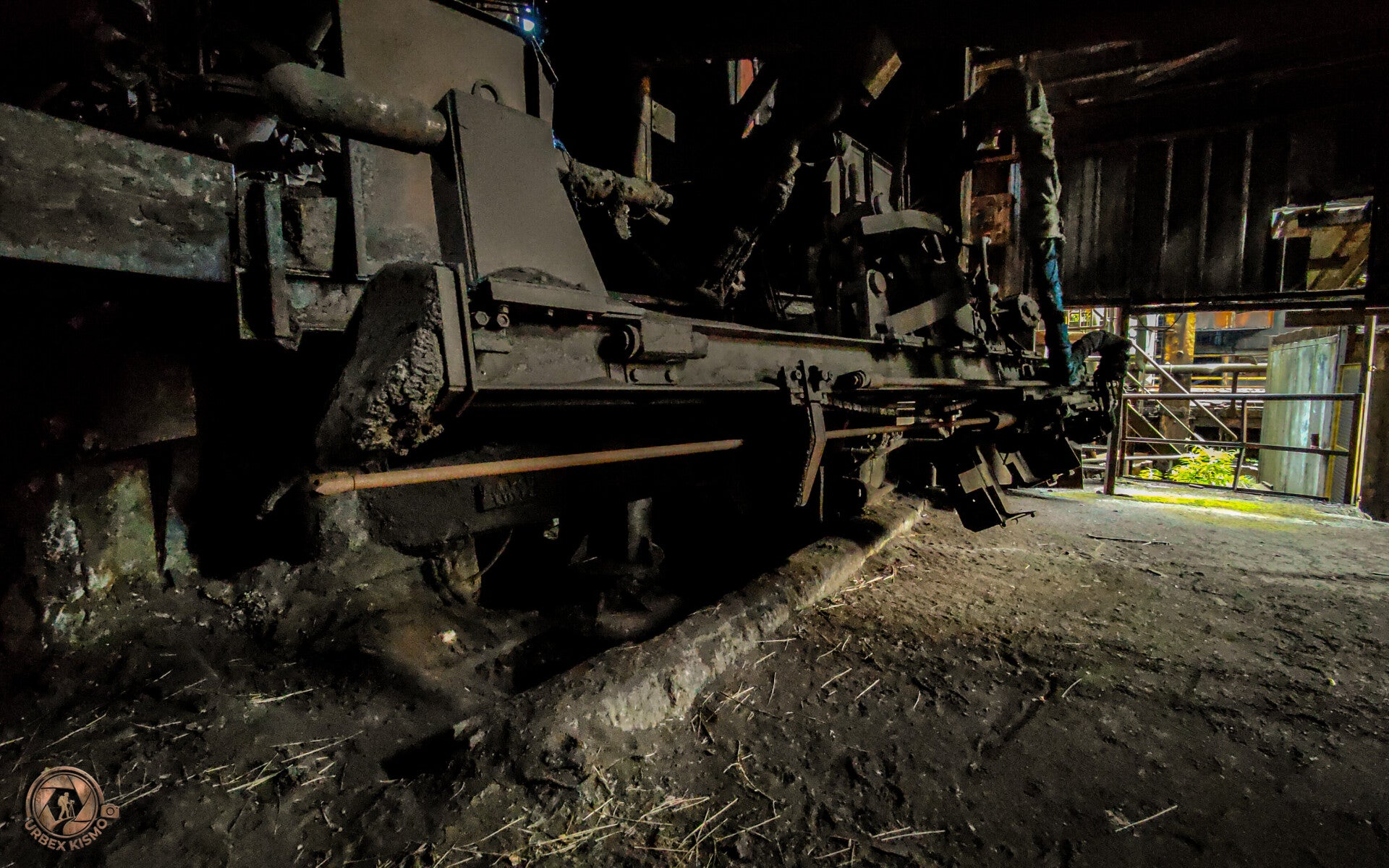
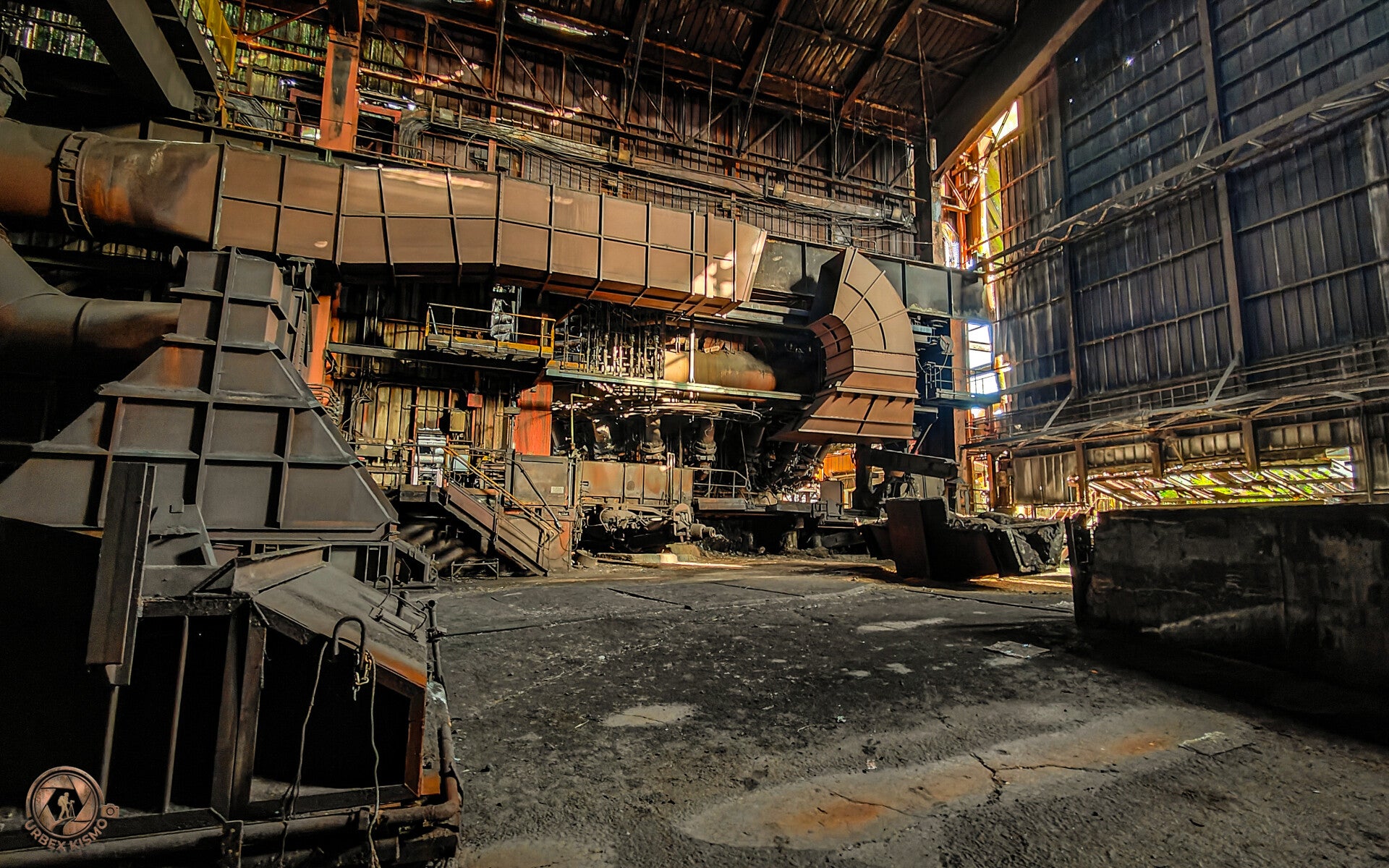
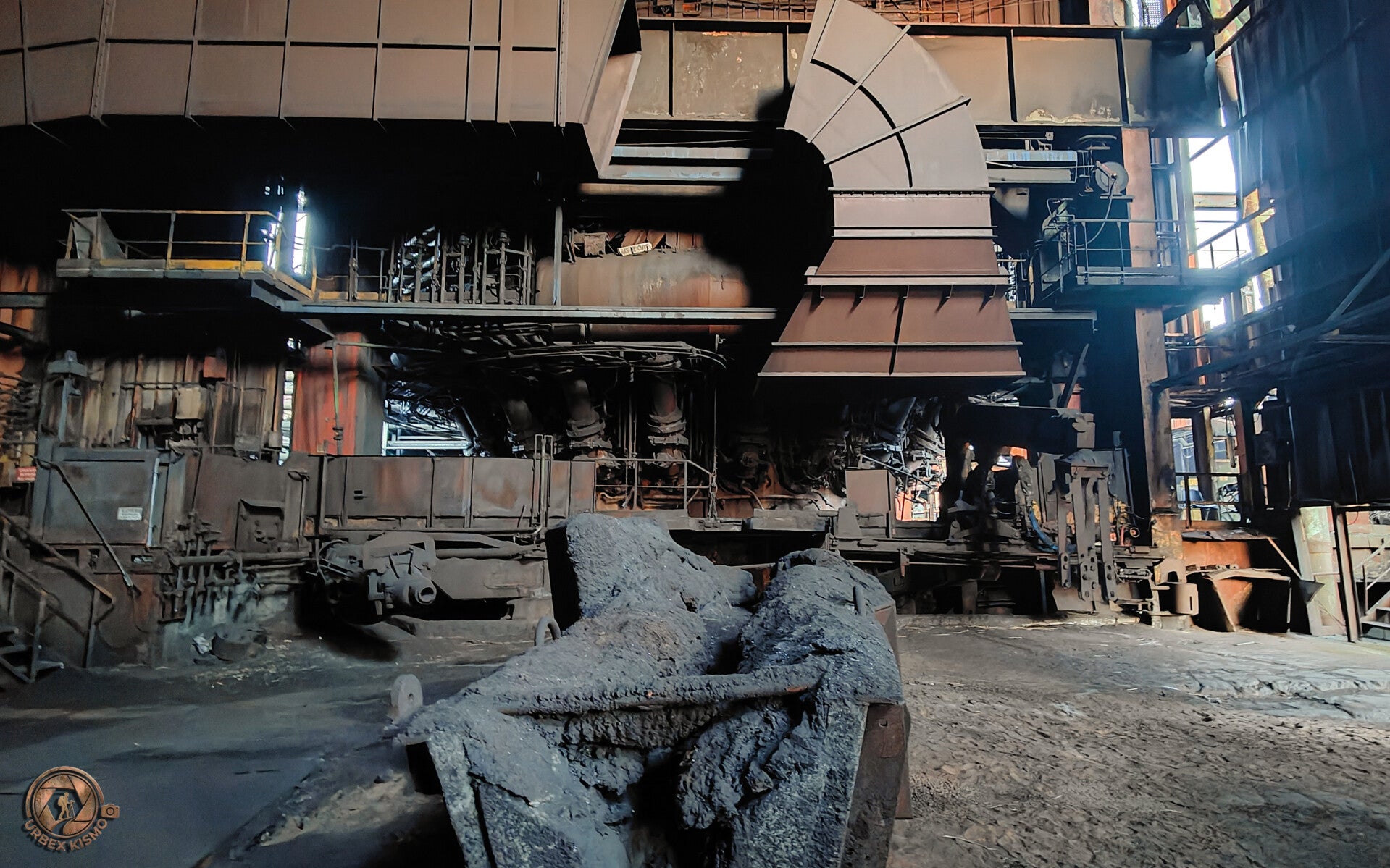
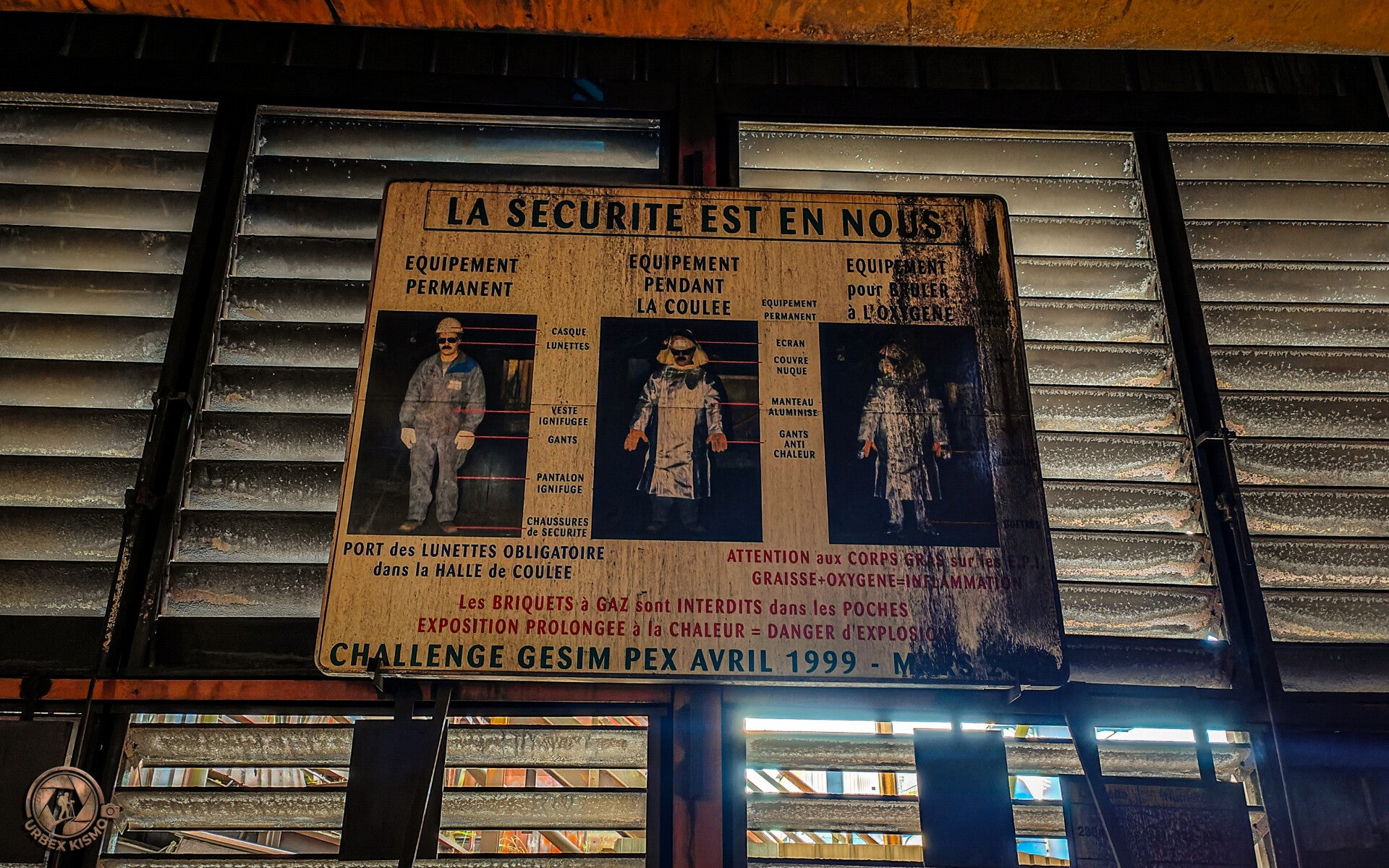
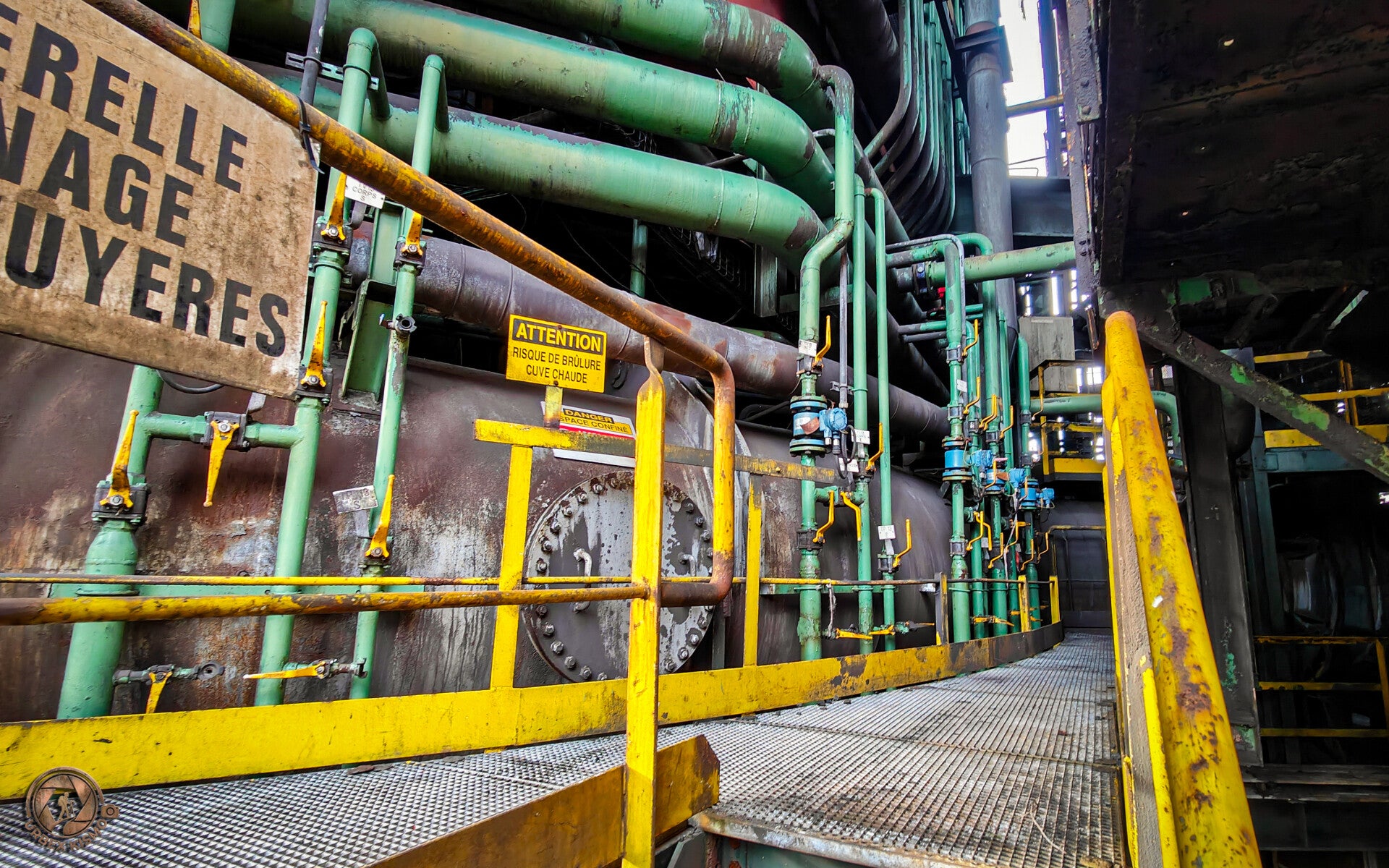
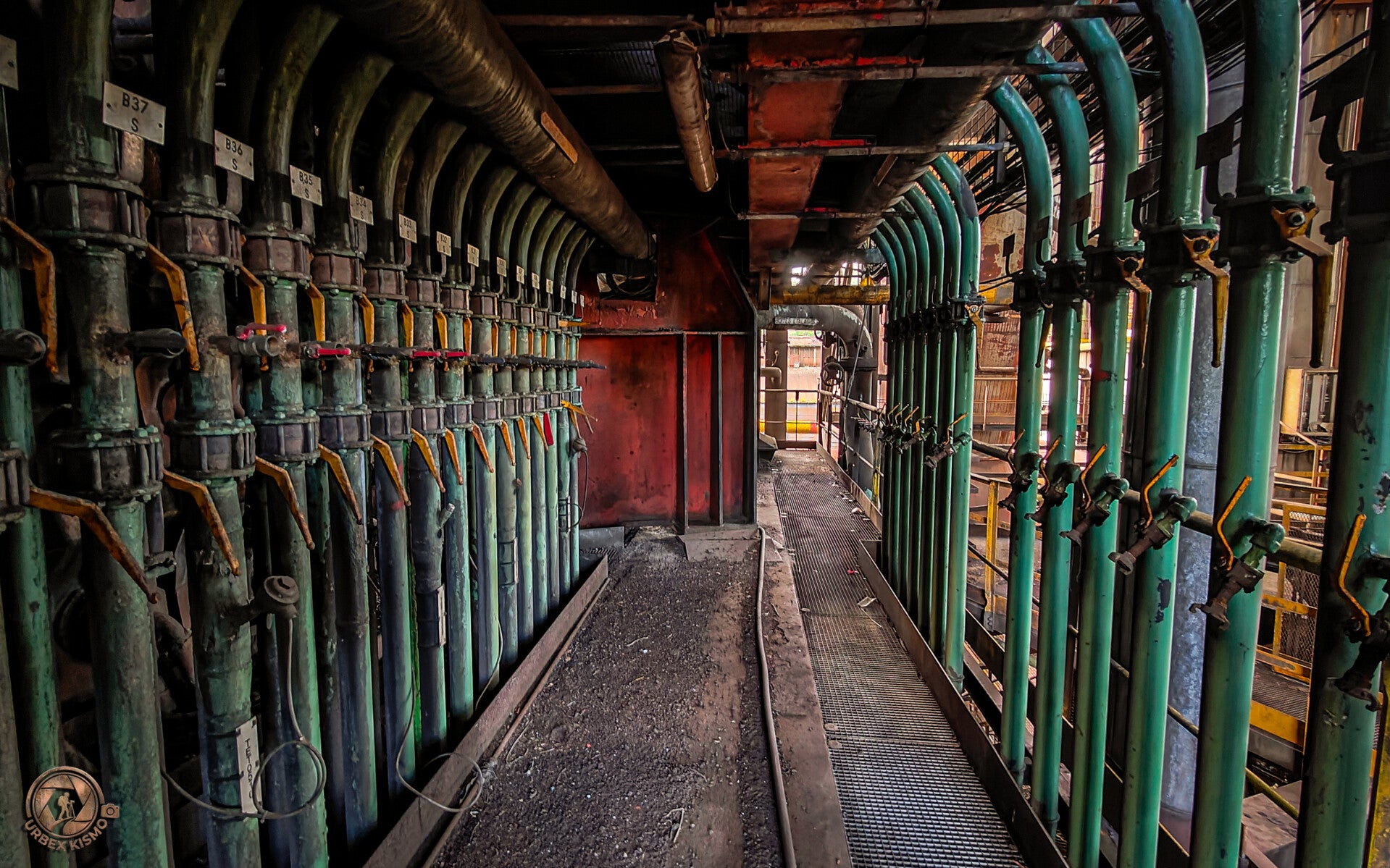
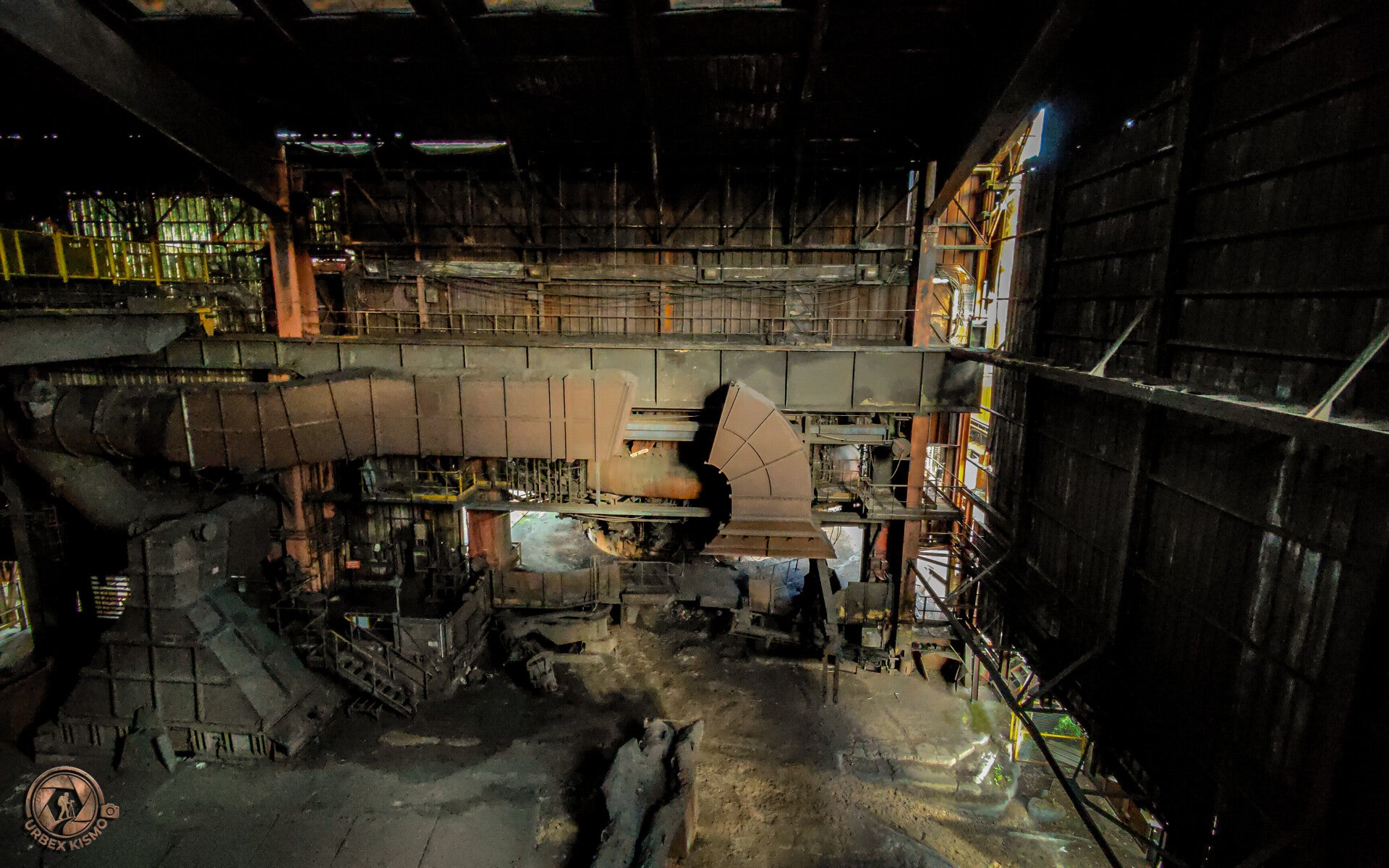
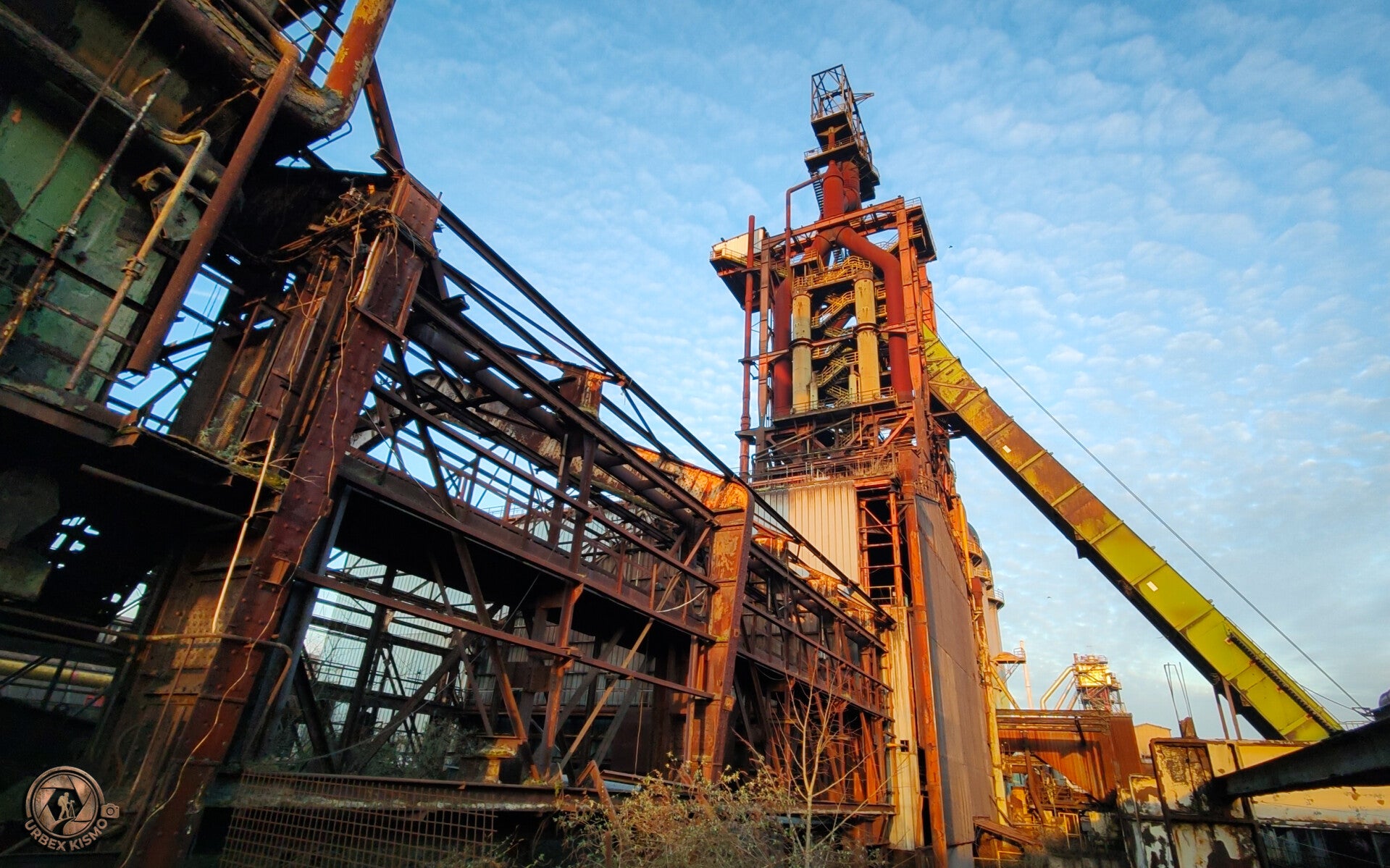
Blast Furnace P3
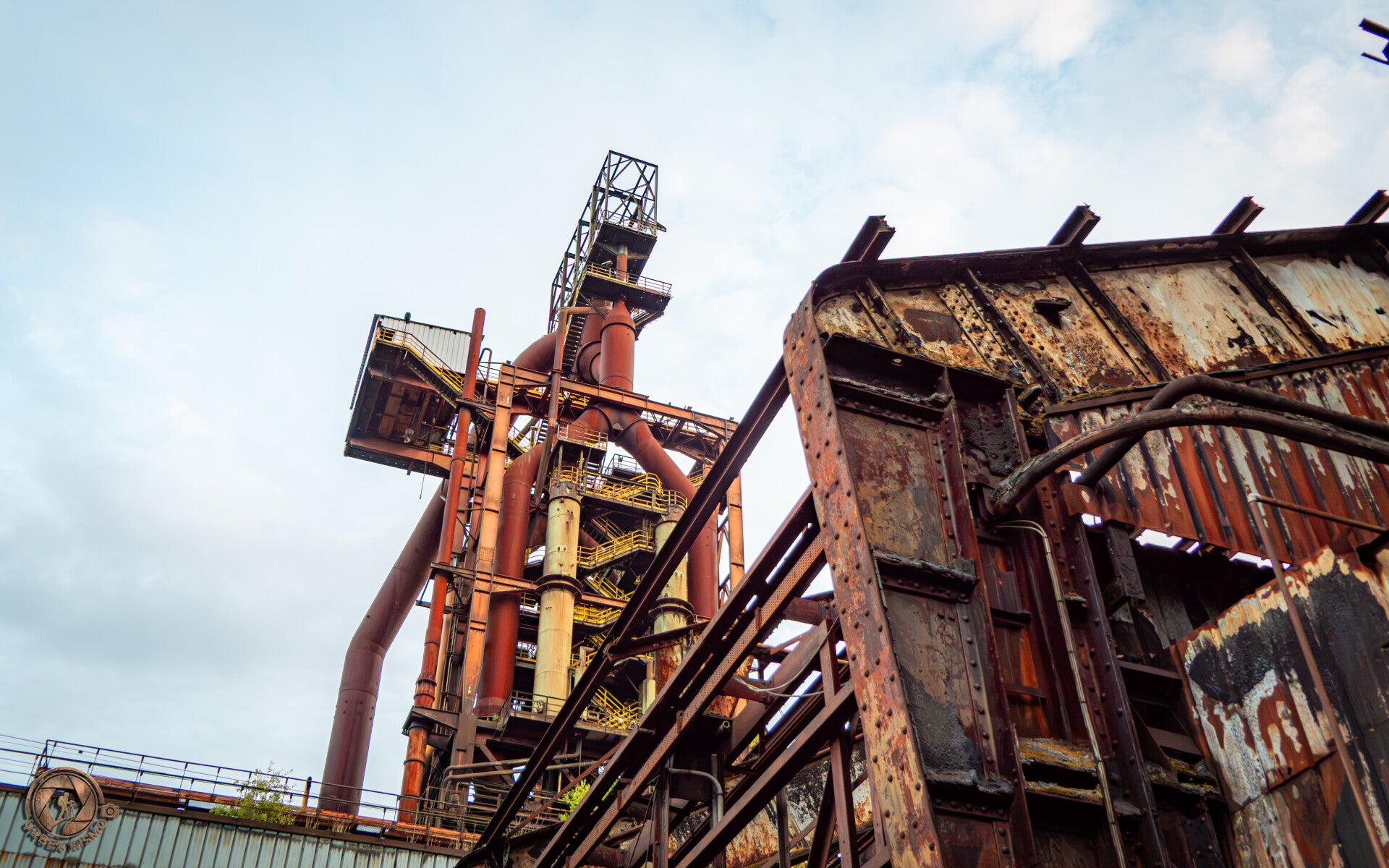
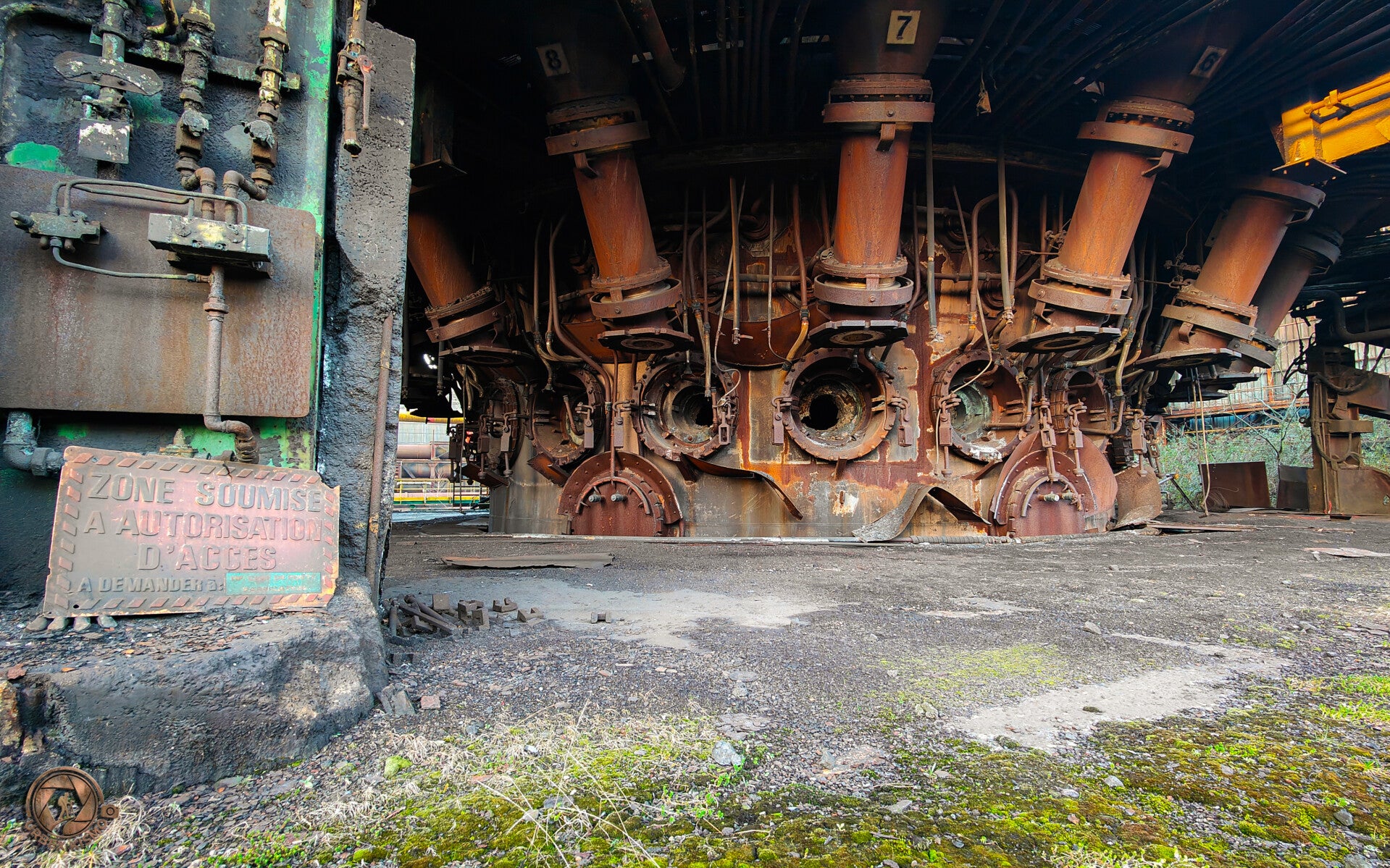
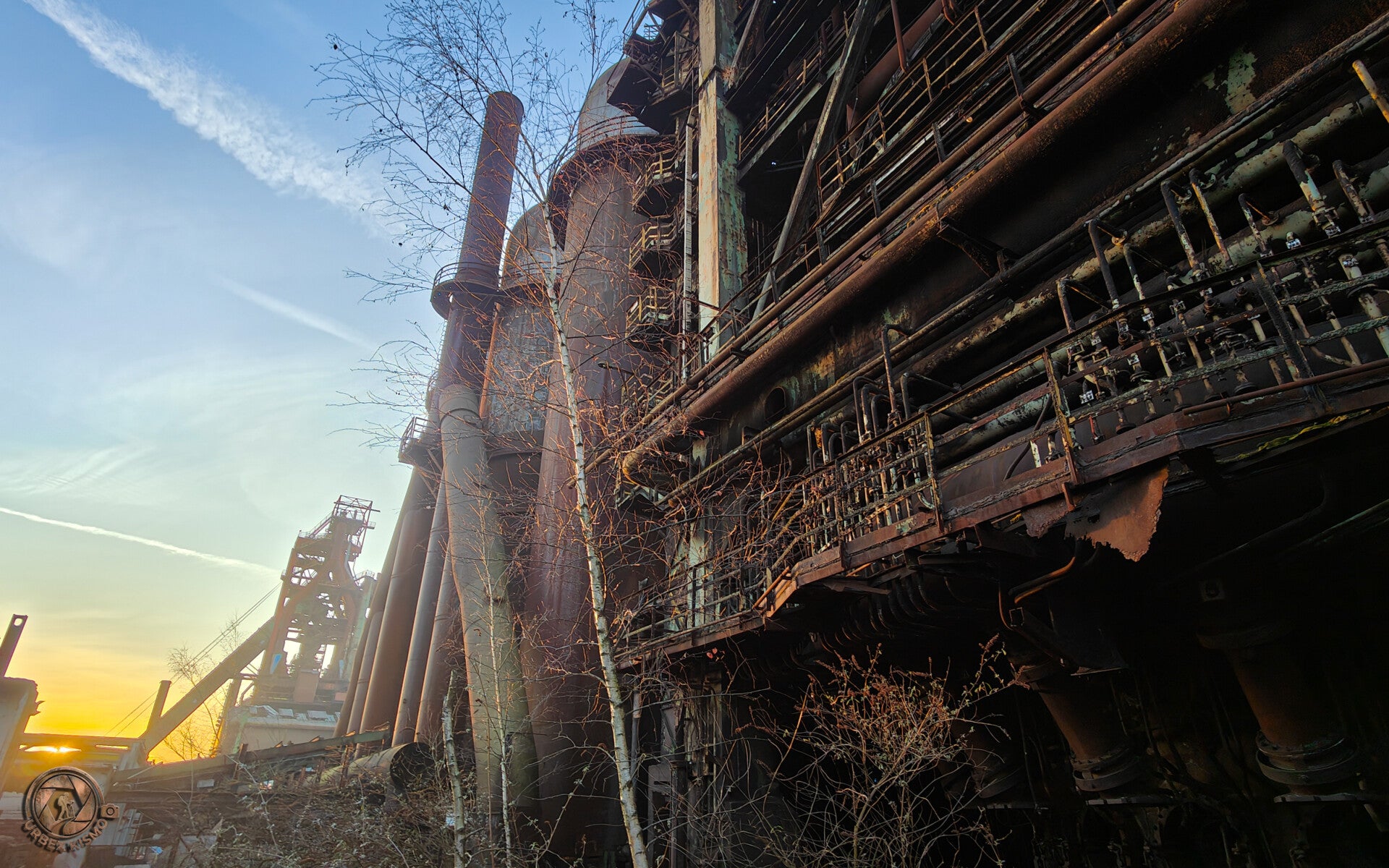
Hauts Fourneaux P4
P4 was once among the most productive furnaces in Europe, producing around 1,000 tonnes of pig iron per day during an earlier period. It was modernised again in the 1970s but permanently stopped operating in 1993. Unlike P3 and P6, it never returned to production.
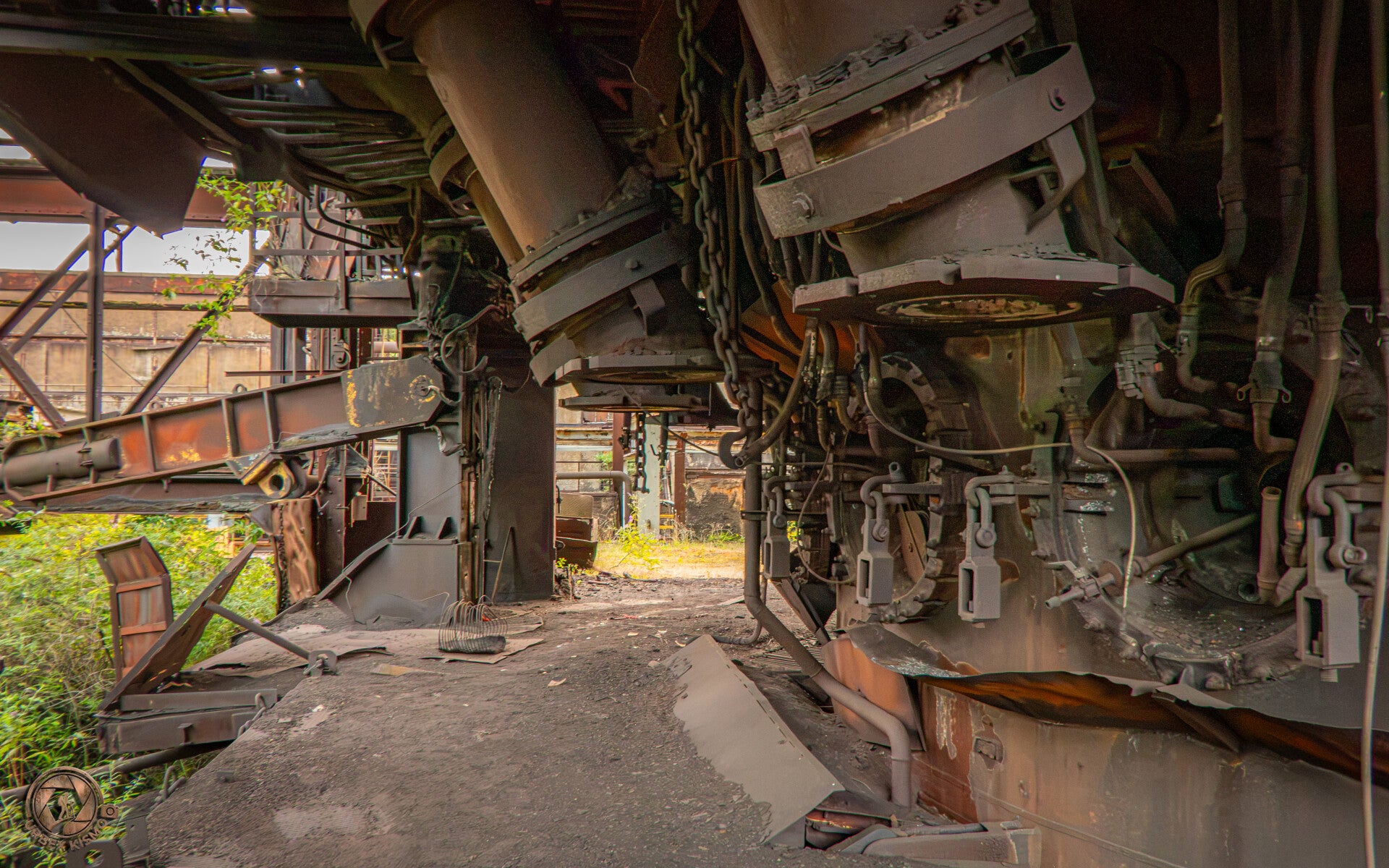
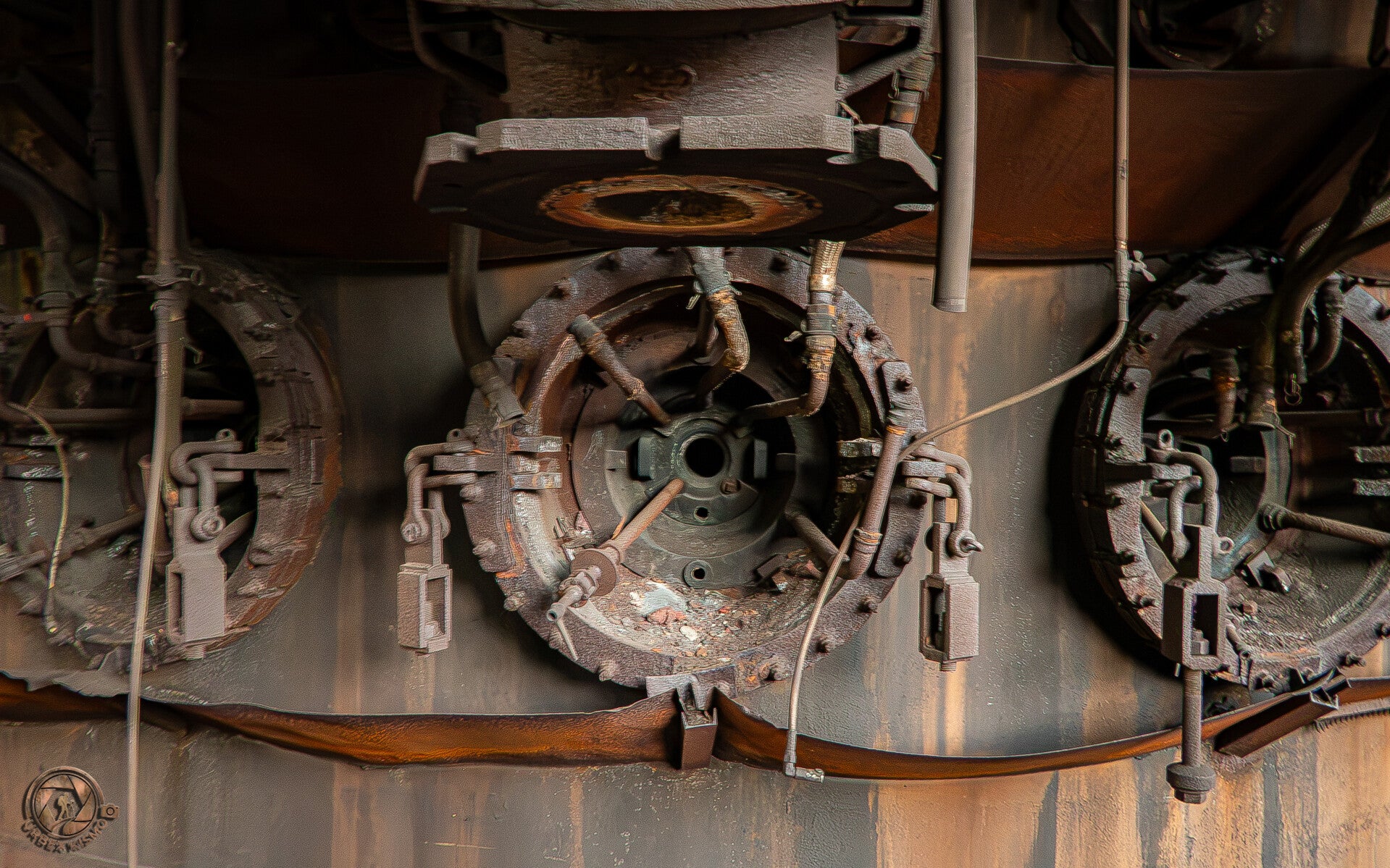
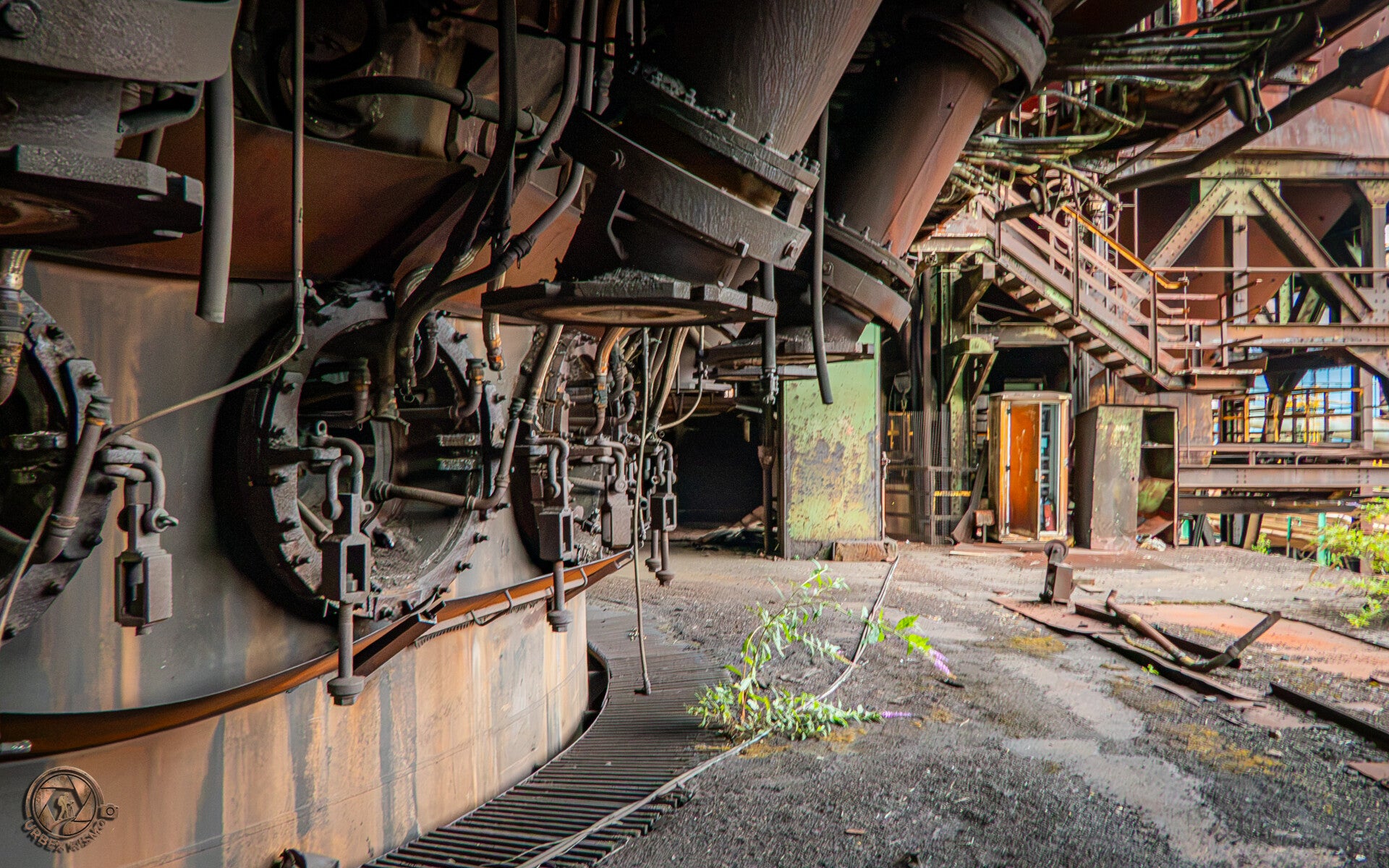
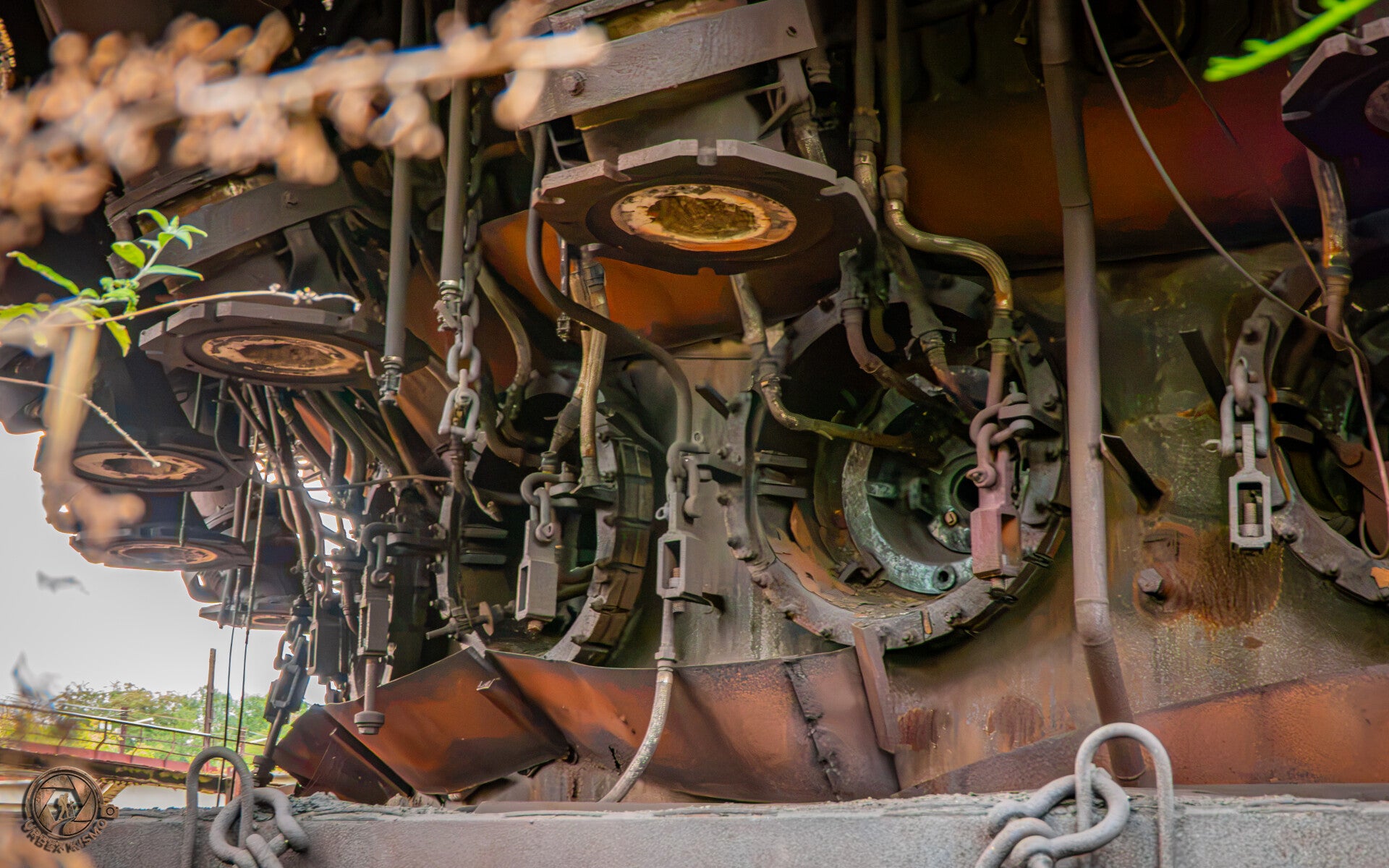
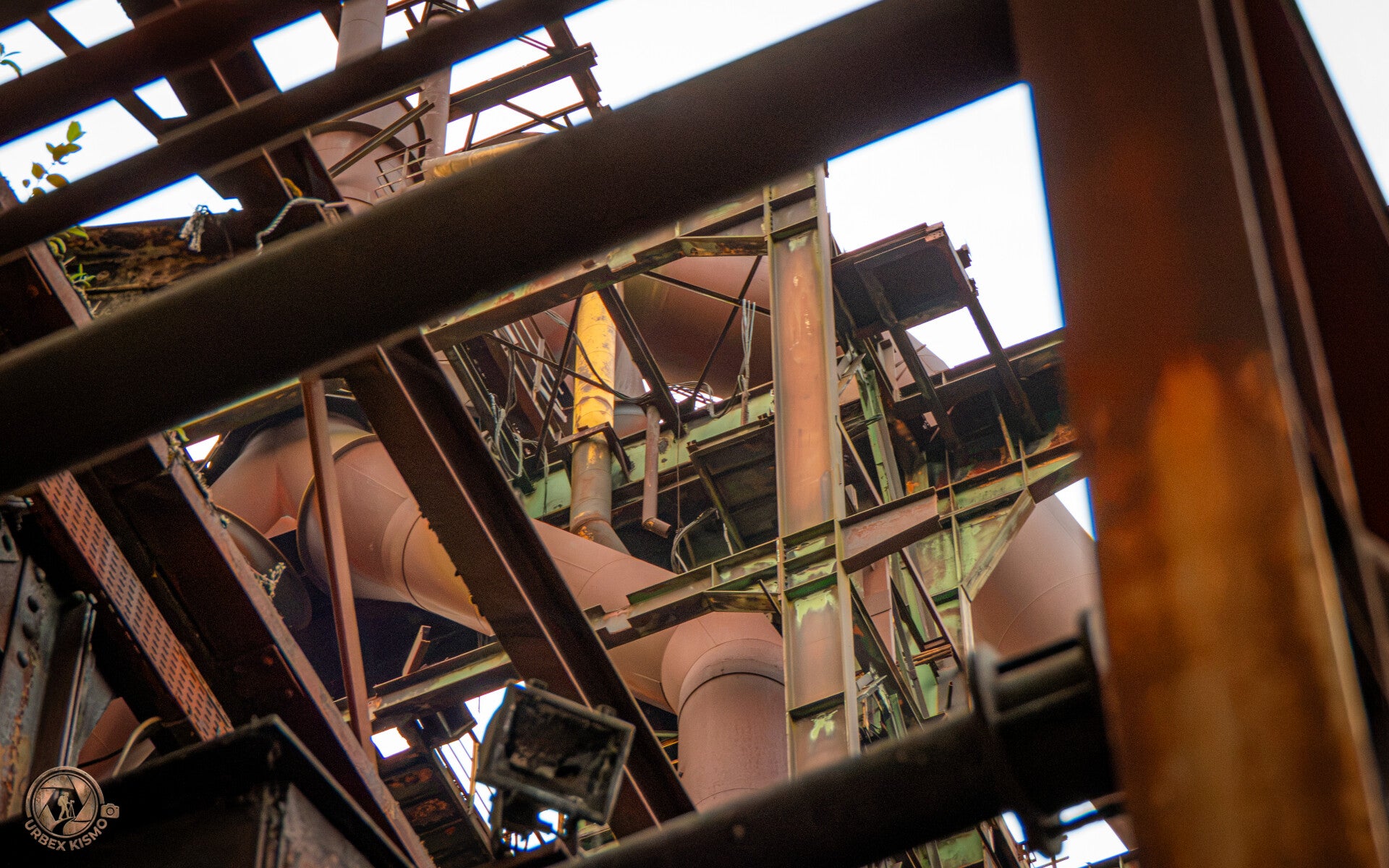
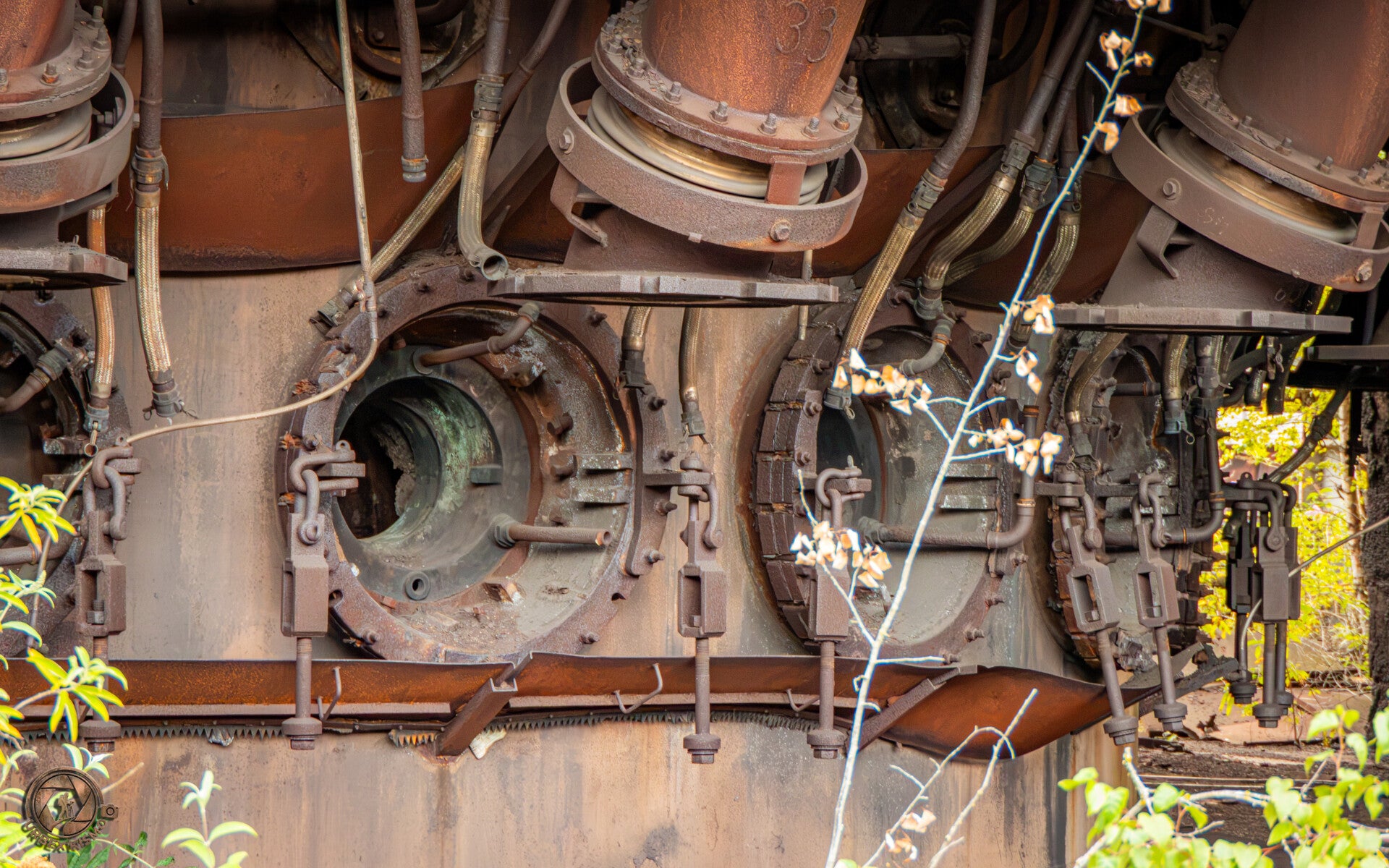
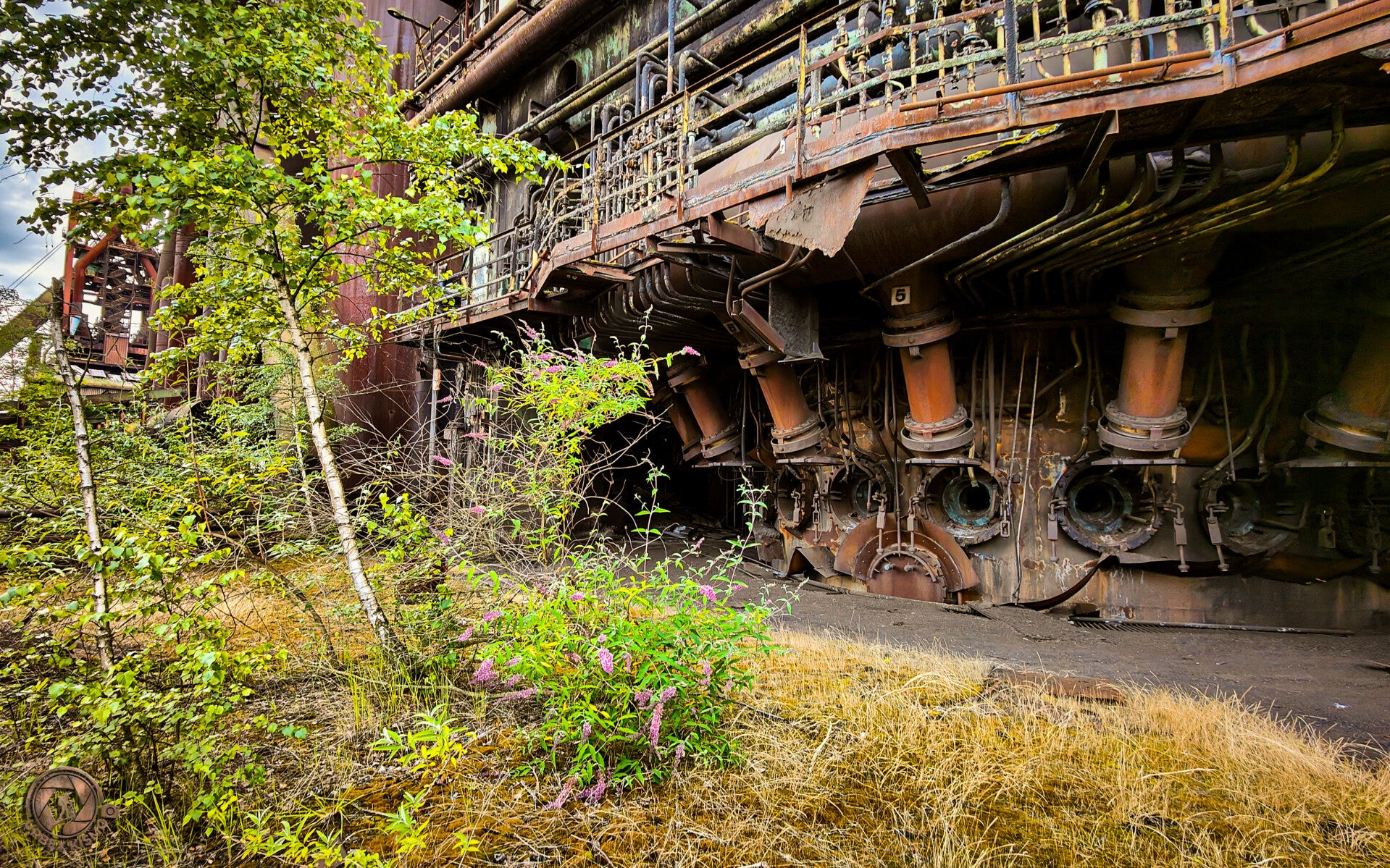
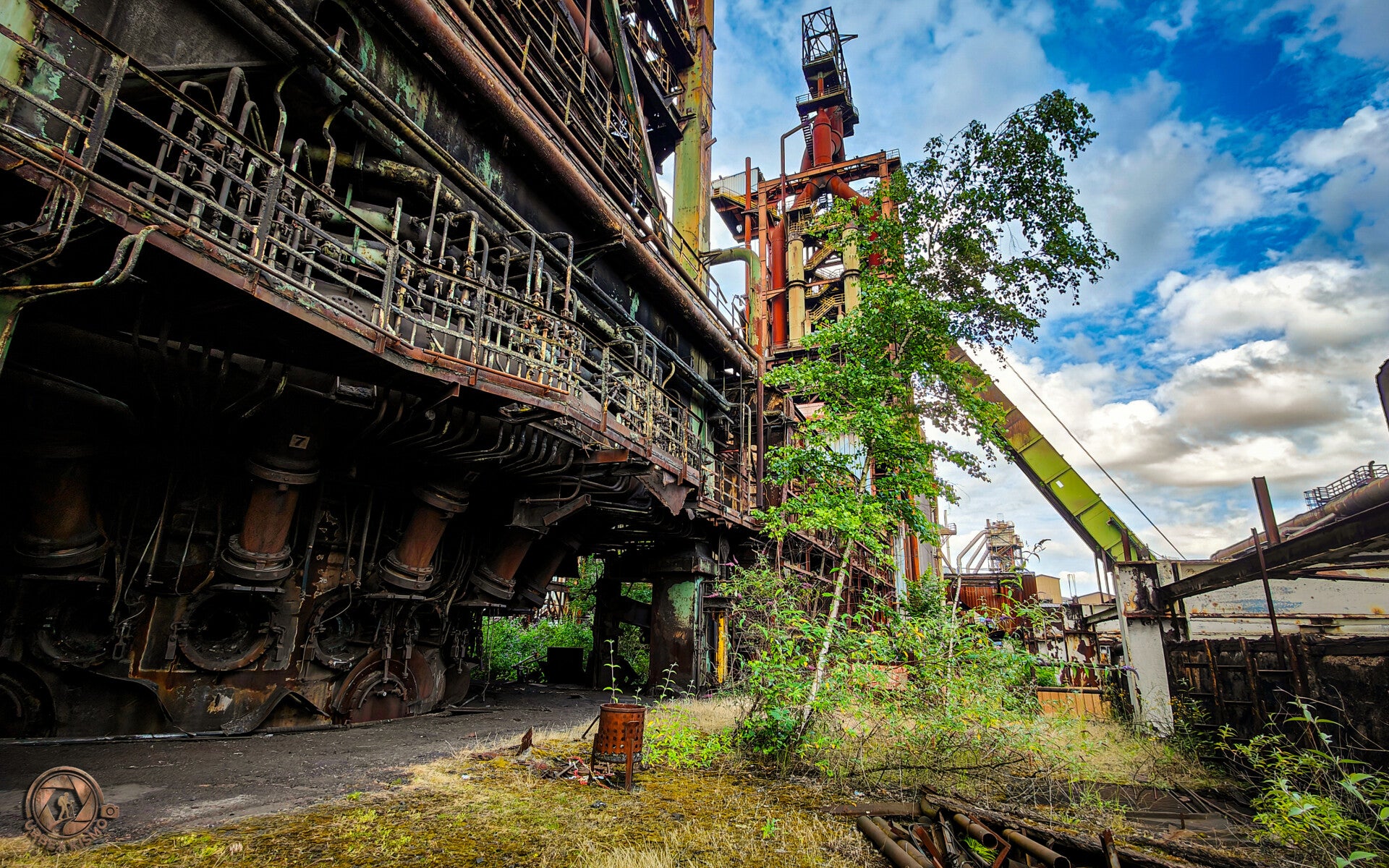
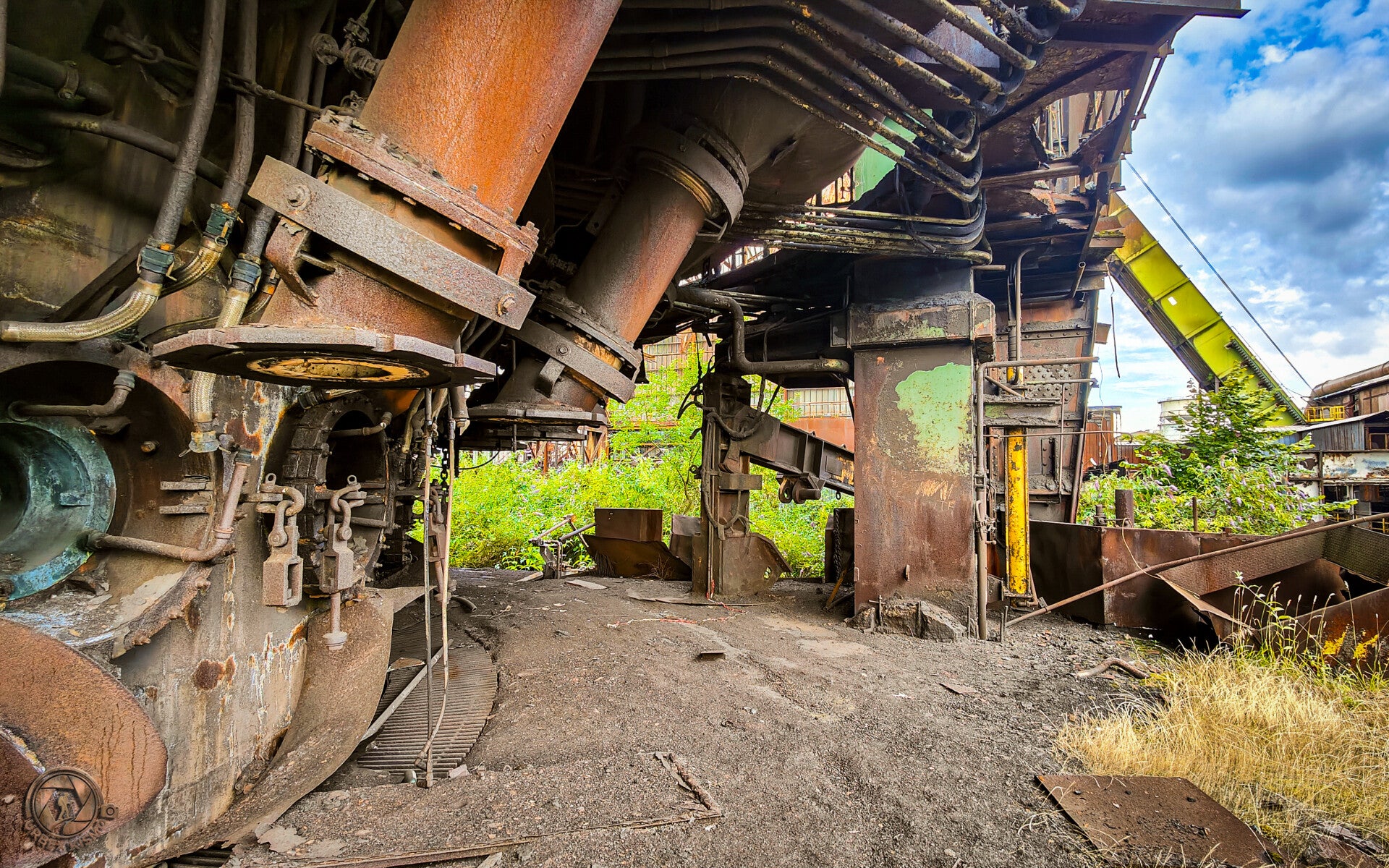
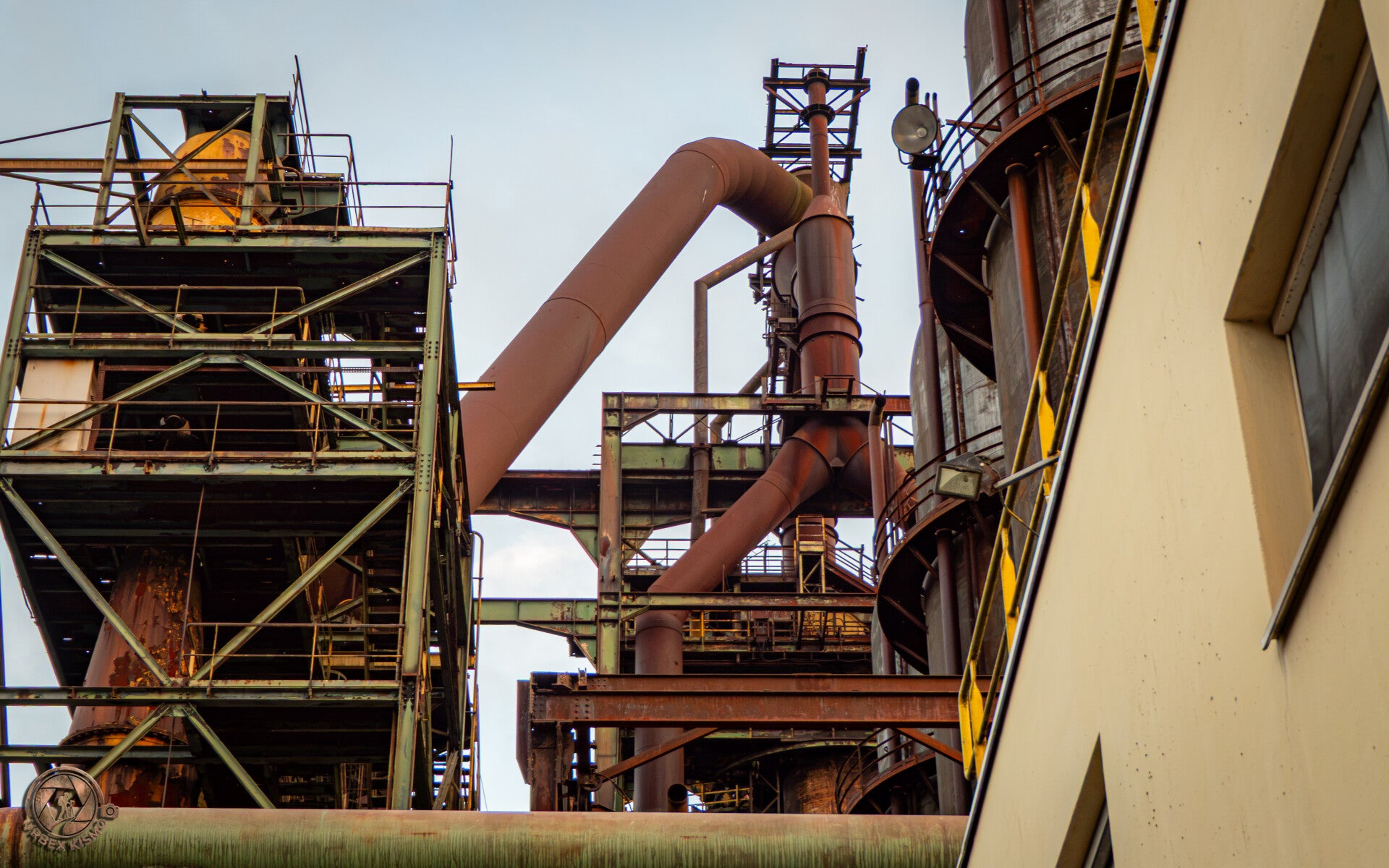
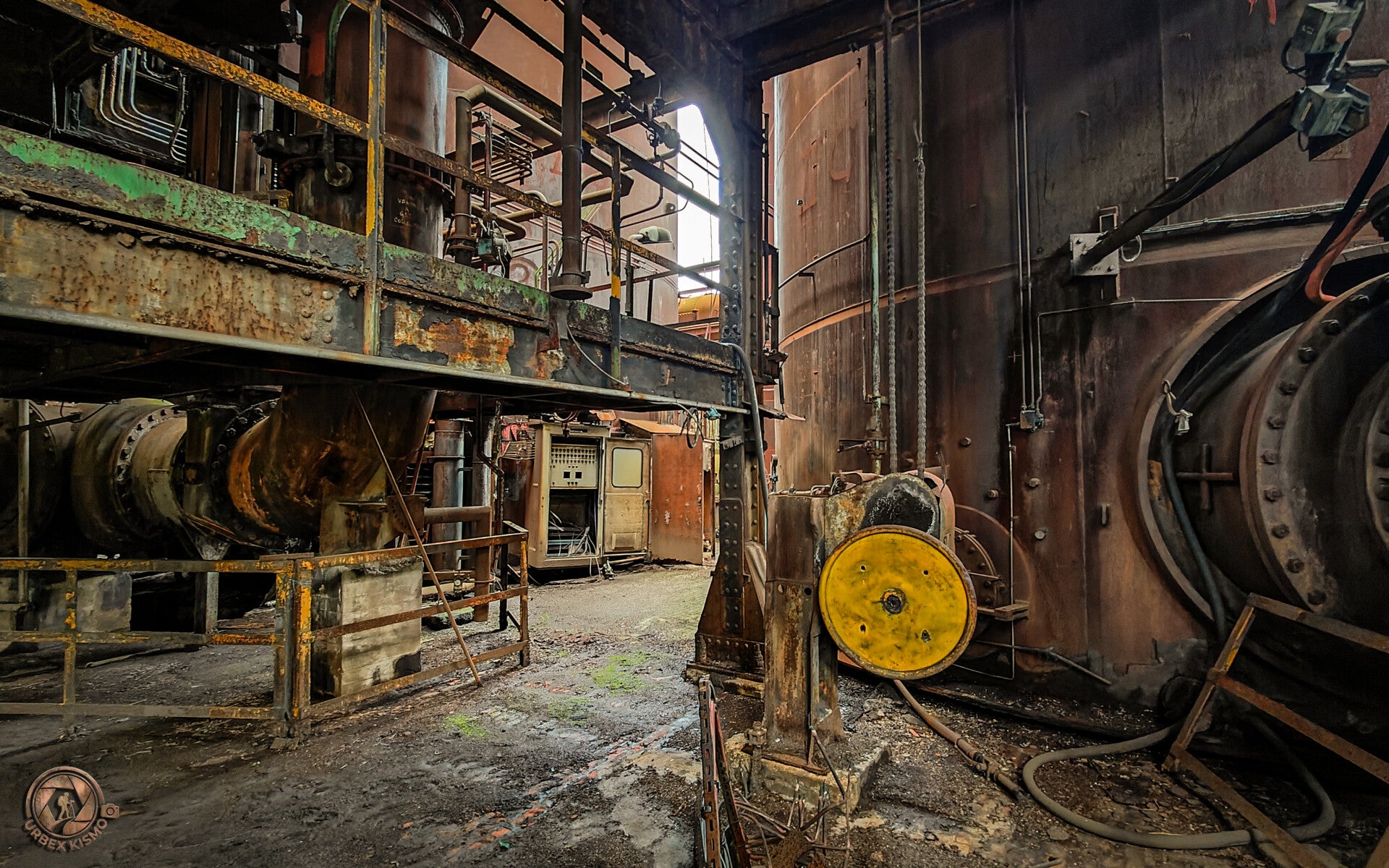
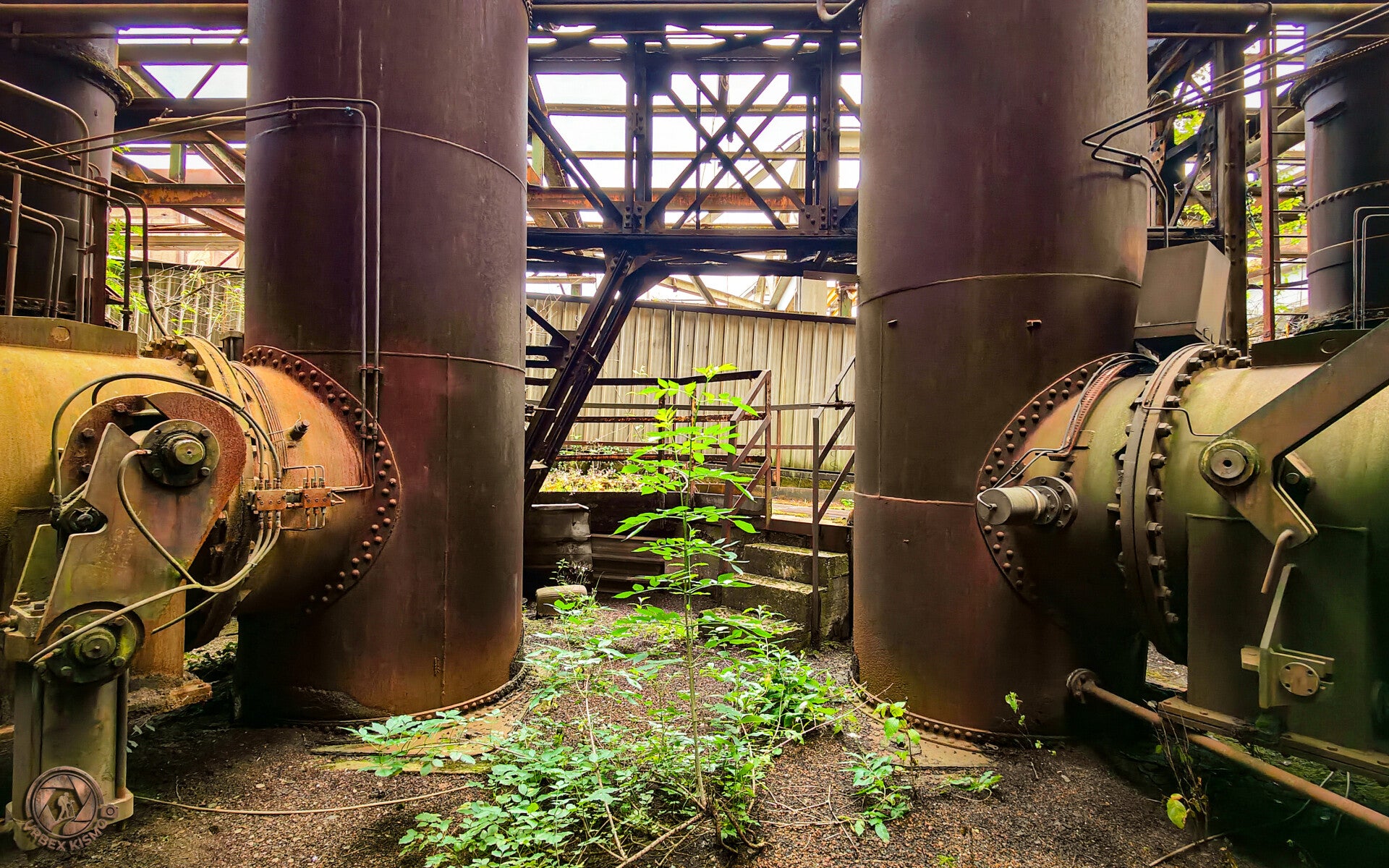
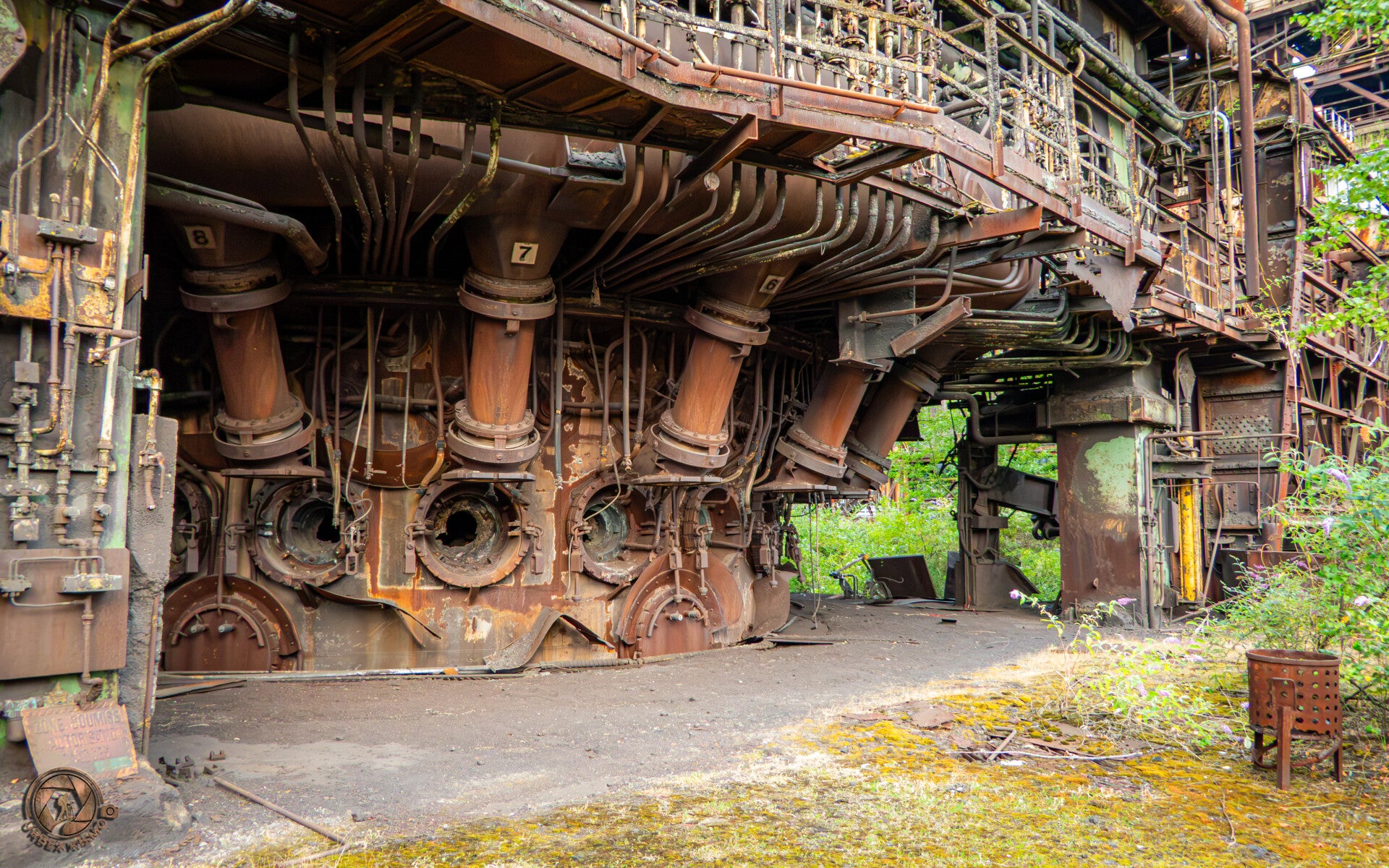
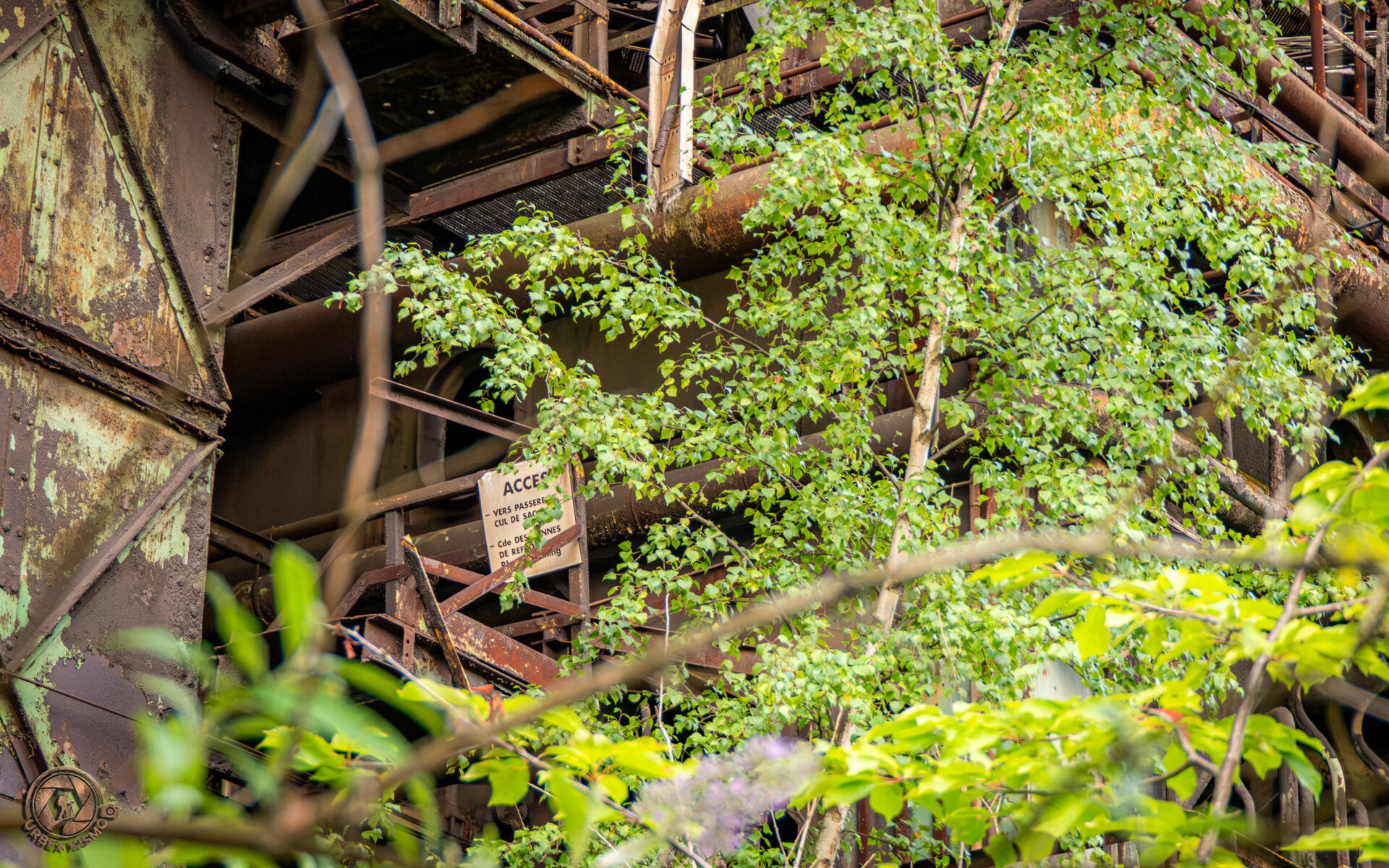
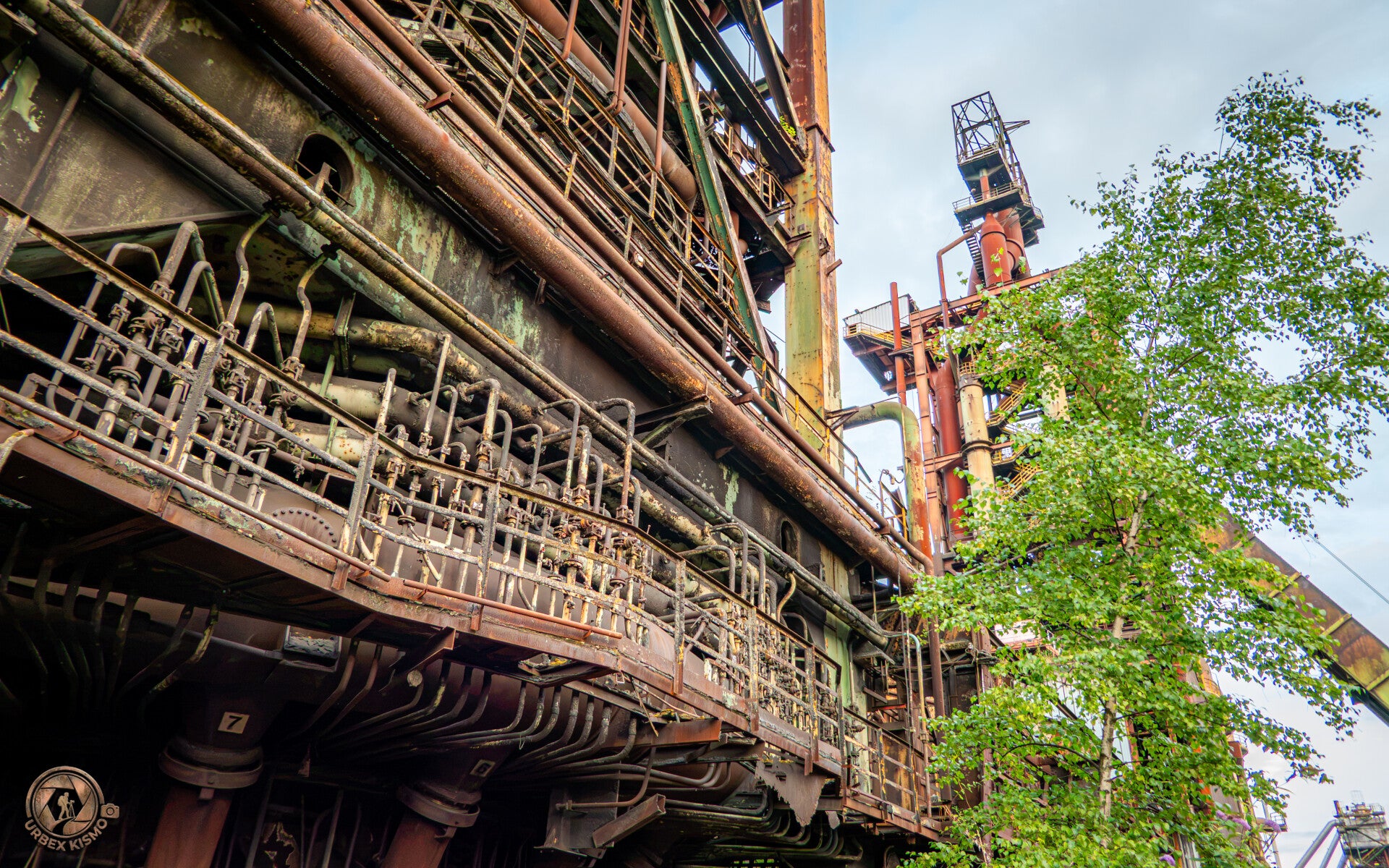
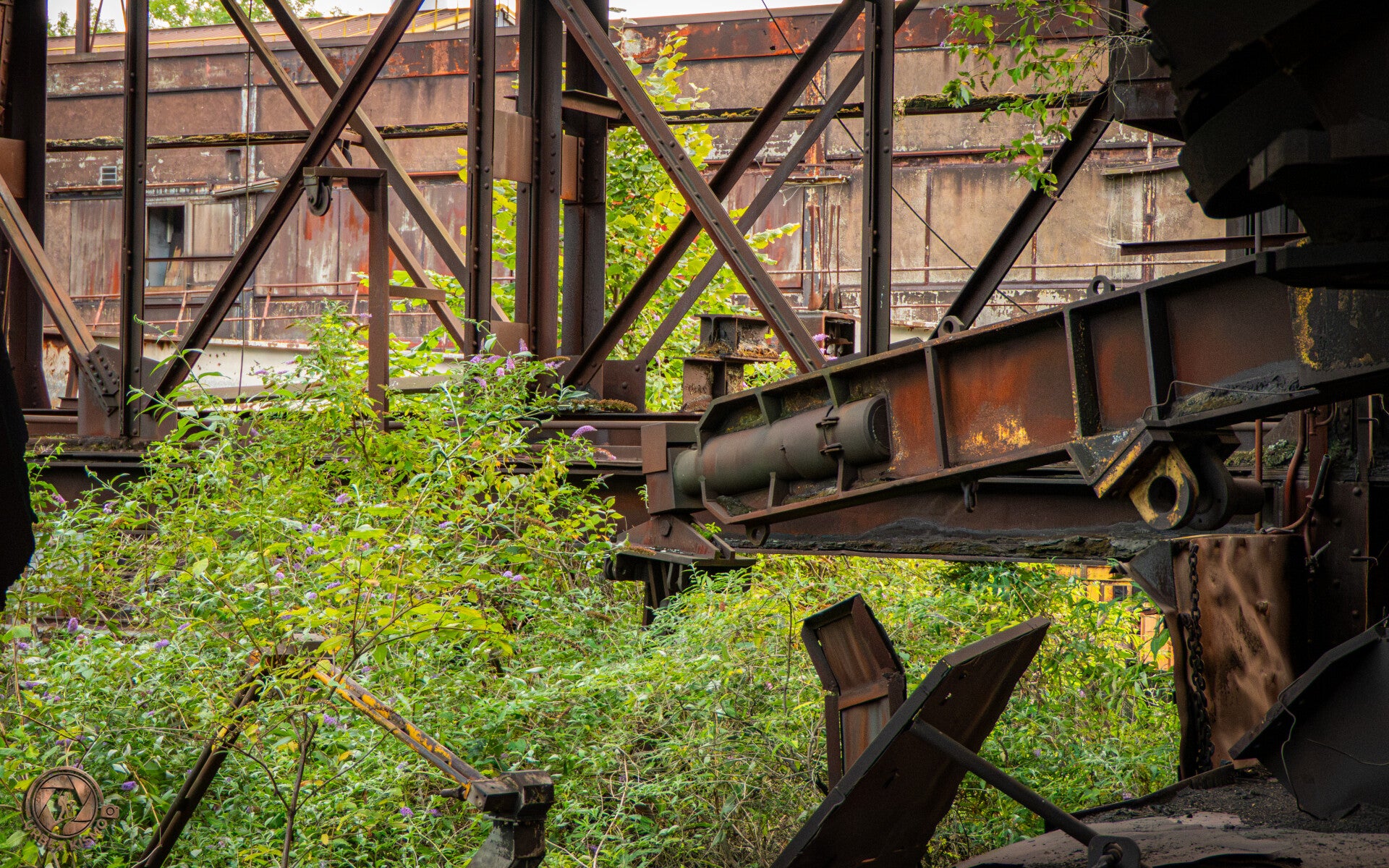
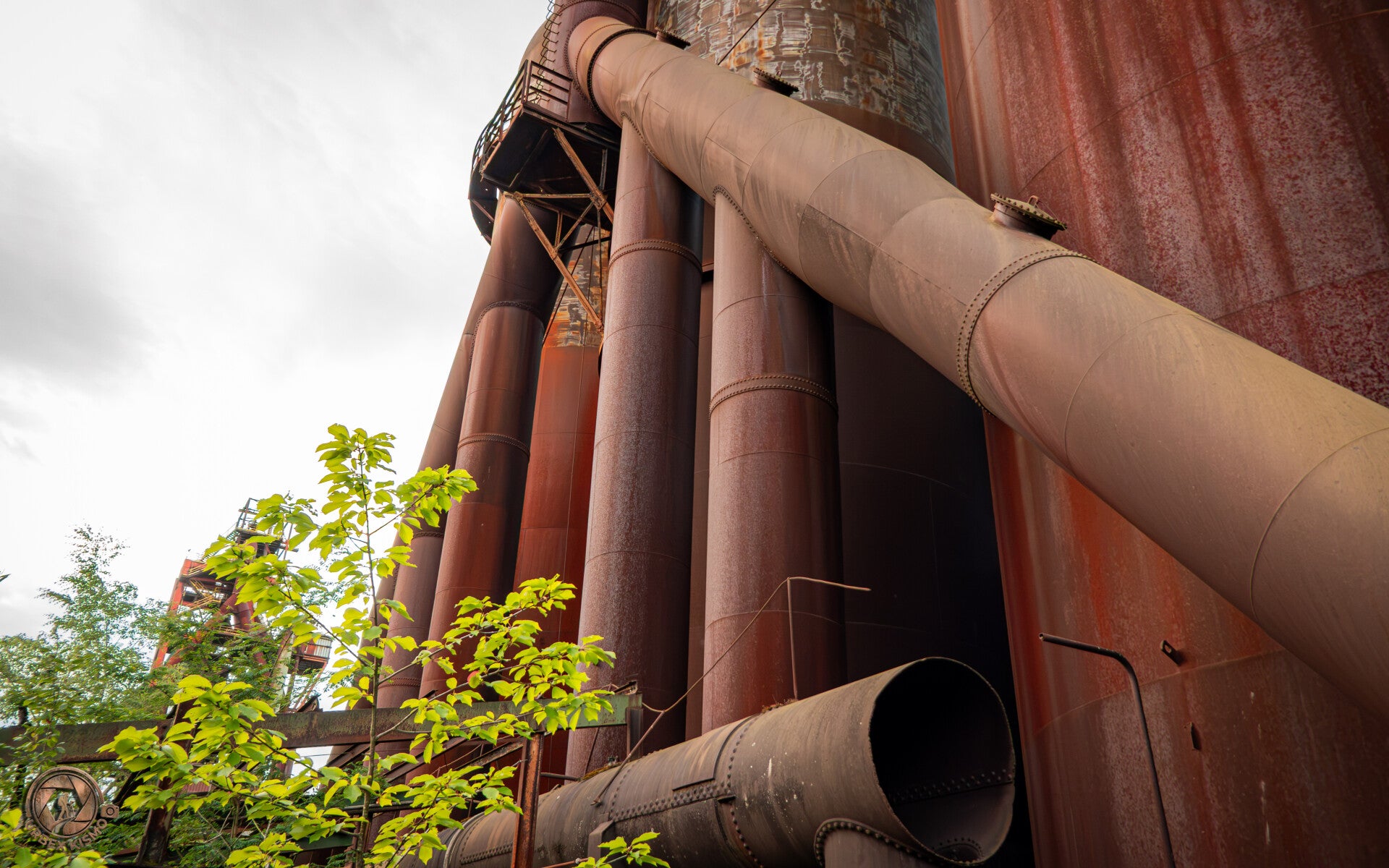
Blast Furnace P4
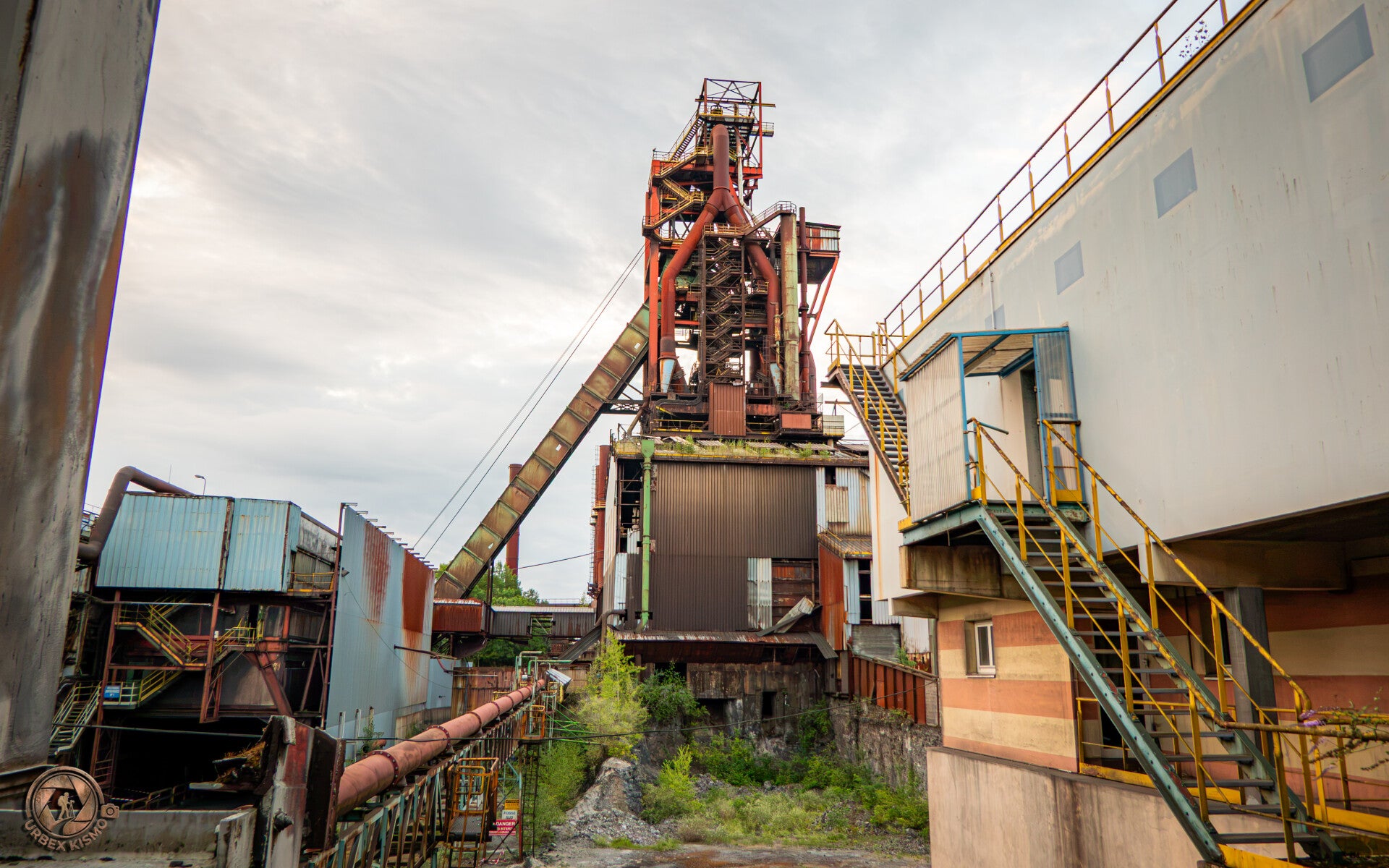
Hauts Fourneaux P6
P6 was another major installation modernised during the 1970s. It relied on a constant supply of raw materials, preheated air and carefully controlled operating conditions. Alongside P3, it was placed on standby in November 2012, marking the end of iron production at the site.
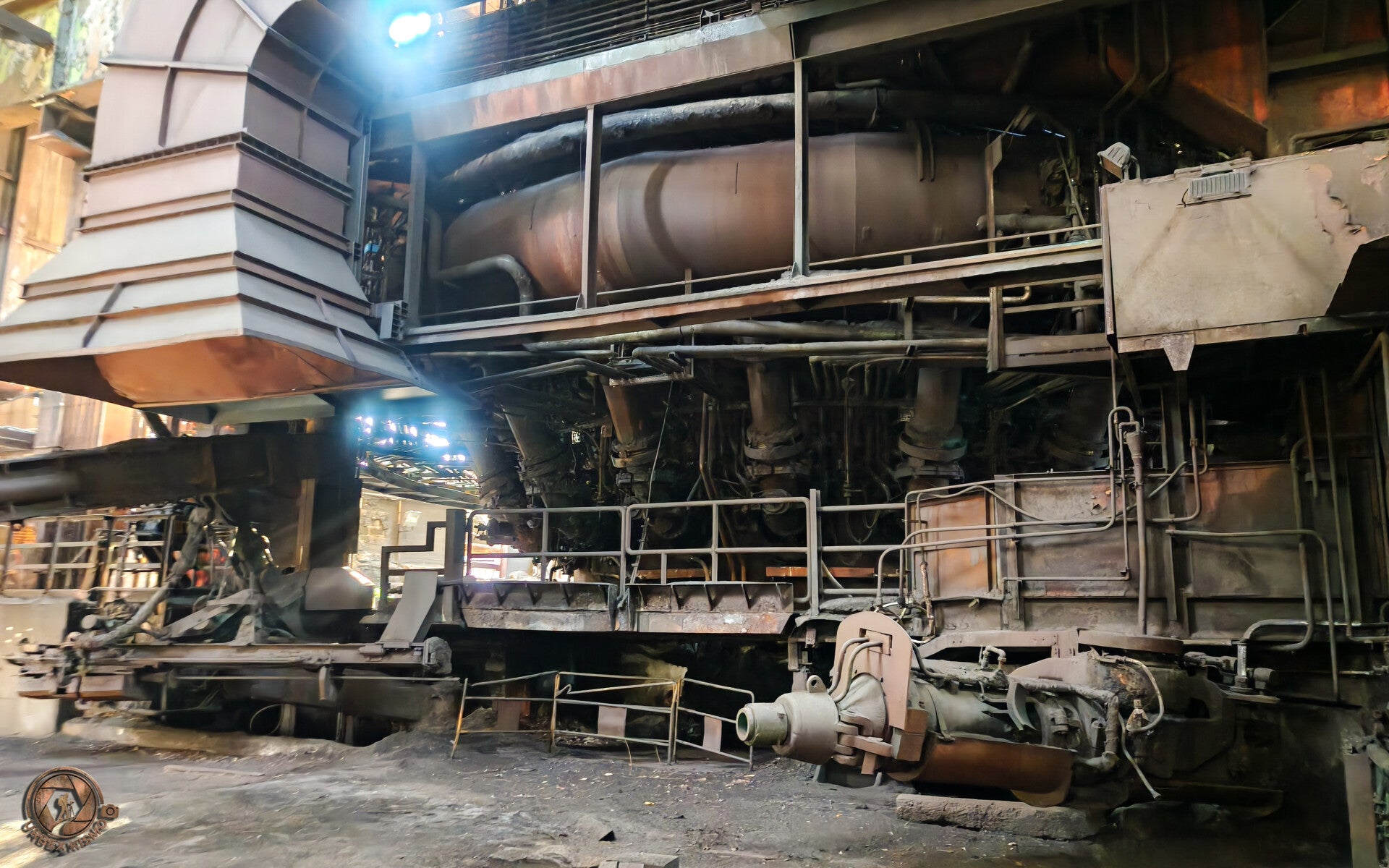
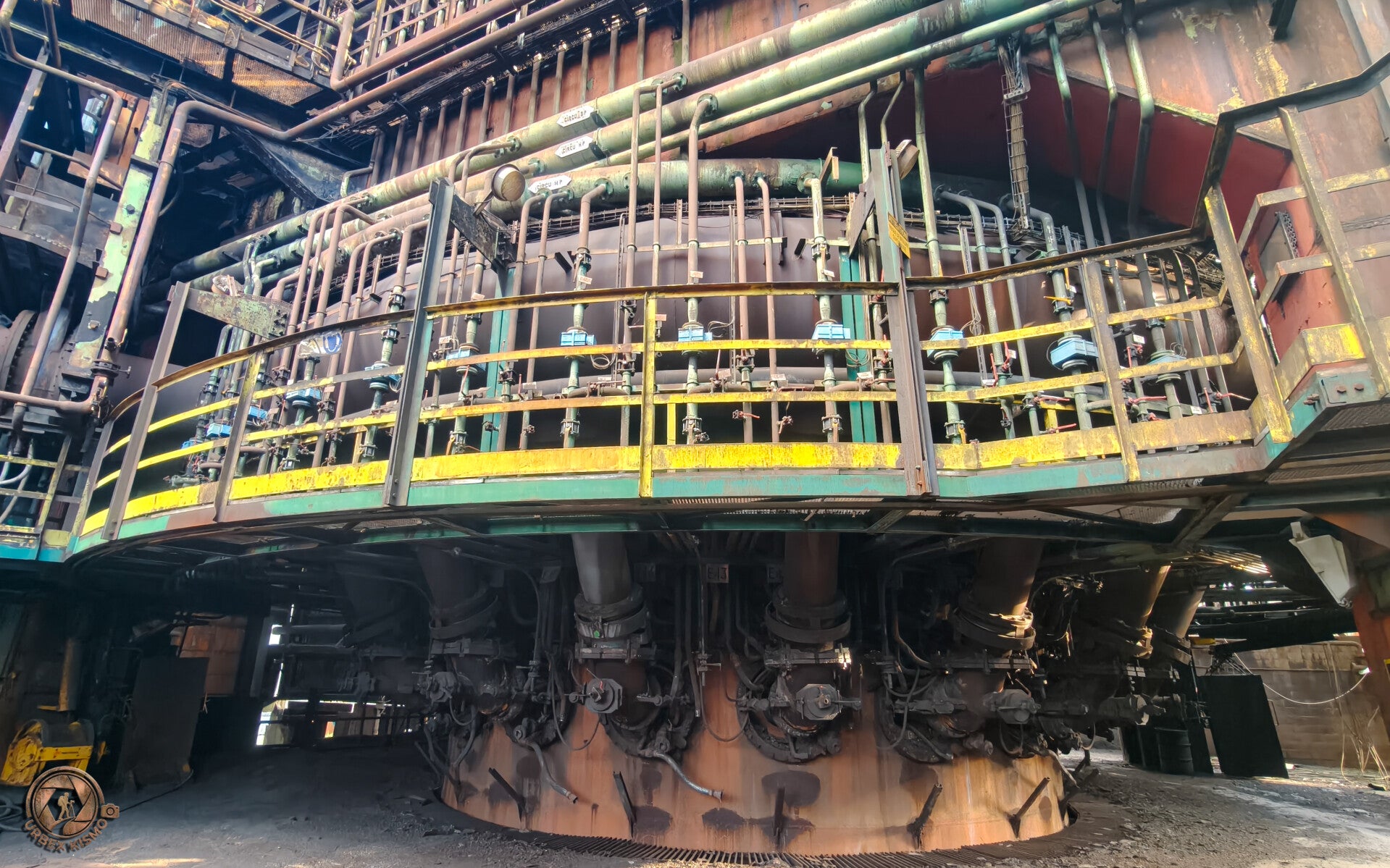
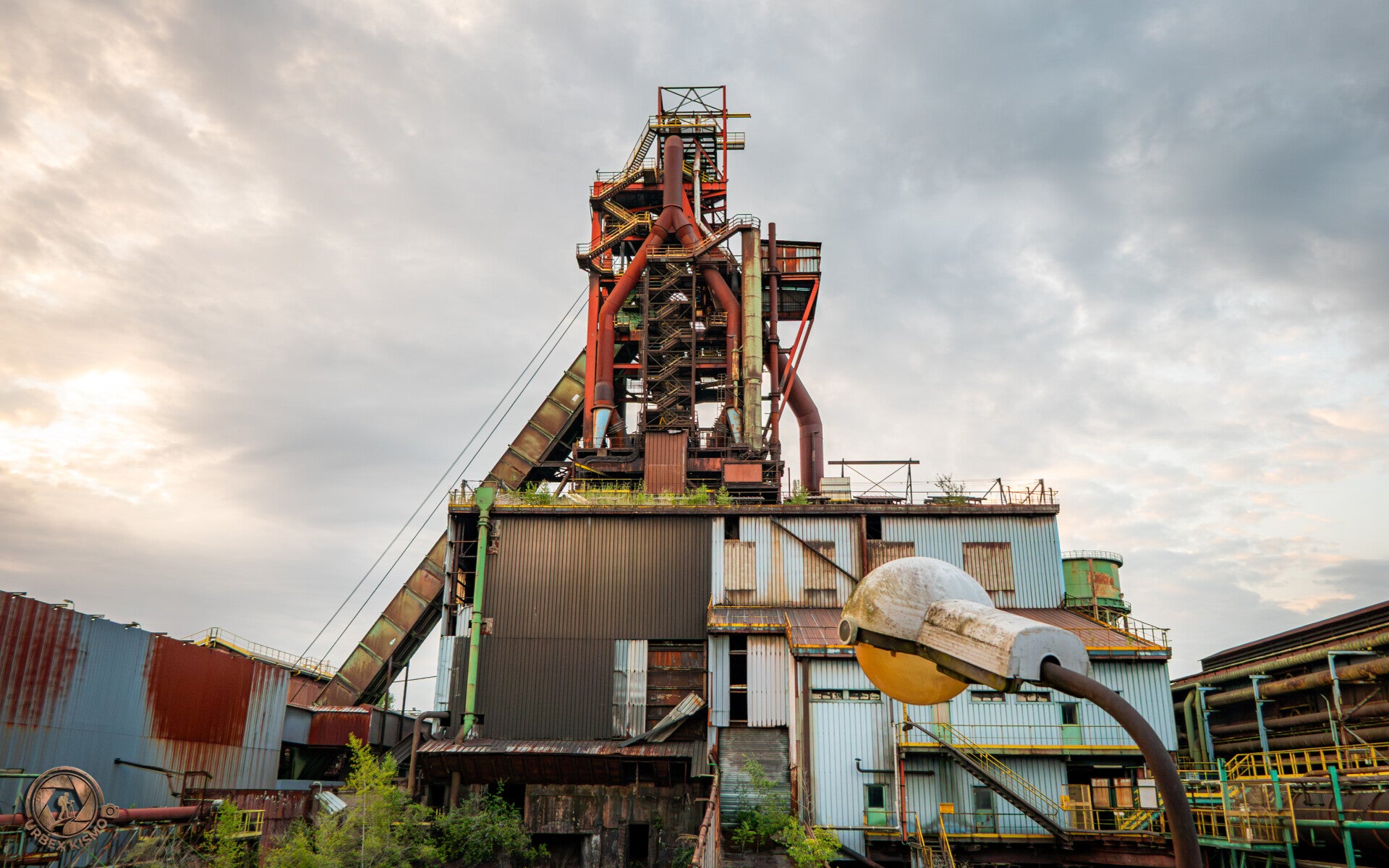
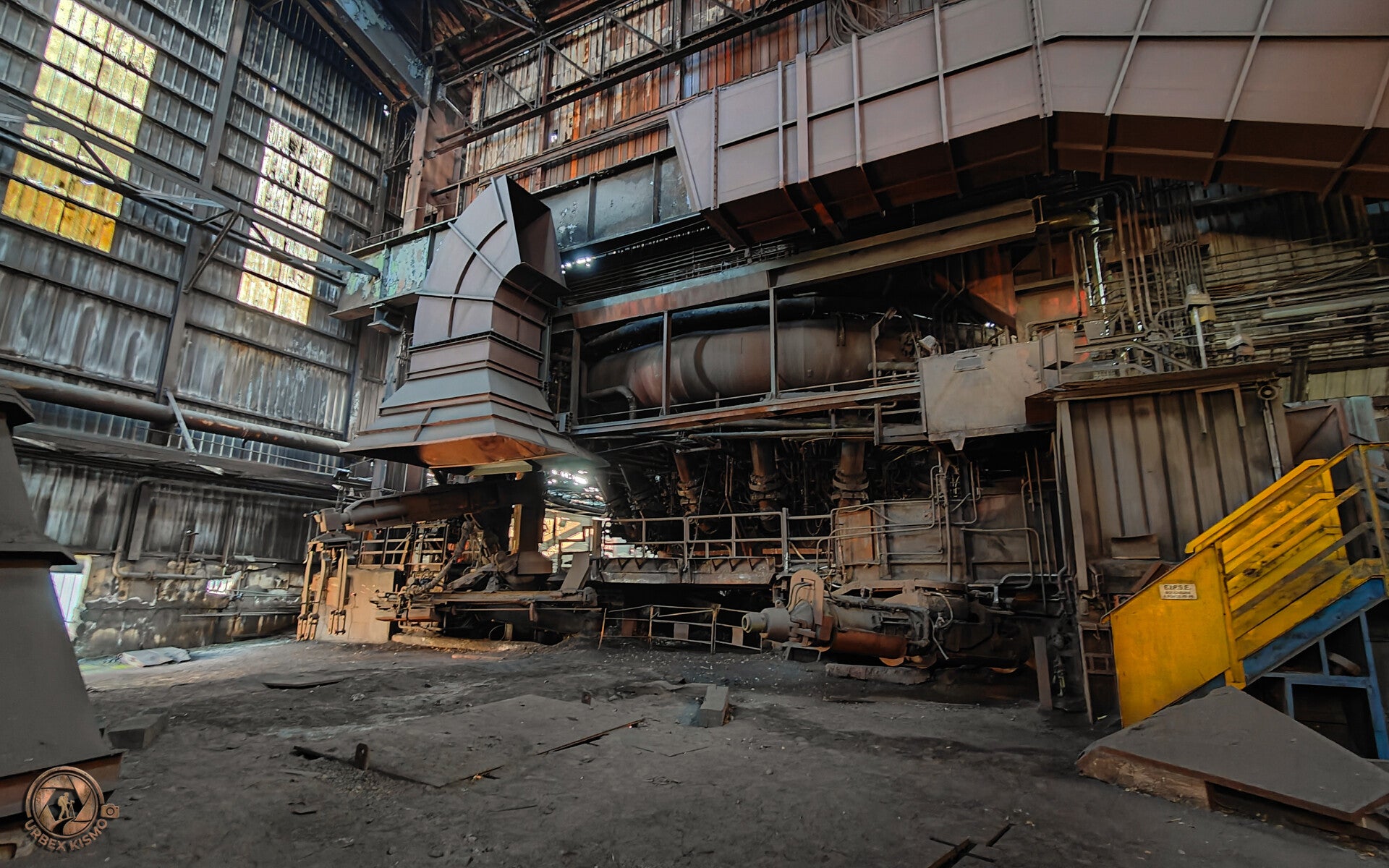
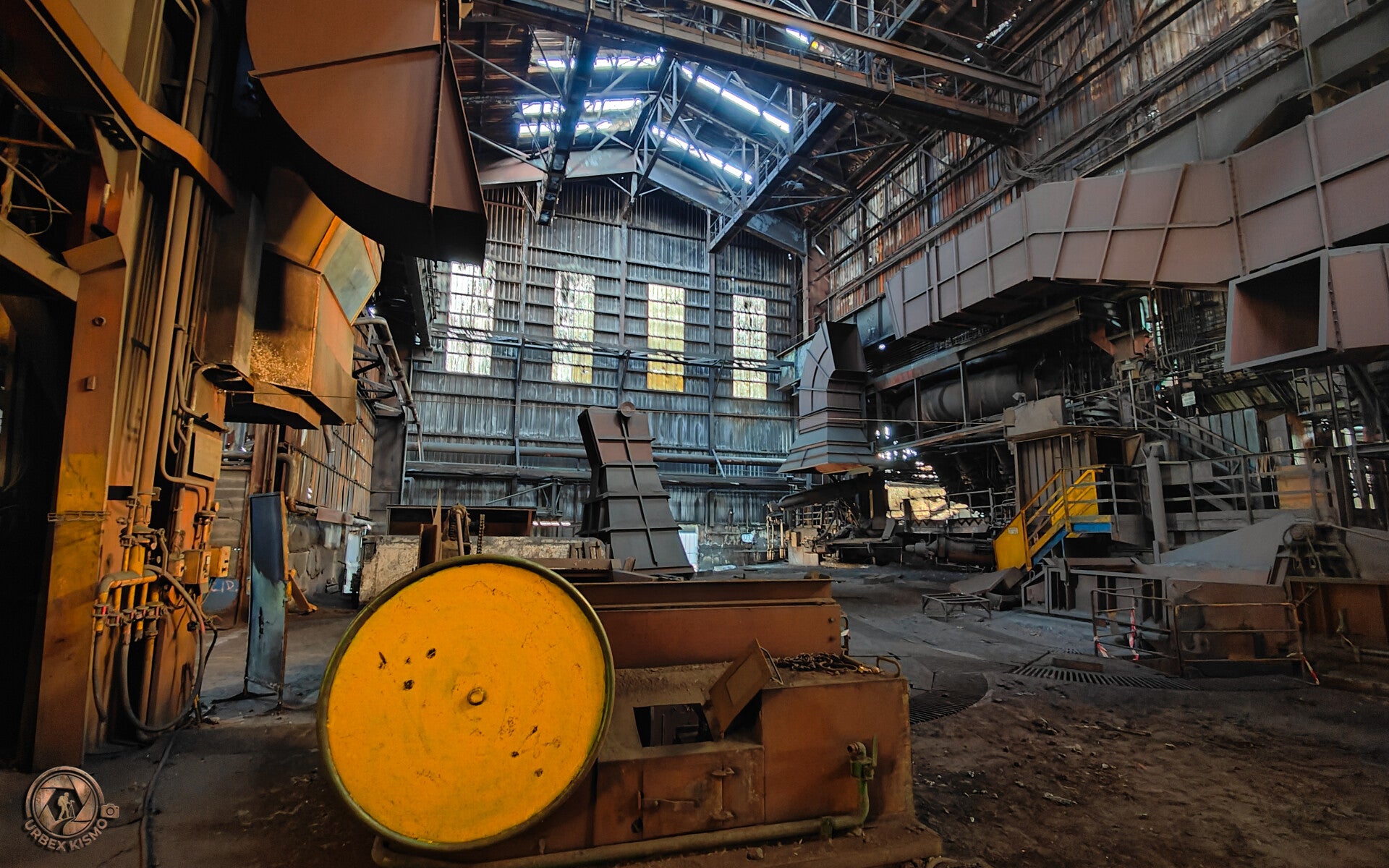
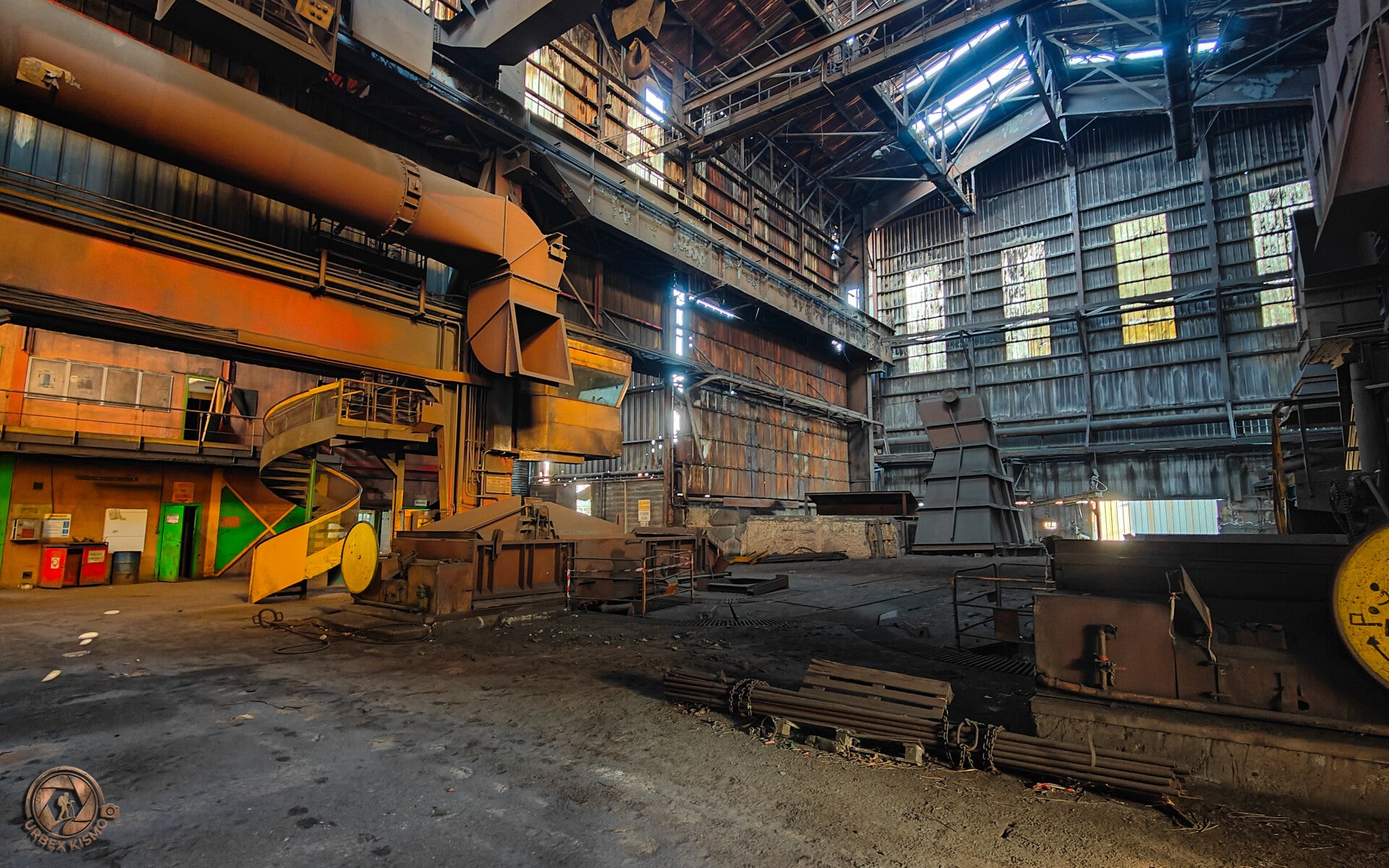
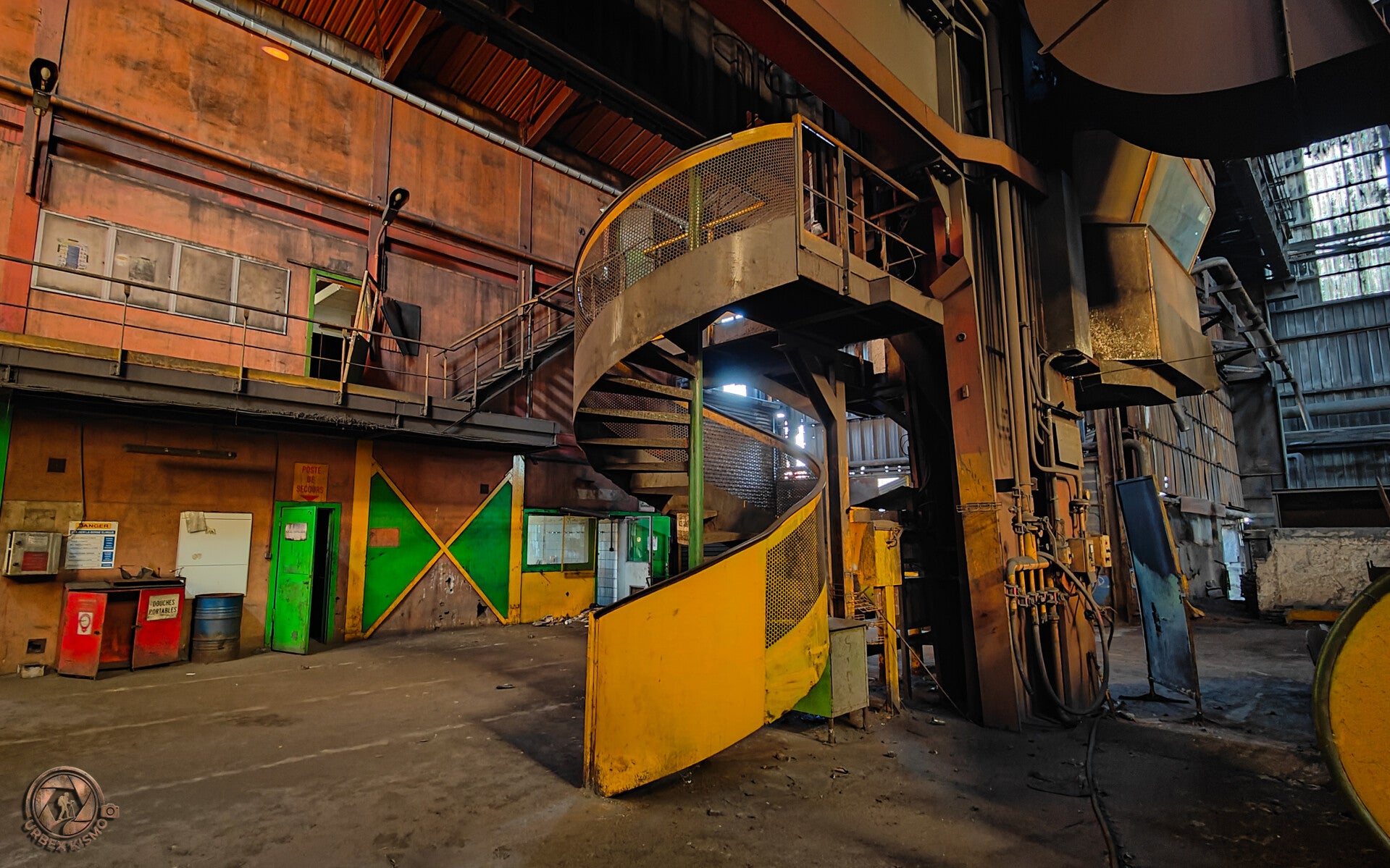
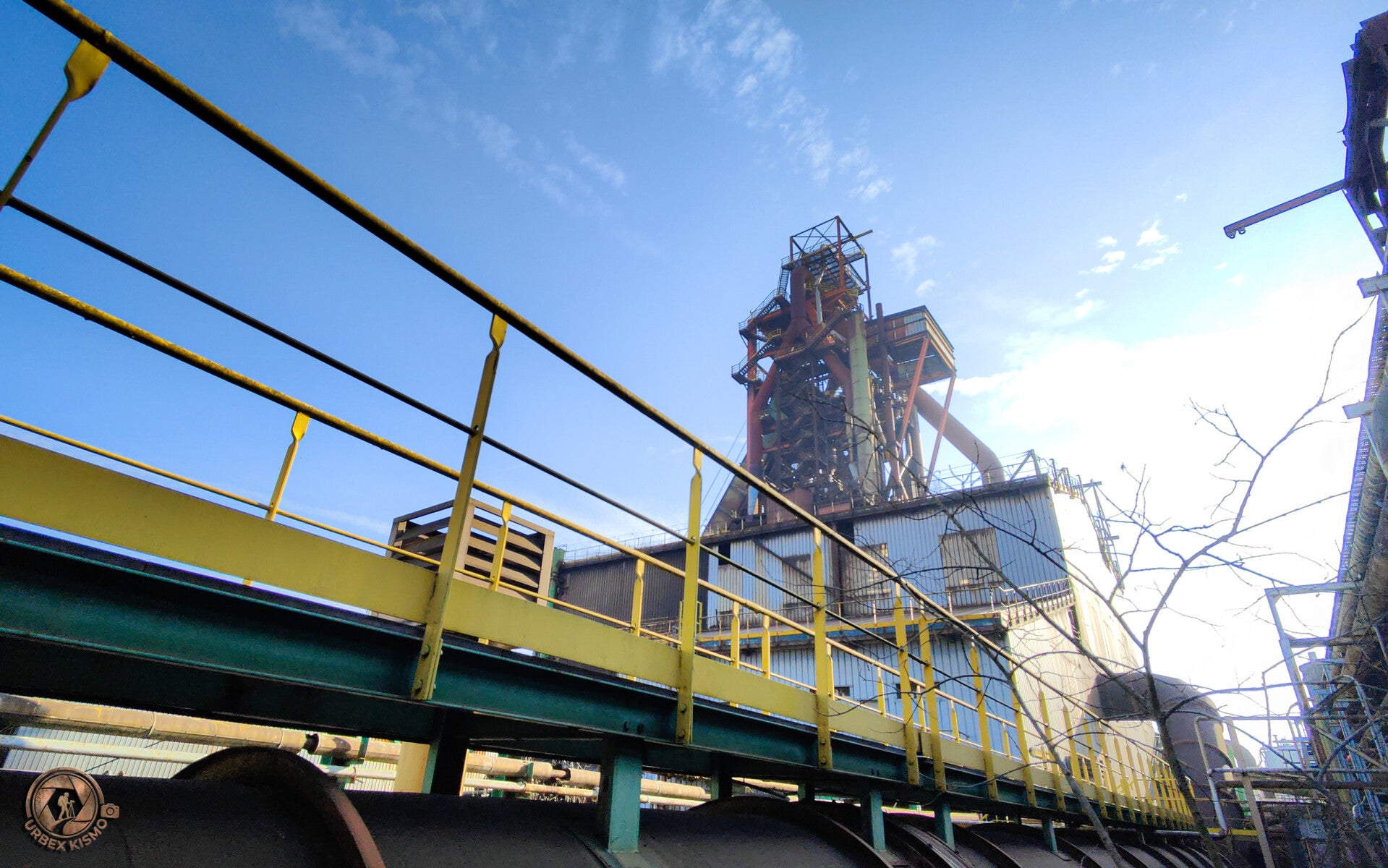
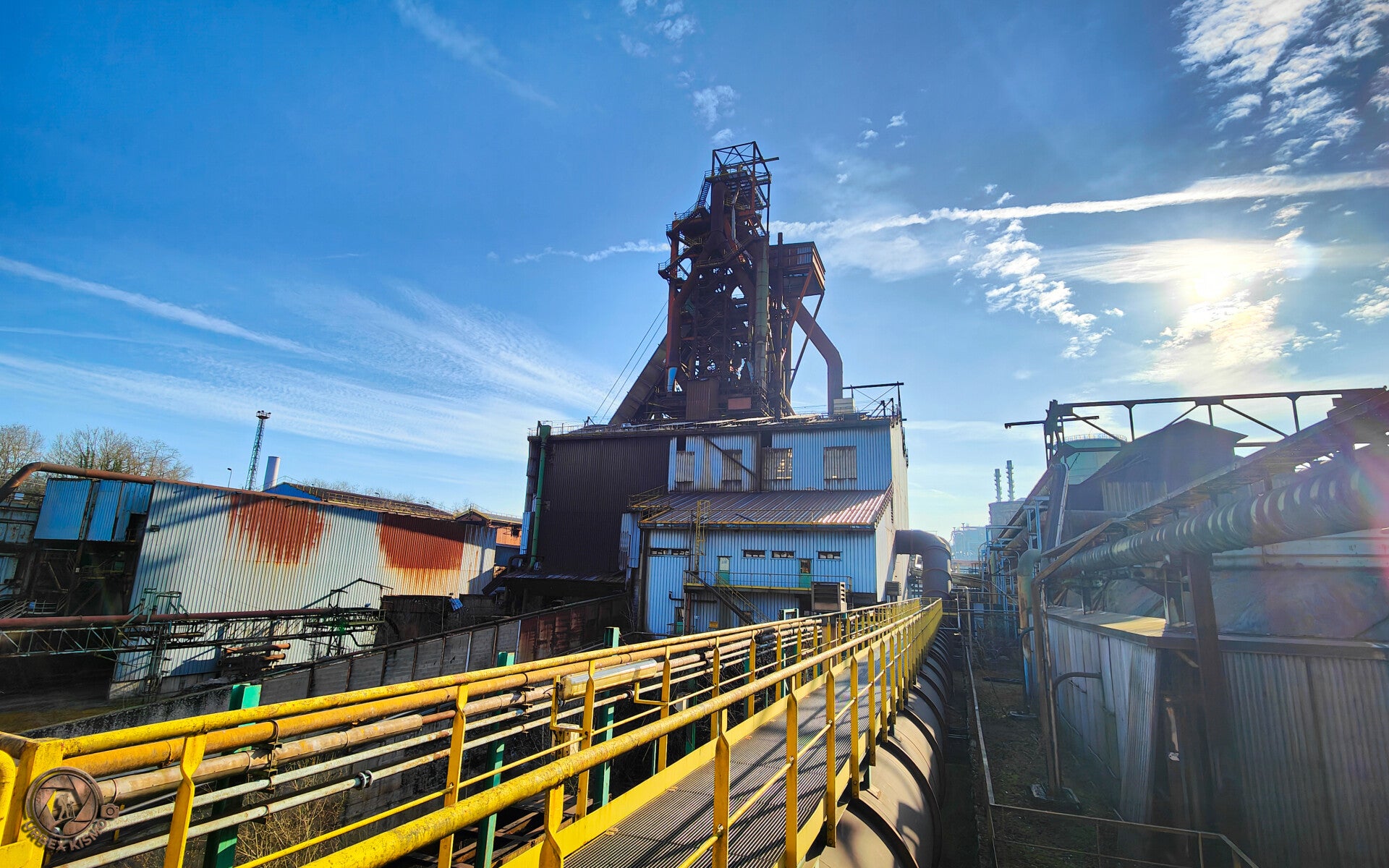
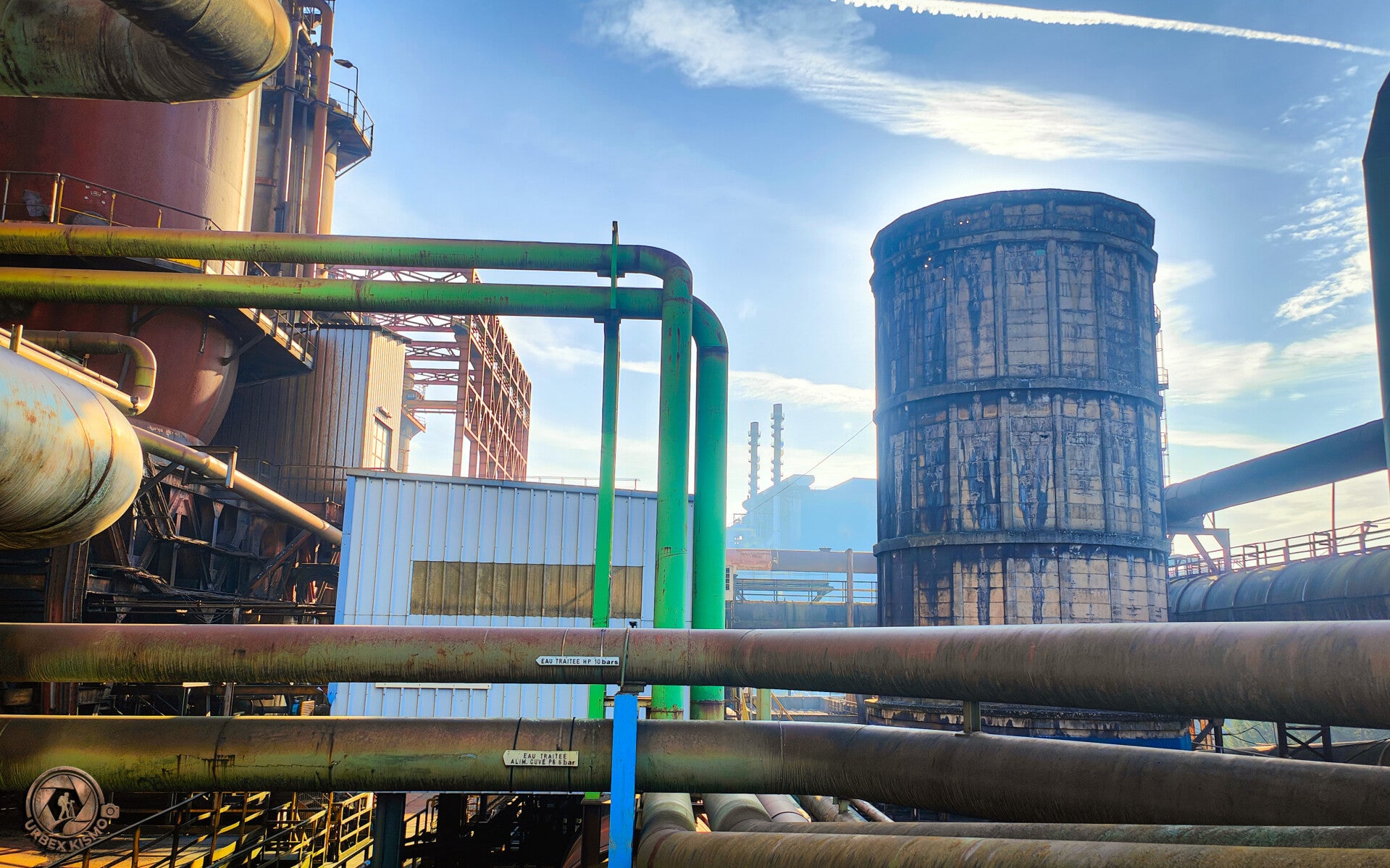
Blast Furnace P6
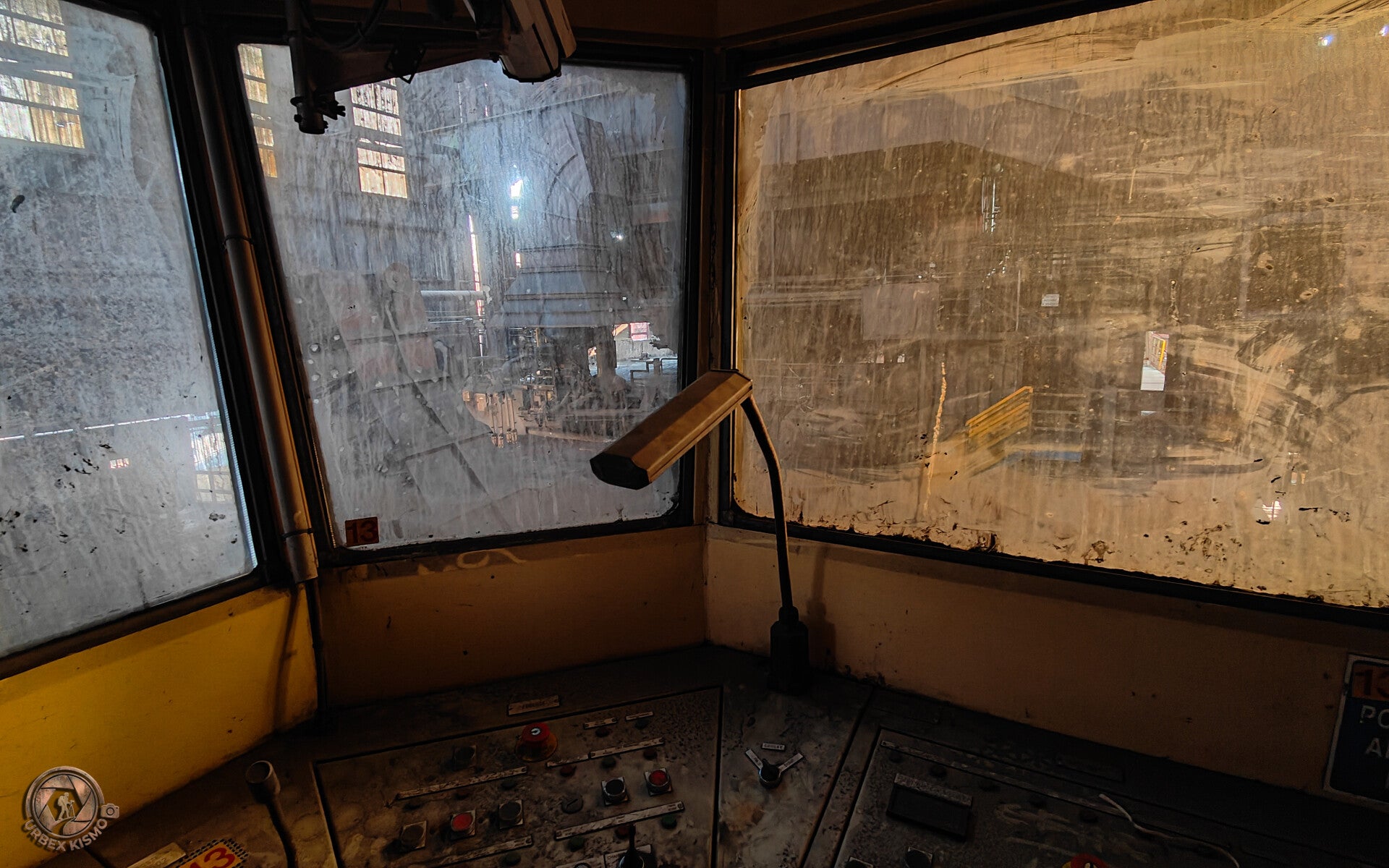
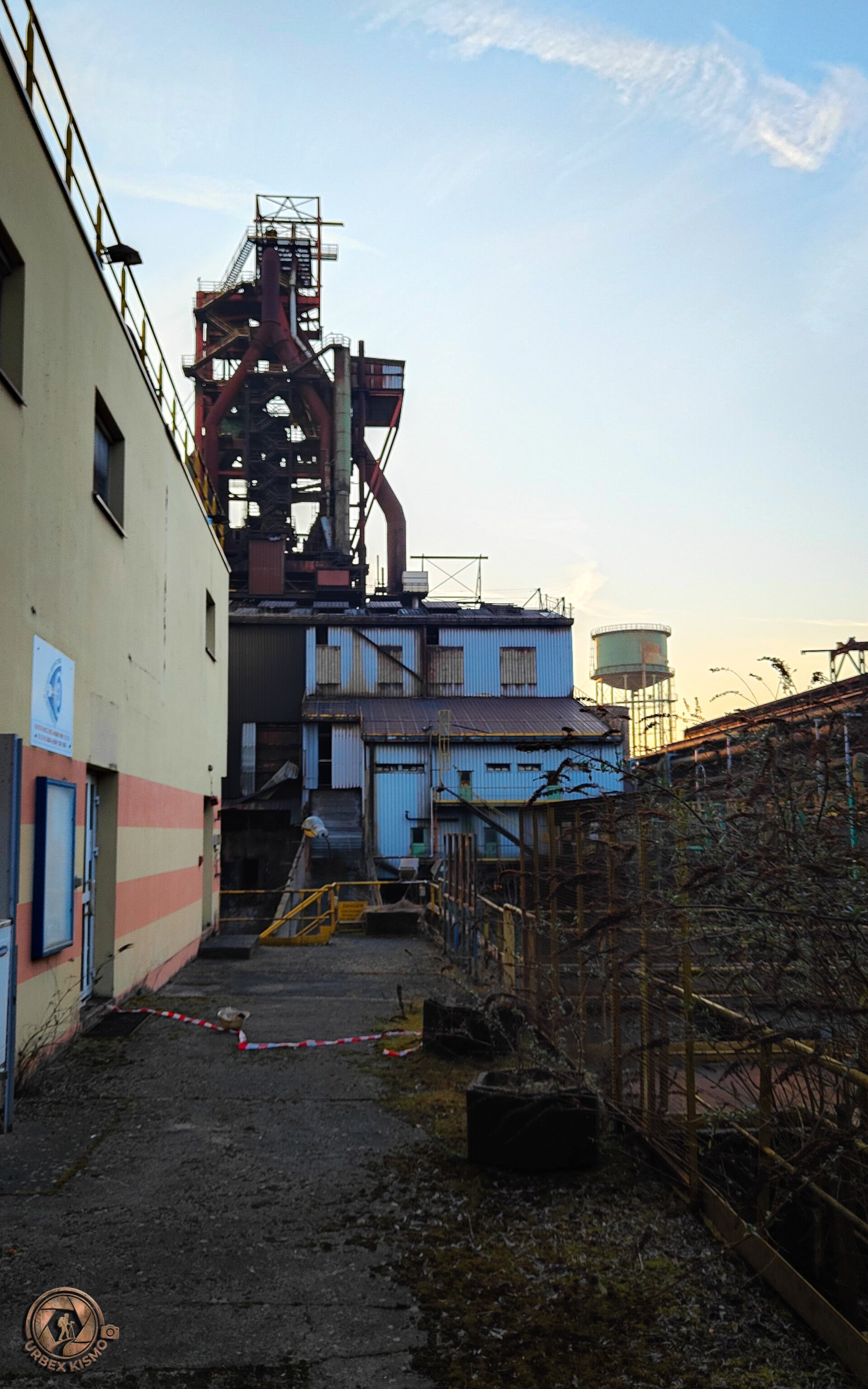
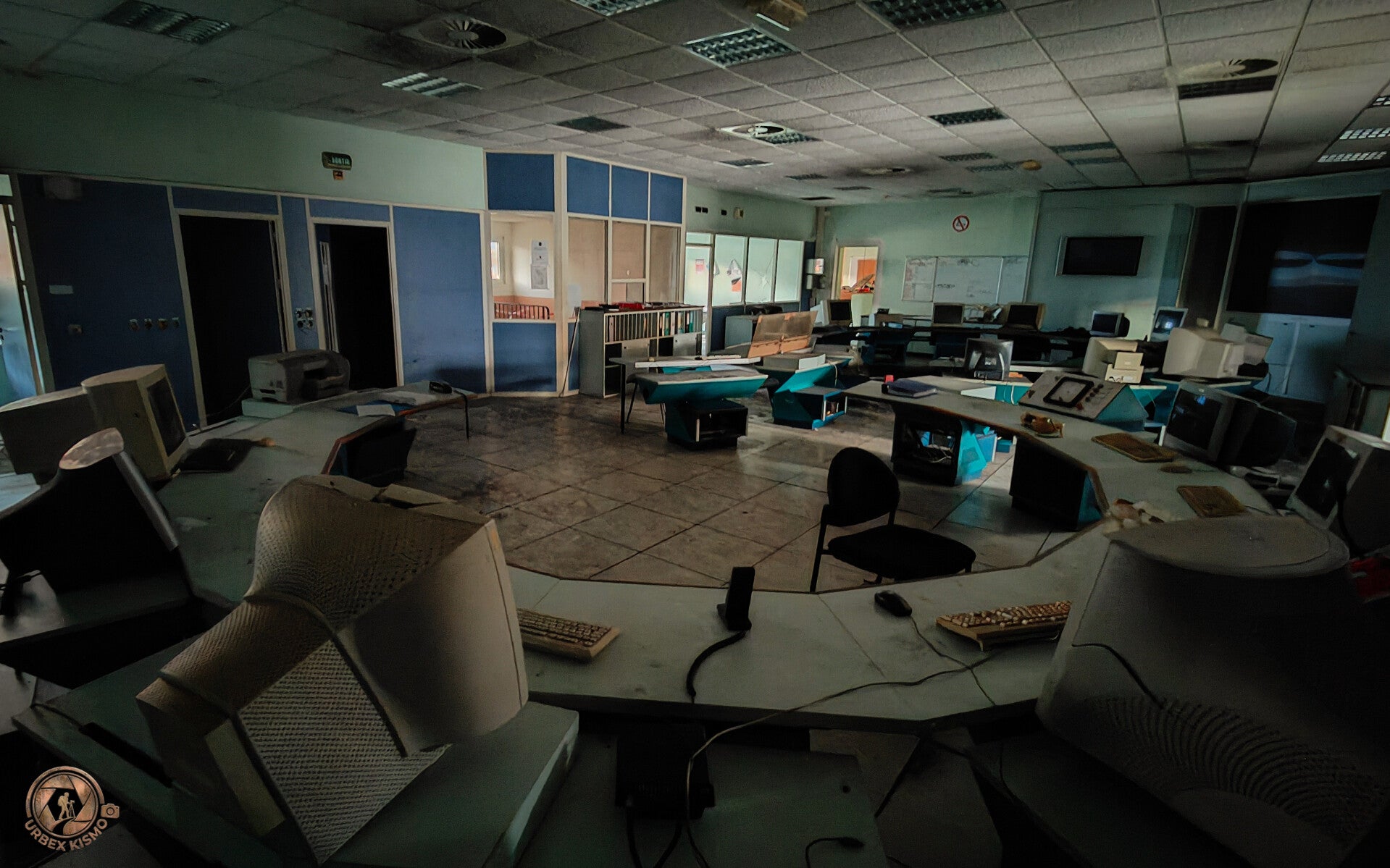
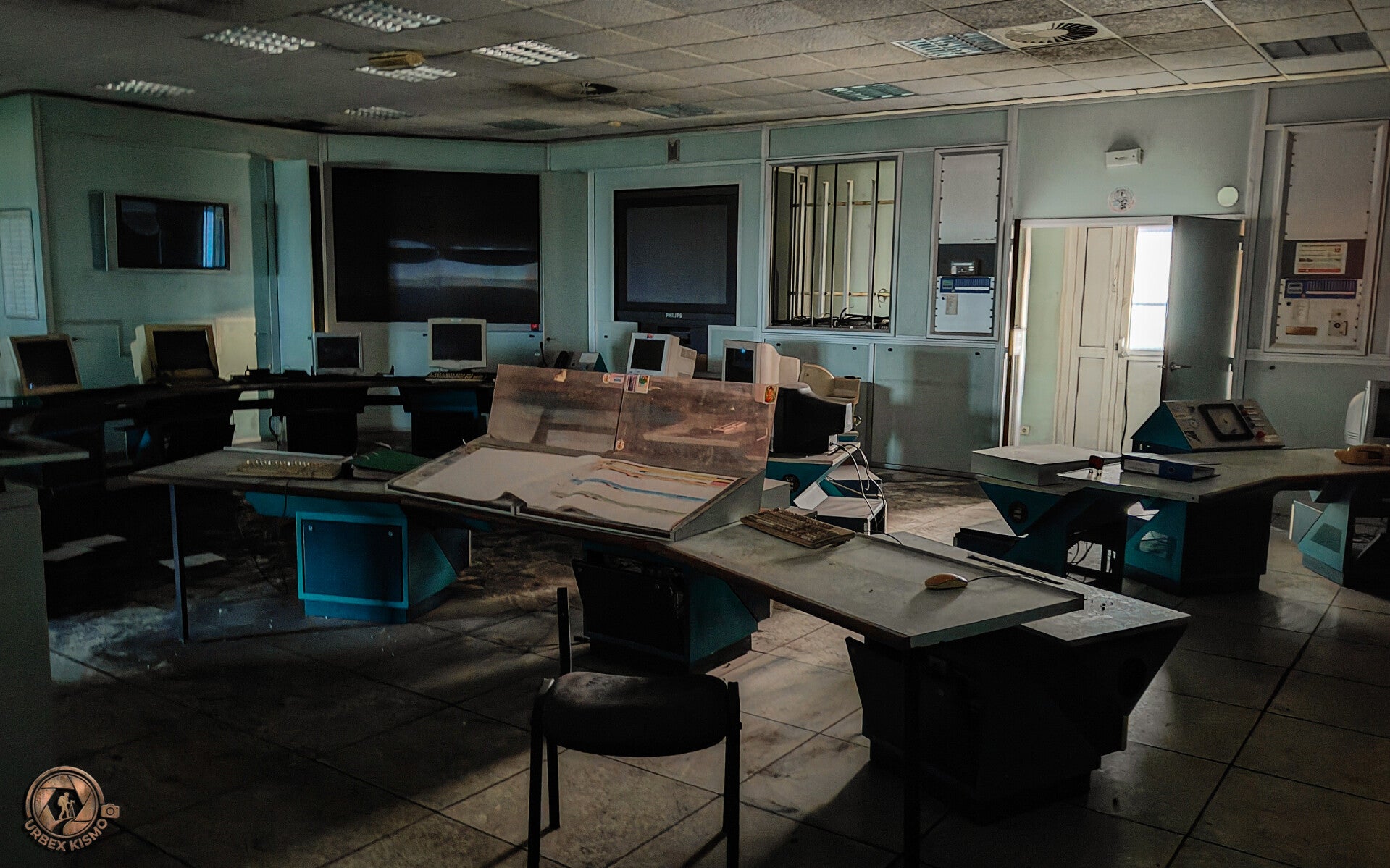
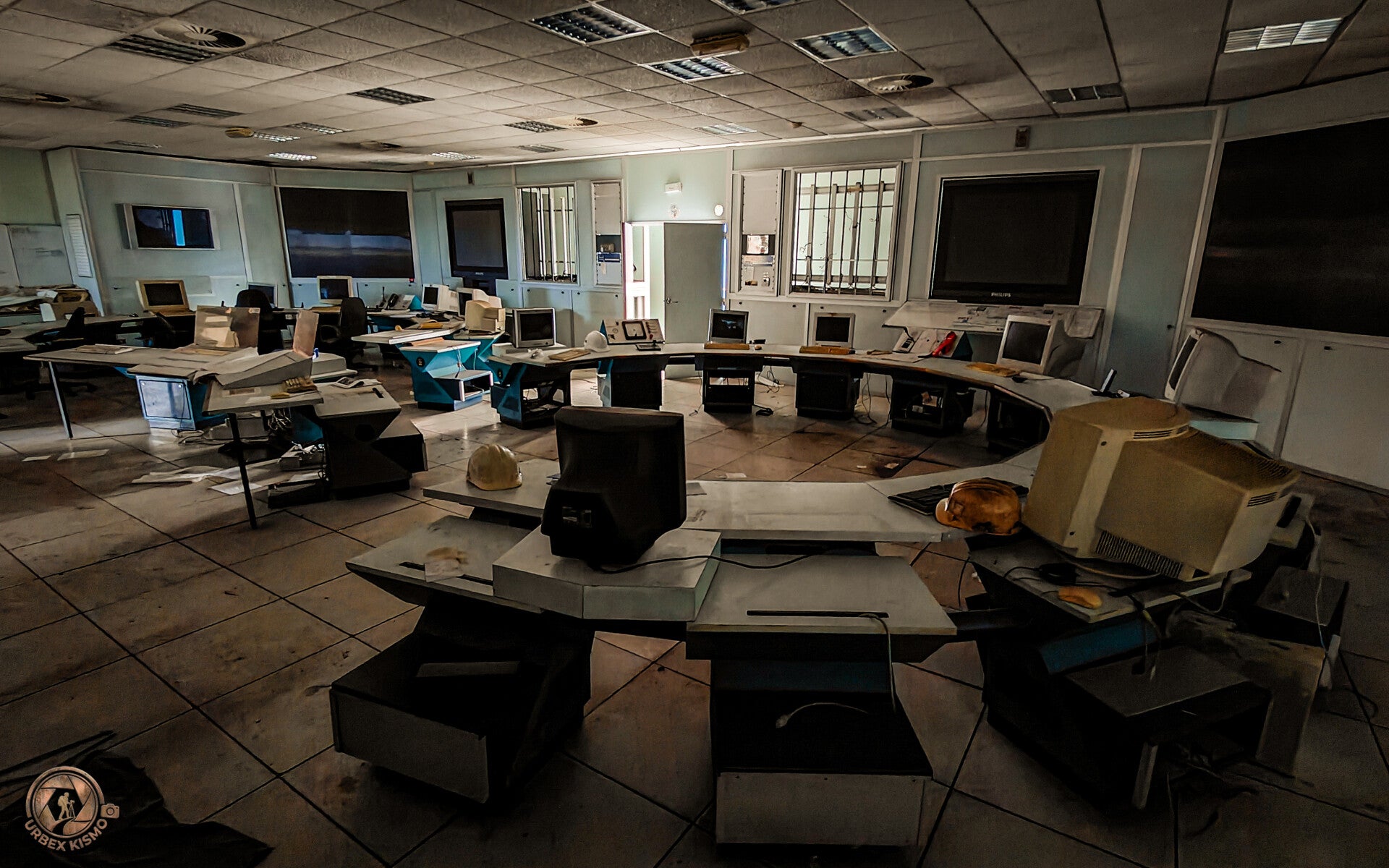
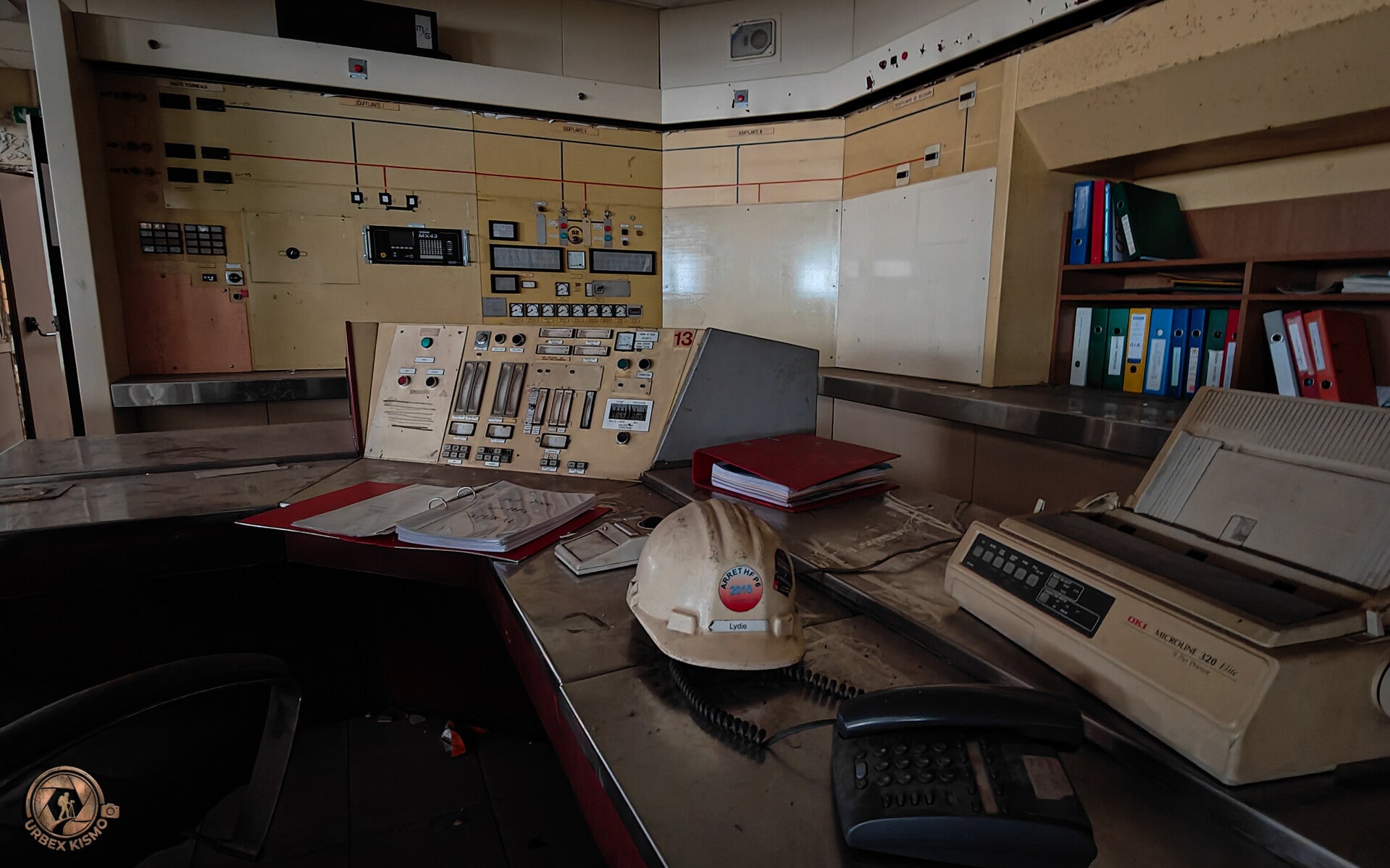
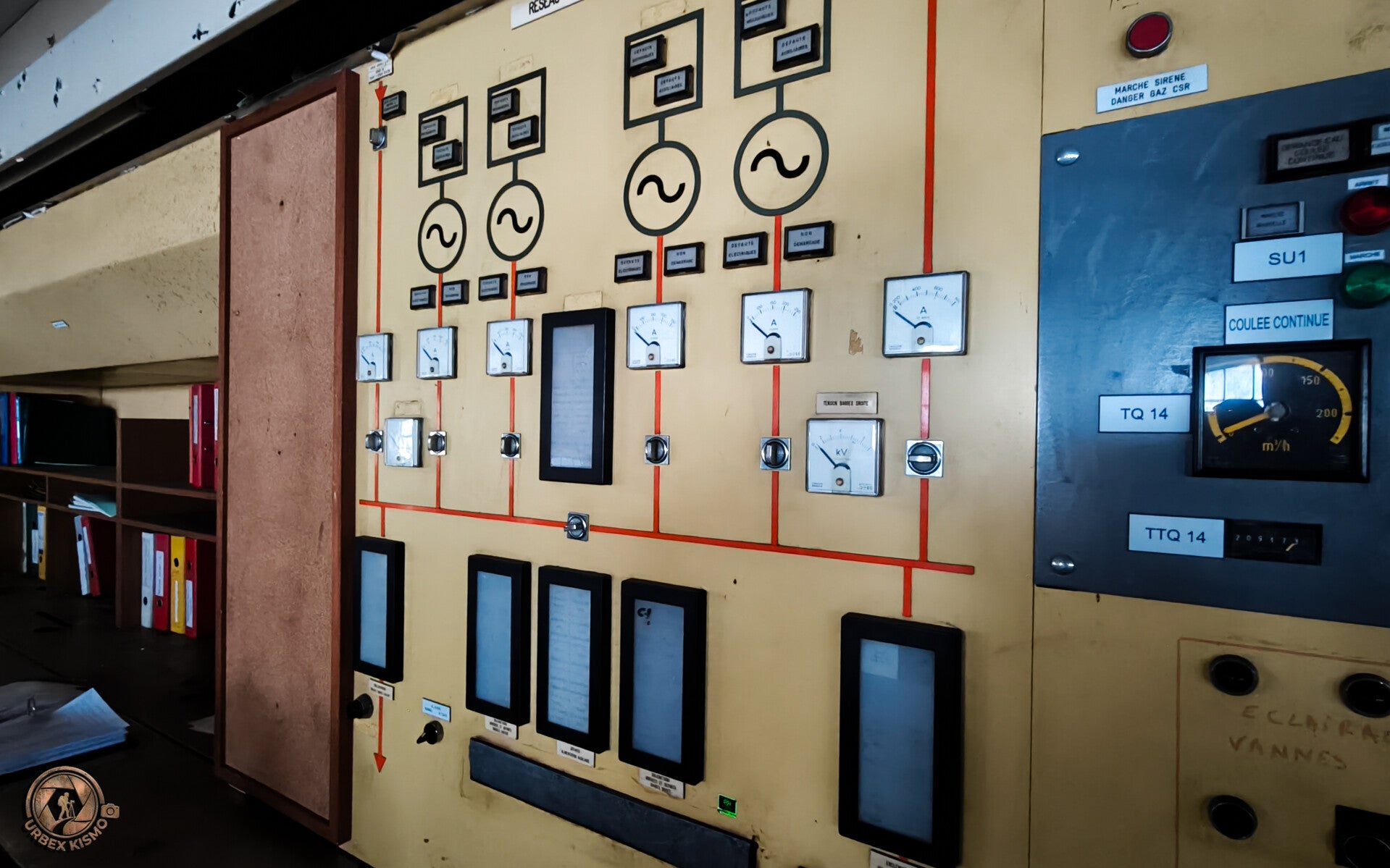
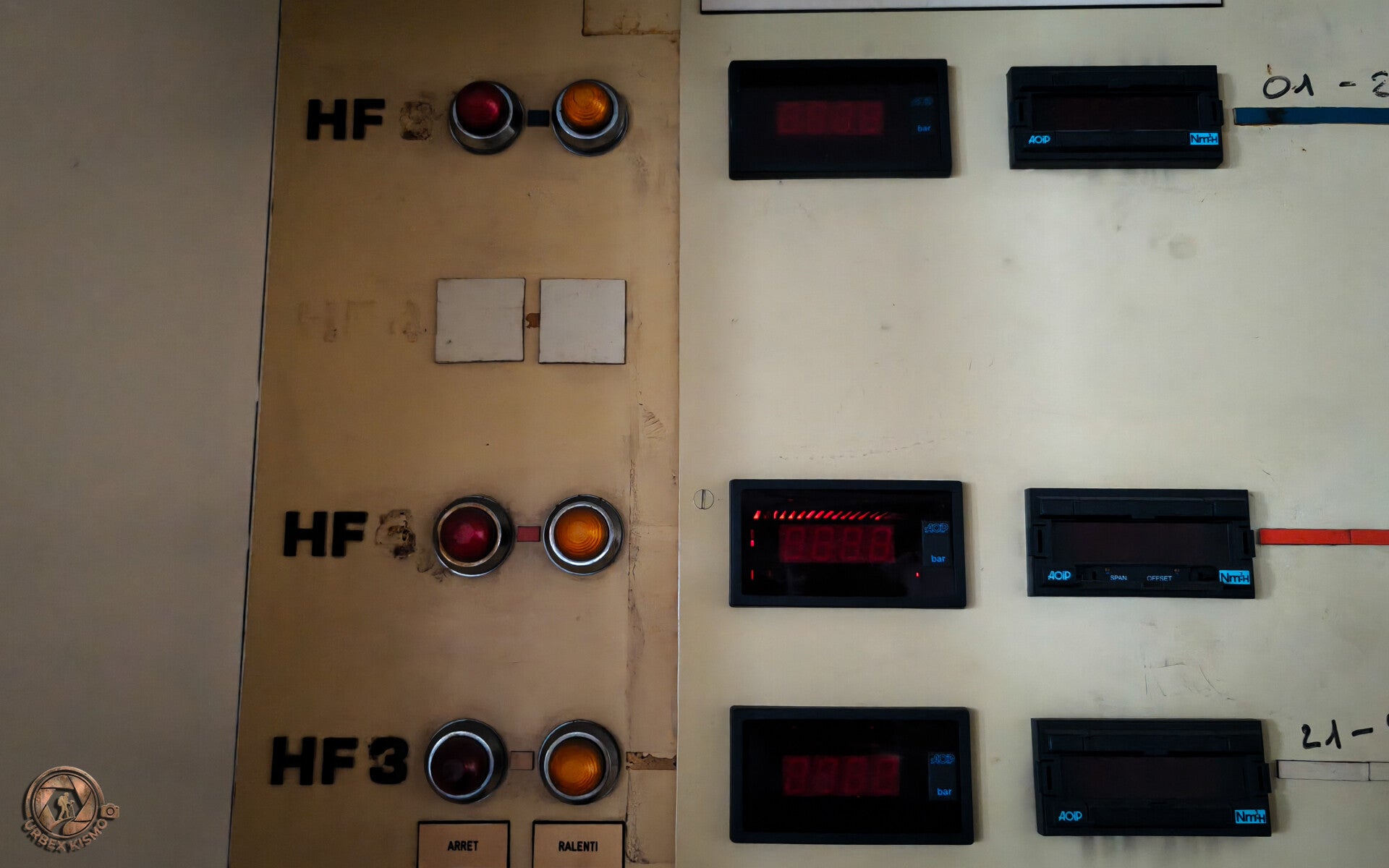
The Blast Furnace Control Room
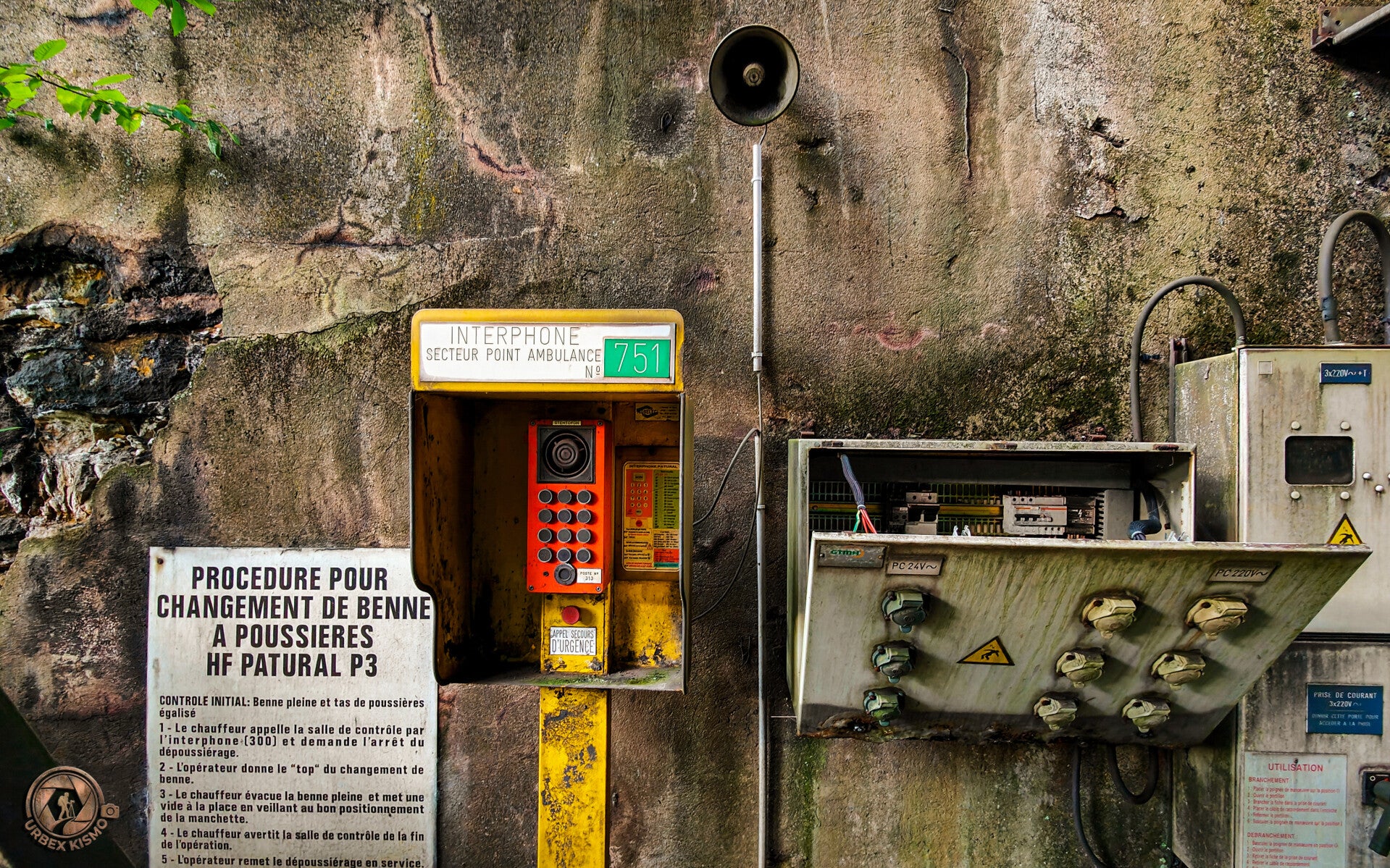
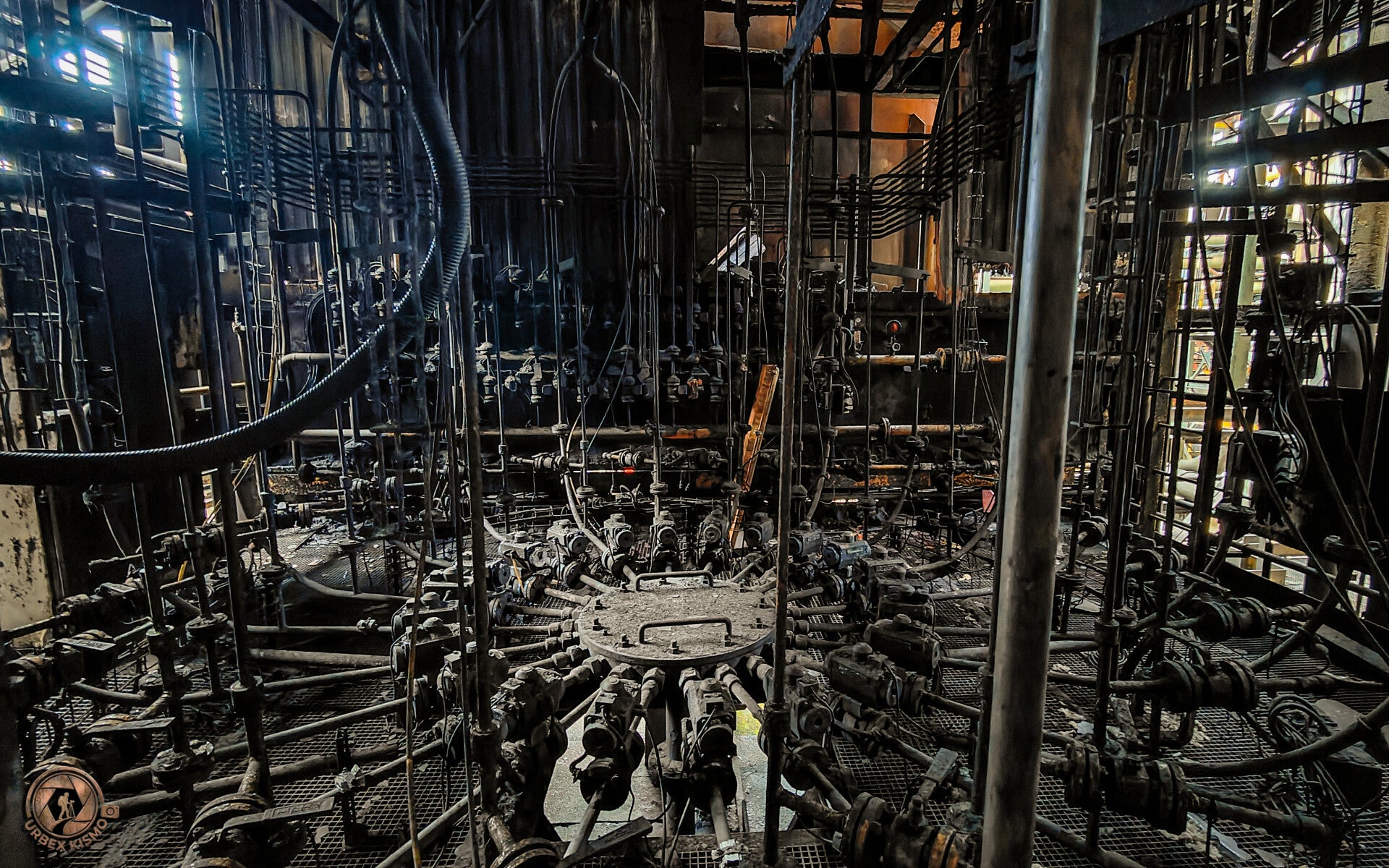
From the control room, operators monitored important parameters such as temperature, pressure, airflow and furnace gas conditions. Keeping these variables balanced was crucial because changes inside the furnace could affect both production efficiency and the quality of the molten iron.
Monitoring the process
The Blower House
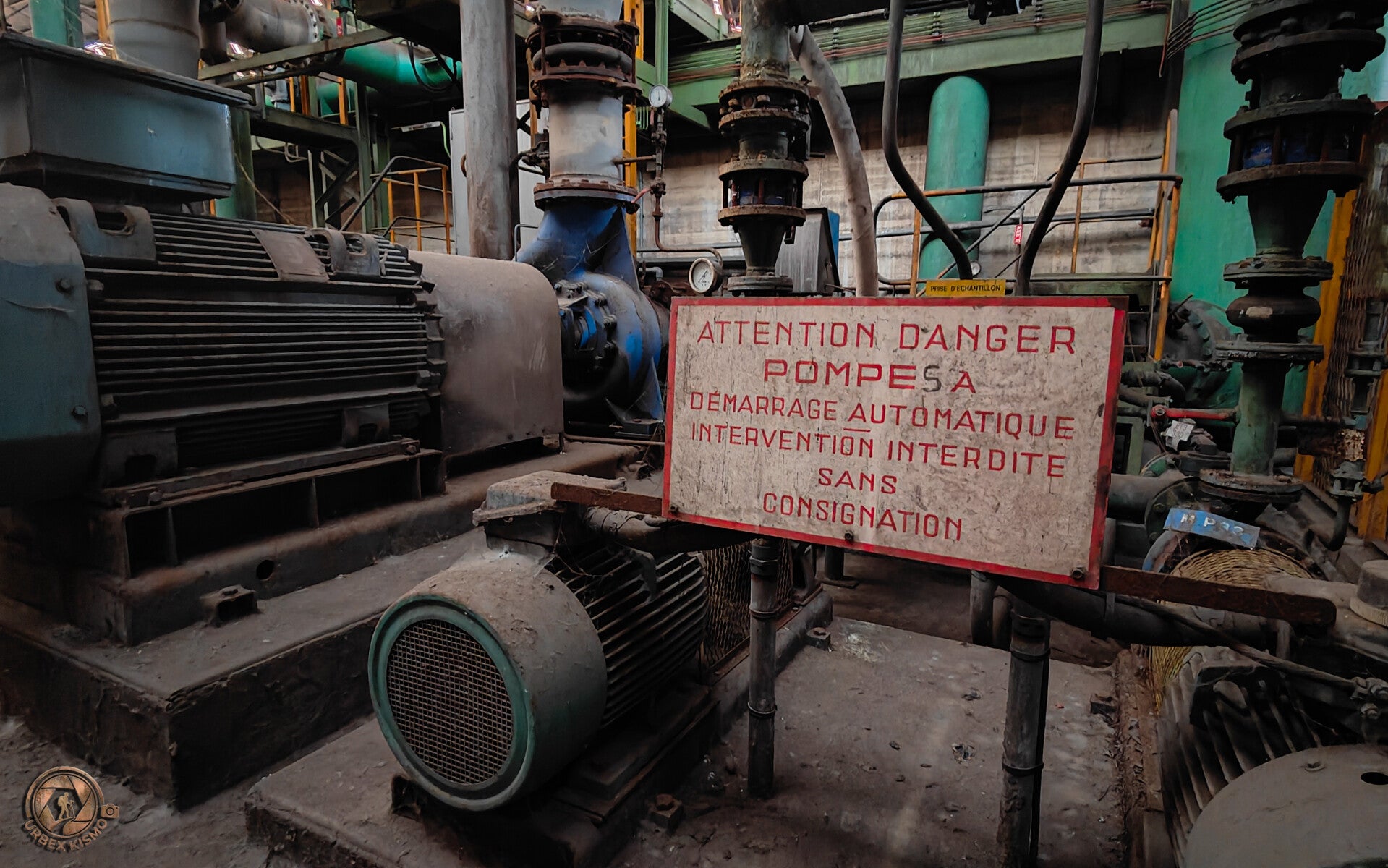
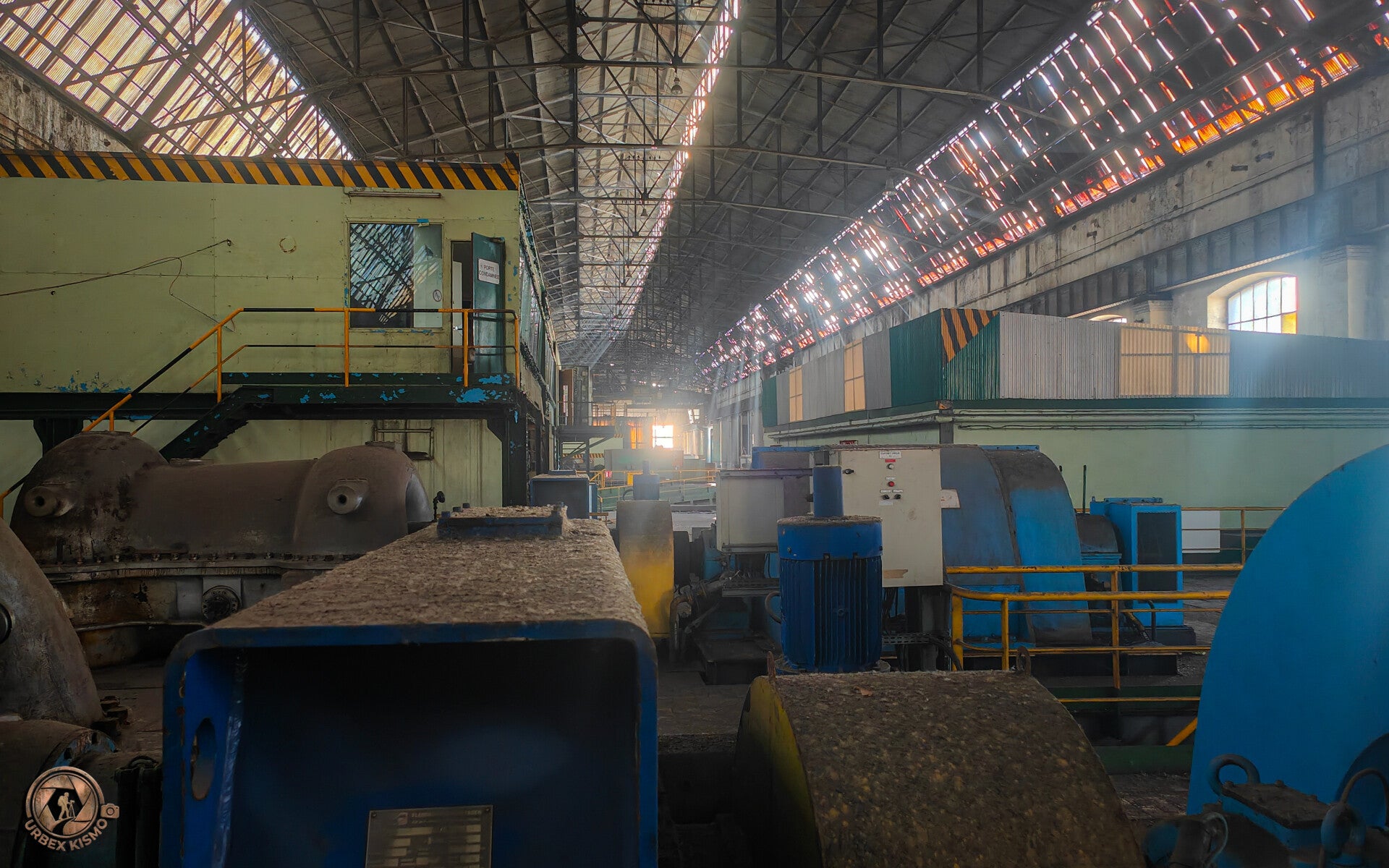
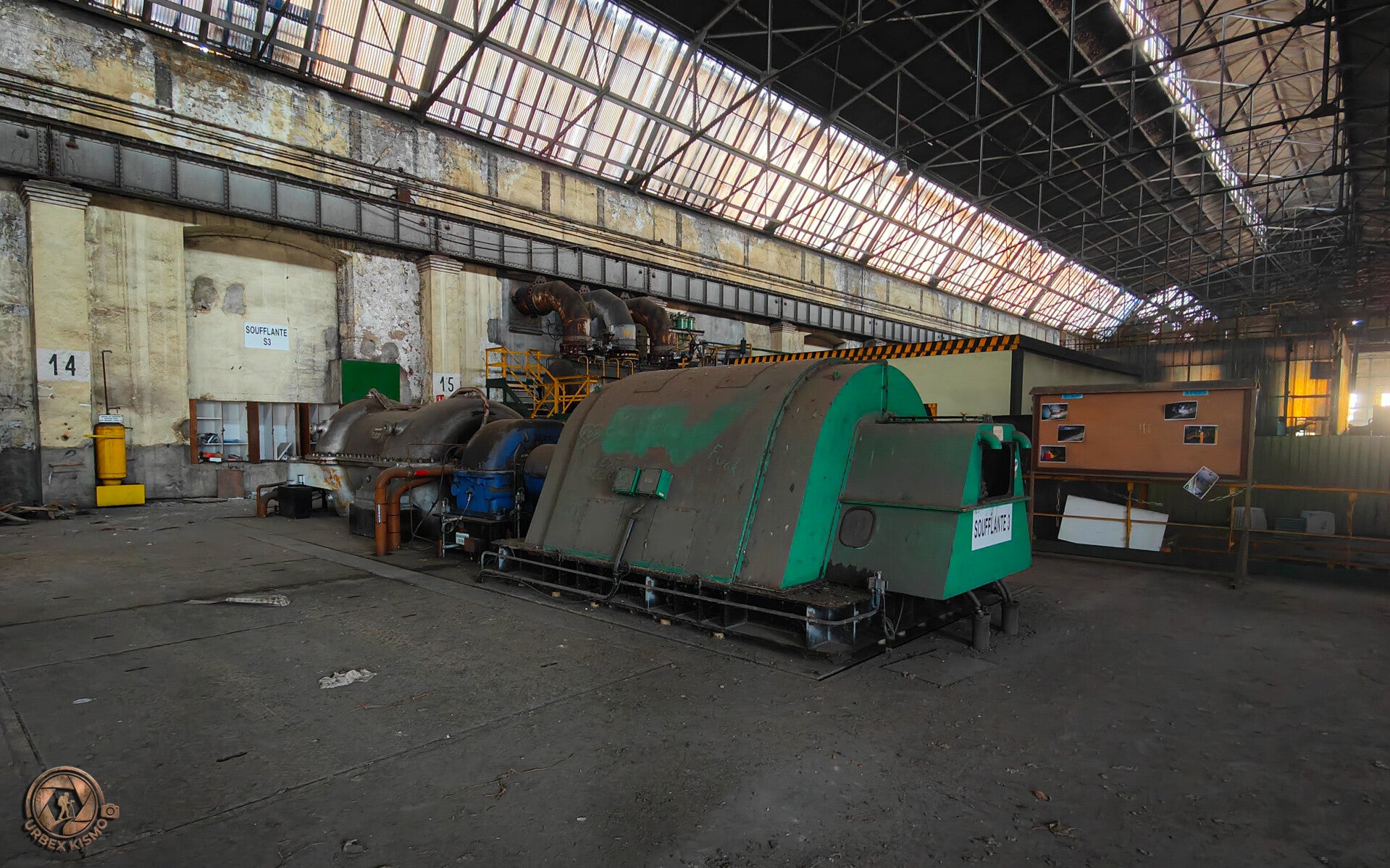
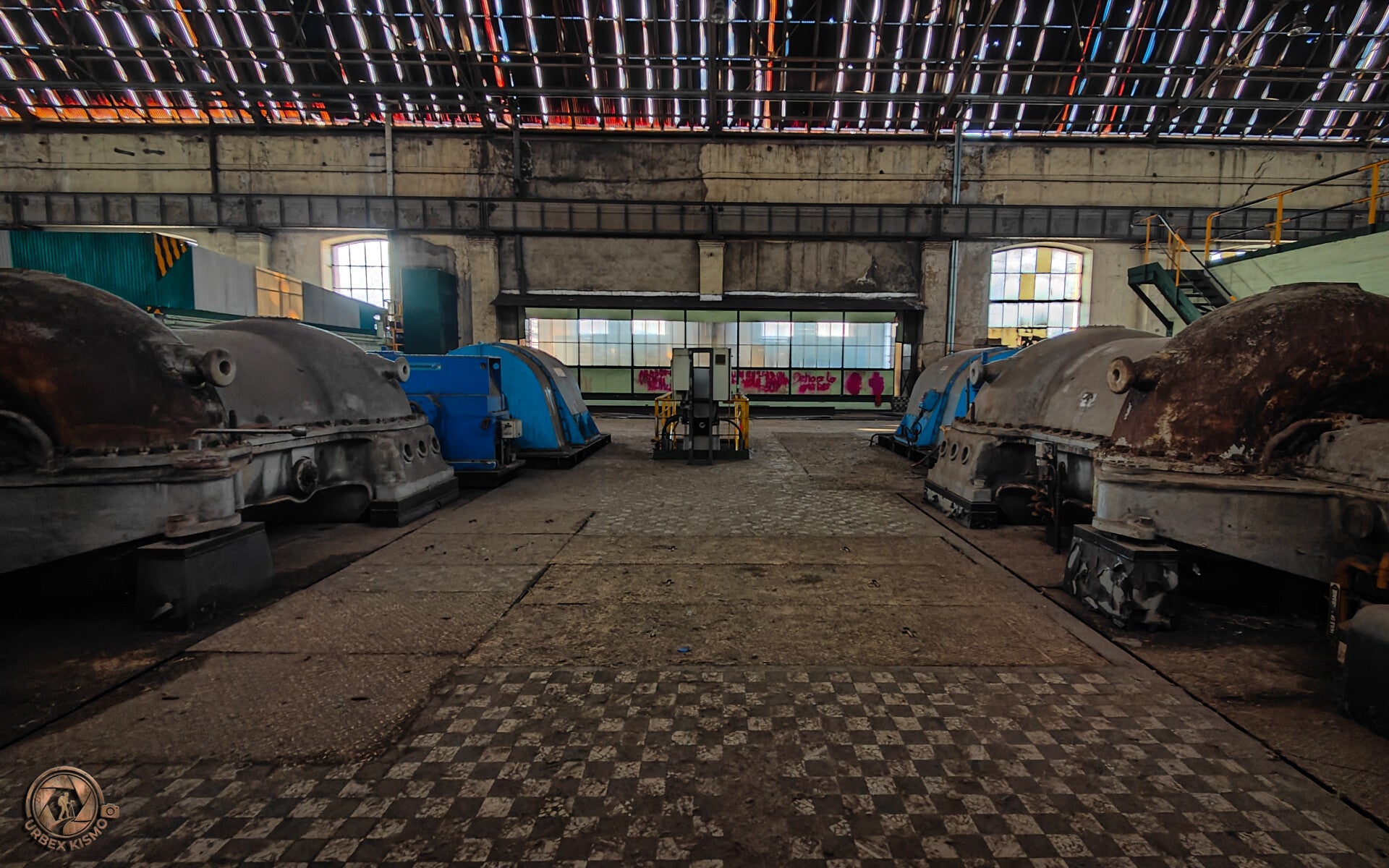
Large turbo blowers supplied the pressurised air needed for ironmaking. This air was heated before entering the furnace, where it reacted with coke to generate heat and gases essential for reducing iron ore. The control room allowed operators to monitor the machinery and regulate the air supply.
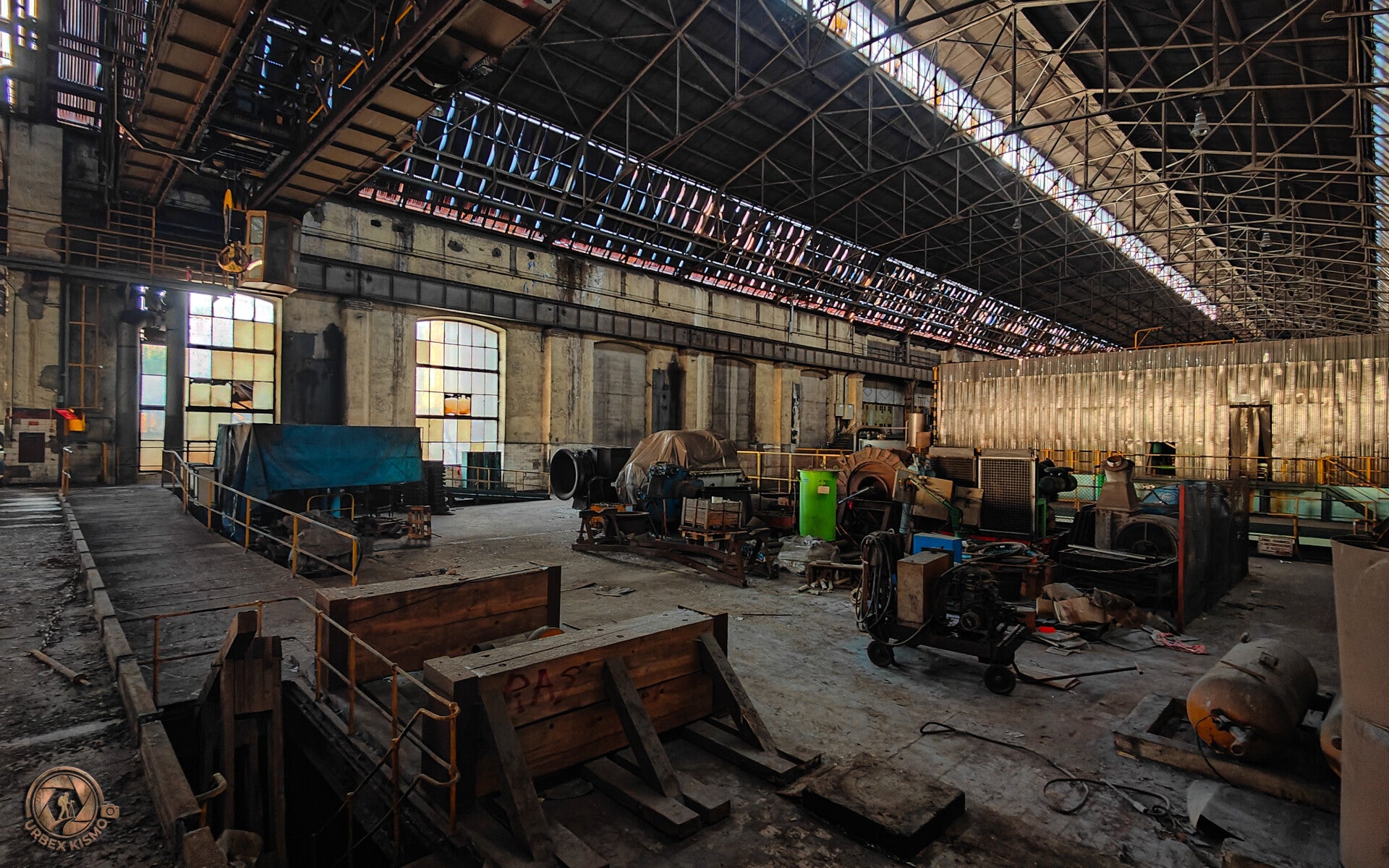
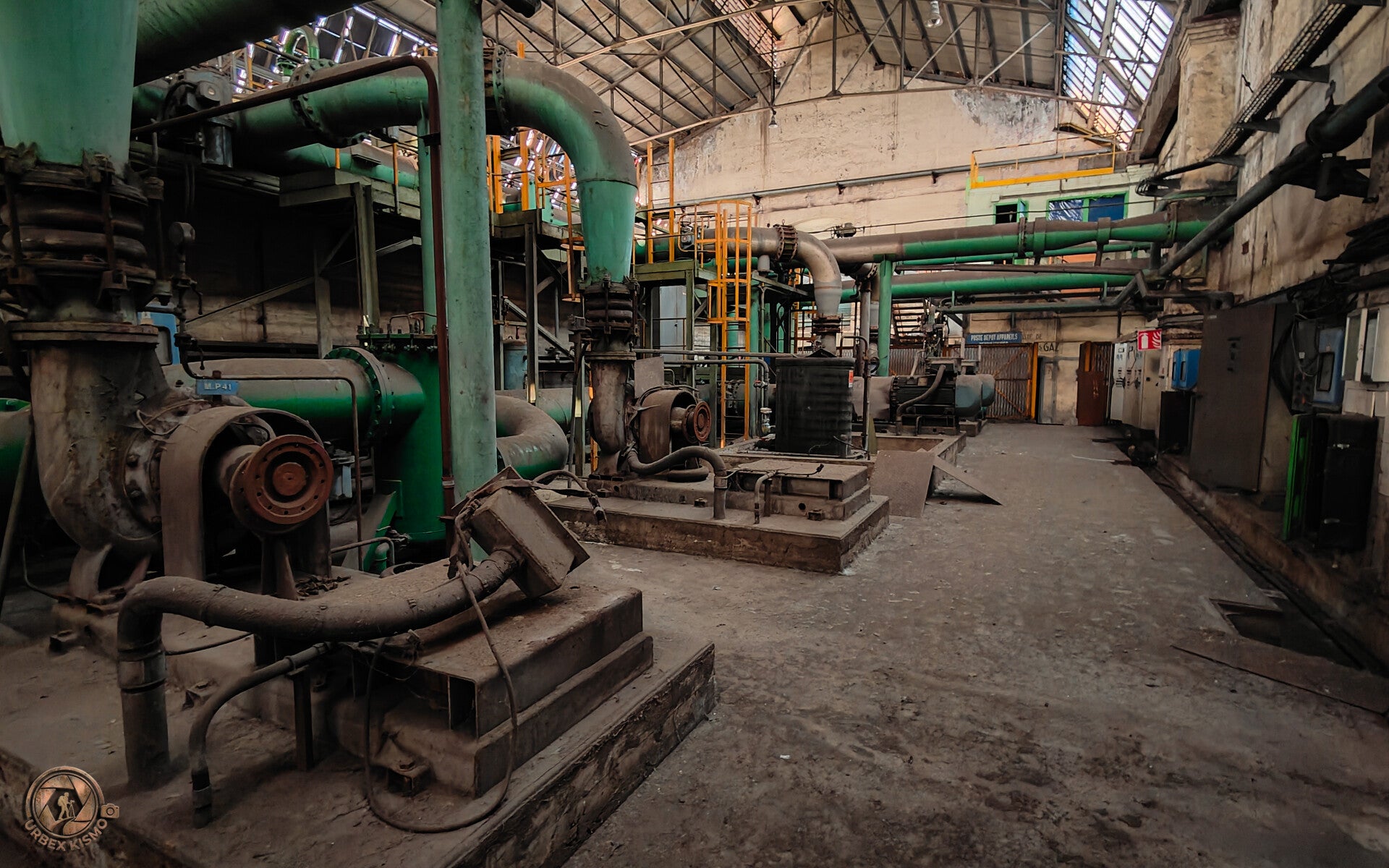
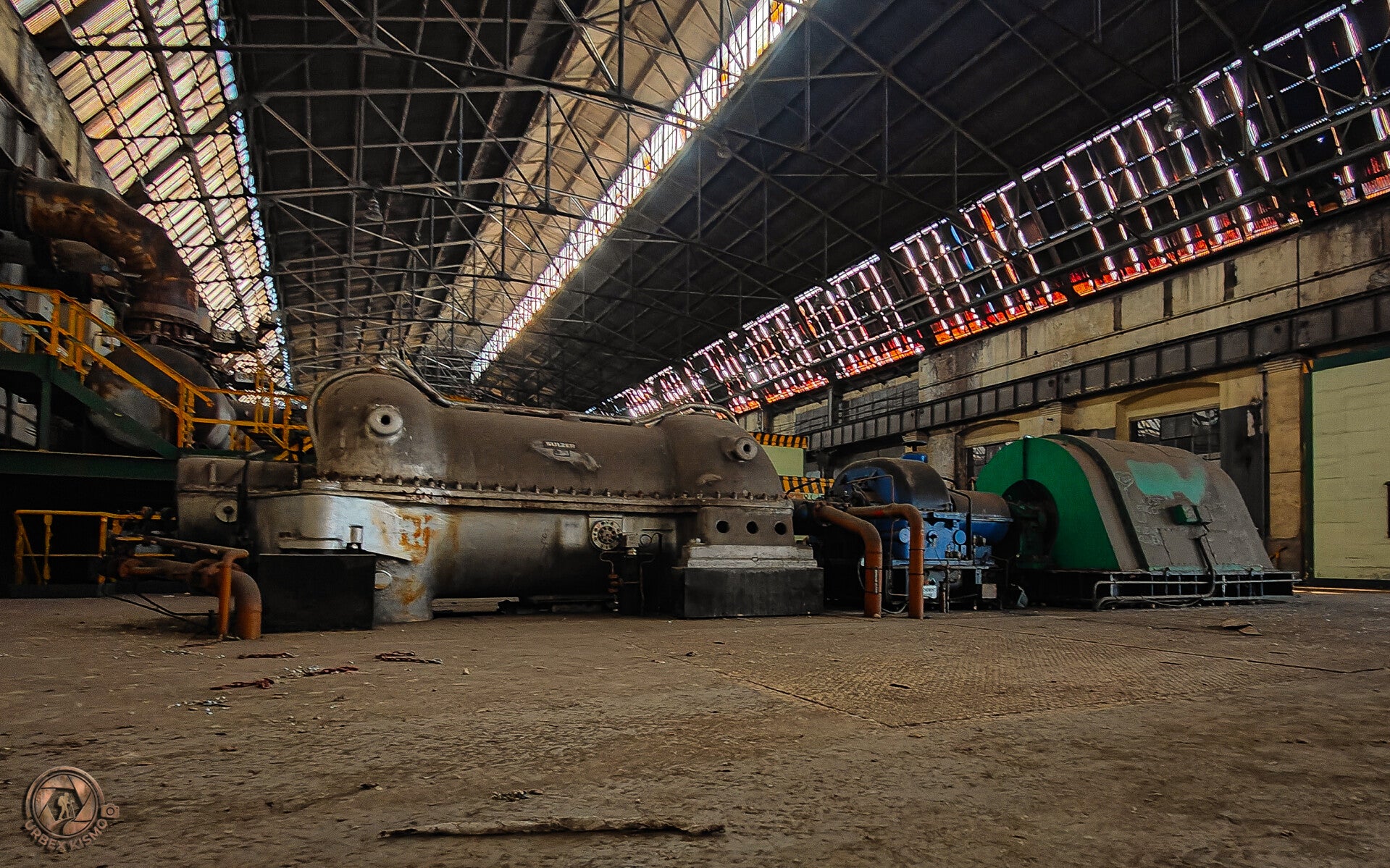
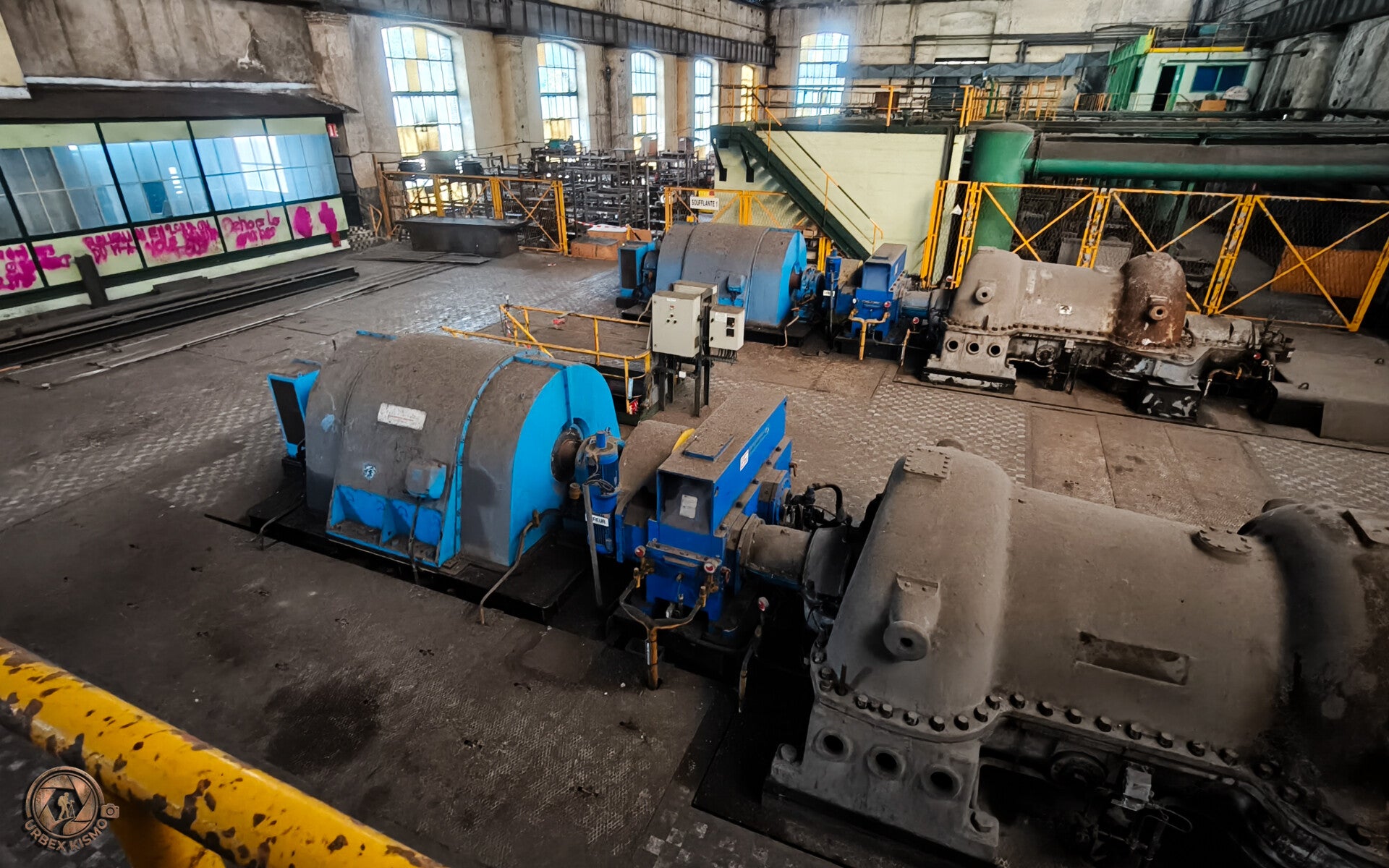
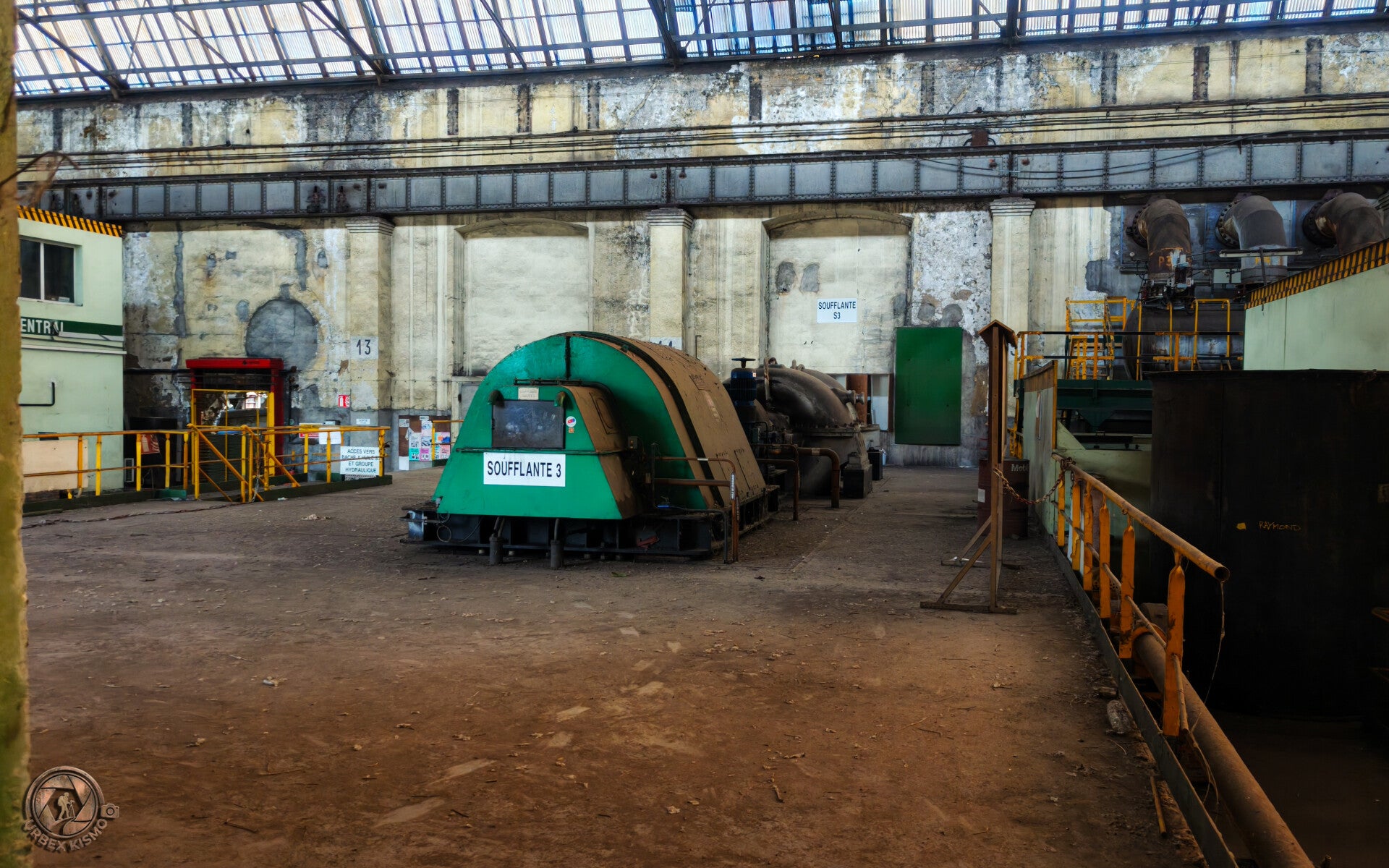
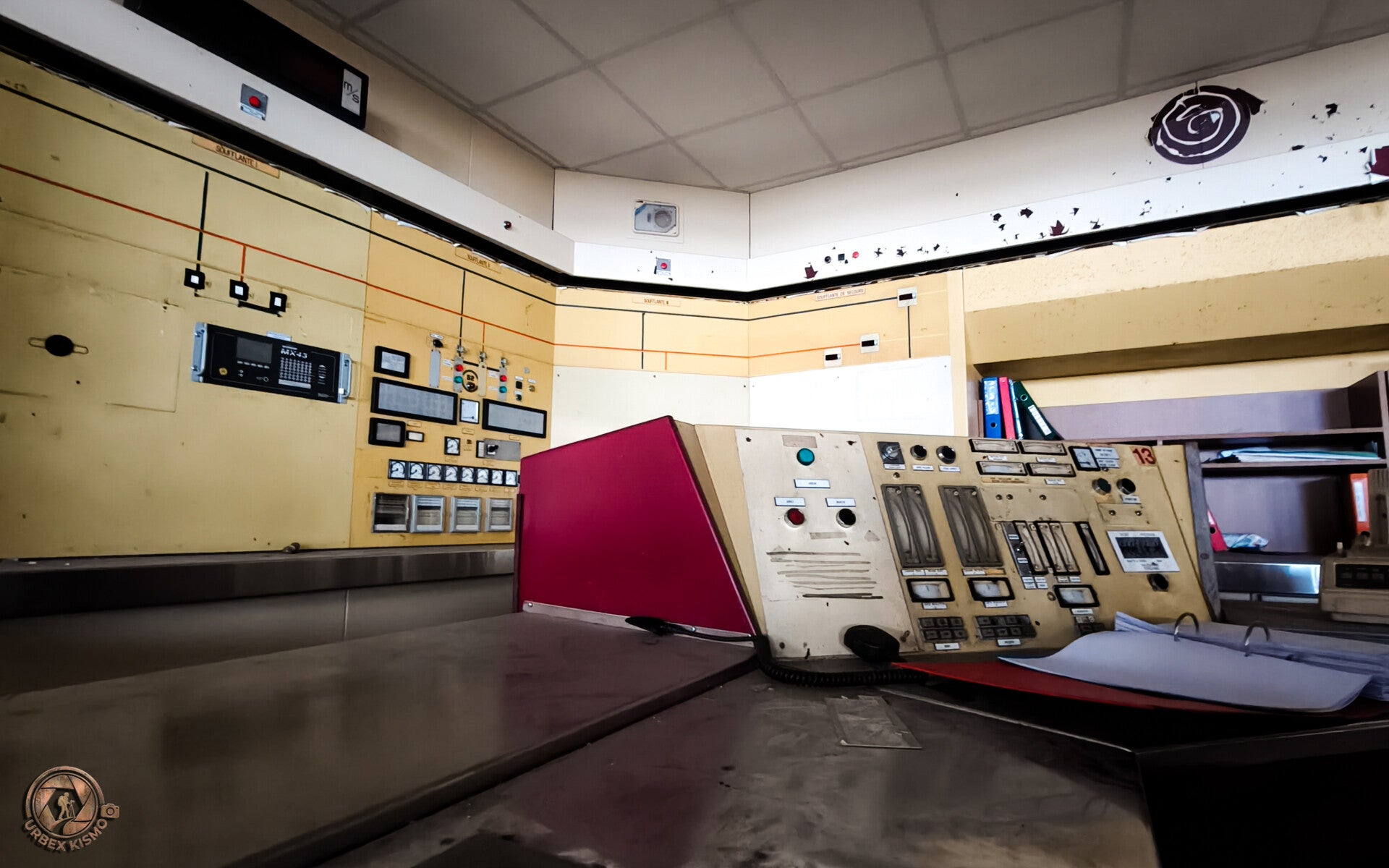
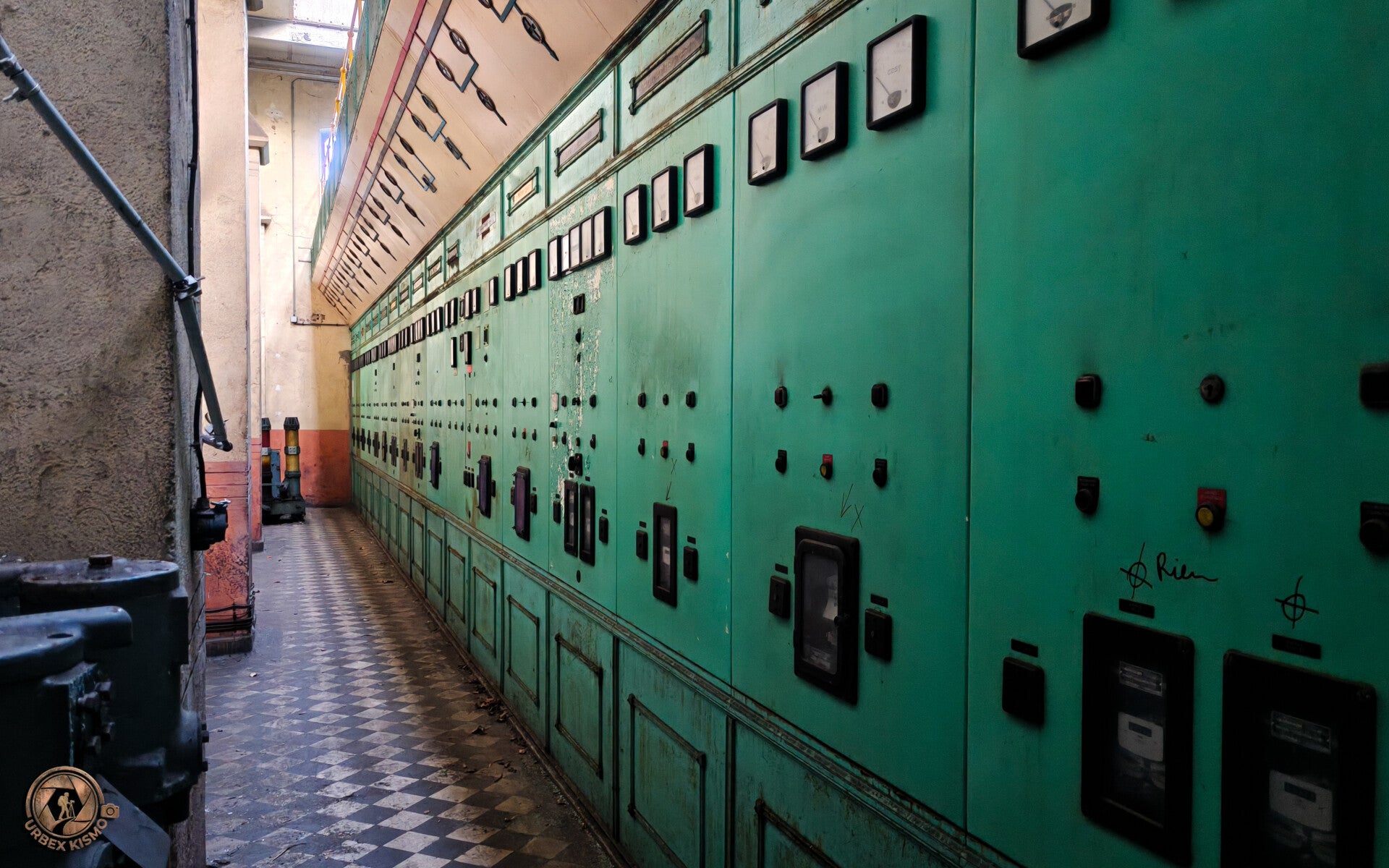
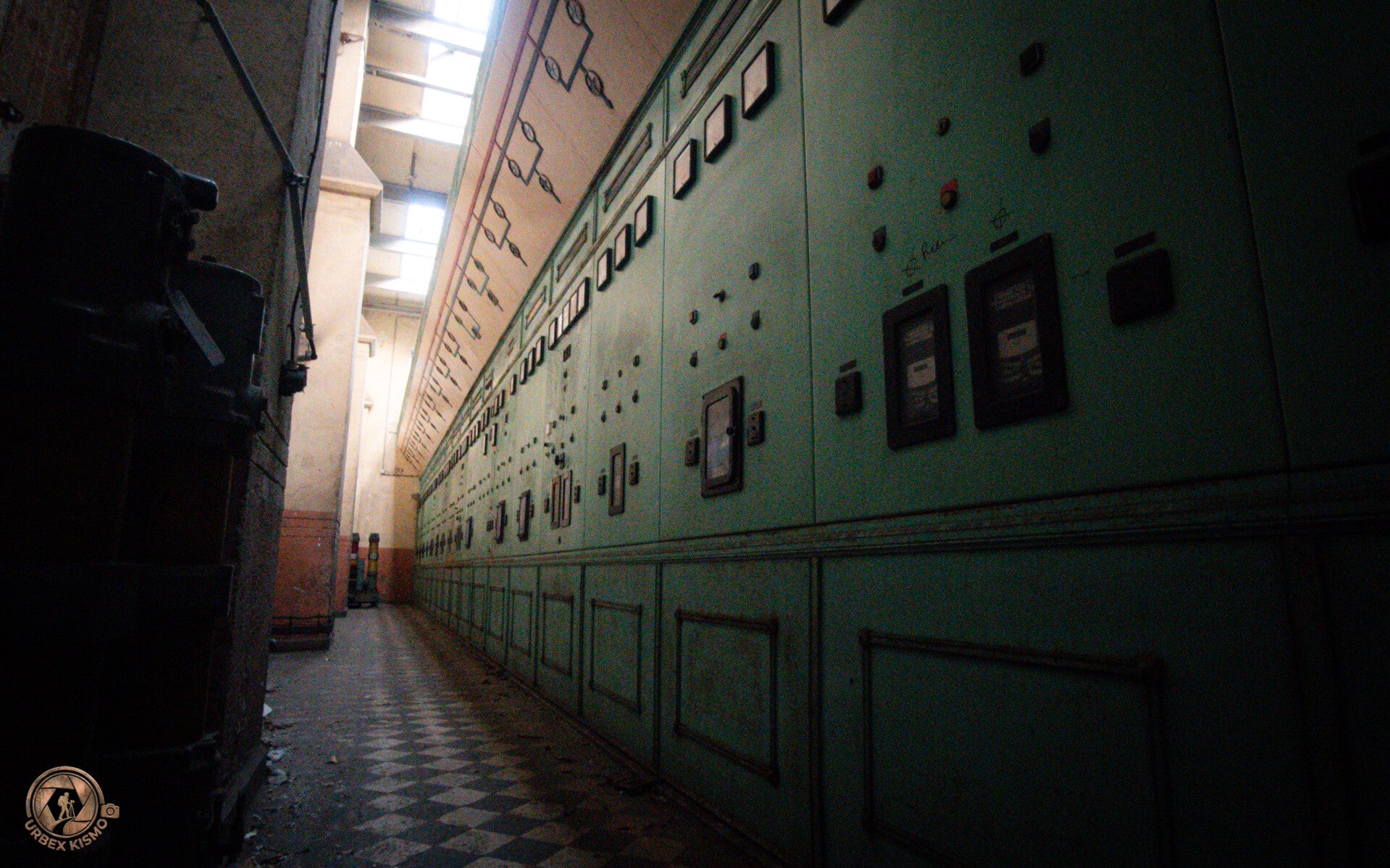
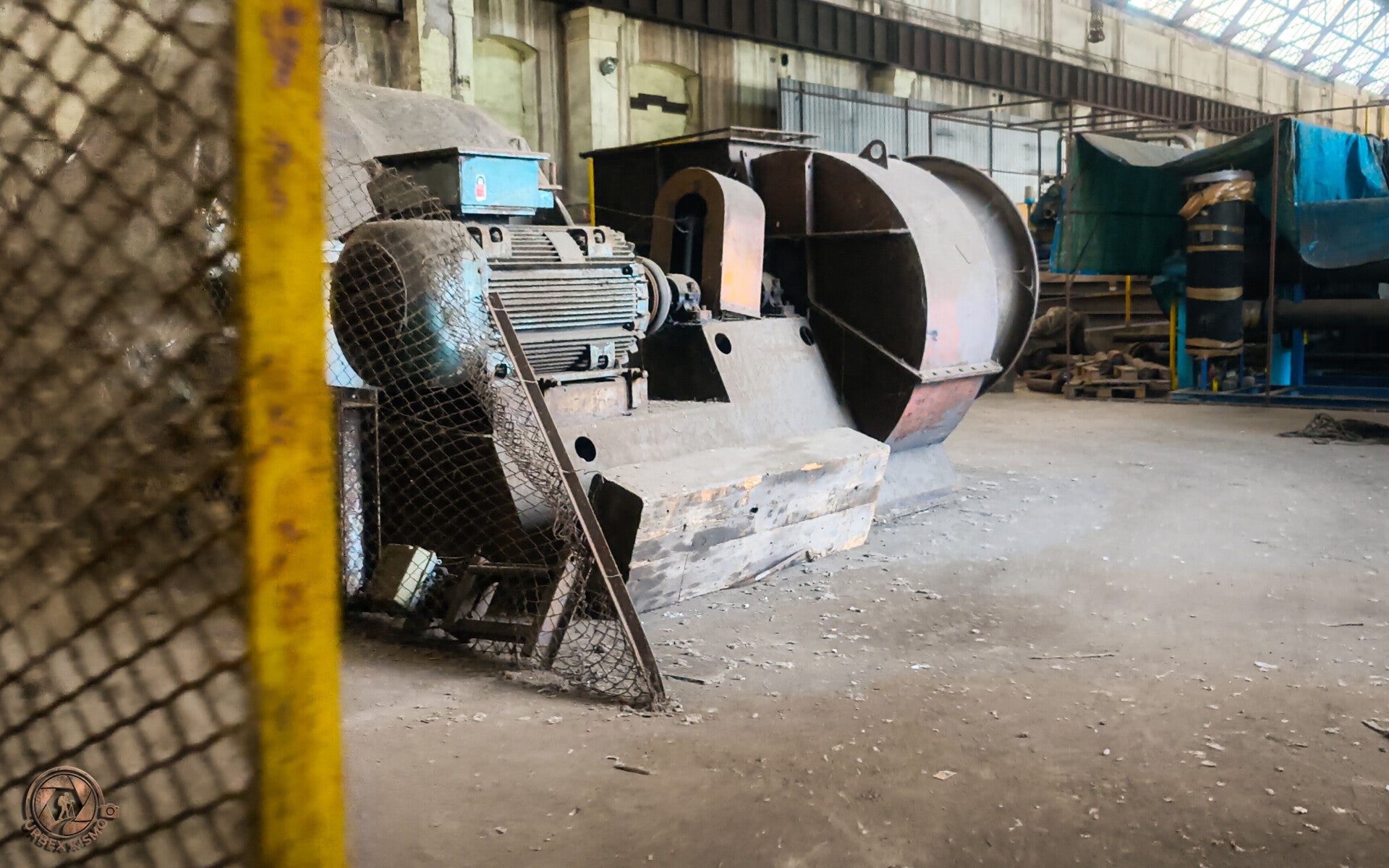
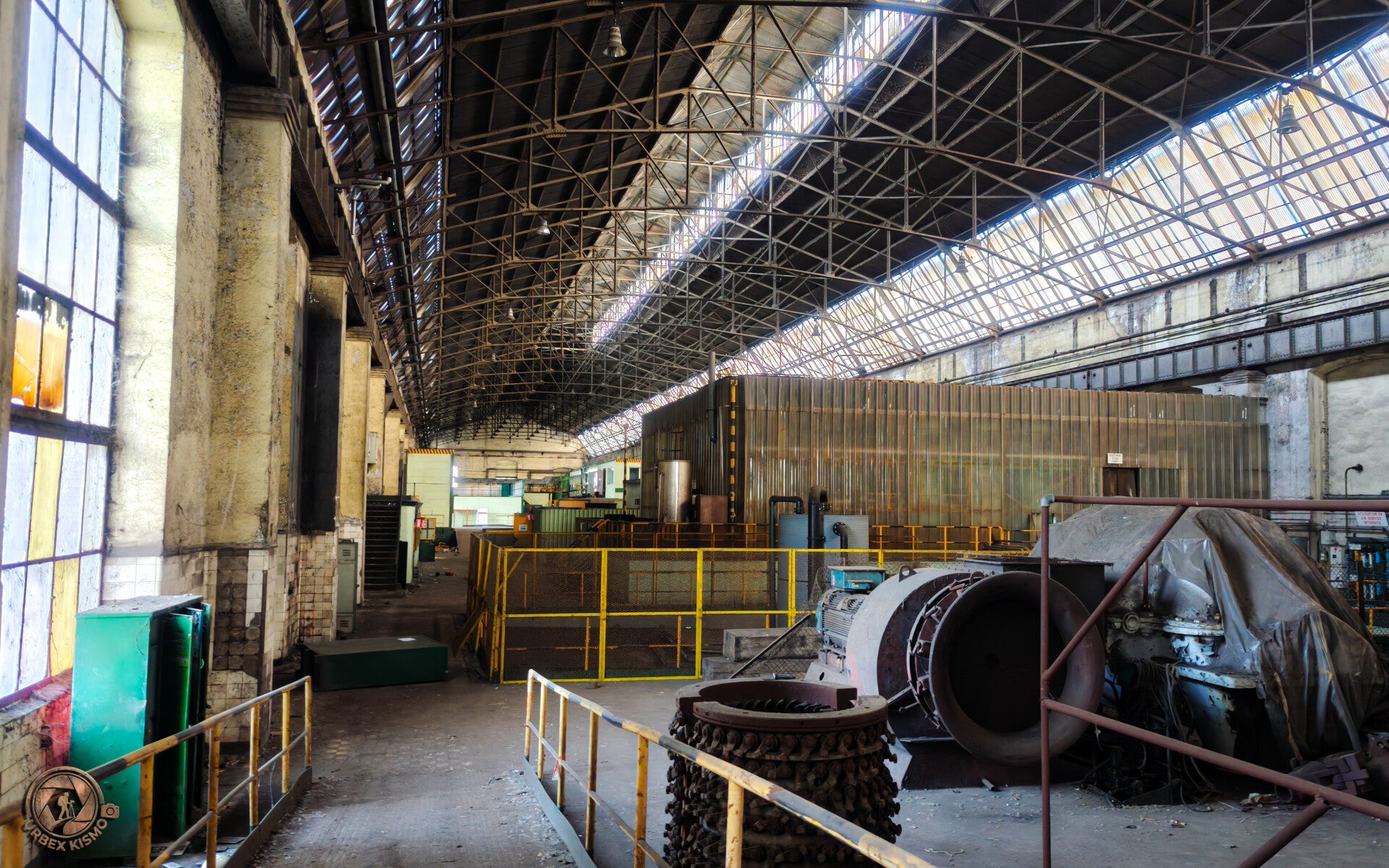
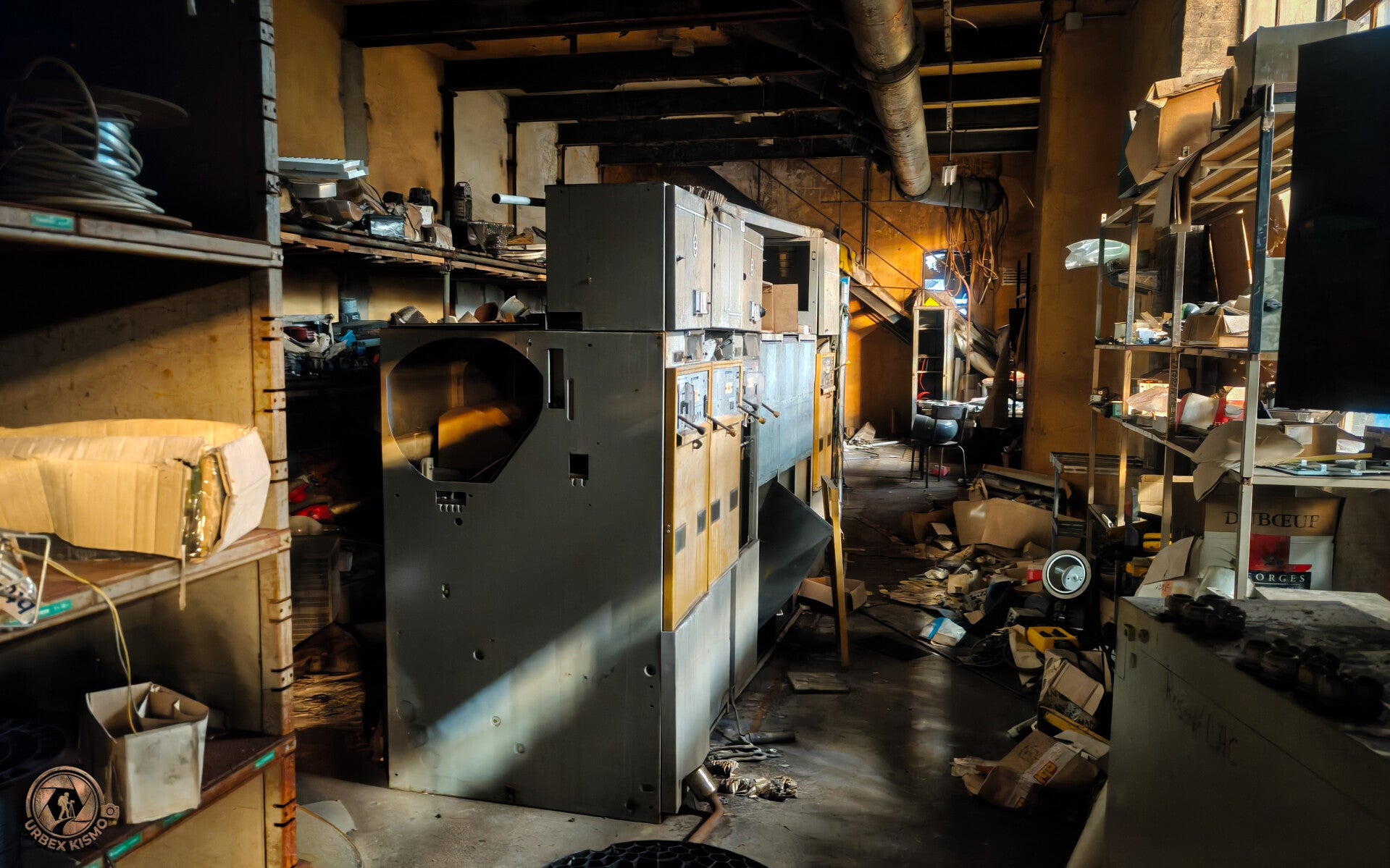
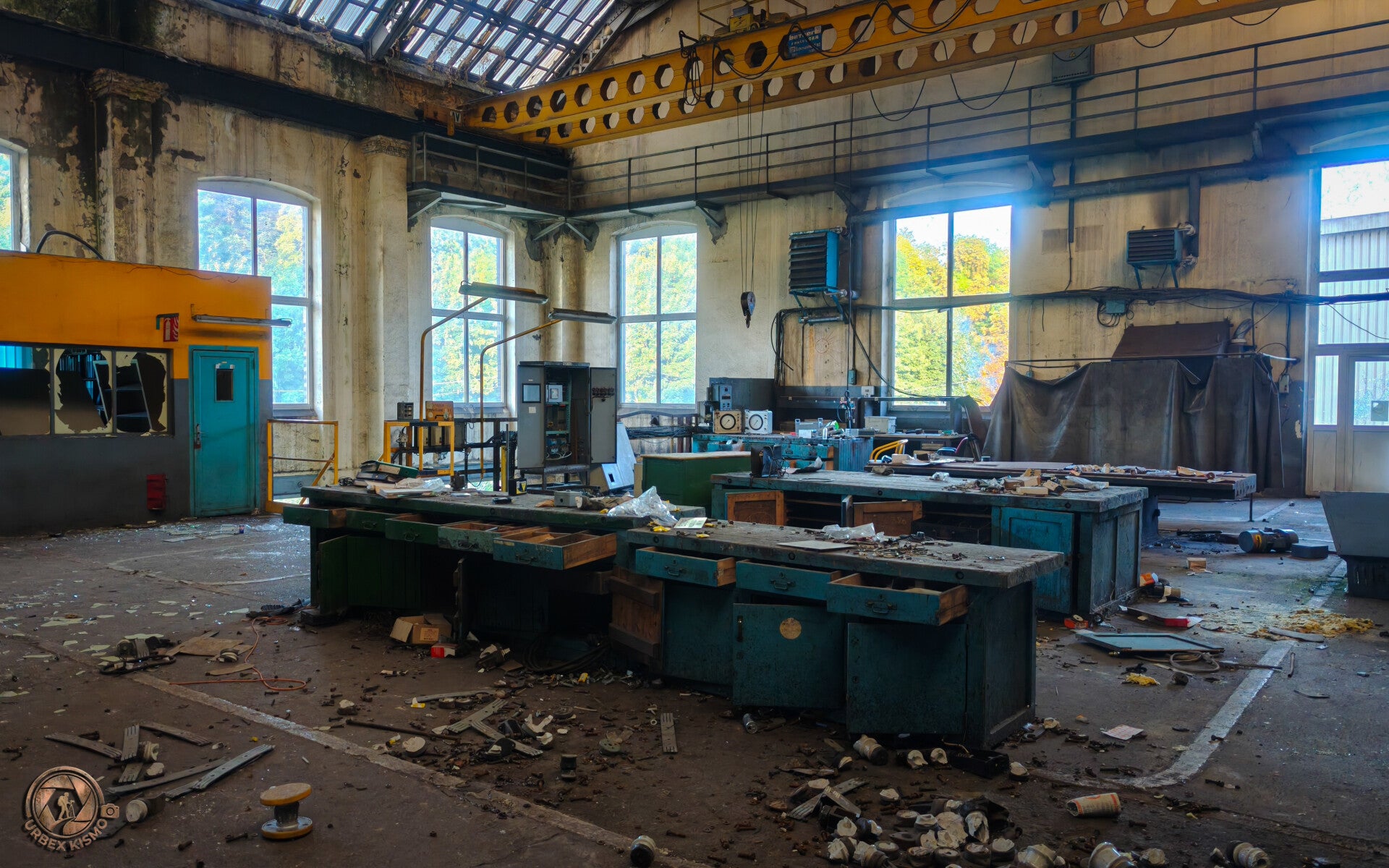
The hidden blower house
Additional Views Around the Buildings
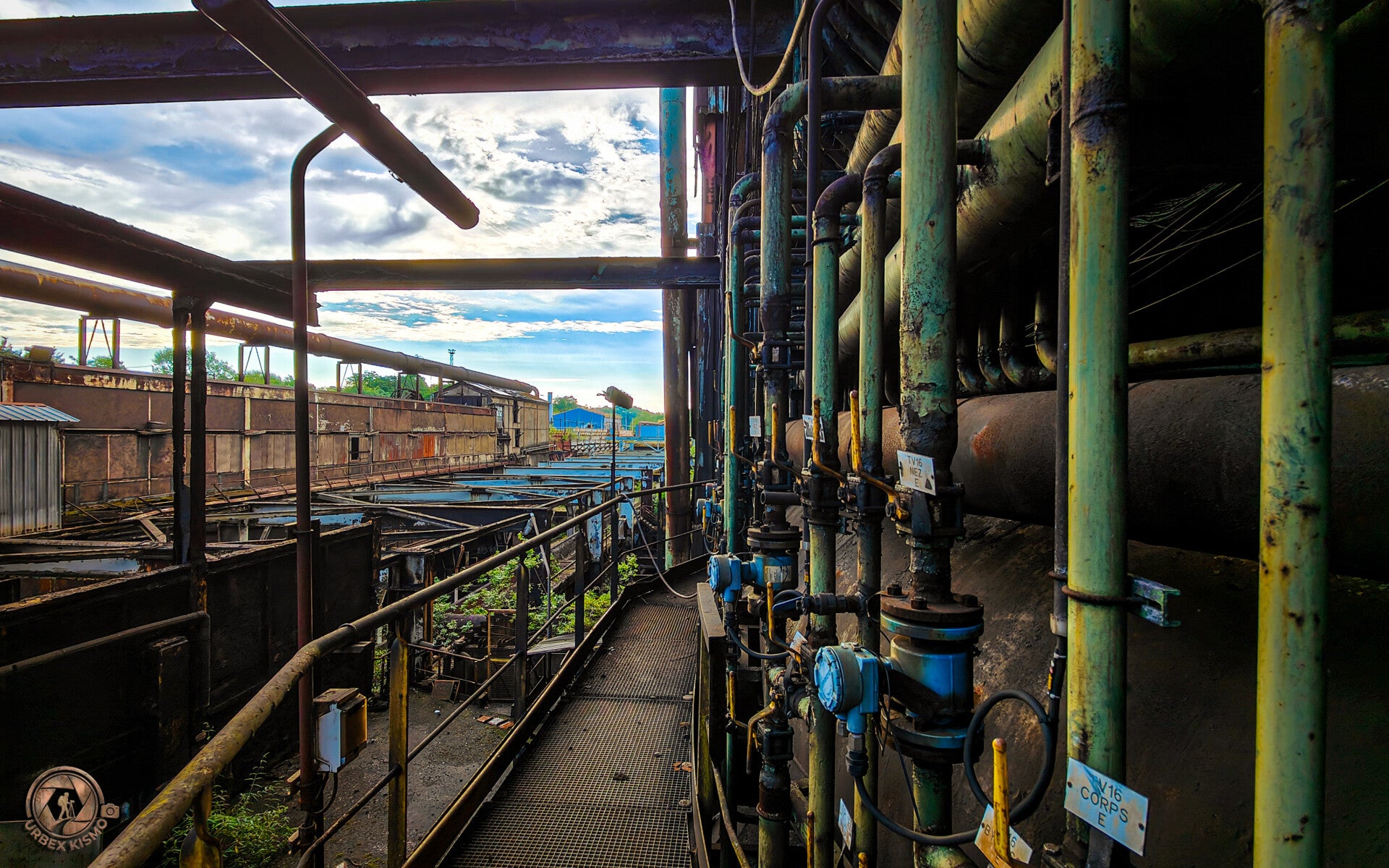
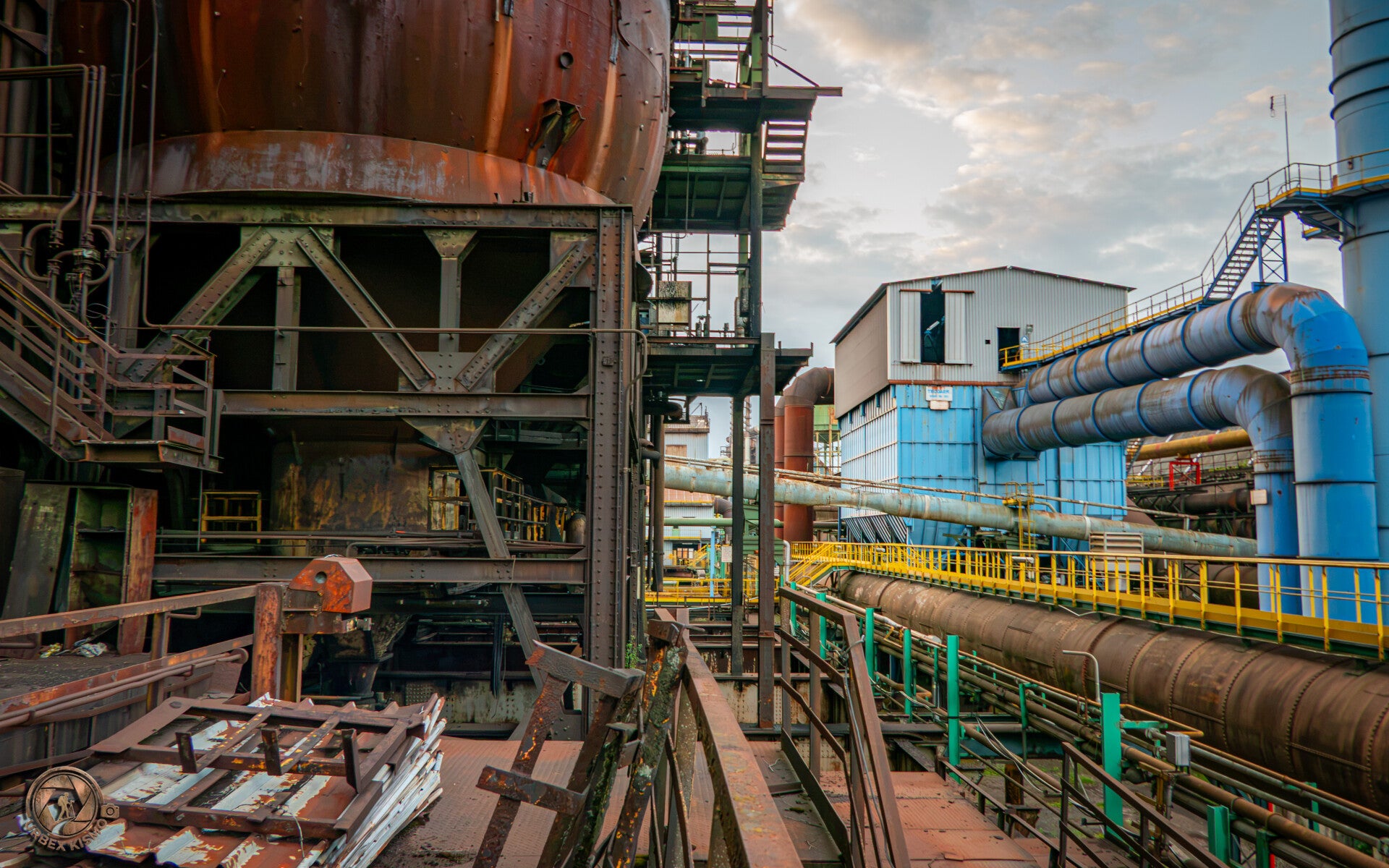
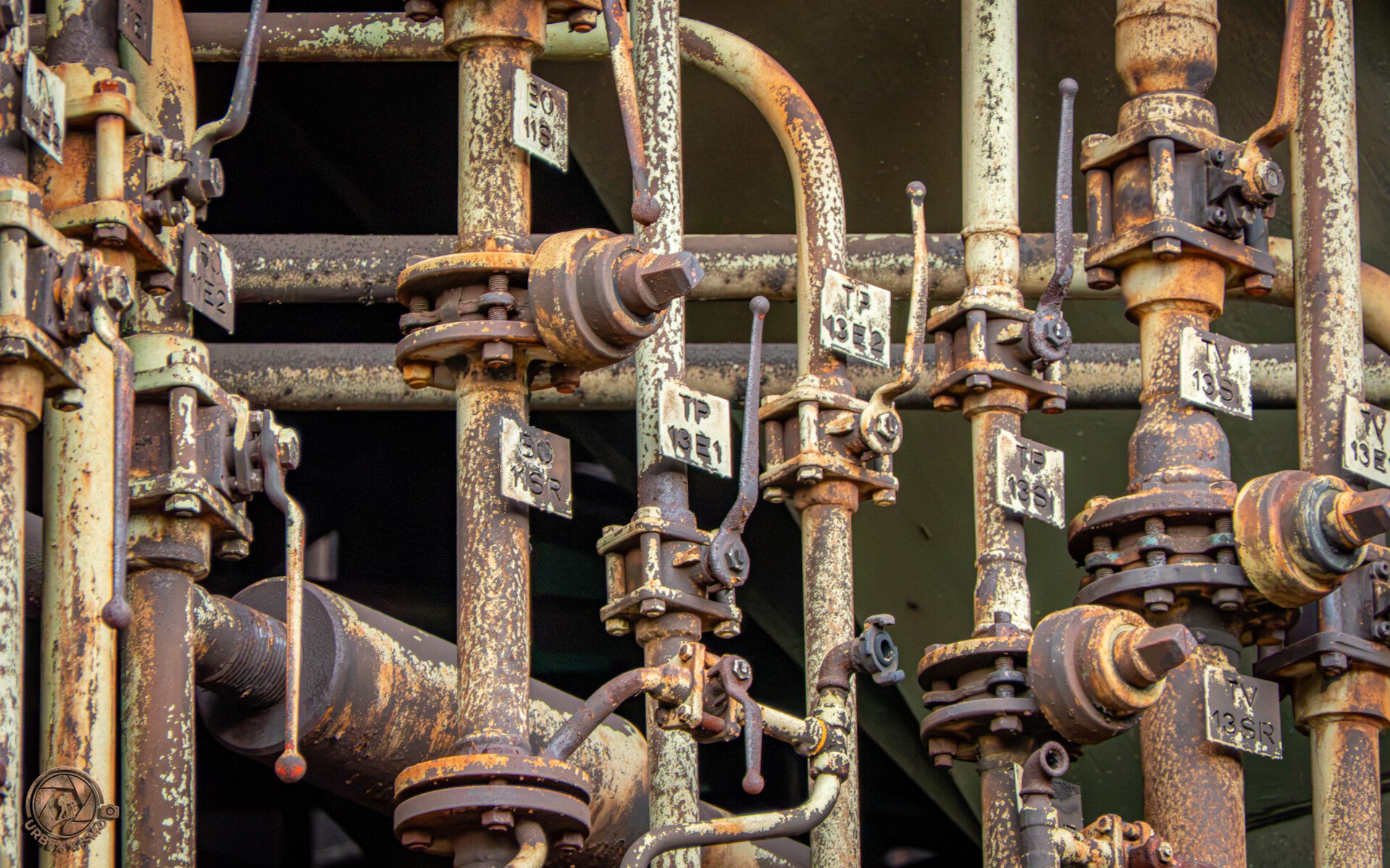
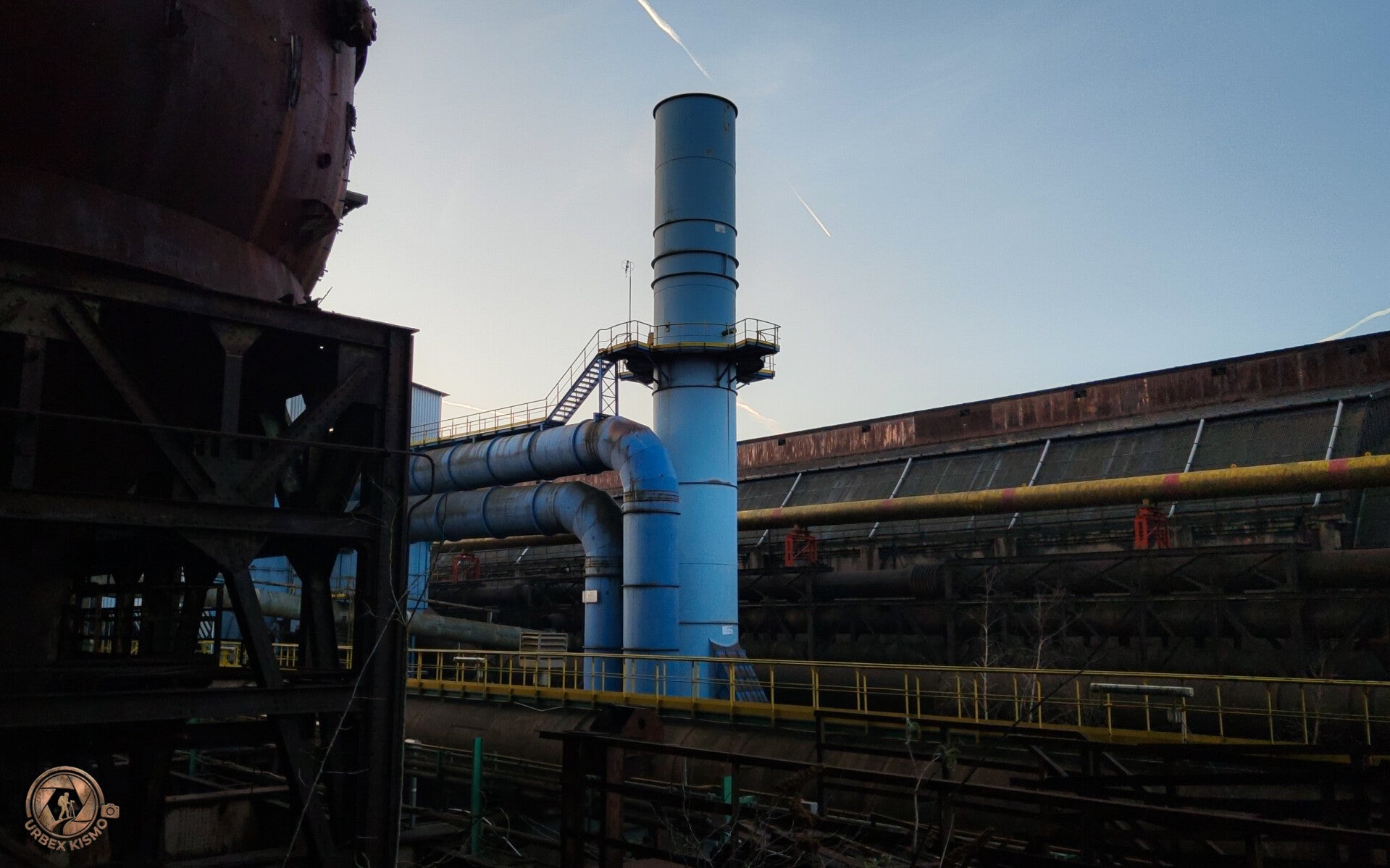
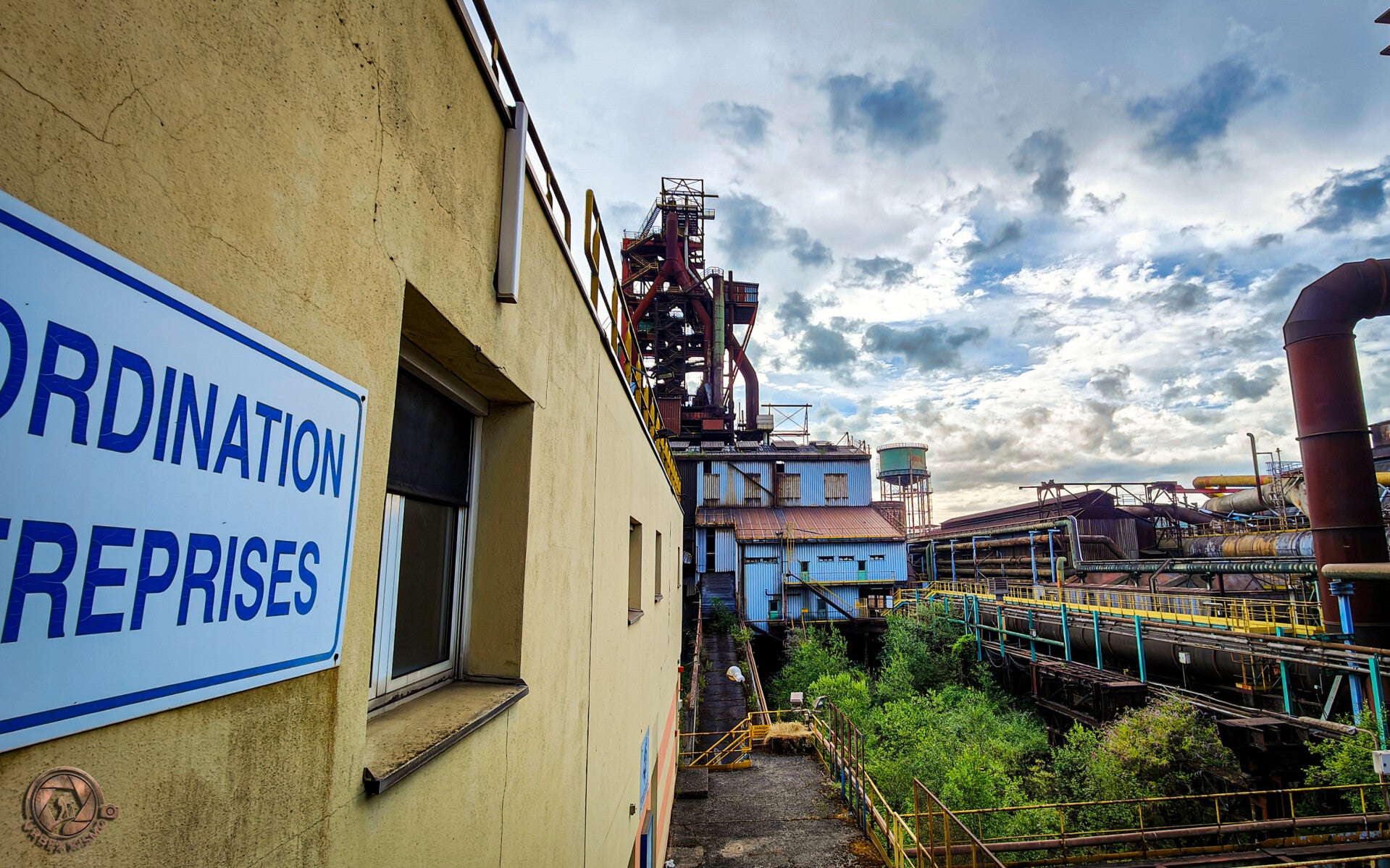
Beyond the main furnaces, the complex contains pipe bridges, elevated walkways and auxiliary installations. These connected the different production areas and supported everything from material handling to cooling and energy supply.
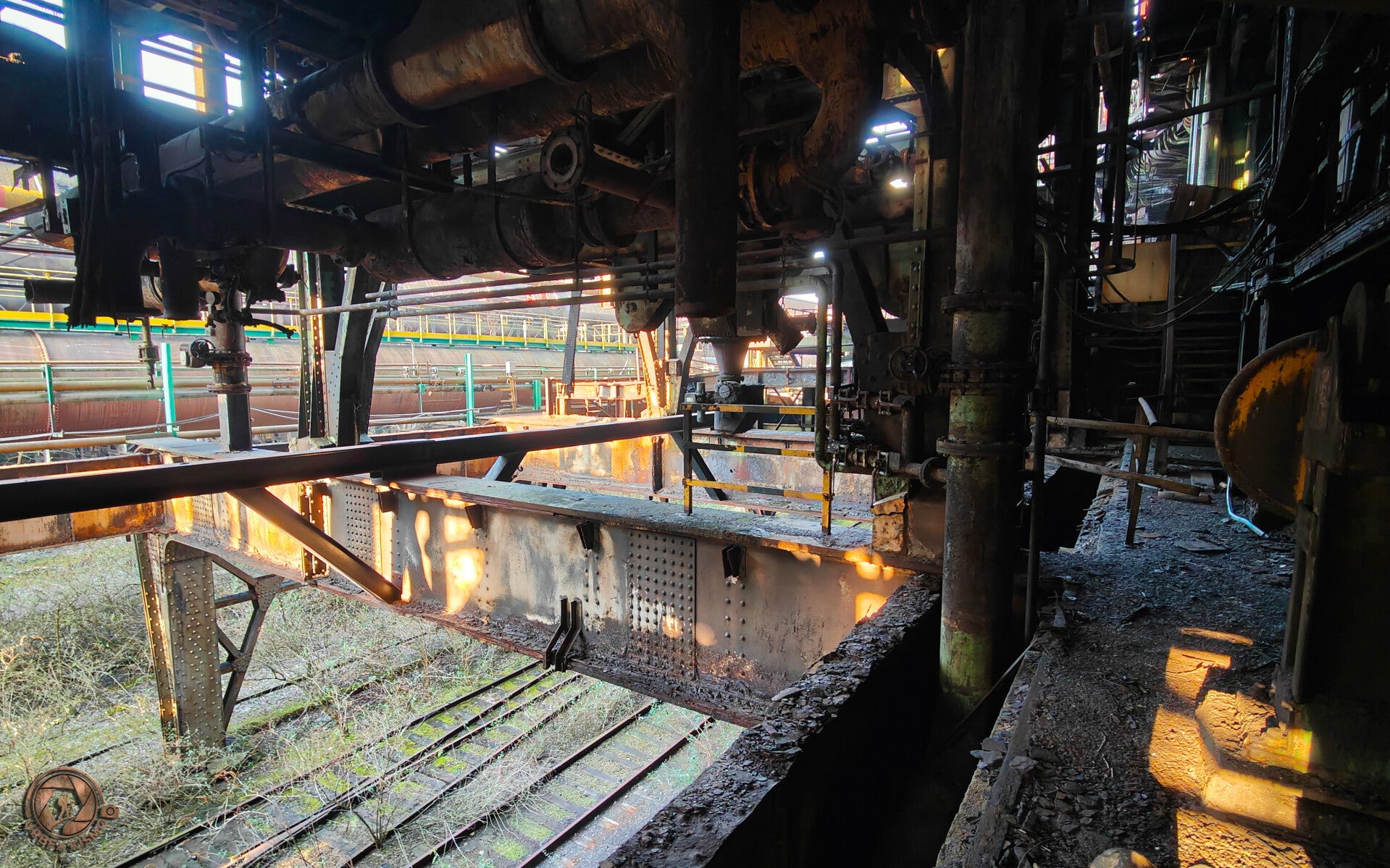
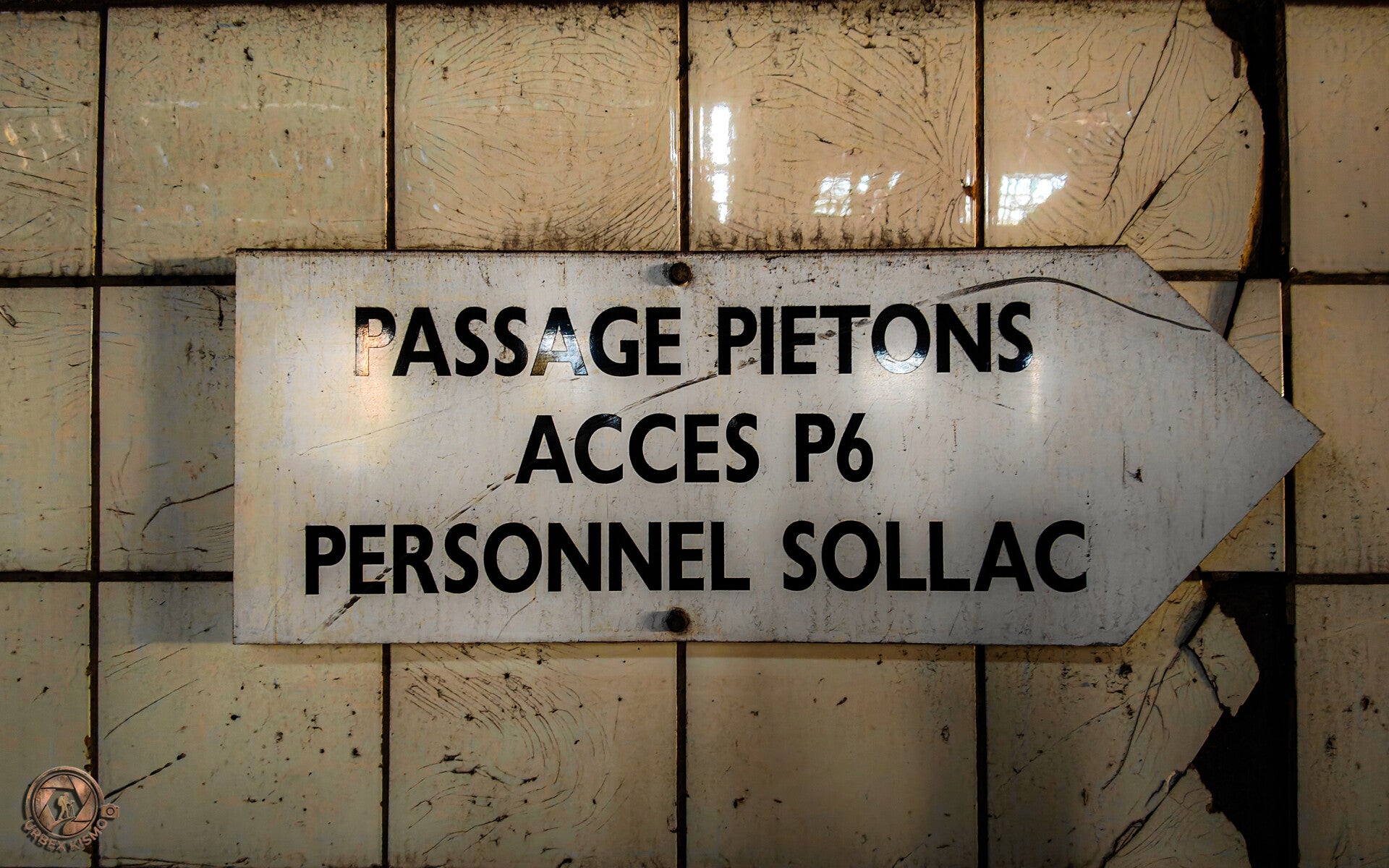
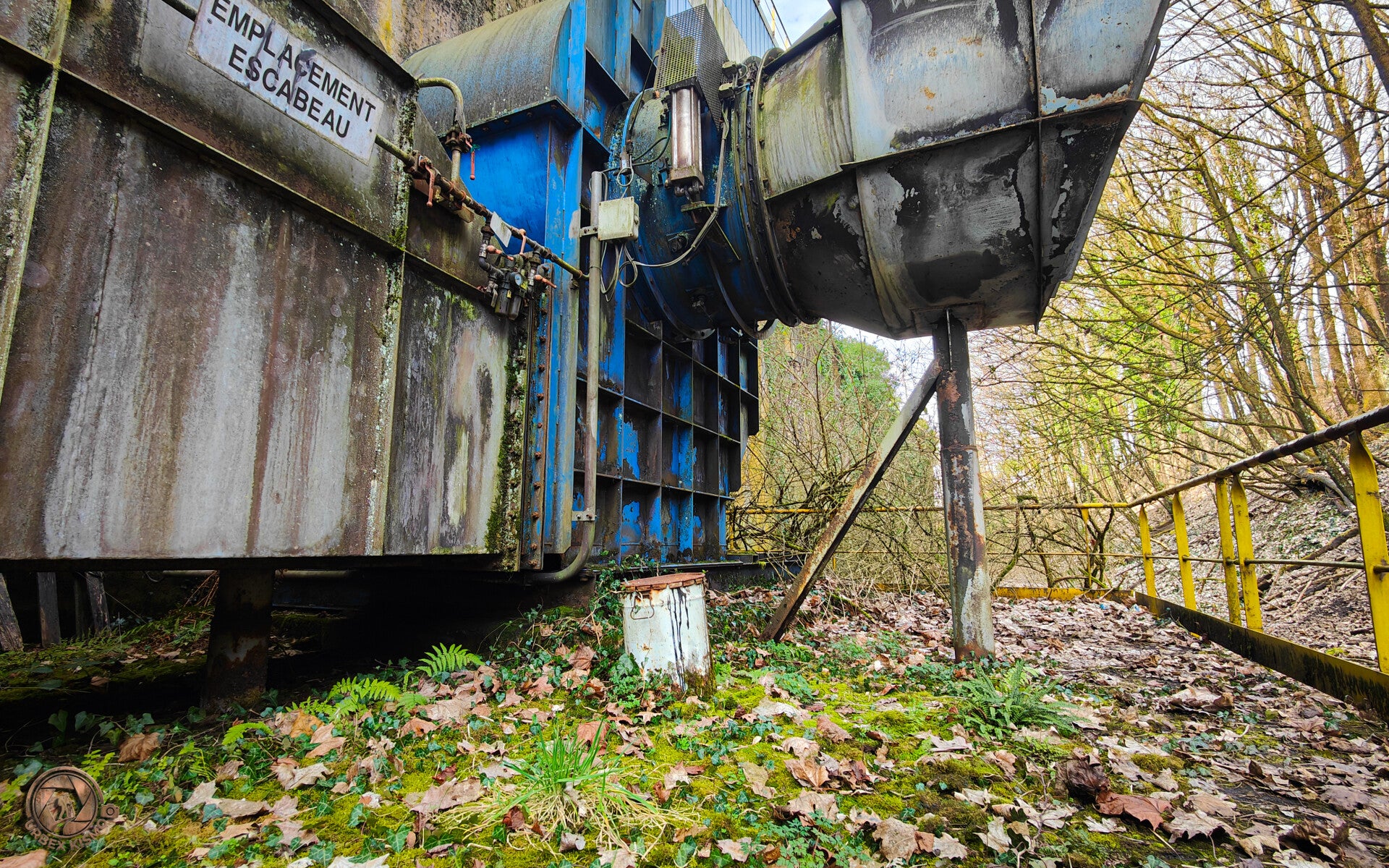
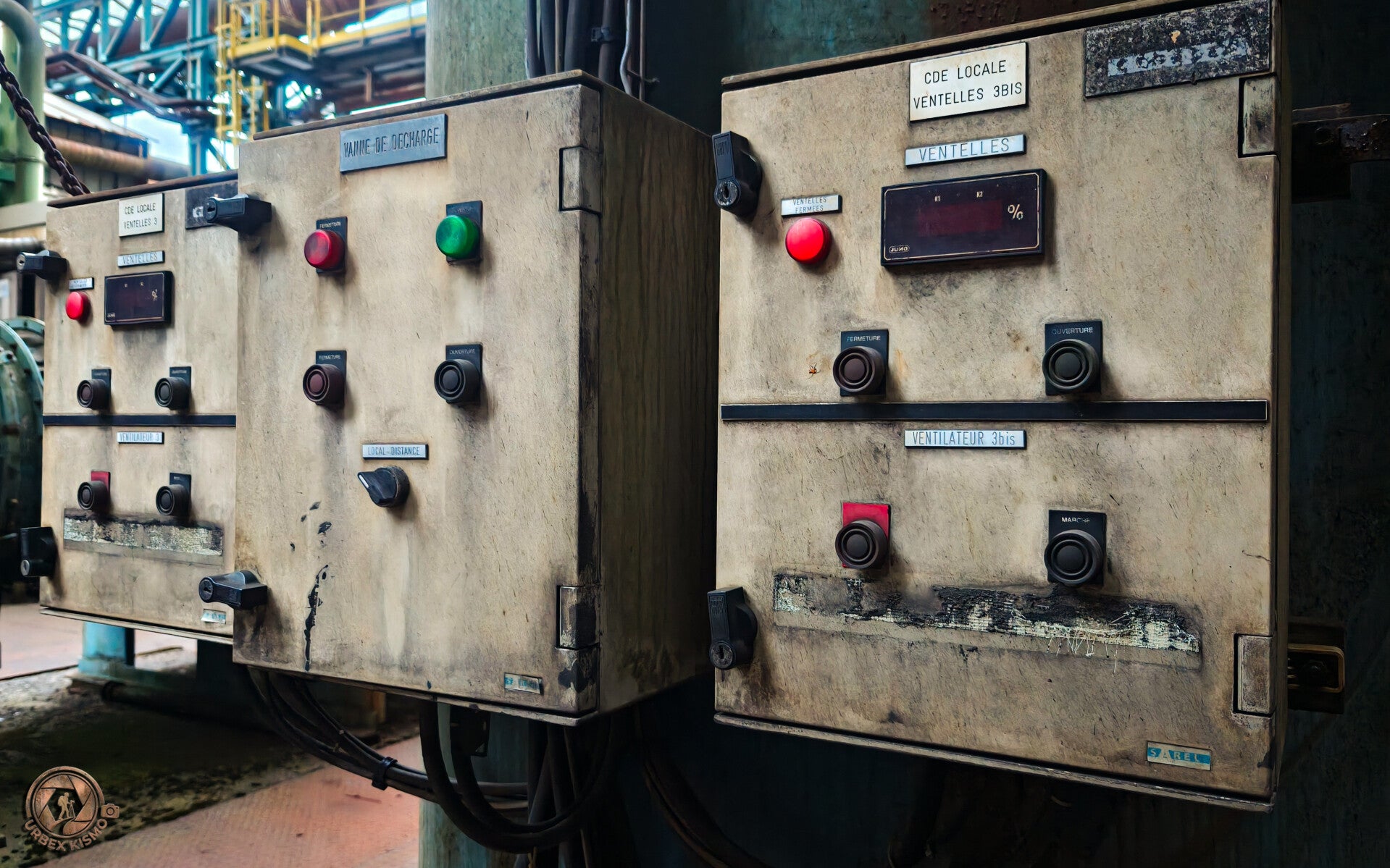
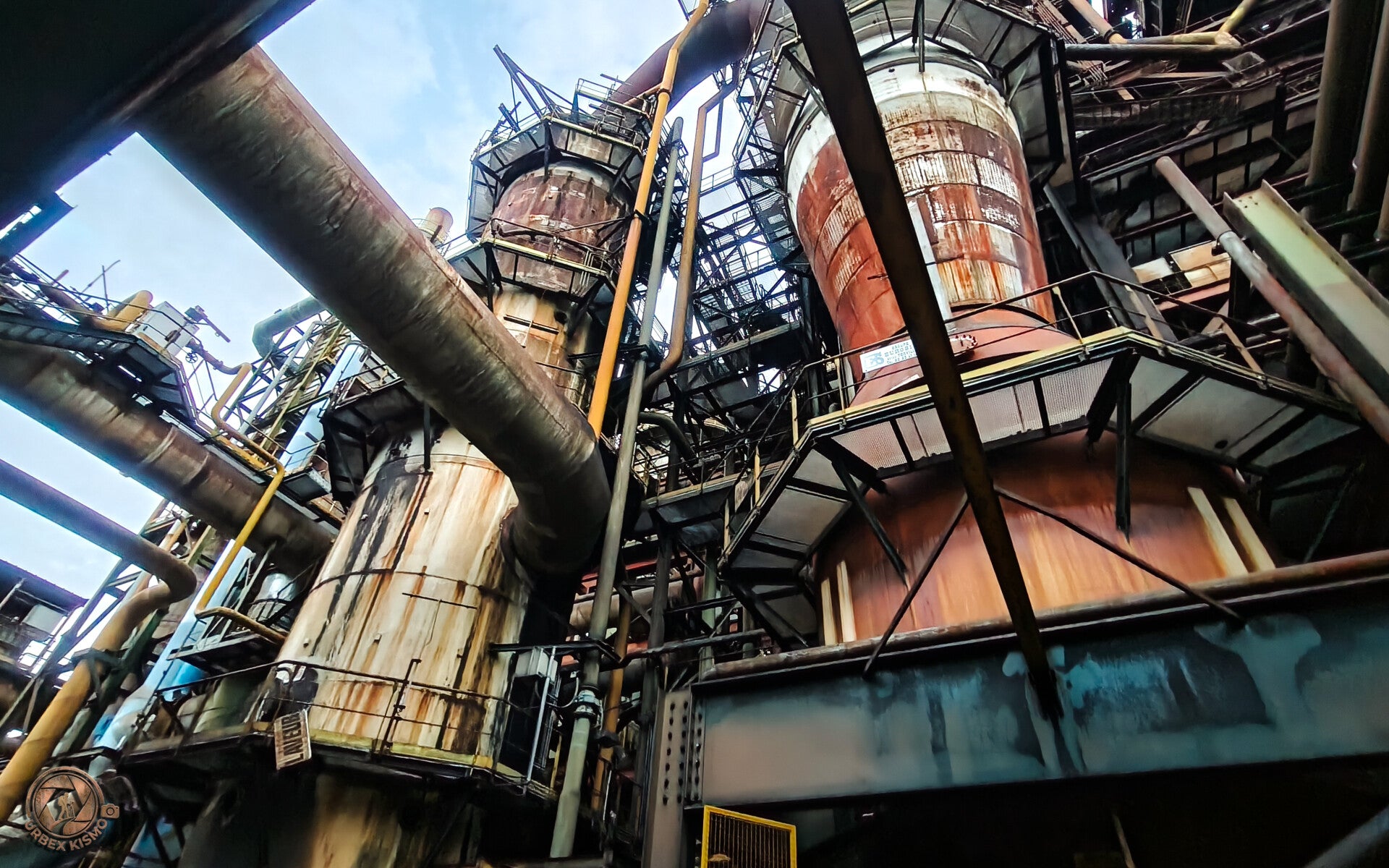
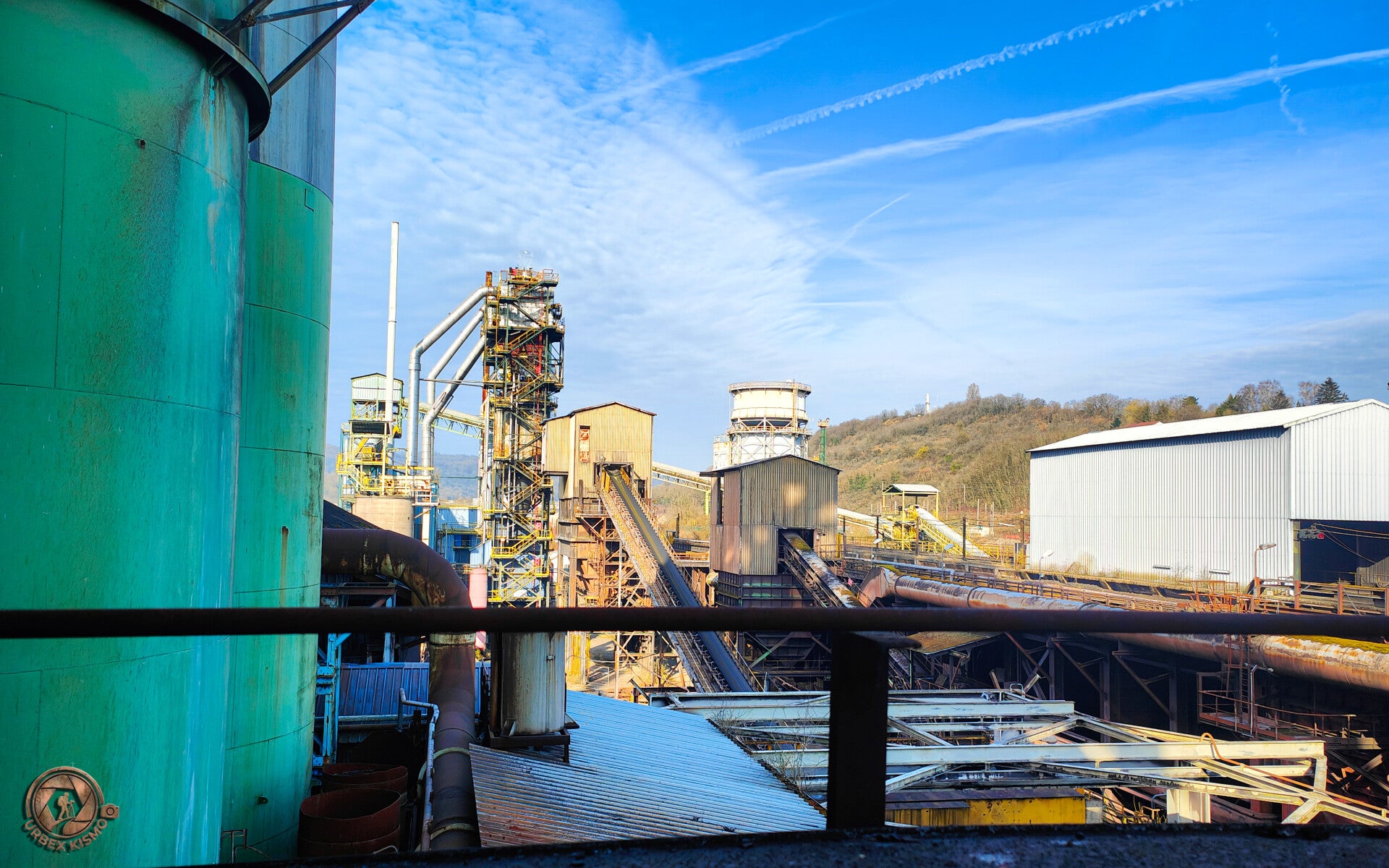
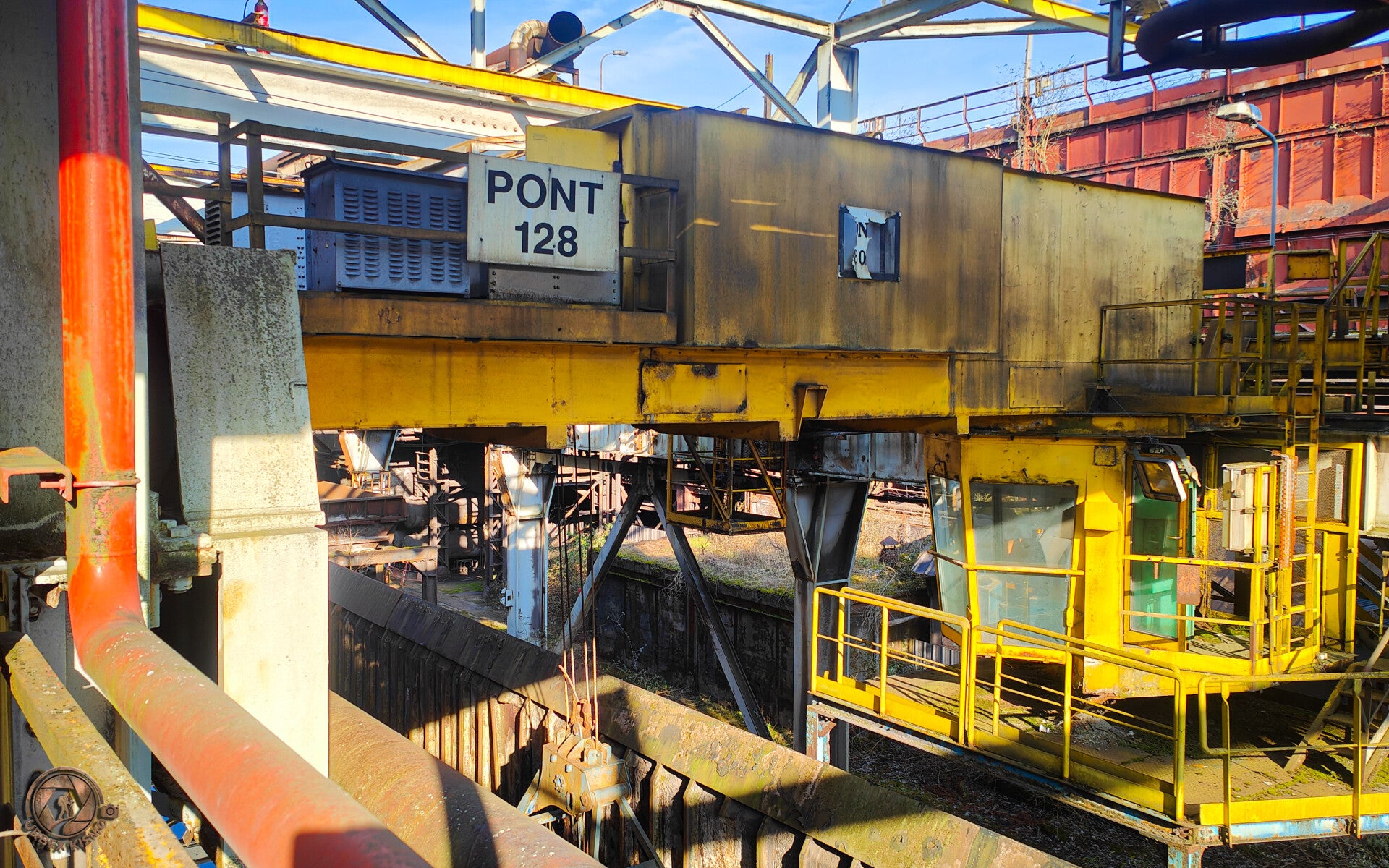
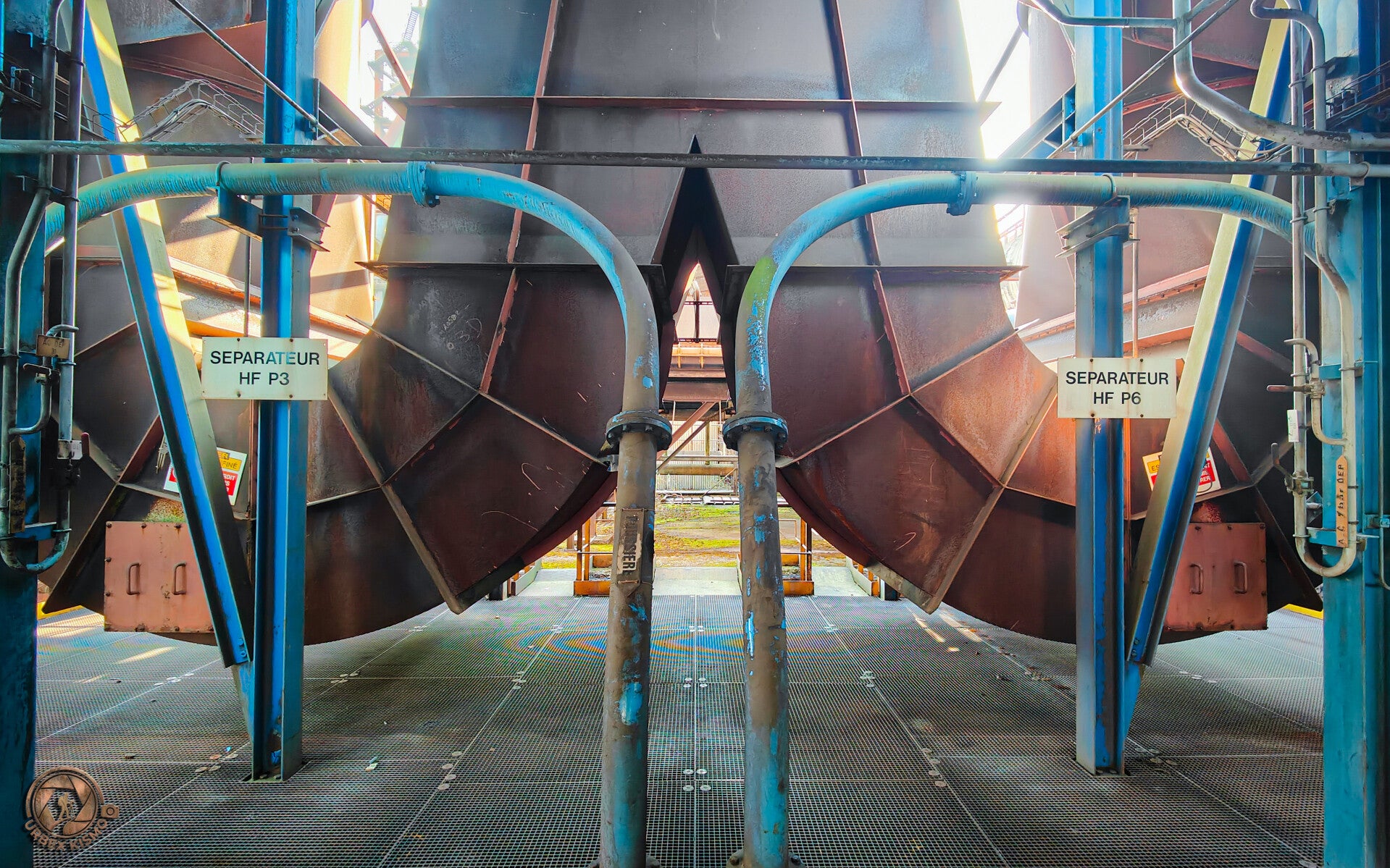
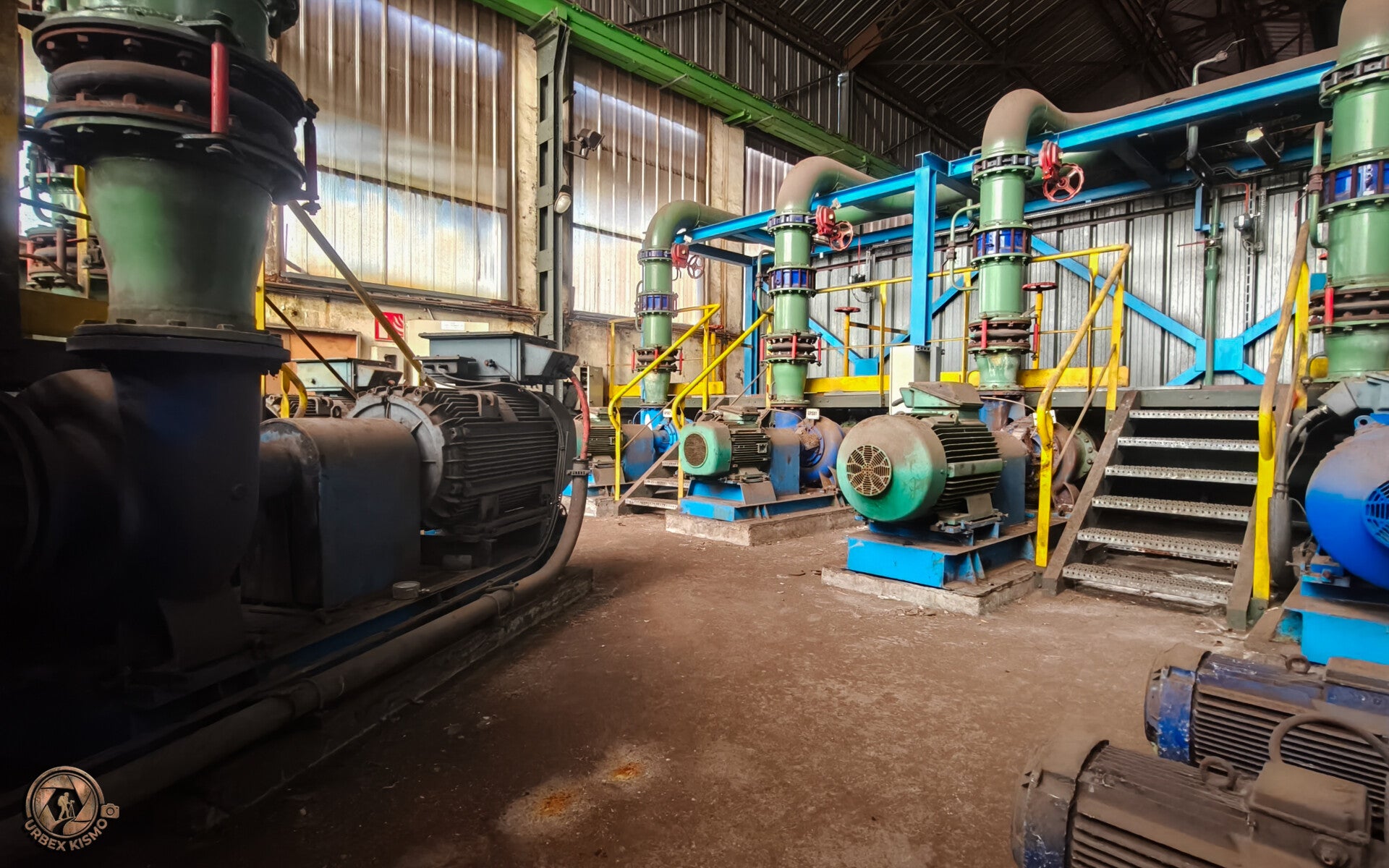
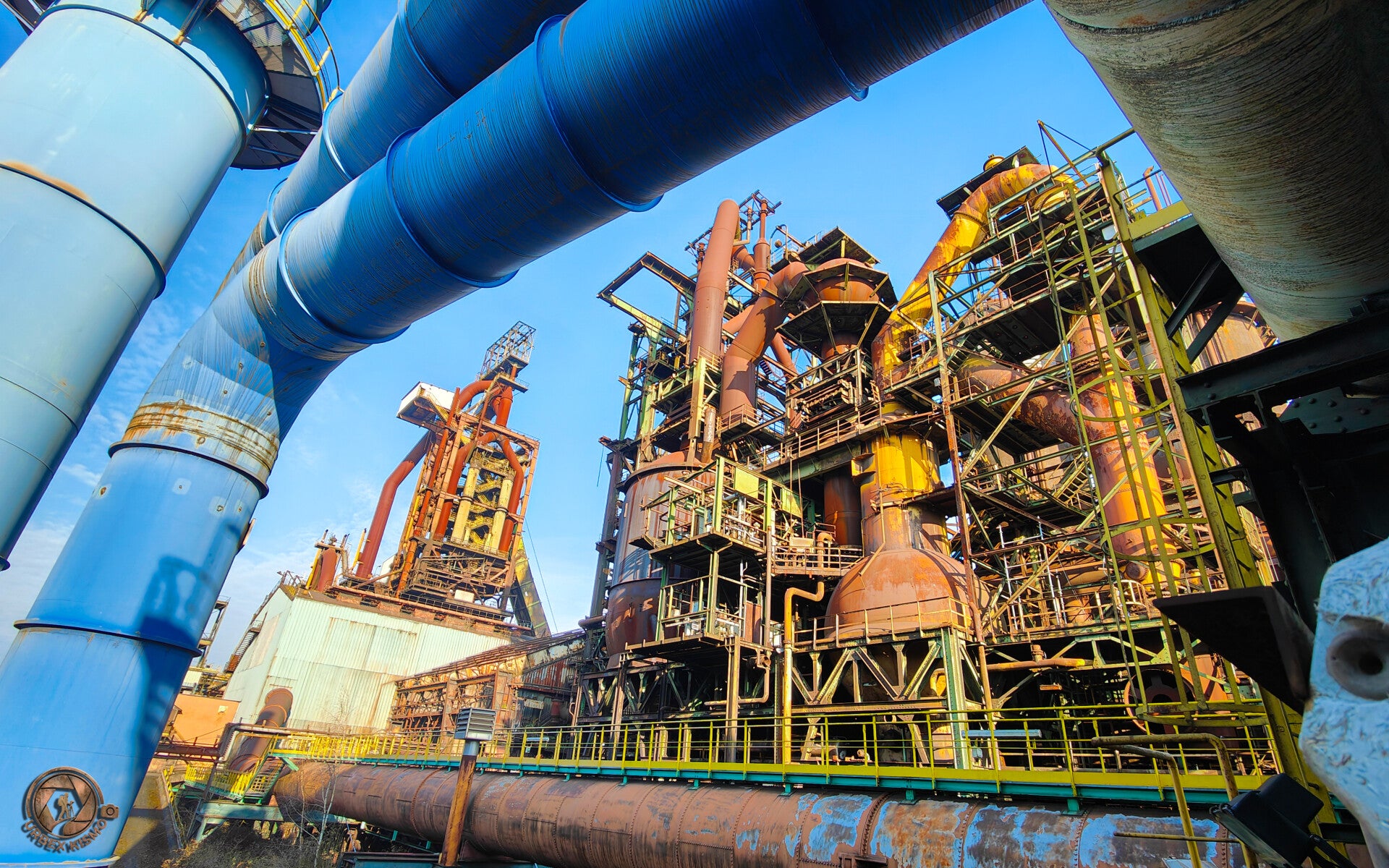
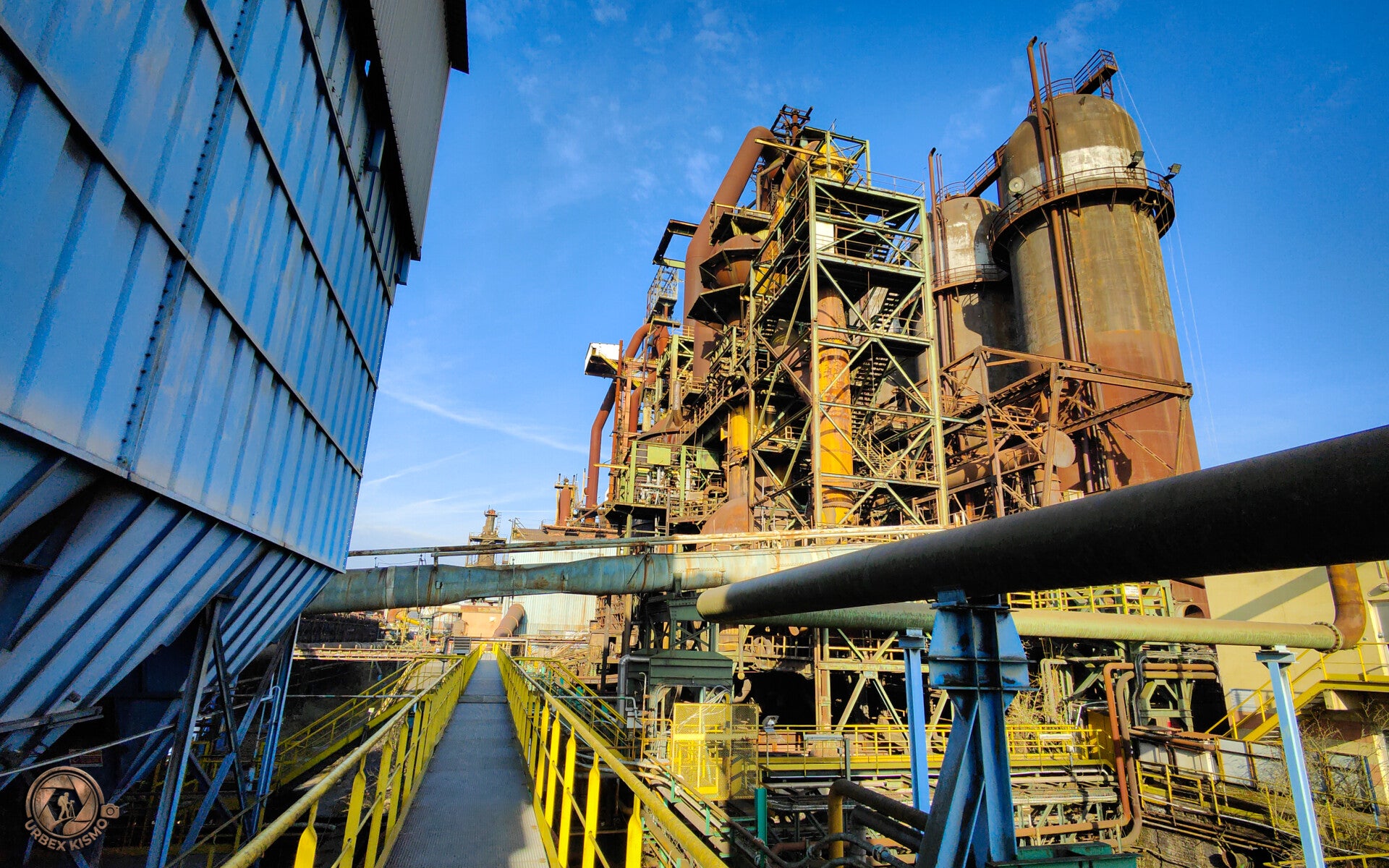
The infrastructure behind the furnaces
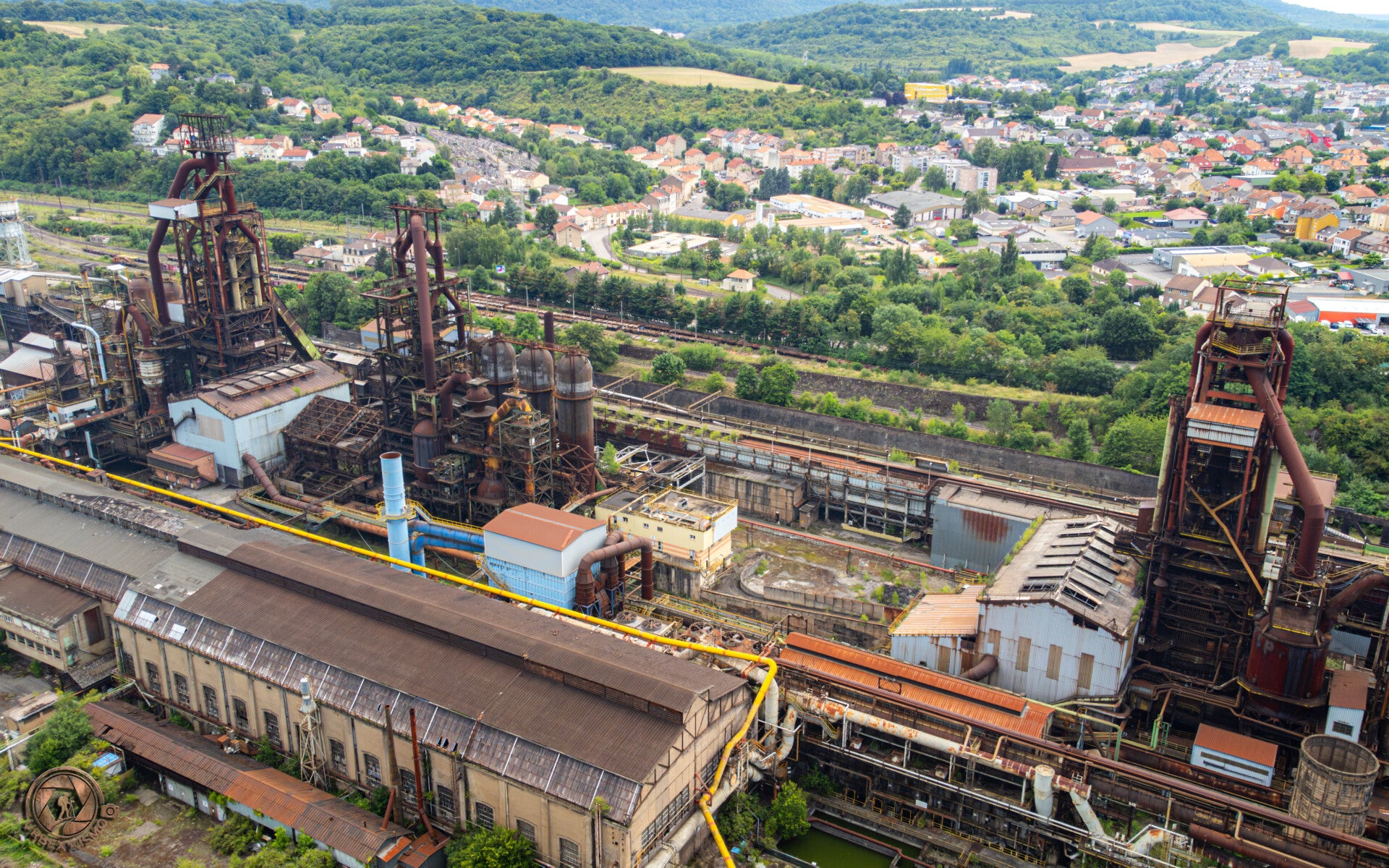
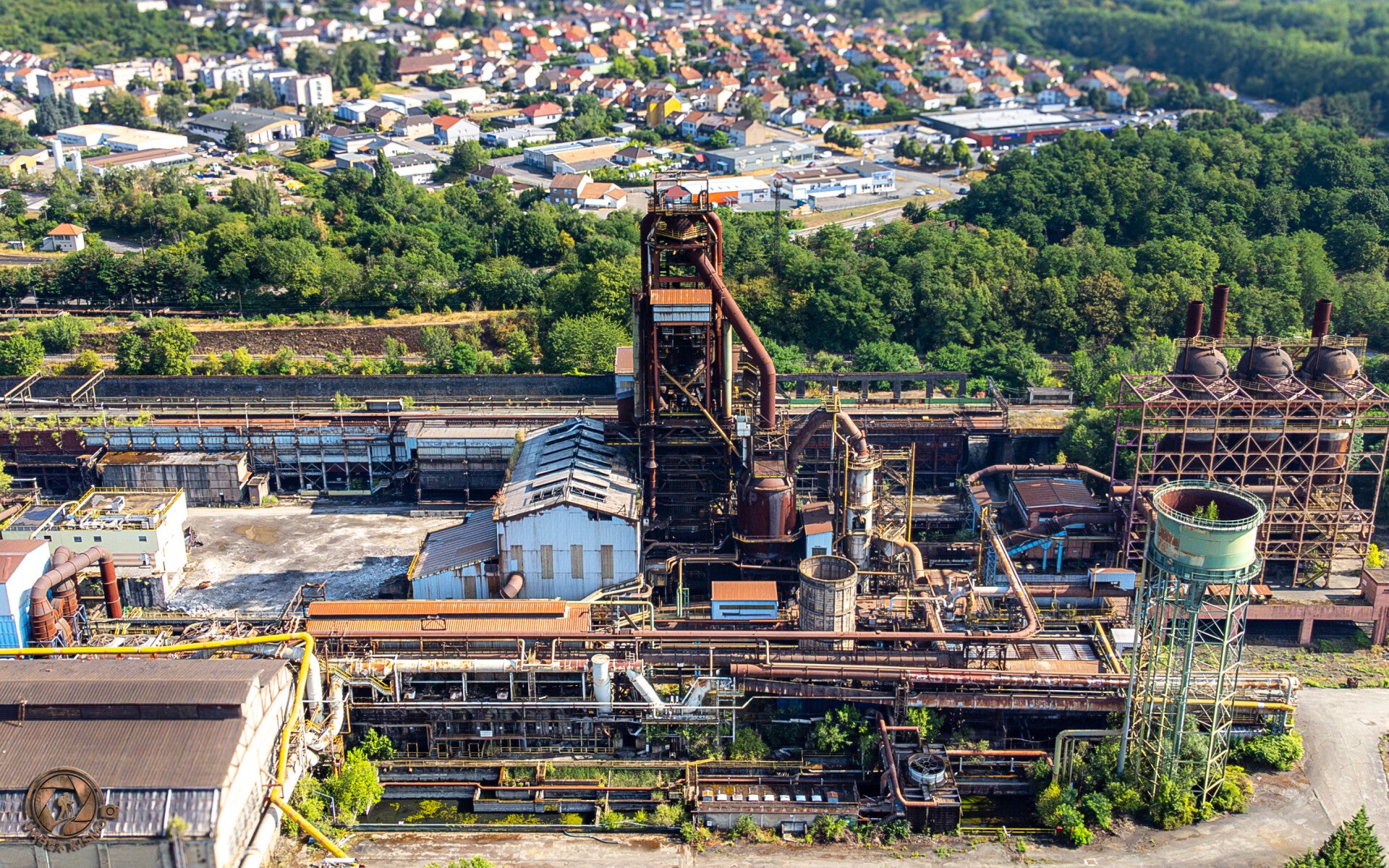
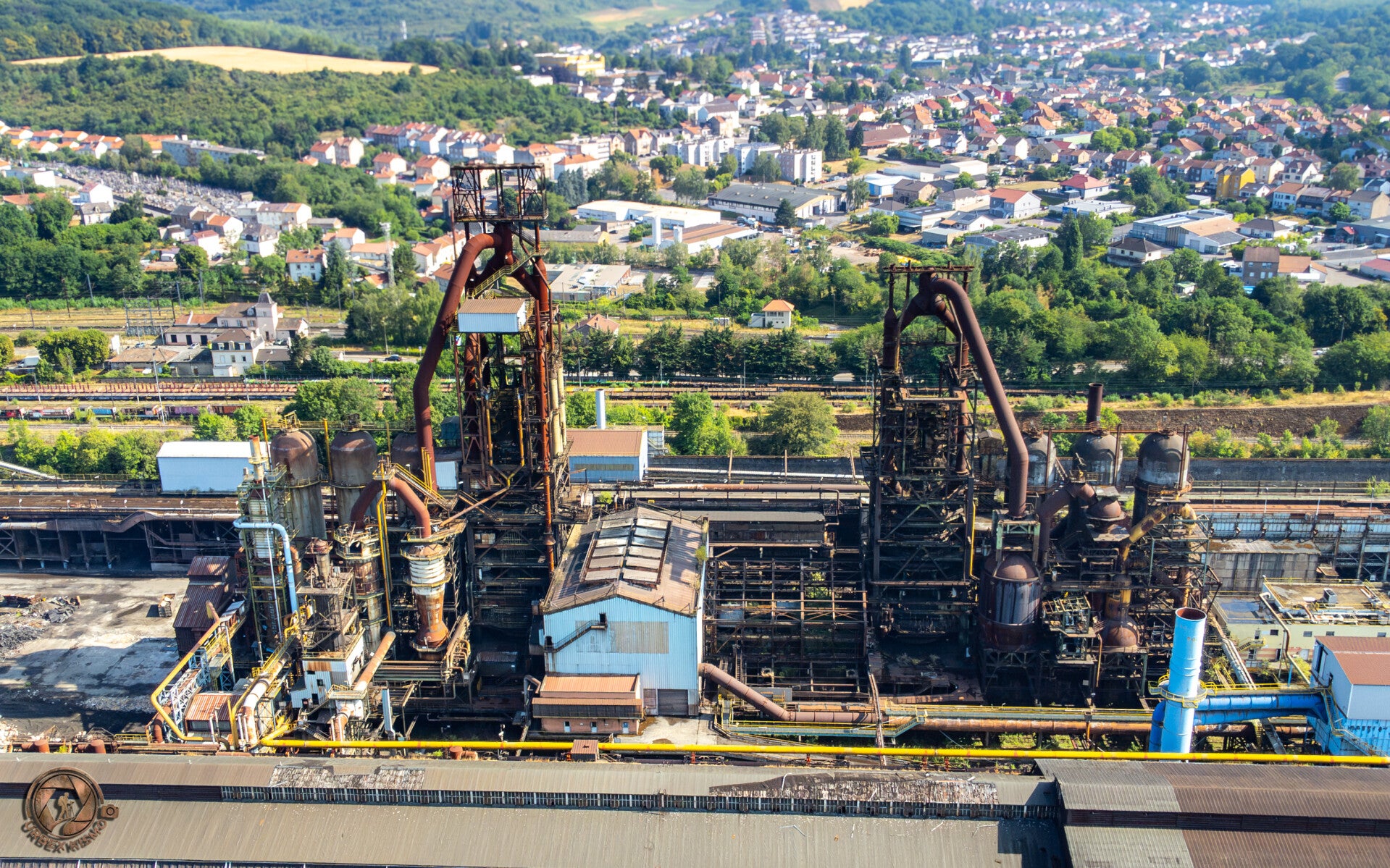
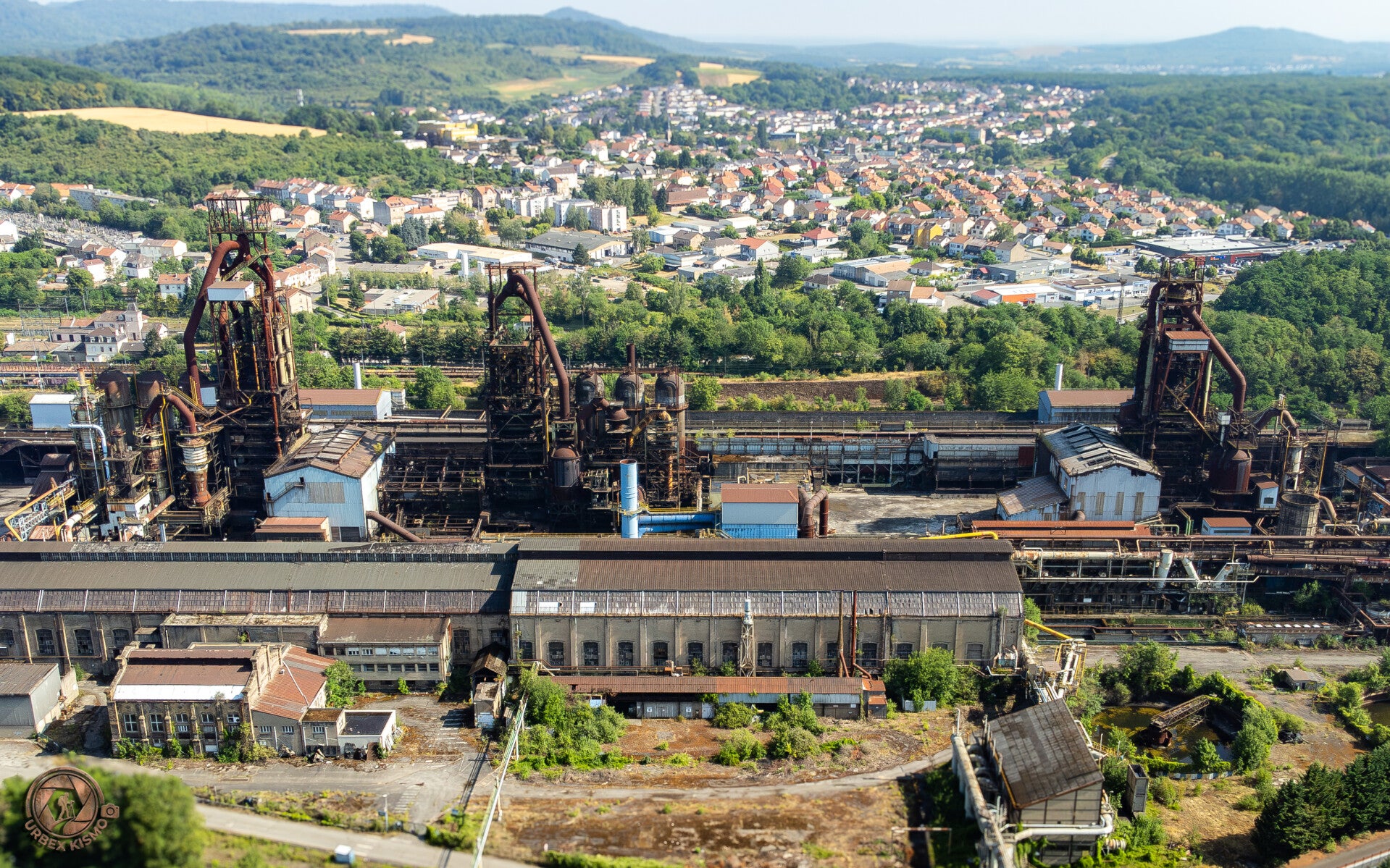
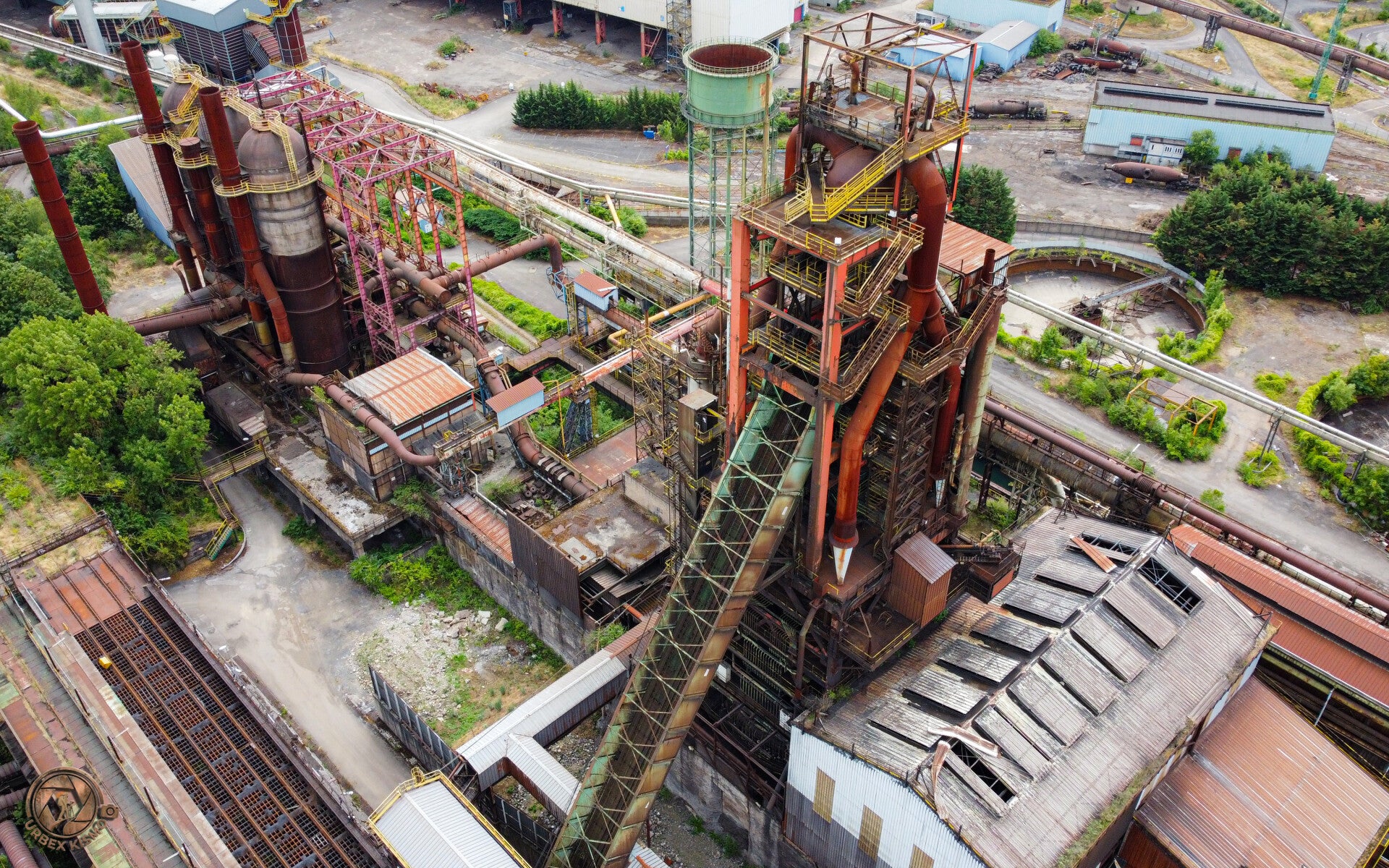
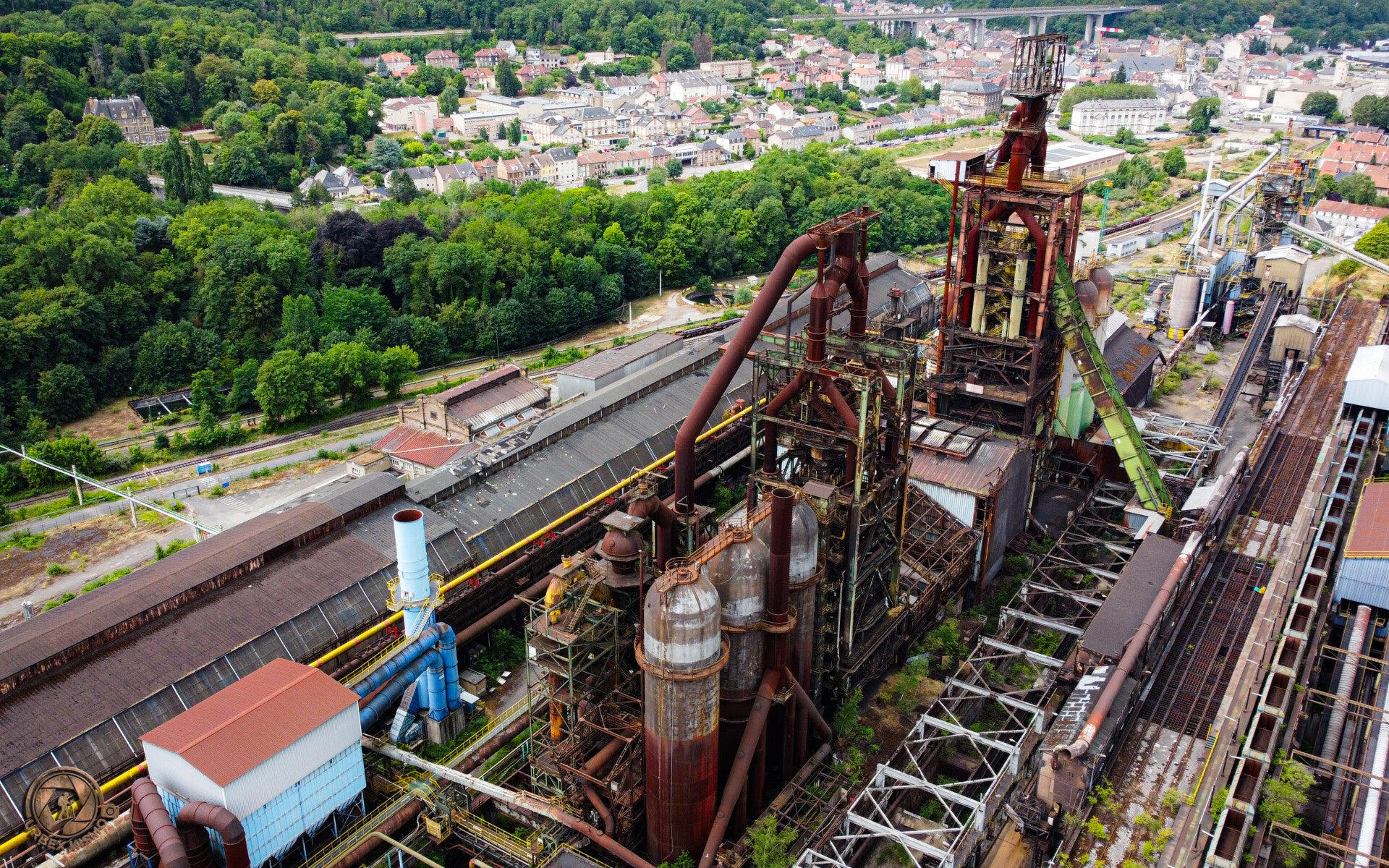
Drone Views of the Blast Furnace
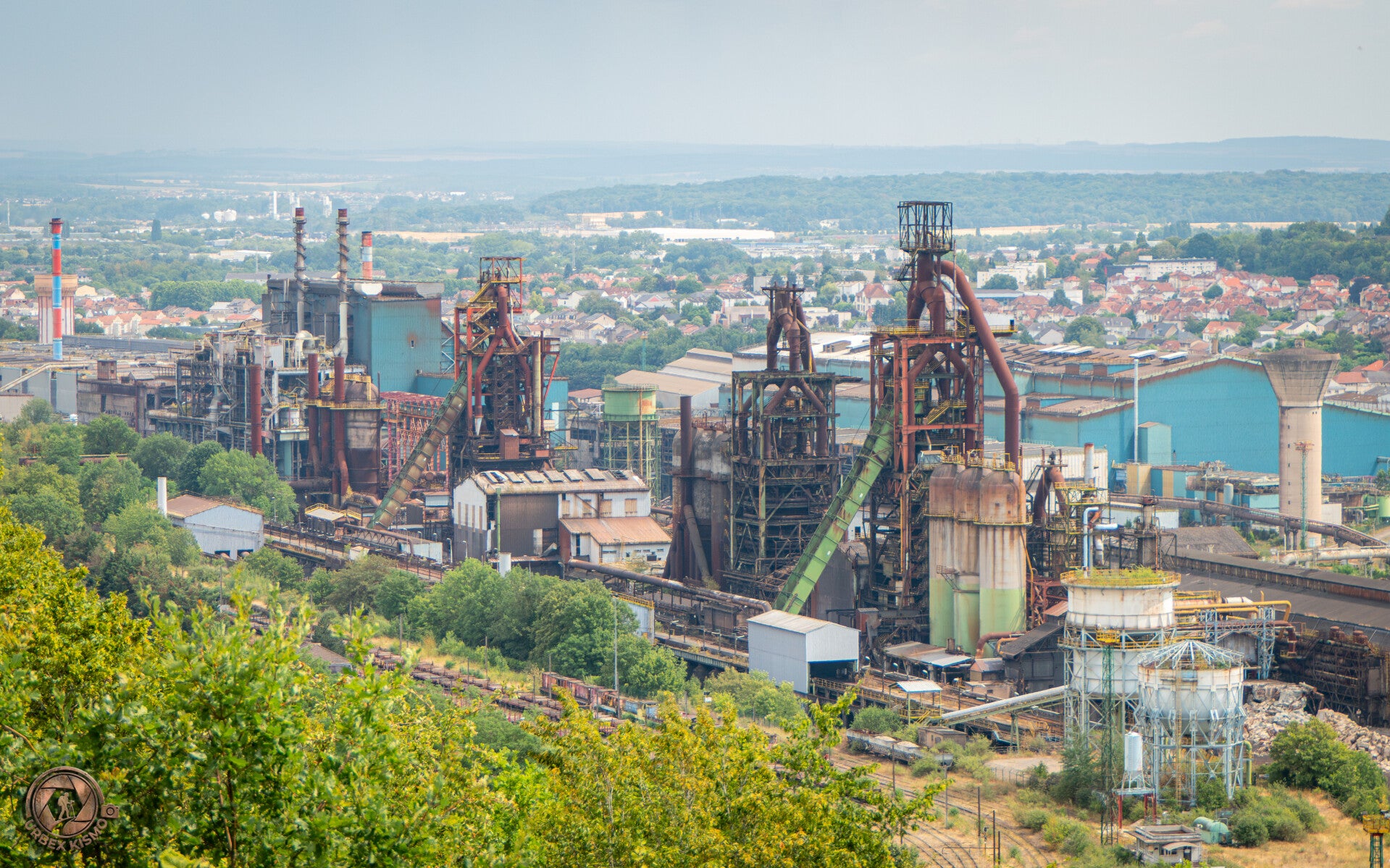
From the air, the relationship between P3, P4 and P6 becomes much clearer. The surrounding stock house, pipework and industrial buildings reveal how the furnaces formed part of one enormous interconnected production system.
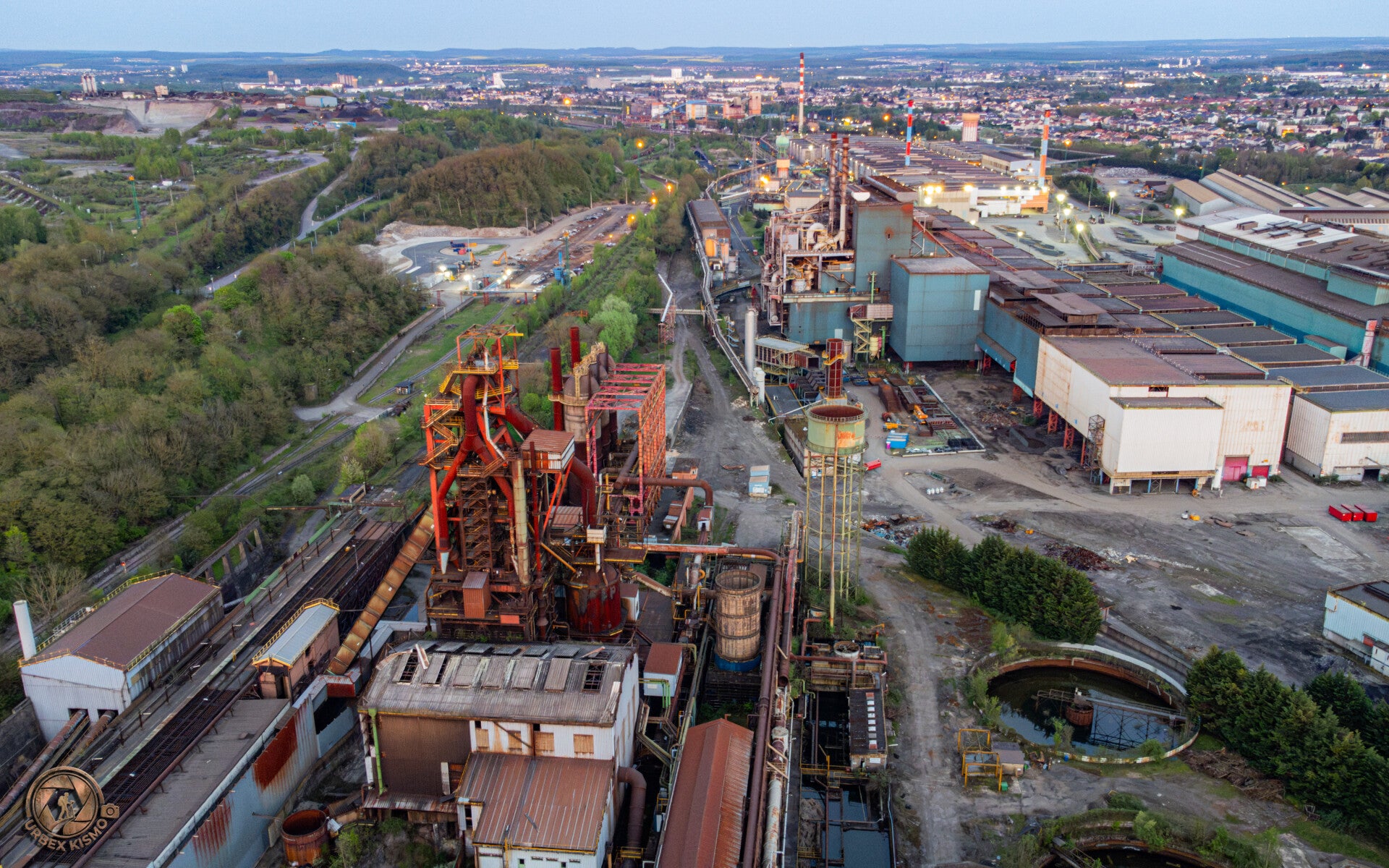
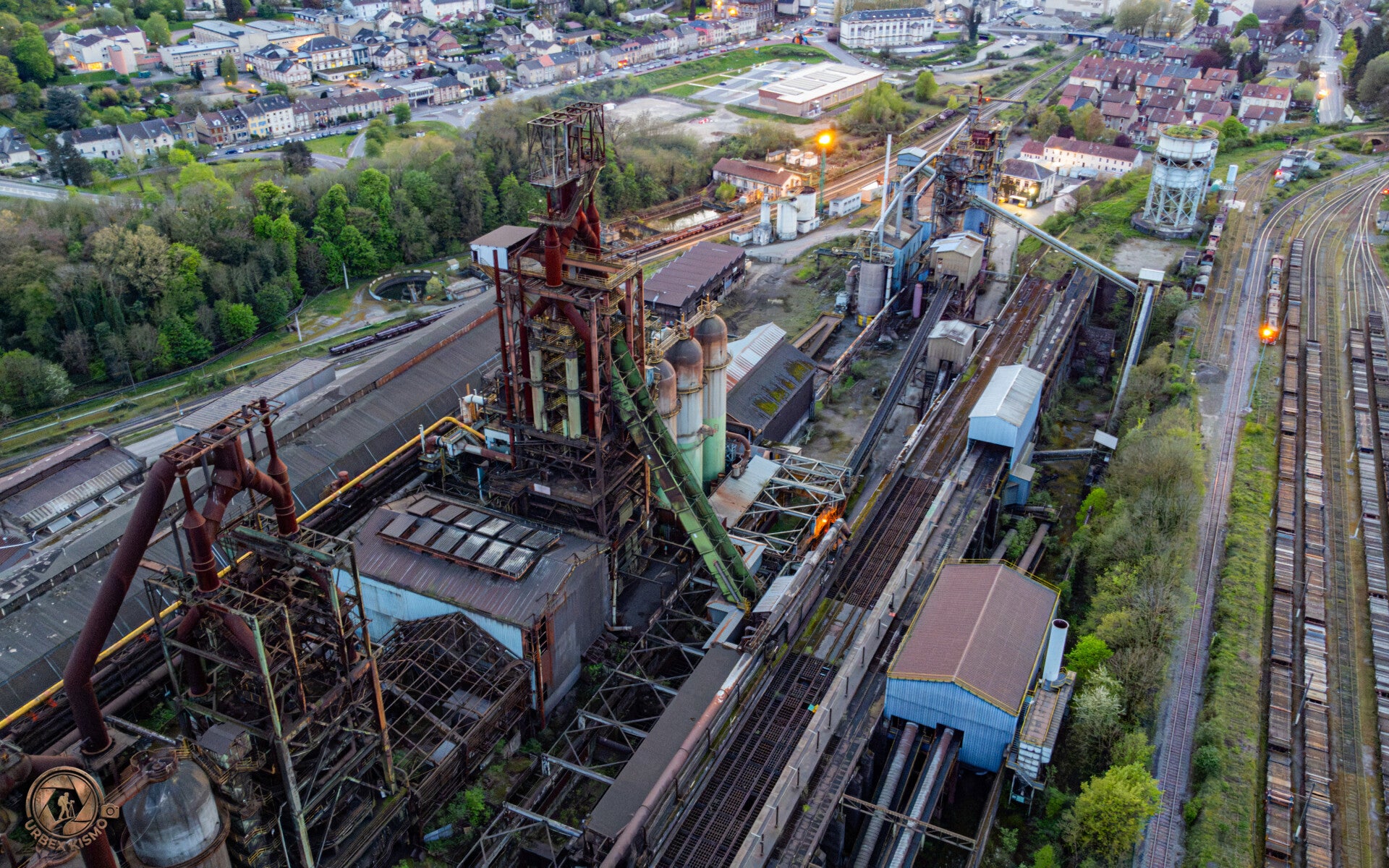
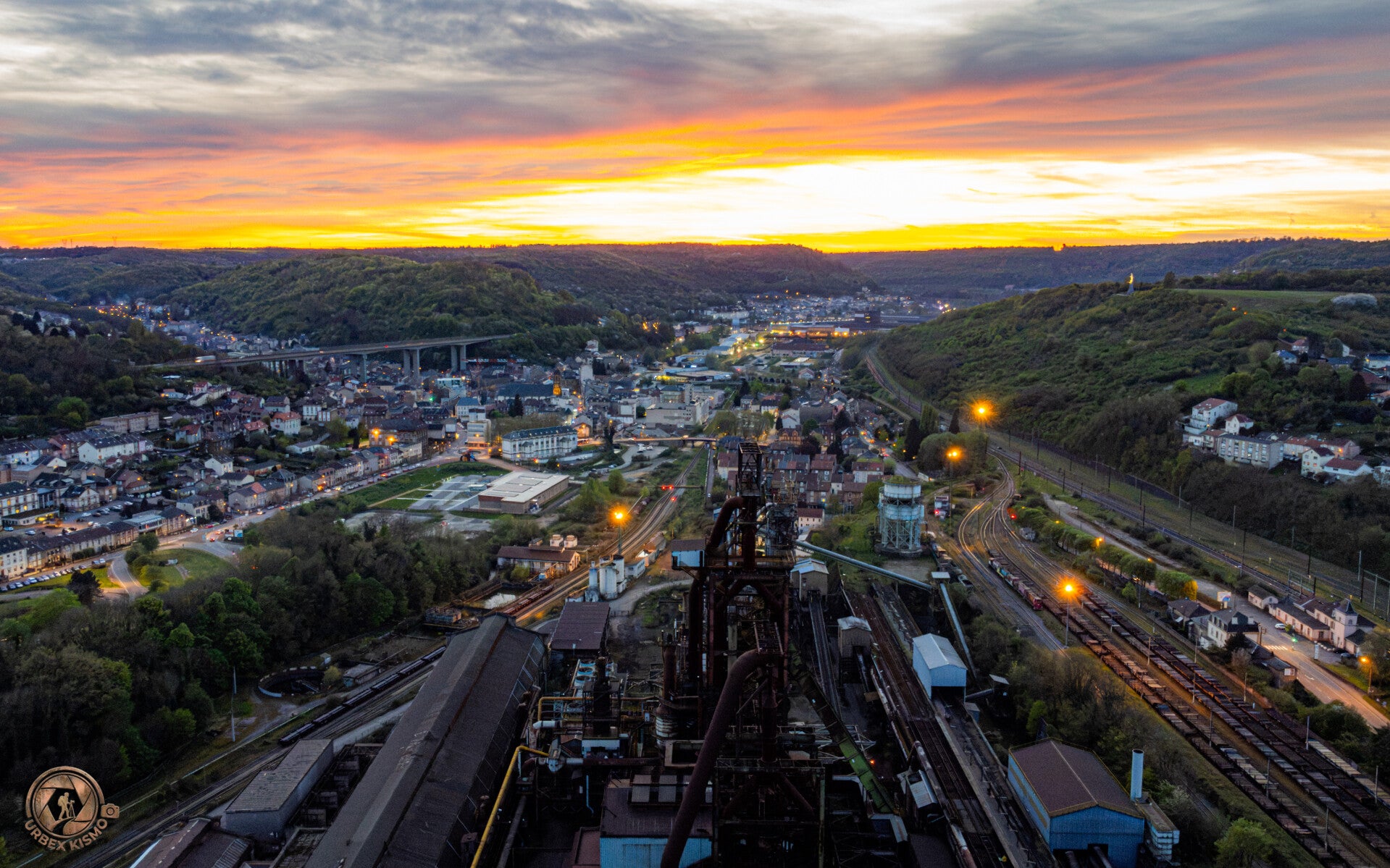
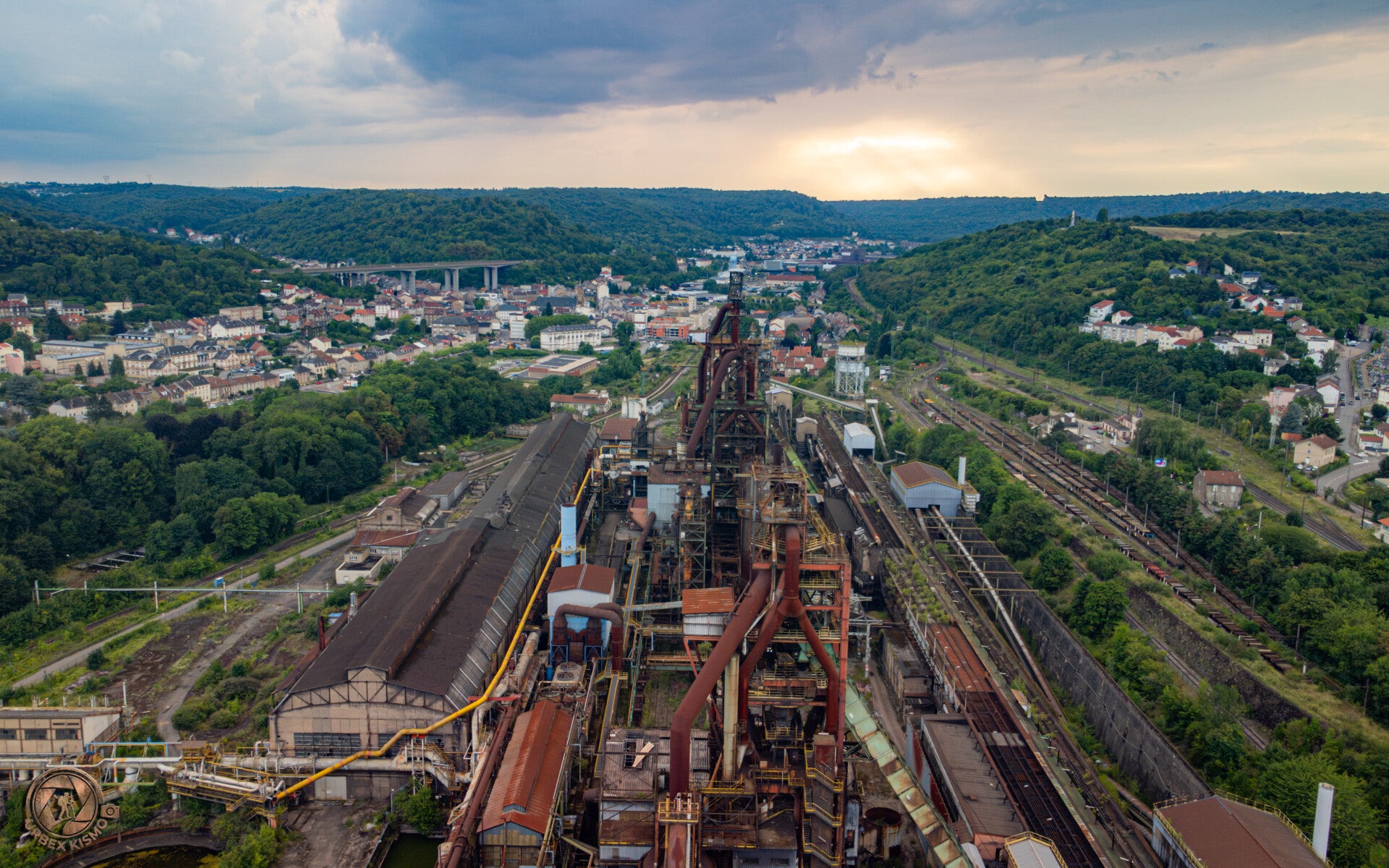
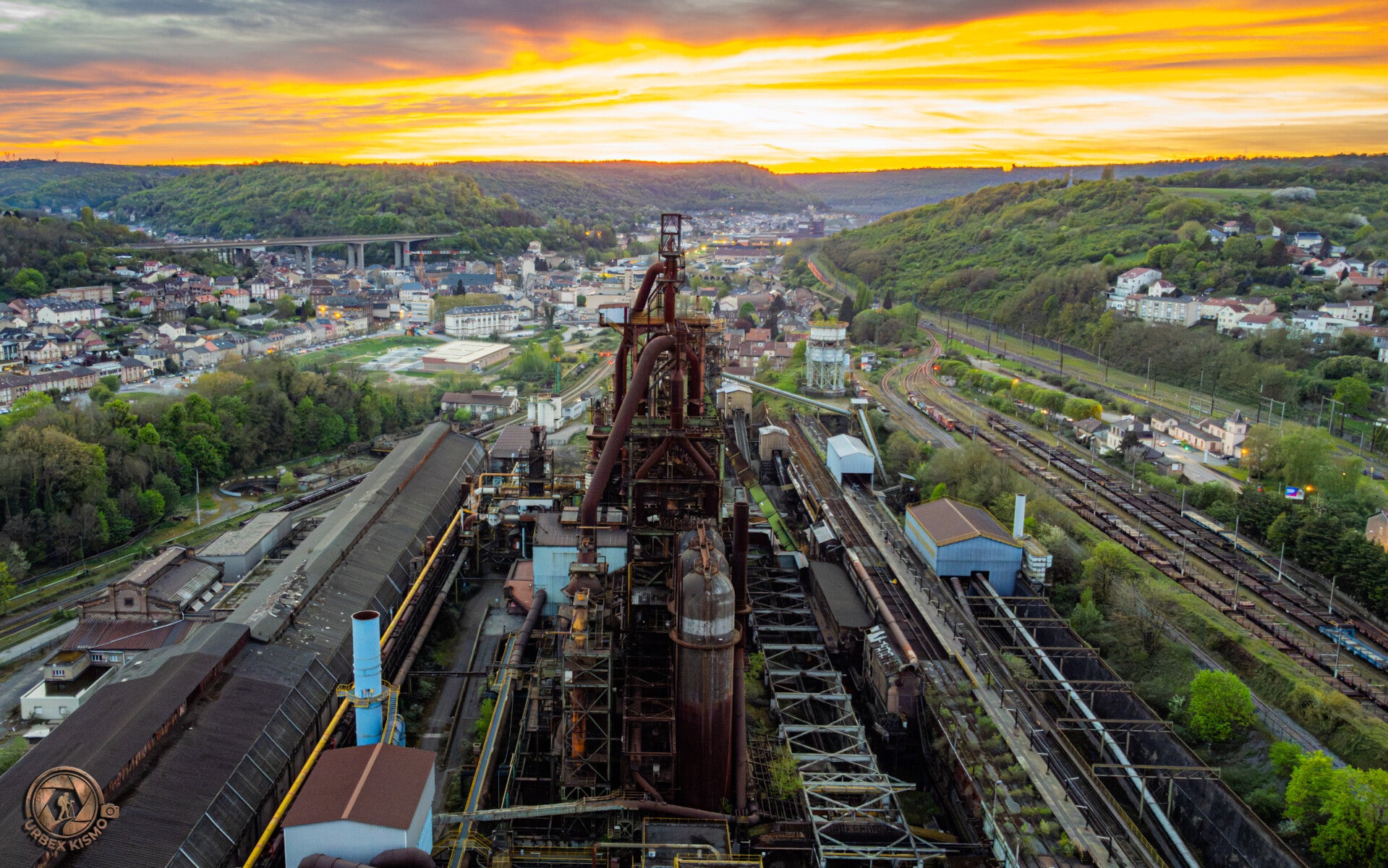
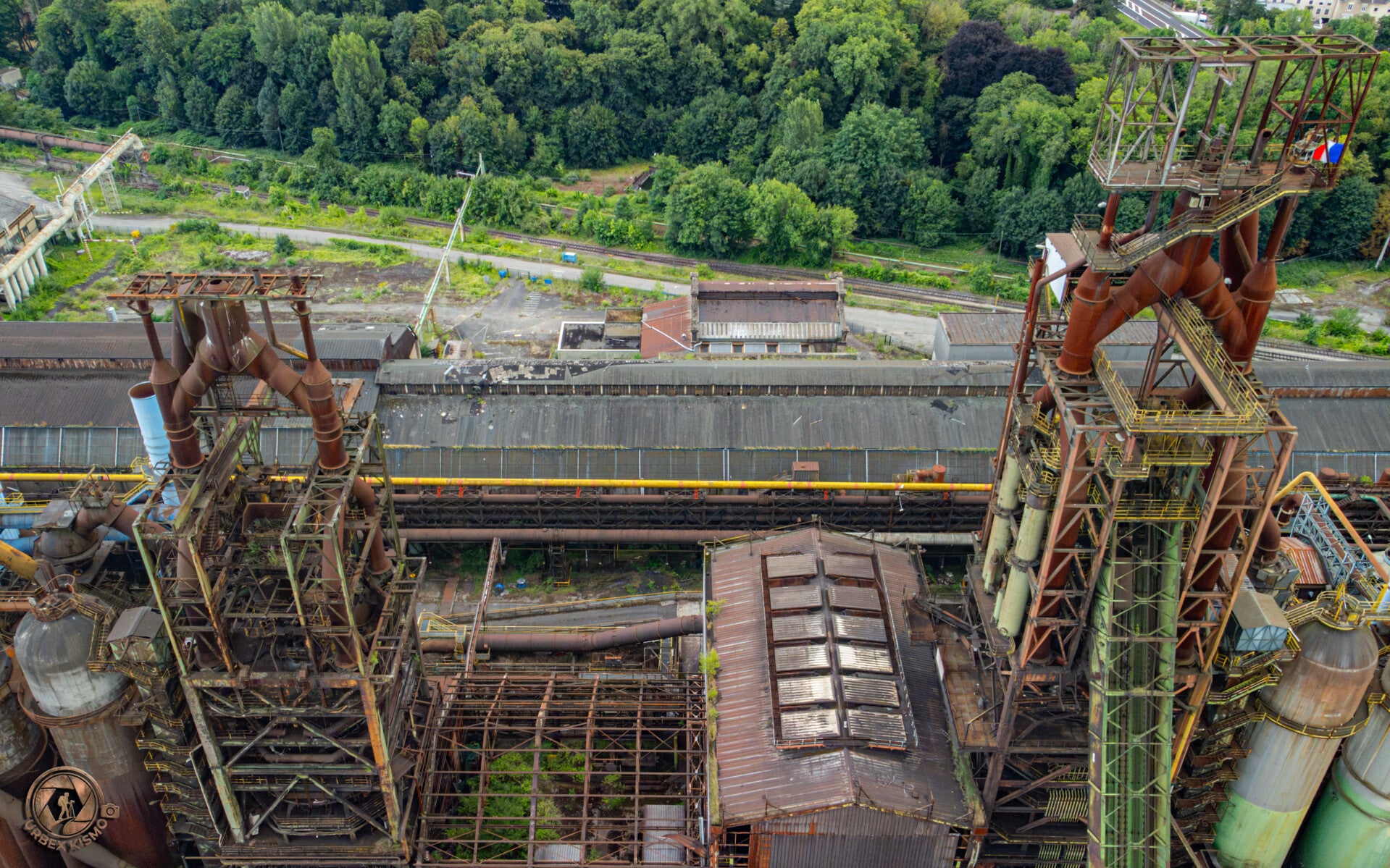
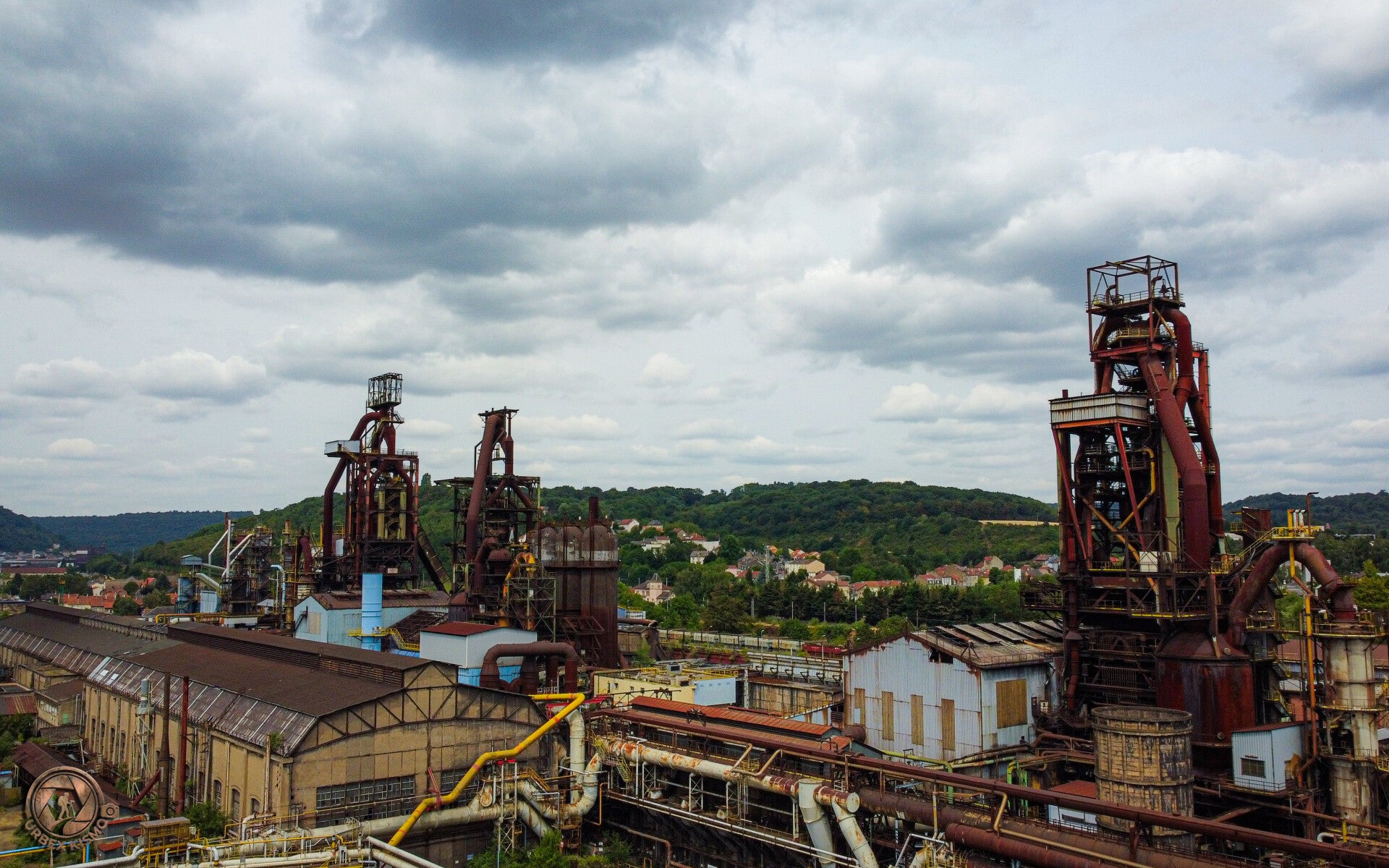
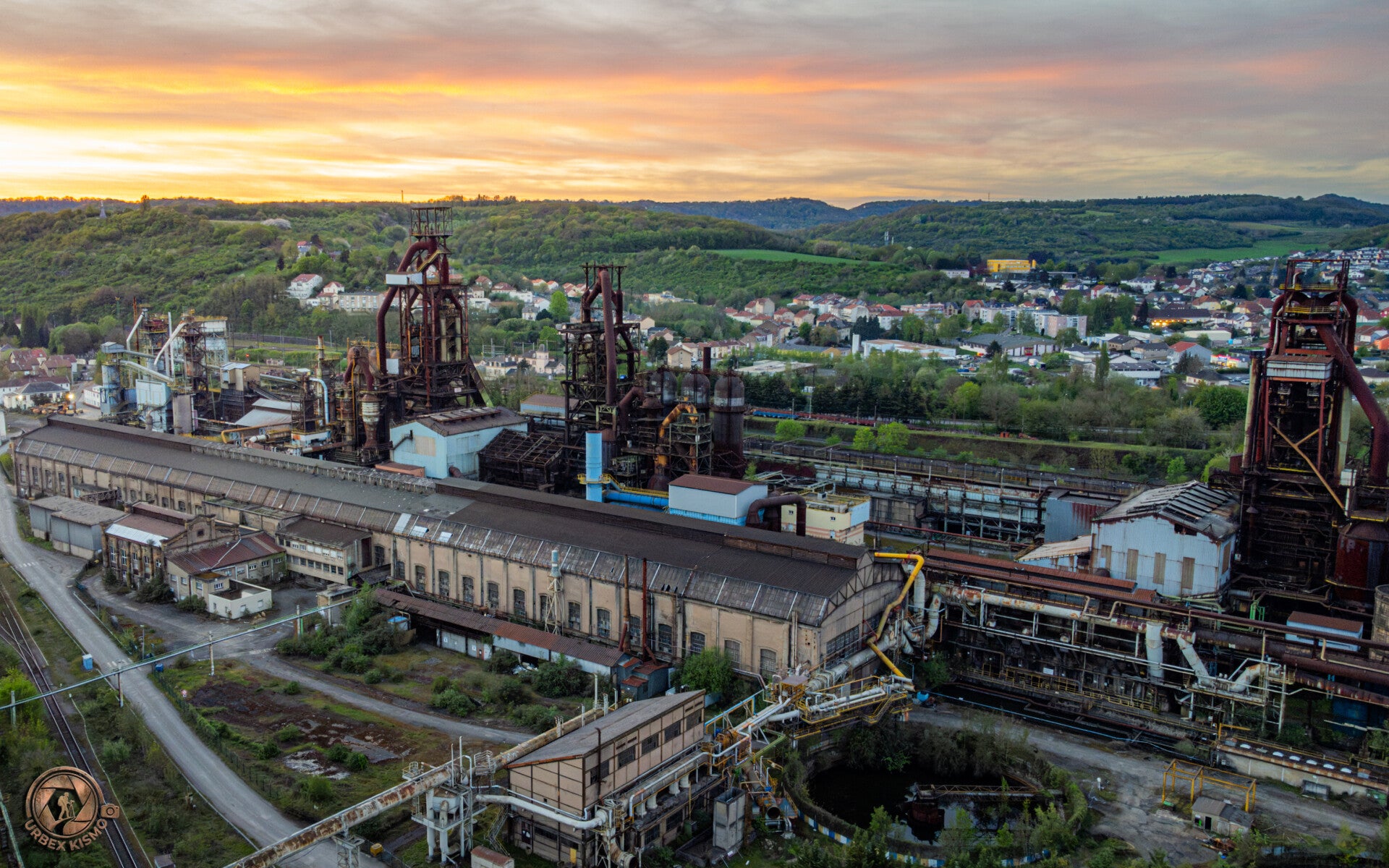
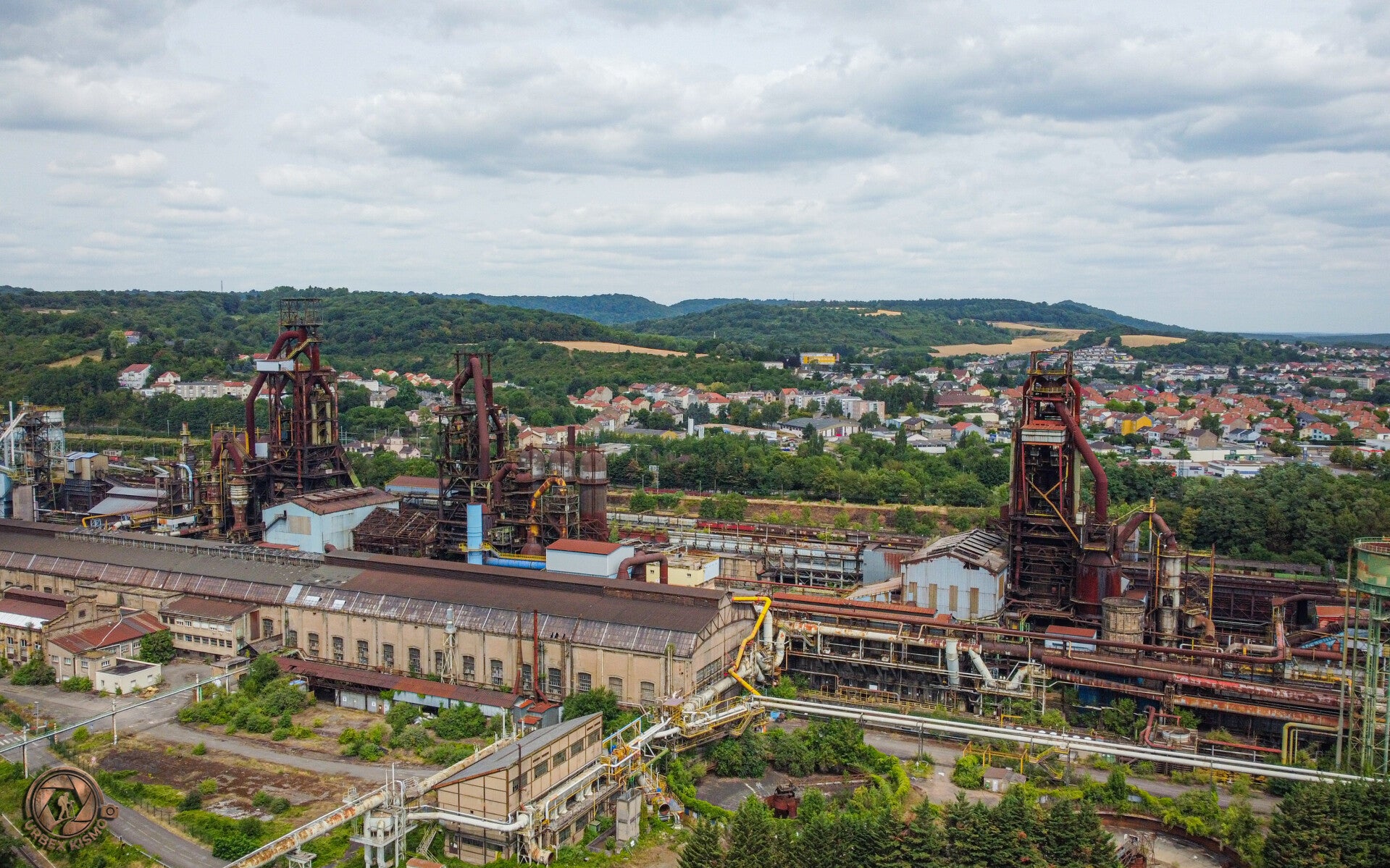
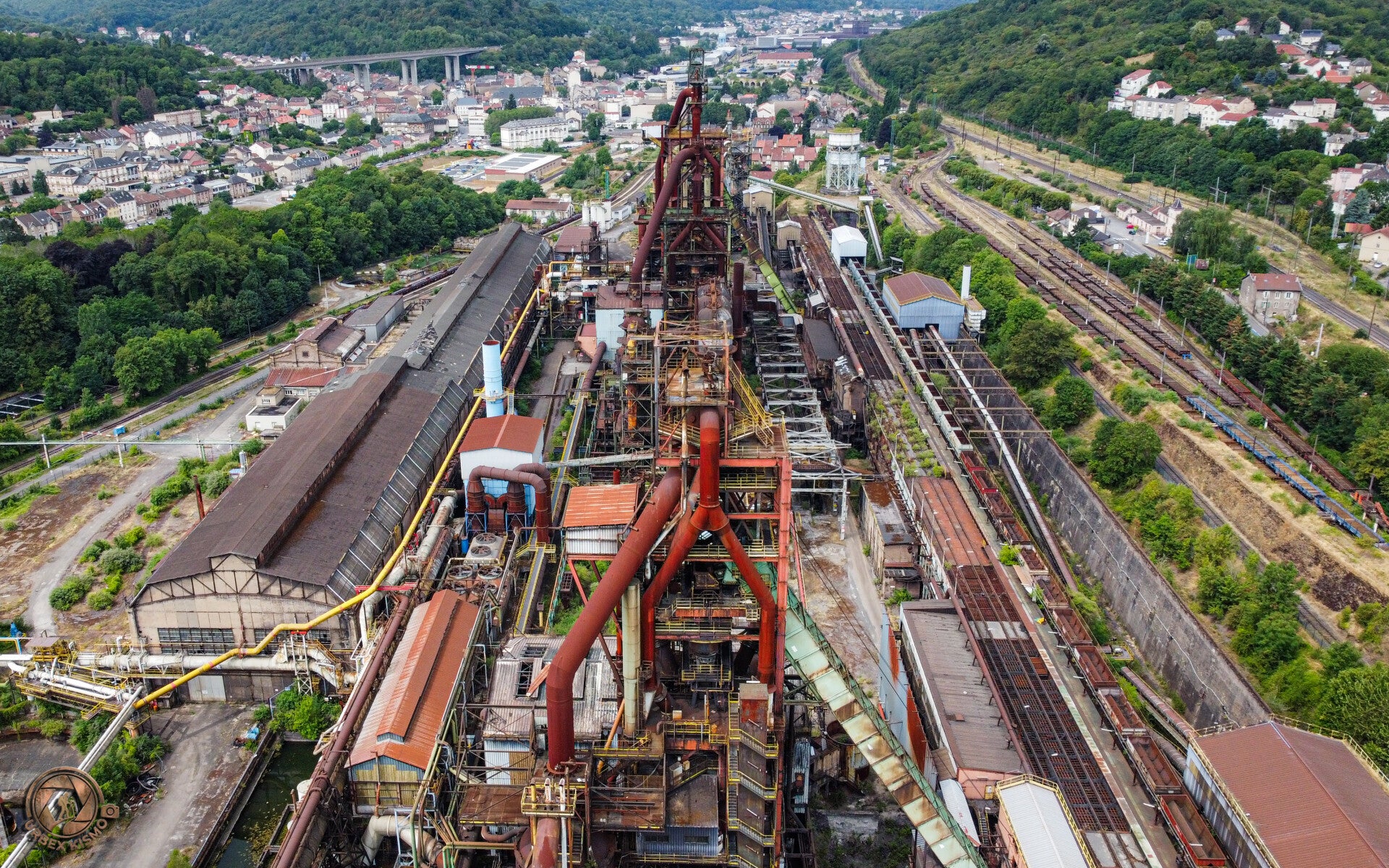
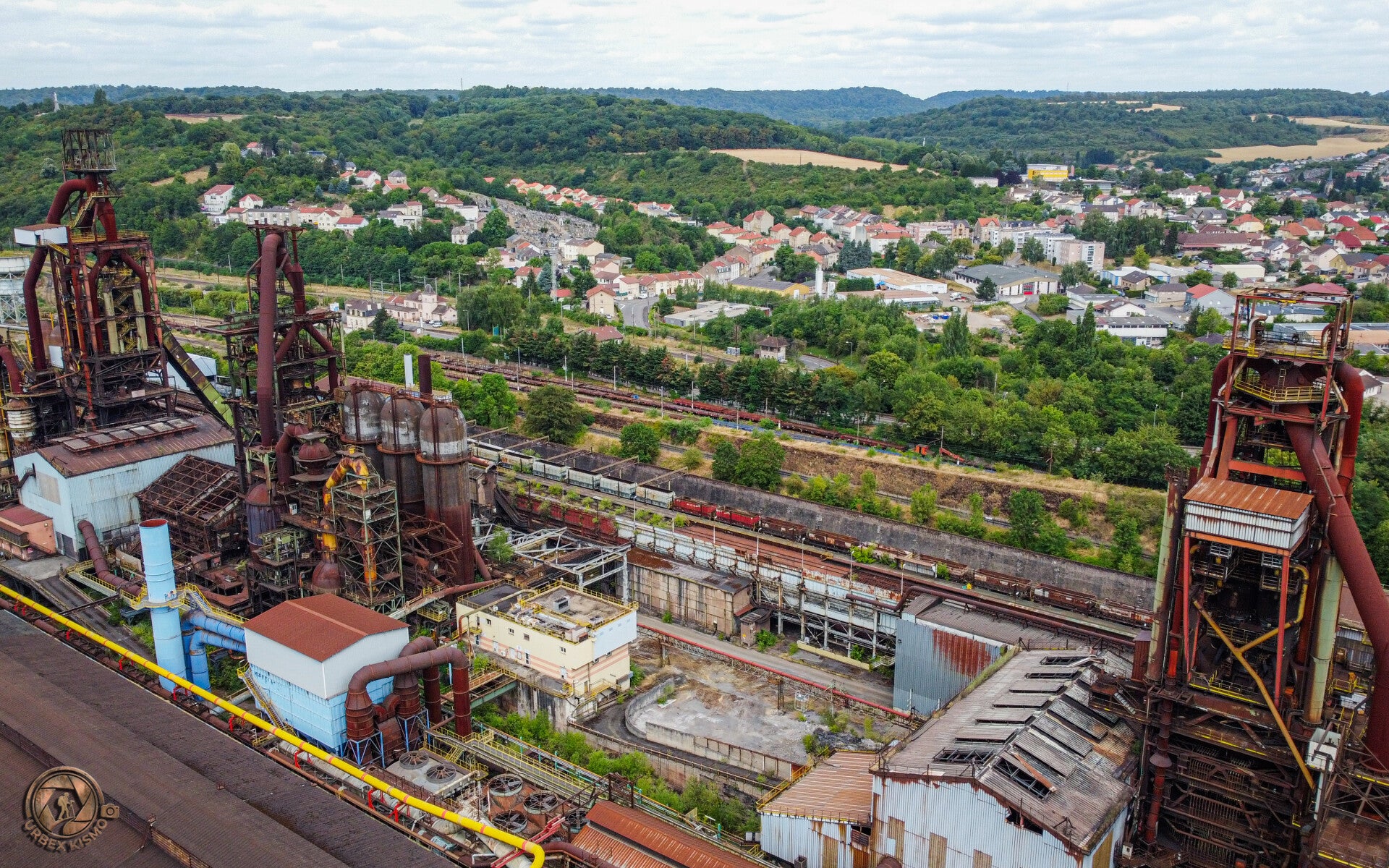
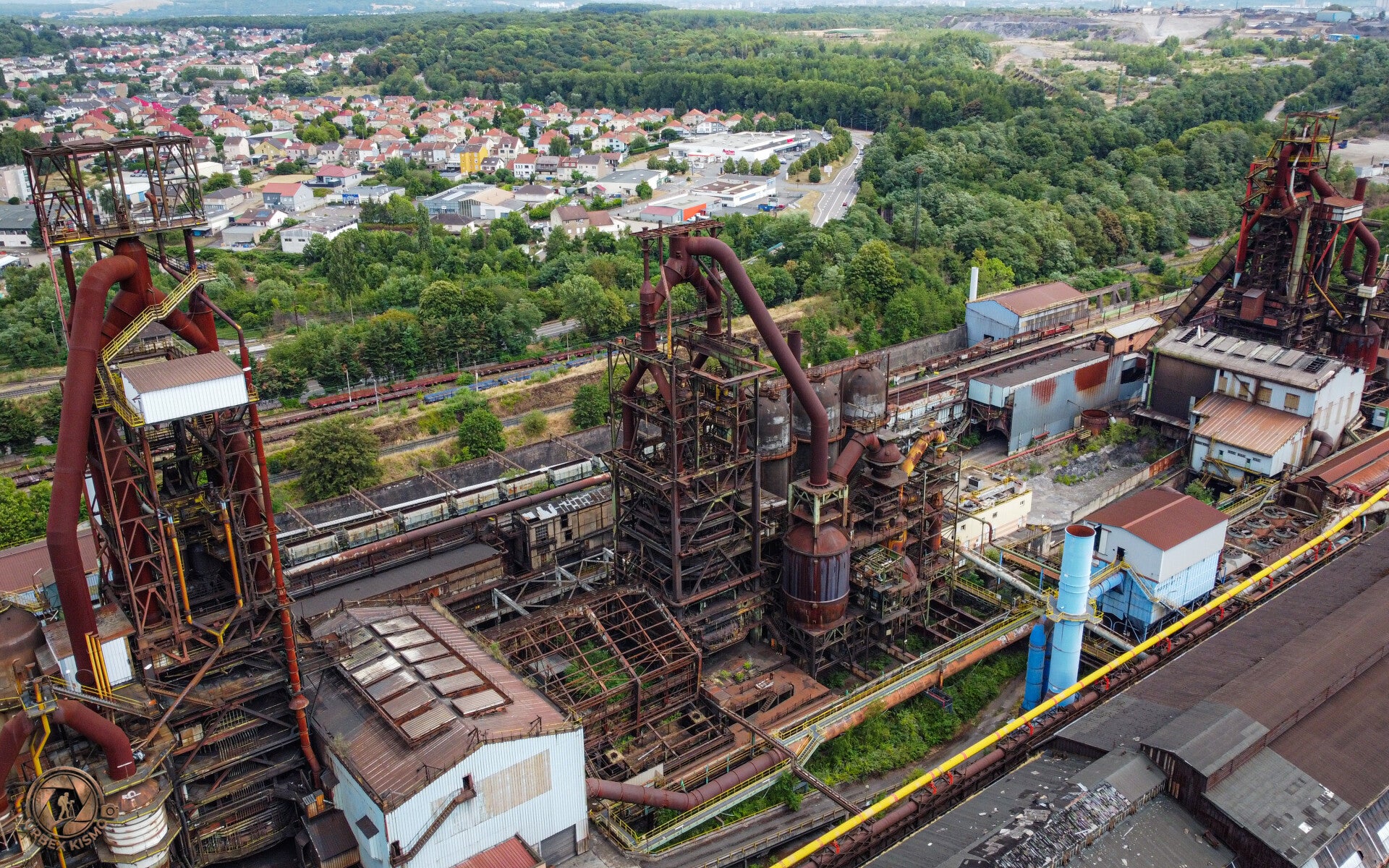
The full scale from above
Torpedo Cars & Blast Furnaces
Torpedo cars transported molten pig iron from the blast furnaces to the steelmaking facilities. Their insulated, elongated vessels helped retain heat while carrying enormous loads of liquid iron to the next stage of production.
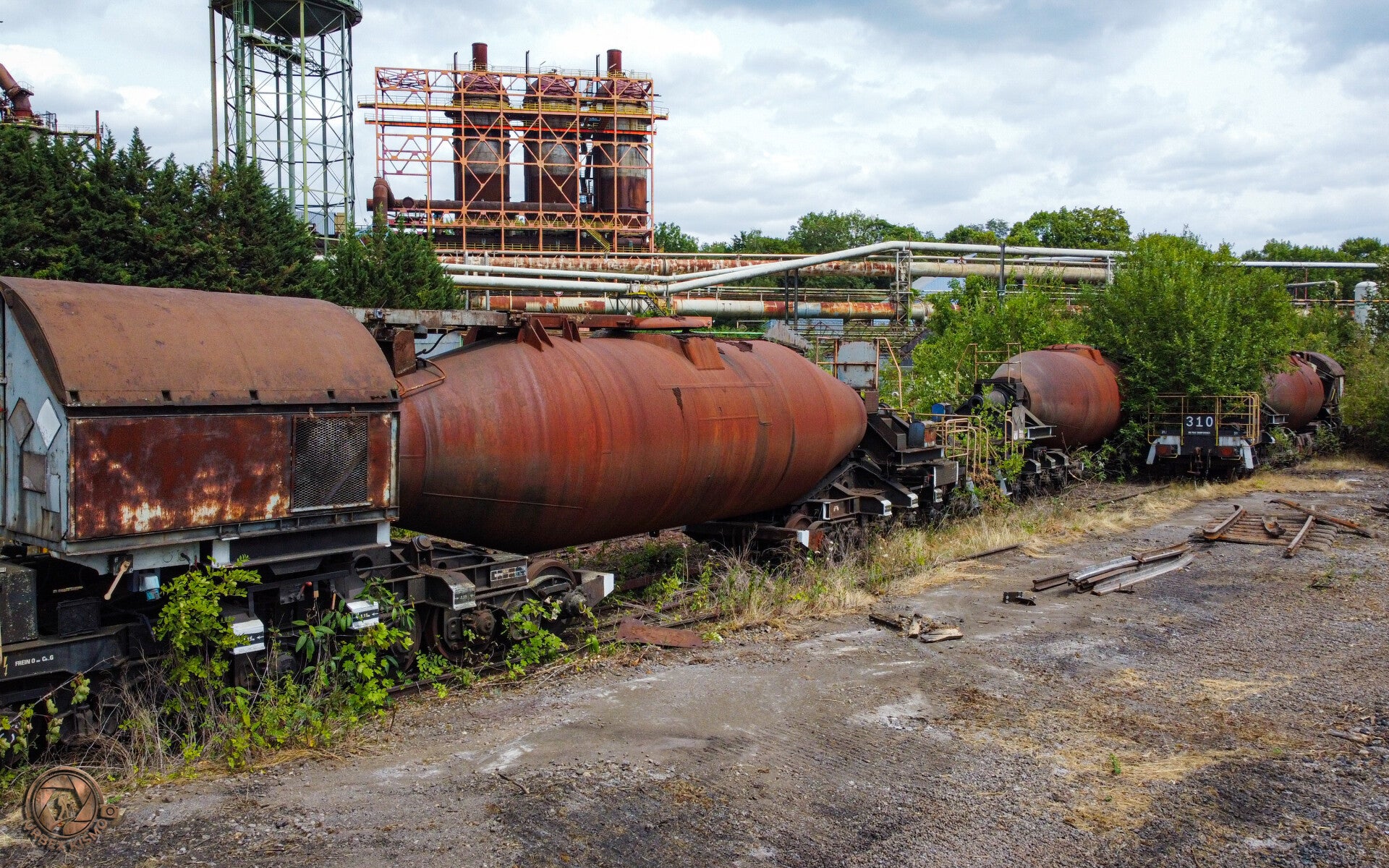
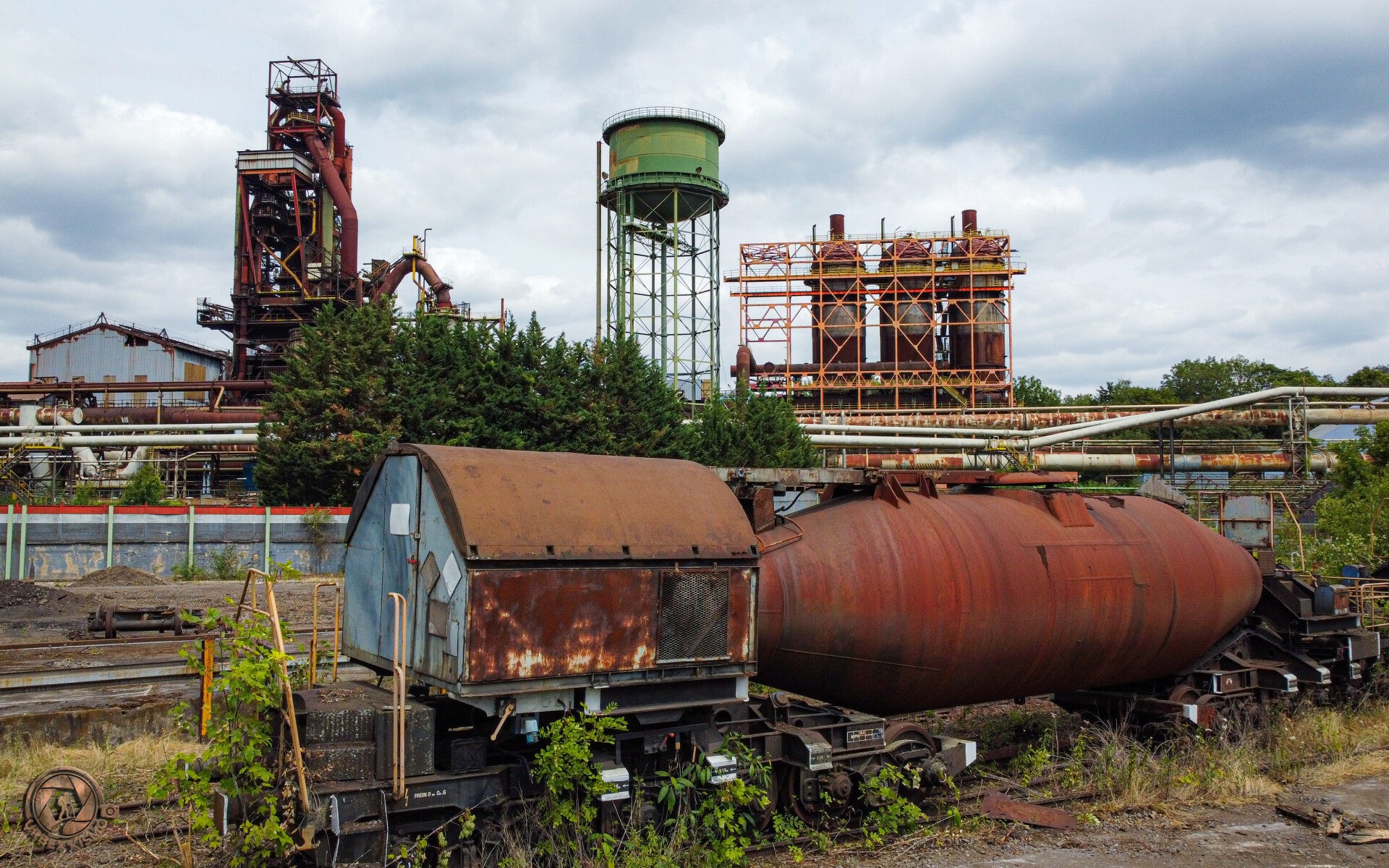
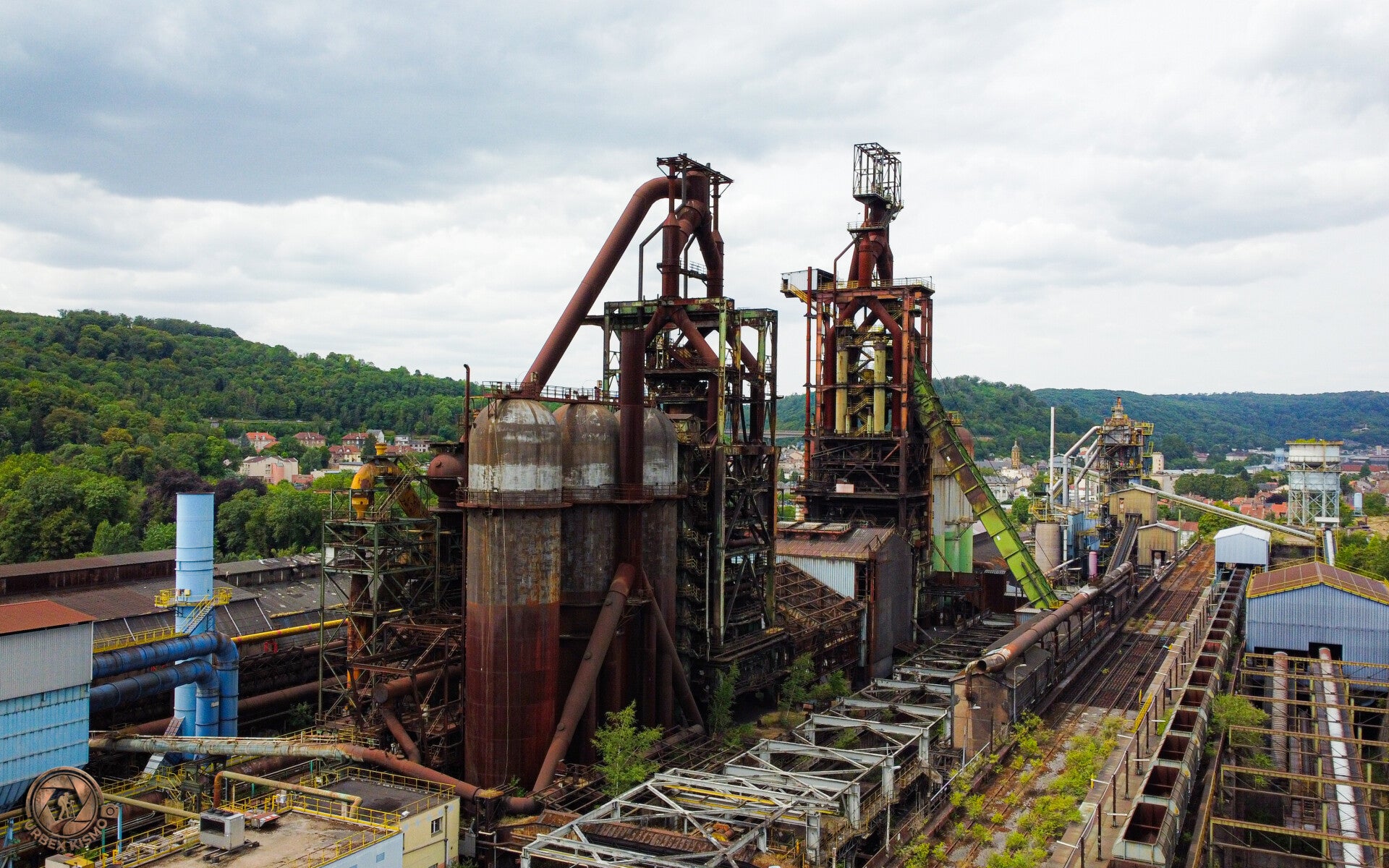
Transporting molten iron
Tthe Archerie
The Archerie forms part of the wider industrial complex surrounding the furnaces. Its aerial perspective helps show just how extensive the site was, with numerous buildings and supporting installations connected to the region's former steelmaking industry.
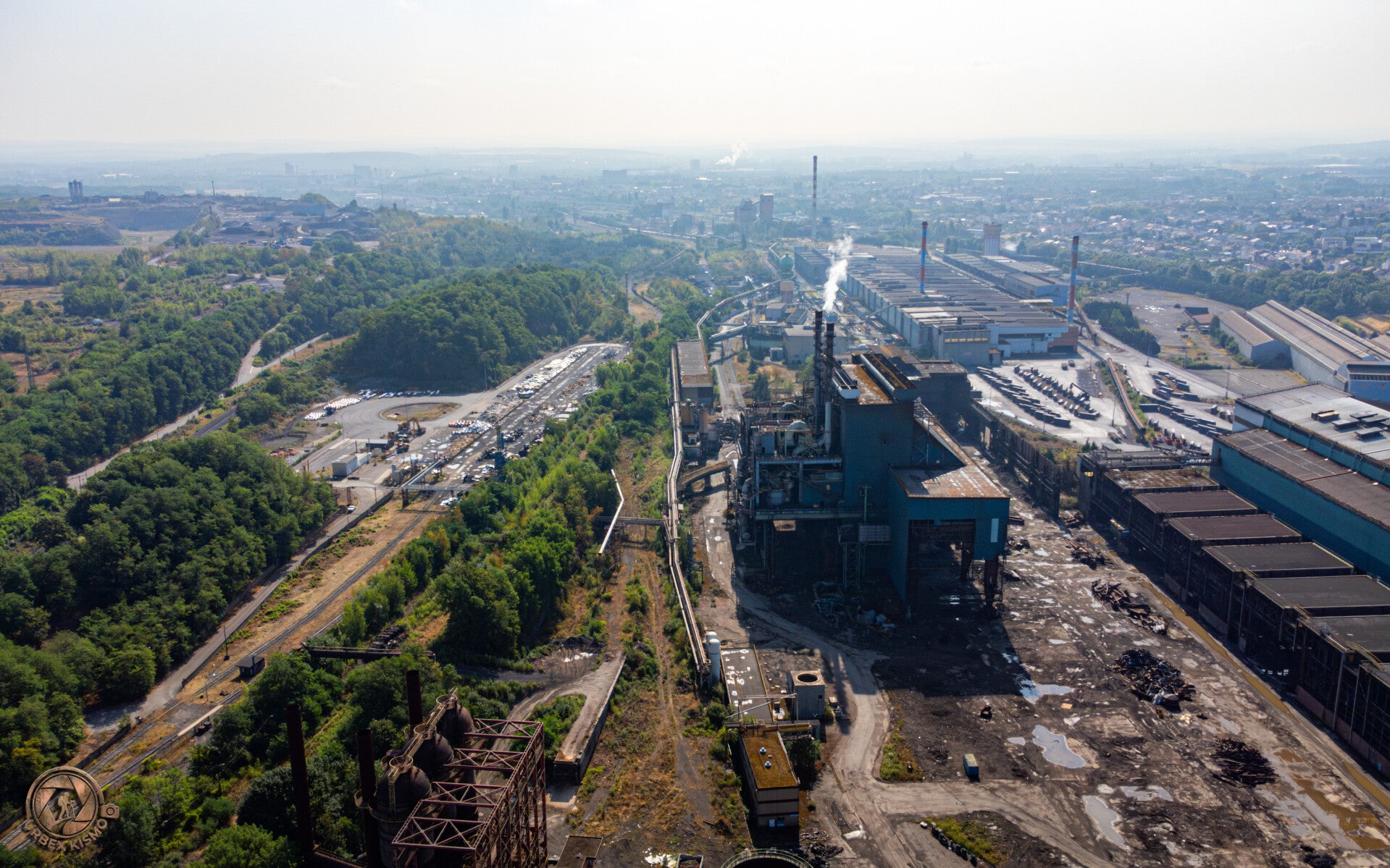
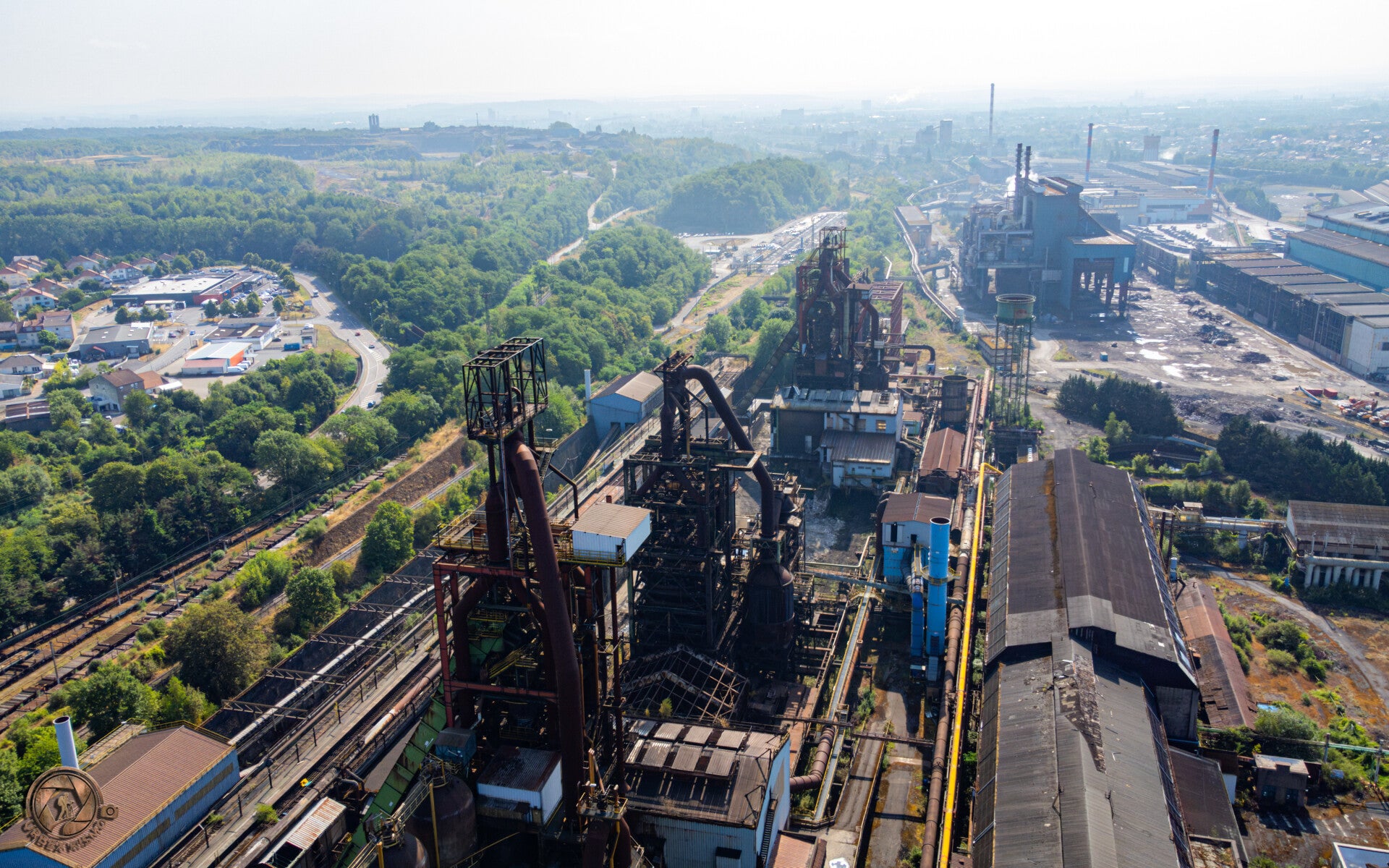
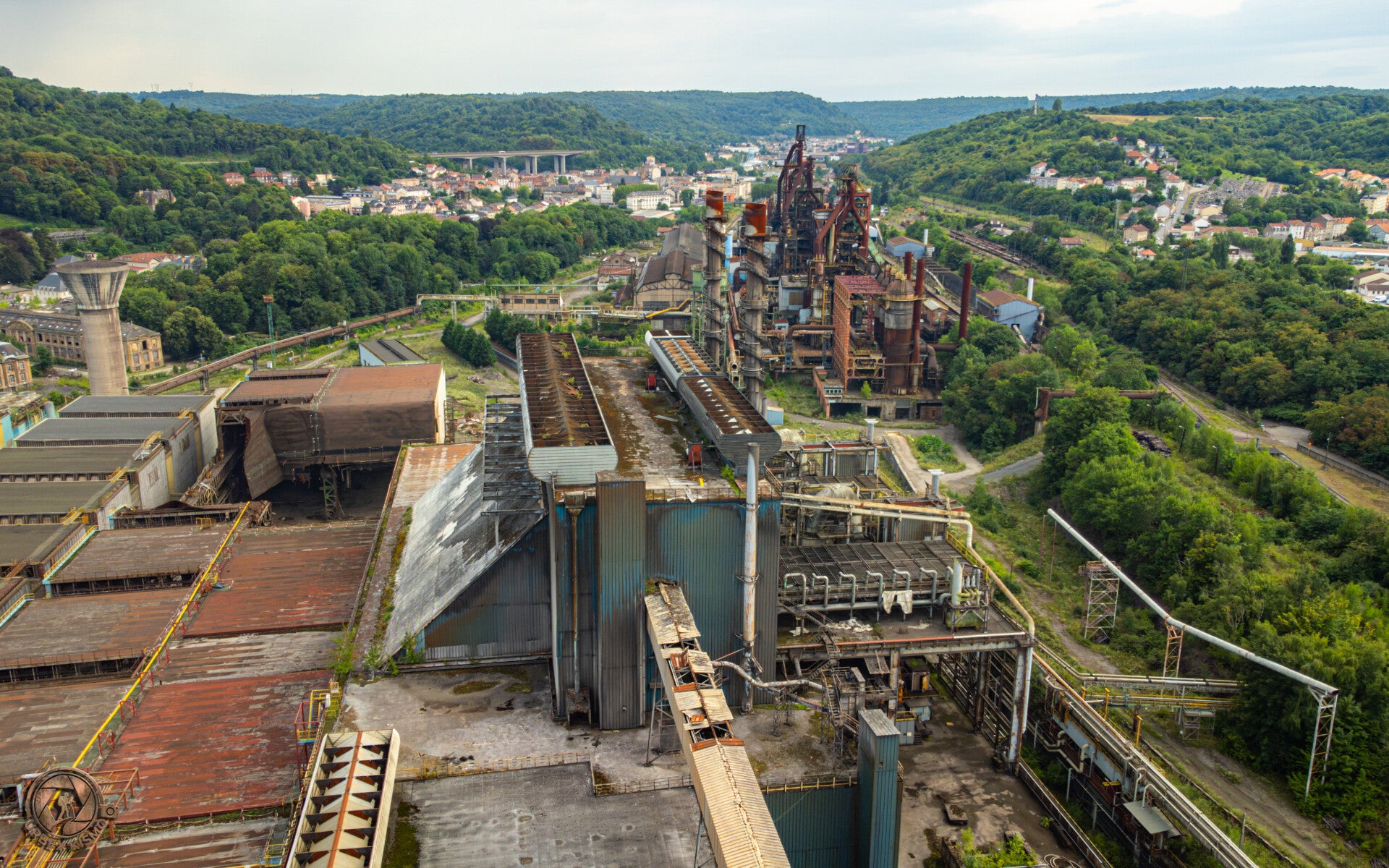
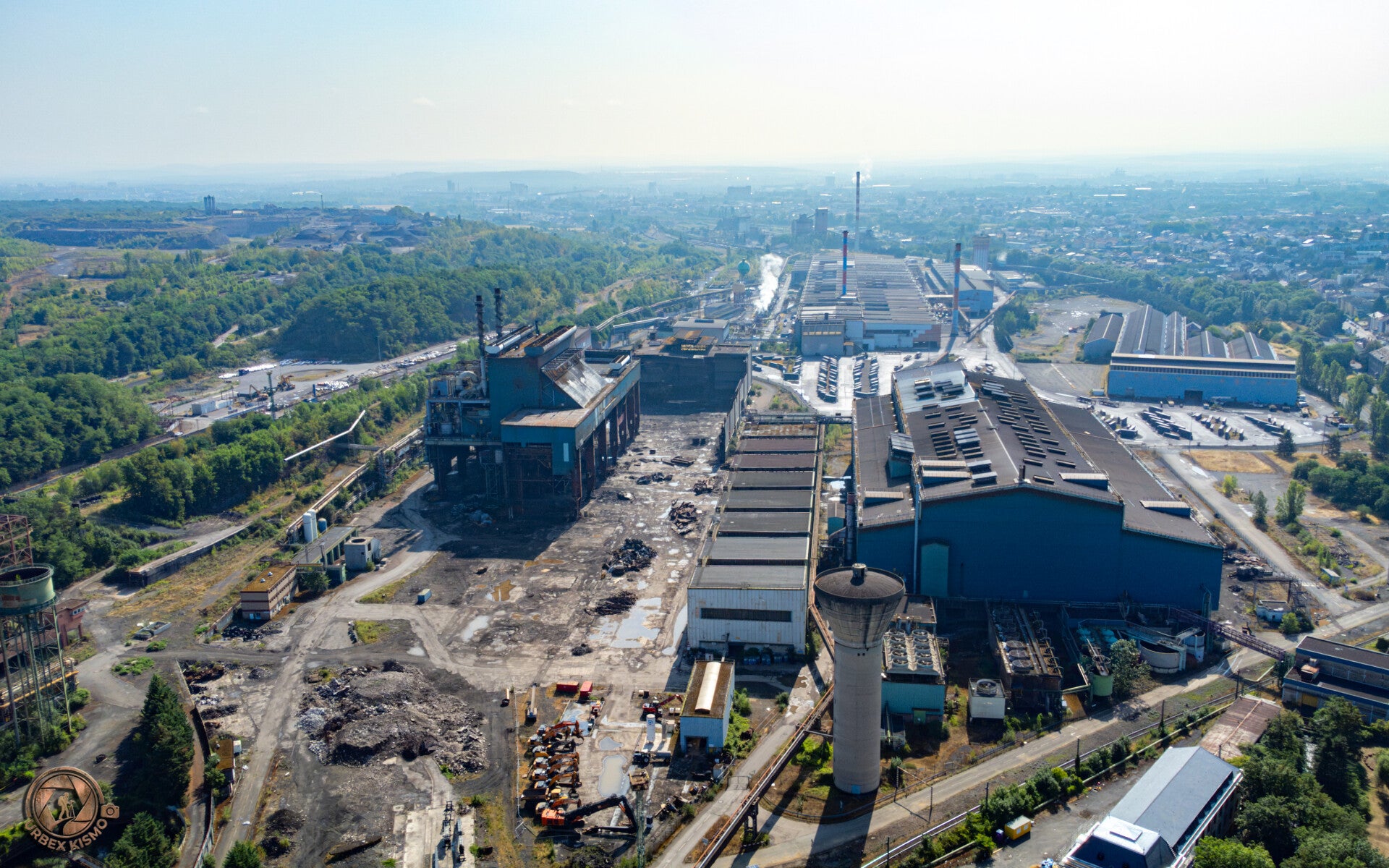
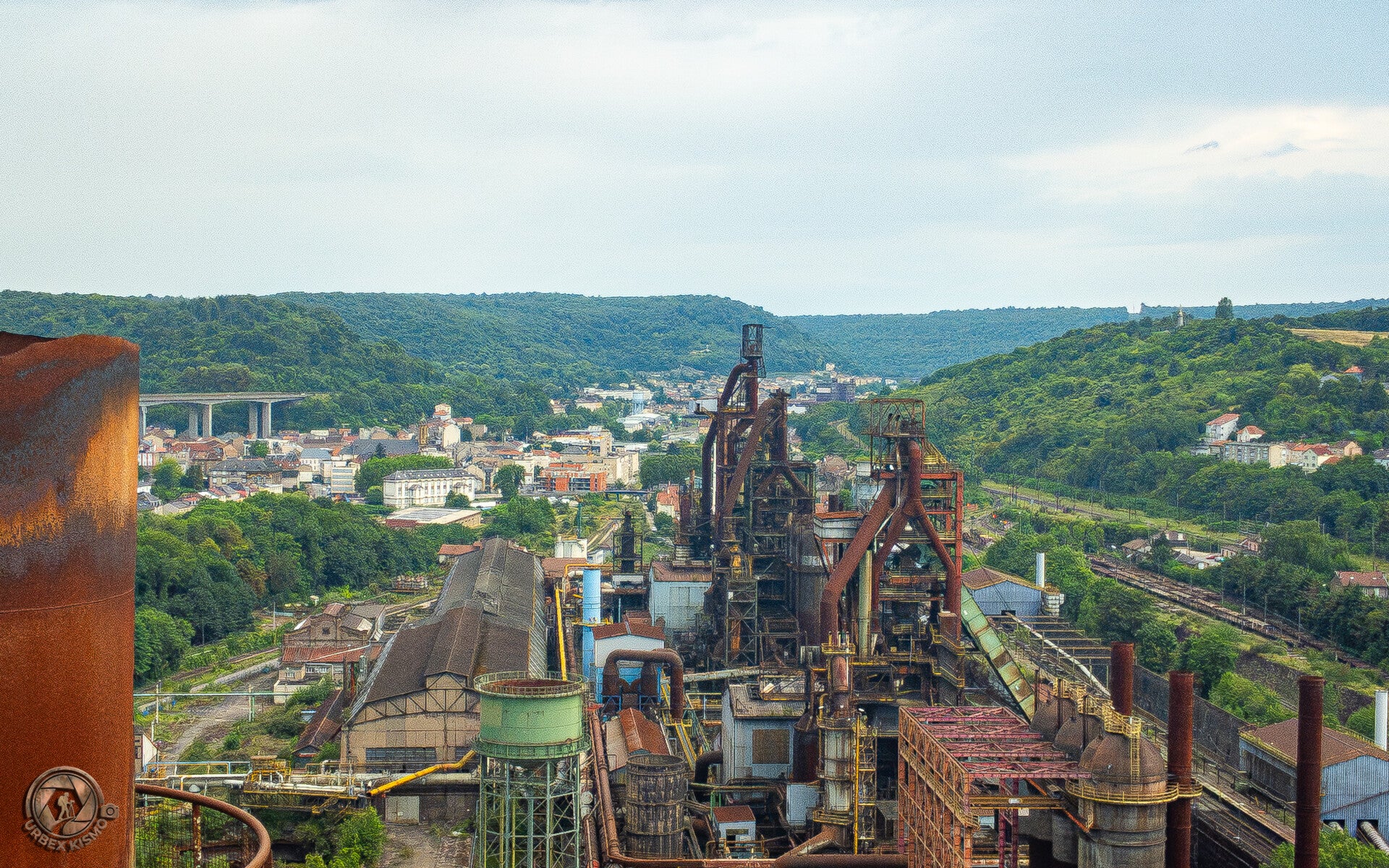
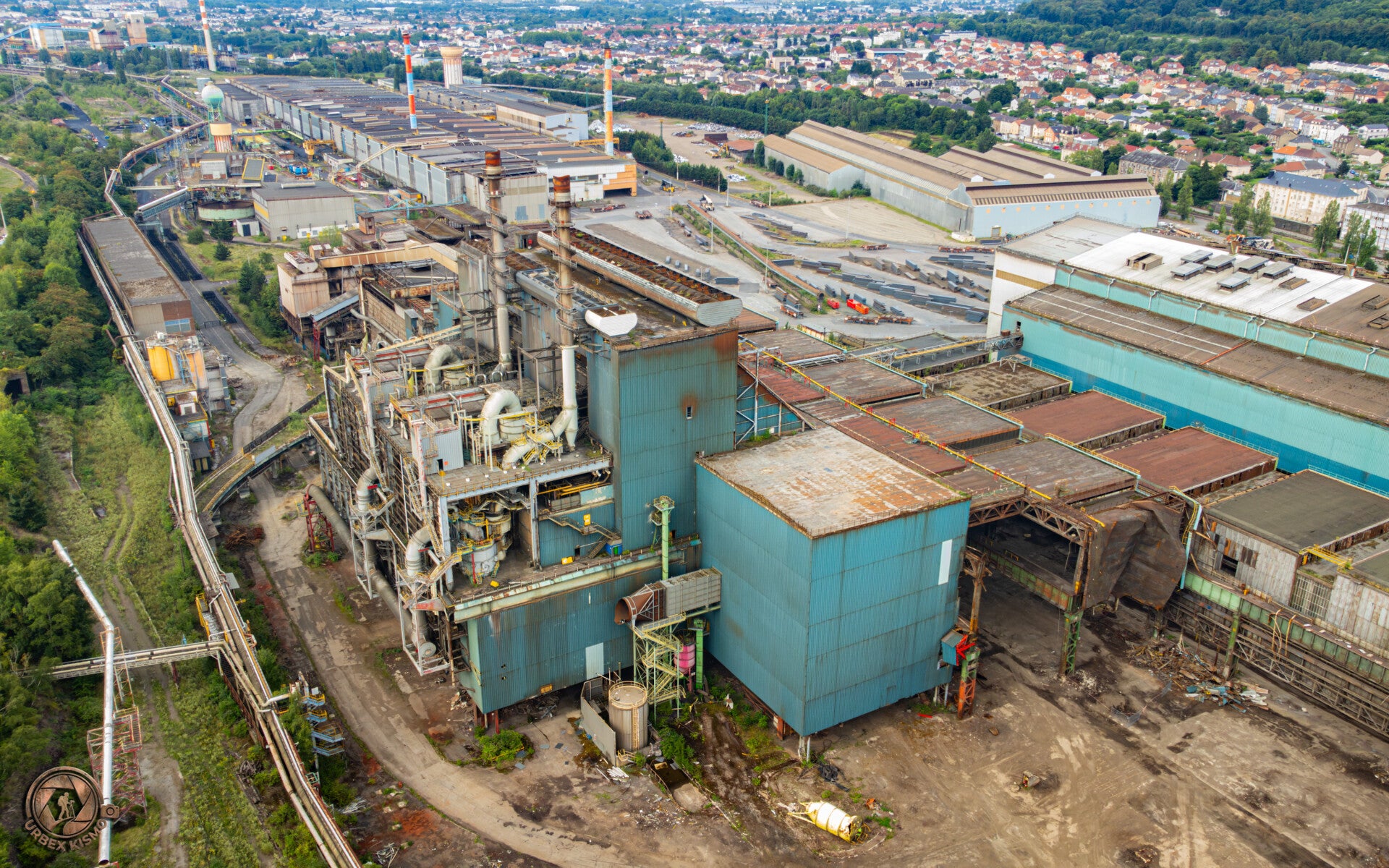
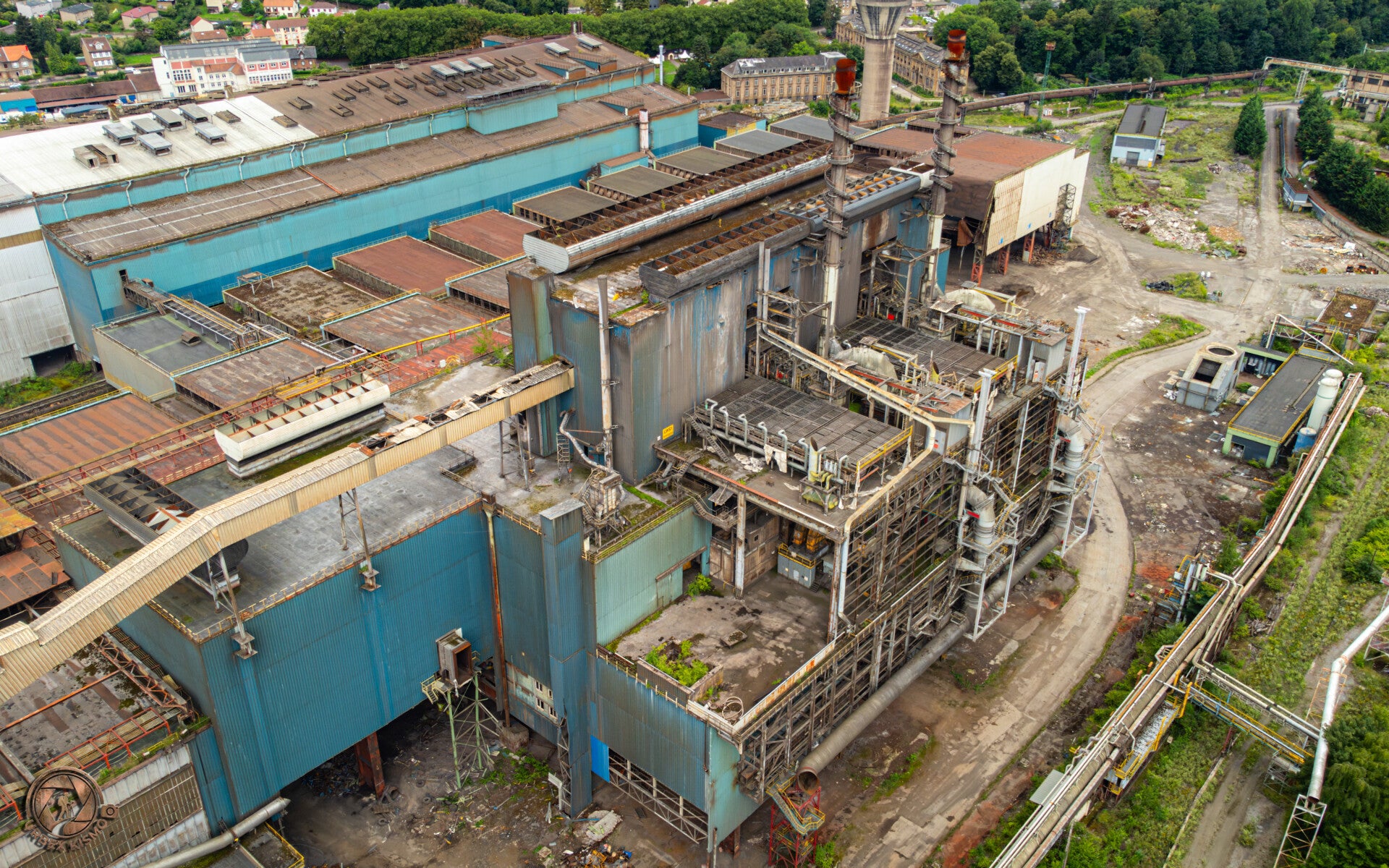
Another piece of the industrial landscape


Create Your Own Website With JouwWeb