

HFB | Laboratory - Boiler House
The blower house at HFB was built to handle blast furnace gas and route it back into the site. This gas, produced during ironmaking, was captured instead of wasted. From here it was cleaned, regulated, and sent toward heating systems and the nearby turbine hall.
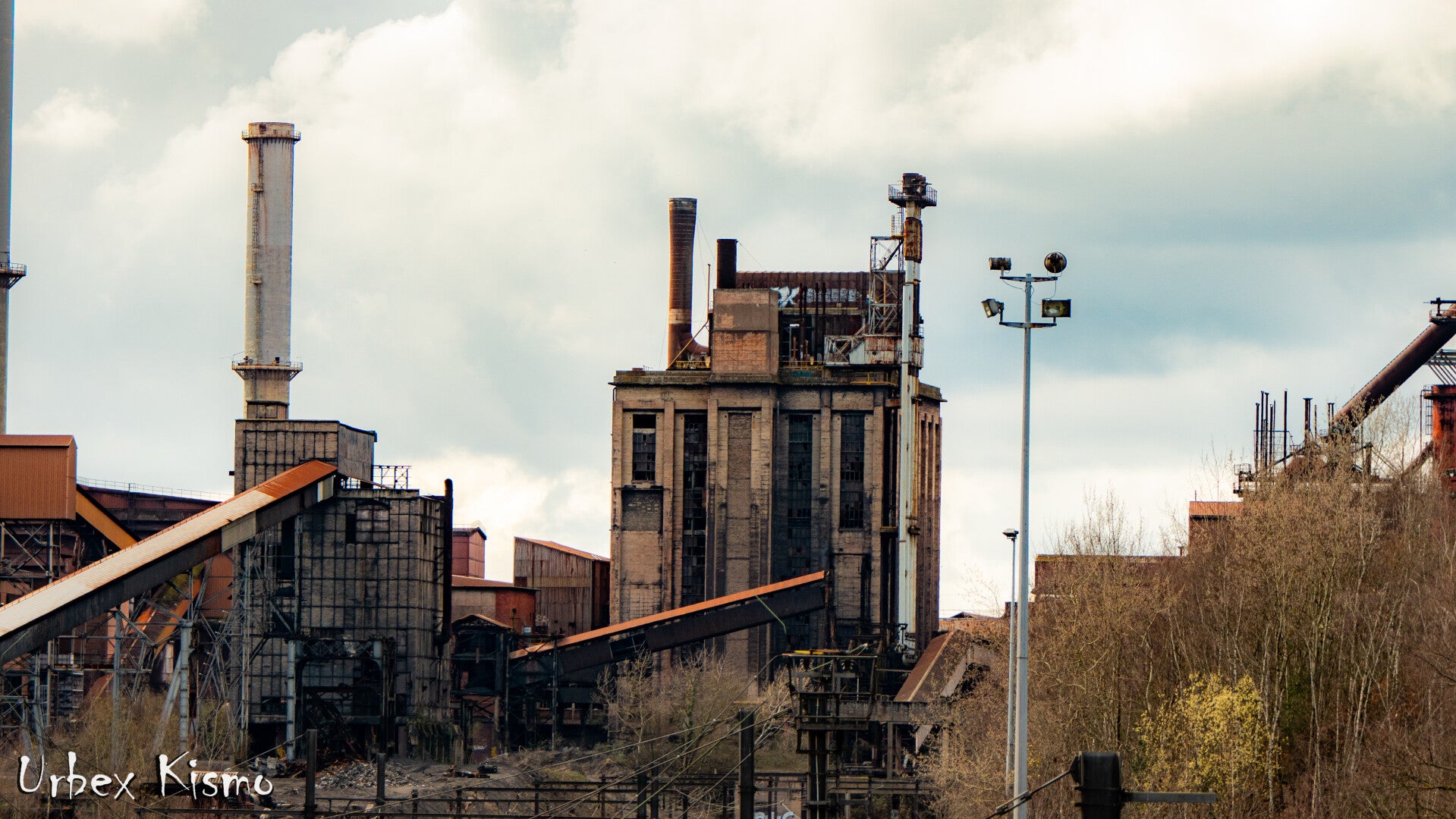
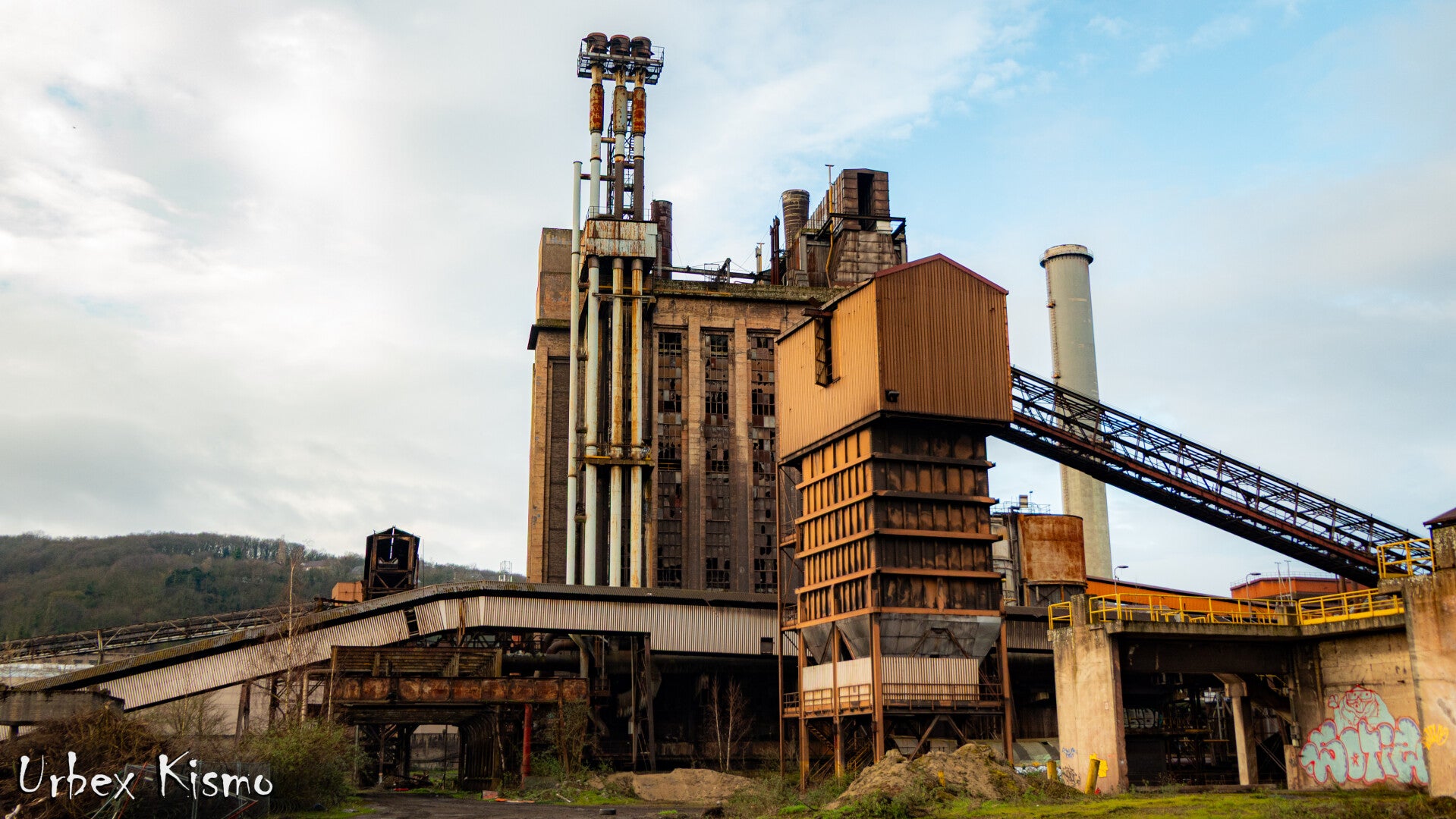


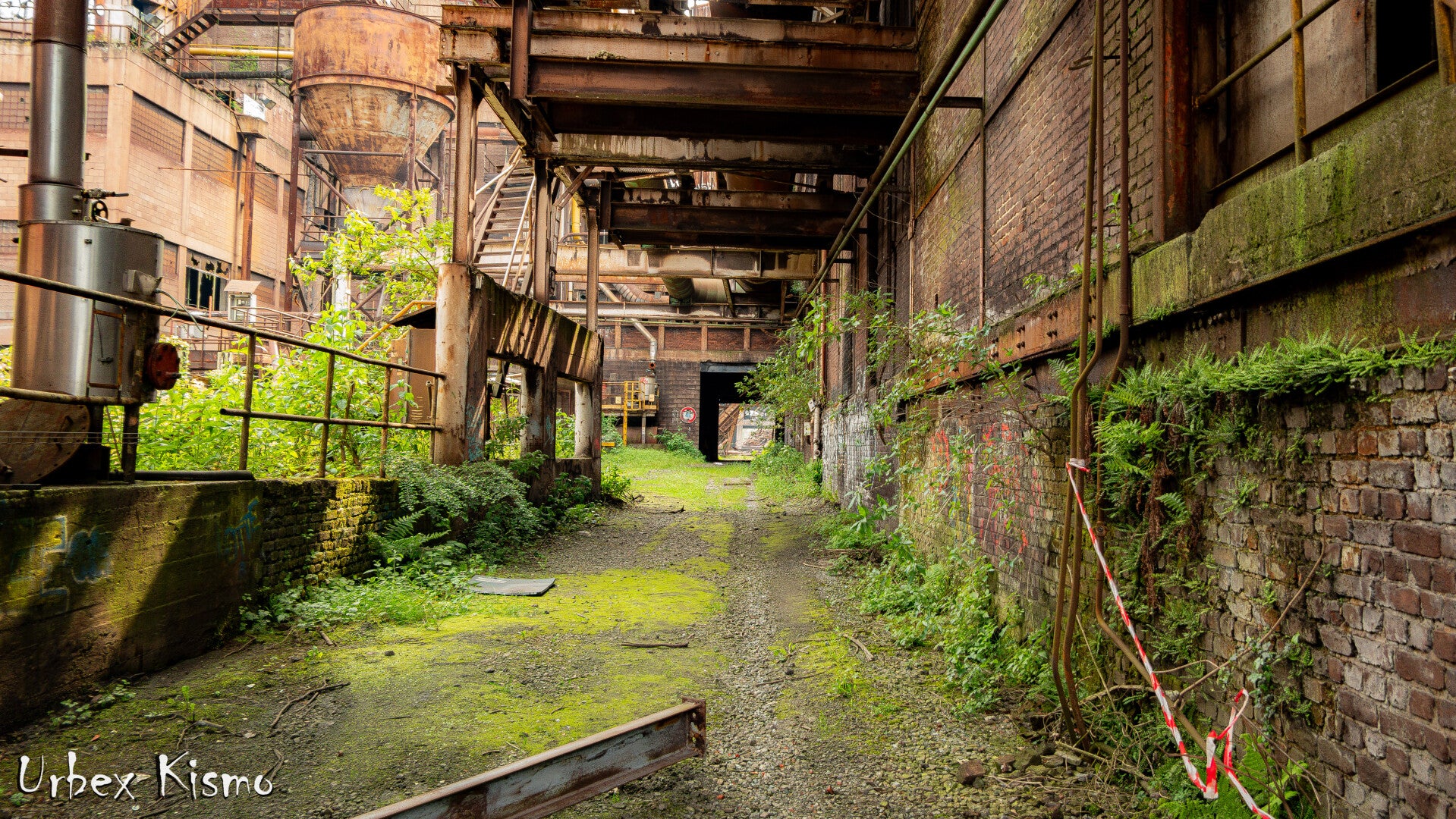
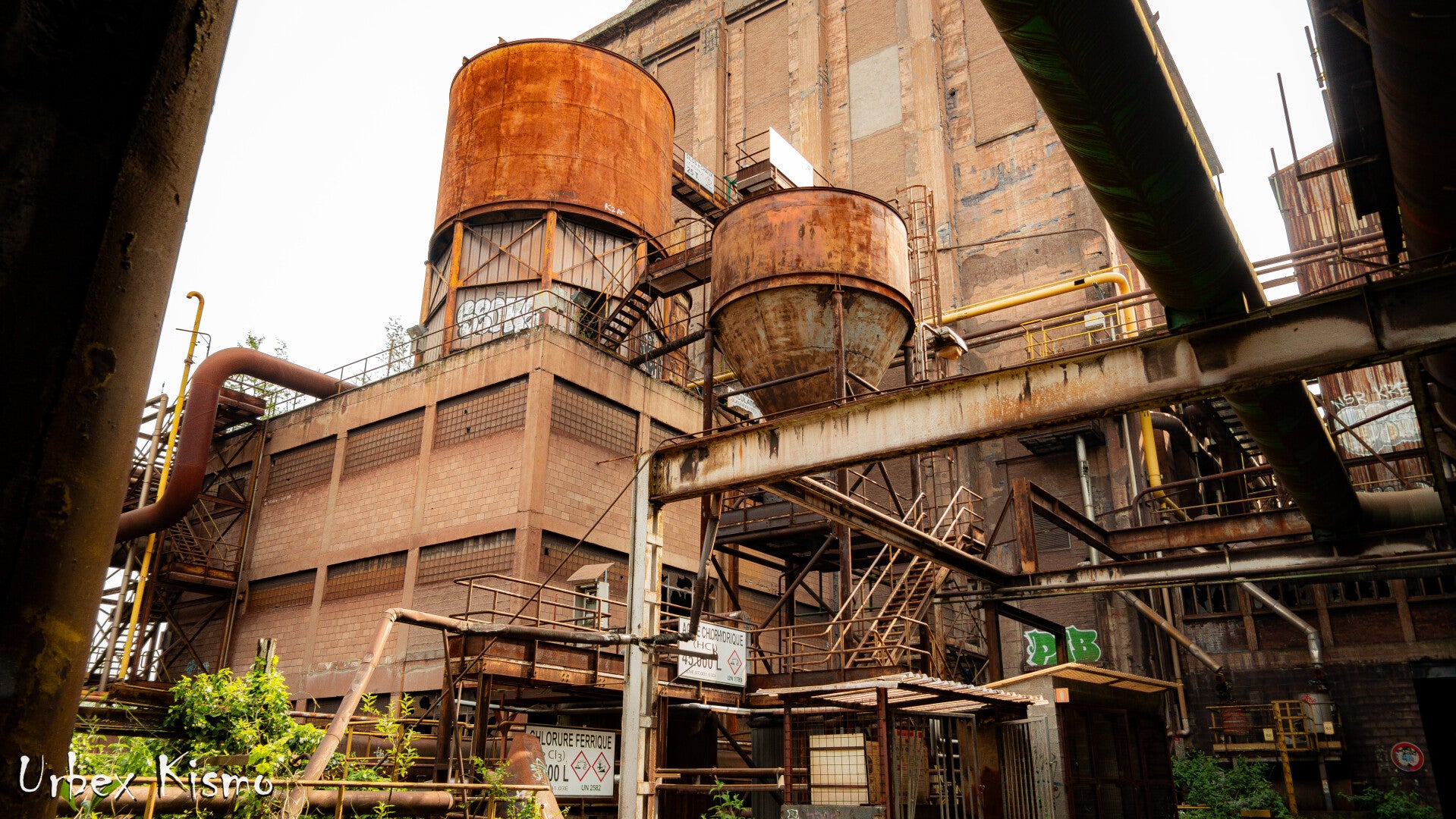


Gas recovery and energy routing.
Workshop
The workshop supported the operation of the gas and blower systems. Pumps, valves, and compressors needed constant maintenance to keep gas flow stable. Any failure could stop heating in buildings or interrupt steam production for the turbines


Keeping the gas system running.
Laboratory
The laboratory tested blast furnace gas before it was reused. Measurements focused on energy content, impurities, and safety. Clean and stable gas was required to burn properly in boilers and heaters, making this lab an important control point for the whole system.
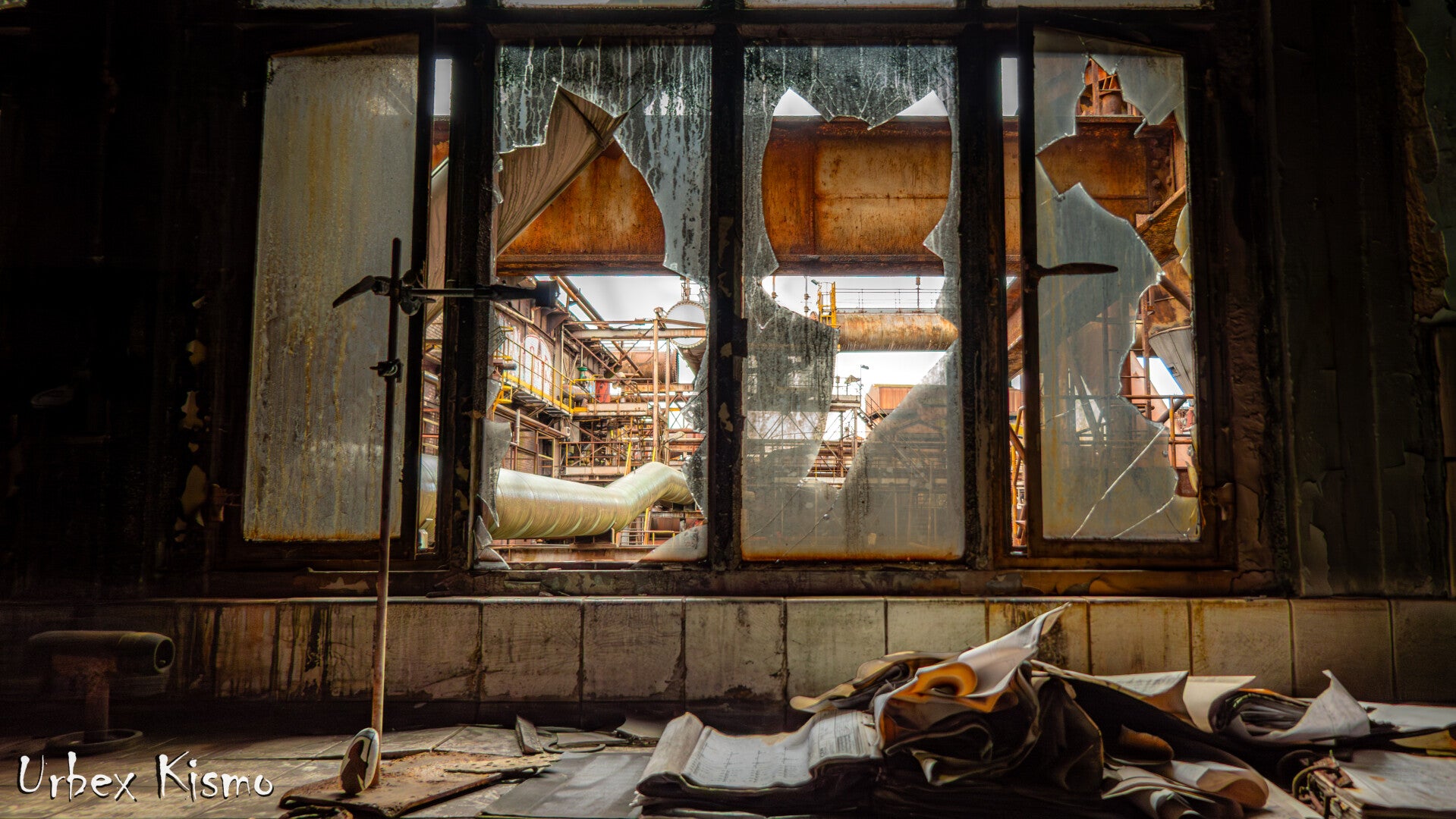
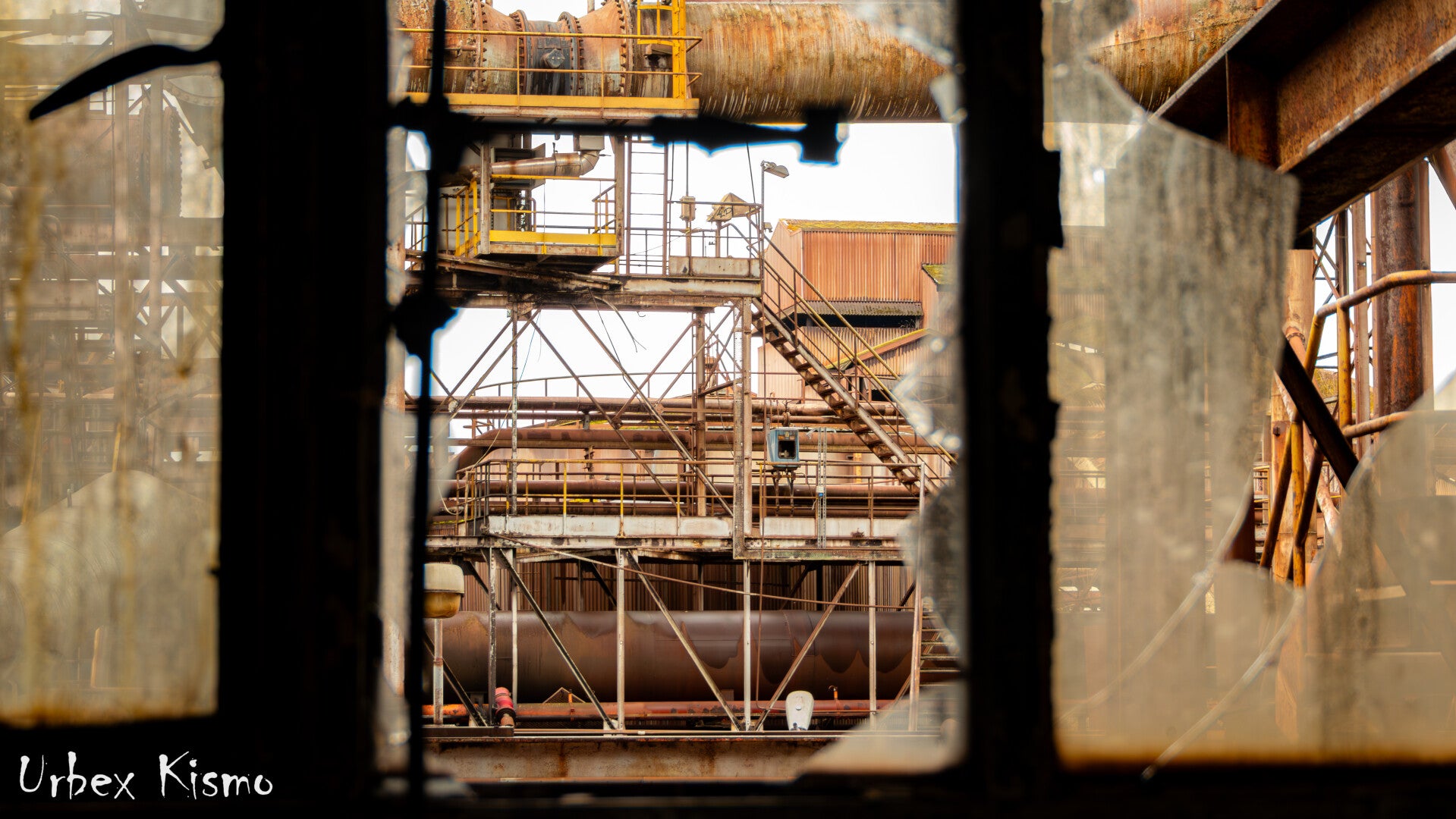
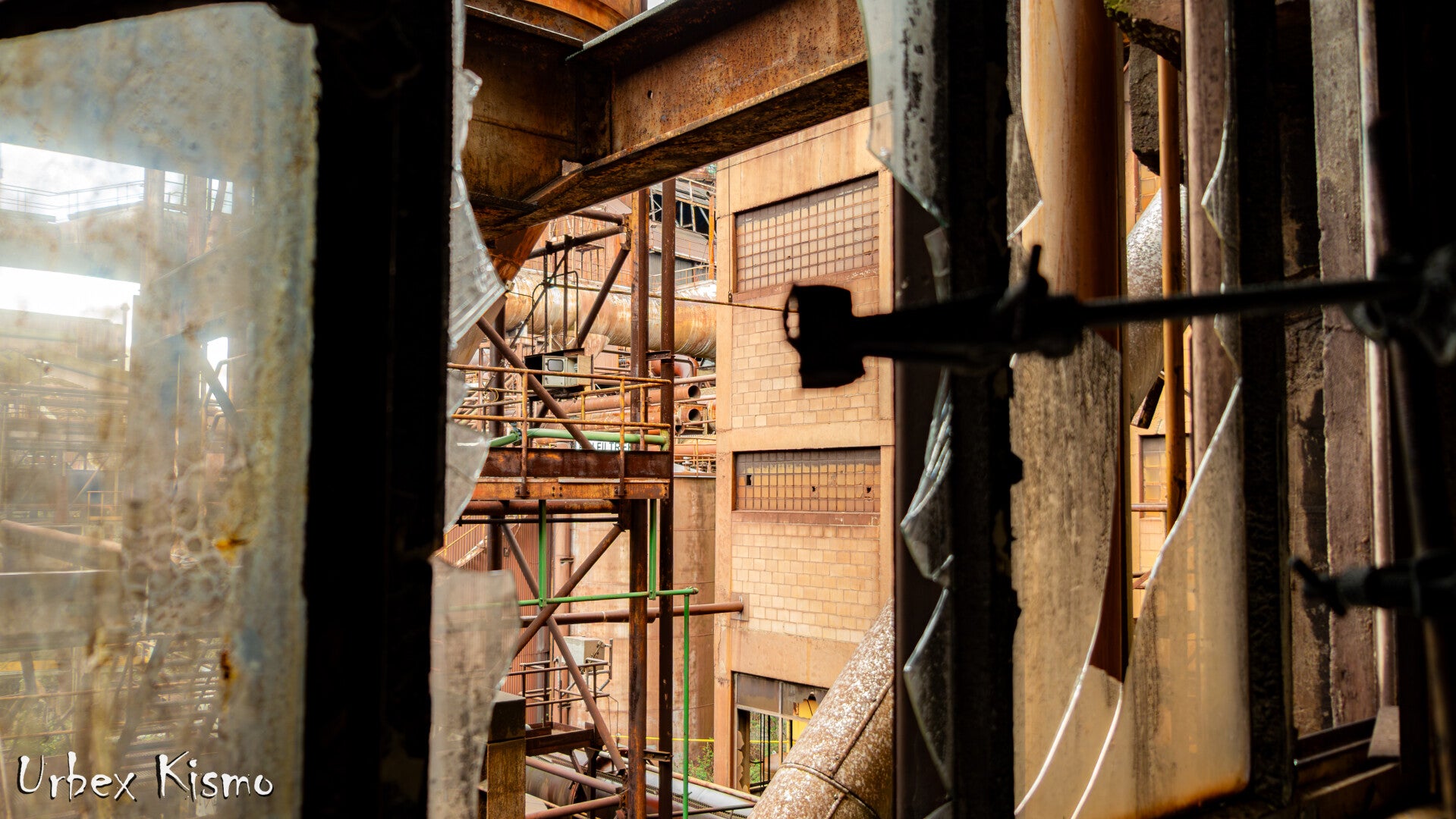
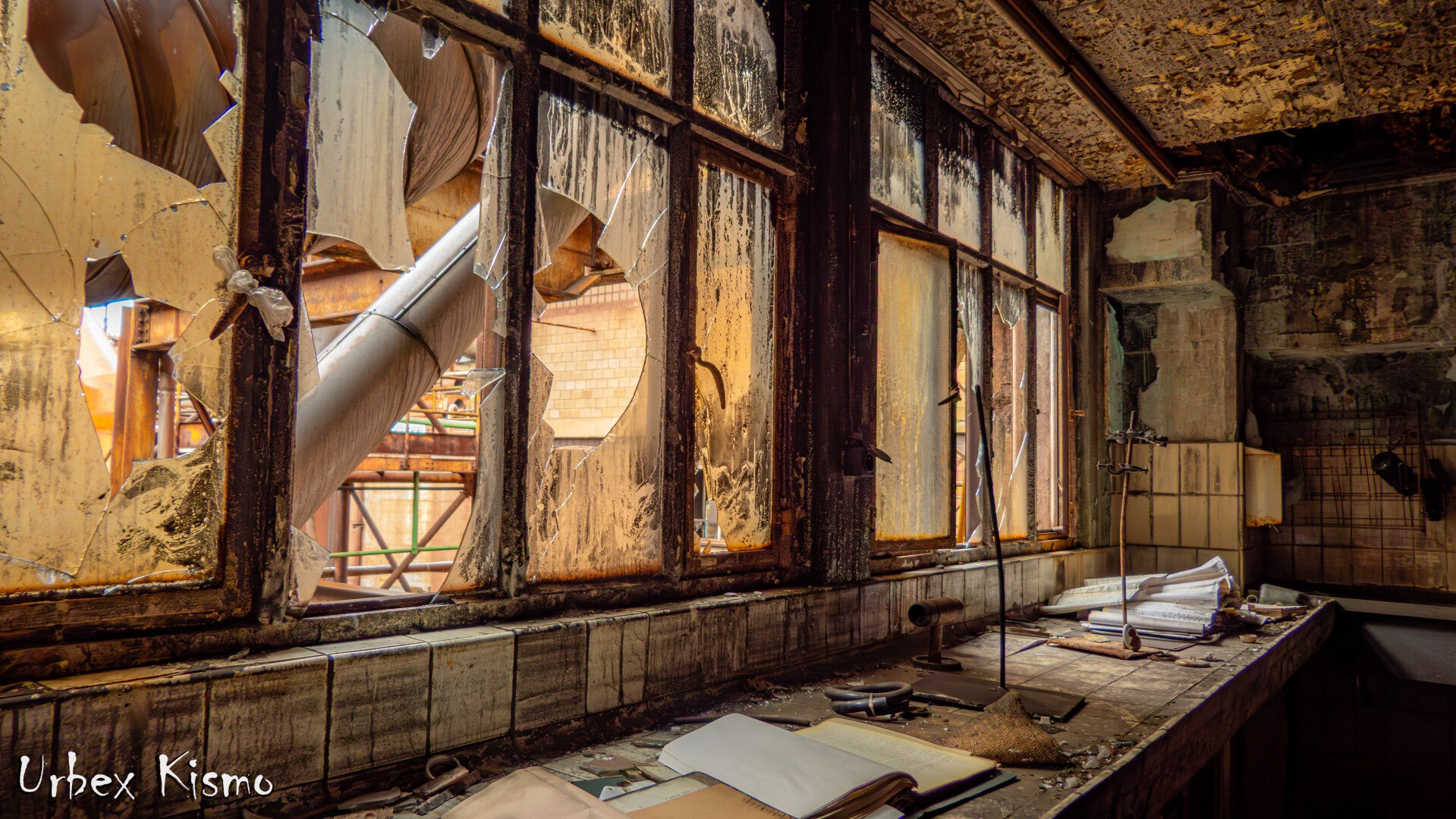
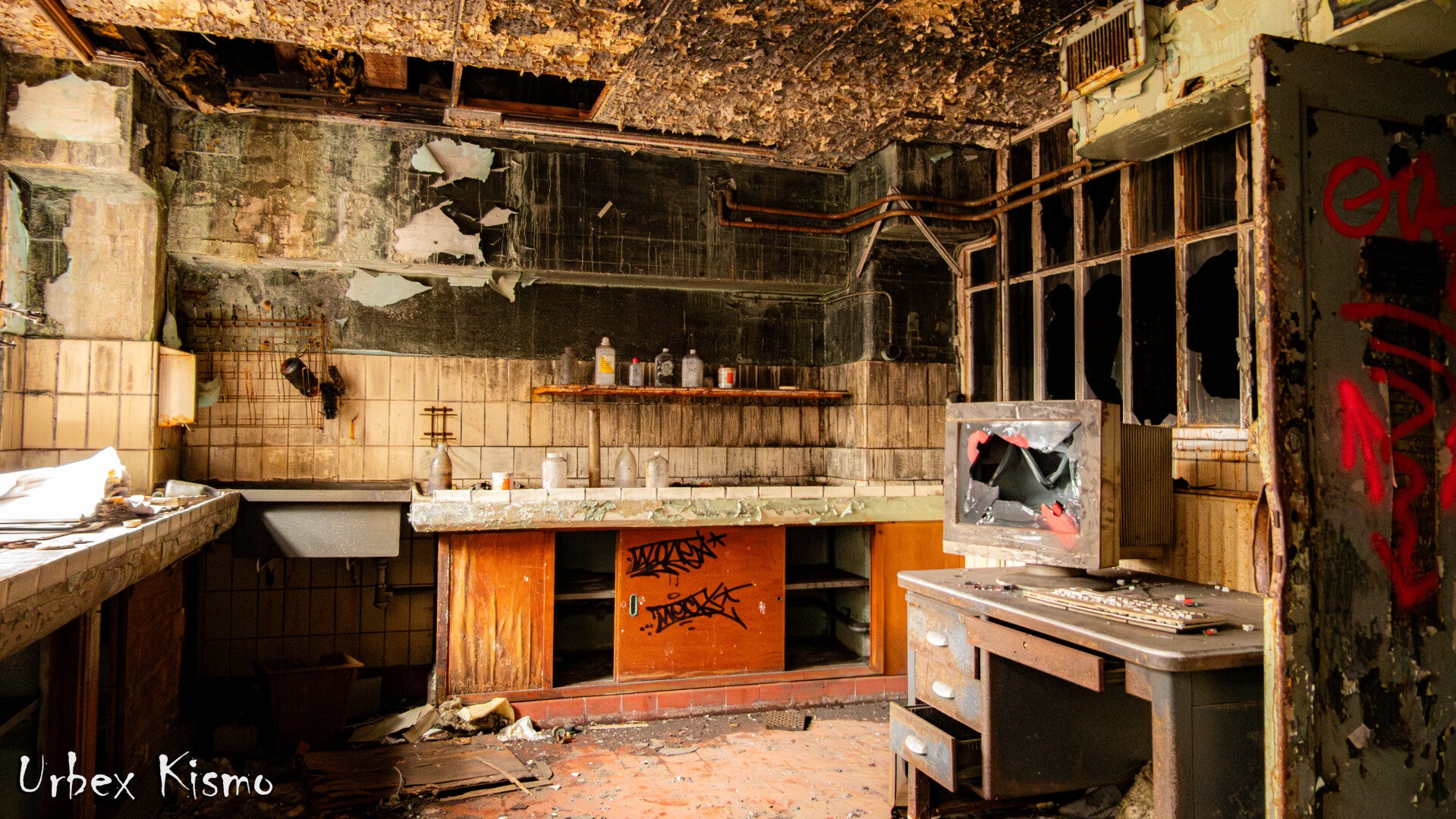


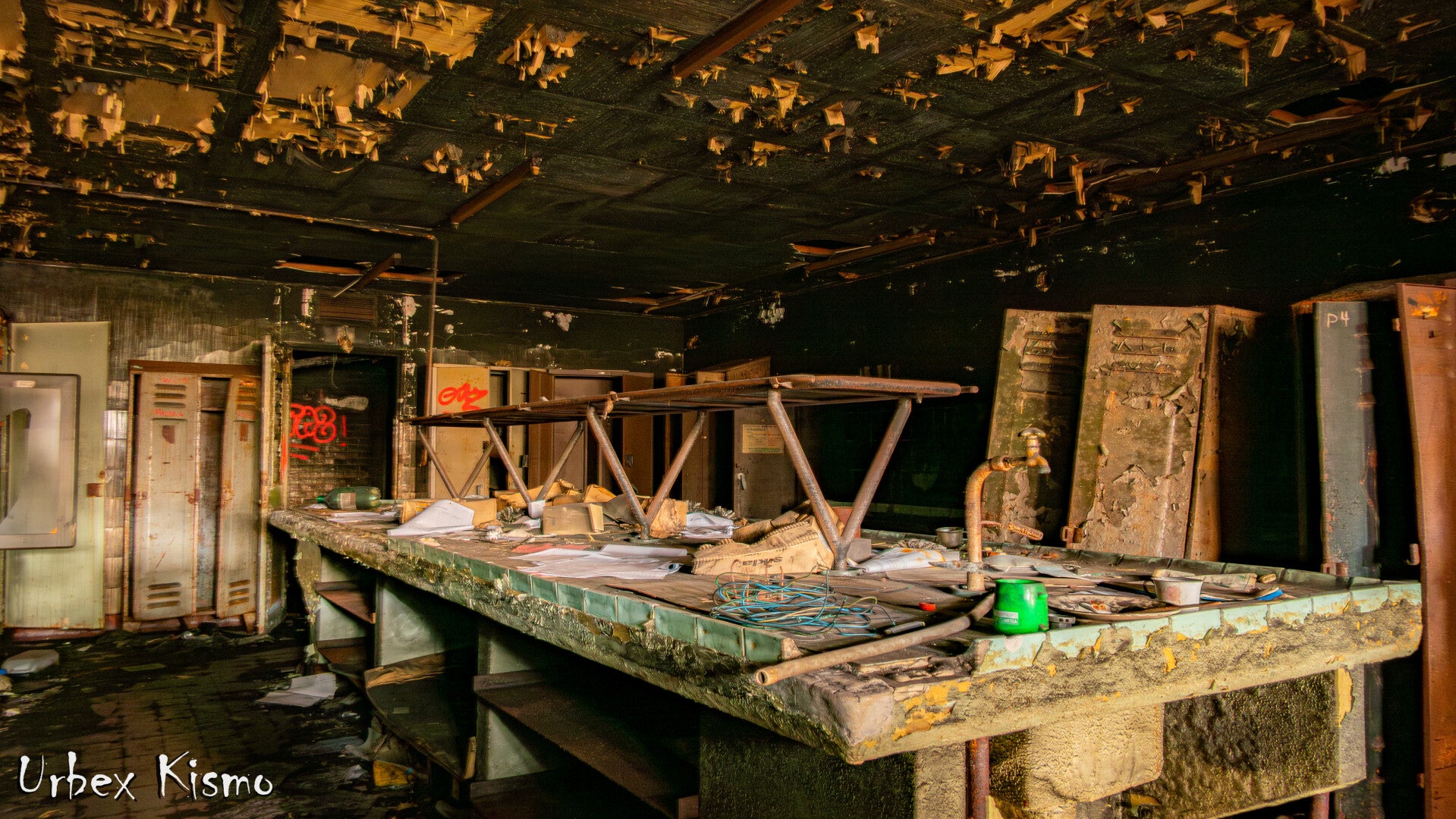

Monitoring gas quality.
Pipelines and Control Room
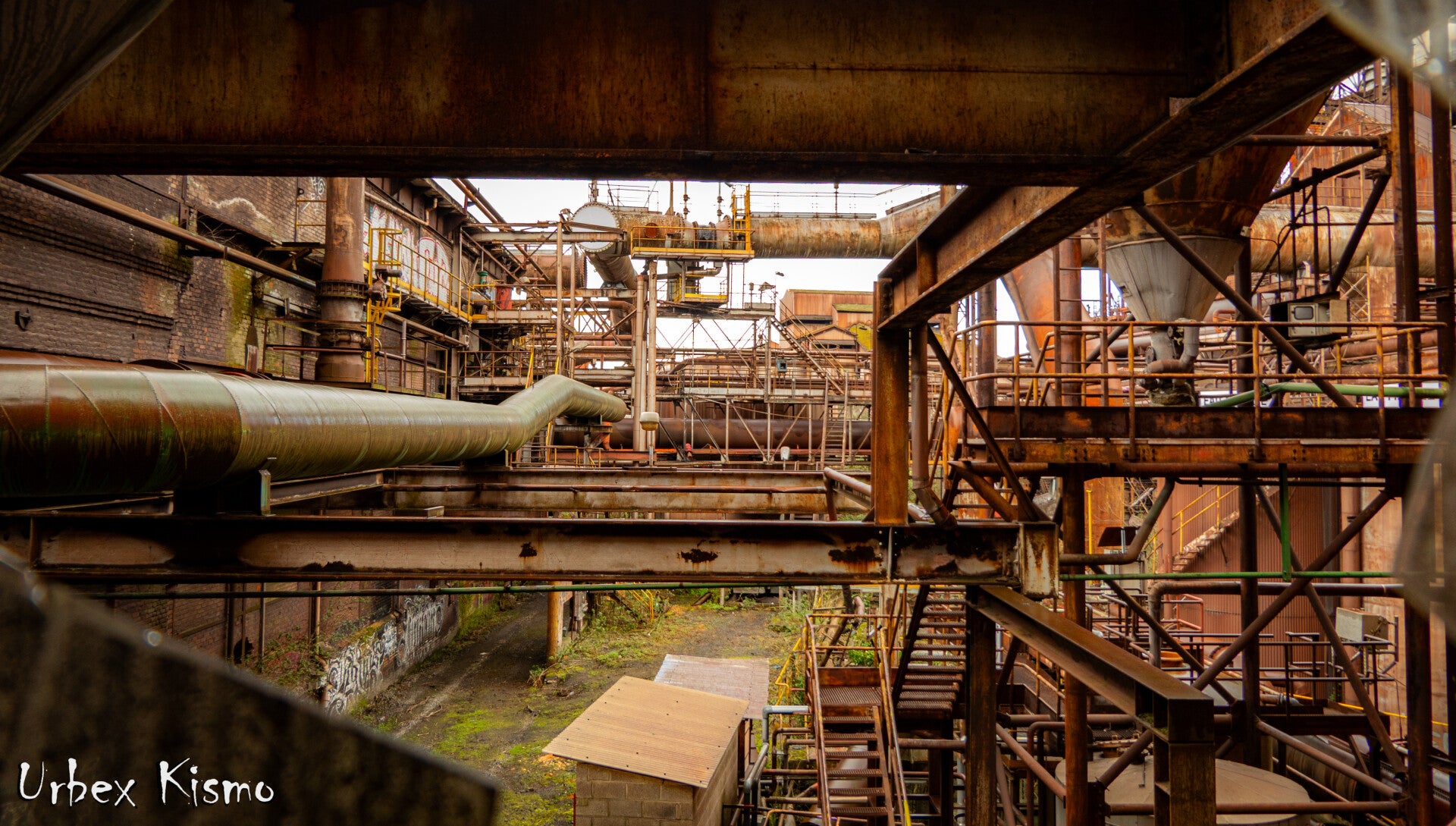
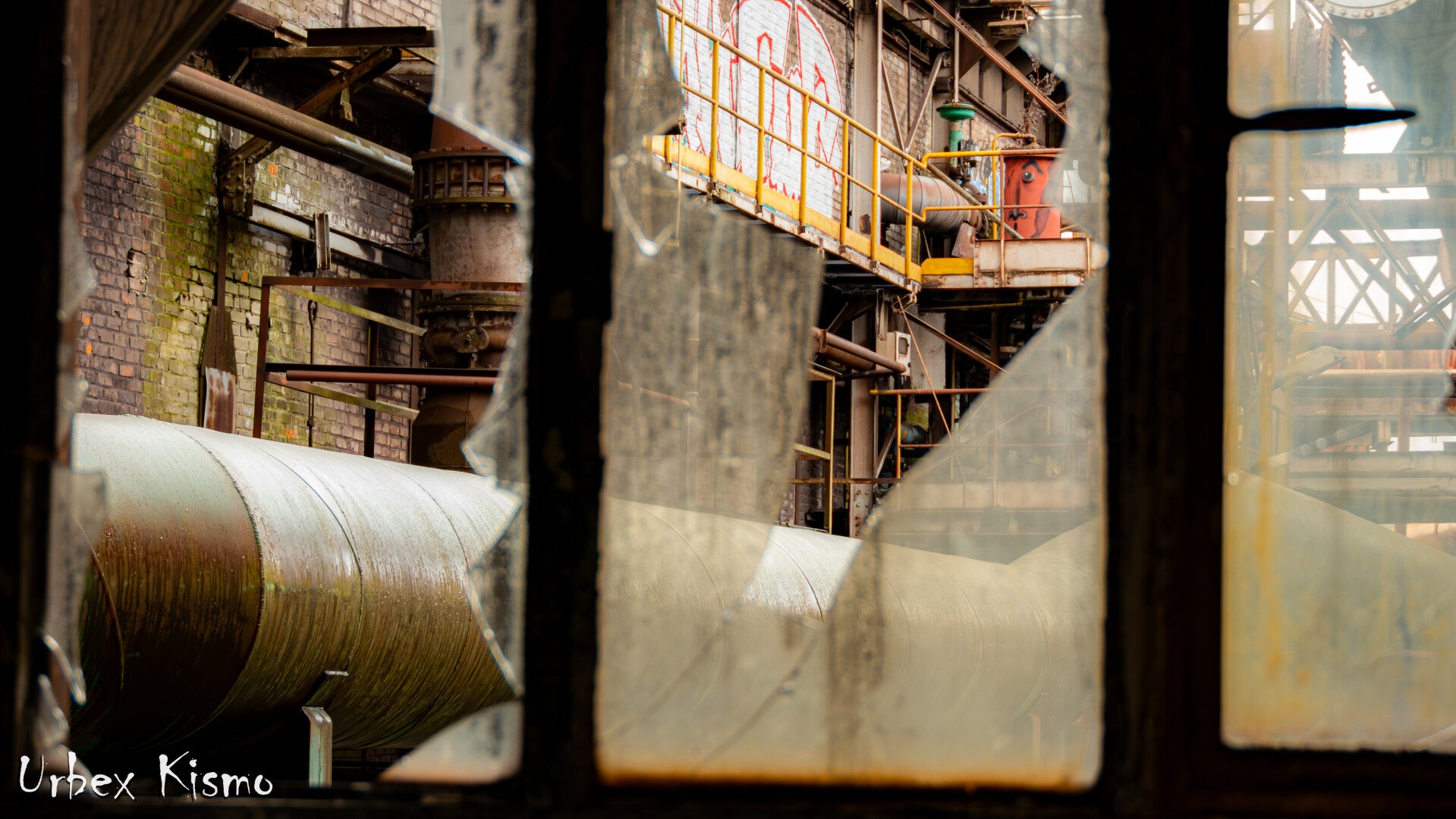
Large pipelines carried blast furnace gas from the furnace toward the blower house and then on to boilers and heaters. In the control room, operators managed pressure and flow to match demand. This ensured that buildings were heated and that enough gas reached the steam boilers for power generation.
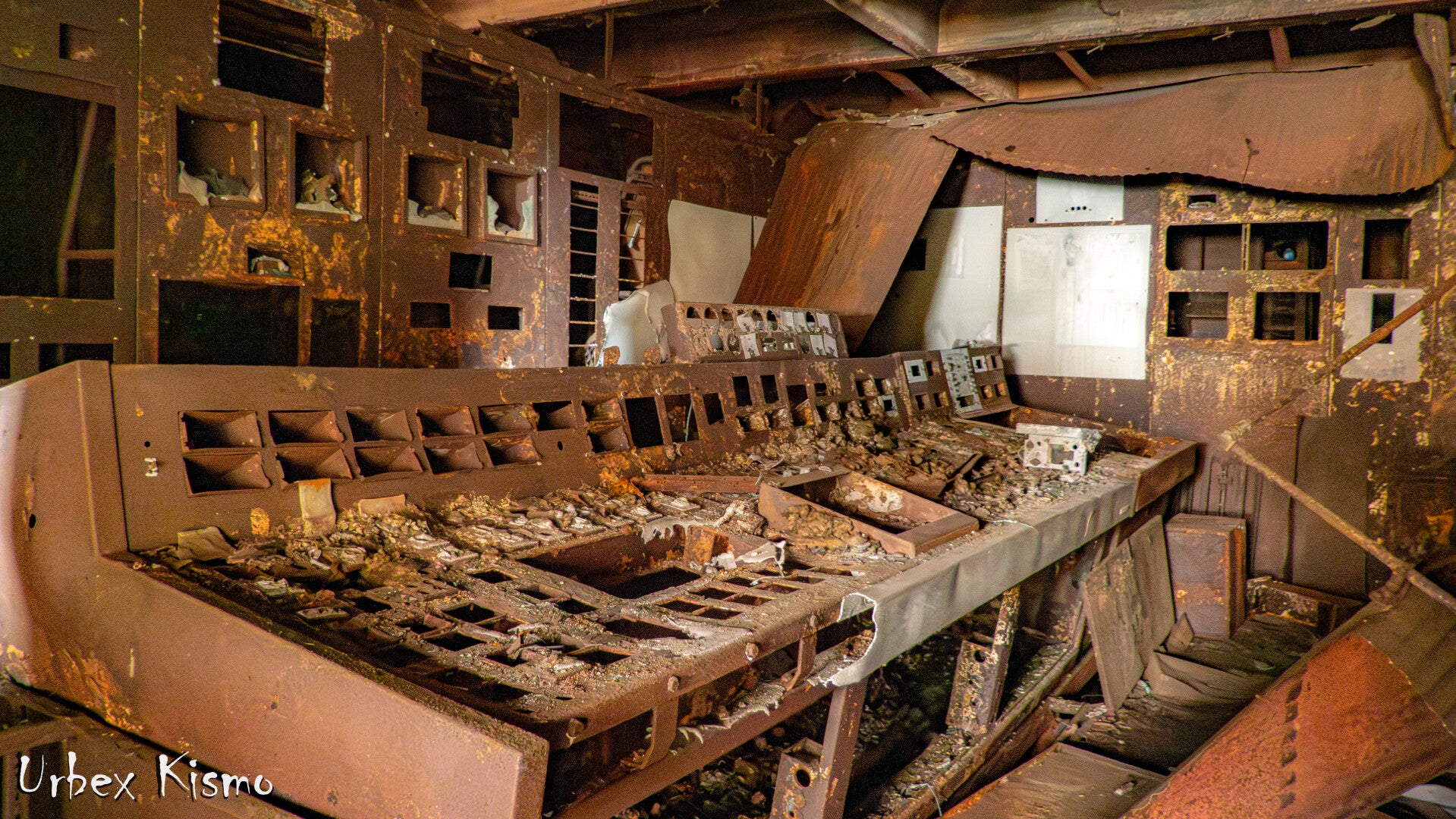
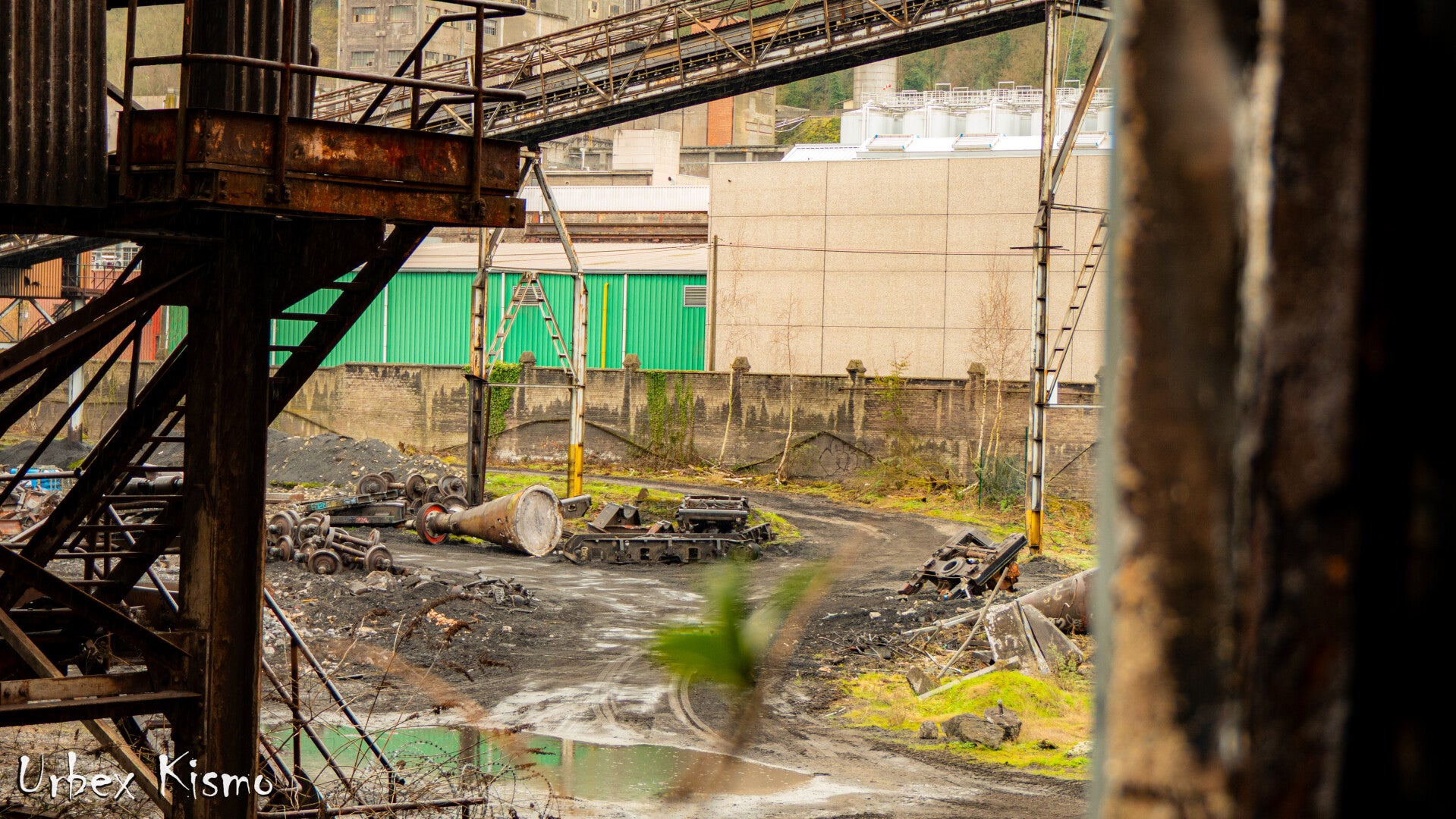


Directing gas en pressure
The Blower House
Inside the blower house, the gas was compressed, filtered, and stabilised. This made it suitable for burning in boilers and heaters. The entire setup allowed waste gas from the blast furnace to become a useful energy source instead of being flared away.


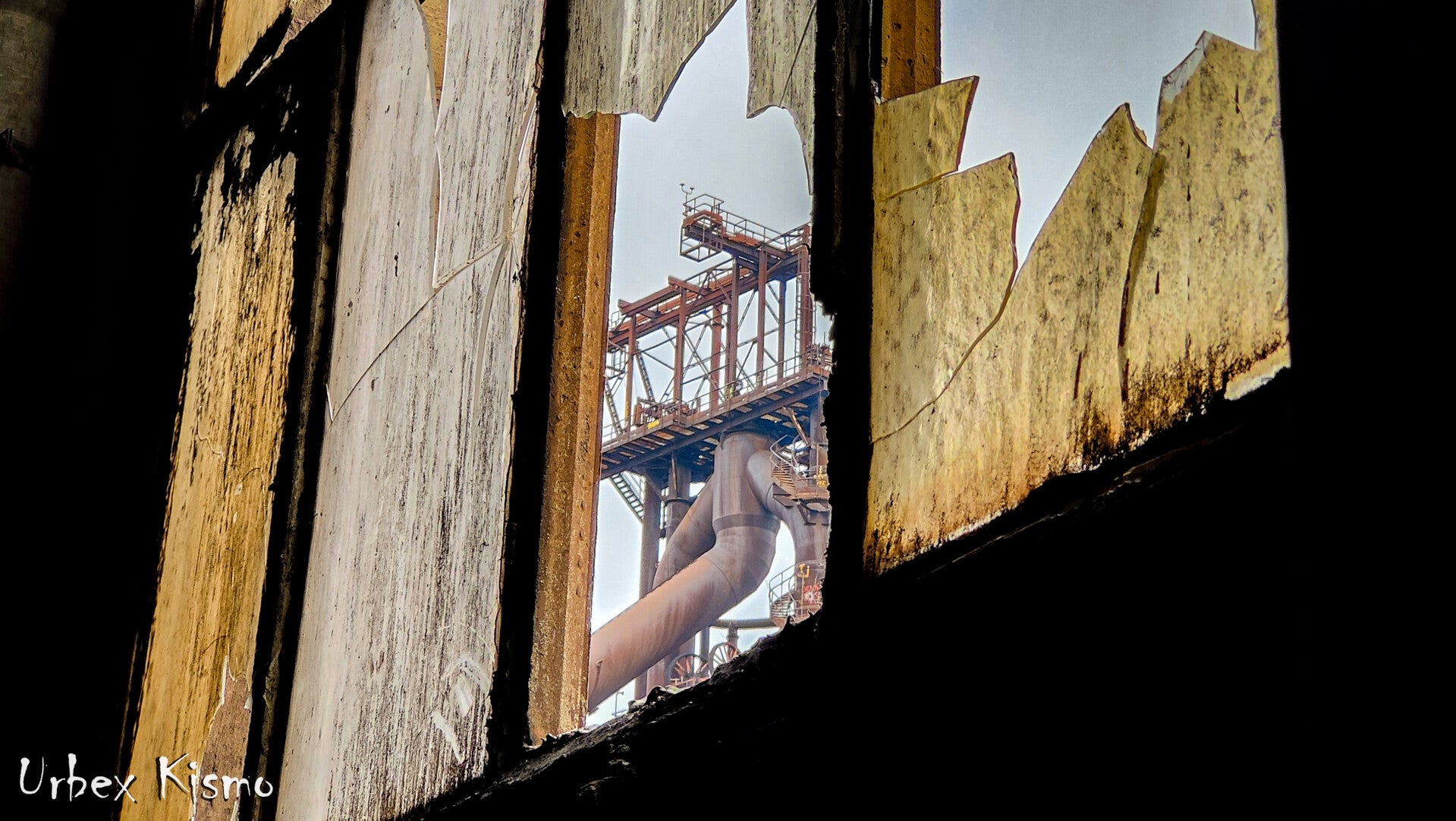


Where gas was prepared for reuse
On the Roof
From the roof, the connection between the blower house, the blast furnace, and the turbine hall becomes clear. The three chimneys that once stood here were part of the system that moved and released gases after use. They have now been demolished, but their role in the energy cycle was vital.


Overlooking the network
Other Steelworks
From the blower house, sites like HF6, KV70, and the Ougrée coking plant were visible. Coke production, ironmaking, gas recovery, and power generation all worked together. Blast furnace gas flowed through this network, turning steel production into a source of heat and electricity for the entire complex.
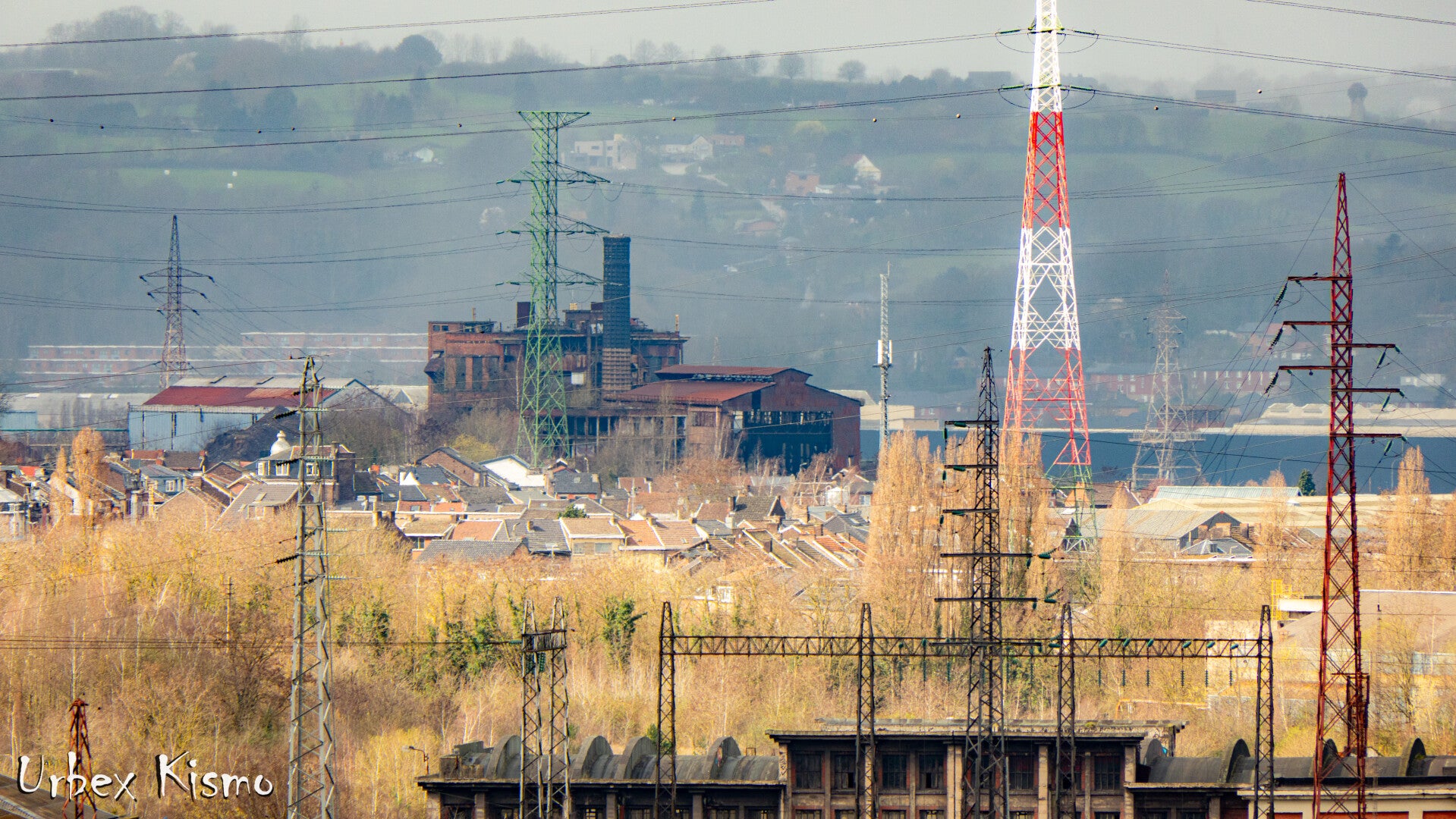
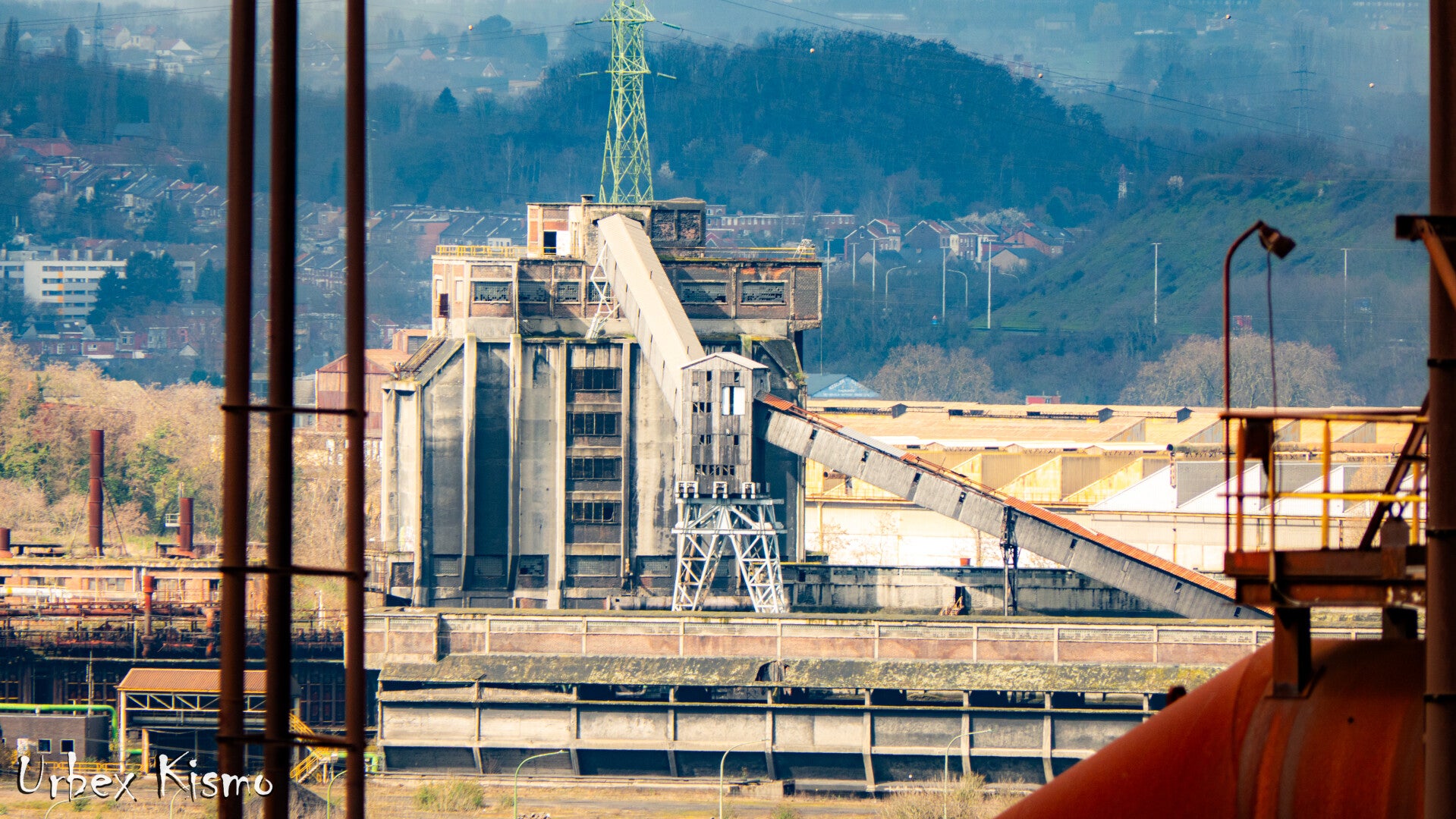
An integrated steelworks


Create Your Own Website With JouwWeb